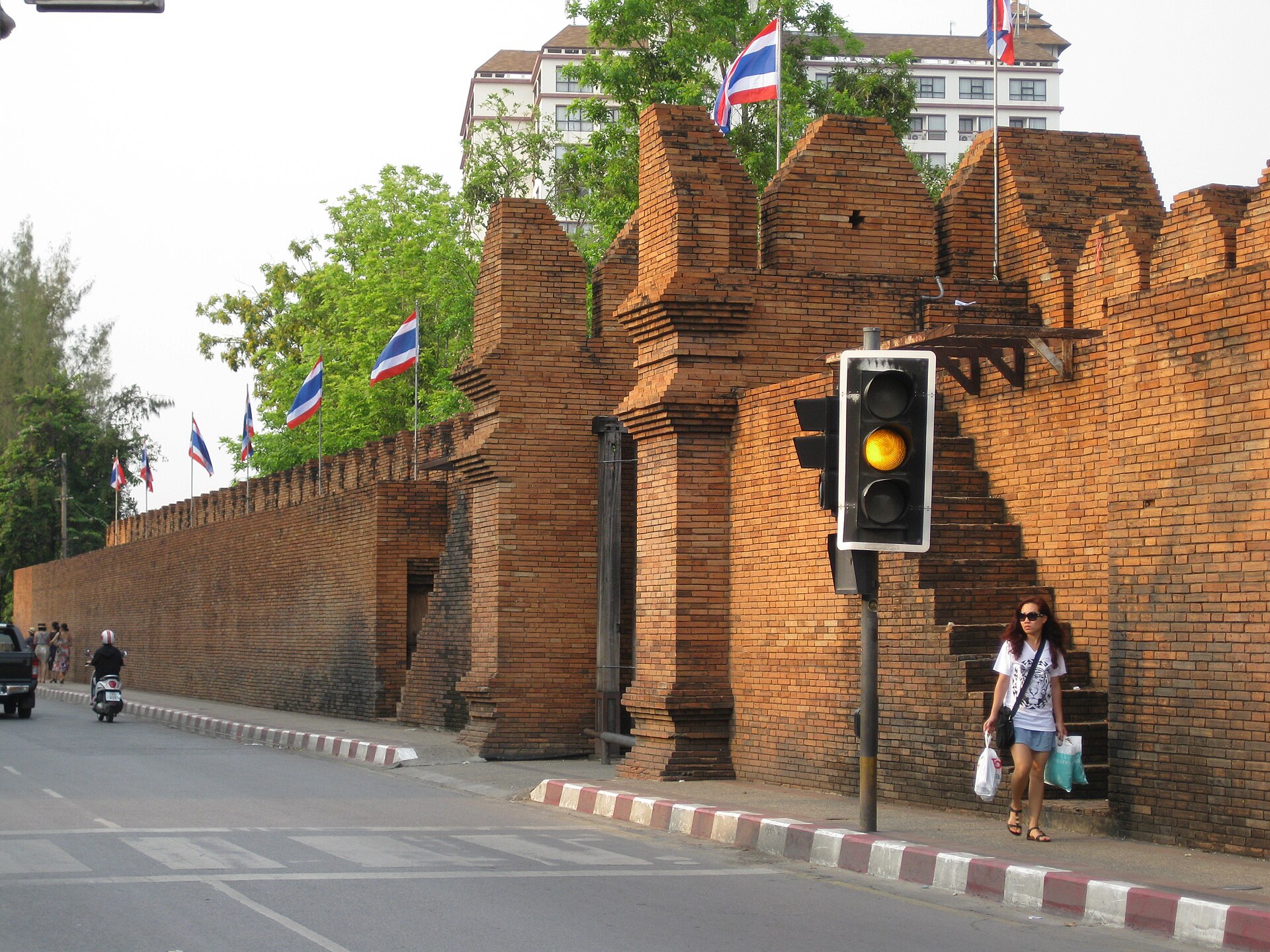
Tha Phae Gate
East side of the moat
The reconstructed brick gate and its open square, the city’s meeting point and stage for festivals, from Loy Krathong to New Year.
Open in Google Maps (opens in a new tab)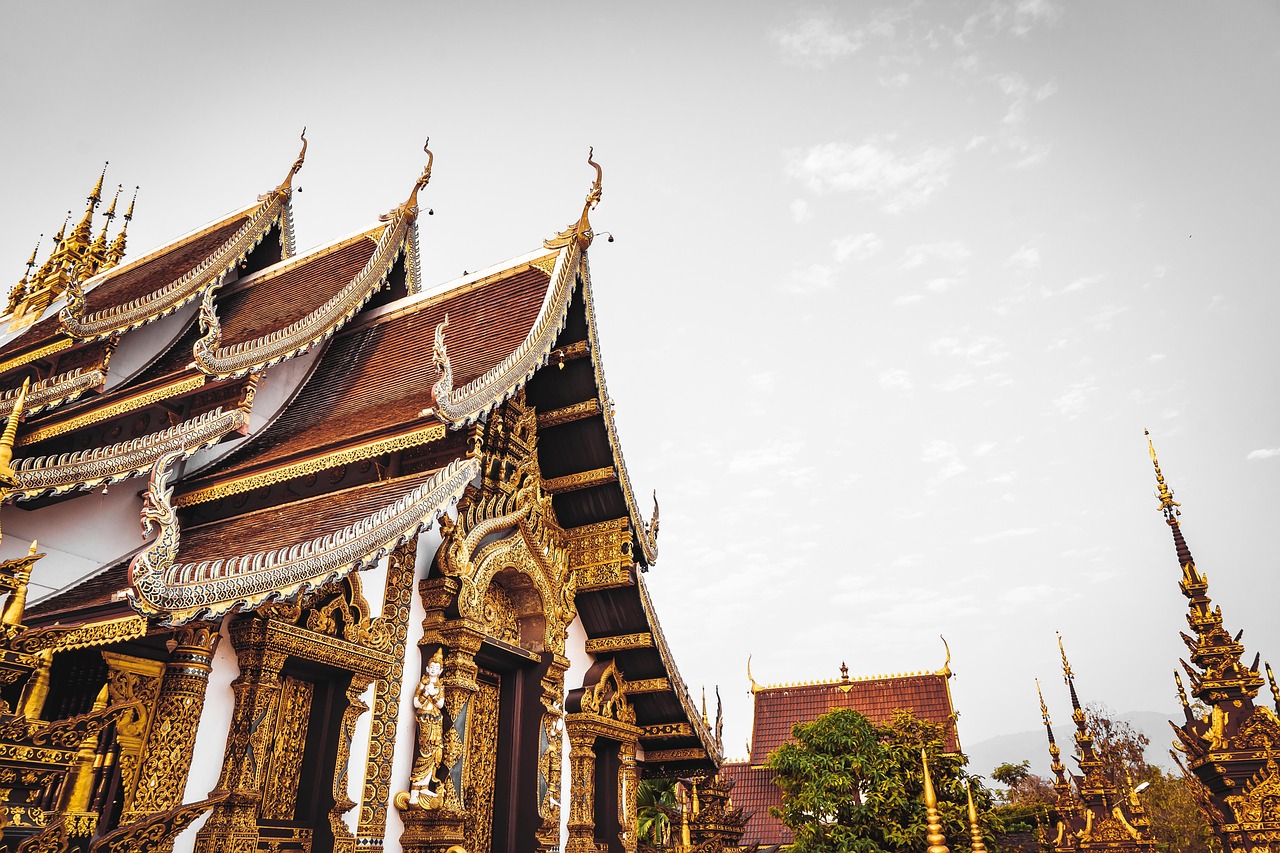
 Chiang Mai, Thailand
The brick eastern gate of Chiang Mai's moated old city and the square of lanes behind it, full of temples, cafés and guesthouses.
East side of the moat
The reconstructed brick gate and its open square, the city’s meeting point and stage for festivals, from Loy Krathong to New Year.
Open in Google Maps (opens in a new tab)Around the old city square
The moat still frames the square city, with remains of the old walls at the gates and corner bastions such as Jaeng Sri Phum in the north-east.
Open in Google Maps (opens in a new tab)Centre of the old city
Statues of King Mangrai, founder of Chiang Mai, with the kings of Sukhothai and Phayao who helped him choose the site. The Chiang Mai City Arts & Cultural Centre stands behind it.
Open in Google Maps (opens in a new tab)North-east of the old city
Considered the oldest temple in Chiang Mai, where King Mangrai lived while the city was built; its chedi is supported by a row of elephant sculptures.
Open in Google Maps (opens in a new tab)Behind the Three Kings Monument
A museum in a former provincial hall telling the history of Chiang Mai and the Lanna kingdom, with the Lanna Folklife Museum close by.
Open in Google Maps (opens in a new tab)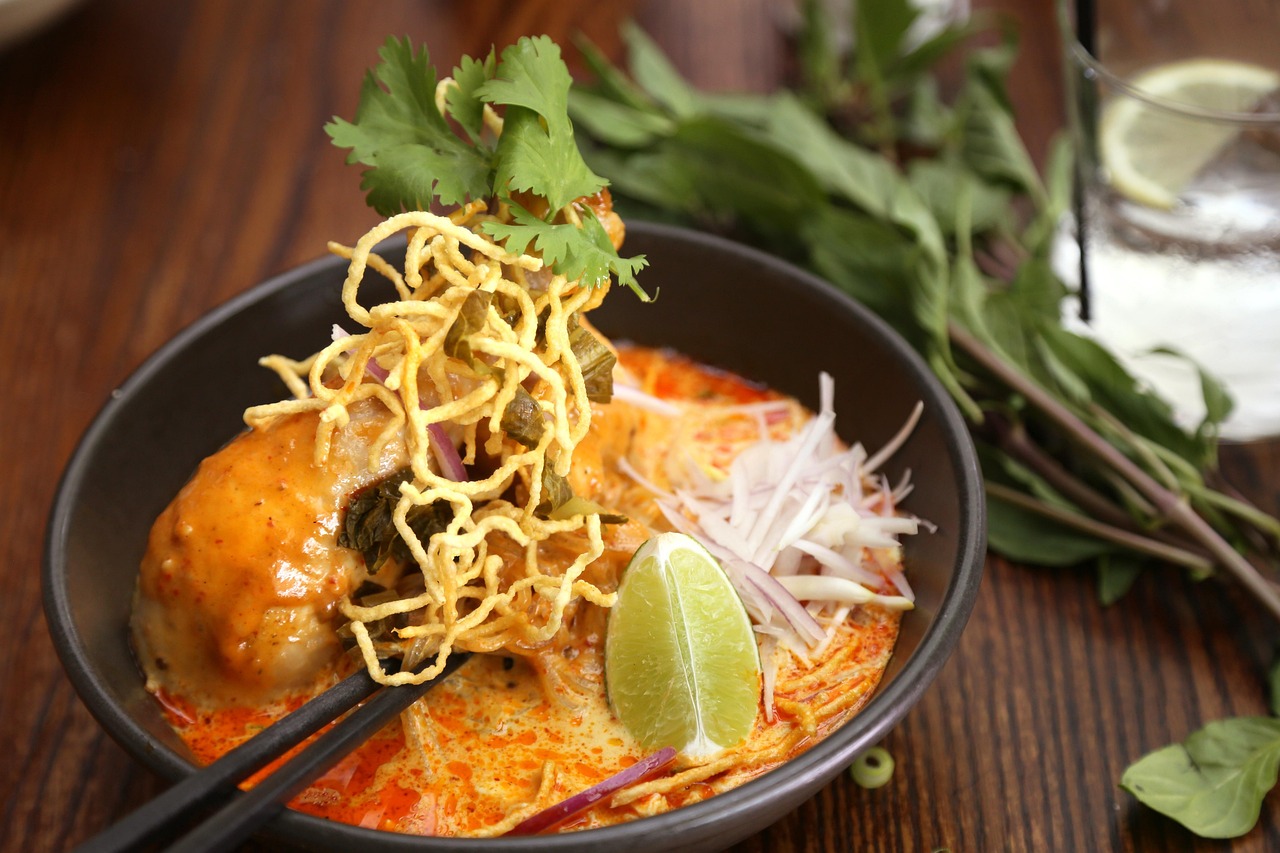
Chiang Mai, Thailand
The signature noodle soup of northern Thailand: egg noodles in a rich coconut curry broth, usually with chicken or beef, topped with crispy fried noodles and served with pickled mustard greens, shallots and lime.
Chiang Mai, Thailand
Grilled northern Thai pork sausage packed with lemongrass, kaffir lime, chilli and herbs. Sold in coils at markets and eaten with sticky rice.
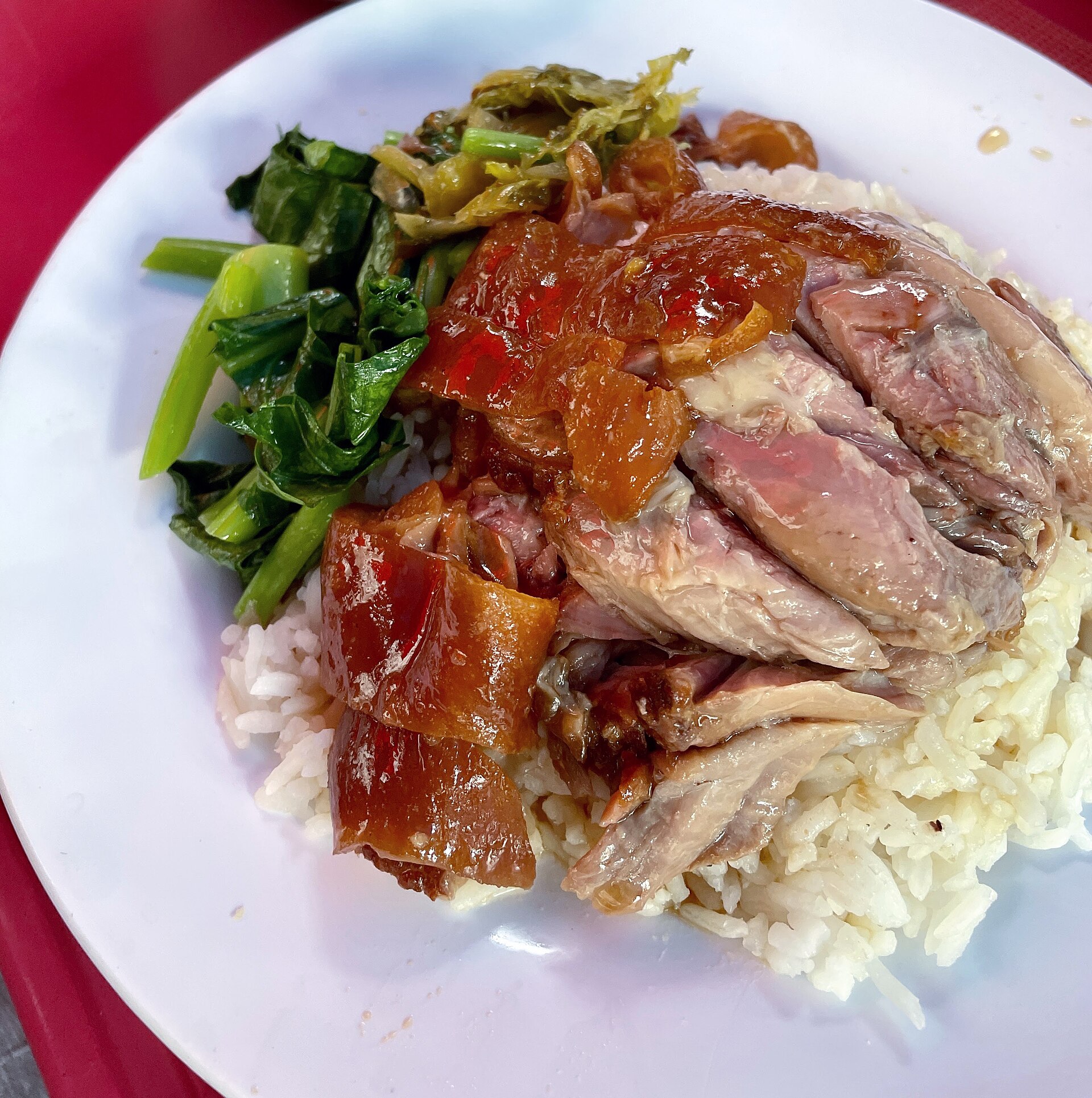
Chiang Mai, Thailand
Pork leg slow-braised with five-spice and soy until tender, served over rice with a boiled egg, pickled greens and chilli-vinegar sauce.
Chang Phueak Gate, north side of the old city
An evening food market of stalls just outside the north gate, best known for its khao kha mu (braised pork leg over rice), plus noodles and shakes.
Open in Google Maps (opens in a new tab)Chiang Mai Gate, south side of the old city
A local fresh market by day and a busy street-food market in the evening, with noodles, grilled meats, curries over rice and Thai desserts.
Open in Google Maps (opens in a new tab)Near the Ping River, east of the old city
Chiang Mai's big old market. The ground floors sell northern snacks to take away — sai ua, nam phrik noom, khaep mu and dried fruit — and simple food stalls serve locals all day.
Open in Google Maps (opens in a new tab)Chiang Mai, Thailand
Quiet lanes of guesthouses and boutique hotels between the temples, within walking distance of Tha Phae Gate and the Sunday Walking Street. The easiest base for first-time visitors.
Open in Google Maps (opens in a new tab)Chiang Mai, Thailand
East of Tha Phae Gate, between the Night Bazaar and the Ping River: larger hotels, riverside restaurants and Warorot Market close by.
Open in Google Maps (opens in a new tab)The old city was laid out according to Lanna beliefs about auspicious directions, with the city pillar at its heart. Today it is still a living neighbourhood, with more than thirty temples inside the moat — keep voices low in the residential lanes and dress modestly when you step into a temple.
King Mangrai laid out the square city with its moat and walls in 1296. The walls were rebuilt over the centuries; Tha Phae Gate, restored in the 1980s, is the best-known of the gates and the meeting point of the city.
Inside the moat, quiet lanes lead from one temple to the next — best explored on foot or by bicycle.
Rent a bicycle near the gate and start early while it is cool.
Ride north-west through the lanes to the oldest temple in the city.
Learn the city’s story at the Arts & Cultural Centre.
Finish at the two great temples, then eat at Chiang Mai Gate Market.
November to February is ideal for walking; explore in the early morning or late afternoon, and avoid the hottest hours from March to May.
Any songthaew or Grab driver knows Tha Phae Gate; it is a short walk from the Night Bazaar.
Red songthaews (rot daeng) are shared pick-ups that roam the city — wave one down, say where you are going and agree the fare before you get in. Grab and Bolt cars and motorbikes work across the city. The old city itself is best on foot or by bicycle. Traffic around the moat runs one way — clockwise on the inner road, anticlockwise on the outer.
Rent a bicycle and get lost in the lanes. The pigeons at the gate are a photo cliché — the temples behind it are the real draw.