
Wat Pho — Temple of the Reclining Buddha

Bangkok, Thailand

Wat Pho — Temple of the Reclining Buddha

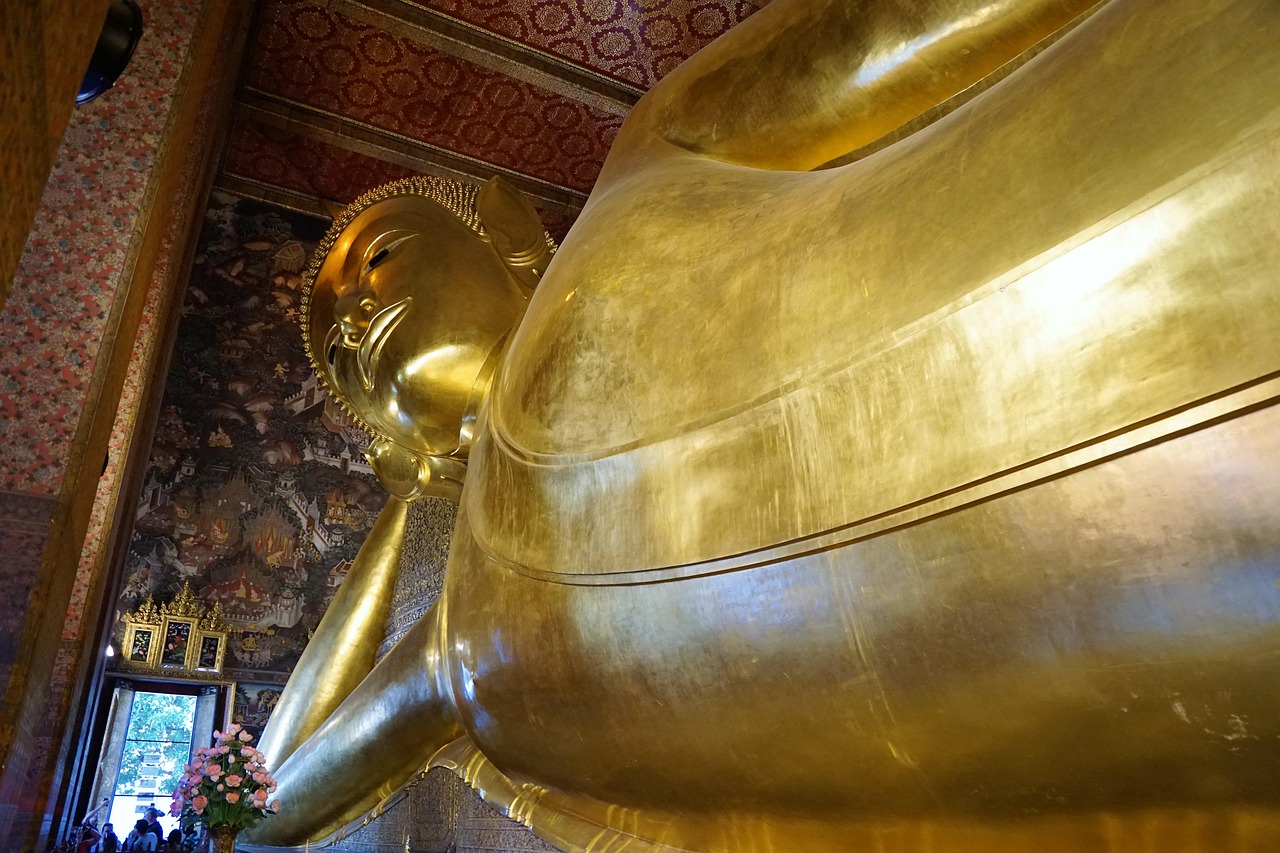
Home of the 46-metre gold-leaf Reclining Buddha, hundreds of other Buddha images and the birthplace of traditional Thai massage — a short walk south of the Grand Palace.

Favourite places

  • The Reclining Buddha

    Viharn of the Reclining Buddha, north-west corner

    The 46-metre gilded Buddha fills its hall from end to end. Walk round to the feet to see the mother-of-pearl soles, inlaid with 108 auspicious symbols.

    Open in Google Maps (opens in a new tab)
  • 108 bronze bowls

    Along the back wall of the Reclining Buddha hall

    A row of 108 bronze bowls runs behind the Buddha. Visitors drop a small coin in each for good luck and to support the temple — the coins can be changed at the entrance of the hall.

    Open in Google Maps (opens in a new tab)
  • The four great chedis

    Courtyard west of the ordination hall

    Four tall chedis covered in coloured ceramic tiles honour the first four kings of the Chakri dynasty. Each is decorated in its own colour.

    Open in Google Maps (opens in a new tab)
  • Phra Ubosot (ordination hall)

    Centre of the temple, inside a double cloister

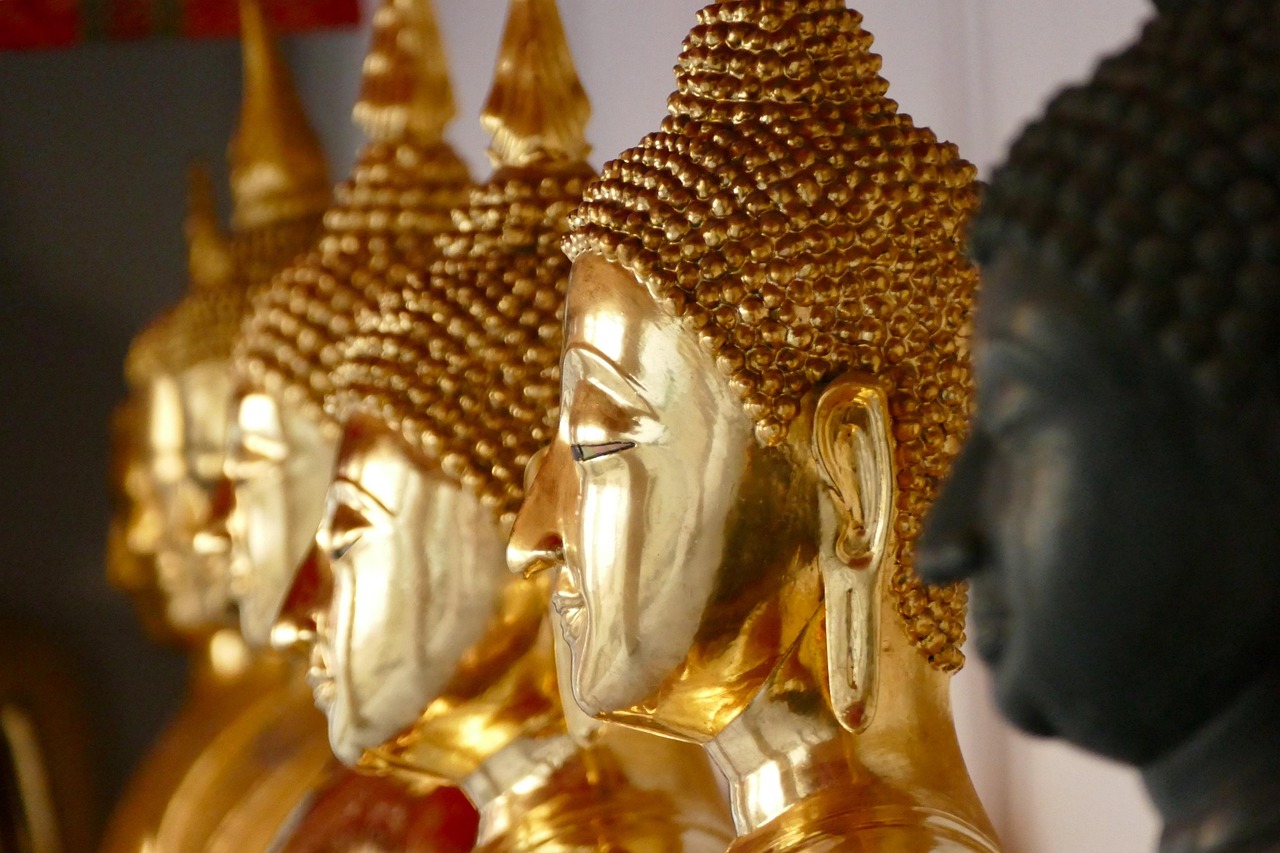
    The main hall holds a gilded seated Buddha on a three-tiered pedestal. The surrounding cloisters are lined with hundreds of Buddha images, and the marble base of the hall is carved with scenes from the Ramakien.

    Open in Google Maps (opens in a new tab)
  • Thai massage pavilions

    East side of the grounds

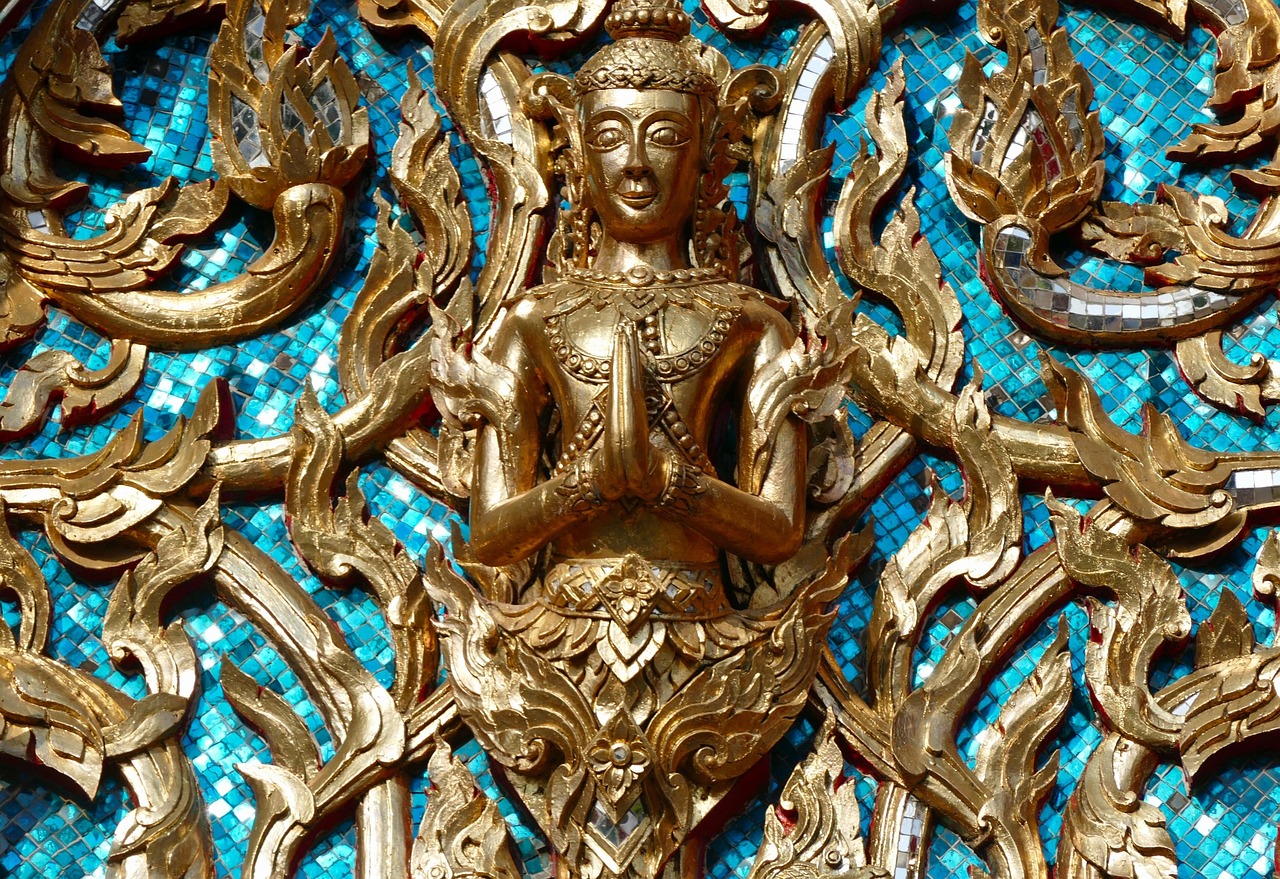
    Wat Pho is the home of traditional Thai massage. The temple school gives massages to visitors in open pavilions, and the old stone inscriptions on medicine and massage can still be seen on the grounds.

    Open in Google Maps (opens in a new tab)
Historical places

  • Chinese stone guardians

    Gates and courtyards

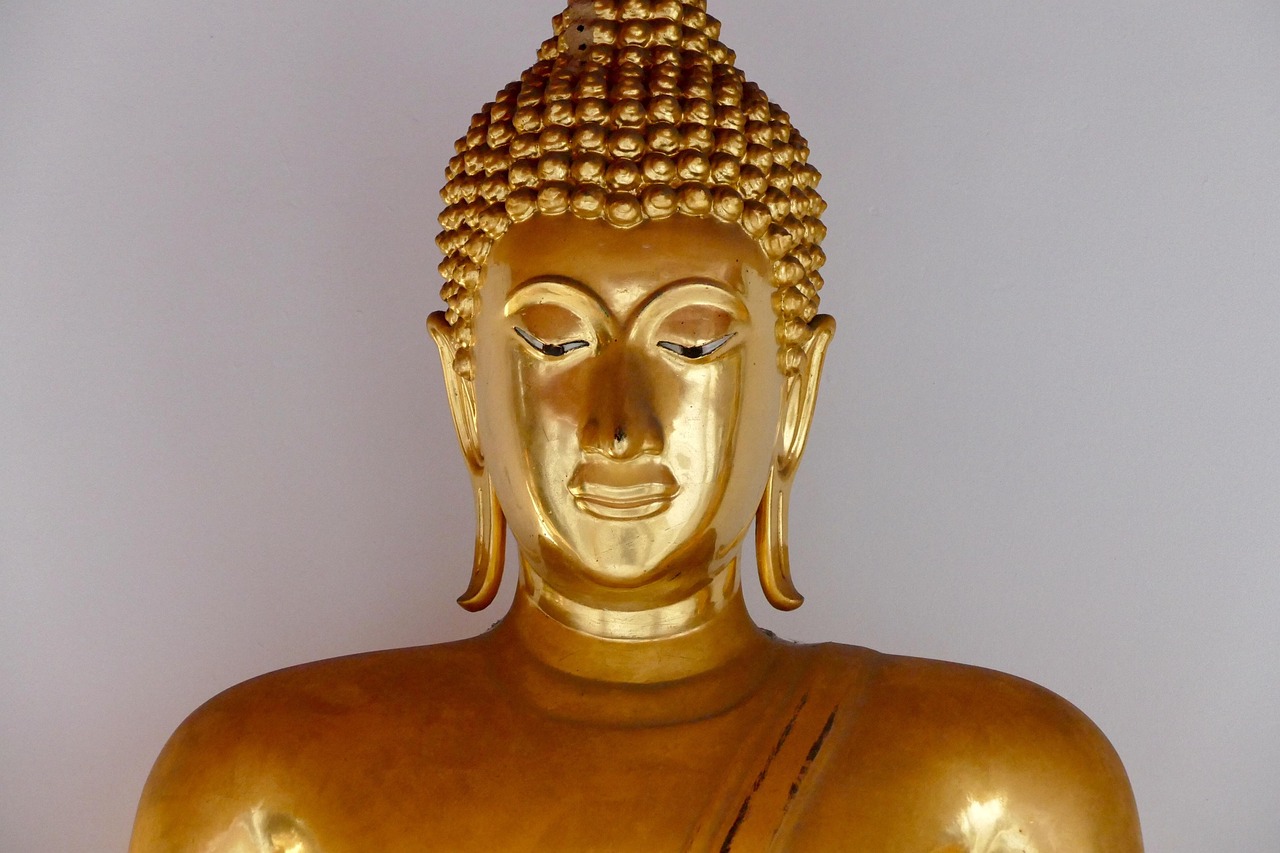
    Large granite figures of Chinese warriors and scholars stand at the gates. They came to Bangkok as ballast in ships trading with China in the early 19th century.

    Open in Google Maps (opens in a new tab)

Local food

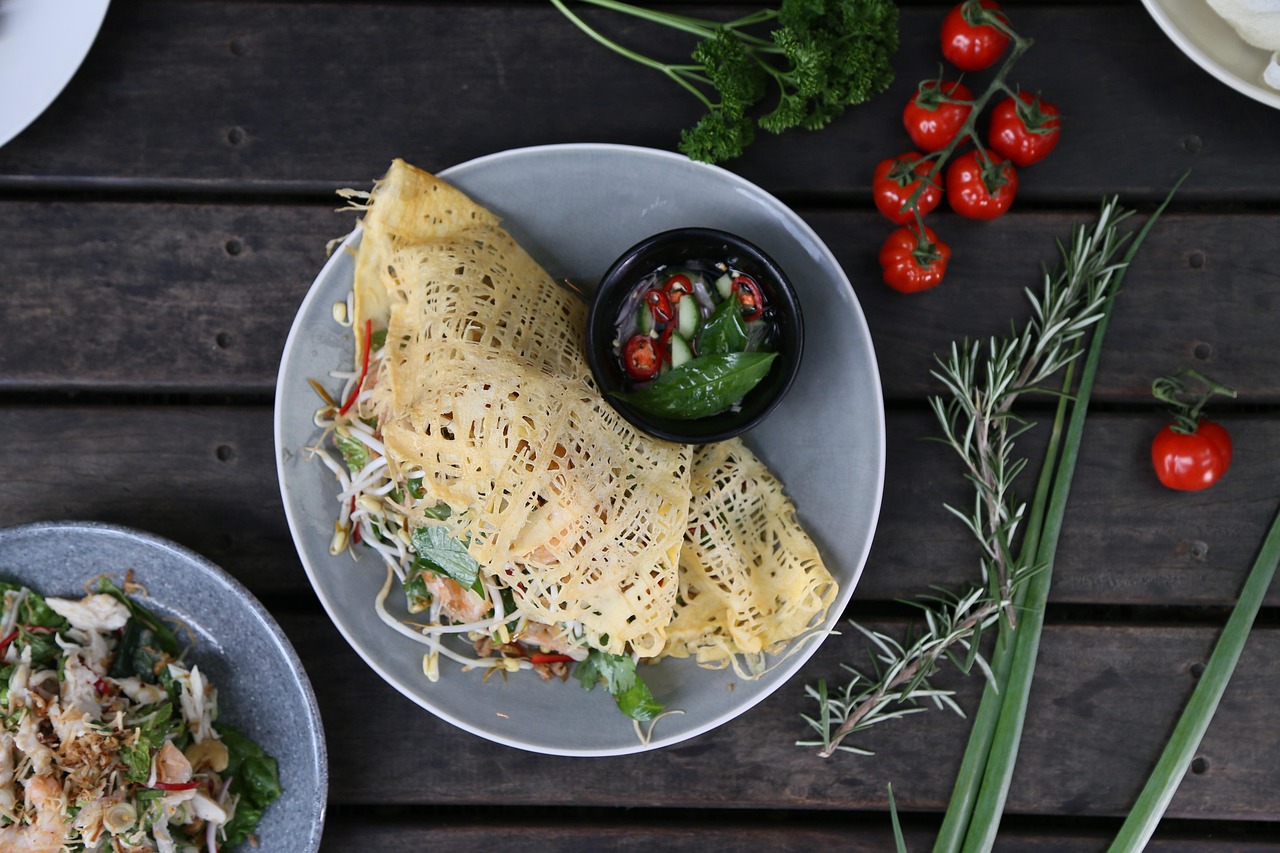
  • Pad thai

    Bangkok, Thailand

    Stir-fried rice noodles with egg, tofu, shrimp, bean sprouts and peanuts, finished with lime. The old-town shops around Maha Chai Road are famous for it.

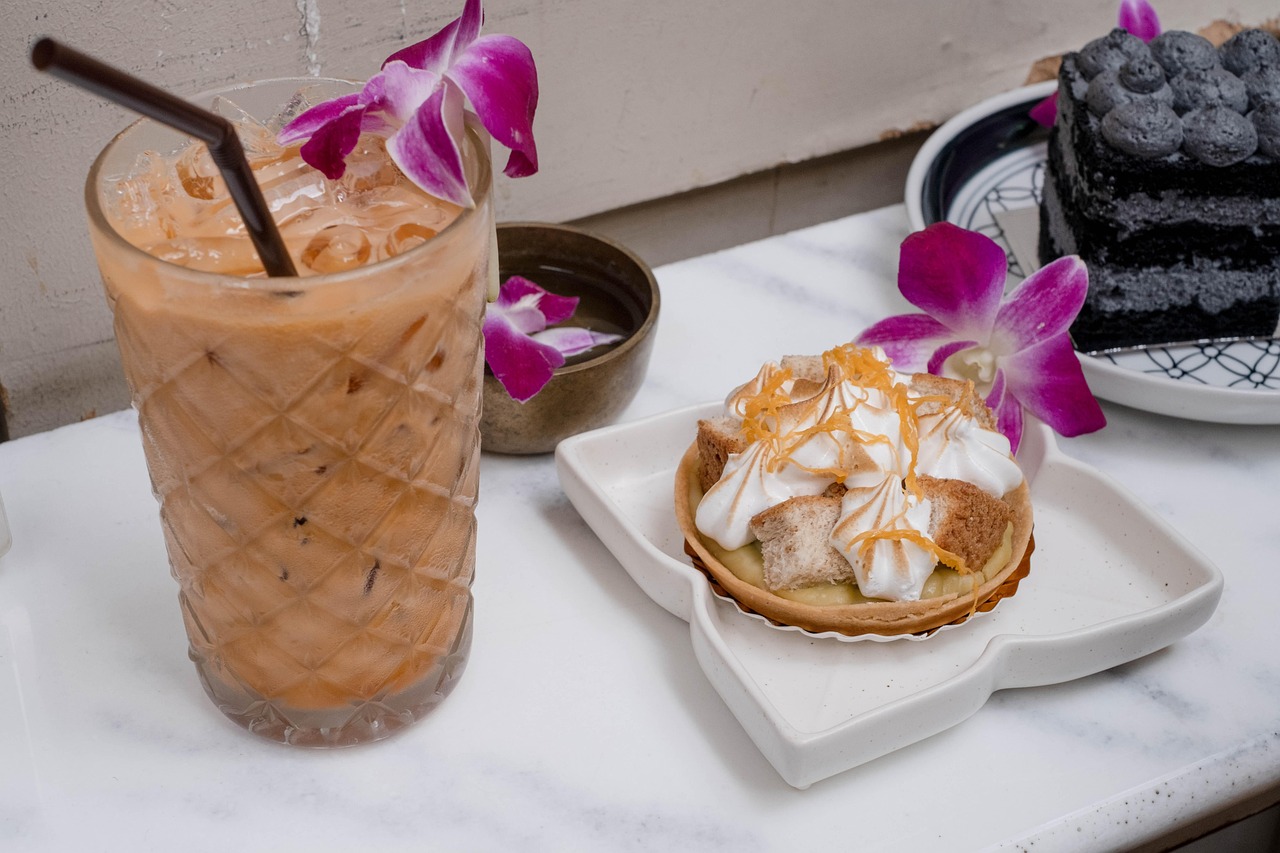
  • Thai iced tea (cha yen)

    Bangkok, Thailand

    Strong black tea with sweetened condensed milk over ice, bright orange in colour. Sold from street carts around the temple — welcome on a hot day.

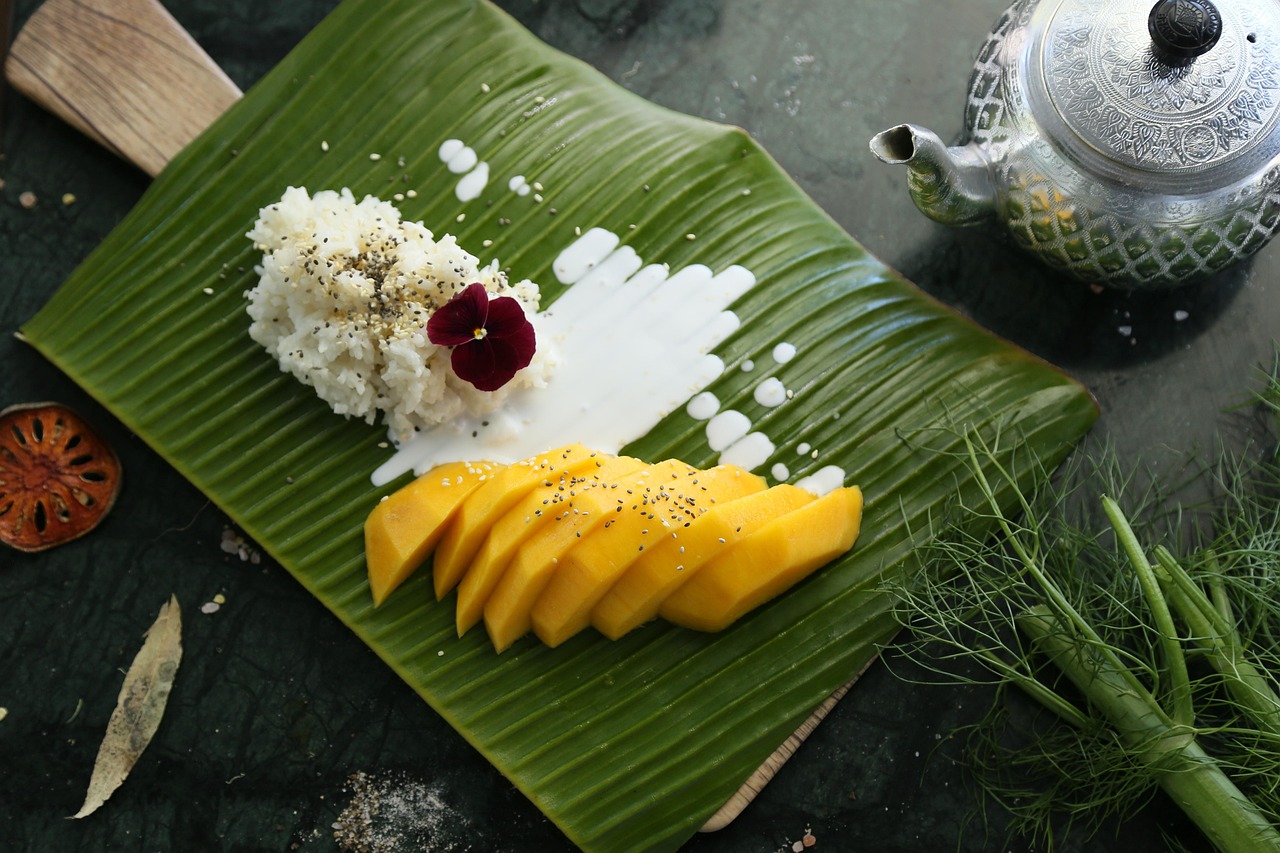
  • Mango sticky rice (khao niao mamuang)

    Bangkok, Thailand

    Sweet ripe mango with sticky rice and salted coconut cream — the classic Thai dessert, at its best in the hot-season mango months of March to May.

Where to eat

Where to stay

  • Rattanakosin (Old Town)

    Bangkok, Thailand

    The historic island around the Grand Palace, Wat Pho and Wat Arun. Small guesthouses and boutique hotels in old shophouses put the main temples within walking distance, and the streets are quiet at night.

    Open in Google Maps (opens in a new tab)
  • Riverside (Charoen Krung & Sathorn)

    Bangkok, Thailand

    Bangkok's classic hotel strip along the Chao Phraya, next to Sathorn pier and BTS Saphan Taksin. Easy to reach the Old Town by boat and the rest of the city by Skytrain.

    Open in Google Maps (opens in a new tab)

Culture

Dress modestly (shoulders and knees covered) and take your shoes off before entering any hall. Wat Pho has long been a place of learning — King Rama III had medicine, history and literature carved in stone here, and the inscriptions are listed by UNESCO as Memory of the World. Dropping coins in the 108 bowls is a merit-making custom, not an obligation.

History

Wat Pho is one of Bangkok's oldest temples, rebuilt and enlarged by King Rama I and King Rama III. The Reclining Buddha, 46 metres long and covered in gold leaf, shows the Buddha entering nirvana; the soles of its feet are inlaid with mother-of-pearl.

King Rama III turned the temple into a public place of learning, with inscriptions on medicine, history and massage. The Wat Pho Thai Traditional Medical School still teaches — and gives — massages on the grounds.

Tour plans

Temples on both banks

Half day
  1. Step 1: Wat Pho

    Start with the Reclining Buddha, then the chedis and cloisters.

  2. Step 2: Thai massage

    Rest your legs at the temple massage school.

  3. Step 3: Ferry to Wat Arun

    Cross from Tha Tien pier, a few minutes on the river.

  4. Step 4: Sunset by the river

    Return to the Tha Tien side to watch Wat Arun light up against the evening sky.

Map

Open in Google Maps (opens in a new tab)

Travel information

Best time to visit

November–February; go early in the morning or late in the afternoon, when it is cooler and quieter than midday.

How to get there

MRT Blue Line to Sanam Chai (exit 1), a 5-minute walk; or the Chao Phraya Express Boat to Tha Tien pier.

Getting around

Wat Pho is a large walled compound — allow a couple of hours to walk it. The Grand Palace is about ten minutes north on foot, Tha Tien pier is just across Maharat Road for the express boats and the cross-river ferry to Wat Arun, and MRT Sanam Chai is on the south side of the temple.

Travel tips

Cover shoulders and knees and take your shoes off before entering the halls. Sarongs are usually available to borrow or rent at the entrance. Combine with the Grand Palace in the morning and cross by ferry from Tha Tien to Wat Arun.

All destinations