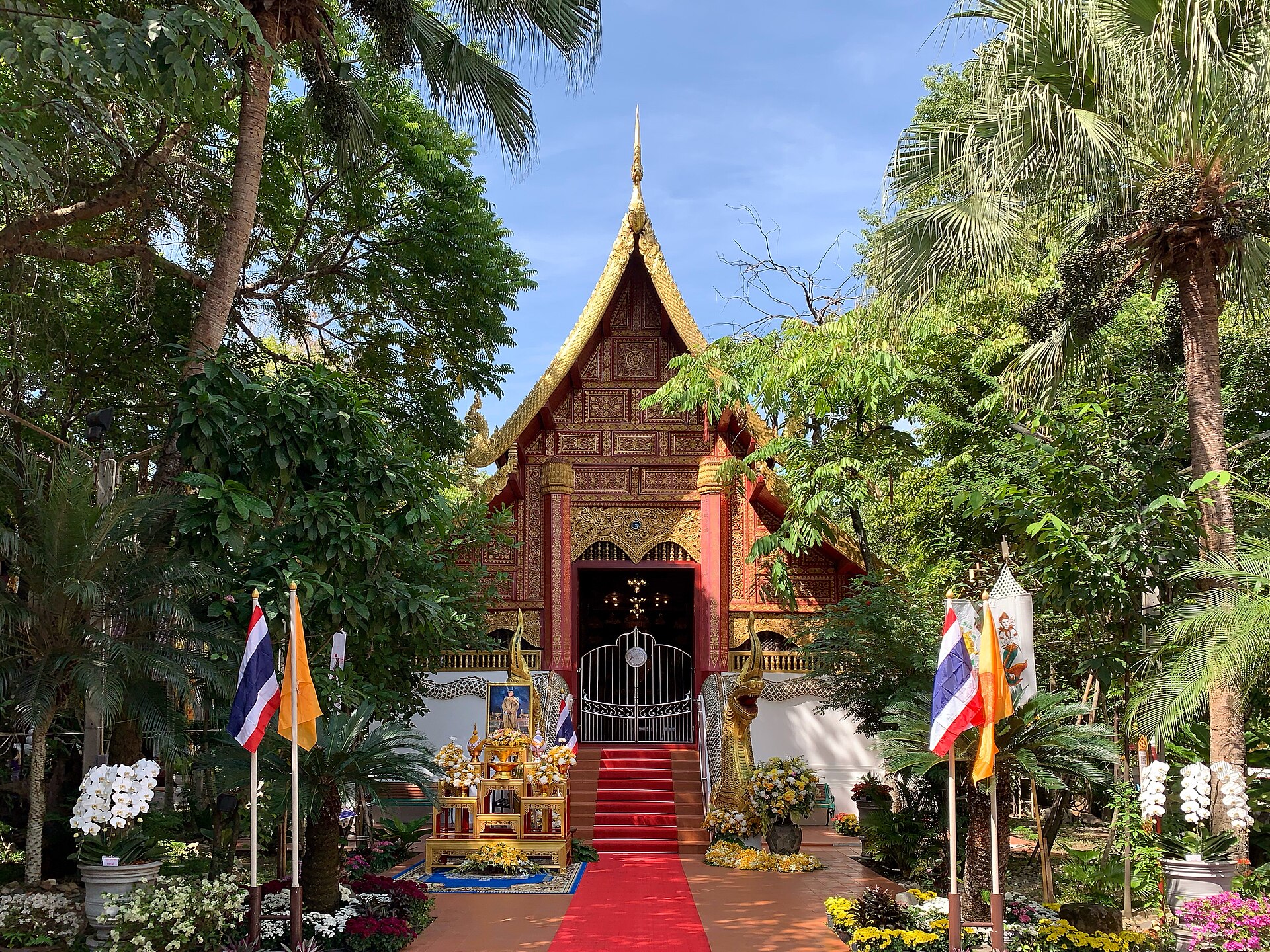
The old chedi
Behind the main hall
The chedi said to have been split by lightning in 1434, revealing the plaster-covered image that became the Emerald Buddha.
Open in Google Maps (opens in a new tab)
 Chiang Rai, Thailand
The temple where the Emerald Buddha was discovered in 1434, now home to a jade replica and a small museum of Lanna art.
Behind the main hall
The chedi said to have been split by lightning in 1434, revealing the plaster-covered image that became the Emerald Buddha.
Open in Google Maps (opens in a new tab)Small hall in the grounds
A Lanna-style hall housing a replica of the Emerald Buddha, carved from Chinese jade for the Princess Mother’s 90th birthday.
Open in Google Maps (opens in a new tab)Front of the temple
A teak assembly hall in Lanna style with a large bronze Buddha image inside.
Open in Google Maps (opens in a new tab)Within the temple grounds
A small museum of Lanna Buddha images, religious objects and crafts.
Open in Google Maps (opens in a new tab)Hill on the north-west edge of the centre
An old hilltop temple where, by tradition, King Mangrai looked over the land before founding Chiang Rai in the 13th century.
Open in Google Maps (opens in a new tab)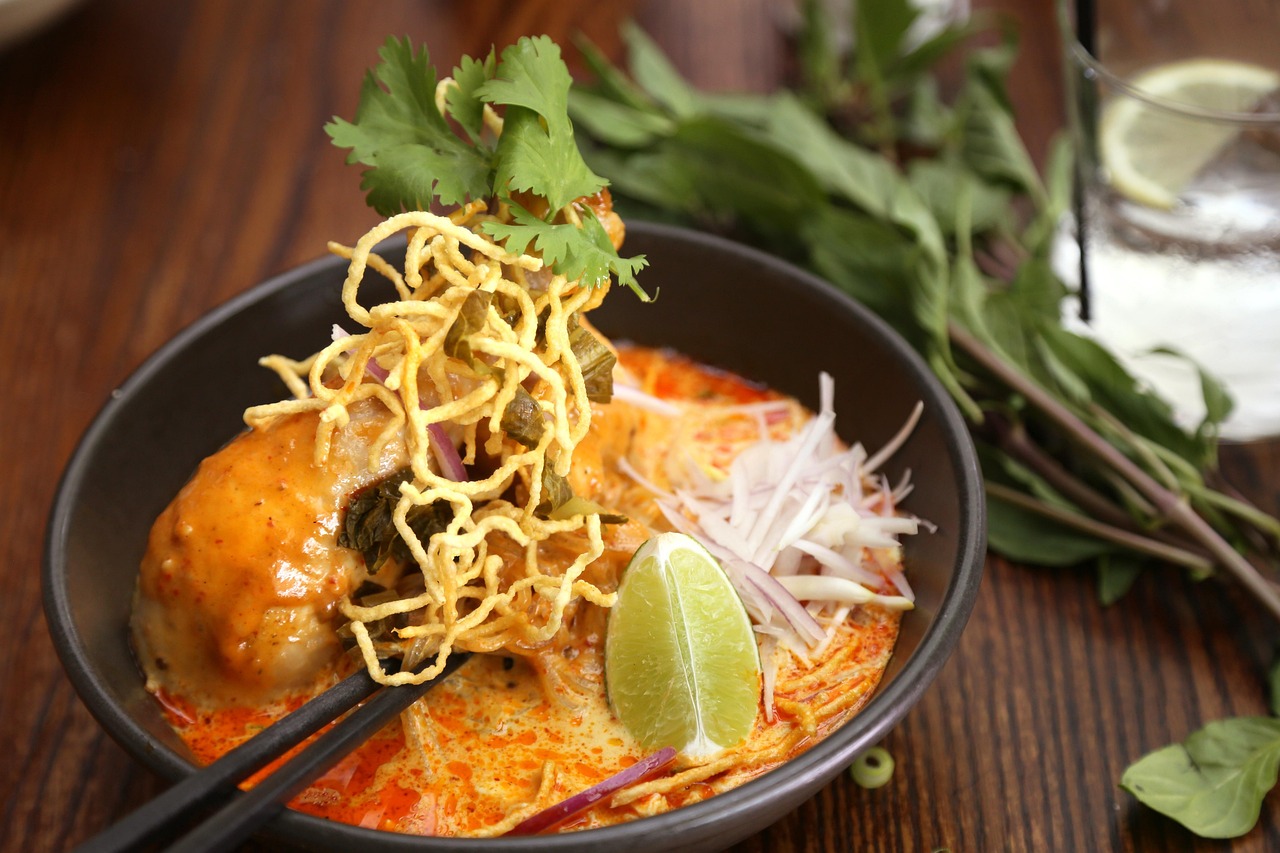
Chiang Rai, Thailand
The signature noodle soup of northern Thailand: egg noodles in a rich coconut curry broth, usually with chicken or beef, topped with crispy fried noodles and served with pickled mustard greens, shallots and lime.
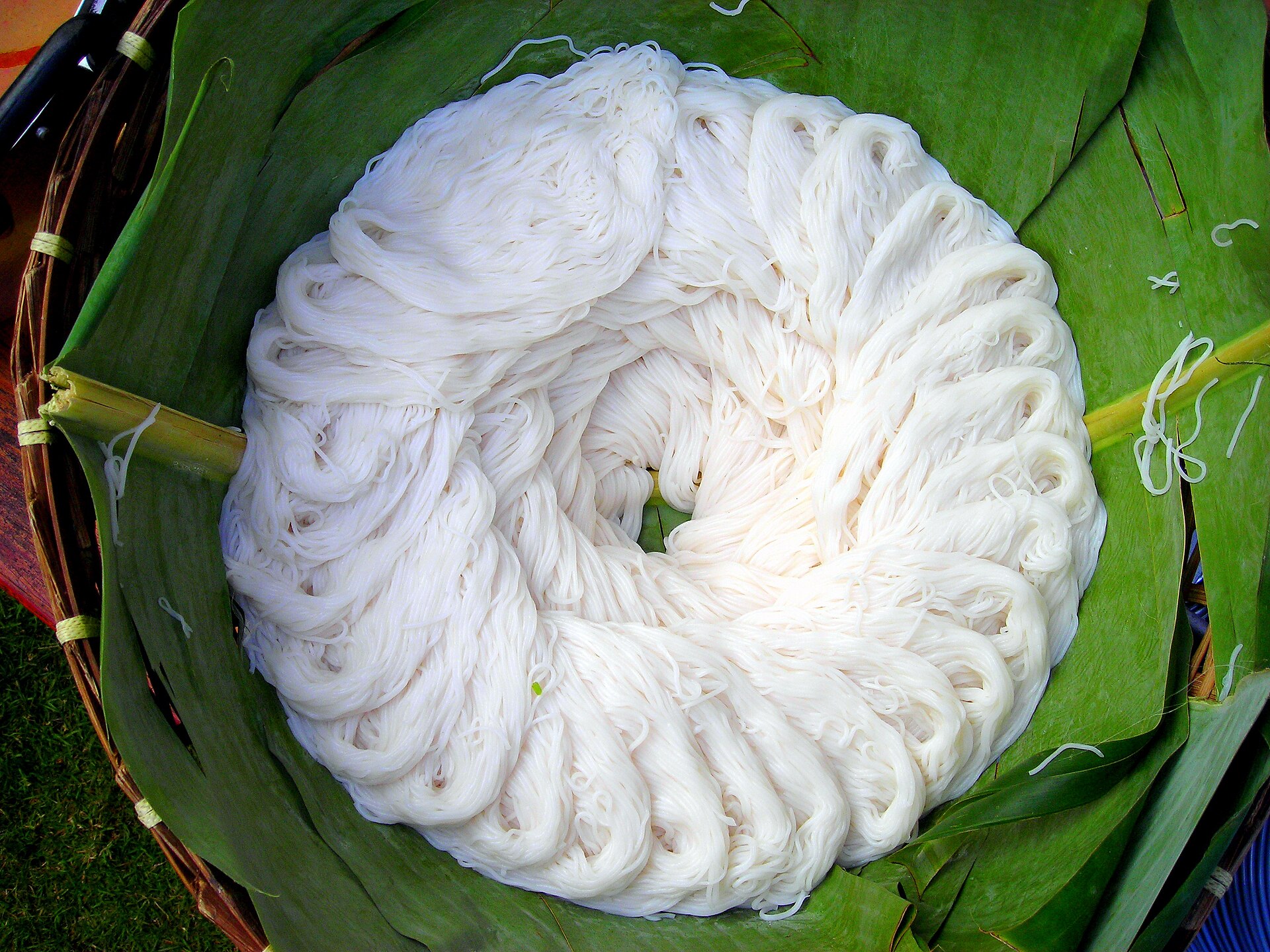
Chiang Rai, Thailand
Fresh rice noodles in a tangy tomato and pork broth flavoured with dried red cotton-tree flowers — a Lanna favourite for breakfast or lunch.
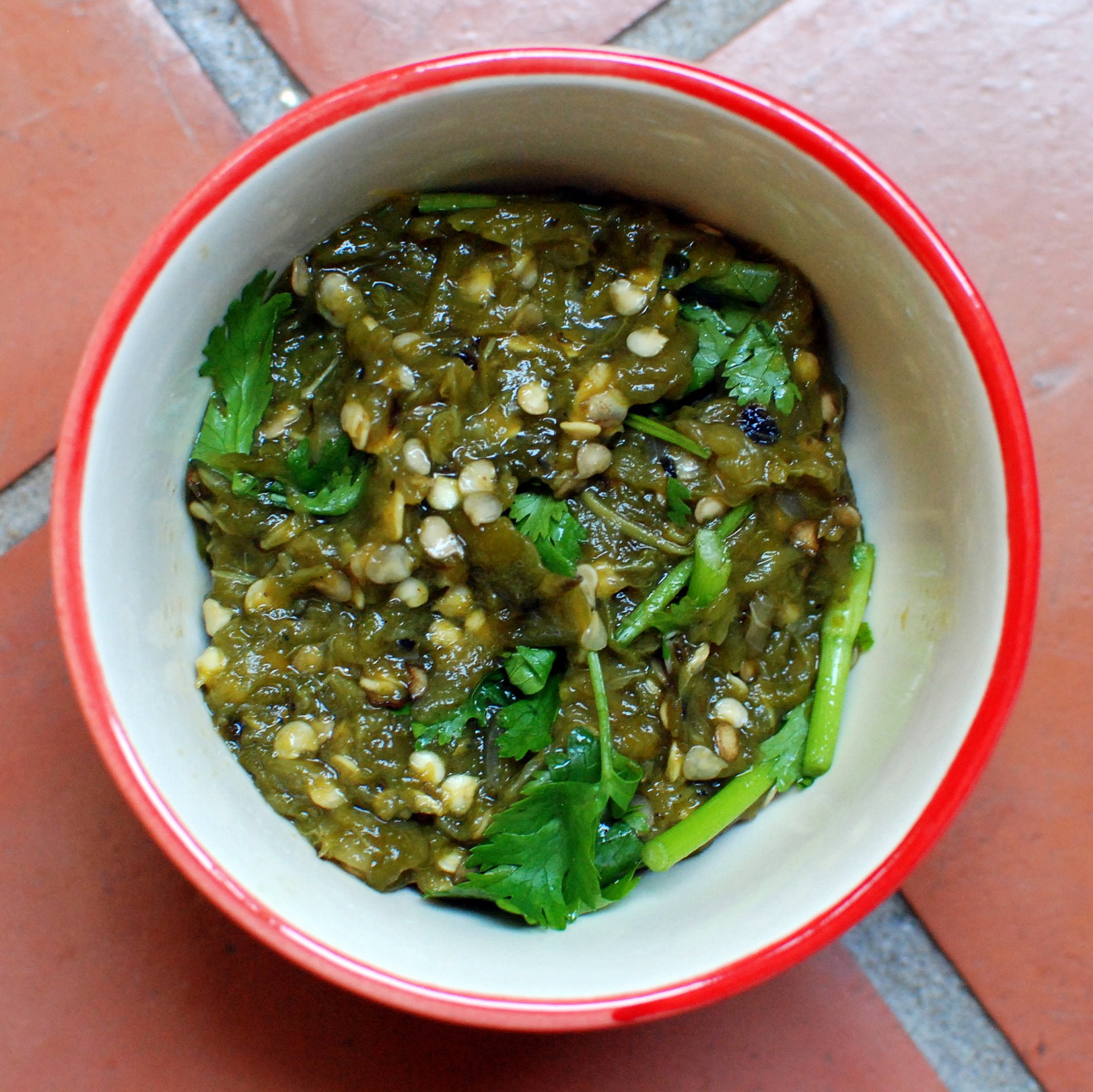
Chiang Rai, Thailand
A smoky dip of roasted green chillies, garlic and shallots, eaten with sticky rice, steamed vegetables and crispy pork skin (khaep mu).
Phaholyothin Road, near the bus terminal
Every evening a big food court of stalls sits in front of a stage with live music — hot pot (jim jum), grilled fish, noodles and northern dishes.
Open in Google Maps (opens in a new tab)Thanalai Road, town centre
On Saturday evenings Thanalai Road closes to traffic and fills with handicraft stalls and street food — sai ua, grilled skewers and northern snacks.
Open in Google Maps (opens in a new tab)Streets around the clock tower
Many small shops serve khao soi and noodle soups at breakfast and lunch.
Open in Google Maps (opens in a new tab)Chiang Rai, Thailand
Around the clock tower and the Night Bazaar: guesthouses and hotels within walking distance of restaurants, the walking streets and the bus terminal.
Open in Google Maps (opens in a new tab)Chiang Rai, Thailand
Resorts and quieter hotels along the Kok River on the north side of town — greener and calmer, a short drive from the centre.
Open in Google Maps (opens in a new tab)For Thais, this is where the story of the Emerald Buddha — the most sacred image in the country — begins, so the temple has great importance beyond its size. Cover shoulders and knees, take your shoes off before entering a hall, and never point your feet at a Buddha image or a monk. Walk around a chedi clockwise, keeping it on your right. Women should not touch monks or hand things to them directly.
According to the chronicles, lightning split the chedi of this temple in 1434 and revealed a Buddha image covered in plaster. When the plaster flaked off, it turned out to be green jade — the Emerald Buddha now in Bangkok. A replica carved in Chinese jade sits in the temple today.
See the jade replica and the chedi where the Emerald Buddha was found.
Climb the small hill to the old temple by the river.
Walk back to the golden clock tower.
Eat khao soi in a shop nearby.
All year, coolest from November to February; early morning is calm and pleasant for walking from the clock tower.
In the city centre on Trairat Road, walking distance from the clock tower.
Chiang Rai's centre is small and easy to walk. For the temples outside town use Grab, a tuk-tuk or a hired car with driver; local buses from the old bus terminal (by the Night Bazaar) run north towards Mae Sai and south towards the White Temple. Wat Phra Kaew is an easy walk from the clock tower.
Cover shoulders and knees and take your shoes off before entering the halls. Sarongs are usually available to borrow or rent at the entrance.