The three great chedis
Centre of the temple
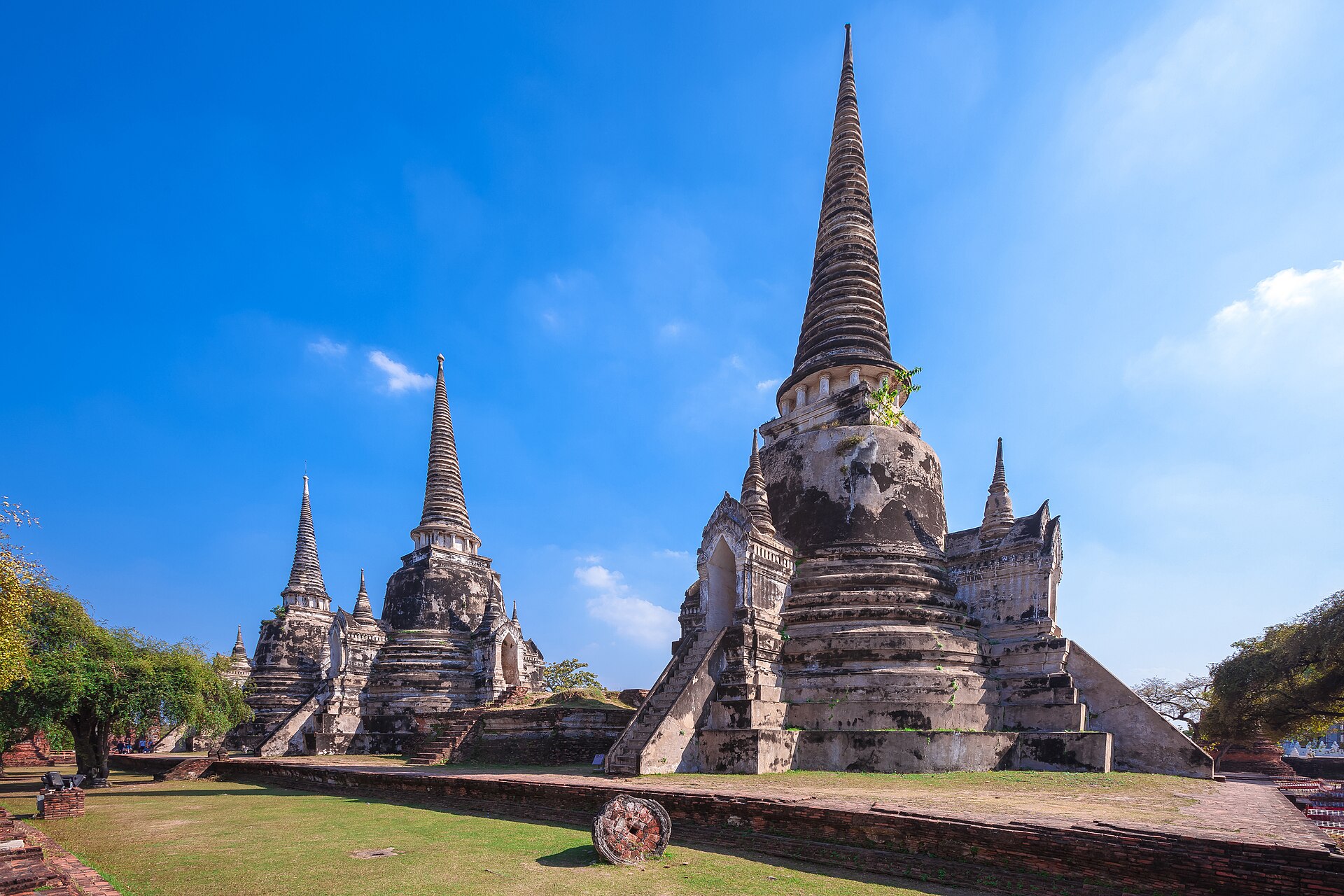
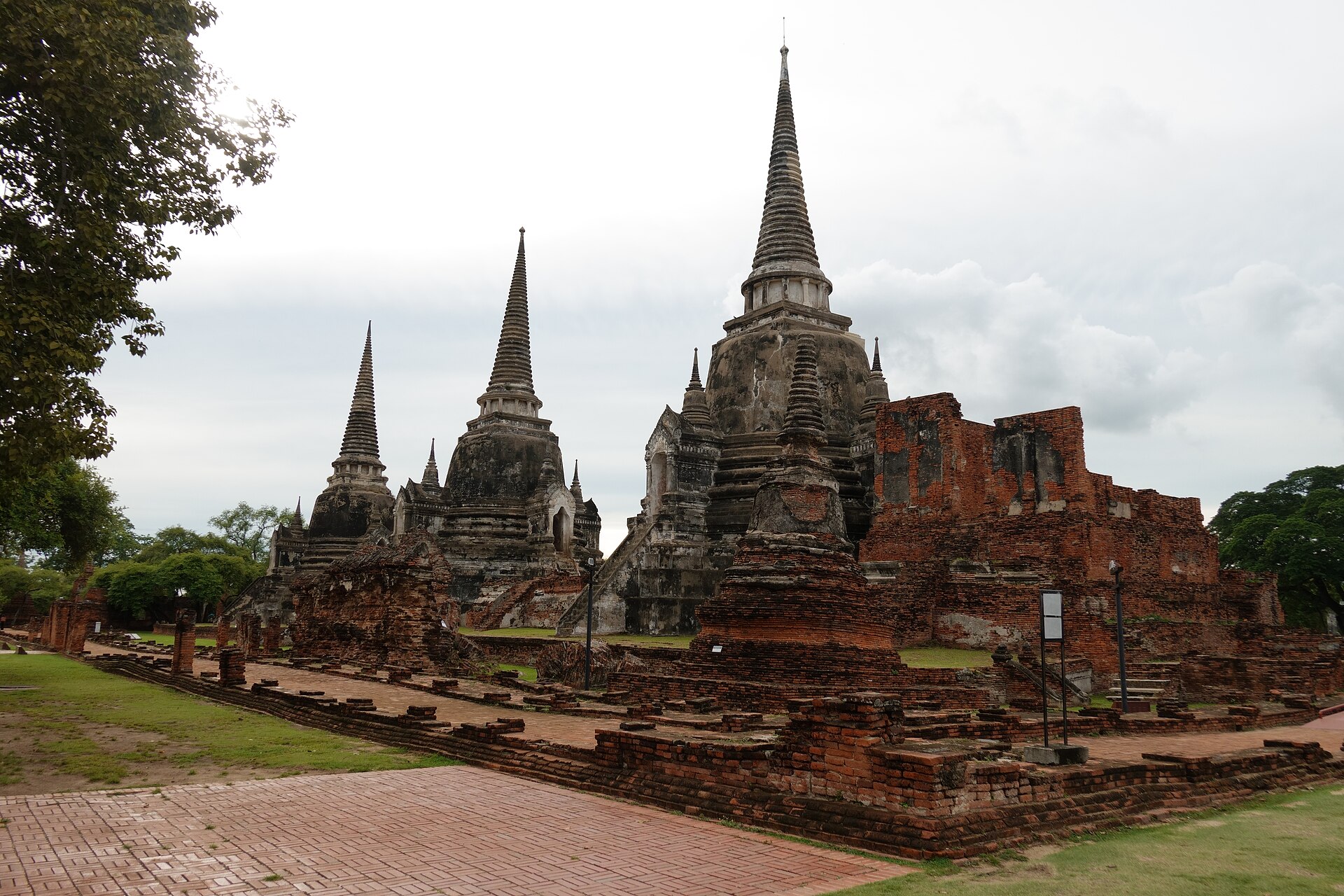
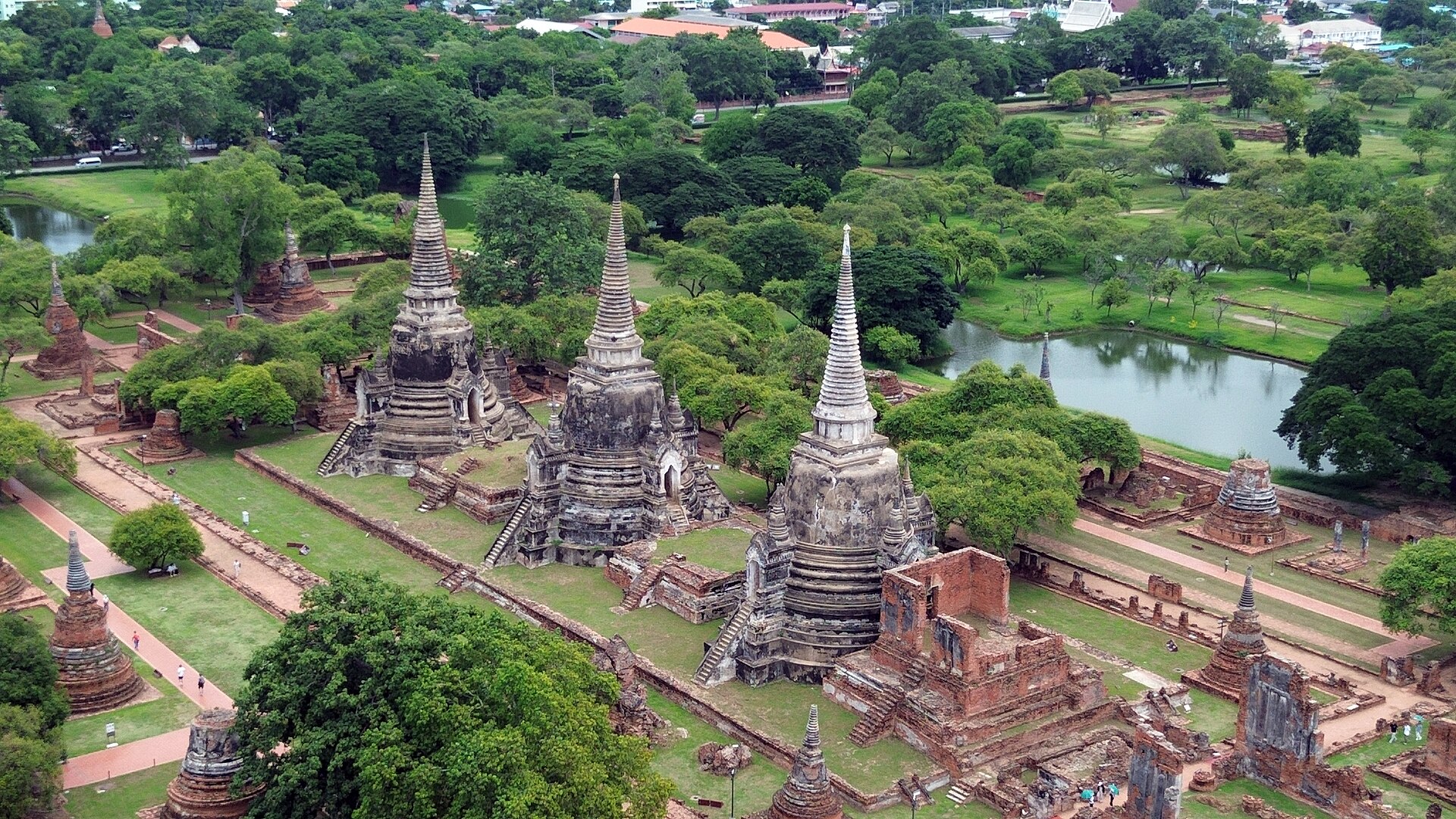
Three tall bell-shaped chedis in a row hold the ashes of Ayutthaya kings of the 15th and 16th centuries. They are the symbol of the old capital.
Open in Google Maps (opens in a new tab)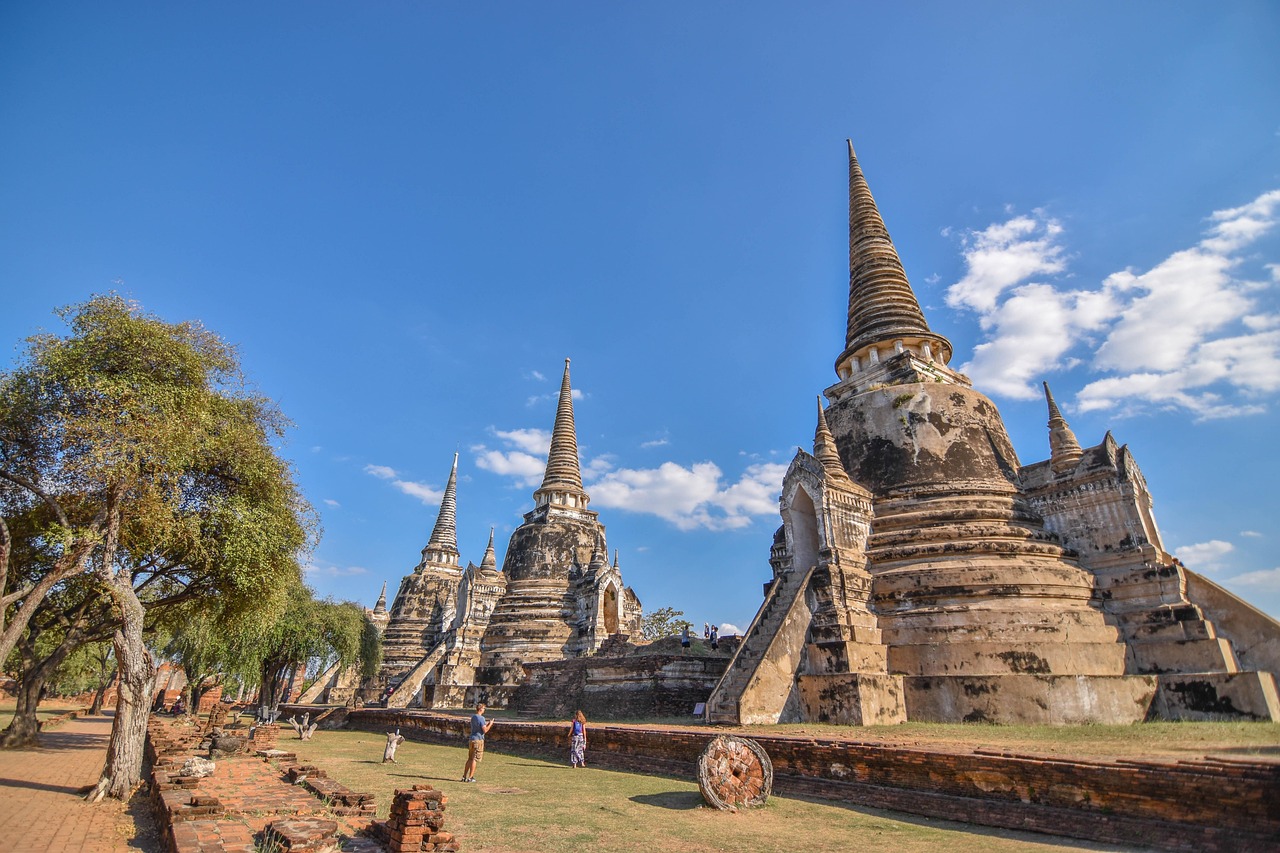
 Ayutthaya, Thailand
The royal temple inside the old palace grounds, with three tall bell-shaped chedis — the classic view of Ayutthaya.
Centre of the temple
Three tall bell-shaped chedis in a row hold the ashes of Ayutthaya kings of the 15th and 16th centuries. They are the symbol of the old capital.
Open in Google Maps (opens in a new tab)East of the chedis
Brick bases and pillar stumps mark the hall where the 16-metre gold-covered standing Buddha once stood.
Open in Google Maps (opens in a new tab)South of the temple
A rebuilt hall with a huge bronze seated Buddha, one of the largest in Thailand, still visited by Thai worshippers.
Open in Google Maps (opens in a new tab)North of Wat Phra Si Sanphet
Only foundations remain of the palace where the kings of Ayutthaya lived for over four centuries, with the outlines of throne halls in the grass.
Open in Google Maps (opens in a new tab)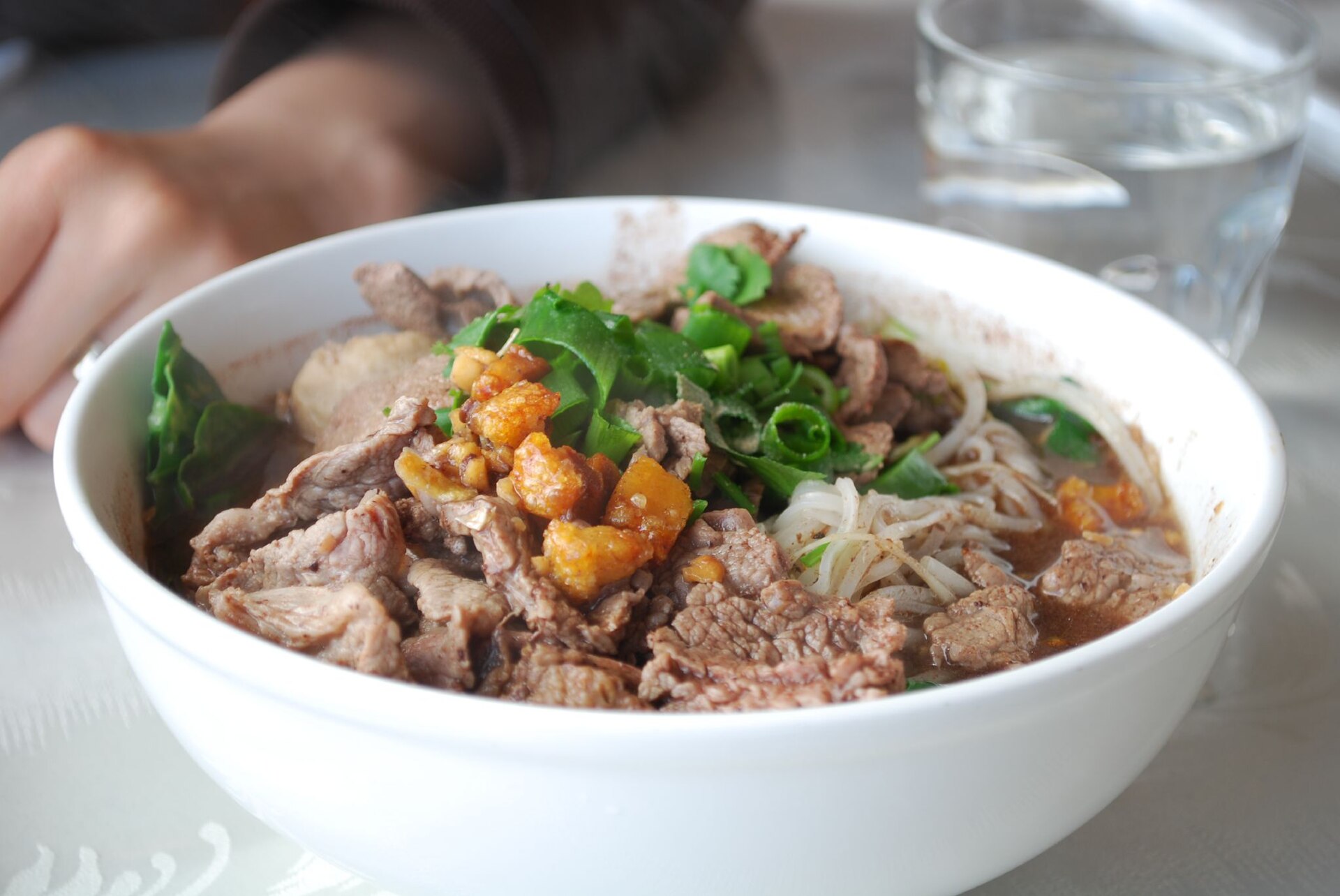
Ayutthaya, Thailand
Small bowls of rich, dark noodle soup with pork or beef, once sold from boats on the canals. Ayutthaya is known for them, and people usually order several bowls each.
Ayutthaya, Thailand
Ayutthaya's signature sweet: thin, soft roti wrappers rolled around fine threads of coloured spun sugar. Sold in bags from stalls on U Thong Road and around town to take home.
Ayutthaya, Thailand
Giant freshwater prawns grilled over charcoal and served with a spicy seafood dip. The riverside restaurants around Ayutthaya are known for them.
Beside the viharn car park
A row of simple stalls and shops next to the viharn sells noodles, drinks and snacks — handy in the middle of a temple tour.
Open in Google Maps (opens in a new tab)Bang Lan Road, middle of the island
An evening food market near the main temples with grilled meats, noodles, Thai desserts and fruit. An easy place to try several local dishes after a day of ruins.
Open in Google Maps (opens in a new tab)Ayutthaya, Thailand
Stay inside the ring of rivers and you can cycle to the main ruins in minutes. Guesthouses and small hotels cluster near the Historical Park and the night market.
Open in Google Maps (opens in a new tab)Ayutthaya, Thailand
Across the Pa Sak River from the island, close to the trains from Bangkok. Riverside guesthouses here are a short ferry or bridge ride from the old town.
Open in Google Maps (opens in a new tab)Even in ruins these are sacred places: dress modestly (shoulders and knees covered), do not climb on Buddha images or ruined walls, and never pose in a way that puts your head above a Buddha image or turns your back to it for a selfie. Headless Buddha images are a reminder of the sack of 1767 and of later looting — treat them with the same respect as a whole image. Wat Phra Si Sanphet had no monks: it was the king's own temple, used only for royal ceremonies — the model for Wat Phra Kaew in Bangkok's Grand Palace.
Built in the 15th century, Wat Phra Si Sanphet was the king's private temple, used only for royal ceremonies. Its three chedis hold the ashes of Ayutthaya kings. A 16-metre standing Buddha covered in gold once stood here; it was melted down when the city fell.
The three chedis in the morning light.
The great bronze Buddha next door.
Walk the palace foundations behind the temple.
Cycle five minutes west to the open-air Reclining Buddha.
November–February; early morning for cooler air and empty grounds, or late afternoon when the chedis glow orange.
Next to the old royal palace in the Historical Park.
The old city sits on an island formed by three rivers, and the main ruins are spread out across it. A rented bicycle is the classic way to see them — the island is flat, but the sun is strong, so start early. Tuk-tuks can be hired by the hour for a temple circuit; agree the route and time before you set off. Sights off the island, such as Wat Chaiwatthanaram and Wat Yai Chai Mongkhon, are easier by tuk-tuk or on an evening boat tour around the island.
Cover shoulders and knees and take your shoes off before entering the halls. Sarongs are usually available to borrow or rent at the entrance.