The naga entrance
Front steps of the viharn
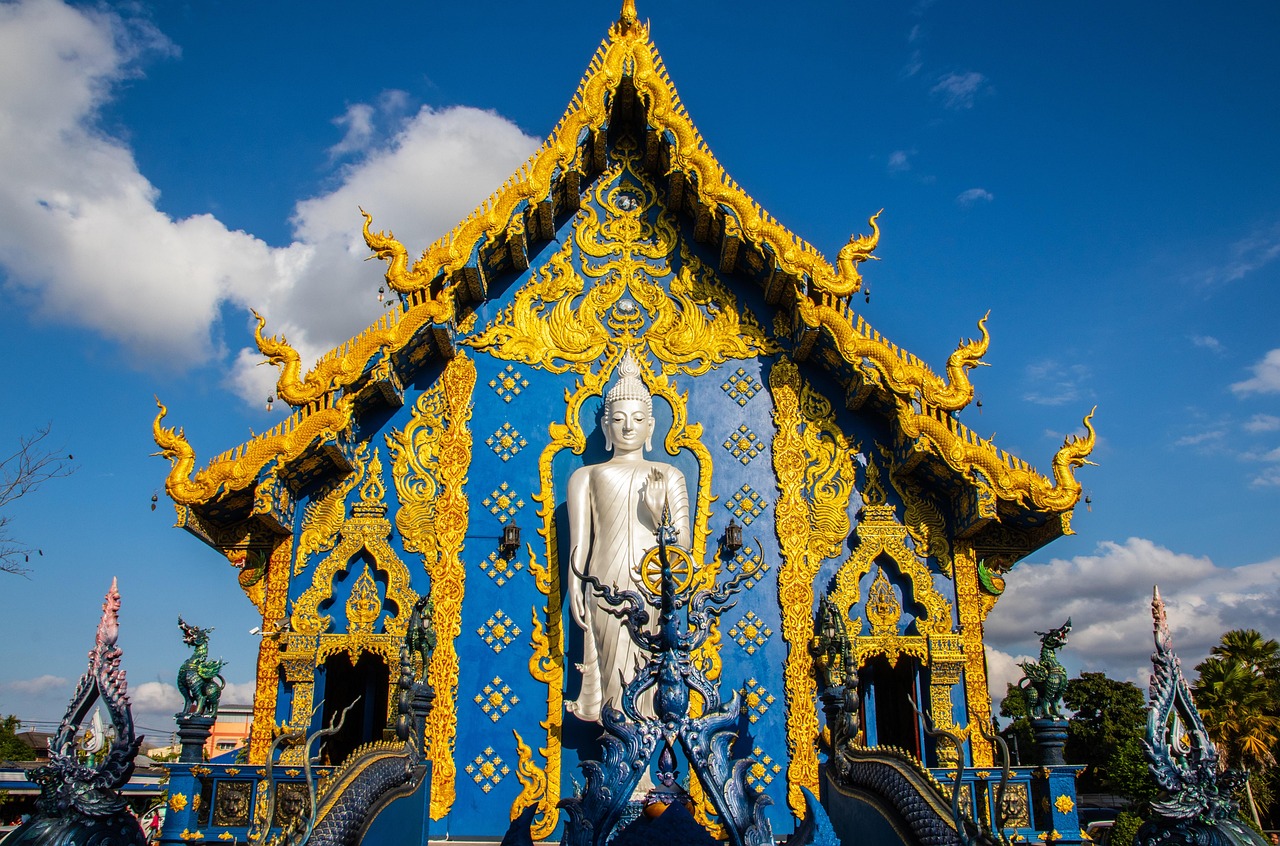
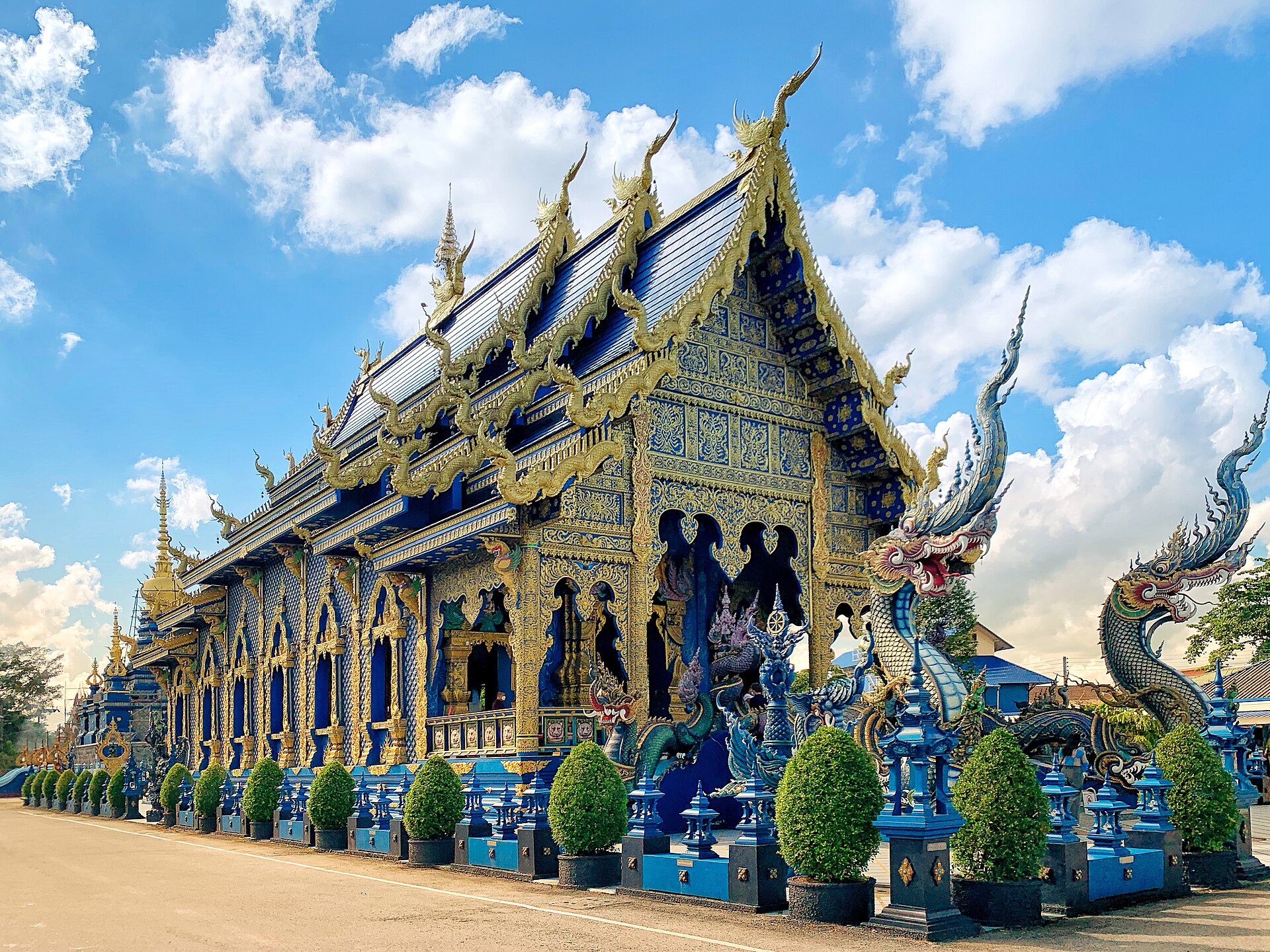
Large serpent (naga) sculptures in blue and gold guard the stairs, with guardian figures at the gate.
Open in Google Maps (opens in a new tab)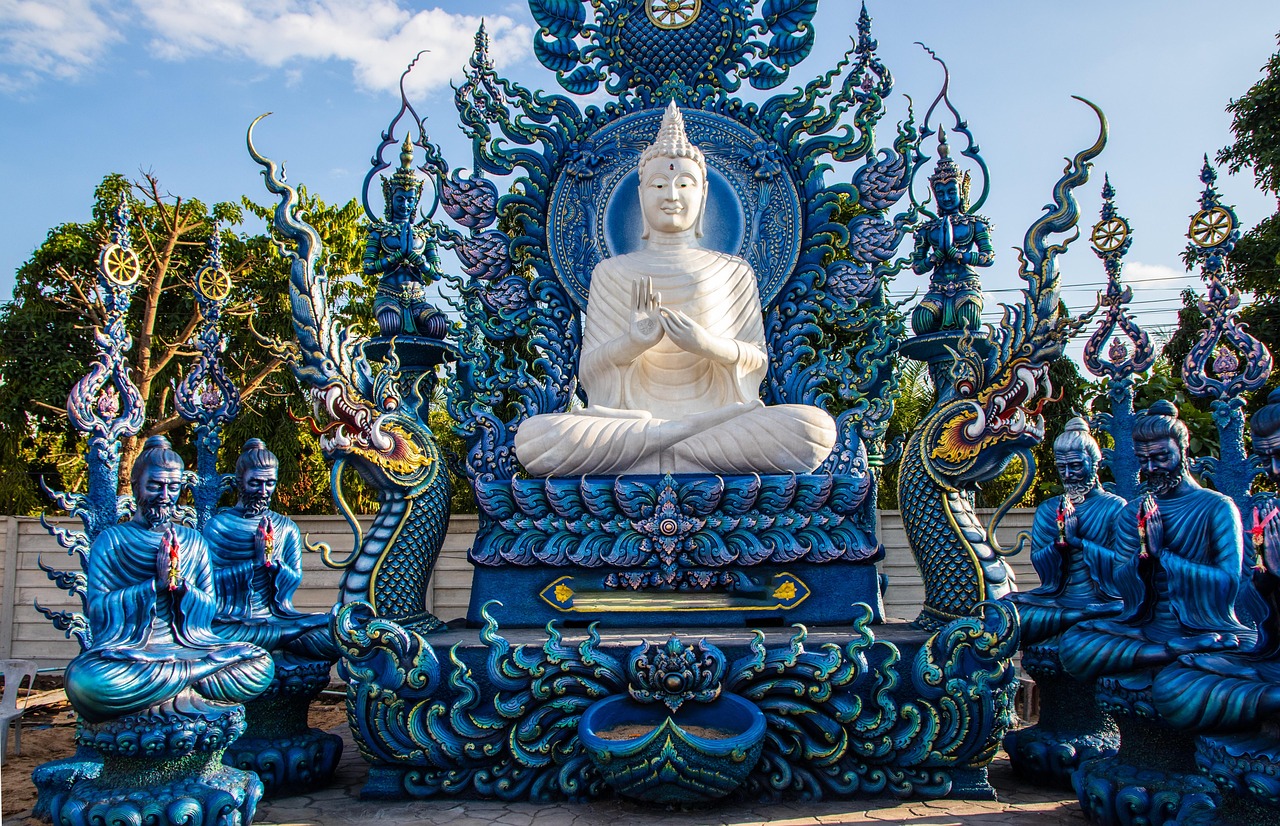
 Chiang Rai, Thailand
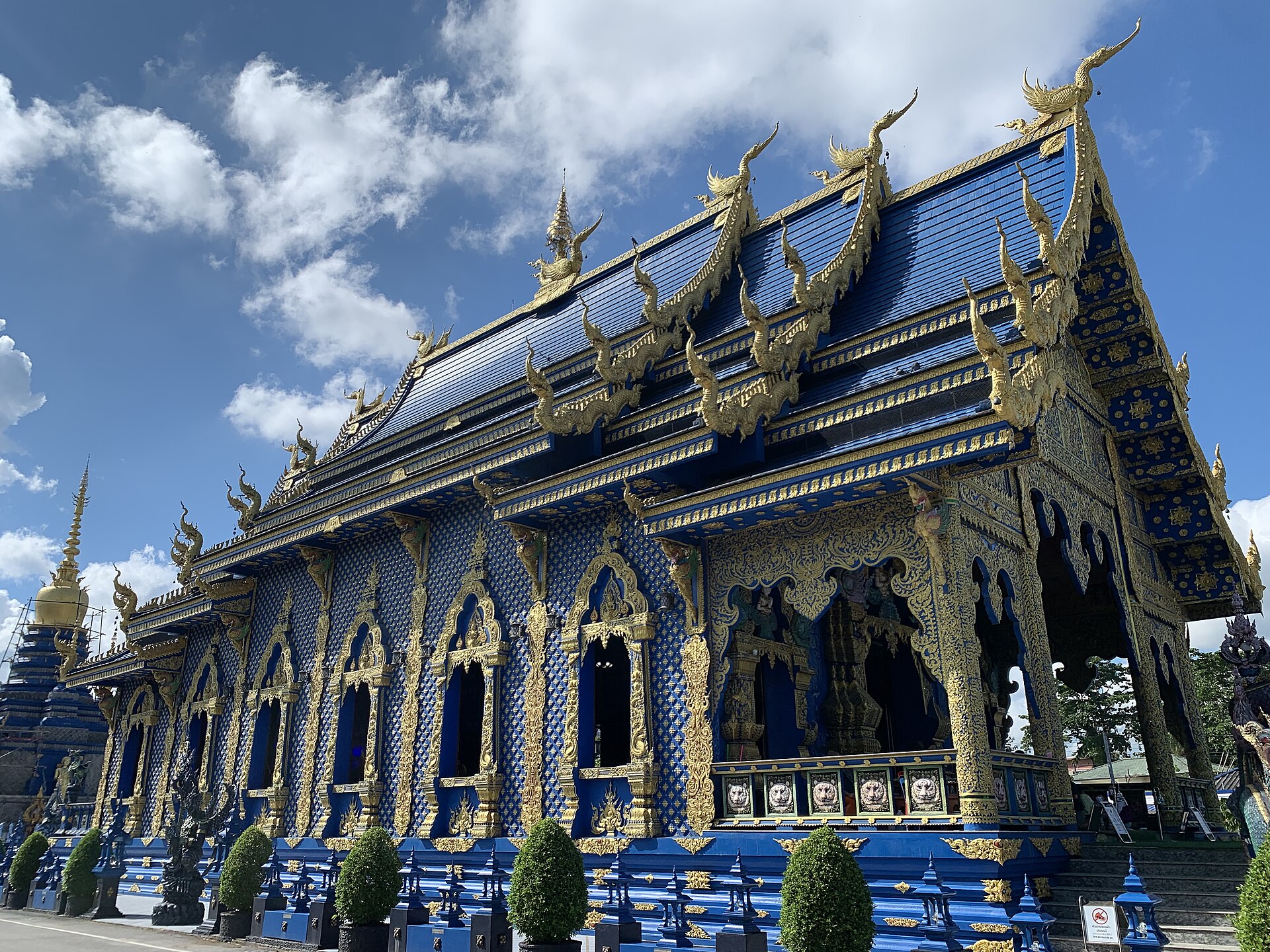
A striking temple in deep sapphire blue and gold, with a large white Buddha inside and naga sculptures at the entrance.
Front steps of the viharn
Large serpent (naga) sculptures in blue and gold guard the stairs, with guardian figures at the gate.
Open in Google Maps (opens in a new tab)Main hall
A hall painted deep blue with gold detailing, bright inside and out.
Open in Google Maps (opens in a new tab)Inside the viharn
A large seated white Buddha image glowing against the blue walls — the photograph everyone comes for.
Open in Google Maps (opens in a new tab)Walls and ceiling of the viharn
Murals of Buddhist scenes painted in blues, golds and swirling patterns in a modern northern Thai style.
Open in Google Maps (opens in a new tab)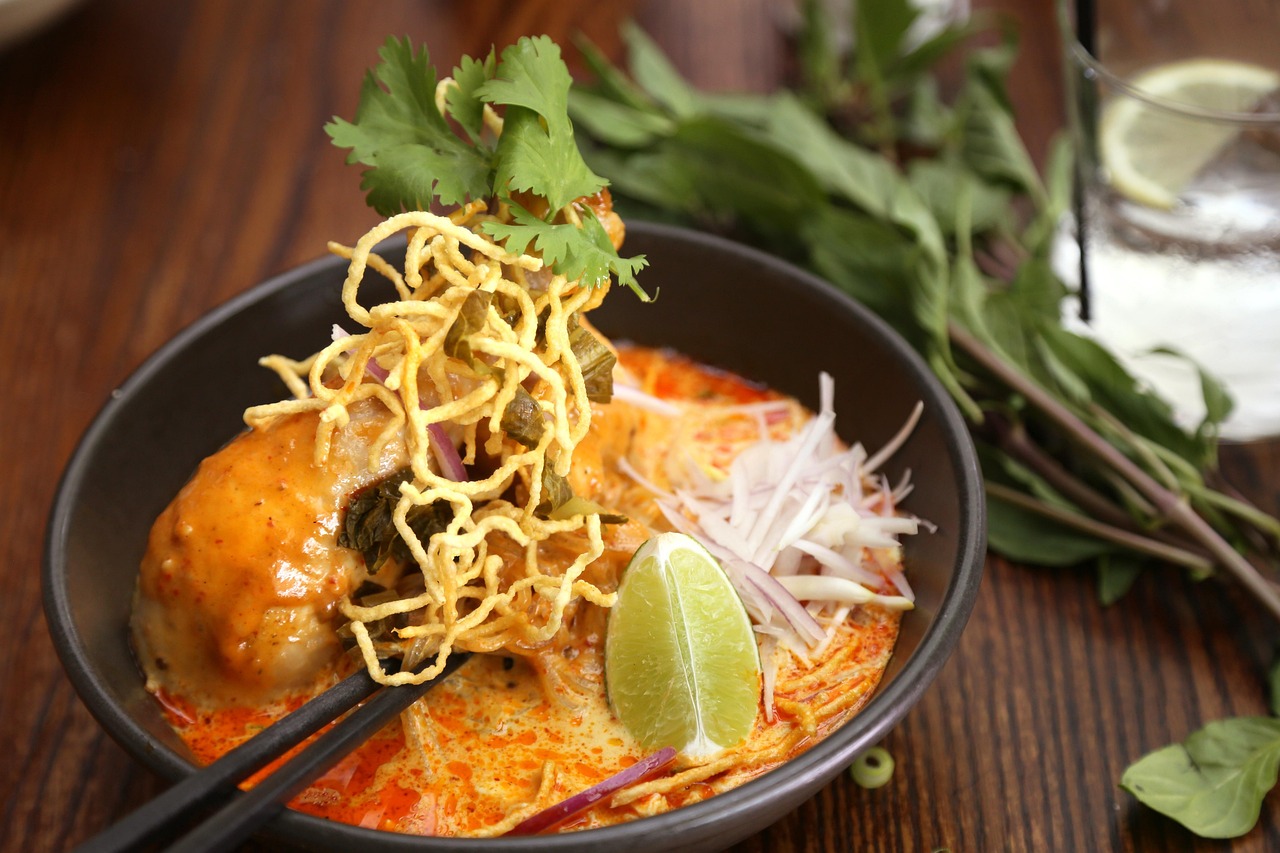
Chiang Rai, Thailand
The signature noodle soup of northern Thailand: egg noodles in a rich coconut curry broth, usually with chicken or beef, topped with crispy fried noodles and served with pickled mustard greens, shallots and lime.
Chiang Rai, Thailand
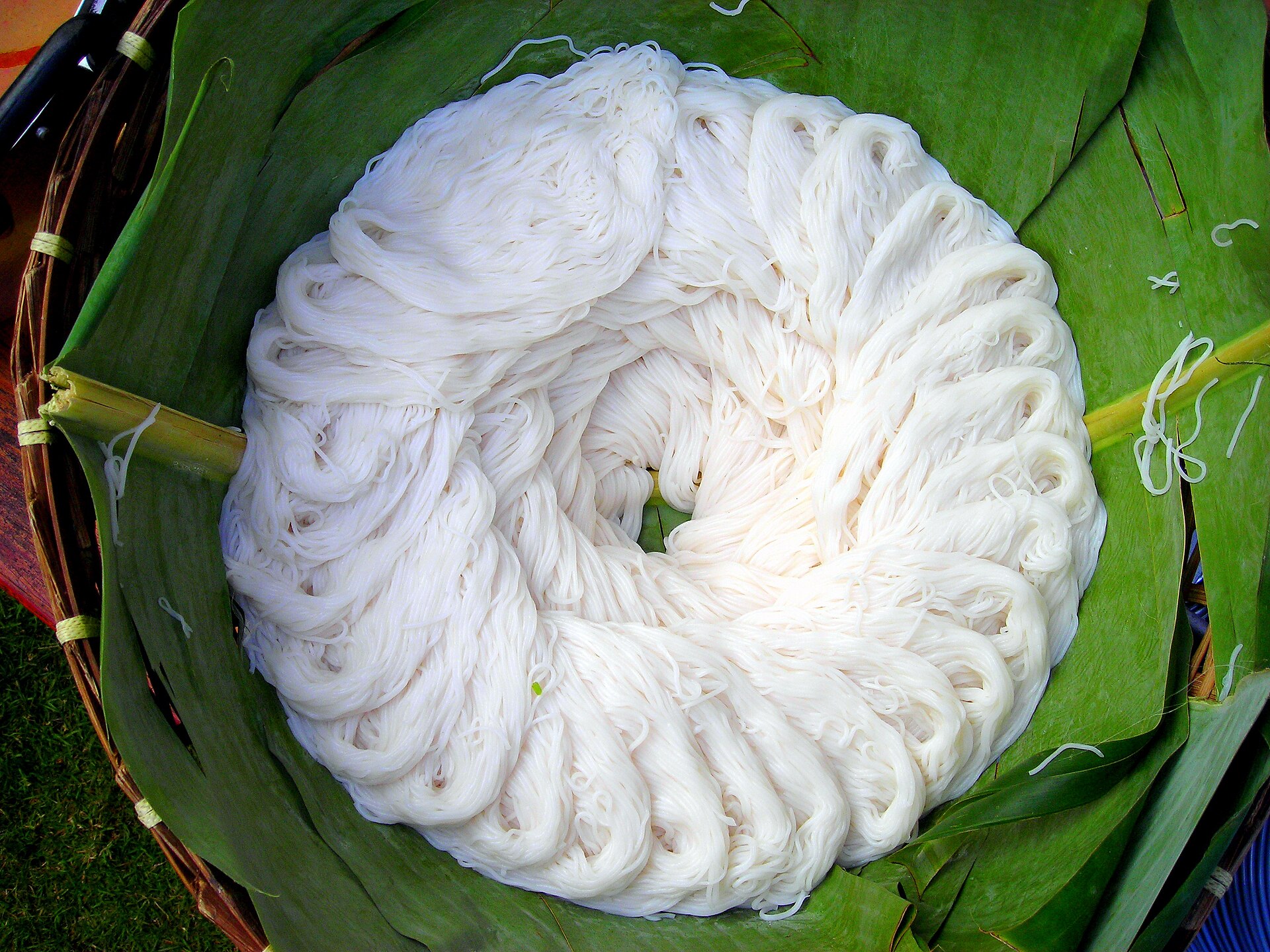
Fresh rice noodles in a tangy tomato and pork broth flavoured with dried red cotton-tree flowers — a Lanna favourite for breakfast or lunch.
Chiang Rai, Thailand
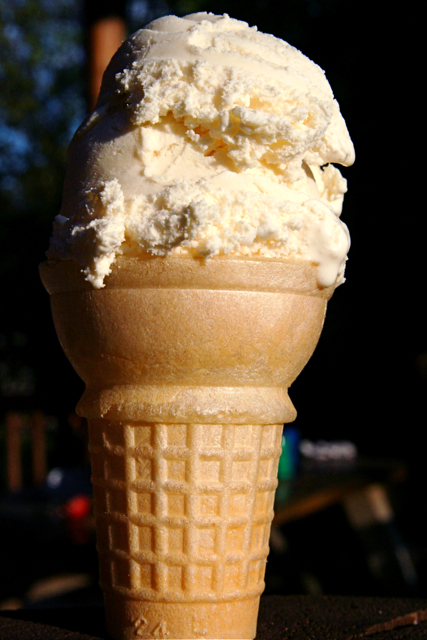
Coconut ice cream served in the shell or a cup, often sold by vendors outside temples — welcome on a hot day.
Rong Suea Ten
A few vendors and small shops by the entrance sell drinks, ice cream and snacks.
Open in Google Maps (opens in a new tab)Phaholyothin Road, near the bus terminal
Every evening a big food court of stalls sits in front of a stage with live music — hot pot (jim jum), grilled fish, noodles and northern dishes.
Open in Google Maps (opens in a new tab)Chiang Rai, Thailand
Around the clock tower and the Night Bazaar: guesthouses and hotels within walking distance of restaurants, the walking streets and the bus terminal.
Open in Google Maps (opens in a new tab)Chiang Rai, Thailand
Resorts and quieter hotels along the Kok River on the north side of town — greener and calmer, a short drive from the centre.
Open in Google Maps (opens in a new tab)"Rong Suea Ten" means "house of the dancing tiger" — the name of the area, from a story of tigers once seen leaping across the river here. Cover shoulders and knees, take your shoes off before entering a hall, and never point your feet at a Buddha image or a monk. Walk around a chedi clockwise, keeping it on your right. Women should not touch monks or hand things to them directly.
The Blue Temple was built on the ruins of an old temple in the "dancing tiger" neighbourhood and opened in 2016. It was designed by Putha Kabkaew, a former student of the White Temple's artist, and is a showcase of modern northern Thai art.
Start early at Wat Rong Suea Ten.
Return to the centre to see where the Emerald Buddha was found.
Walk to the golden clock tower.
Eat in one of the noodle shops in the centre.
November to February is most comfortable; morning light shows the blue best, and the temple is calmer than the White Temple then.
About 3 km north of the clock tower — 10 minutes by Grab or tuk-tuk.
Chiang Rai's centre is small and easy to walk. For the temples outside town use Grab, a tuk-tuk or a hired car with driver; local buses from the old bus terminal (by the Night Bazaar) run north towards Mae Sai and south towards the White Temple. The Blue Temple is only a short Grab or tuk-tuk ride from the clock tower.
Cover shoulders and knees and take your shoes off before entering the halls. Sarongs are usually available to borrow or rent at the entrance. Quieter than the White Temple; morning light is best on the blue.