
Watchtowers
Top of the hill
Mud-brick towers that once watched over the town and the roads into it.
Open in Google Maps (opens in a new tab)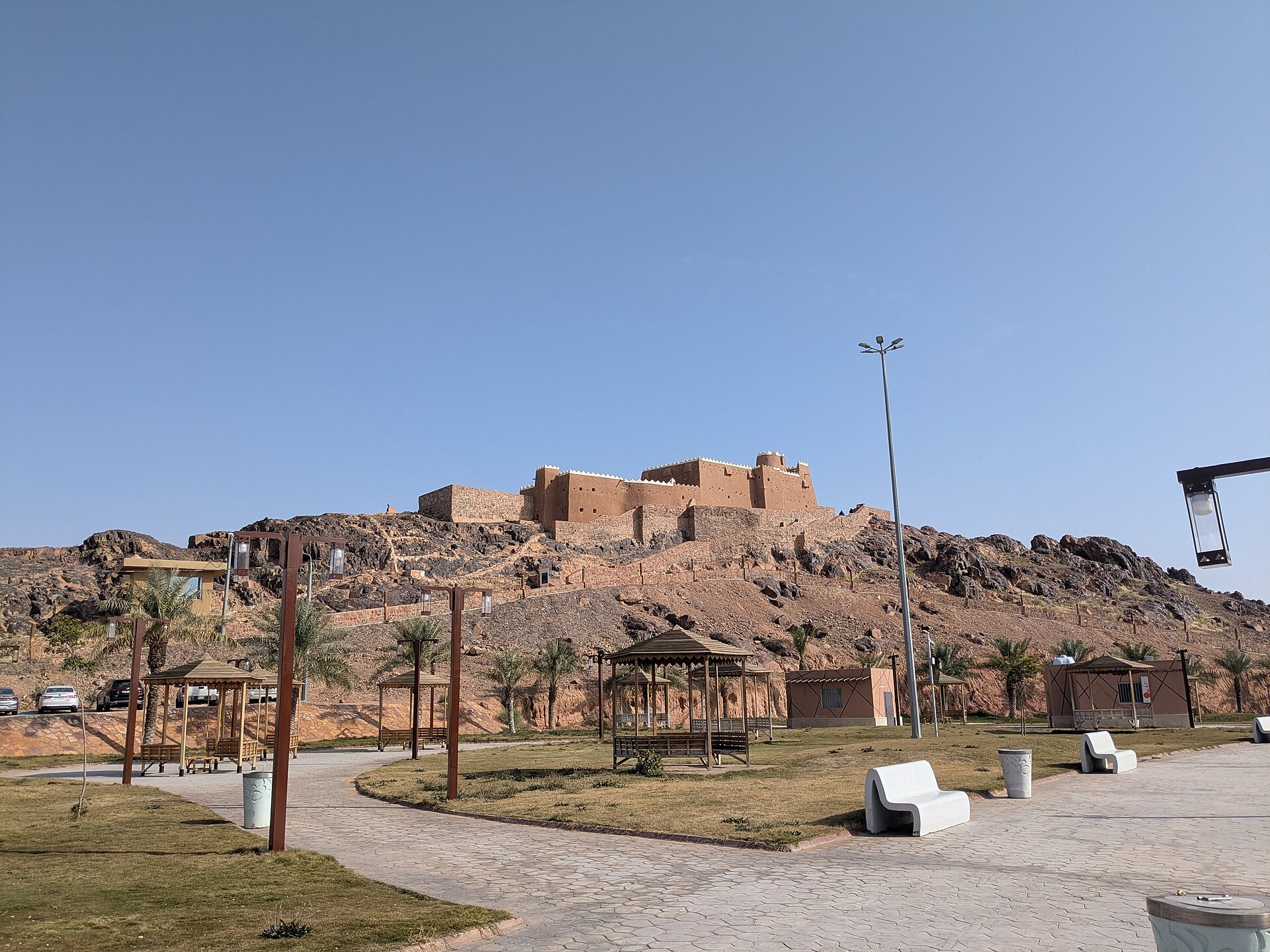
 Hail, Saudi Arabia
A mud-brick fort on a rocky hill above central Hail, with watchtowers and wide views over the city and the mountains around it.
Top of the hill
Mud-brick towers that once watched over the town and the roads into it.
Open in Google Maps (opens in a new tab)Fort walls
Wide views over Hail, its palm gardens and the Aja and Salma mountains.
Open in Google Maps (opens in a new tab)From the hill and below
The fort glows at sunset and is often lit up at night.
Open in Google Maps (opens in a new tab)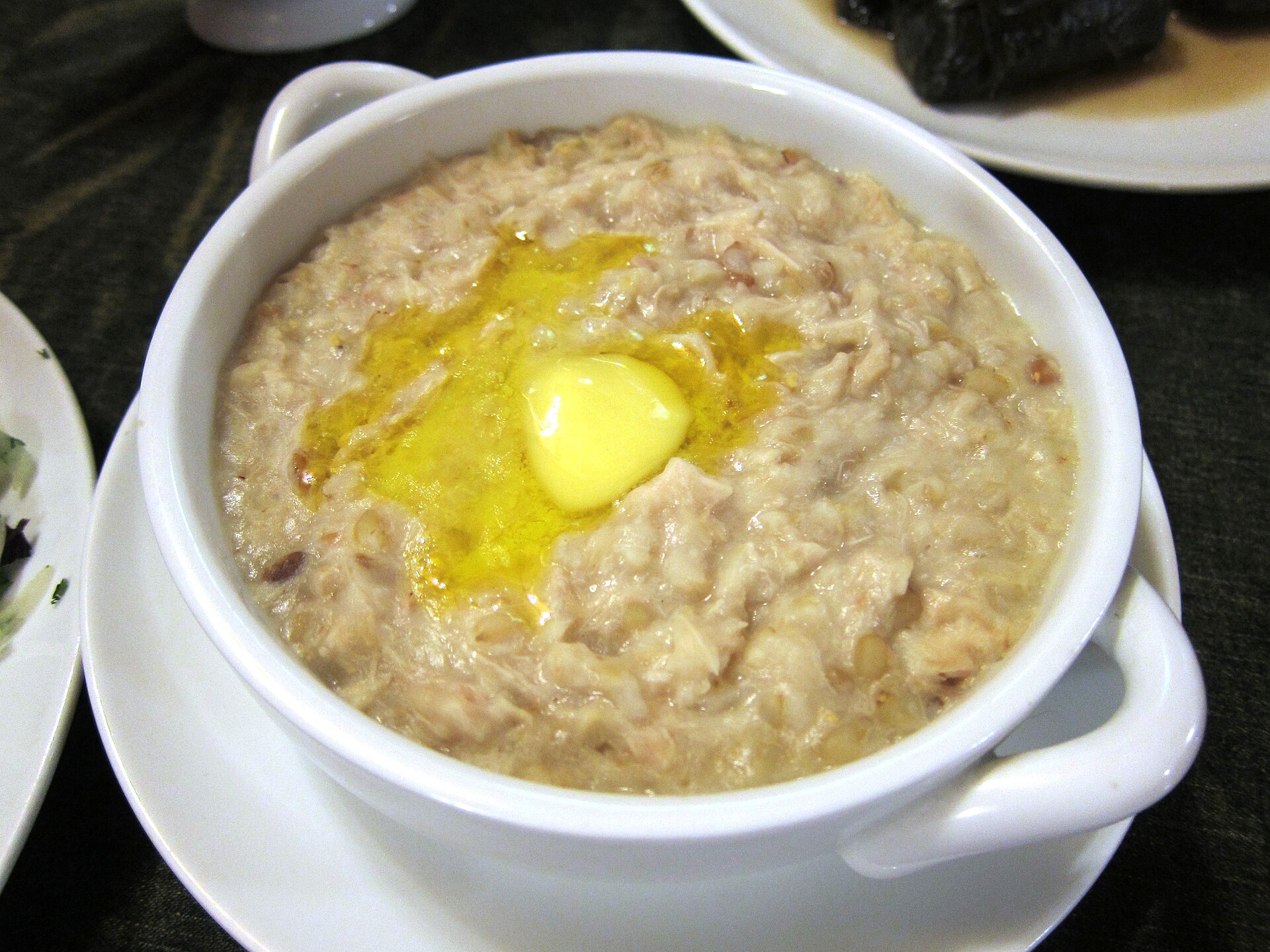
Hail, Saudi Arabia
Cracked wheat slow-cooked with meat or chicken, onion and spices into a soft, porridge-like dish, finished with ghee and fried onions. A classic of central and northern Saudi kitchens.
Hail, Saudi Arabia
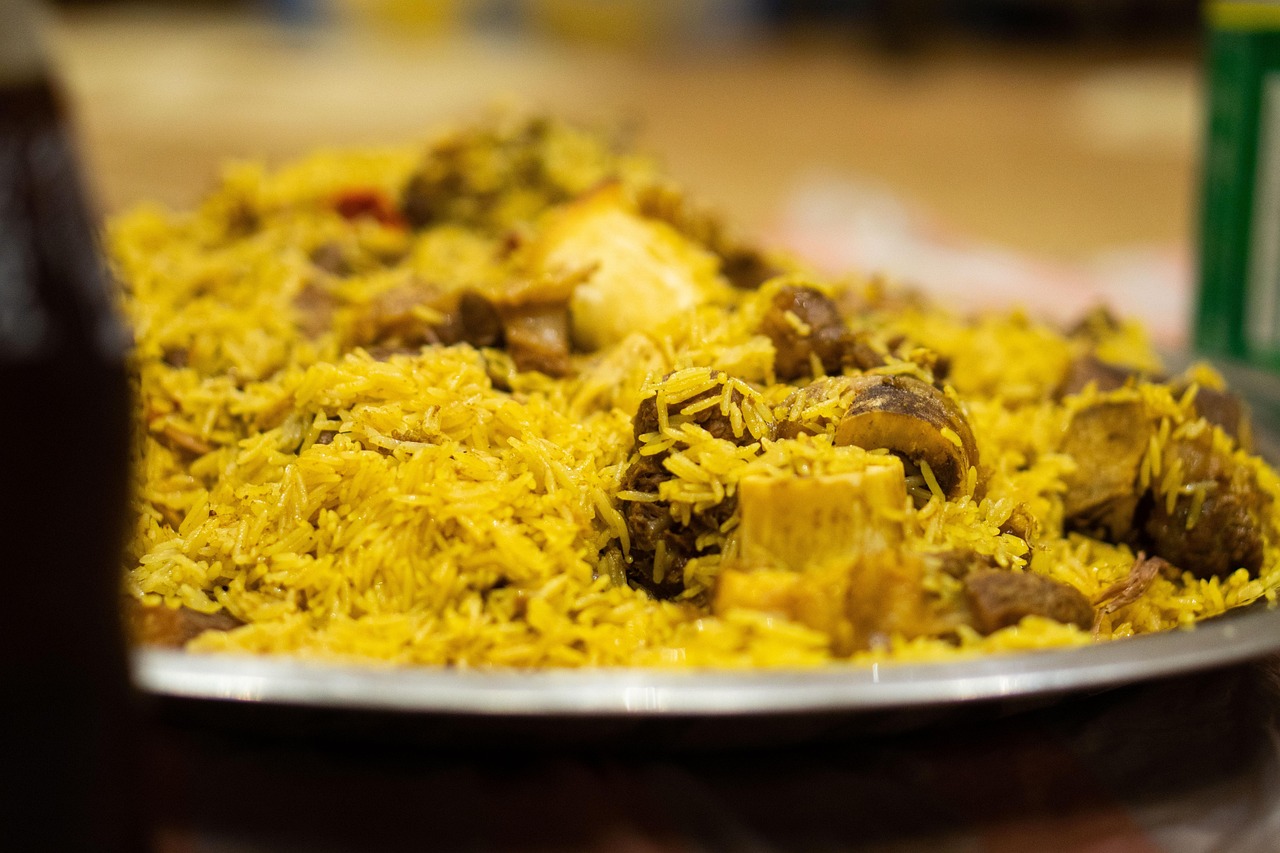
The national dish: long-grain rice cooked in a spiced broth with chicken or lamb, served on a large shared platter with nuts, raisins and a tomato-chilli sauce (daqoos).
Hail, Saudi Arabia
Old centre of Hail, around Barzan Square
The historic heart of Hail, with traditional shops for dates, coffee, spices and crafts, and simple restaurants serving kabsa, jareesh and grills.
Open in Google Maps (opens in a new tab)Central and northern Hail
Family restaurants, Saudi and Middle Eastern grills, bakeries and modern cafés along the main avenues. Most have family seating.
Open in Google Maps (opens in a new tab)Hail, Saudi Arabia
Hotels and furnished apartments near the Barzan area, Al-Qishlah Palace and A’arif Fort — the most convenient base for sightseeing.
Open in Google Maps (opens in a new tab)Hail, Saudi Arabia
Newer hotels on the city’s main roads, with easier parking and quick access to the roads to Jubbah and the desert.
Open in Google Maps (opens in a new tab)The fort is a landmark of Hail’s identity and appears on many images of the city. Families come up in the evening for the breeze and the view.
A’arif Fort (Qal'at A'arif) stands on a hill overlooking the old city of Hail. It is generally dated to the period of the Al Rashid emirs, around two centuries ago, when it served as a lookout and defensive post over the town and the roads into it.
Built of mud brick and stone, with towers and a walled enclosure, it has been restored by the heritage authorities and is one of the symbols of Hail. It is often lit at night and used for cultural events.
Climb to the fort for views of the city.
See the large mud-brick palace with its towers.
Walk the old centre and its market.
October to March, in the late afternoon for the views and sunset over the city.
