Courtyard and garrison rooms
Inside the castle
The open courtyard with the rooms of the old garrison around it, some used for displays on the history of the castle and the region.
Open in Google Maps (opens in a new tab)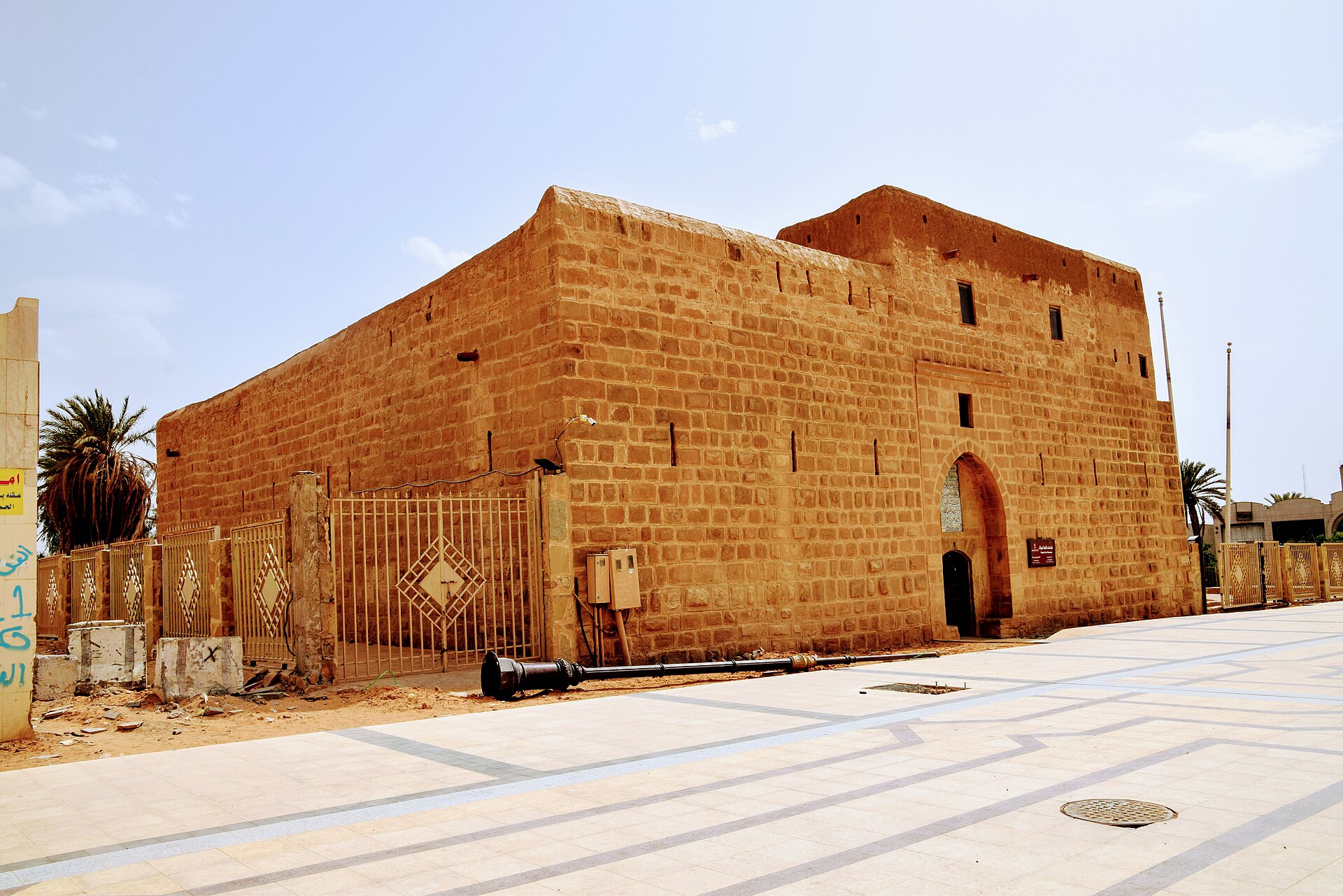
 Tabuk, Saudi Arabia
A stone fort in the heart of Tabuk that guarded the old pilgrim road and its spring. Rebuilt in the Ottoman period, it is now a heritage site with a small exhibition.
Inside the castle
The open courtyard with the rooms of the old garrison around it, some used for displays on the history of the castle and the region.
Open in Google Maps (opens in a new tab)Upper floor
Climb up for views over the old centre of Tabuk and the surrounding streets.
Open in Google Maps (opens in a new tab)Inside the castle
A small prayer room built into the fort, used by the garrison and travellers.
Open in Google Maps (opens in a new tab)Beside the castle
The spring that made Tabuk a stop on the caravan routes, linked in tradition to the time of the Prophet’s expedition.
Open in Google Maps (opens in a new tab)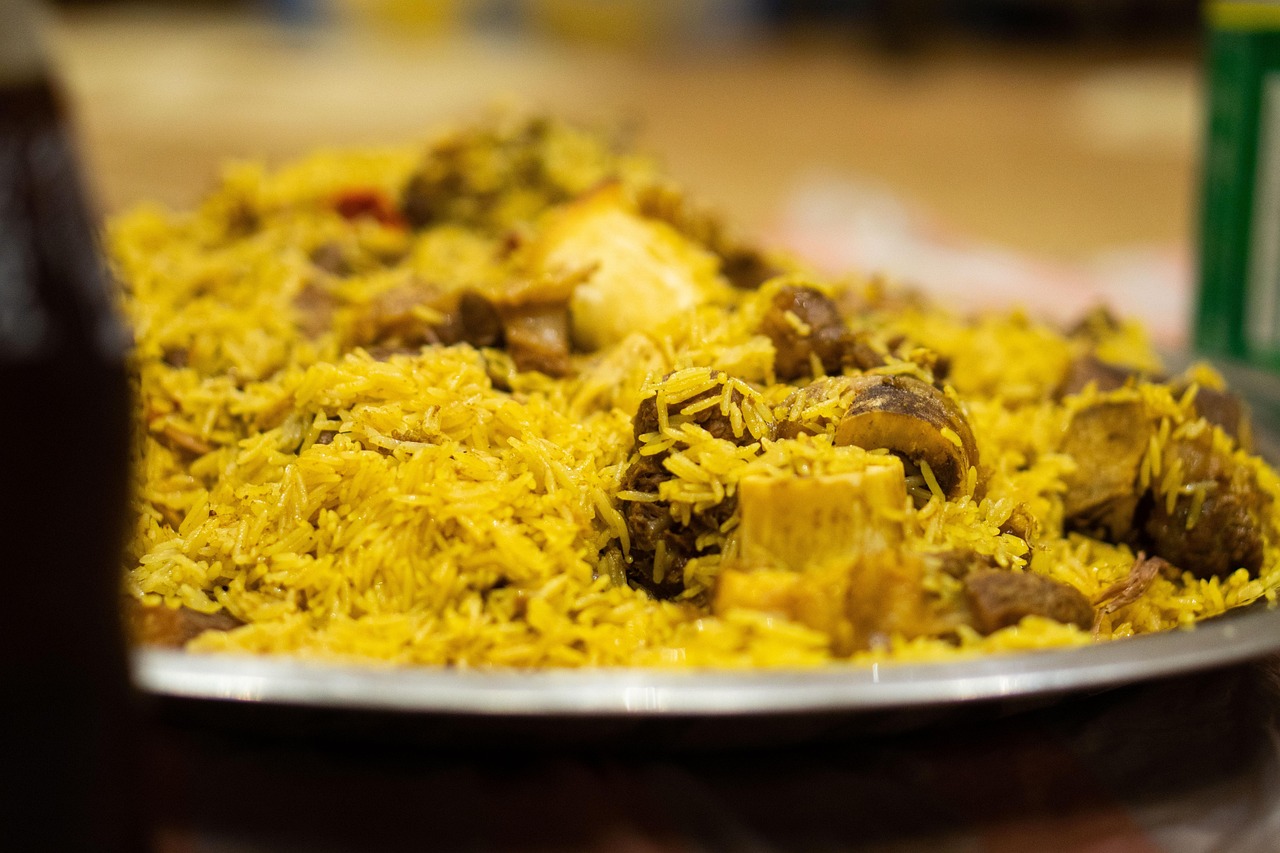
Tabuk, Saudi Arabia
The national dish: long-grain rice cooked in a spiced broth with chicken or lamb, served on a large shared platter with nuts, raisins and a tomato-chilli sauce (daqoos).
Tabuk, Saudi Arabia
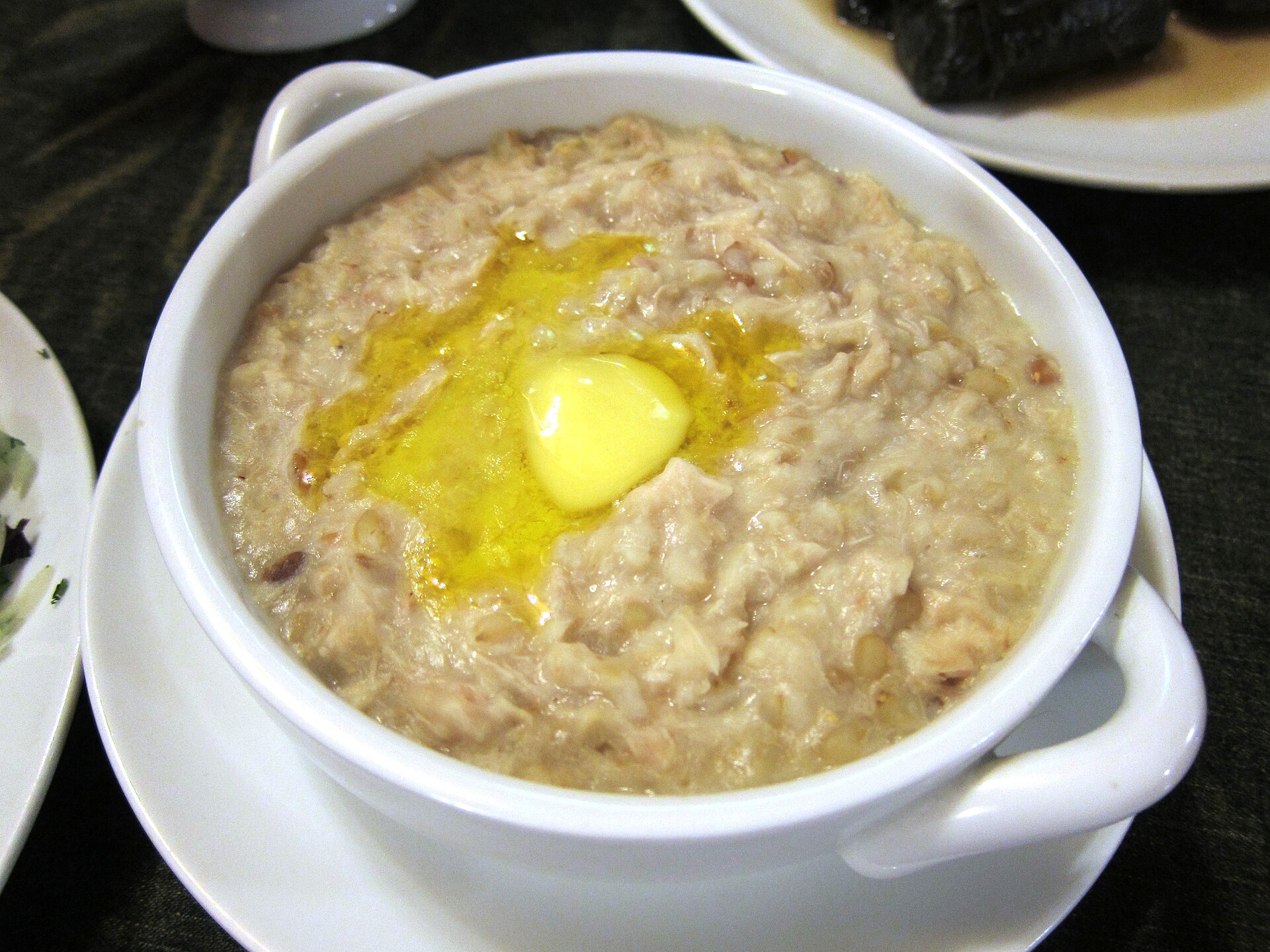
Cracked wheat slow-cooked with meat or chicken, onion and spices into a soft, porridge-like dish, finished with ghee and fried onions. A classic of central and northern Saudi kitchens.
Tabuk, Saudi Arabia
Central Tabuk, near the castle and the old market
The streets around Tabuk Castle and the traditional market are lined with simple local restaurants serving kabsa, mandi and grilled meats, plus bakeries and shawarma counters.
Open in Google Maps (opens in a new tab)Old market area, central Tabuk
Good for dates, spices, coffee beans and dried fruit to take away, with small eateries and tea stalls among the shops.
Open in Google Maps (opens in a new tab)Tabuk, Saudi Arabia
Hotels and furnished apartments close to Tabuk Castle, the Hejaz Railway station and the old market. The easiest base without a car.
Open in Google Maps (opens in a new tab)Tabuk, Saudi Arabia
Newer hotels and serviced apartments along the main roads towards the airport and the malls — practical for road trips out of the city.
Open in Google Maps (opens in a new tab)The castle is a reminder of the Hajj caravans that once crossed the north of Arabia. Local families visit it with children, and it often features in cultural events and festivals in the city.
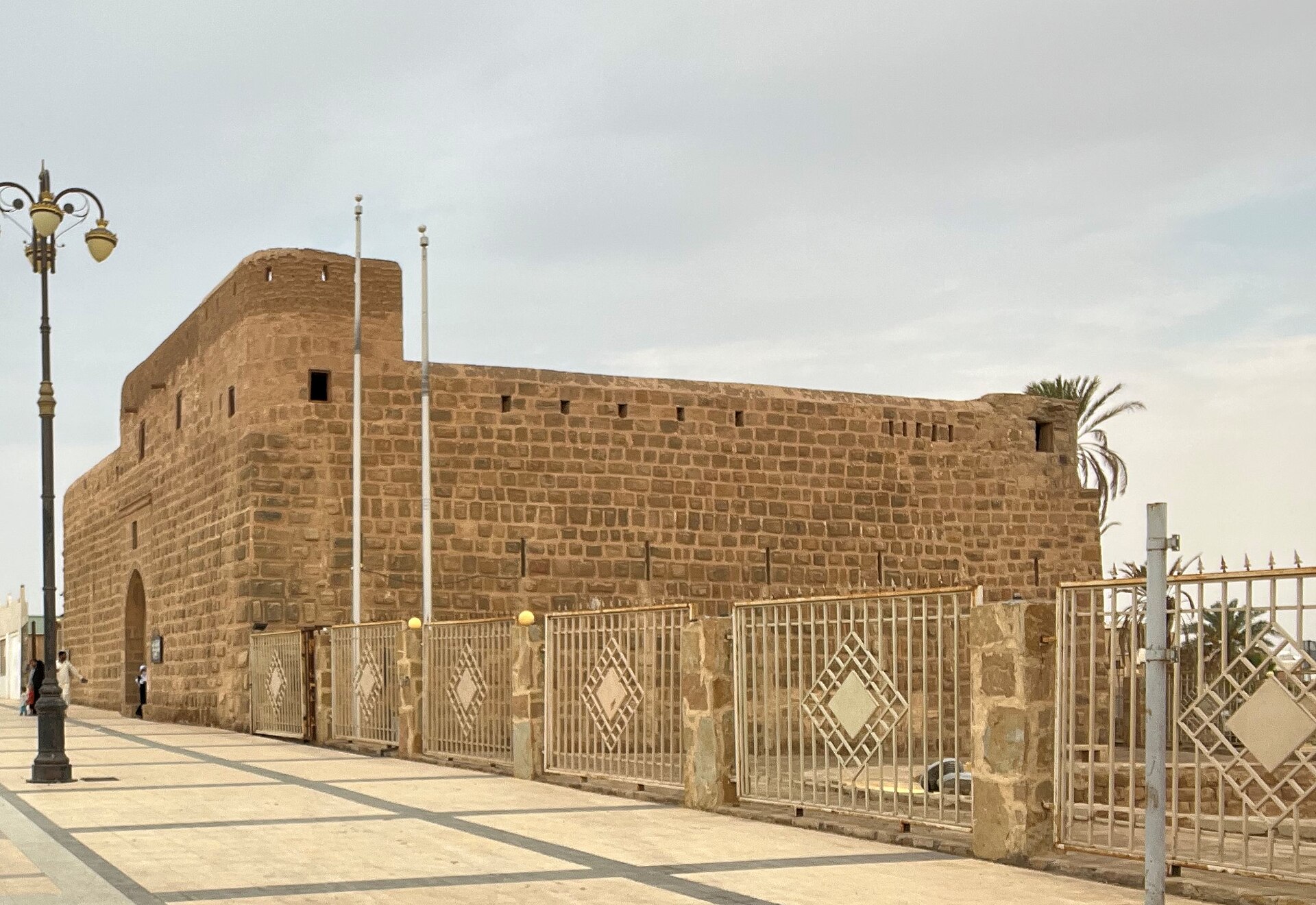
A fort has stood here for centuries to protect the water source used by caravans and pilgrims on the Syrian Hajj route. The present building was rebuilt by the Ottomans in the 16th century and restored several times since, most recently by the Saudi heritage authorities.
The castle has two floors around an open courtyard, with a small mosque, rooms that once housed the garrison and stairs up to the watchtowers. Next to it is the area of the ancient spring linked in tradition to the time of the Prophet's expedition to Tabuk.
Explore the courtyard, rooms and towers.
See the mosque that marks the camp of the Tabuk expedition, from outside if you are not attending prayer.
Browse for dates, spices and coffee.
Kabsa or jareesh at a local restaurant in the centre.
October to April, in the morning or late afternoon when the light is soft and it is cooler.