
The mosque’s exterior
Old centre of Tabuk
White walls and a minaret marking the historic site, best seen in the soft light of late afternoon.
Open in Google Maps (opens in a new tab)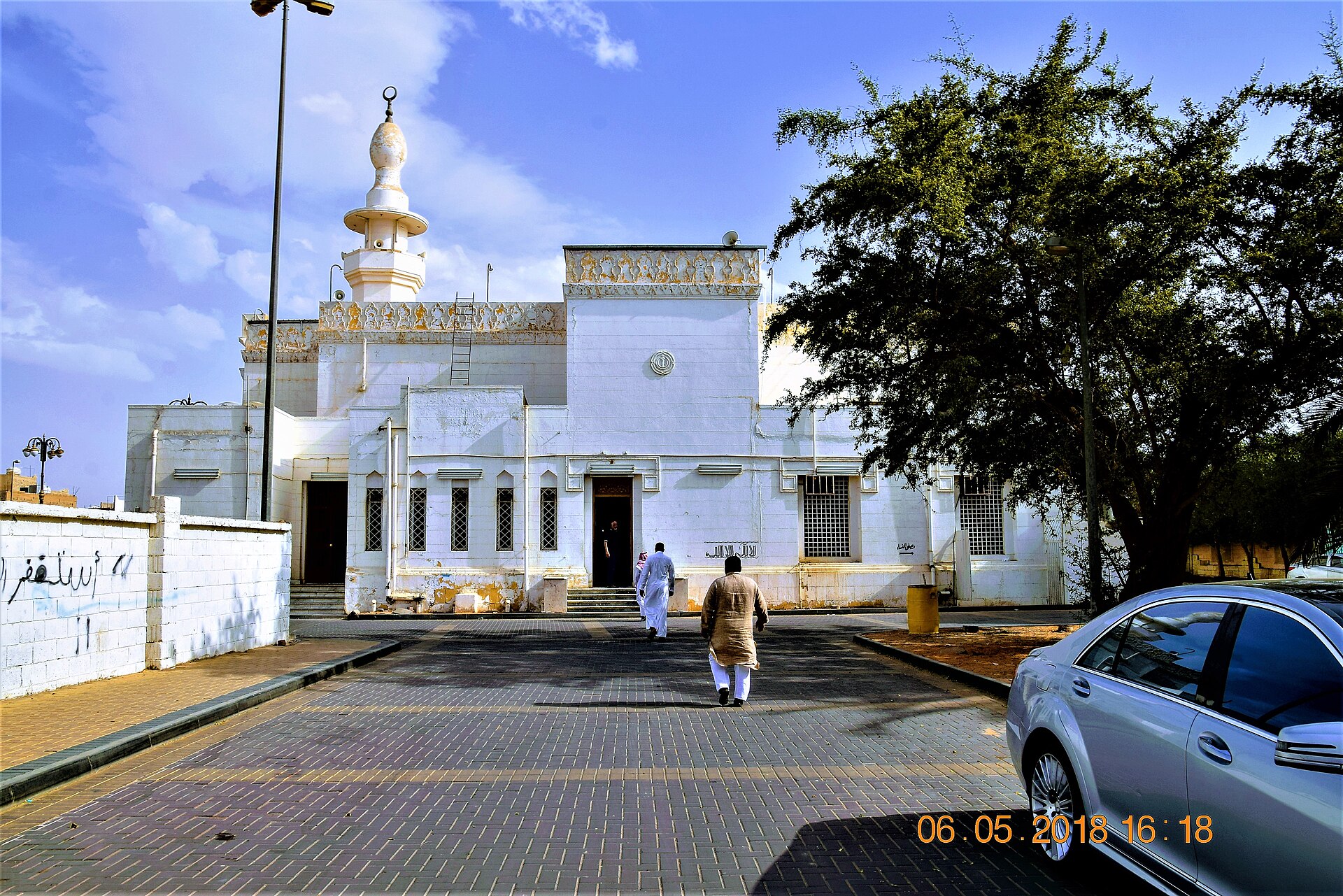
 Tabuk, Saudi Arabia
A historic mosque in central Tabuk built where the Prophet Muhammad is said to have camped during the Tabuk expedition. Its name means “repentance”.
Old centre of Tabuk
White walls and a minaret marking the historic site, best seen in the soft light of late afternoon.
Open in Google Maps (opens in a new tab)Around the mosque
Streets that link the mosque with Tabuk Castle and the market — the oldest part of the city.
Open in Google Maps (opens in a new tab)Nearby
The Ottoman-era fort is a short walk away and makes a natural next stop.
Open in Google Maps (opens in a new tab)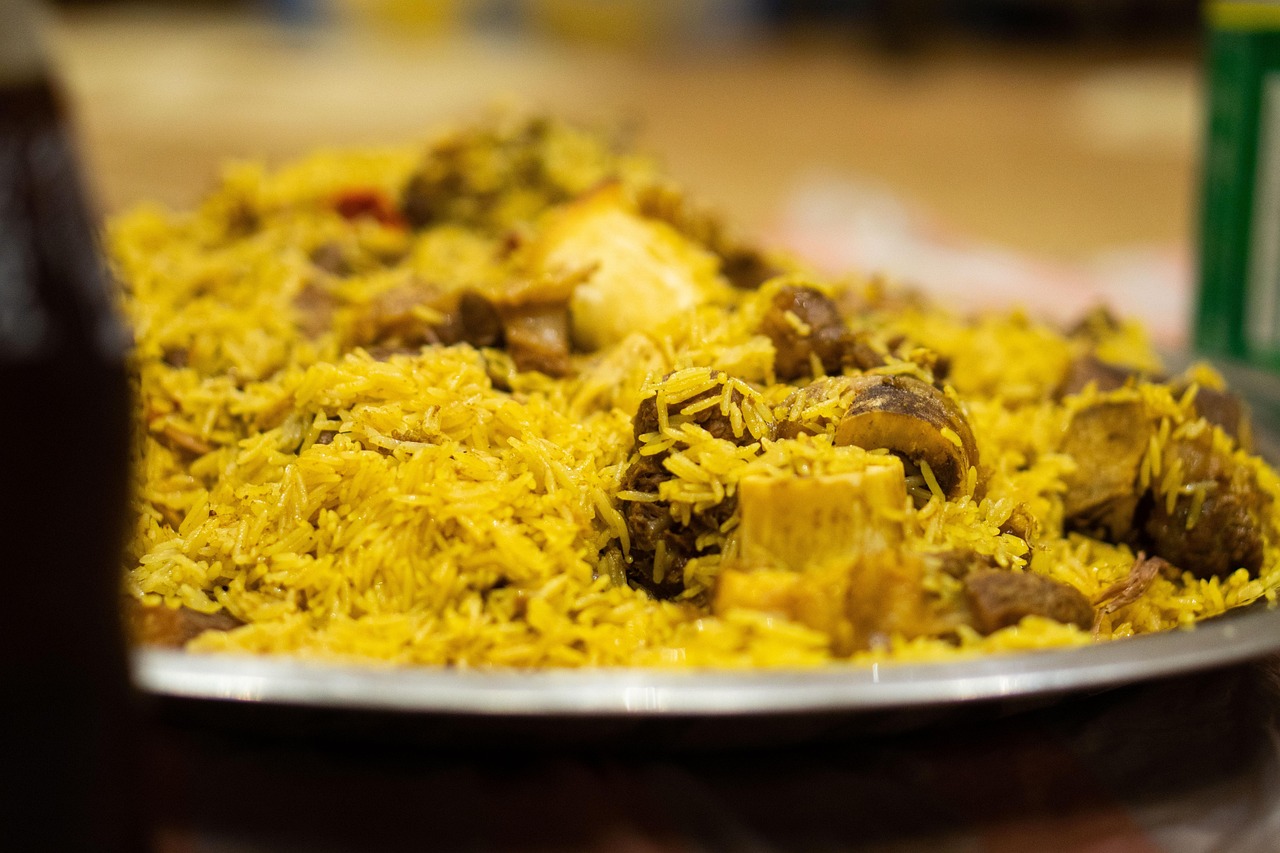
Tabuk, Saudi Arabia
The national dish: long-grain rice cooked in a spiced broth with chicken or lamb, served on a large shared platter with nuts, raisins and a tomato-chilli sauce (daqoos).
Tabuk, Saudi Arabia
Paper-thin wheat bread torn into a rich meat and vegetable broth. A traditional dish of northern Saudi Arabia, often made for family gatherings.
Tabuk, Saudi Arabia
Central Tabuk, near the castle and the old market
The streets around Tabuk Castle and the traditional market are lined with simple local restaurants serving kabsa, mandi and grilled meats, plus bakeries and shawarma counters.
Open in Google Maps (opens in a new tab)Old market area, central Tabuk
Good for dates, spices, coffee beans and dried fruit to take away, with small eateries and tea stalls among the shops.
Open in Google Maps (opens in a new tab)Tabuk, Saudi Arabia
Hotels and furnished apartments close to Tabuk Castle, the Hejaz Railway station and the old market. The easiest base without a car.
Open in Google Maps (opens in a new tab)Tabuk, Saudi Arabia
Newer hotels and serviced apartments along the main roads towards the airport and the malls — practical for road trips out of the city.
Open in Google Maps (opens in a new tab)The mosque is central to Tabuk’s identity because of the expedition story. Friday prayers and Ramadan nights bring large congregations, and the area around it is busiest at those times.
According to Islamic tradition, the Prophet Muhammad and his companions camped at this spot during the expedition to Tabuk in 630 CE (9 AH), and prayed here. A mosque was built to mark the place, and it has been rebuilt and enlarged several times over the centuries, including in the Ottoman period and in modern times.
The name Al-Tawbah, “repentance”, recalls the events of the expedition described in the Quran's Surah At-Tawbah. Today it is an active, well-loved mosque and one of Tabuk's most important religious landmarks.
See the mosque and learn the story of the Tabuk expedition.
Walk to the fort that protected pilgrims on the Hajj road.
Drive a short way to the restored station of the pilgrim railway.
October to April. Avoid prayer times if you only want to see it from outside.