Meze
Bodrum, Türkiye
 Bodrum, Türkiye
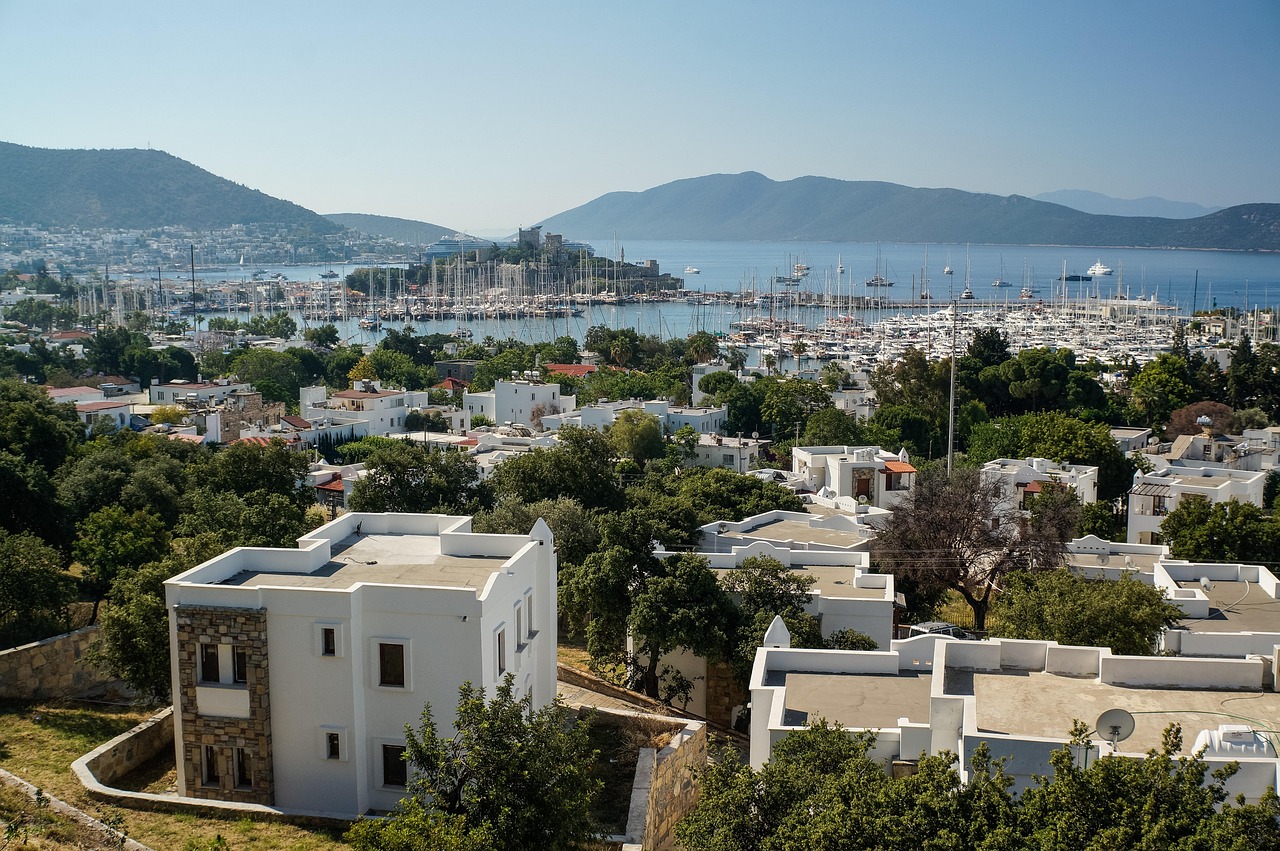
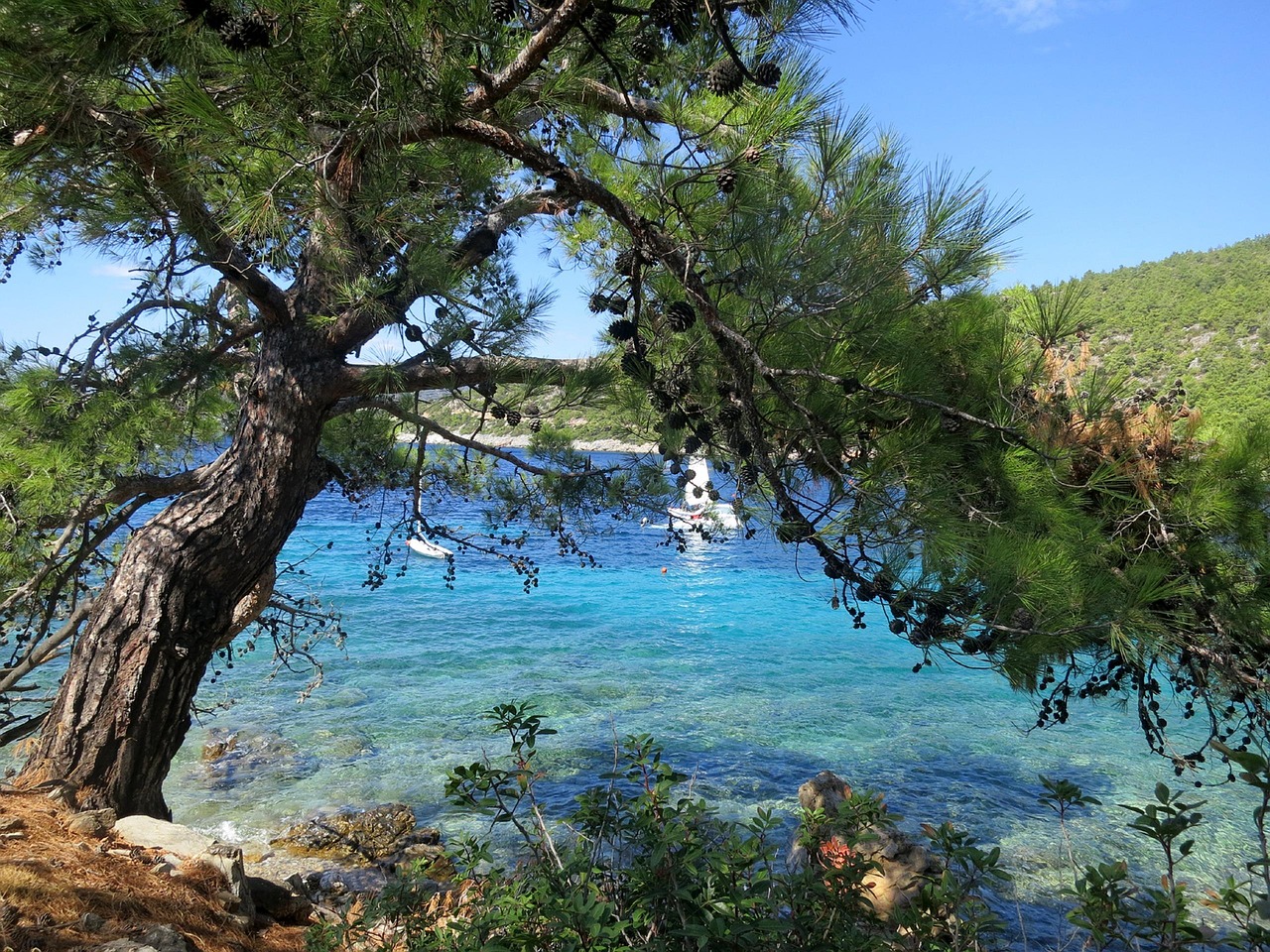
The white-washed resort town of the Aegean, on the site of ancient Halicarnassus: a crusader castle between two bays, a busy marina of wooden gulets, and a peninsula of beaches, fishing villages and chic coves. Bodrum is Türkiye's summer capital of sailing and nightlife.
Ancient site, Theatre
Bodrum, Türkiye
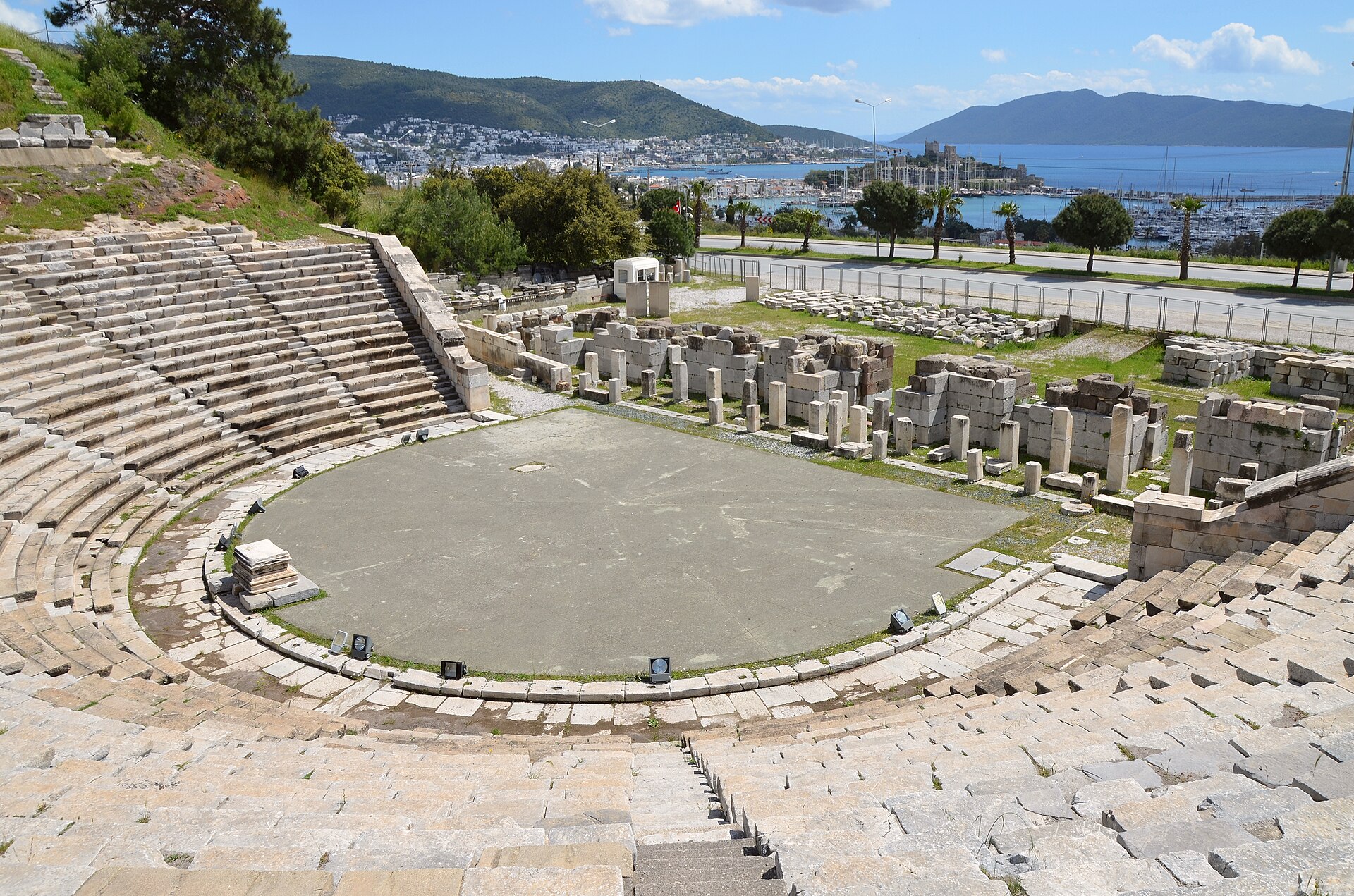
The restored ancient theatre on the hillside above Bodrum, built in the time of Mausolus and enlarged by the Romans, with one of the best views over the town, the castle and the bay.
Explore Ancient Theatre of Halicarnassus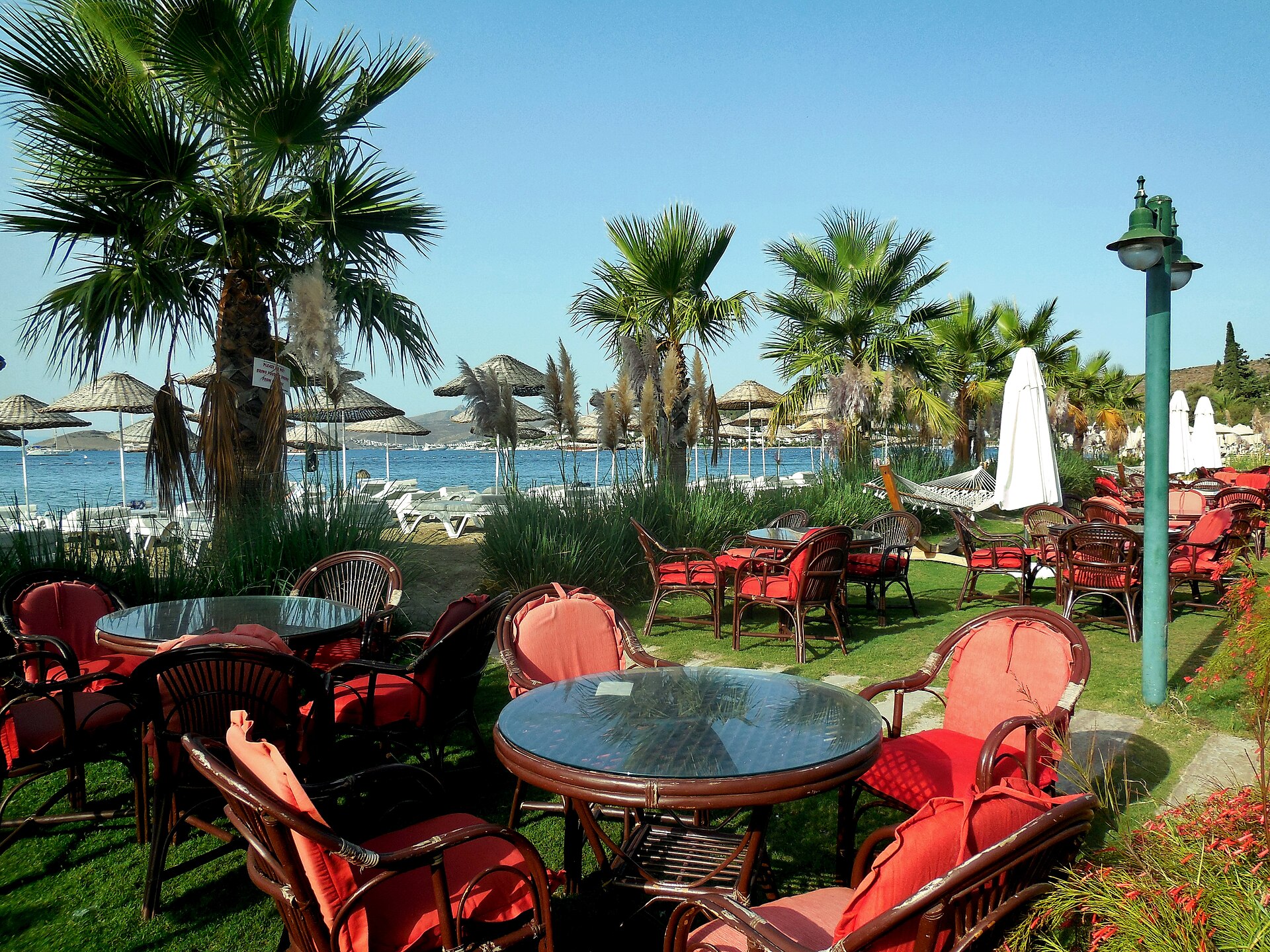
Beach, Resort
Bodrum, Türkiye
The two bays just west of Bodrum town: Gümbet, the lively party beach with water sports and nightlife, and Bitez, a calmer bay of sand, mandarin groves and a long beach promenade.
Explore Bitez and Gümbet beaches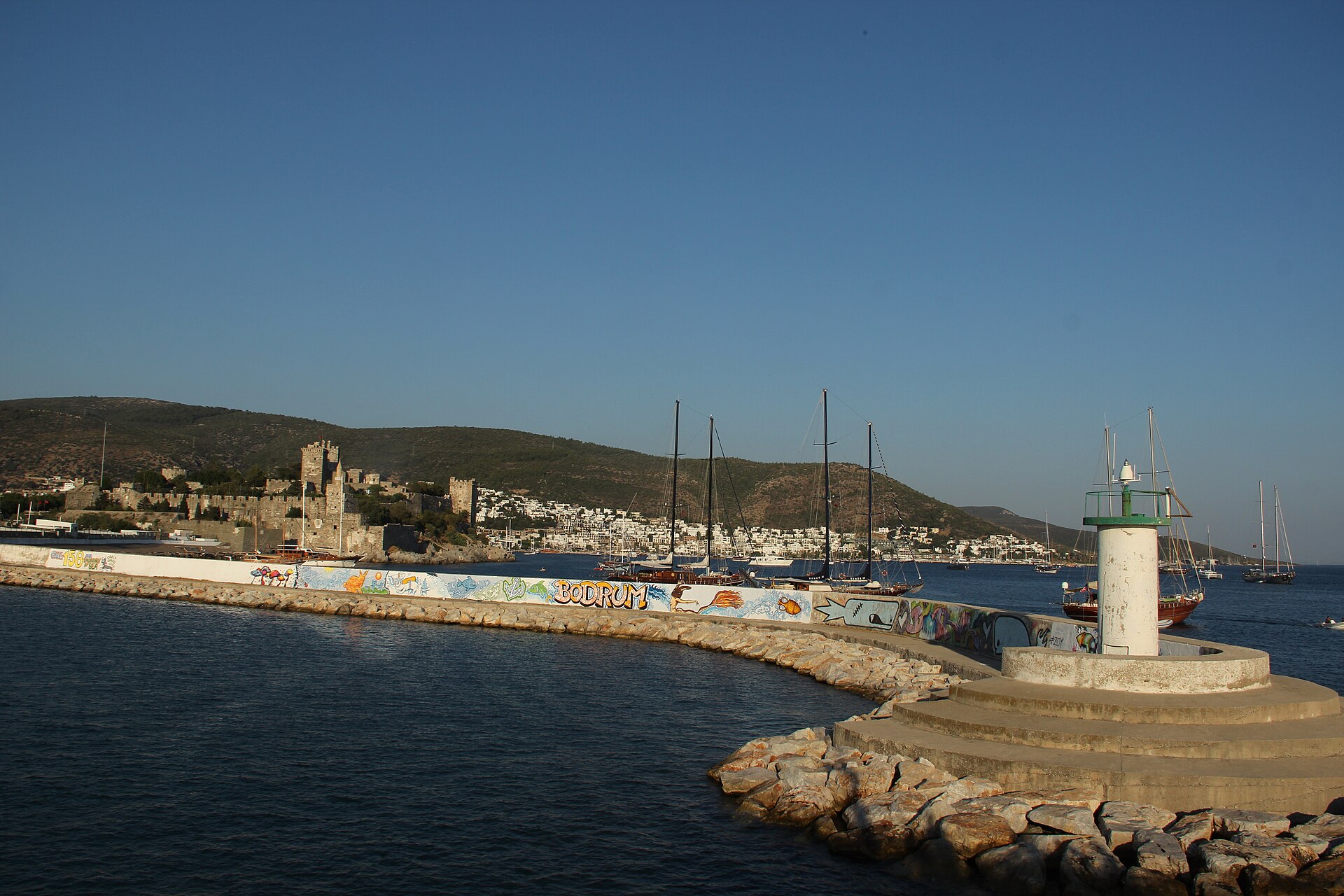
Castle, Museum
Bodrum, Türkiye
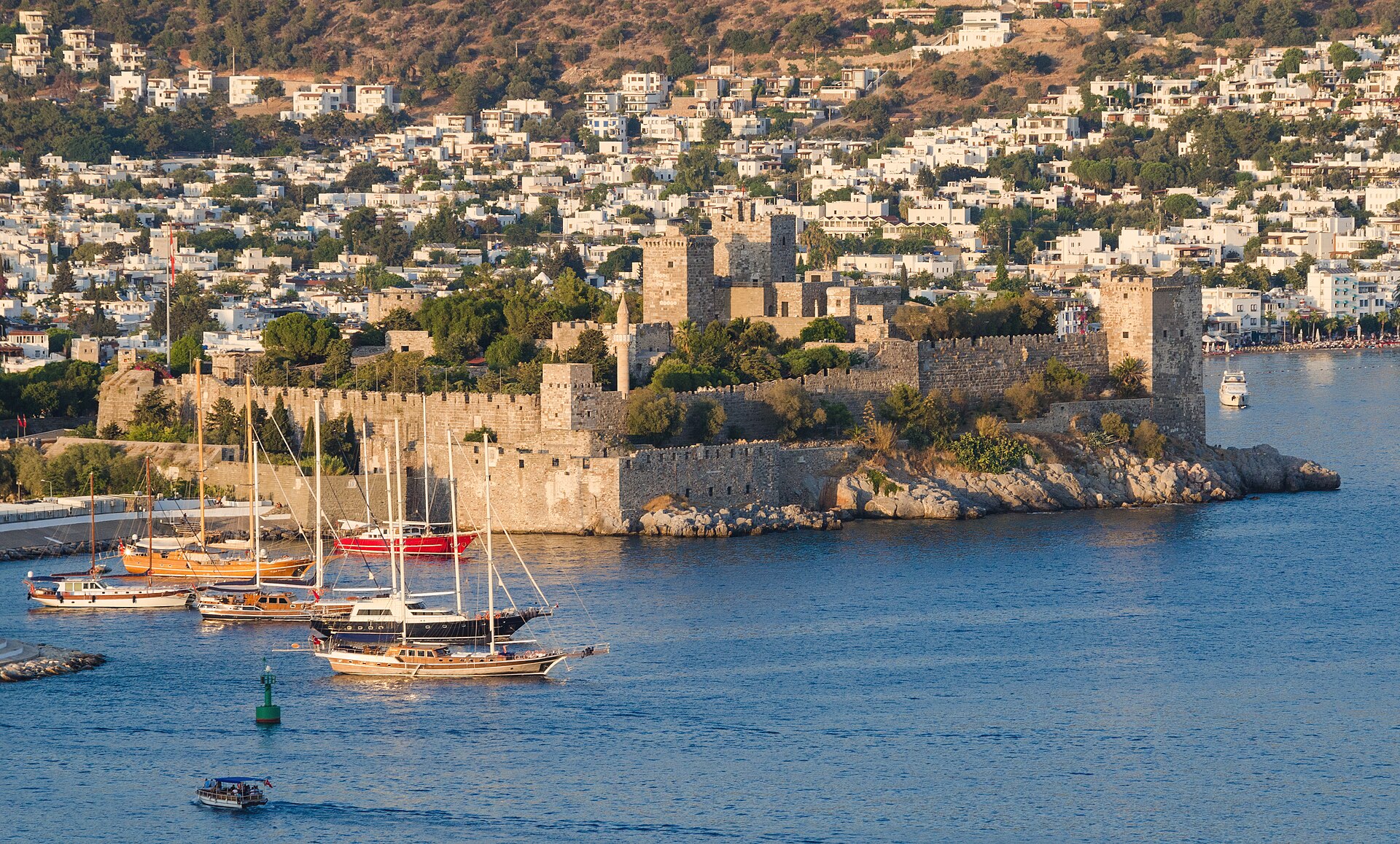
The crusader Castle of St Peter on the rocky point between Bodrum's two bays, home to the Museum of Underwater Archaeology — a world-famous collection of ancient shipwrecks and their cargoes.
Explore Bodrum Castle and the Museum of Underwater Archaeology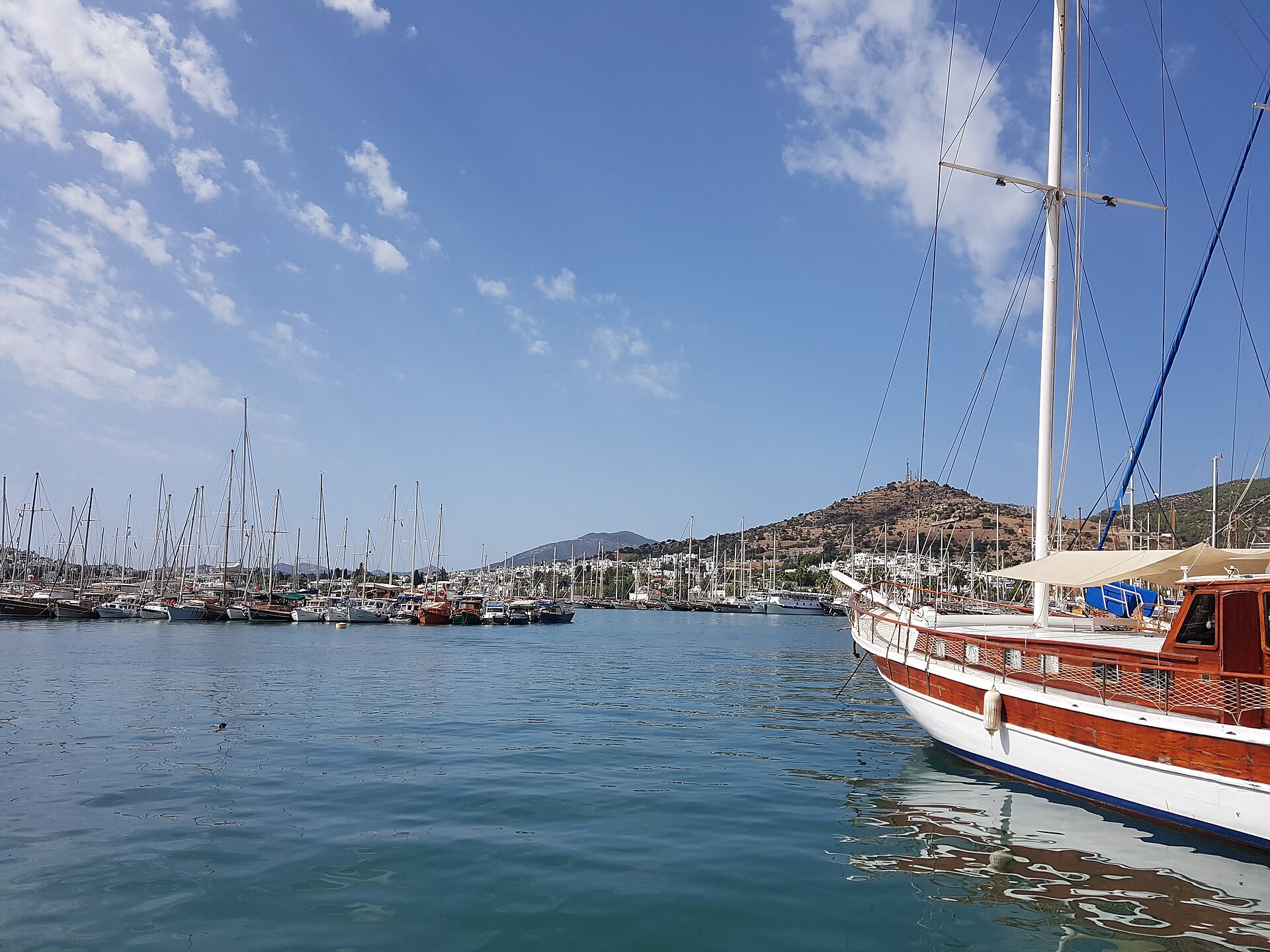
Waterfront, Harbour
Bodrum, Türkiye
The busy harbour on the western bay of Bodrum, lined with yachts and traditional wooden gulets, with a seafront promenade of cafés and restaurants running to the castle.
Explore Bodrum Marina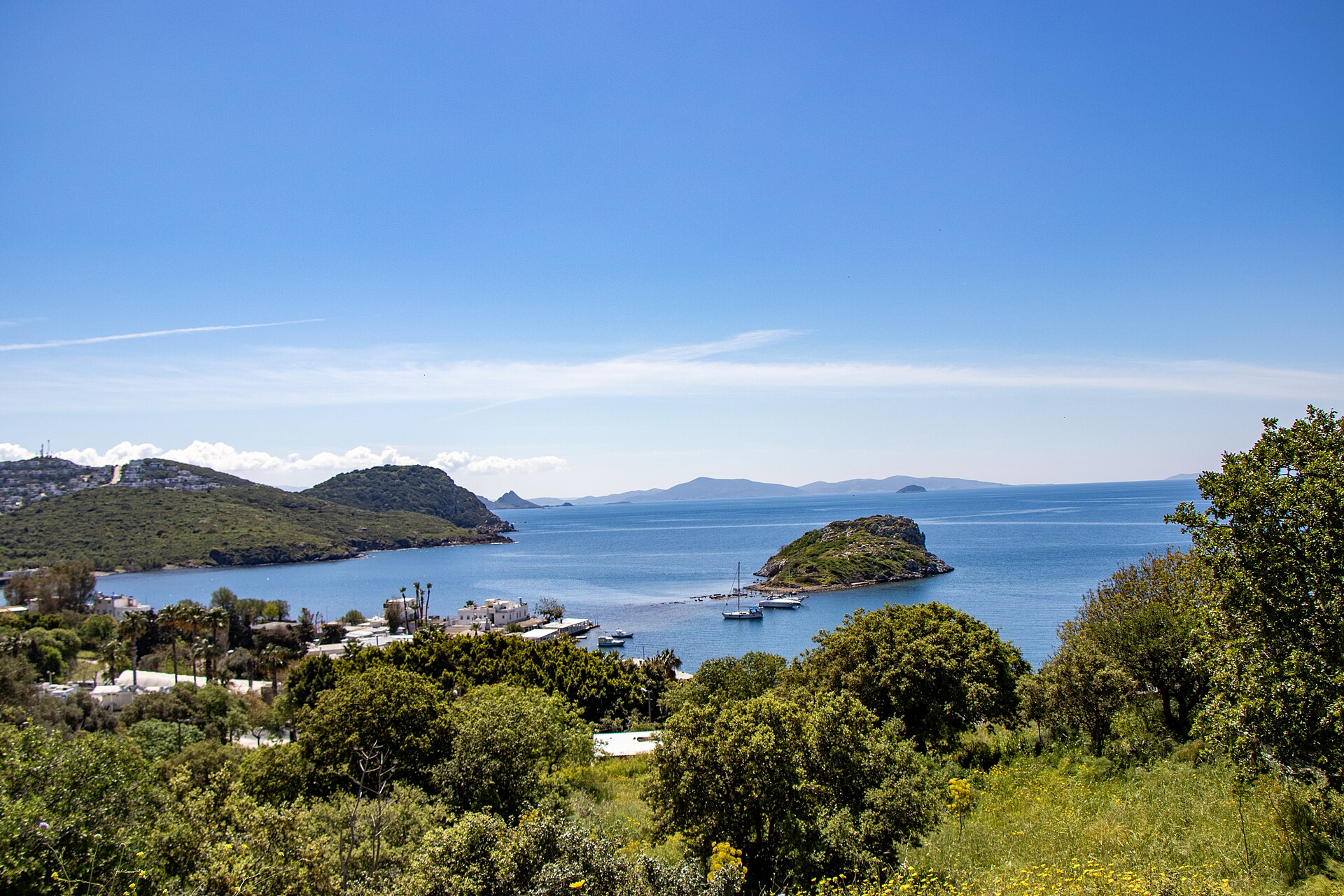
Village, Ancient site
Bodrum, Türkiye
A low-key fishing village at the western tip of the peninsula, on the site of ancient Myndos, famous for its sunset fish restaurants and for Rabbit Island, which you can reach by wading through the shallows.
Explore Gümüşlük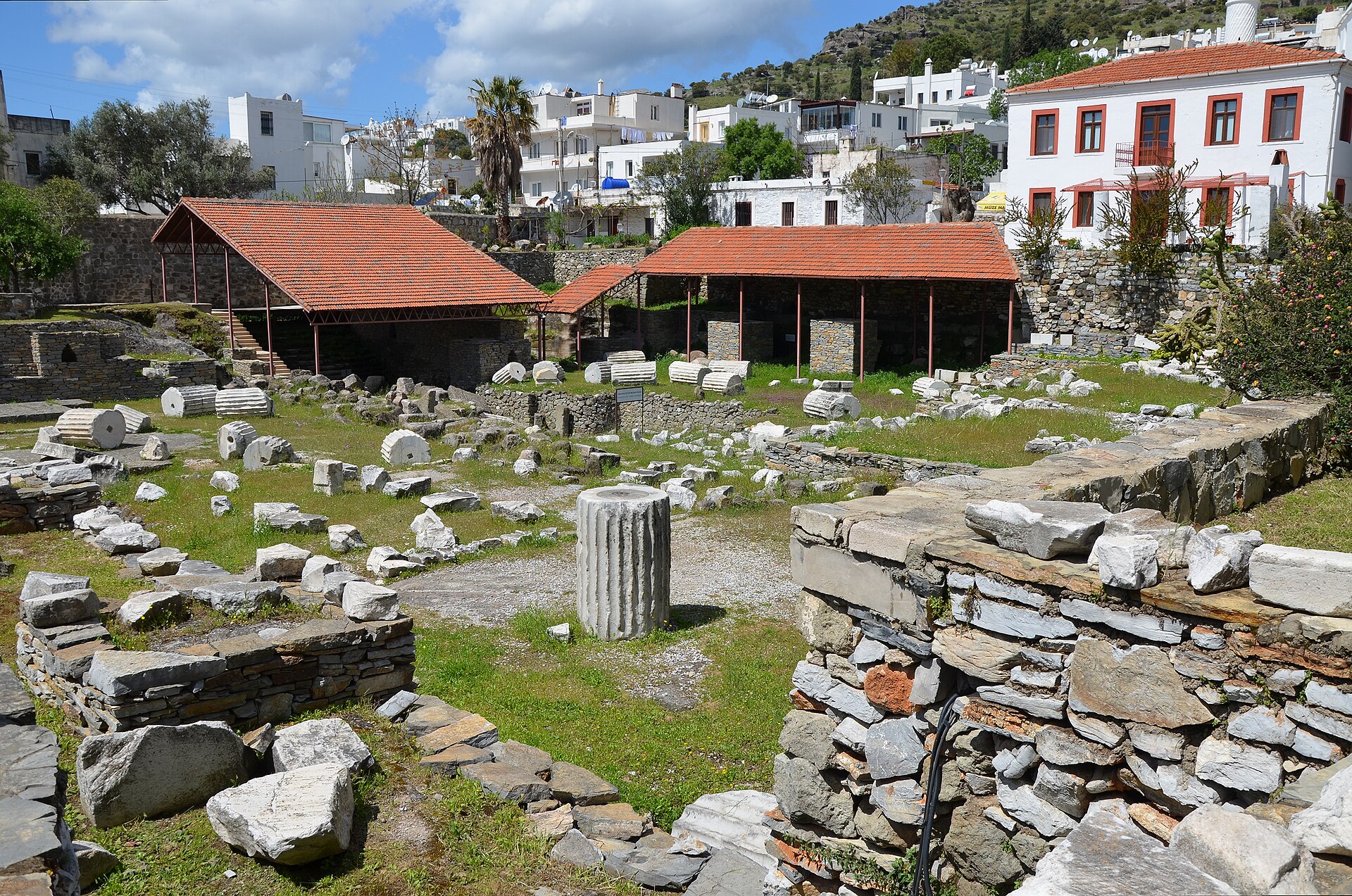
Ancient site, Archaeology
Bodrum, Türkiye
The site of the tomb of Mausolus, one of the Seven Wonders of the Ancient World. Little is left standing, but the foundations, scattered marble and the small museum on the site tell the story of the monument that gave its name to every mausoleum since.
Explore Mausoleum of HalicarnassusCastle, Museum
Bodrum, Türkiye
The crusader Castle of St Peter on the rocky point between Bodrum's two bays, home to the Museum of Underwater Archaeology — a world-famous collection of ancient shipwrecks and their cargoes.
Explore Bodrum Castle and the Museum of Underwater ArchaeologyAncient site, Archaeology
Bodrum, Türkiye
The site of the tomb of Mausolus, one of the Seven Wonders of the Ancient World. Little is left standing, but the foundations, scattered marble and the small museum on the site tell the story of the monument that gave its name to every mausoleum since.
Explore Mausoleum of HalicarnassusBodrum, Türkiye
Bodrum, Türkiye
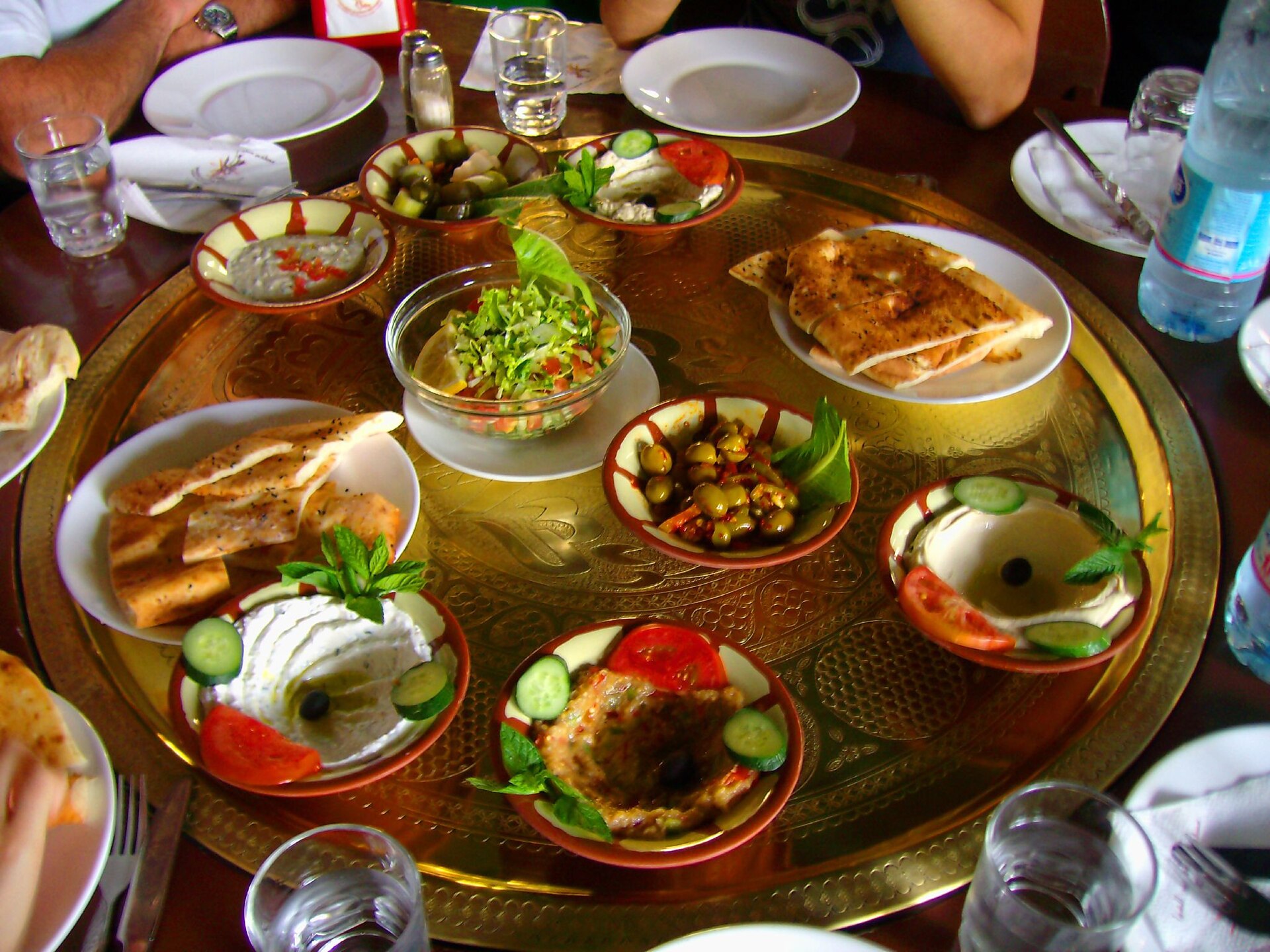
Courgette flowers filled with spiced rice and herbs and cooked gently in olive oil — a summer favourite of the Aegean, and of Bodrum in particular. Served cold as a meze.
Bodrum, Türkiye
Bodrum, Türkiye
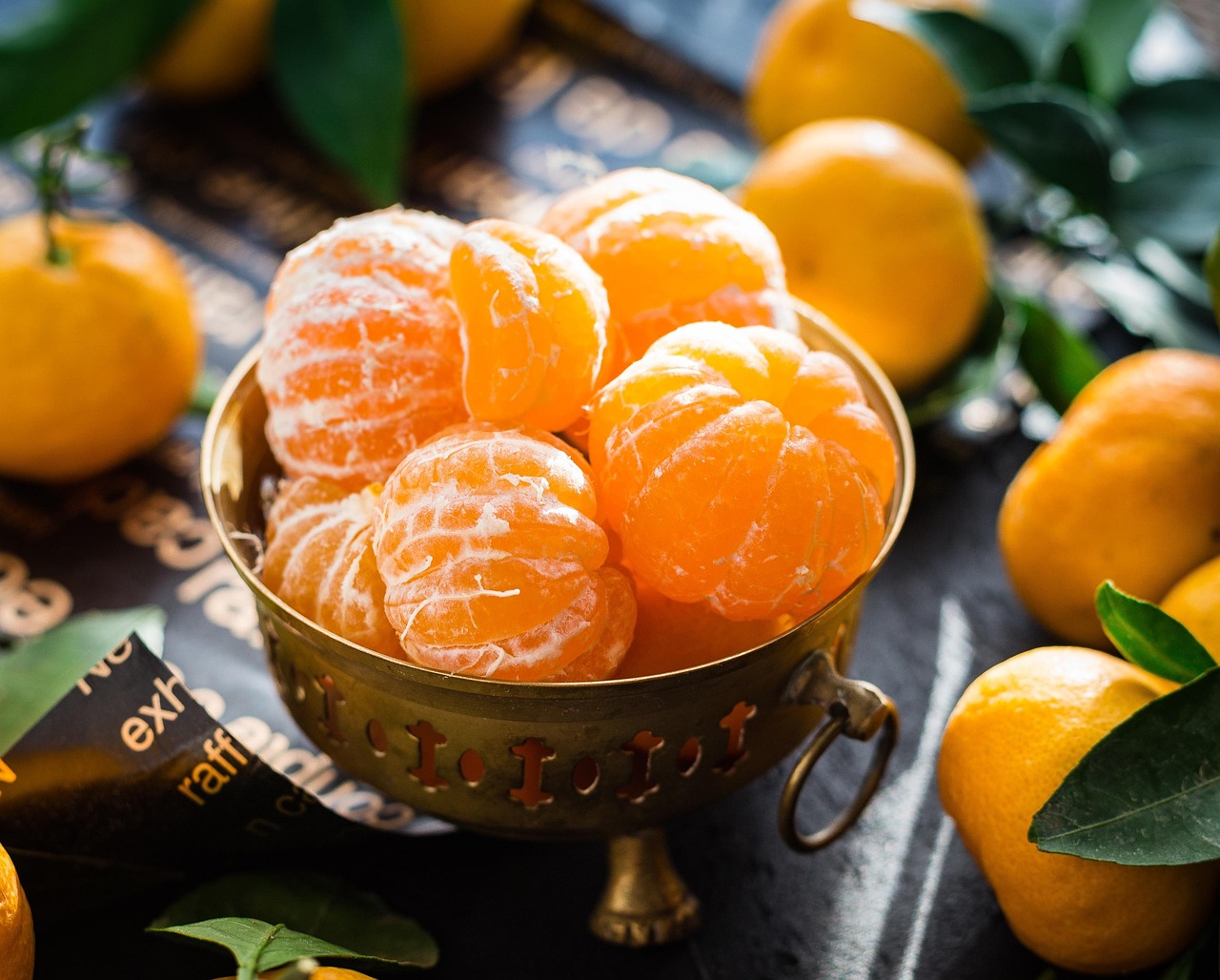
The Bodrum peninsula is known for its small, fragrant mandarins, ripe in winter. In season they are sold at the markets, squeezed for juice and turned into jams and sweets.
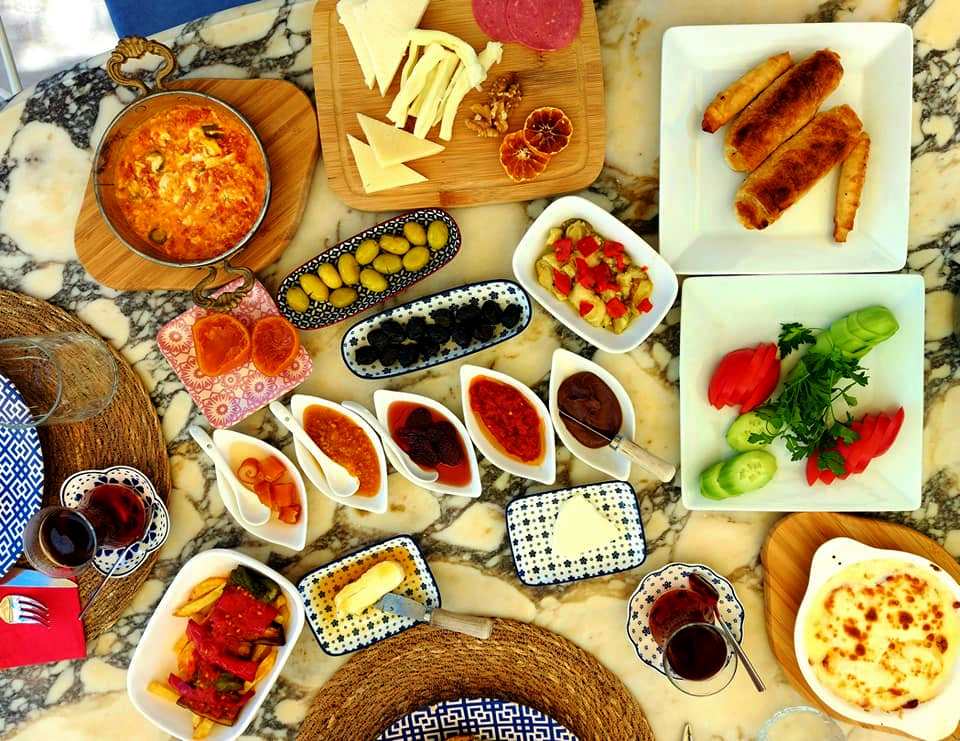
Bodrum, Türkiye
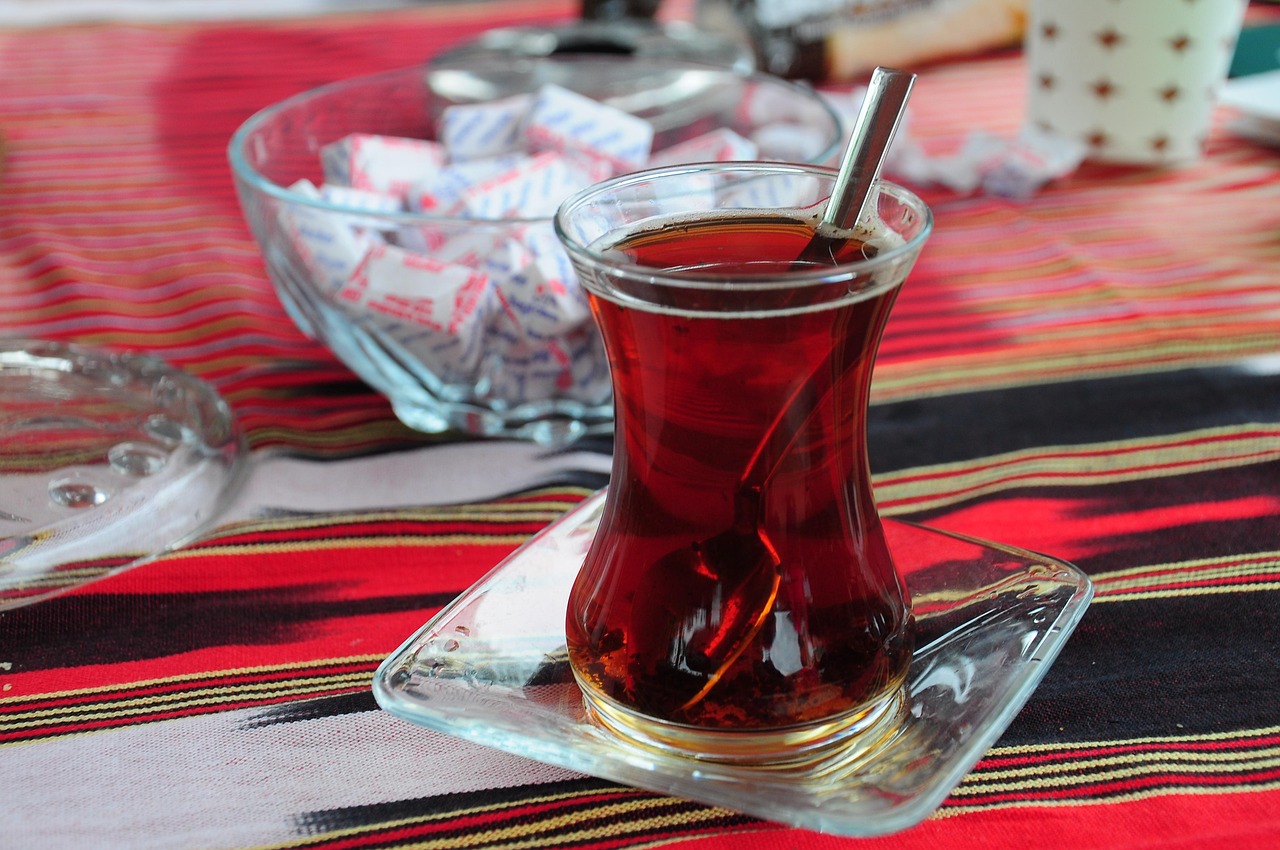
Bodrum, Türkiye
Bodrum town centre, behind the bazaar
A small square of fish stalls surrounded by restaurants: pick your fish at the counter and a restaurant cooks it, with meze and salad. Busy and informal on summer evenings — agree the cooking charge first.
Open in Google Maps (opens in a new tab)Along both bays of Bodrum town
Restaurants and cafés line the seafront from the castle to the marina and along the eastern bay towards Bar Street — meze, fish and Aegean cooking with a view of the castle lit at night.
Open in Google Maps (opens in a new tab)The harbour of Gümüşlük
Tables set right at the water's edge facing Rabbit Island, famous for sunset dinners of meze and fresh fish. Very popular in summer; book or arrive early for a front-row table.
Open in Google Maps (opens in a new tab)Bodrum town, Turgutreis, Yalıkavak and other villages
Each part of the peninsula has its weekly market day, with fruit, olive oil, cheeses, herbs and gözleme cooked at the stalls. Ask your hotel which market is on during your stay.
Open in Google Maps (opens in a new tab)Bodrum, Türkiye
Hotels and guesthouses in the white houses around the two bays, within walking distance of the castle, the marina, the bazaar and the bars on Bar Street. Lively in summer; rooms further up the hill are quieter.
Open in Google Maps (opens in a new tab)Bodrum, Türkiye
The bays just west of town. Gümbet is the party resort with large hotels and nightlife; Bitez, one bay on, is calmer, with a beach promenade, mandarin groves and family hotels. Both are a short dolmuş ride from Bodrum.
Open in Google Maps (opens in a new tab)Bodrum, Türkiye
The upmarket north coast of the peninsula: boutique hotels, luxury resorts and beach clubs, with the Yalıkavak marina at its centre. About 30–40 minutes from Bodrum town by car.
Open in Google Maps (opens in a new tab)Bodrum, Türkiye
The west end of the peninsula. Gümüşlük has small, low-key guesthouses by the water and strict building limits; Turgutreis, next door, is a bigger resort town with a marina and a large weekly market.
Open in Google Maps (opens in a new tab)Bodrum has long attracted artists, writers and musicians, and still mixes old fishing families, boat builders and a summer crowd from Istanbul and abroad. Its whitewashed cube houses with blue shutters, bougainvillea and windmills on the ridge are protected by building rules. In summer the castle and the ancient theatre host concerts, and the town's yacht-building tradition lives on in its wooden gulets.
Bodrum stands on ancient Halicarnassus, the birthplace of the historian Herodotus in the 5th century BC. In the 4th century BC Mausolus, ruler of Caria, made it his capital, and his tomb — the Mausoleum — was so magnificent that it became one of the Seven Wonders of the Ancient World and gave us the word "mausoleum". Alexander the Great besieged the city in 334 BC.
In the early 15th century the Knights of St John built the Castle of St Peter on the harbour peninsula, using stones from the ruined Mausoleum. The Ottomans took it in 1522, and the town's name, Bodrum, is often linked to the castle.
For centuries Bodrum was a quiet town of sponge divers and boat builders. In the 20th century the writer Cevat Şakir Kabaağaçlı, the "Fisherman of Halicarnassus", made it famous among Turkish writers and artists, and the "Blue Voyage" by gulet along the coast was born here. Tourism transformed the peninsula from the 1980s.
Morning at Bodrum Castle and the Museum of Underwater Archaeology, then the Mausoleum site and the ancient theatre. Dinner at the fish market.
A gulet day trip from the harbour to the bays and islands, swimming in clear water, then an evening walk along the marina.
A lazy morning on the beach at Bitez, then west to Gümüşlük to wade to Rabbit Island and have a sunset dinner by the water.
May, June, September and October for warm sea and lively but not packed towns. July and August are hot, crowded and at their liveliest; winter is calm, with many resort businesses closed.
By air: Milas–Bodrum Airport (BJV) is about 35 km north-east of Bodrum town, roughly 40 minutes by road. Airport buses (Havaş and others), transfers and taxis run to the town and the peninsula; many international flights are seasonal.
By bus: The Bodrum bus station (otogar) has coaches to Izmir, Istanbul, Ankara, Antalya and other cities.
By ferry: In season, ferries link Bodrum with the Greek island of Kos and with the Datça peninsula — check schedules and passport/visa requirements. Boat trips, water taxis and many beach businesses run mainly from about April or May to October and are weather-dependent — check before going, especially in spring and autumn.
Dolmuş minibuses run from the Bodrum bus station (otogar) to every part of the peninsula — Gümbet, Bitez, Ortakent, Turgutreis, Gümüşlük, Yalıkavak and Türkbükü — frequently in summer, less so in winter. Taxis are plentiful but not cheap over longer distances. A hire car or scooter lets you explore the bays; town centre parking is limited in summer.
The town centre, castle, bazaar and marina are all within walking distance.