Agora of Smyrna
Namazgah, near Kemeraltı
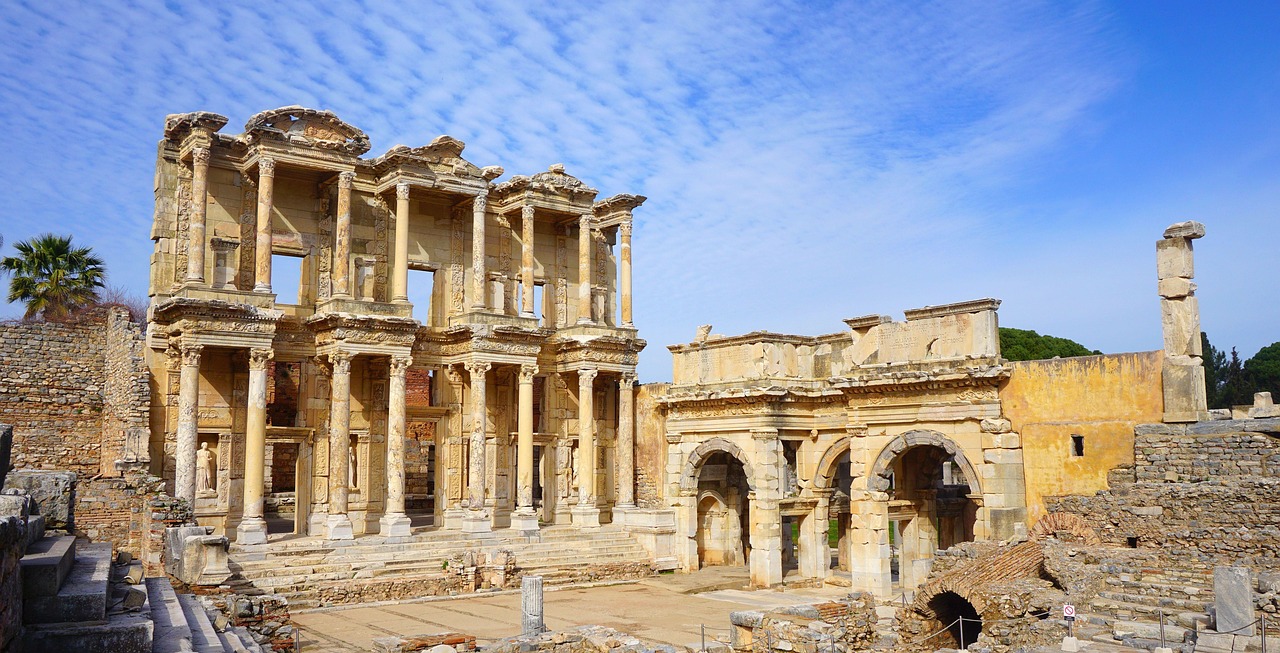
The Roman market square of ancient Smyrna, with columns, arches and vaulted basements that still carry water. An open-air museum in the middle of the modern city.
Open in Google Maps (opens in a new tab)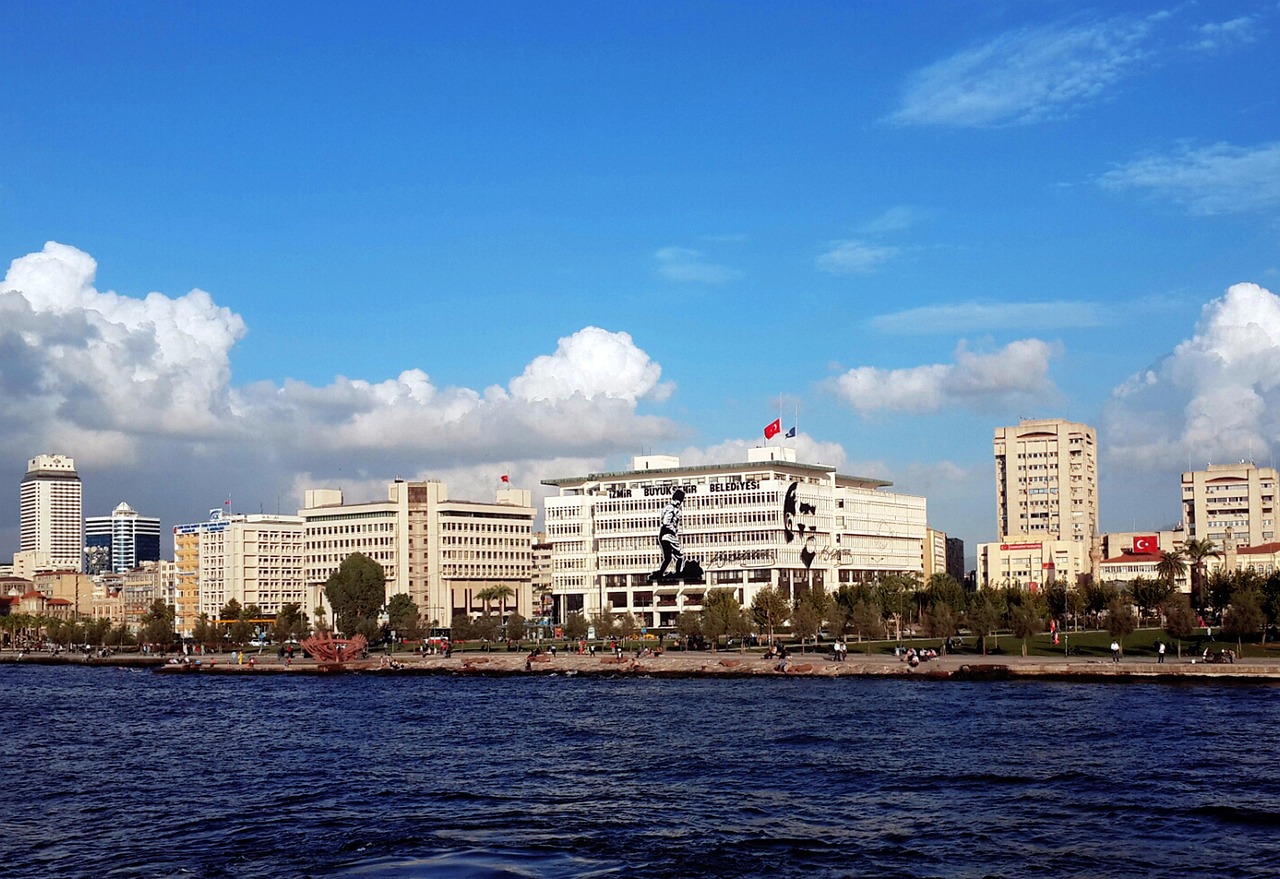
 Izmir, Türkiye
Türkiye’s third city, a relaxed, sea-facing Aegean port with a long seafront promenade, a huge old bazaar and a liberal, outdoor way of life — and the gateway to Ephesus, Çeşme and Alaçatı.
Beach, Old town
Izmir, Türkiye
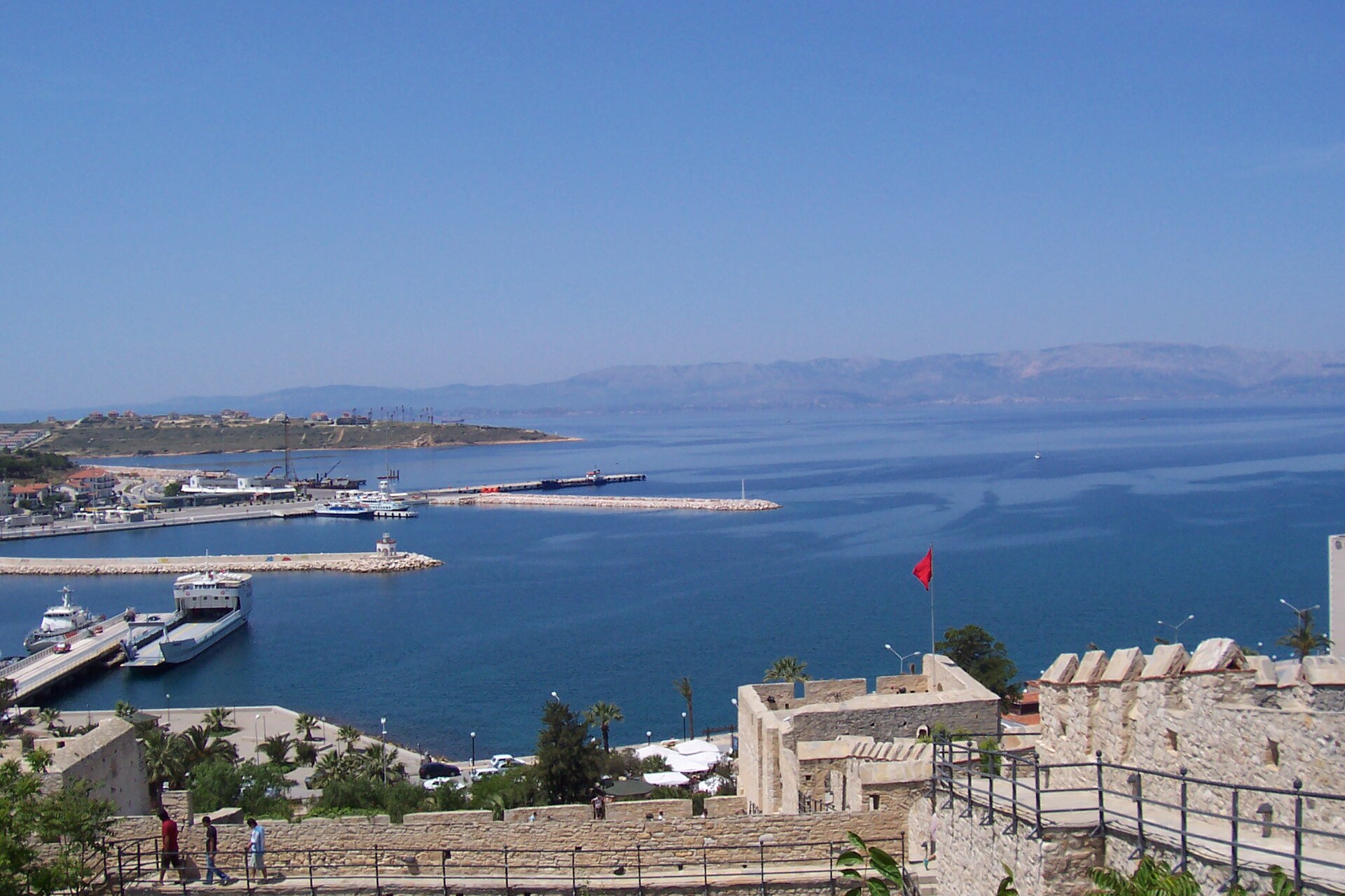
The summer playground of Izmir at the tip of the Çeşme peninsula: Alaçatı’s stone houses and windmills, Çeşme’s castle and harbour, clear water and windsurfing.
Explore Alaçatı and Çeşme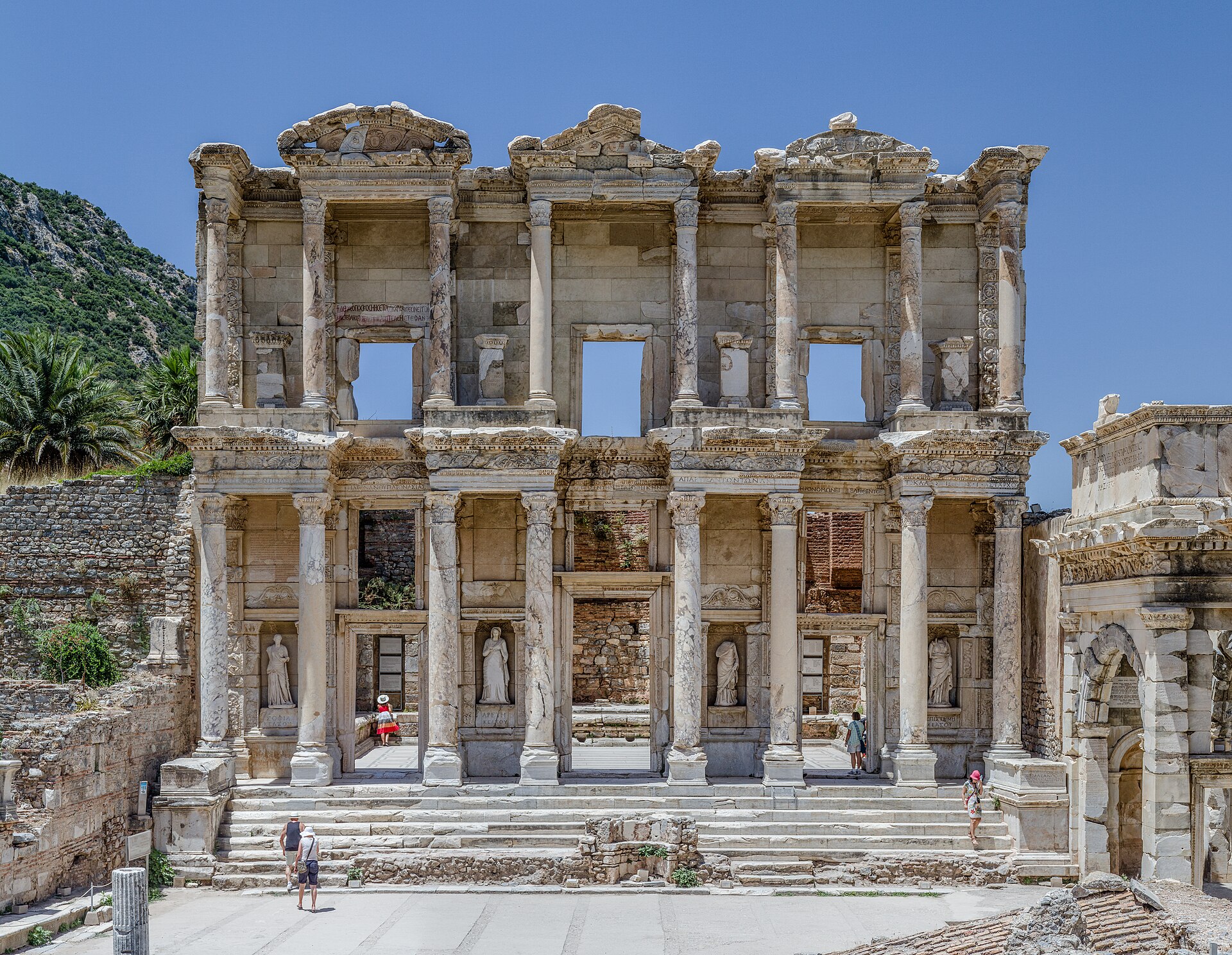
Archaeology, UNESCO
Izmir, Türkiye
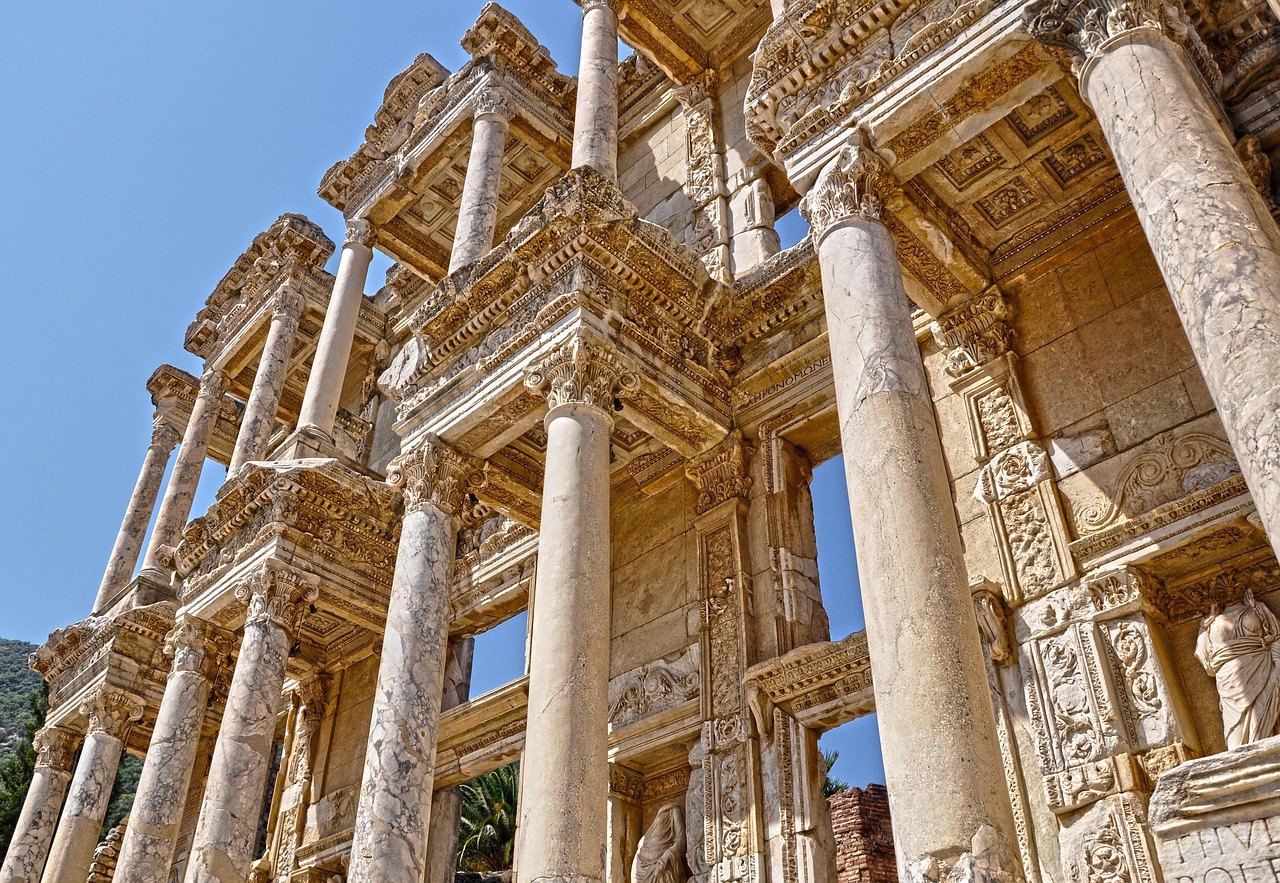
One of the best-preserved ancient cities of the Mediterranean, with the Library of Celsus, a great theatre and marble streets, next to the town of Selçuk, about an hour south of Izmir.
Explore Ephesus and Selçuk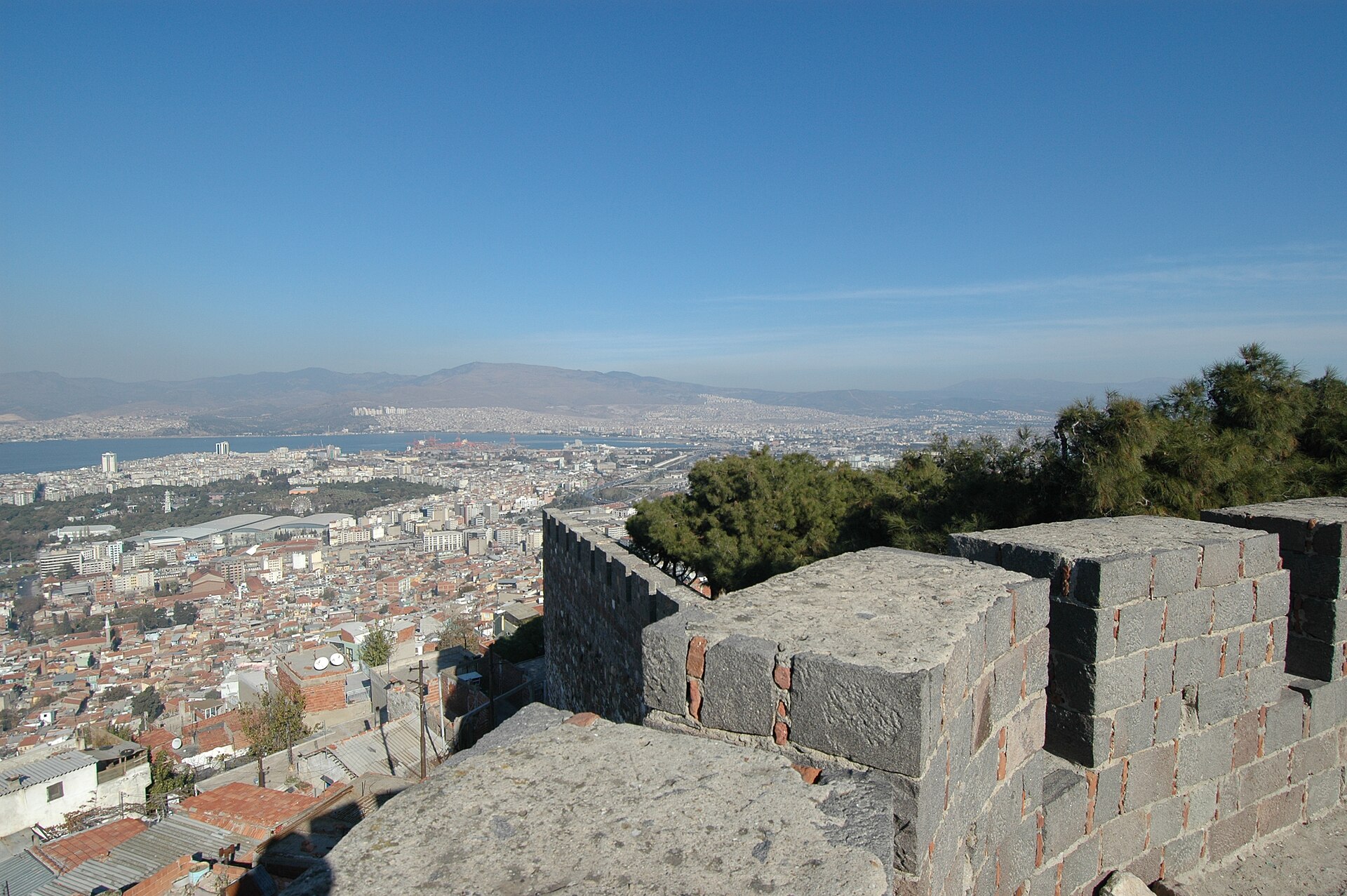
Castle, Viewpoint
Izmir, Türkiye
The ruined castle on Mount Pagos above the city, first fortified after Alexander the Great, with the widest view over Izmir and its bay.
Explore Kadifekale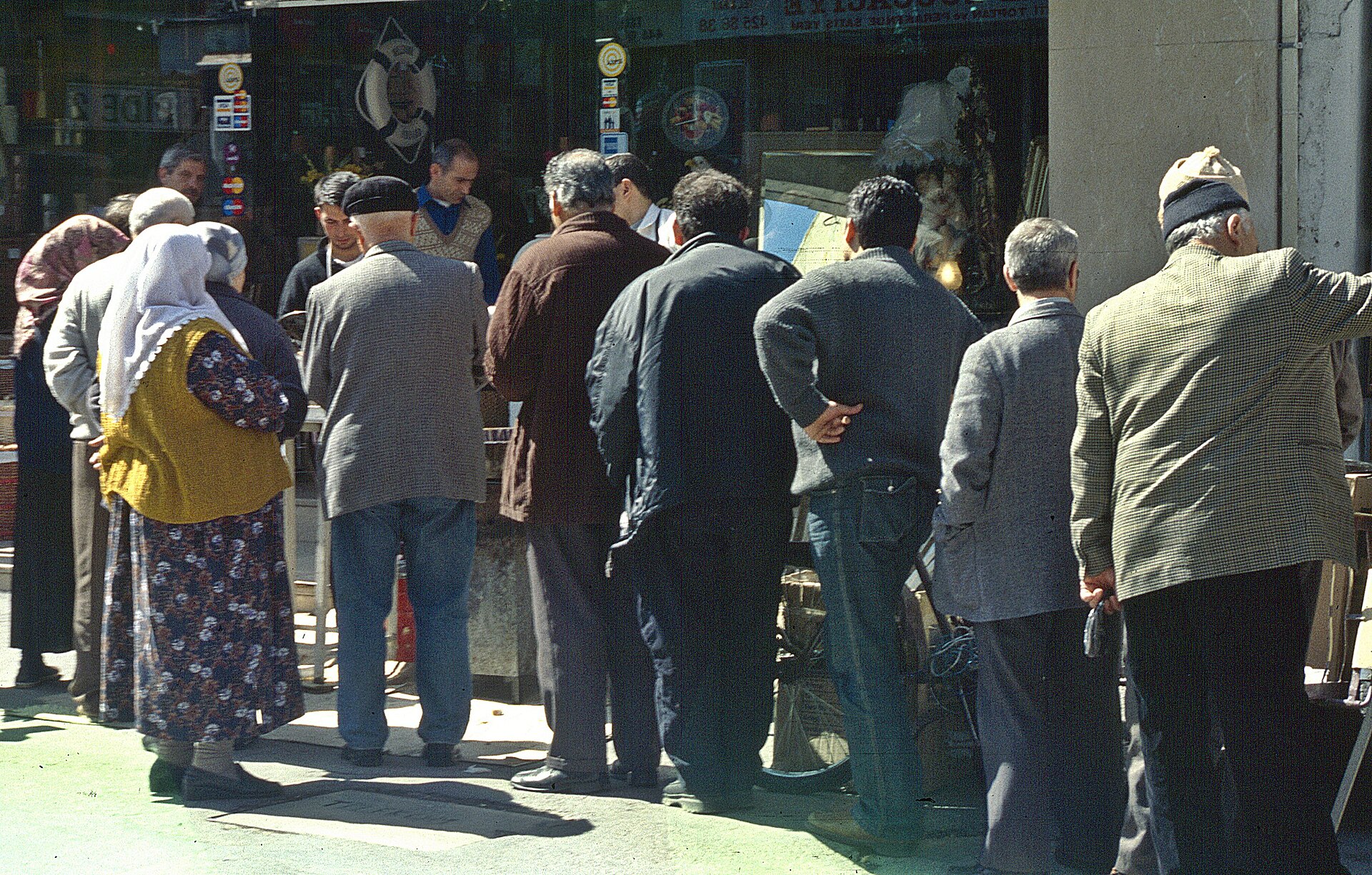
Market, Heritage
Izmir, Türkiye
A vast historic market district of narrow streets, Ottoman hans, mosques, synagogues and coffee houses stretching from Konak towards Basmane — one of the largest open-air bazaars in Türkiye.
Explore Kemeraltı Bazaar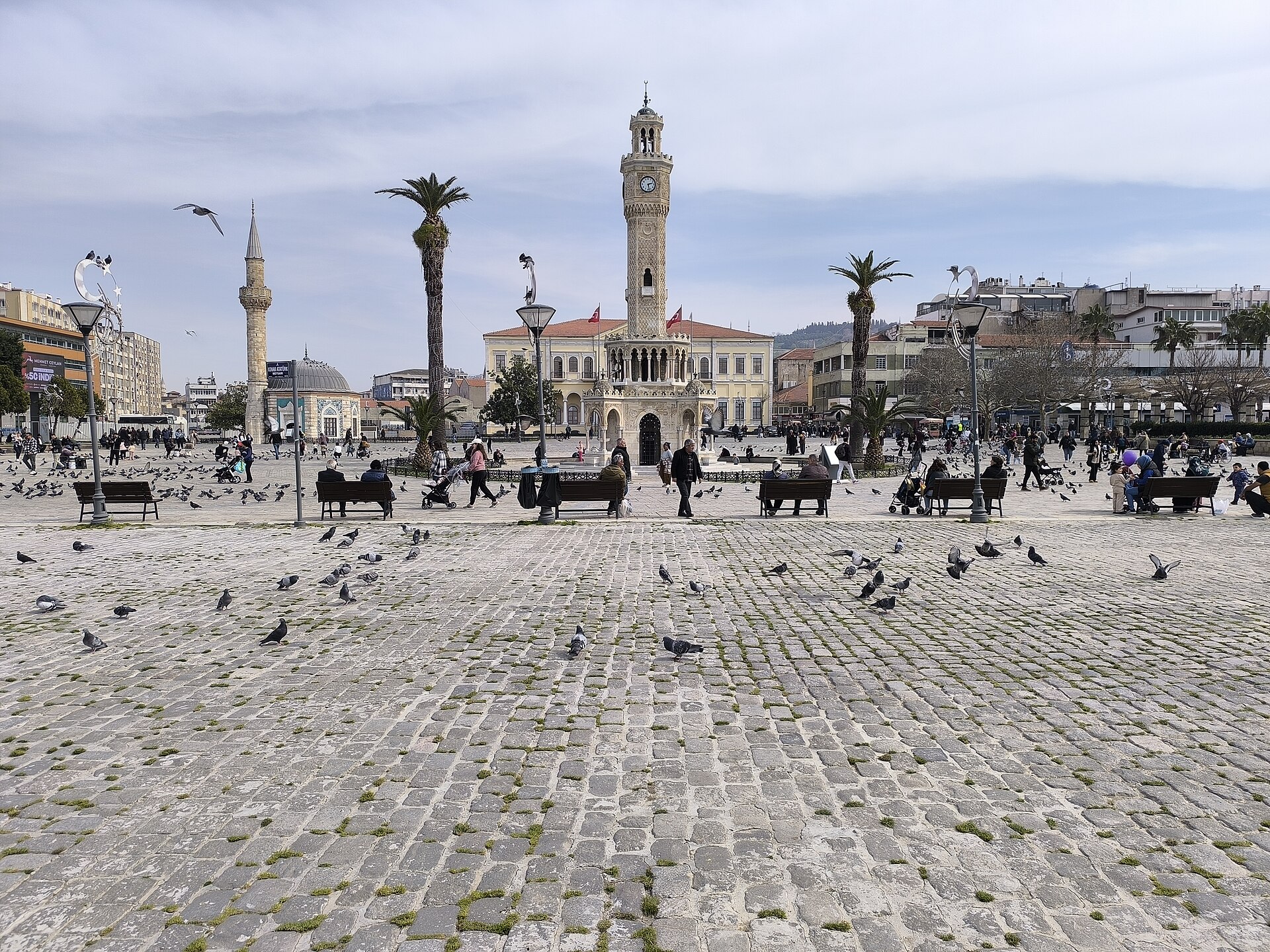
Landmark, Square
Izmir, Türkiye
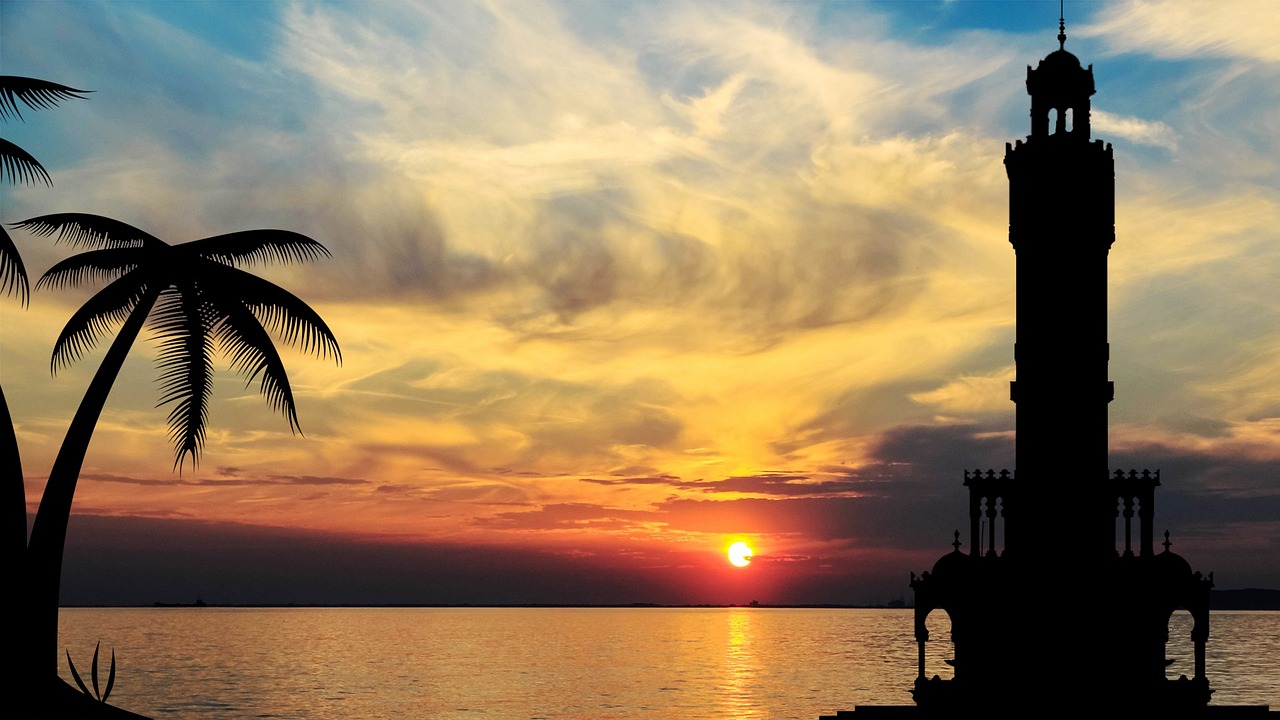
The main square of Izmir and its best-known symbol, the ornate Ottoman Clock Tower of 1901, with the small tiled Konak Mosque beside it and the bay in front.
Explore Konak Square and the Clock Tower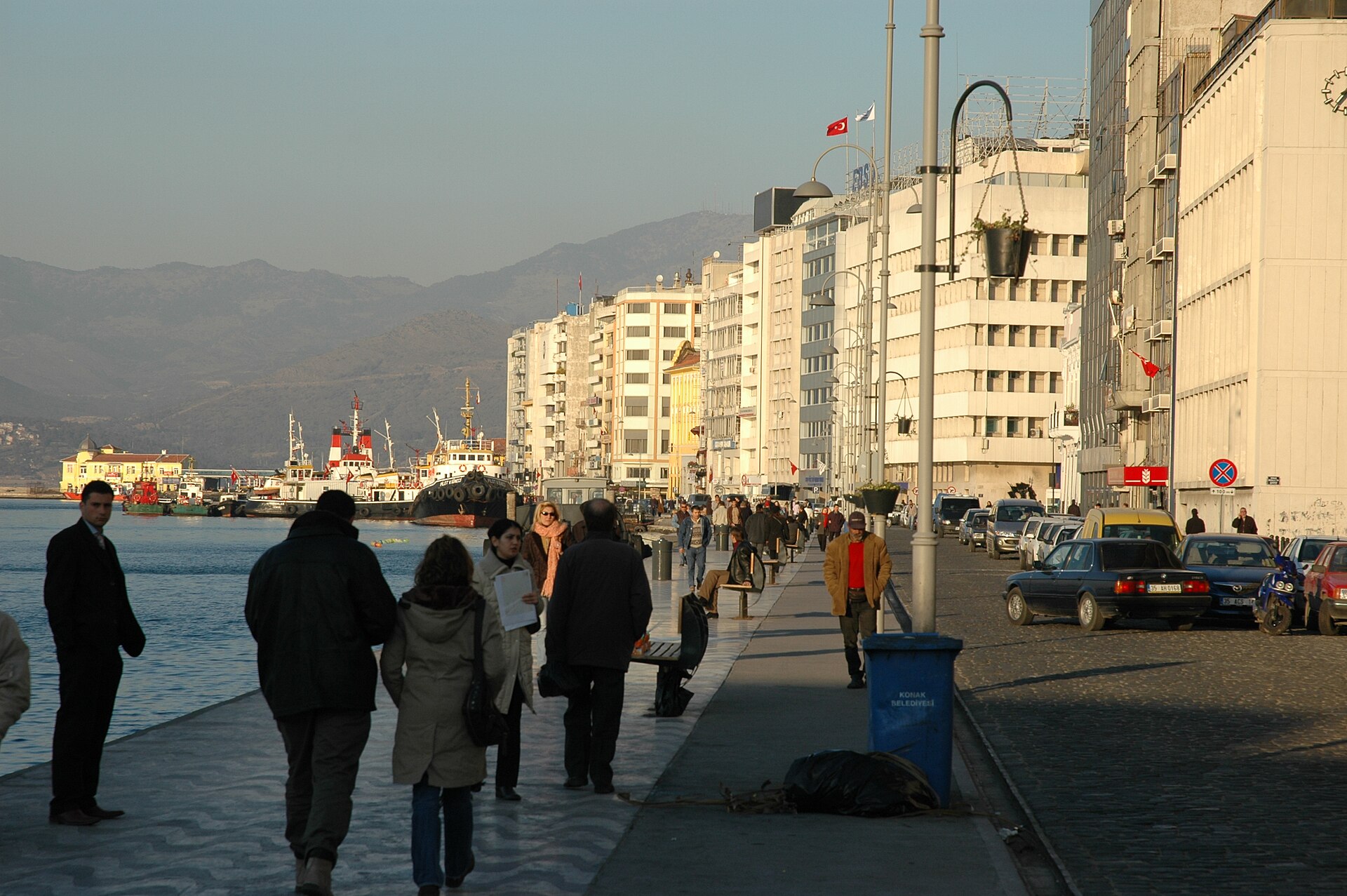
Seafront, Promenade
Izmir, Türkiye
Izmir’s long seaside promenade from Konak to Alsancak, with grass, cycle paths, cafés and restaurants — the place where the whole city comes to watch the sunset.
Explore Kordon seafrontNamazgah, near Kemeraltı
The Roman market square of ancient Smyrna, with columns, arches and vaulted basements that still carry water. An open-air museum in the middle of the modern city.
Open in Google Maps (opens in a new tab)Kemeraltı
An 18th-century Ottoman caravanserai with a courtyard café and shops, one of the best-preserved hans in the bazaar.
Open in Google Maps (opens in a new tab)Archaeology, UNESCO
Izmir, Türkiye
One of the best-preserved ancient cities of the Mediterranean, with the Library of Celsus, a great theatre and marble streets, next to the town of Selçuk, about an hour south of Izmir.
Explore Ephesus and SelçukCastle, Viewpoint
Izmir, Türkiye
The ruined castle on Mount Pagos above the city, first fortified after Alexander the Great, with the widest view over Izmir and its bay.
Explore KadifekaleMarket, Heritage
Izmir, Türkiye
A vast historic market district of narrow streets, Ottoman hans, mosques, synagogues and coffee houses stretching from Konak towards Basmane — one of the largest open-air bazaars in Türkiye.
Explore Kemeraltı Bazaar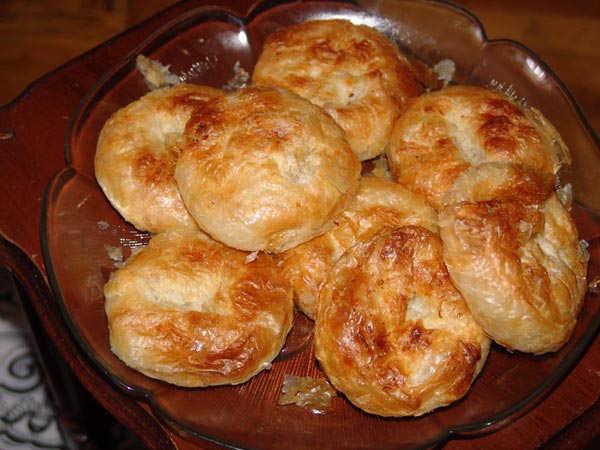
Izmir, Türkiye
Izmir, Türkiye
Izmir, Türkiye
Oven-baked meatballs with potatoes, green peppers and tomatoes in a tomato sauce — a home-style dish named after the city and served in simple restaurants (lokantas) across Türkiye.
Izmir, Türkiye
Izmir, Türkiye
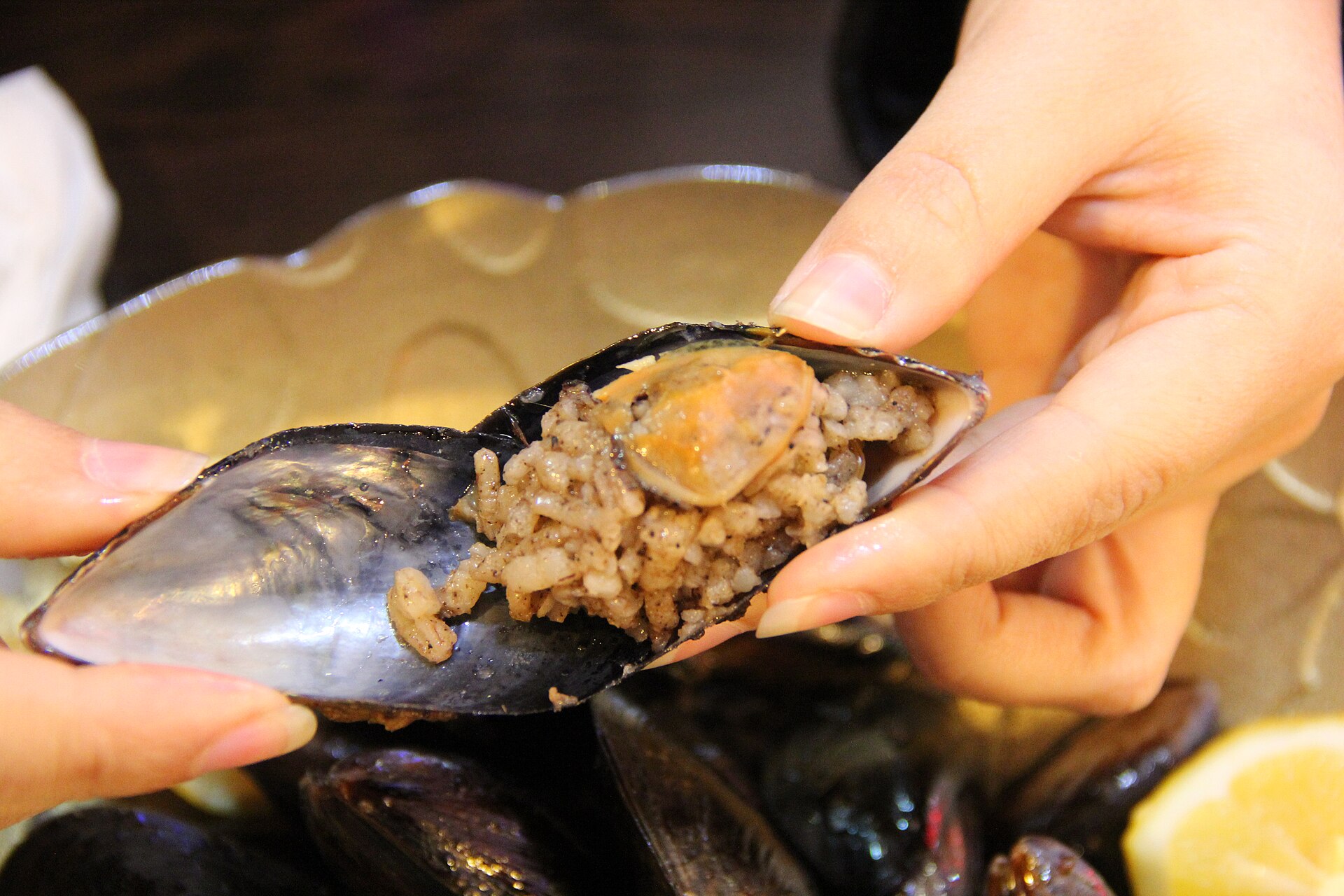
Grilled sea bream, sea bass and seasonal fish in waterfront restaurants, and on the street, midye dolma — mussels stuffed with spiced rice and eaten with a squeeze of lemon, sold from trays in the evening.
Izmir, Türkiye
Seafront and the streets behind it, central Izmir
The seafront promenade and the old streets of Alsancak behind it are full of fish restaurants, meyhanes with meze, cafés and bars. Busy every evening, especially at sunset.
Open in Google Maps (opens in a new tab)Between Konak Square and Basmane, central Izmir
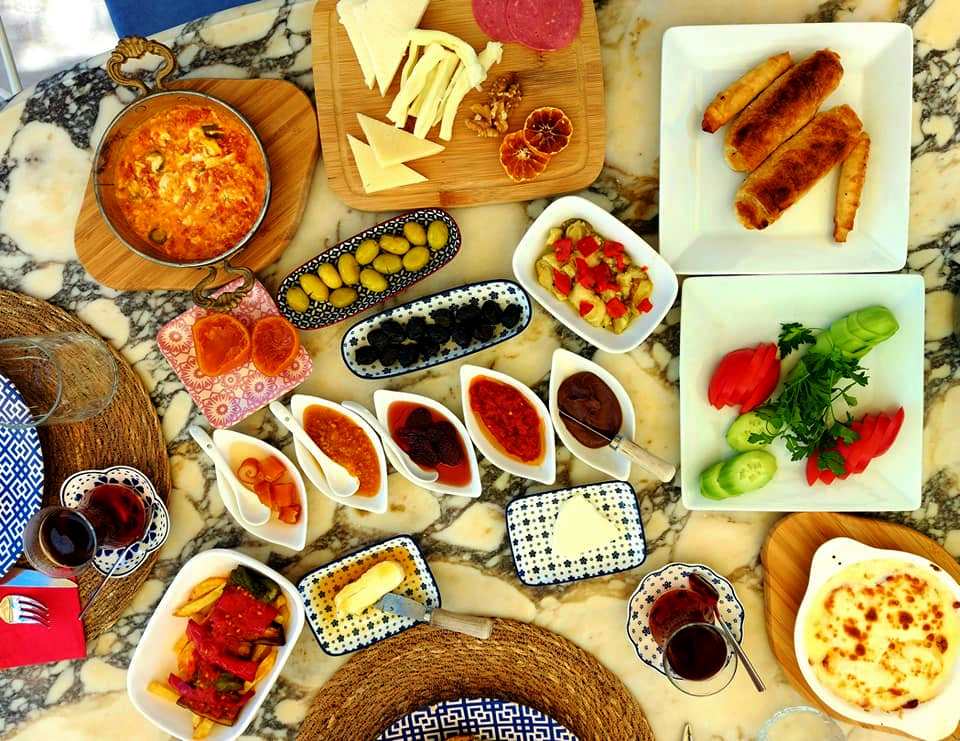
Simple lokantas with home-style dishes such as İzmir köfte, old coffee houses, dessert shops and the courtyard cafés of Kızlarağası Han. Best at lunchtime, when the market is open.
Open in Google Maps (opens in a new tab)Across the bay and the eastern districts
Local neighbourhoods where Izmir families eat: boyoz and breakfast places, kumru, kebab houses and seaside cafés in Karşıyaka, reached by the ferry from Konak or Pasaport.
Open in Google Maps (opens in a new tab)Çeşme peninsula, west of Izmir
Fish restaurants on the harbour, Aegean meze in the stone houses of Alaçatı, the original kumru in Çeşme and breakfast gardens in the villages. Prices are higher in summer.
Open in Google Maps (opens in a new tab)Izmir, Türkiye
The liveliest base, close to the seafront, restaurants, bars and the train and metro. Good for first-time visitors who want to walk everywhere in the centre.
Open in Google Maps (opens in a new tab)Izmir, Türkiye
Central hotels near Konak Square, Kemeraltı and the Basmane station, with easy ferry, metro and train links. Practical for sightseeing and for trains to Selçuk.
Open in Google Maps (opens in a new tab)Izmir, Türkiye
A small, friendly town at the foot of Ayasuluk Hill, minutes from Ephesus. Family-run guesthouses and small hotels make it a calm base for the ruins and Şirince.
Open in Google Maps (opens in a new tab)Izmir, Türkiye
Boutique hotels in stone houses in Alaçatı and beach hotels around Çeşme — best for a summer beach stay. Book early in July and August.
Open in Google Maps (opens in a new tab)Izmir is known in Türkiye as the most relaxed and outward-looking of the big cities, with a strong café and seafront culture, a love of walking, cycling and evening meze by the water. Its long history as a trading port with many communities shows in its food — boyoz from the Sephardic Jews, Aegean olive-oil dishes and seafood.
The city is also proud of its role in modern Türkiye's history, and Atatürk's memory is strongly honoured. The International Izmir Fair, held each year since the early Republic, is a fixture of the city's calendar.
Izmir, the ancient Smyrna, is one of the oldest cities of the Mediterranean. A settlement stood on the bay more than 3,000 years ago, and later tradition named it as a possible birthplace of Homer. After Alexander the Great, the city was refounded on the slopes of Mount Pagos, where Kadifekale now stands, and it grew into one of the great Roman cities of Asia Minor; the Agora in the centre survives from that time.
Under the Ottomans, Smyrna became the empire's busiest trading port, home to Turkish, Greek, Armenian, Jewish and Levantine European communities. Merchants traded figs, raisins, cotton and tobacco, and the city's hans and bazaar date from this era.
The city suffered a great fire in 1922 at the end of the Turkish War of Independence, and much of the old waterfront was rebuilt. Modern Izmir is a large, open-minded city of universities, trade fairs and ferries, proud of its seafront life and its food.
Konak Square and the Clock Tower, the Kemeraltı bazaar and Kızlarağası Han, the Agora, then Kadifekale for the view and sunset on Kordon.
Train or drive to Selçuk, explore Ephesus early in the morning, then the Ephesus Museum, the Basilica of St John and the hill village of Şirince.
Drive west to the stone streets and windmills of Alaçatı, swim at a Çeşme beach and eat fish by the harbour before returning.
April to June and September to October. Summers are hot but the sea breeze (imbat) helps in the afternoon; winters are mild and rainy.