Trabzon city walls
Ortahisar
Stretches of the walls of the Empire of Trebizond around the old town, between two ravines.
Open in Google Maps (opens in a new tab)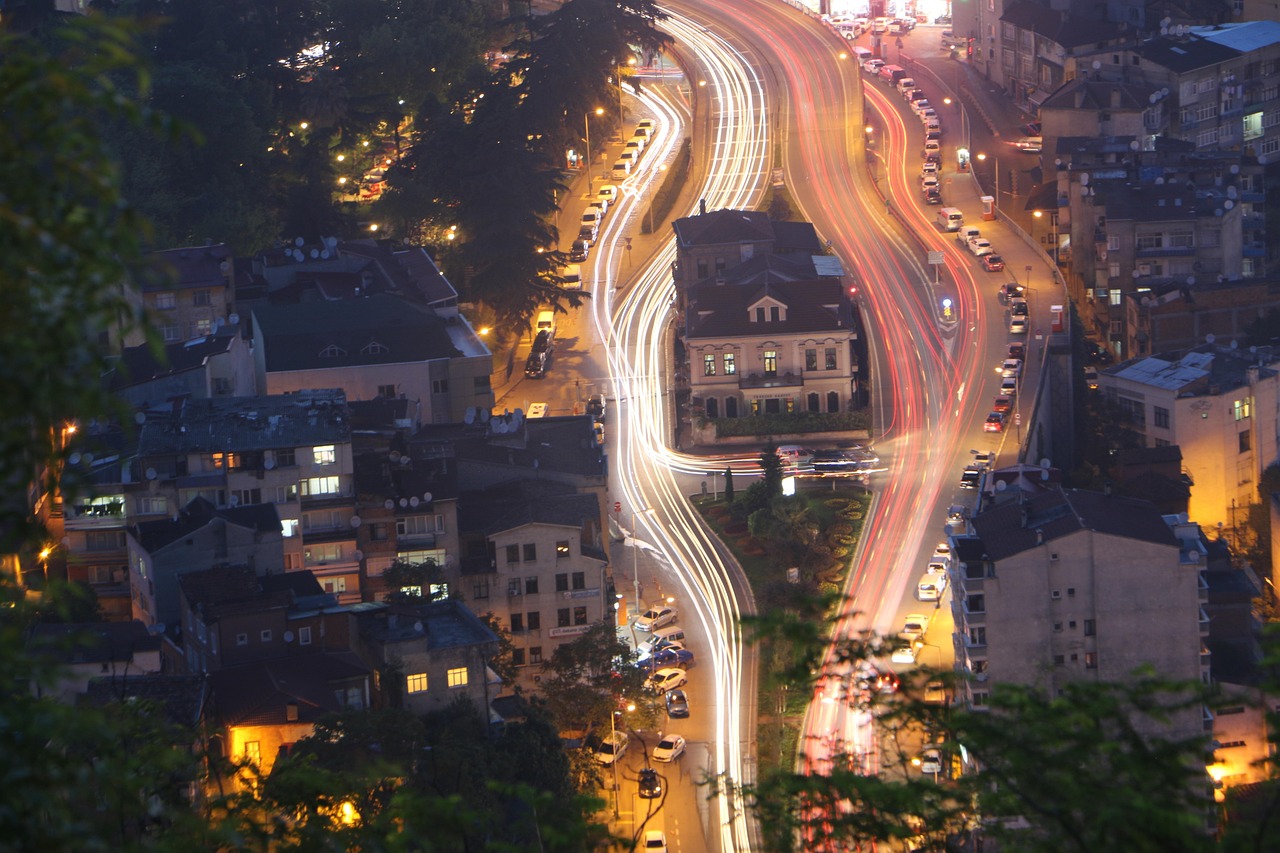
 Trabzon, Türkiye
The historic port of Türkiye’s eastern Black Sea coast, between green mountains and the sea: a Byzantine-era city with its own Hagia Sophia, the cliff-side Sümela Monastery nearby and the highland lakes and villages of the Kaçkar foothills.
Museum, Historic house
Trabzon, Türkiye
An elegant white mansion in a garden of pines above the city, built for a merchant family and given to Atatürk, now a museum of his visits to Trabzon.
Explore Atatürk Pavilion (Atatürk Köşkü)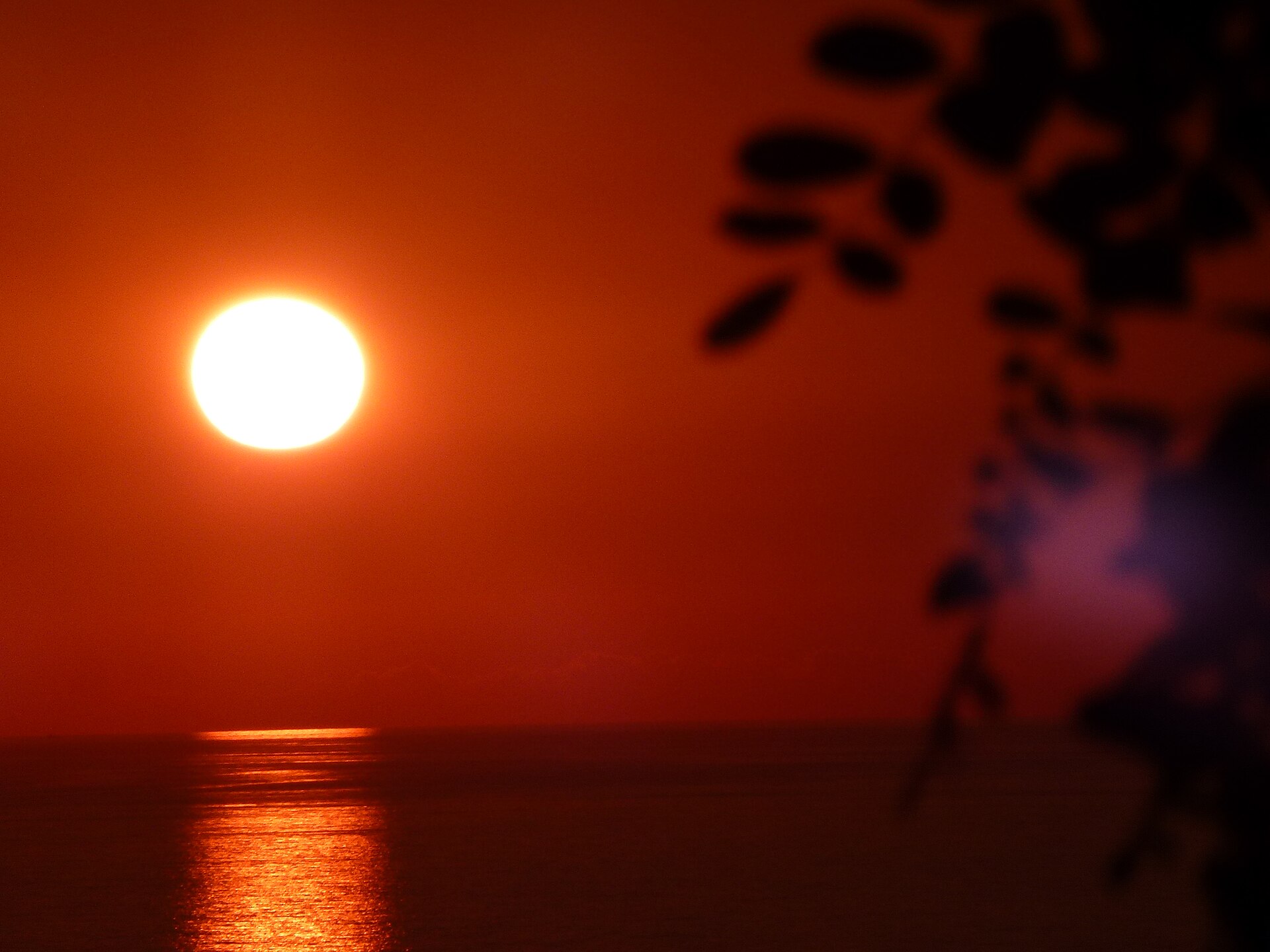
Viewpoint, Park
Trabzon, Türkiye
The hill rising behind central Trabzon, with tea gardens and terraces looking over the city, the harbour and the Black Sea — the local favourite for sunset.
Explore Boztepe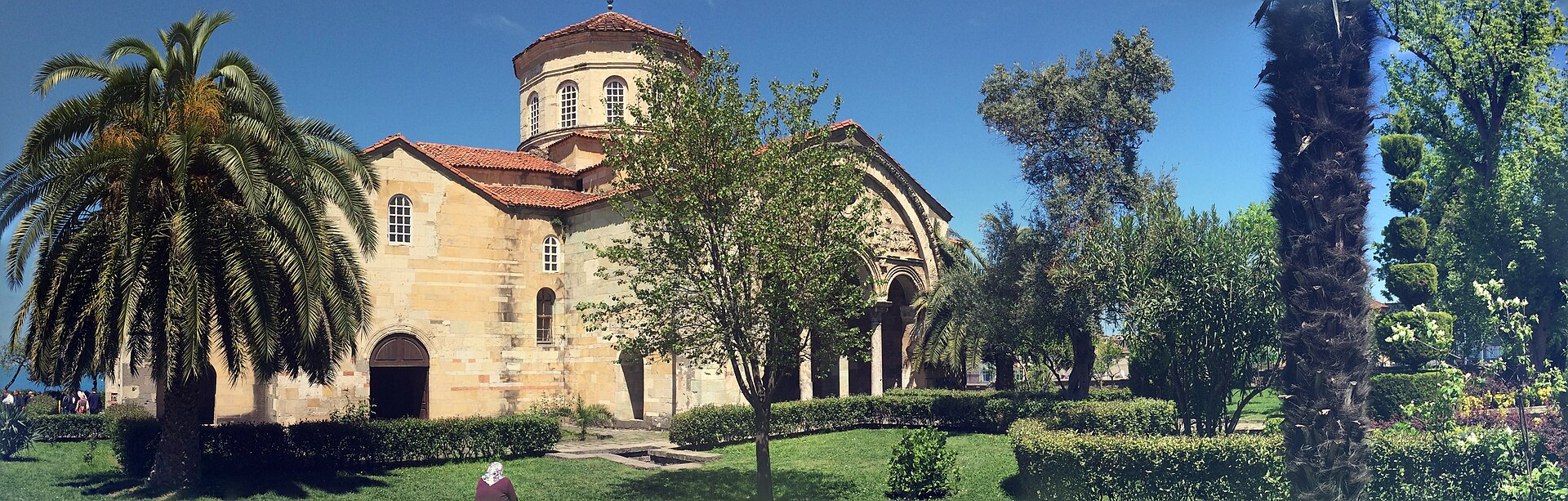
Mosque, Heritage
Trabzon, Türkiye
A 13th-century Byzantine church on a hill by the sea west of the centre, famous for its frescoes and carved stone, used today as a mosque.
Explore Hagia Sophia of Trabzon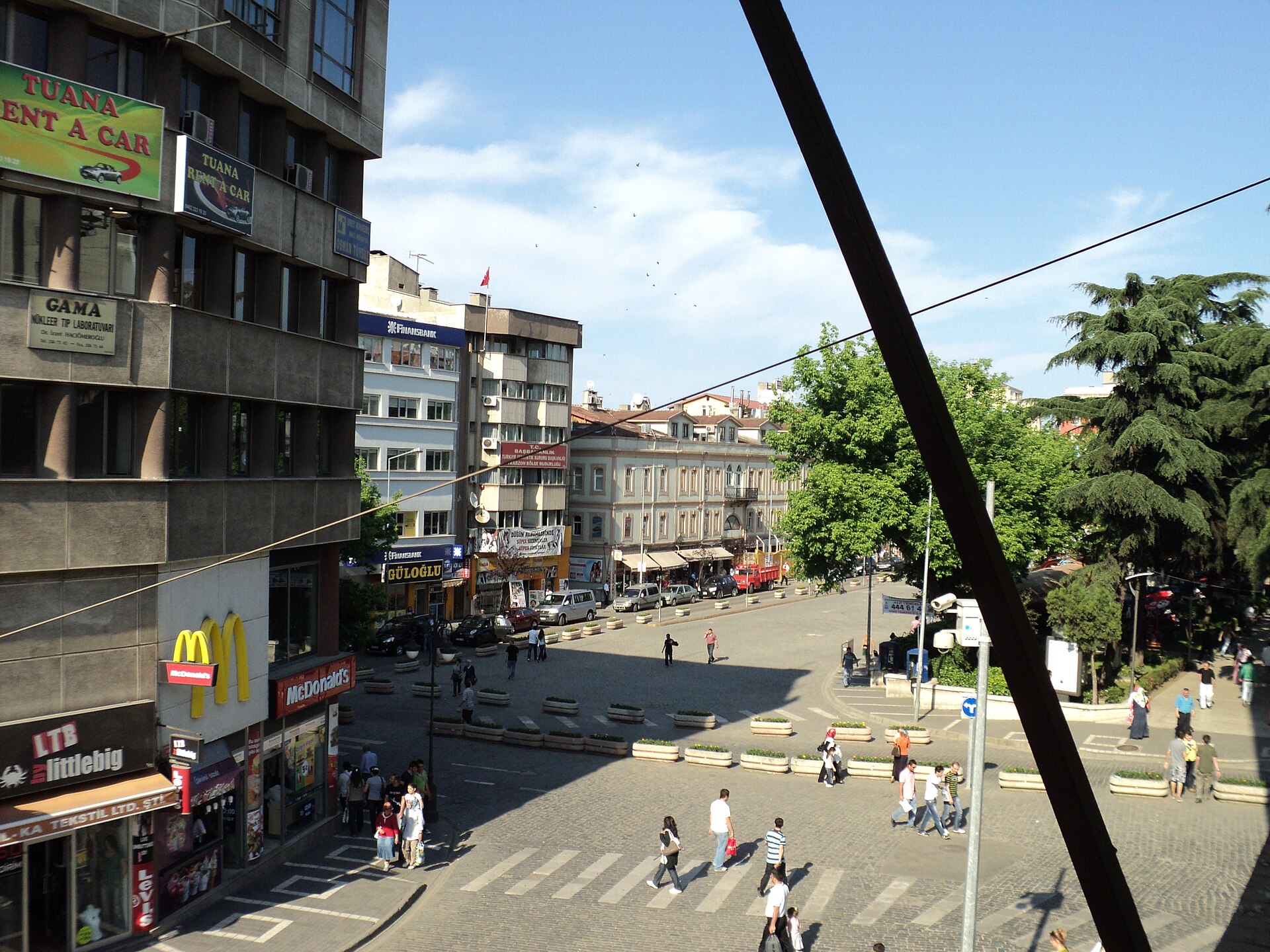
Old town, Heritage
Trabzon, Türkiye
The walled heart of the Empire of Trebizond between two ravines, with the Ortahisar Fatih Mosque, old houses and the lively Meydan square and Uzun Sokak street next to it.
Explore Ortahisar old town and Meydan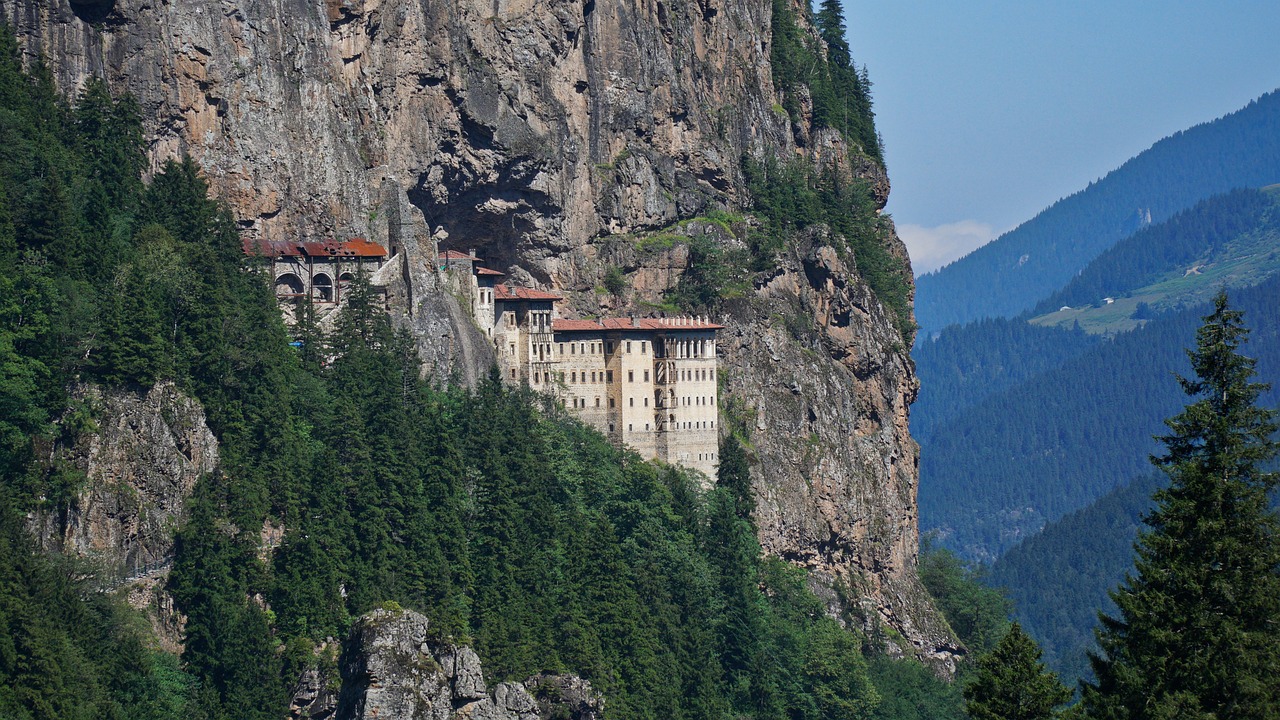
Monastery, Heritage
Trabzon, Türkiye
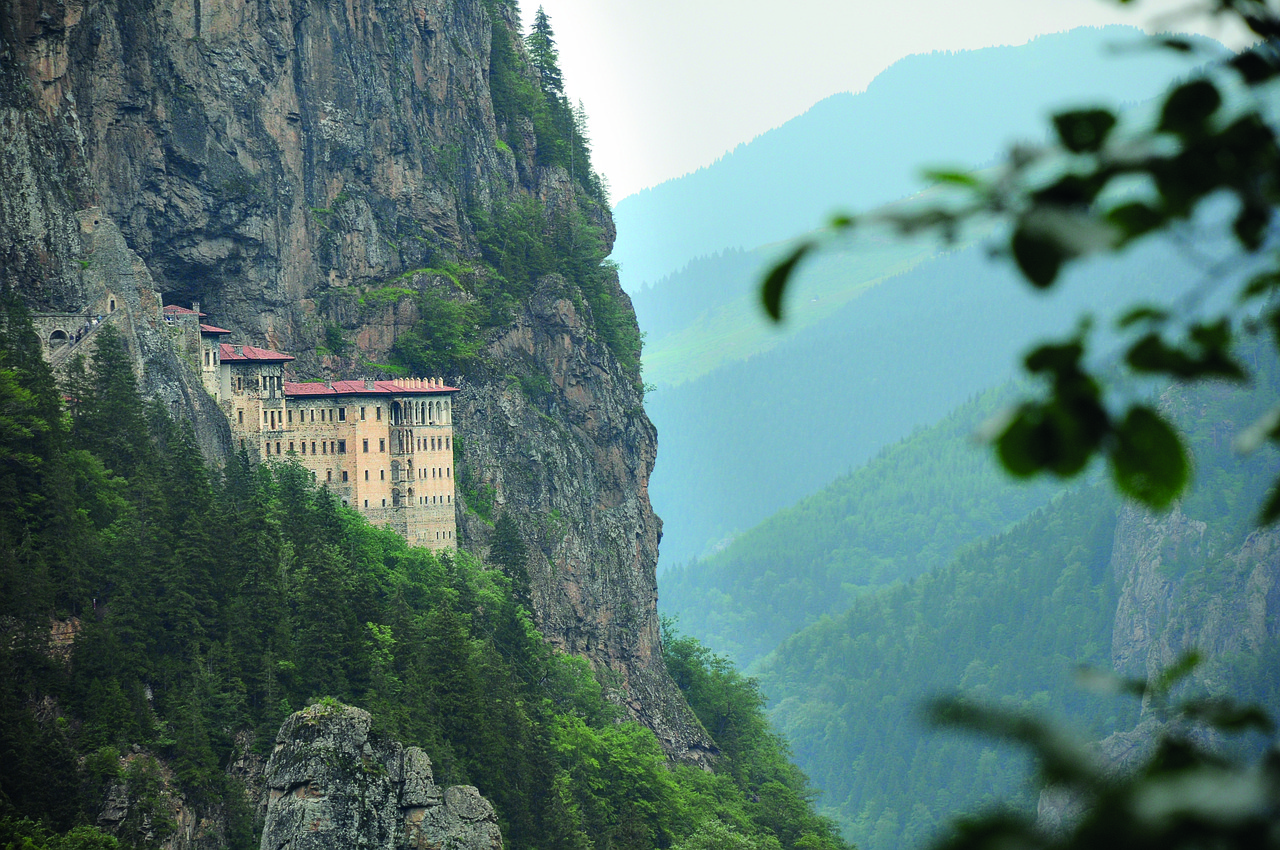
A Greek Orthodox monastery built into a sheer cliff above the forested Altındere valley near Maçka, with painted chapels and dramatic views — the best-known sight of the Black Sea region.
Explore Sümela Monastery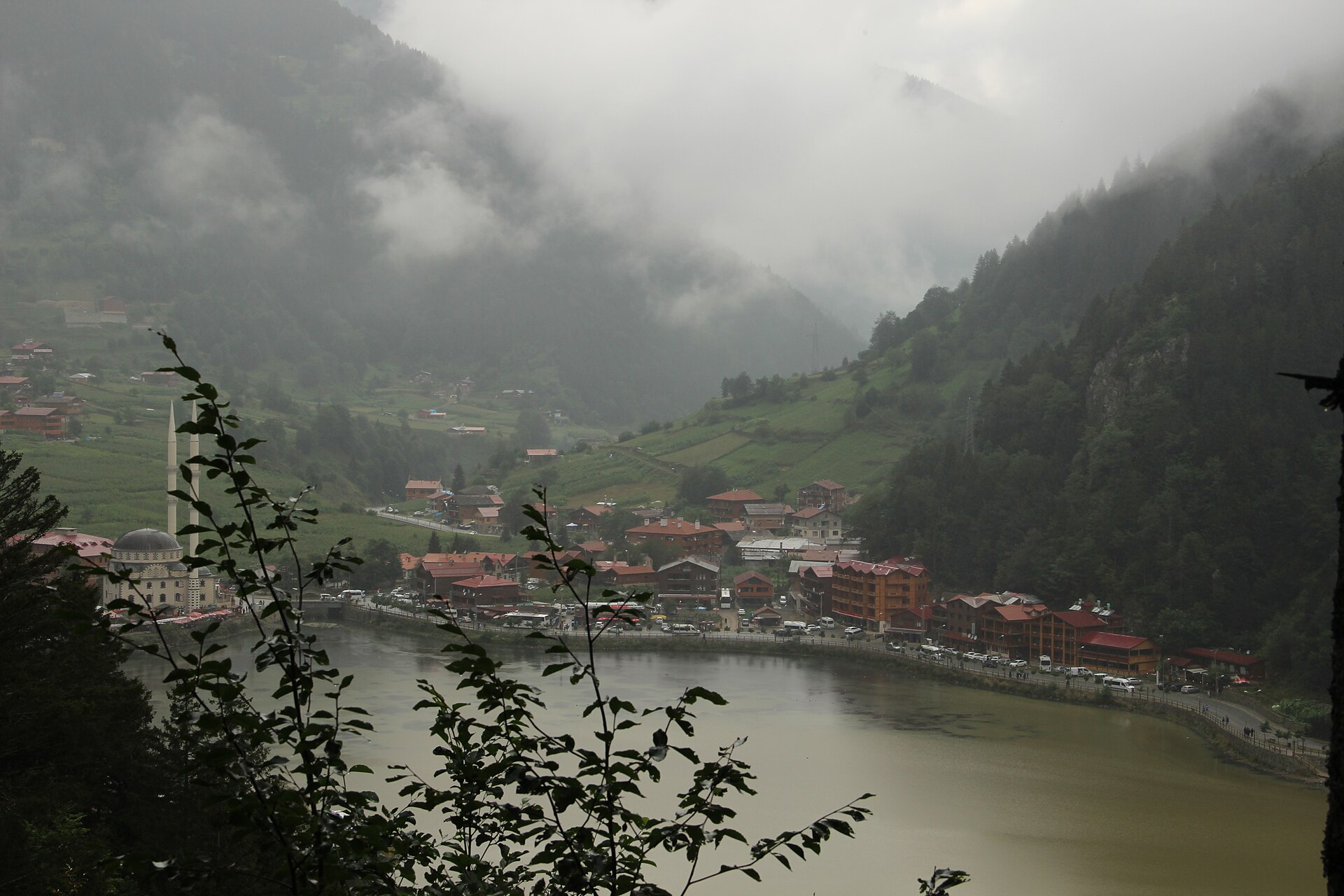
Nature, Lake
Trabzon, Türkiye
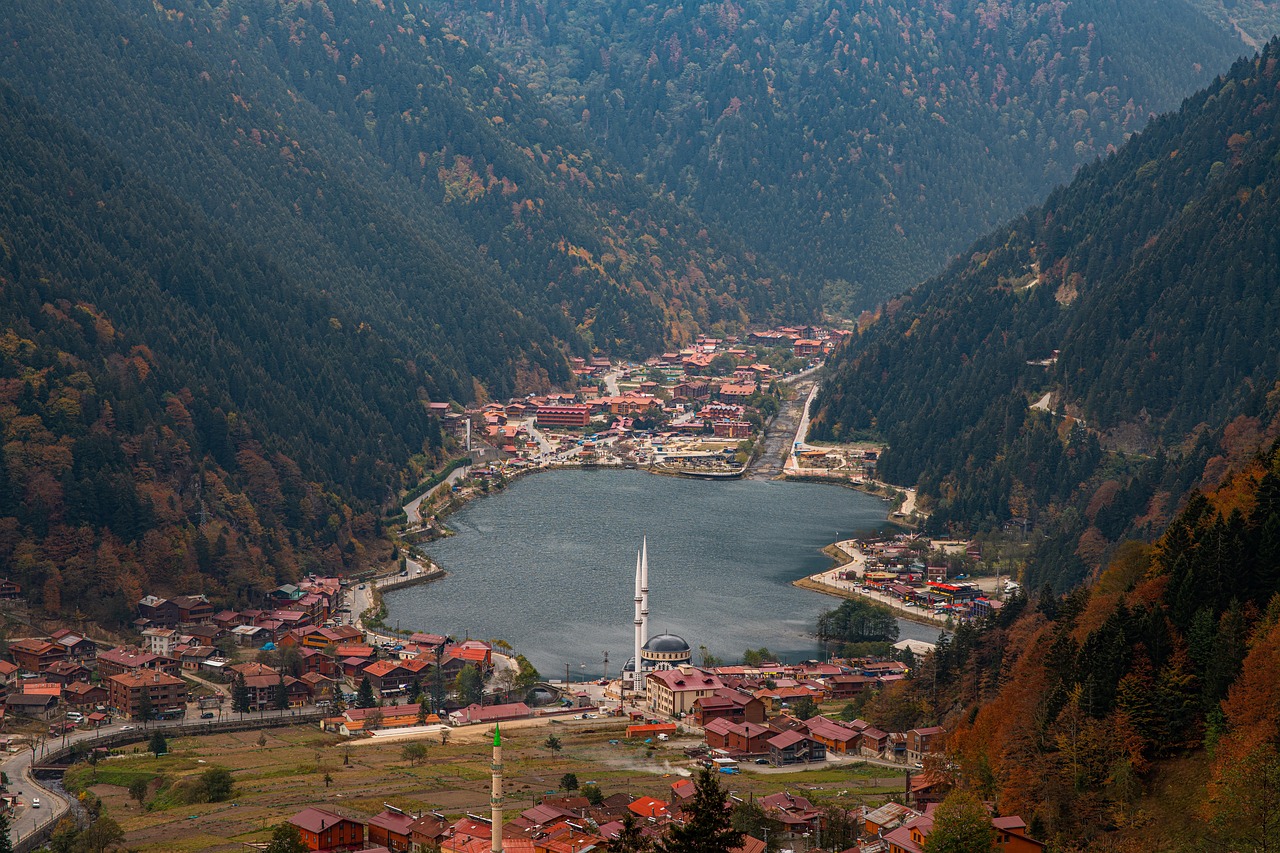
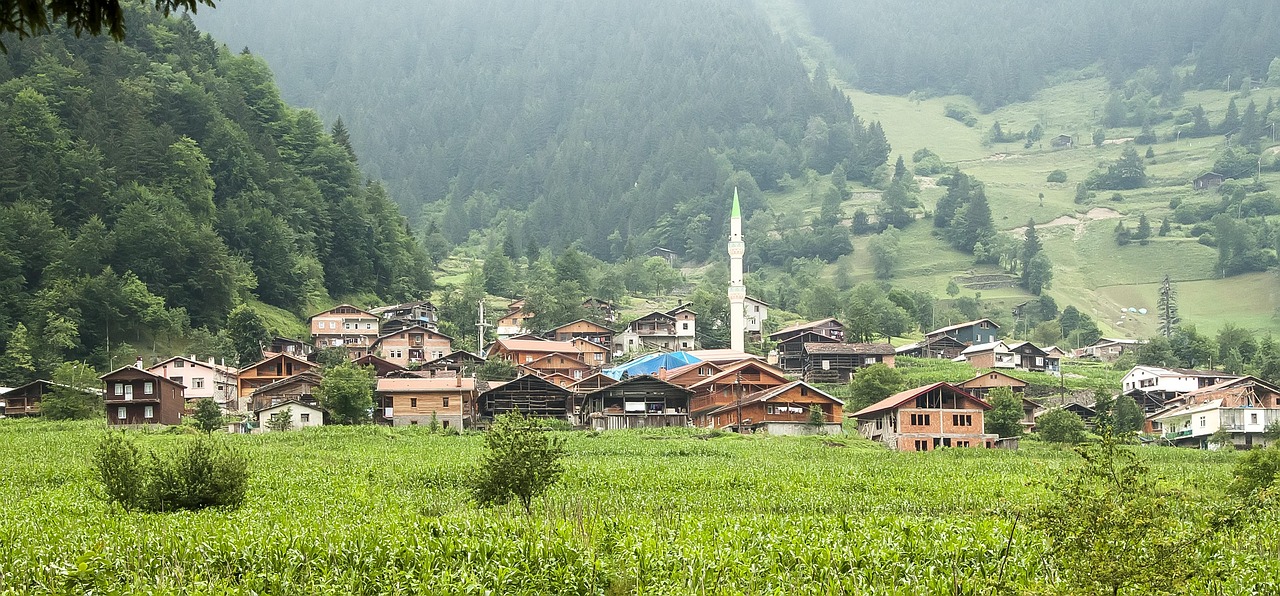
A mountain lake in a steep green valley south-east of Trabzon, with a mosque on its shore, wooden chalets and highland pastures above — the classic Black Sea landscape.
Explore UzungölOrtahisar
Stretches of the walls of the Empire of Trebizond around the old town, between two ravines.
Open in Google Maps (opens in a new tab)West of the old town
An early 16th-century mosque and tomb built for the mother of Sultan Selim I.
Open in Google Maps (opens in a new tab)Museum, Historic house
Trabzon, Türkiye
An elegant white mansion in a garden of pines above the city, built for a merchant family and given to Atatürk, now a museum of his visits to Trabzon.
Explore Atatürk Pavilion (Atatürk Köşkü)Mosque, Heritage
Trabzon, Türkiye
A 13th-century Byzantine church on a hill by the sea west of the centre, famous for its frescoes and carved stone, used today as a mosque.
Explore Hagia Sophia of TrabzonOld town, Heritage
Trabzon, Türkiye
The walled heart of the Empire of Trebizond between two ravines, with the Ortahisar Fatih Mosque, old houses and the lively Meydan square and Uzun Sokak street next to it.
Explore Ortahisar old town and MeydanMonastery, Heritage
Trabzon, Türkiye
A Greek Orthodox monastery built into a sheer cliff above the forested Altındere valley near Maçka, with painted chapels and dramatic views — the best-known sight of the Black Sea region.
Explore Sümela Monastery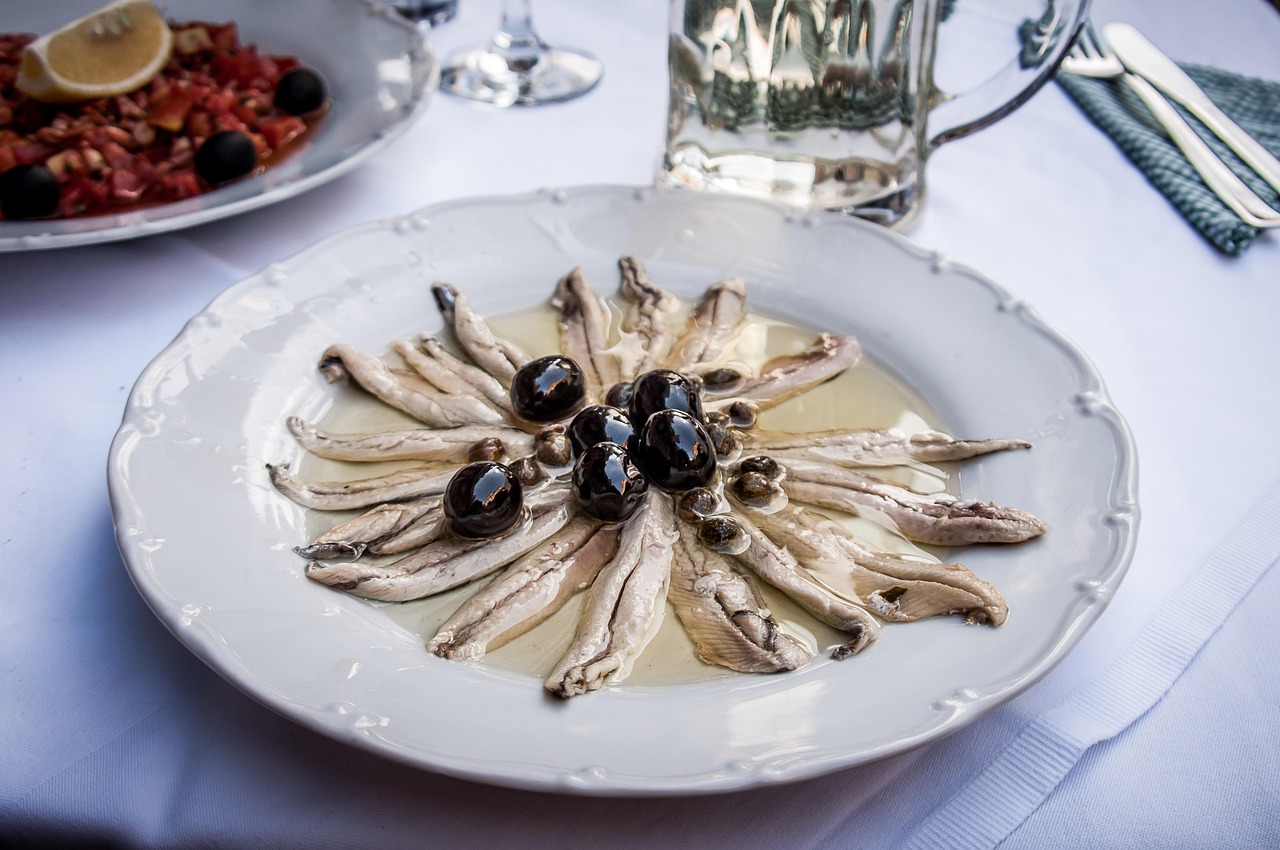
Trabzon, Türkiye
Trabzon, Türkiye
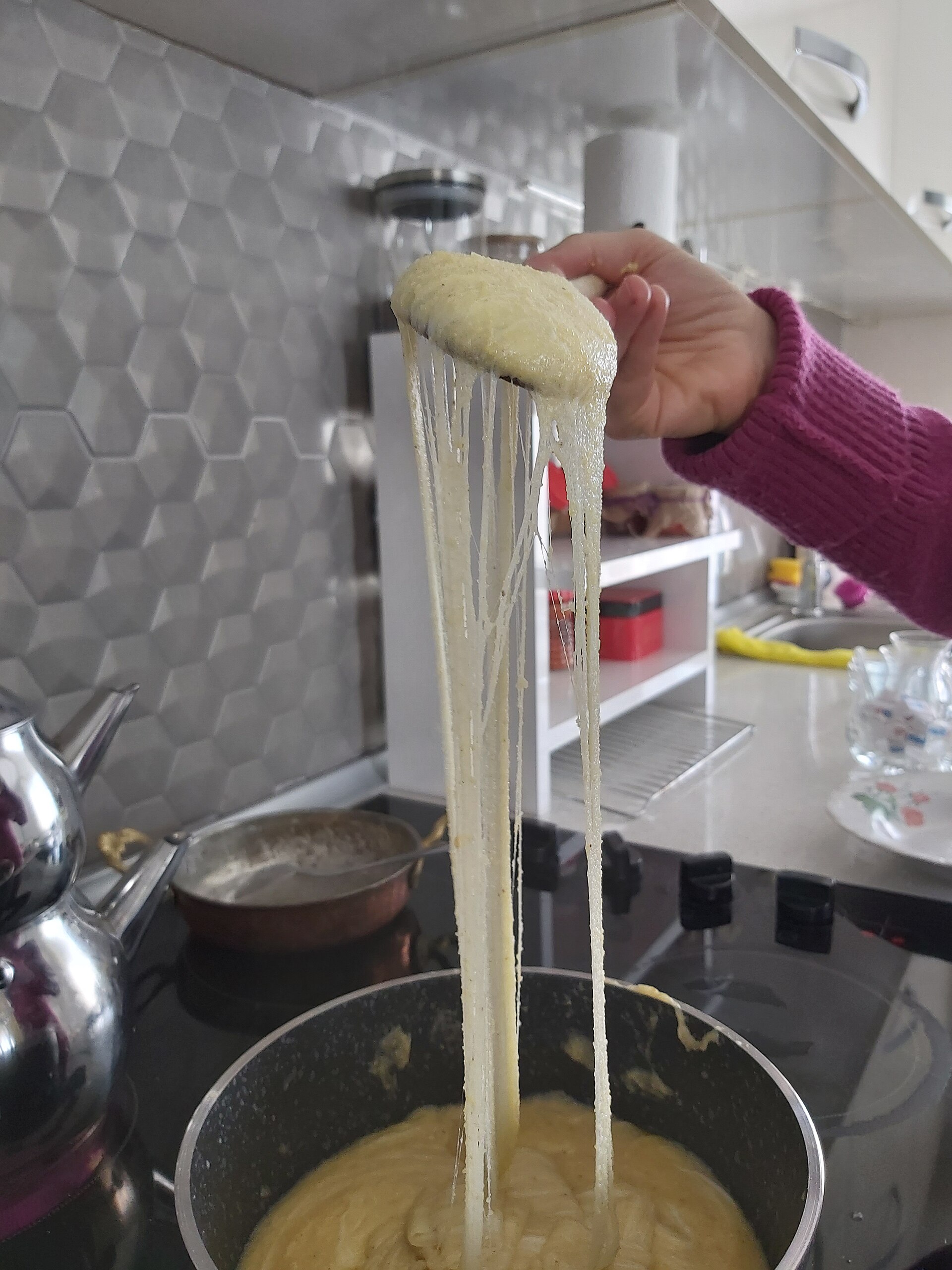
Cornmeal cooked with butter and melted local cheese until it stretches in strings, eaten hot from the pan with bread at breakfast. A classic of the Black Sea highlands and of Uzungöl.
Trabzon, Türkiye
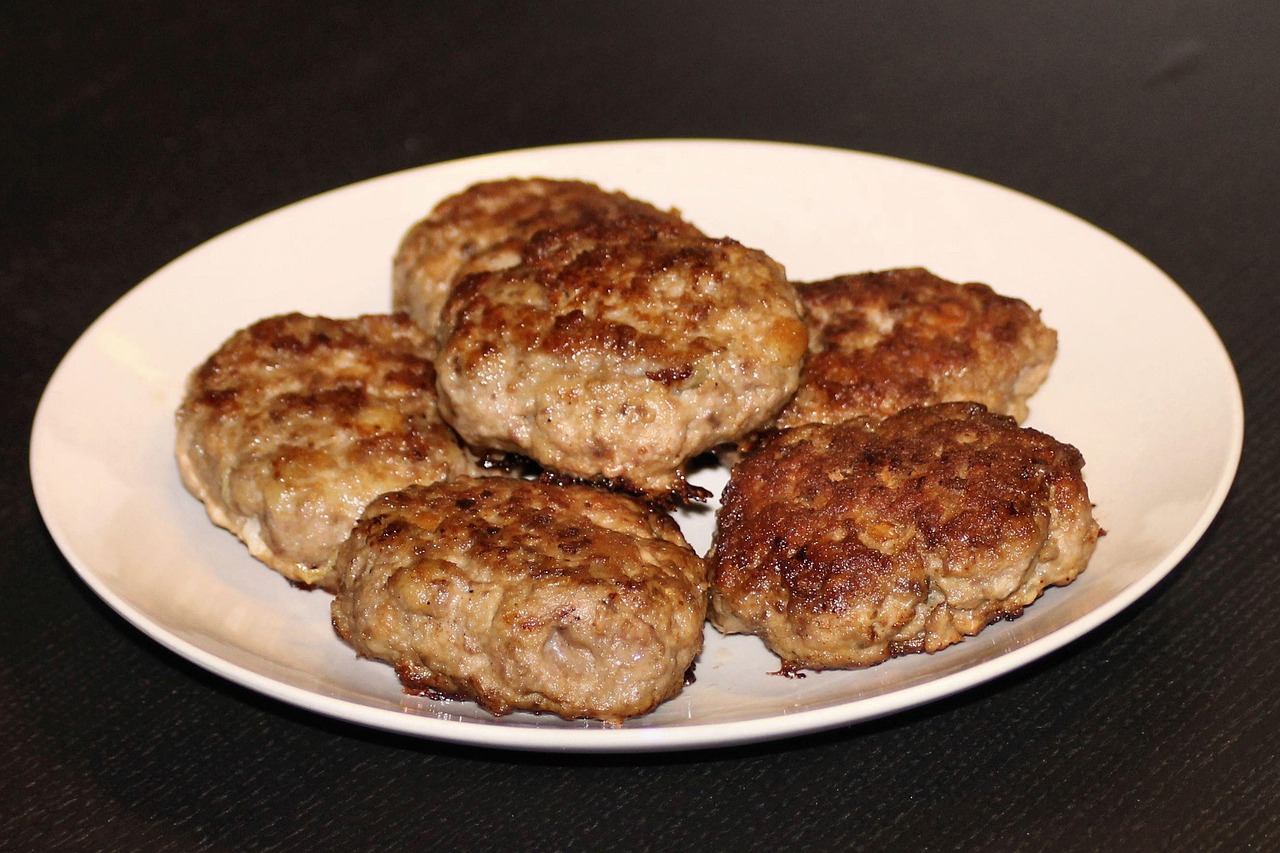
Small grilled meatballs from the town of Akçaabat, just west of Trabzon, served with piyaz (bean salad), peppers and bread. Akçaabat’s köfte restaurants along the coast road are well known in the region.
Trabzon, Türkiye
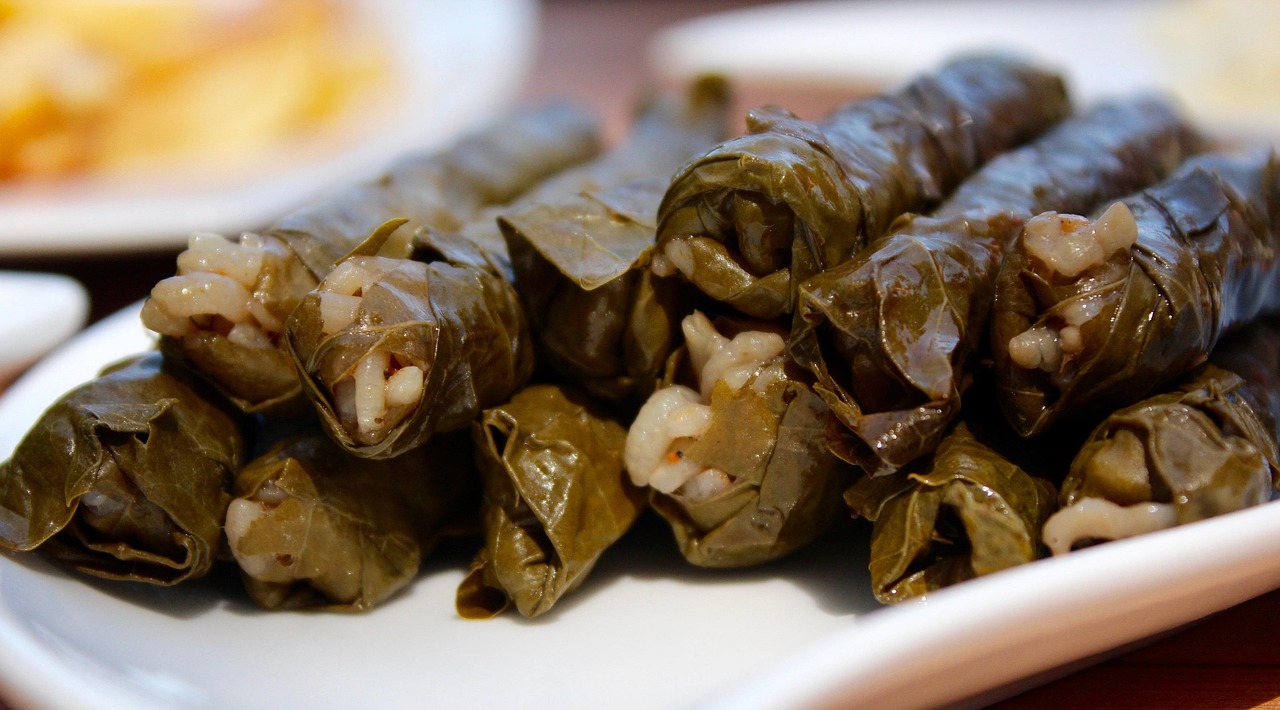
Black cabbage, the green of the Black Sea, cooked into a hearty soup with beans and cornmeal, or wrapped around rice and meat as sarma.

Trabzon, Türkiye
Boat-shaped flatbread baked in a stone oven with butter, cheese and sometimes an egg or minced meat, served bubbling hot.
Trabzon, Türkiye
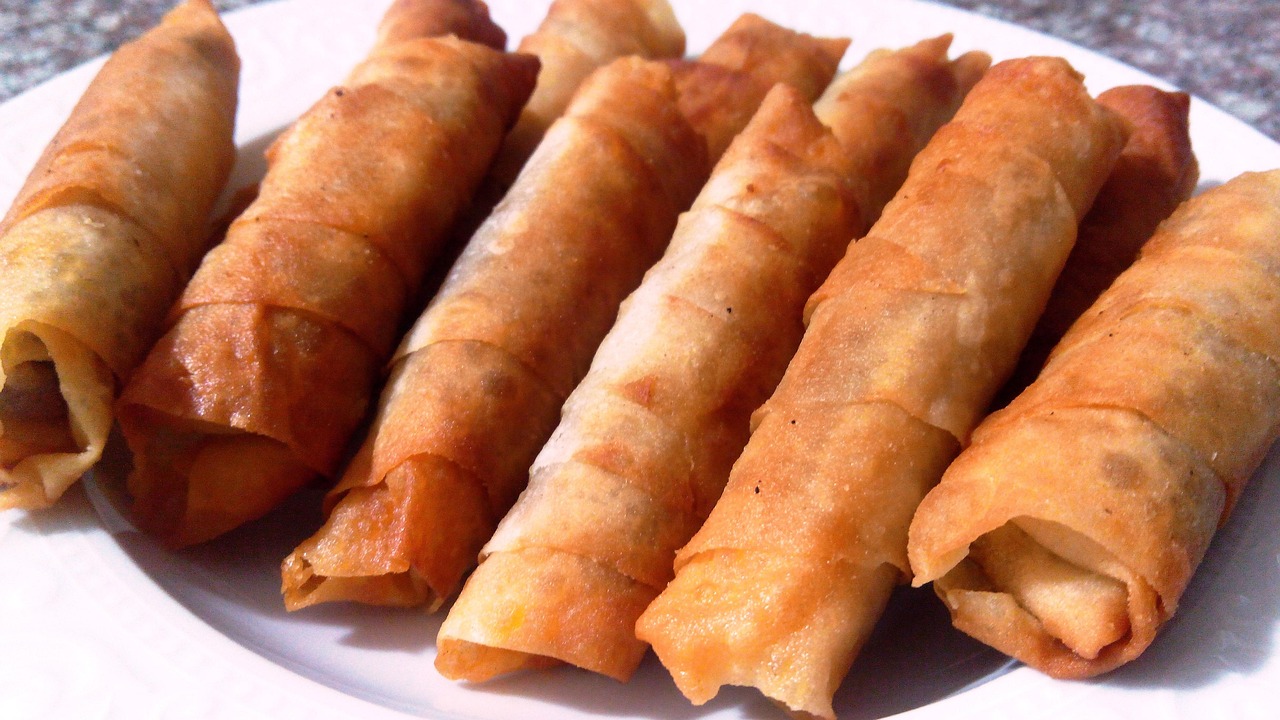
A sweet pastry of thin layers of dough filled with milk custard and dusted with sugar — the dessert of the eastern Black Sea.
Trabzon, Türkiye
Atatürk Square and the pedestrian street, Ortahisar
The heart of Trabzon: lokantas with hamsi and Black Sea dishes, pide ovens, köfte houses, tea gardens and pastry shops selling laz böreği. Busy from morning to late evening.
Open in Google Maps (opens in a new tab)Hill above the city centre
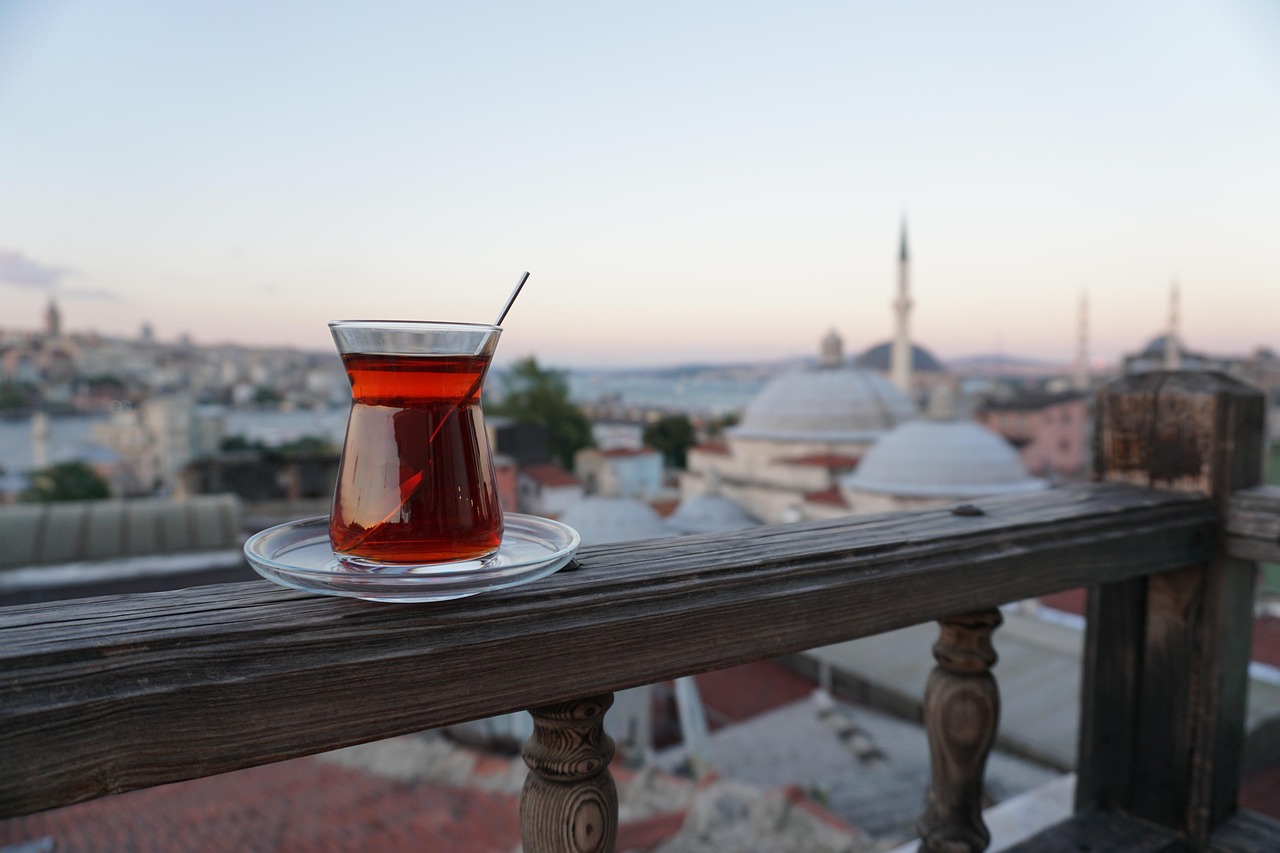
Terrace tea gardens and family restaurants with views over the city and the sea. Come for tea, kuymak or a grill at sunset.
Open in Google Maps (opens in a new tab)Akçaabat, west of Trabzon
Long-established köfte restaurants serving the famous Akçaabat köfte with piyaz, a short drive from the city.
Open in Google Maps (opens in a new tab)Uzungöl village
Restaurants around the lake serving lake trout, kuymak, black-cabbage dishes and Black Sea breakfasts.
Open in Google Maps (opens in a new tab)Trabzon, Türkiye
City hotels around the main square and Uzun Sokak, walking distance from restaurants and the old town, with minibuses to the sights. The easiest base without a car.
Open in Google Maps (opens in a new tab)Trabzon, Türkiye
Hotels along the seafront road towards the airport, convenient for early flights and drivers heading east.
Open in Google Maps (opens in a new tab)Trabzon, Türkiye
Wooden chalets, bungalows and small hotels around the lake and on the slopes above it. Quiet at night; busy at weekends and in summer.
Open in Google Maps (opens in a new tab)Trabzon, Türkiye
Small hotels and guesthouses in the forested valley on the road to Sümela, for a calm night close to the monastery.
Open in Google Maps (opens in a new tab)The people of the eastern Black Sea are known in Türkiye for their humour, quick talk and pride in their region. The kemençe (a small fiddle) and the fast horon dance are at the heart of local music, and summer highland (yayla) festivals bring families up to the mountain pastures.
Food centres on hamsi, corn, black cabbage, butter and cheese from the highlands; the hills around are covered in tea and hazelnut gardens. Football is a passion, and Trabzonspor's maroon and blue are everywhere.
Trabzon, ancient Trapezus, was founded by Greek colonists in the 8th or 7th century BCE and became a key port where caravans from Persia and Central Asia met ships from the Black Sea. In 1204 it became the capital of the Empire of Trebizond, a Byzantine successor state ruled by the Komnenos dynasty for more than 250 years; Hagia Sophia and the old walls date from this time.
The Ottomans took the city in 1461. Selim I, the future sultan, grew up here as governor, and his mother Gülbahar Hatun is buried in the mosque named after her. Under the Ottomans and into the modern Republic, Trabzon remained the main port and trading city of the eastern Black Sea.
Atatürk visited several times, and the Atatürk Pavilion above the city recalls him. Today Trabzon is a lively university and football city — passionate about Trabzonspor — and the base for exploring the region's mountains and tea country.
Hagia Sophia in the morning, the old town and Gülbahar Hatun Mosque, the Atatürk Pavilion, and sunset tea at Boztepe.
Drive into the forested Altındere valley at Maçka to the cliff-side monastery, then lunch in the valley and an evening on Uzun Sokak.
A day trip to the mountain lake of Uzungöl, with a Black Sea breakfast of kuymak and a walk around the lake.
May to September for the highlands and Uzungöl; spring and autumn are green and quieter. It rains often all year — bring a rain jacket.