Hierapolis
Plateau above the travertines
The Roman spa city with its theatre, baths and large necropolis — part of the UNESCO site.
Open in Google Maps (opens in a new tab)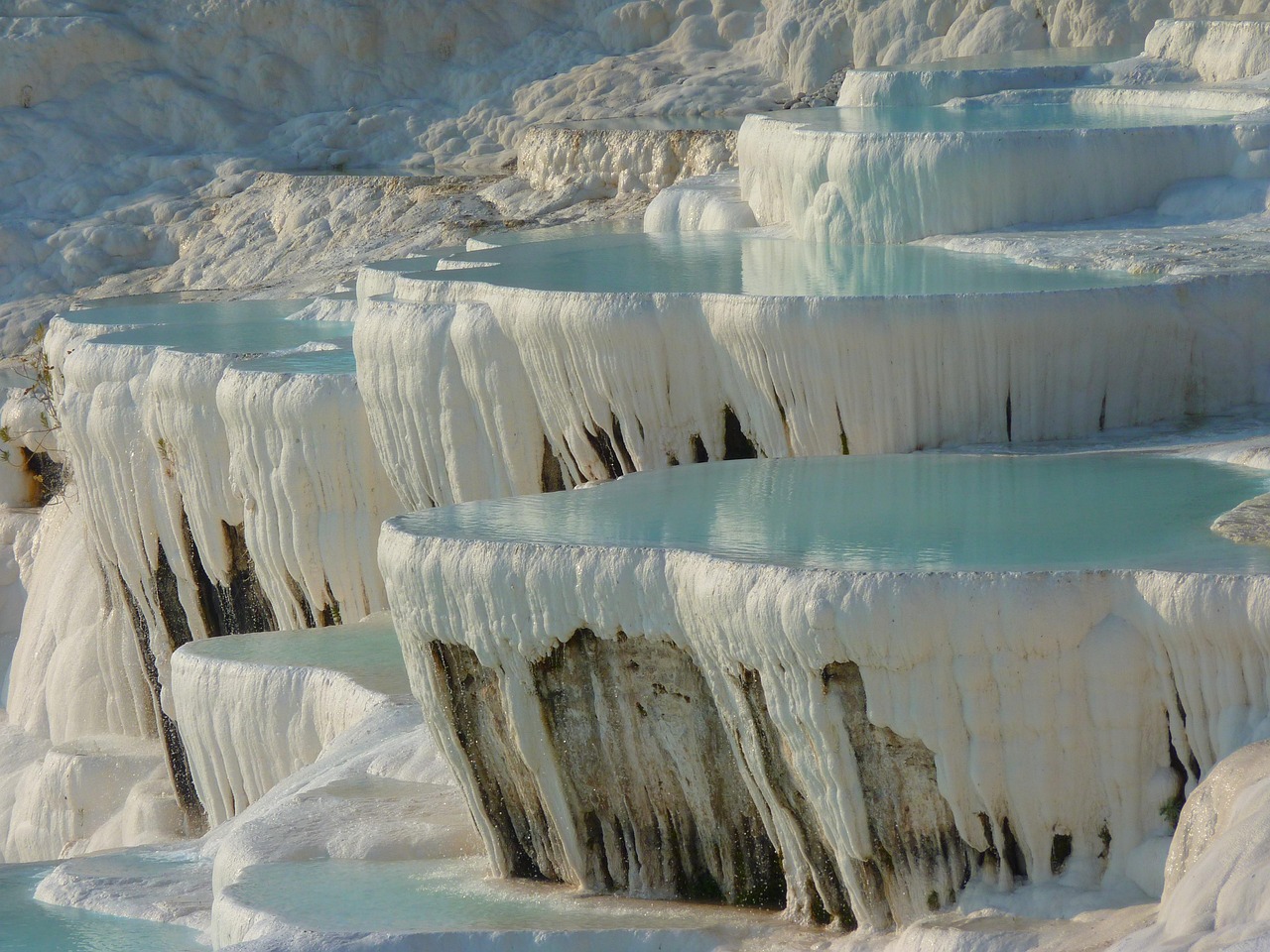
 Pamukkale, Türkiye
The “cotton castle” of south-west Türkiye: brilliant white travertine terraces of warm mineral water above a small village near Denizli, crowned by the Roman spa city of Hierapolis.
Archaeology, UNESCO
Pamukkale, Türkiye
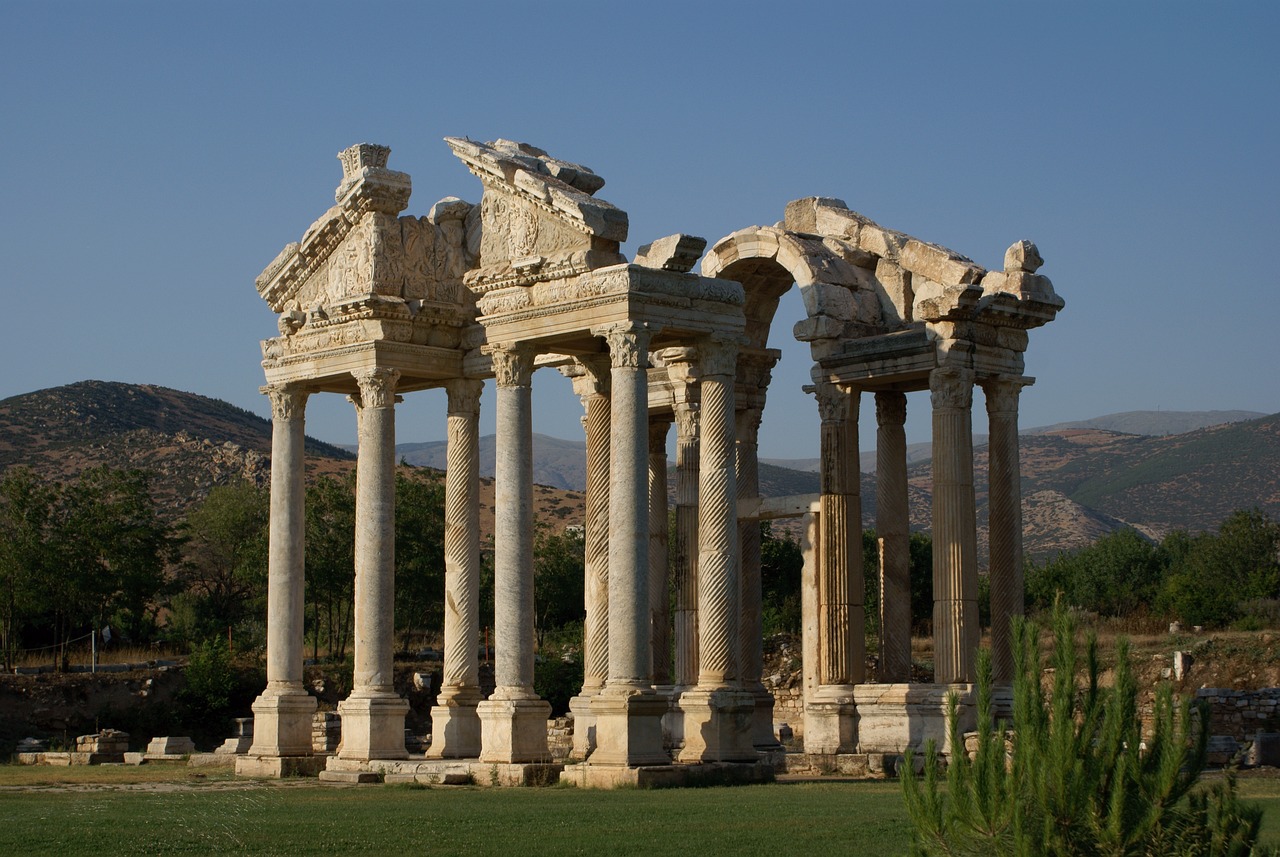
The city of Aphrodite, a UNESCO-listed ancient site west of Pamukkale with one of the best-preserved stadiums of the Roman world and a famous school of marble sculpture.
Explore Aphrodisias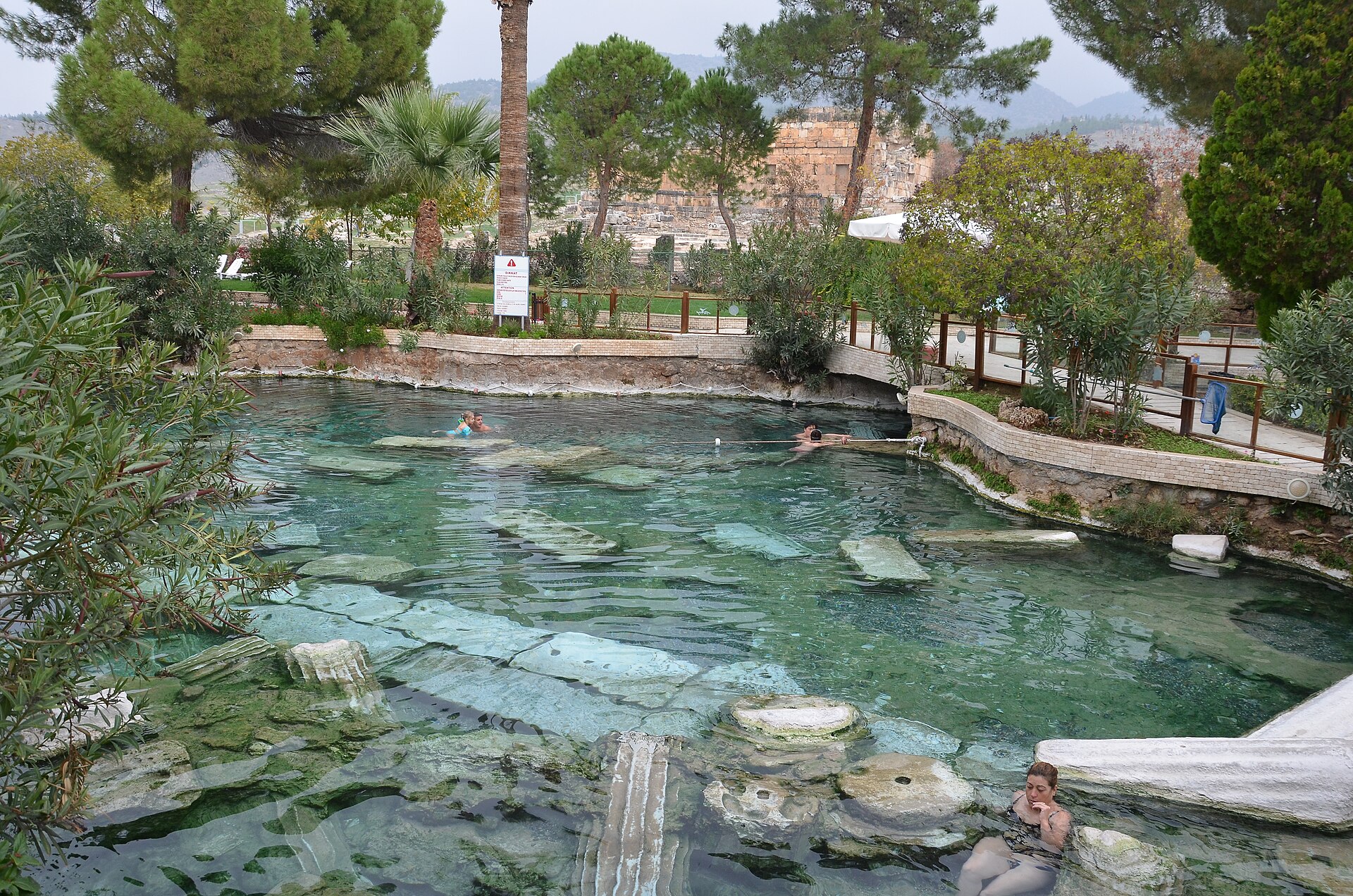
Thermal pool, Ancient site
Pamukkale, Türkiye
A warm thermal pool inside Hierapolis where you swim over fallen Roman columns, in water that has drawn bathers since antiquity.
Explore Cleopatra’s Pool (Antique Pool)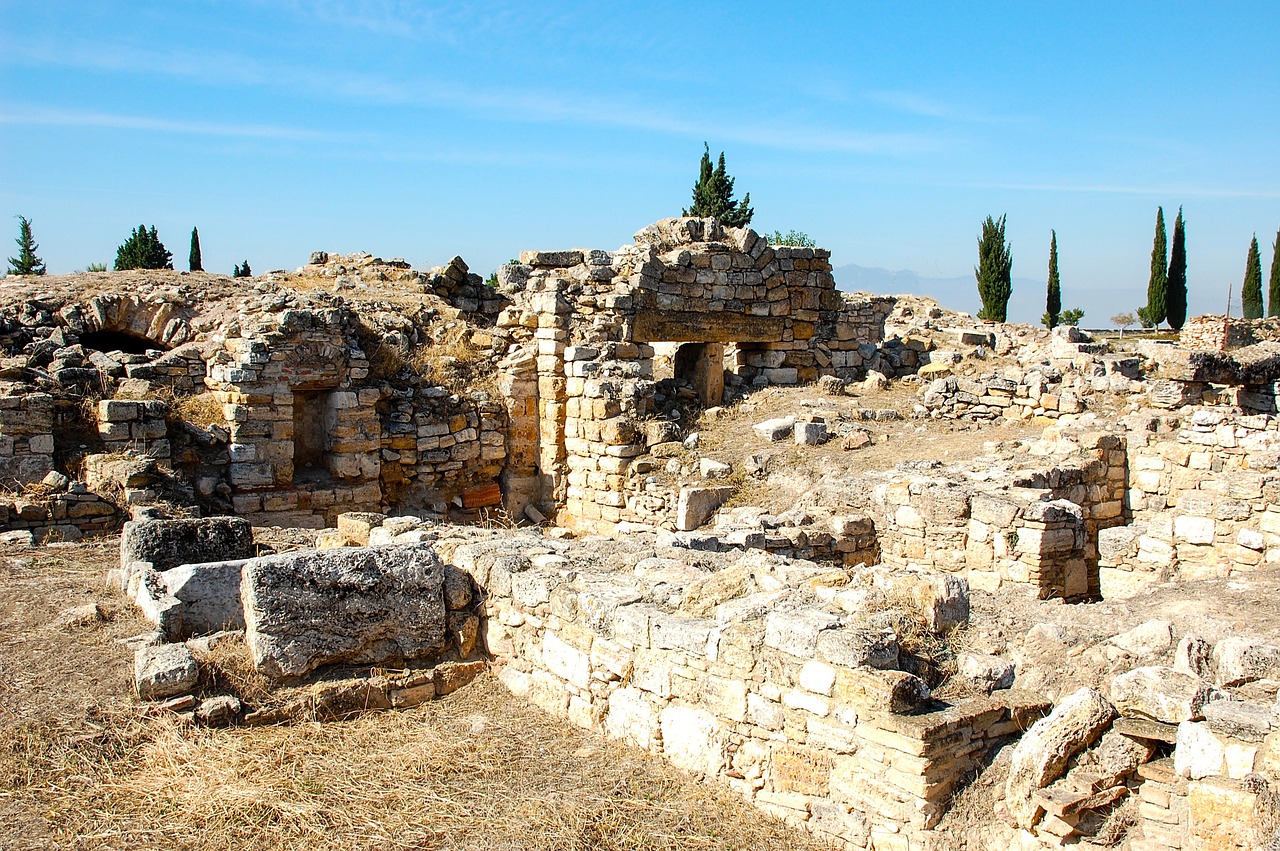
Archaeology, UNESCO
Pamukkale, Türkiye
The Roman spa city on the plateau above the travertines, with a monumental gate, colonnaded street, baths, churches and one of the largest ancient cemeteries in Anatolia.
Explore Hierapolis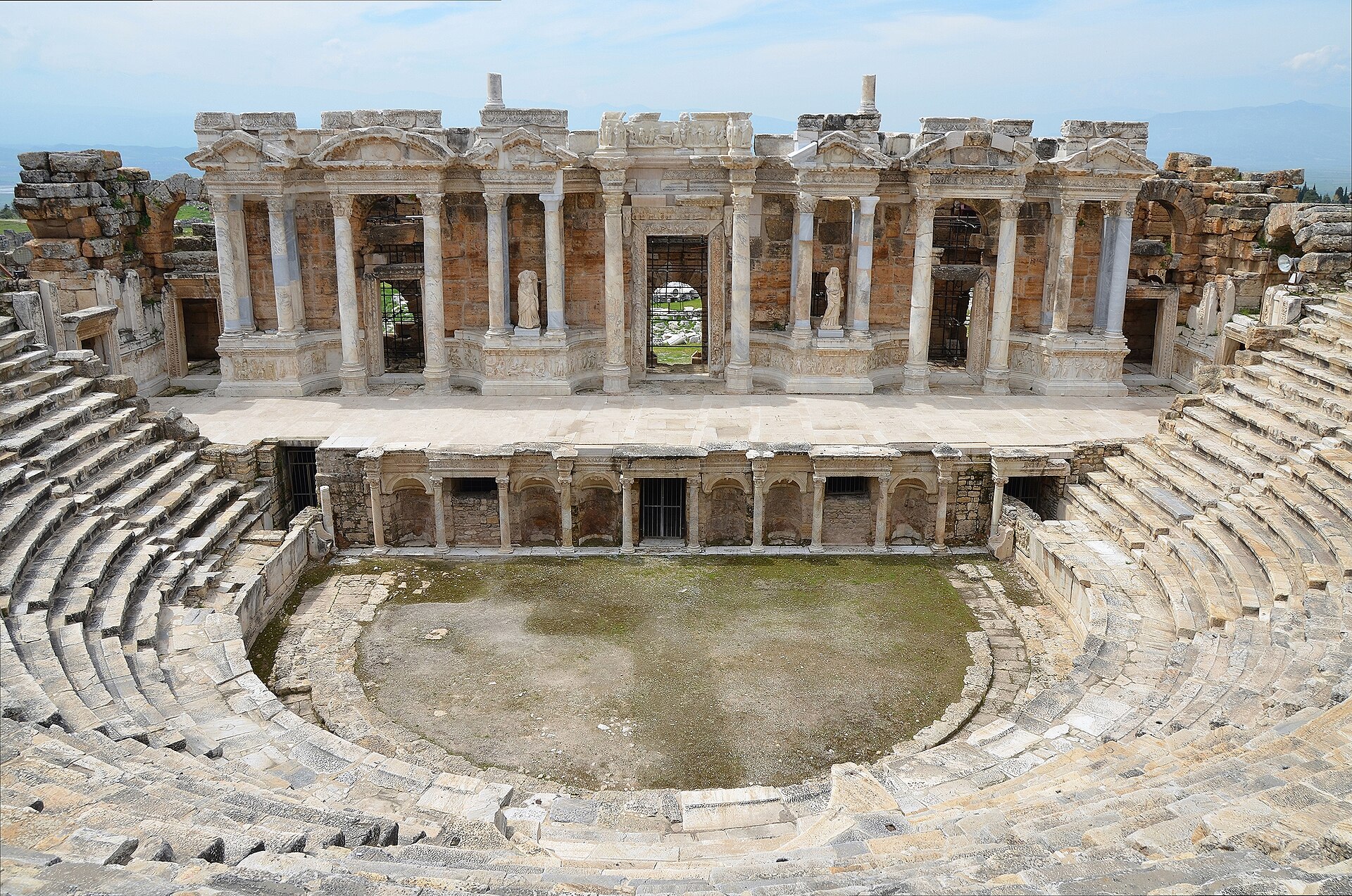
Archaeology, Museum
Pamukkale, Türkiye
A large Roman theatre on the hillside with finely carved stage reliefs and views over the valley, and the site museum in the old Roman baths.
Explore Hierapolis Theatre and Museum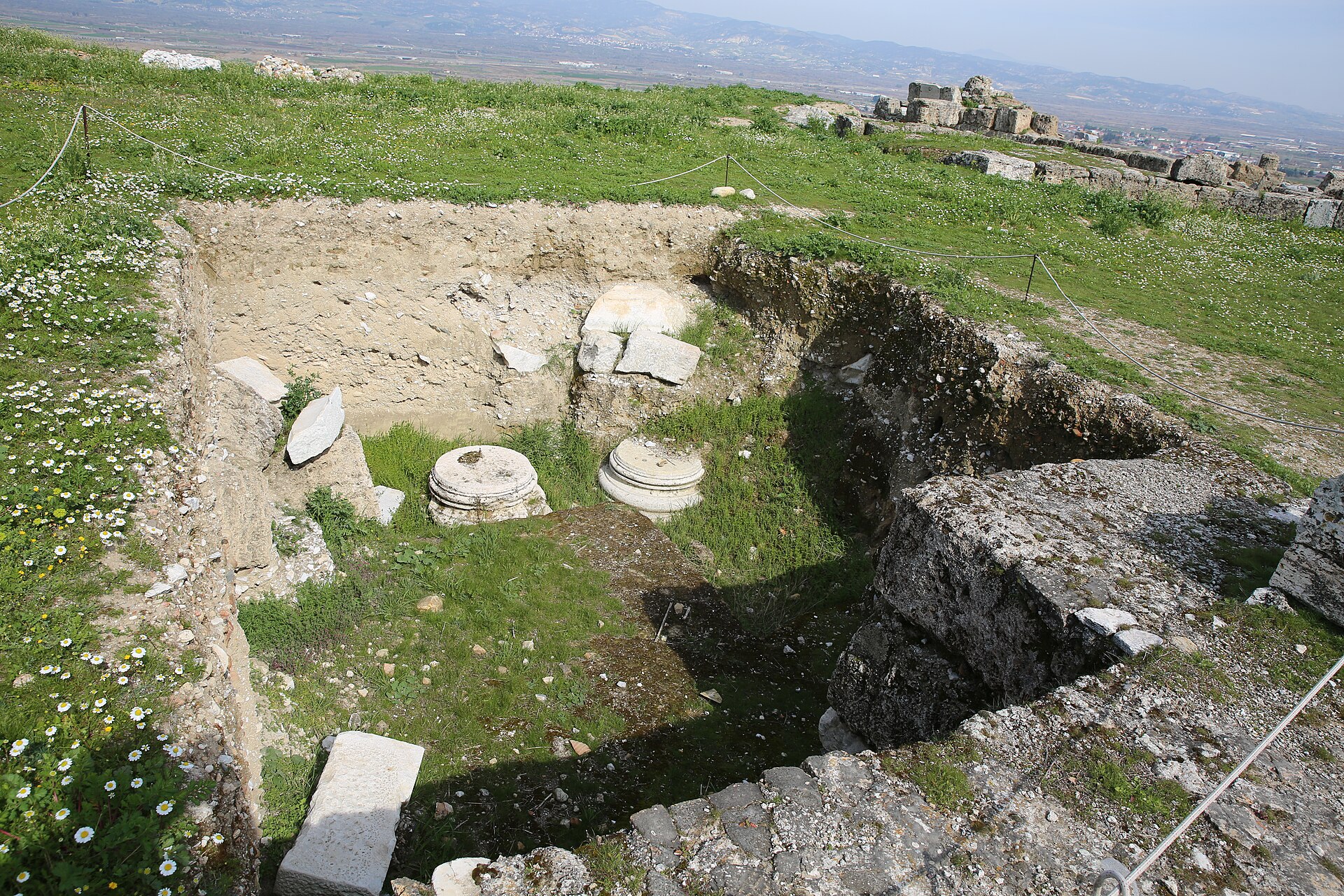
Archaeology, Ancient site
Pamukkale, Türkiye
A large, actively excavated Roman city near Denizli, one of the Seven Churches of Revelation, with colonnaded streets, two theatres and an early church.
Explore Laodicea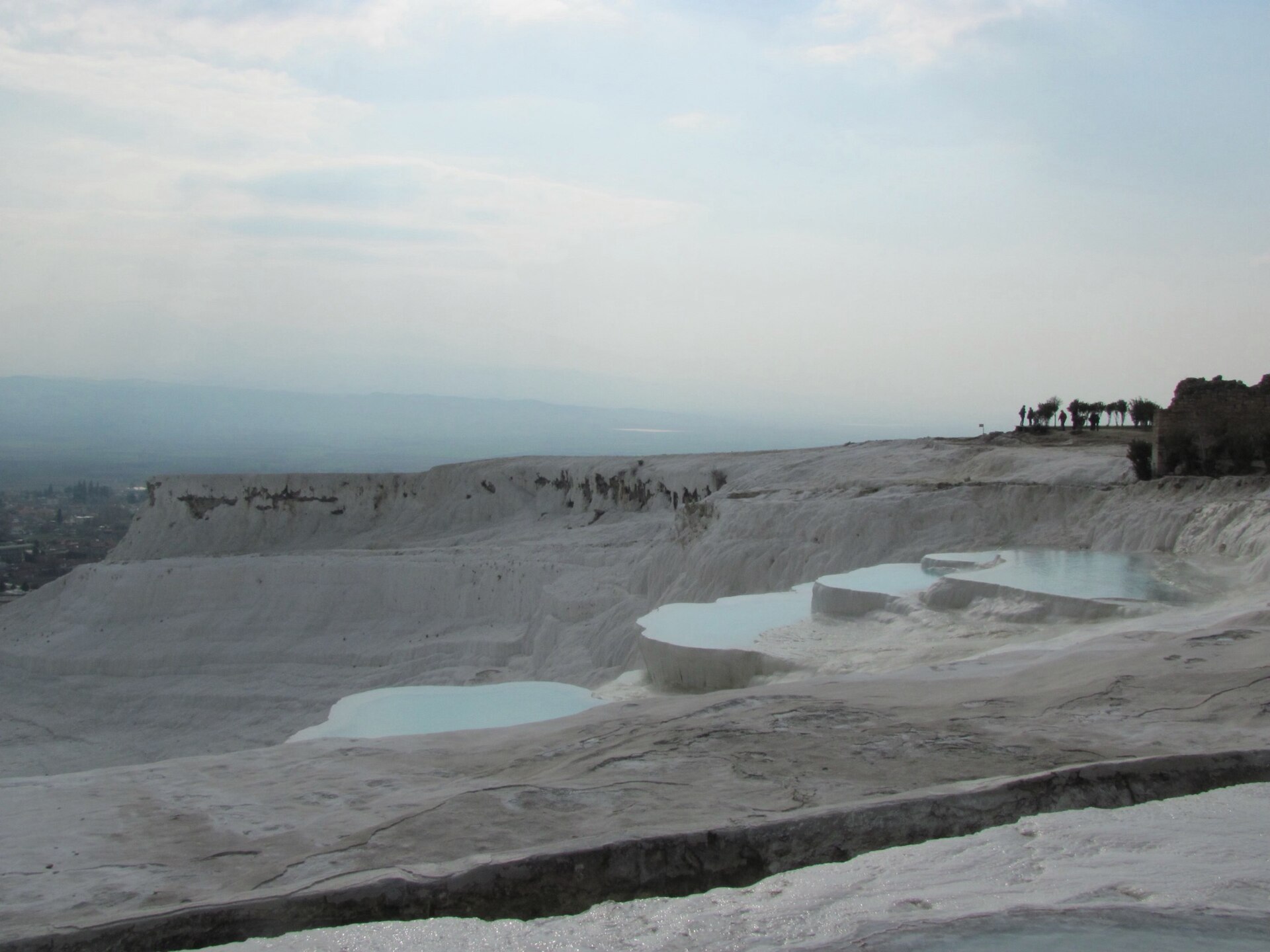
Nature, UNESCO
Pamukkale, Türkiye
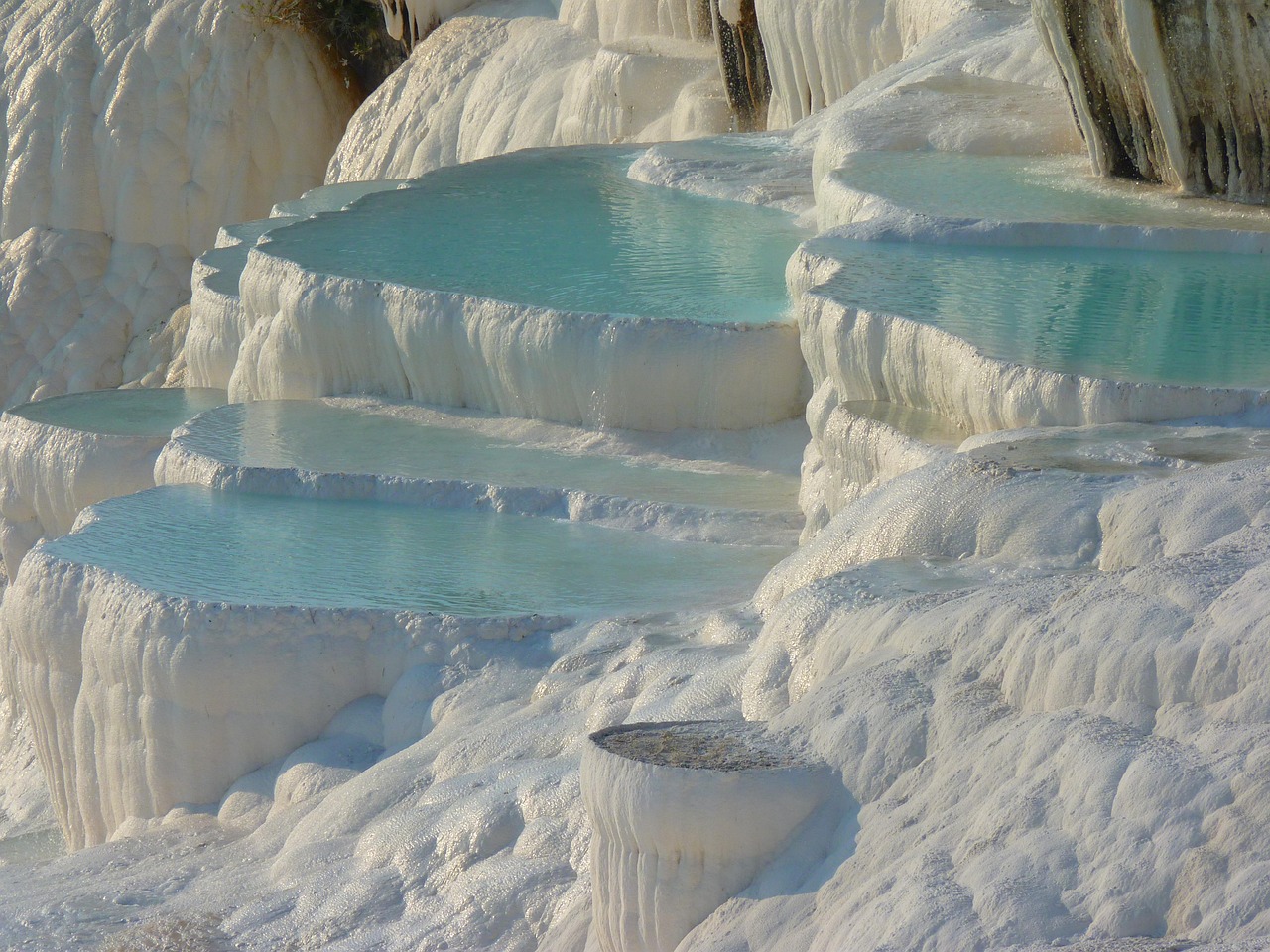
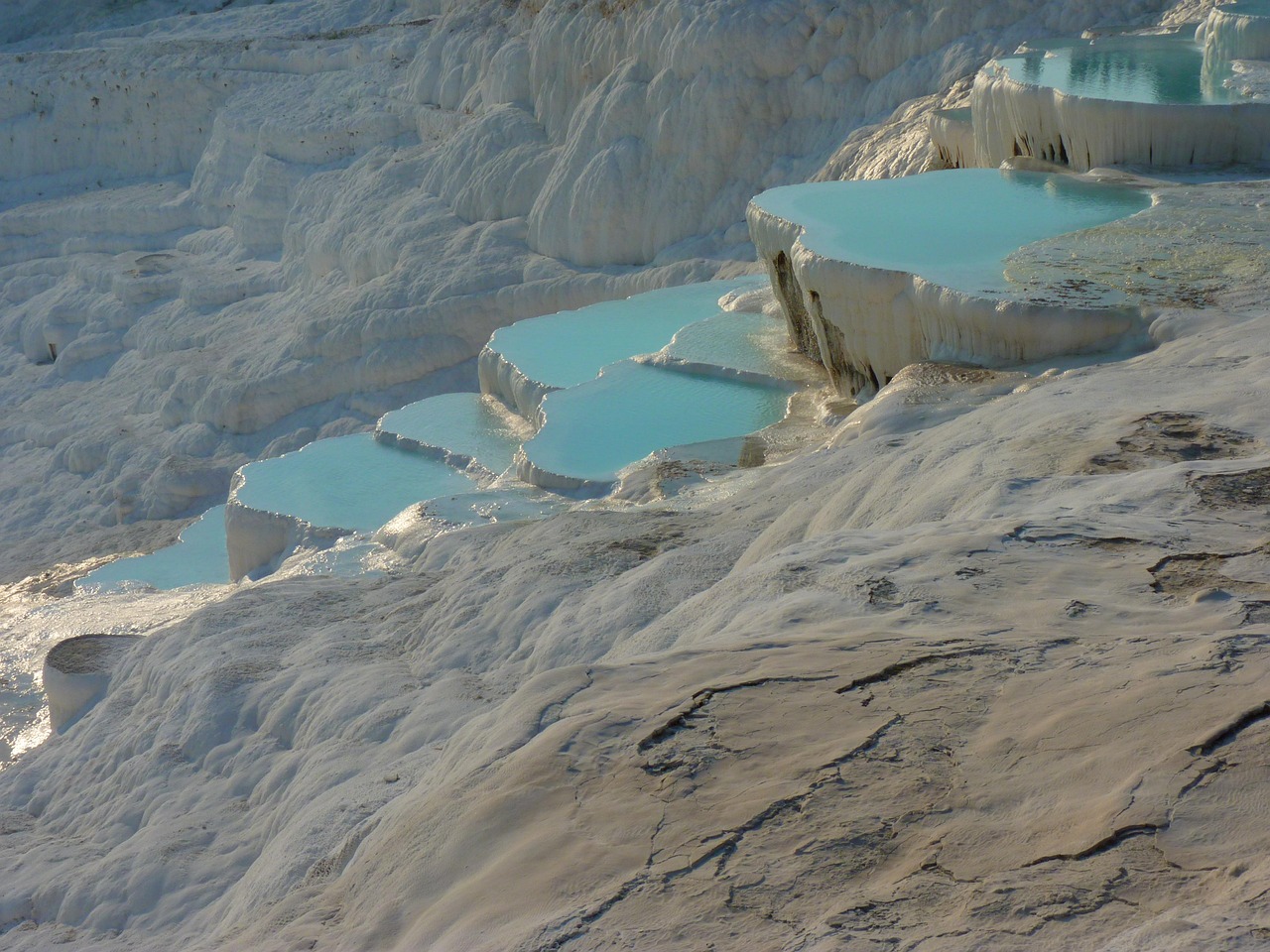
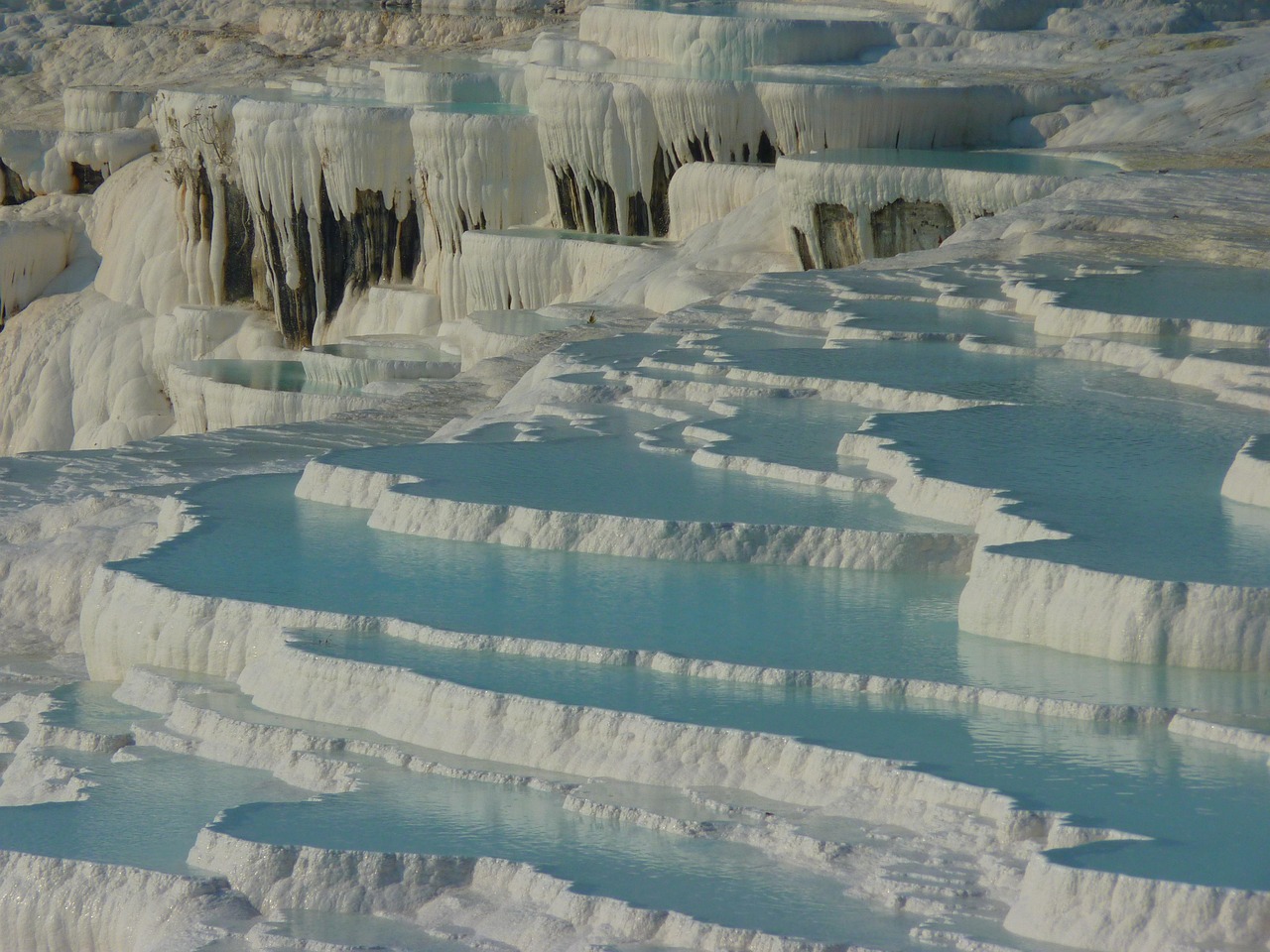
A white hillside of terraced pools and frozen-looking cascades formed by warm mineral springs, which you walk up barefoot from the village to Hierapolis.
Explore Pamukkale TravertinesPlateau above the travertines
The Roman spa city with its theatre, baths and large necropolis — part of the UNESCO site.
Open in Google Maps (opens in a new tab)Archaeology, UNESCO
Pamukkale, Türkiye
The city of Aphrodite, a UNESCO-listed ancient site west of Pamukkale with one of the best-preserved stadiums of the Roman world and a famous school of marble sculpture.
Explore AphrodisiasArchaeology, UNESCO
Pamukkale, Türkiye
The Roman spa city on the plateau above the travertines, with a monumental gate, colonnaded street, baths, churches and one of the largest ancient cemeteries in Anatolia.
Explore HierapolisArchaeology, Museum
Pamukkale, Türkiye
A large Roman theatre on the hillside with finely carved stage reliefs and views over the valley, and the site museum in the old Roman baths.
Explore Hierapolis Theatre and MuseumArchaeology, Ancient site
Pamukkale, Türkiye
A large, actively excavated Roman city near Denizli, one of the Seven Churches of Revelation, with colonnaded streets, two theatres and an early church.
Explore LaodiceaNature, UNESCO
Pamukkale, Türkiye
A white hillside of terraced pools and frozen-looking cascades formed by warm mineral springs, which you walk up barefoot from the village to Hierapolis.
Explore Pamukkale Travertines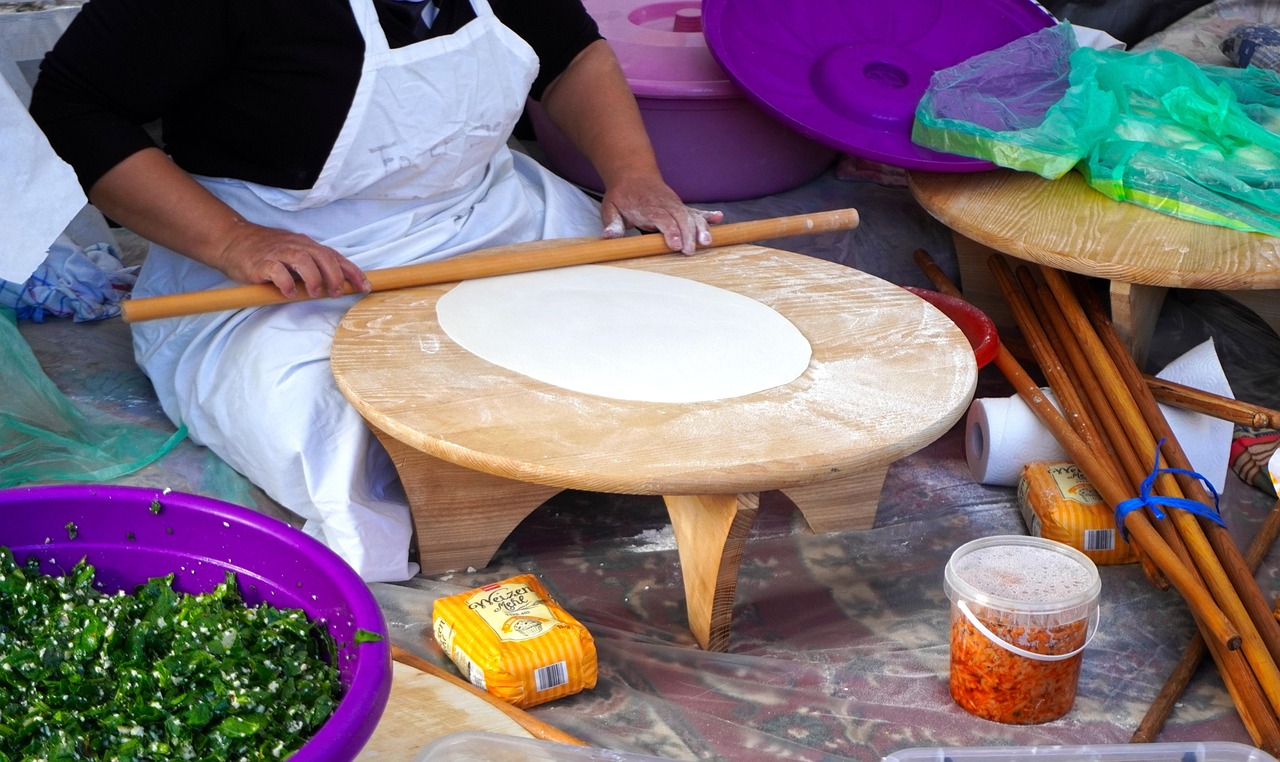
Pamukkale, Türkiye
Thin hand-rolled dough folded around cheese, spinach, potato or minced meat and cooked on a griddle. Village women make it fresh at roadside stalls and in tourist areas such as Pamukkale.
Pamukkale, Türkiye
Lamb slow-cooked in a stone pit oven until very tender, served on thin bread — the meat dish Denizli is known for across the region.
Pamukkale, Türkiye
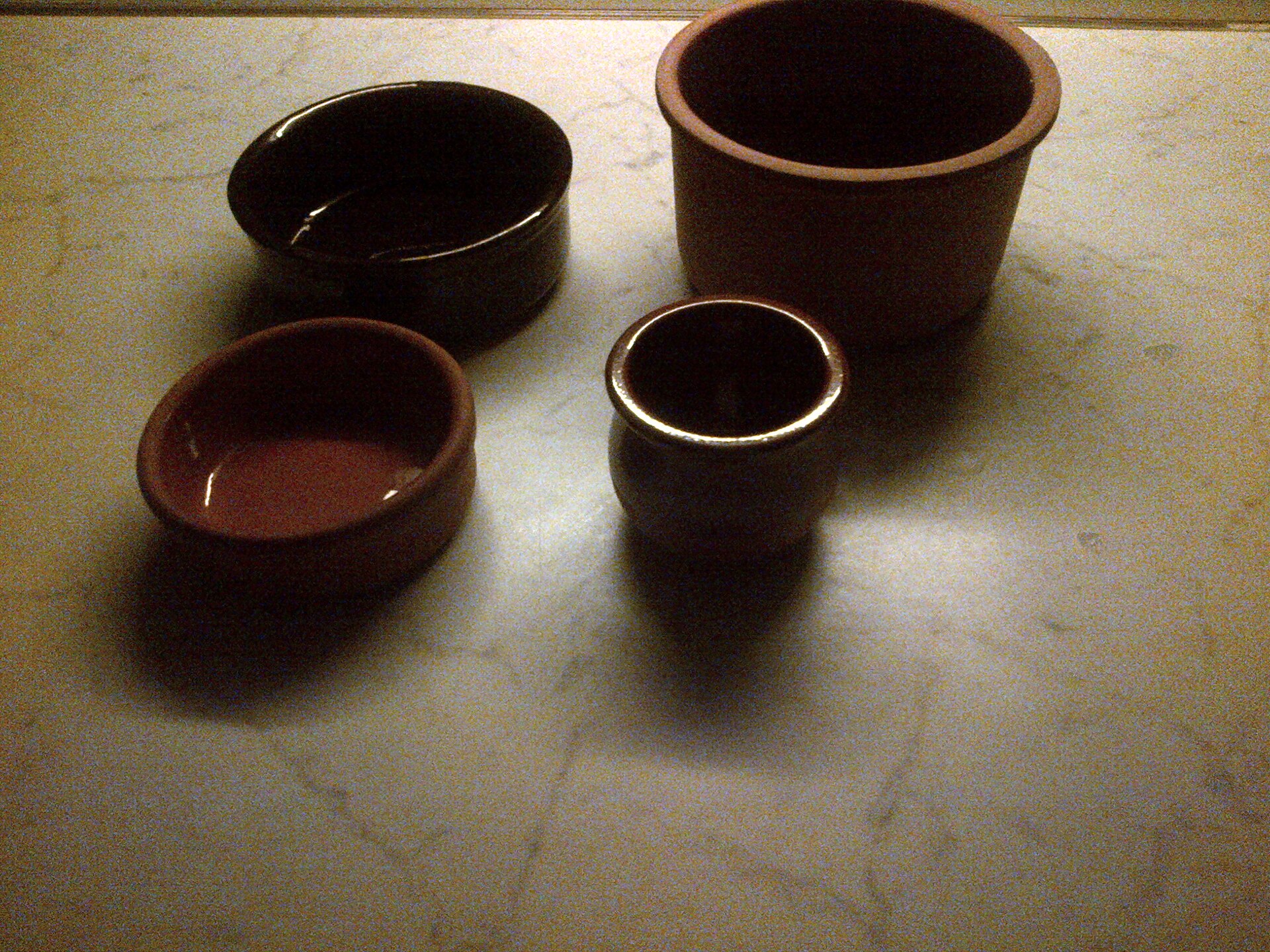
Meat and vegetables slow-baked in a sealed clay pot. Many restaurants around Pamukkale and the Aegean interior serve it, sometimes breaking the pot open at the table.
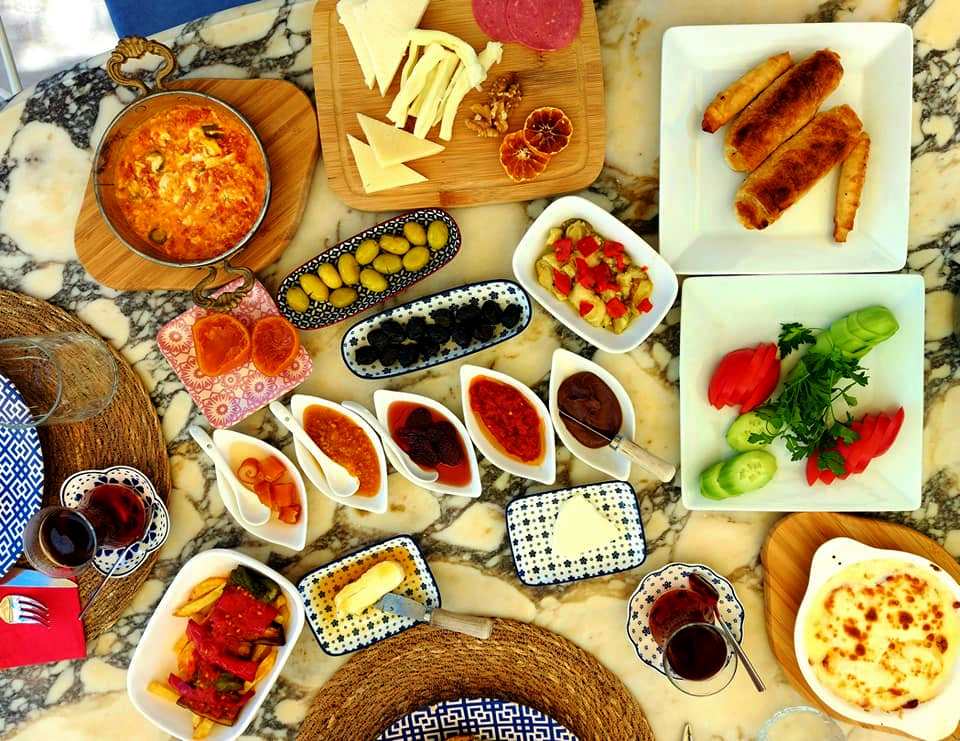
Pamukkale, Türkiye
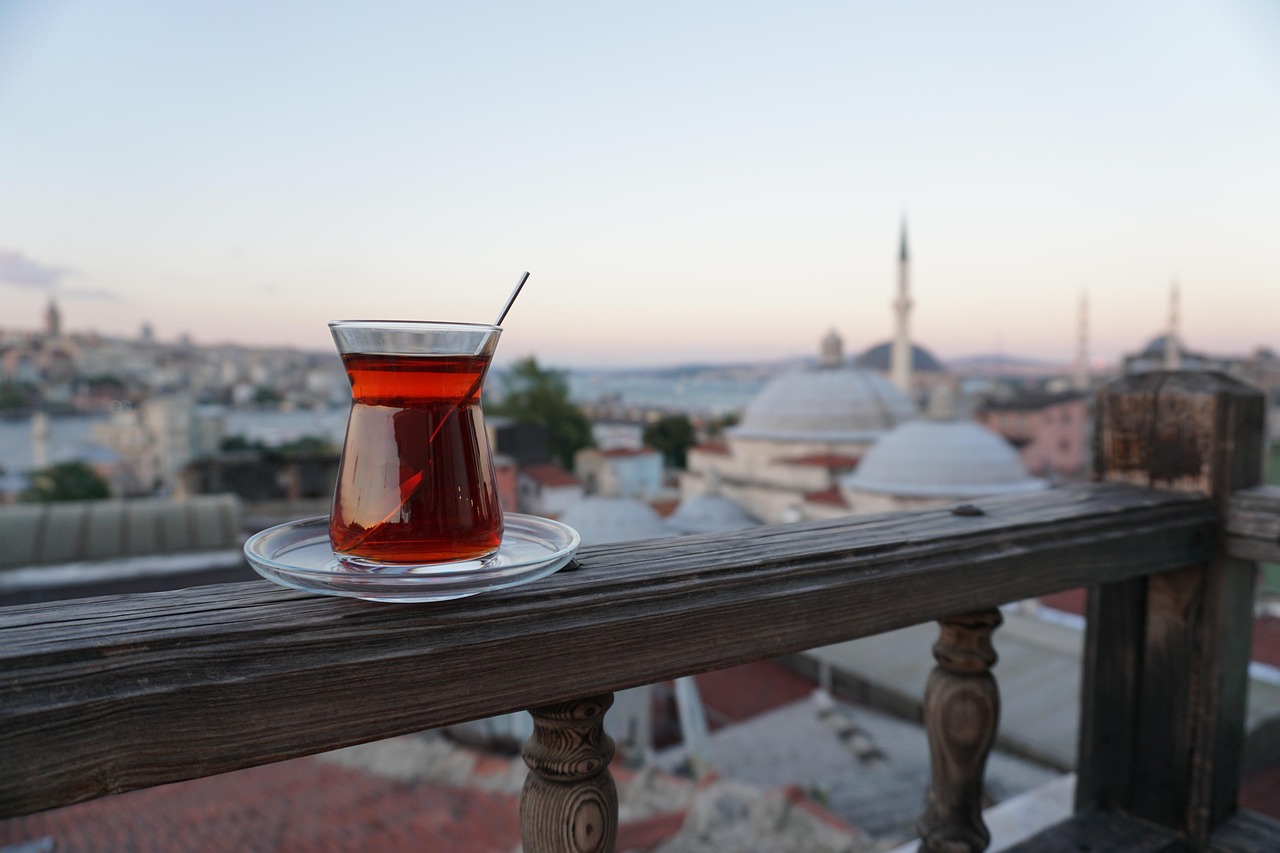
Pamukkale, Türkiye
Below the travertines
Family restaurants and guesthouse kitchens serving gözleme, clay-pot stews, grills and home-style dishes, many with terraces looking up at the white terraces. Simple and relaxed.
Open in Google Maps (opens in a new tab)Spa village just north of Hierapolis
Restaurants inside the thermal hotels and small eateries near the red spring, quieter than Pamukkale village.
Open in Google Maps (opens in a new tab)City centre, about 20 km south
Kebab houses where you can try Denizli kebabı, bakeries, lokantas and modern cafés. Worth it if you stay in the city or pass through by bus.
Open in Google Maps (opens in a new tab)Pamukkale, Türkiye
Family-run guesthouses and small hotels, several with pools fed by thermal water, within walking distance of the south entrance to the travertines. The best base for sunset and an early start.
Open in Google Maps (opens in a new tab)Pamukkale, Türkiye
Larger spa hotels with thermal pools and baths, a short drive from the north gate of Hierapolis. Good for a restful stay.
Open in Google Maps (opens in a new tab)Pamukkale, Türkiye
Business and city hotels near the bus station and the centre — practical for late arrivals, onward buses or a trip to Laodicea.
Open in Google Maps (opens in a new tab)Pamukkale village is small and rural, with family guesthouses, cotton and fruit fields around it and a relaxed pace. Thermal bathing has been part of local life since antiquity, and Turkish families come to the spa hotels of Karahayıt to rest and take the waters.
Denizli is a working textile city, famous across Türkiye for towels and home linens, and for its rooster, the Denizli horozu, known for its long crow.
Pamukkale's white terraces were formed over thousands of years by hot springs rich in calcium carbonate. As the water flows down the hillside it cools and leaves white deposits, building basins and frozen-looking waterfalls.
The springs drew people in ancient times. The Hellenistic kings of Pergamon founded Hierapolis on the plateau above the terraces in the 2nd century BCE, and under Rome it became a famous spa town where visitors came to bathe and be healed. Christian tradition holds that the Apostle Philip was martyred here, and his tomb was found by archaeologists in the 2010s.
In the 20th century hotels were built on top of the terraces and damaged them. They were later removed, and Hierapolis-Pamukkale was inscribed as a UNESCO World Heritage Site in 1988. Denizli, about 20 km south, is the regional city, known for its textiles.
Walk up the travertines barefoot in the morning, explore Hierapolis, the theatre and the museum, swim in the Antique Pool and return to the terraces for sunset.
Visit the excavated city of Laodicea near Denizli, or make a longer trip to Aphrodisias and its stadium, then a thermal bath in Karahayıt.
April to June and September to October. Summer is very hot and crowded at midday; winter is cool but quiet, and the warm water still flows.