Hamour (grouper)
Dammam, Saudi Arabia
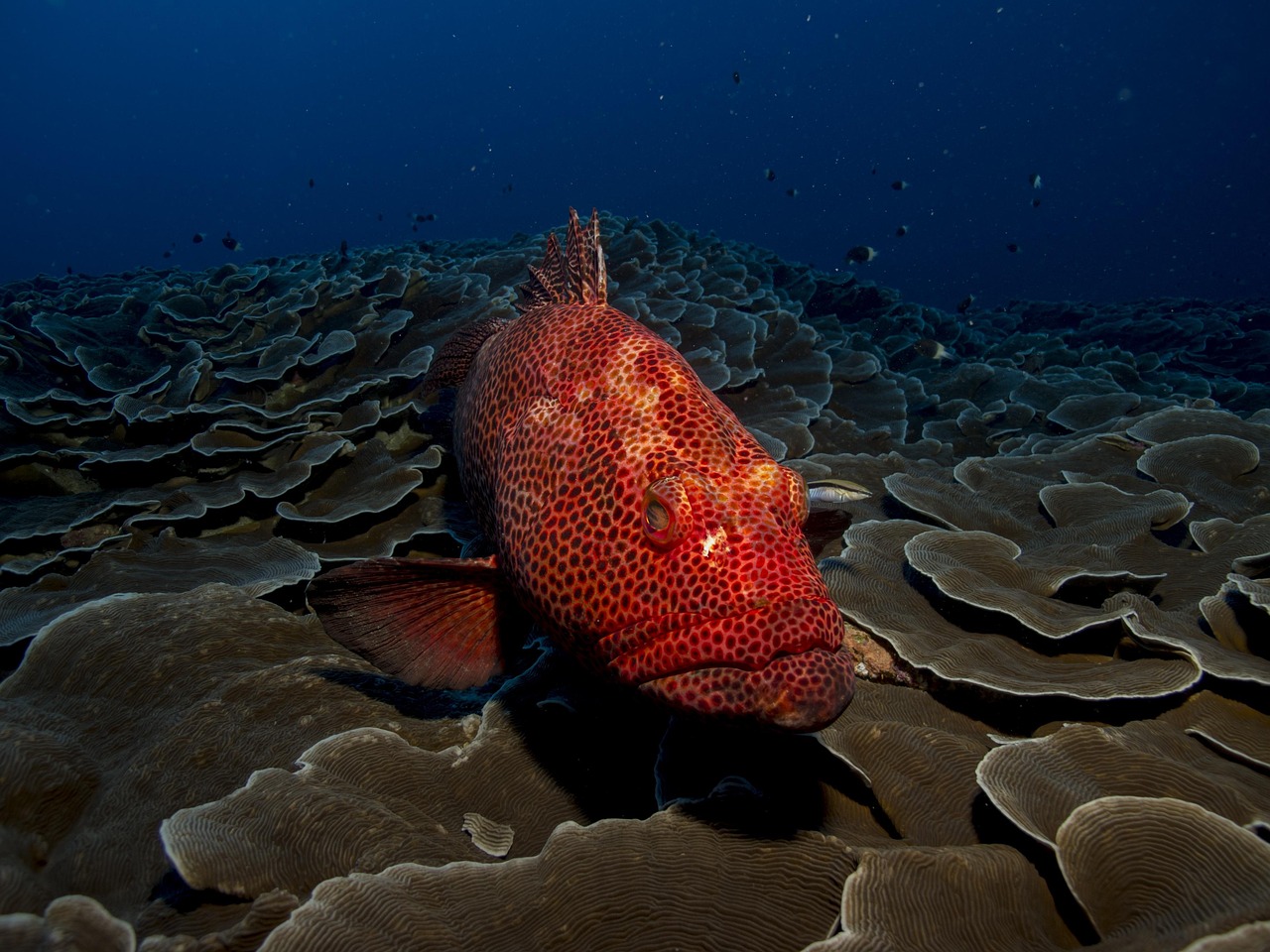
The favourite fish of the Gulf coast, served grilled, fried or cooked with spiced rice (machboos). Eastern Province fish restaurants usually let you pick the fish and the way it is cooked.
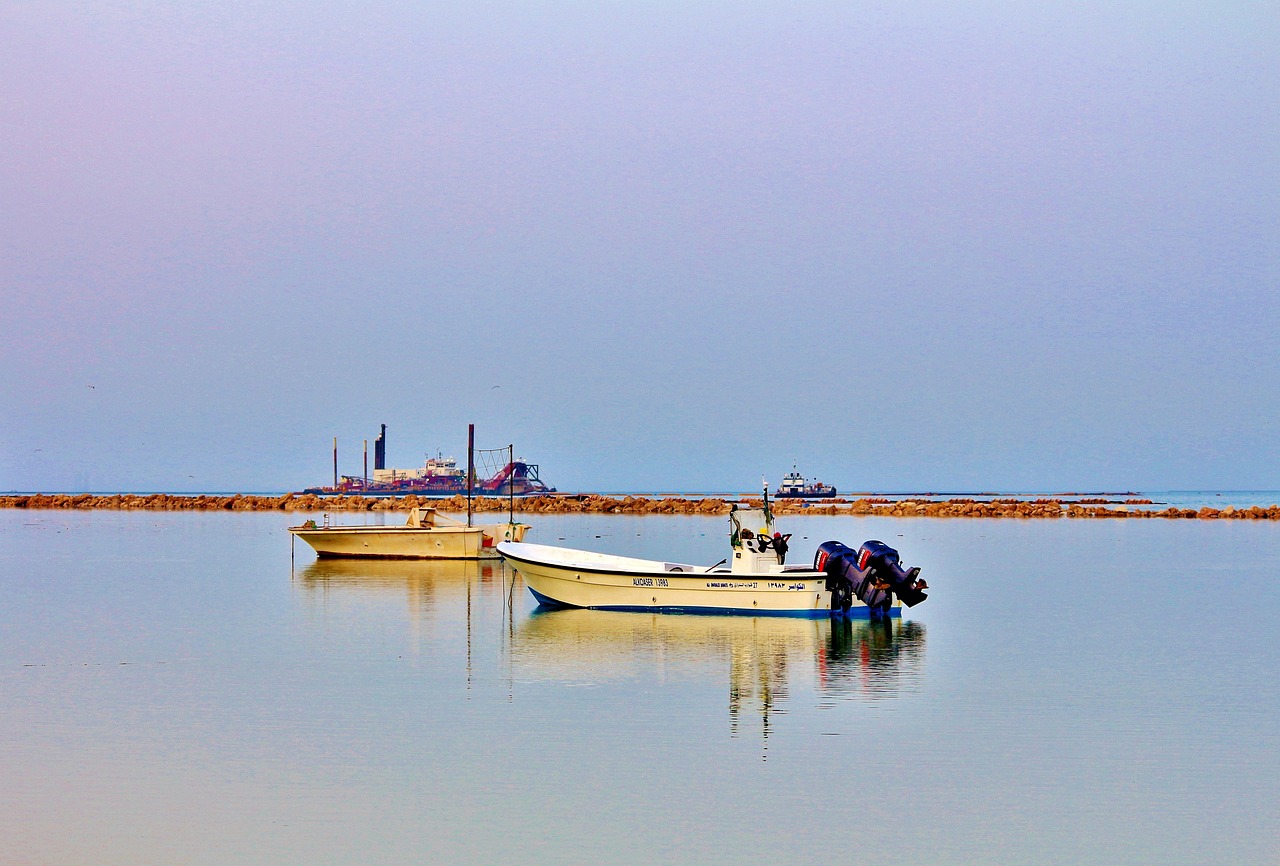
 Dammam, Saudi Arabia
The capital of Saudi Arabia's Eastern Province, on the Arabian Gulf: a modern port city of long seafront parks, island gardens and family promenades, next door to Al Khobar and Dhahran, where the kingdom's oil story began.
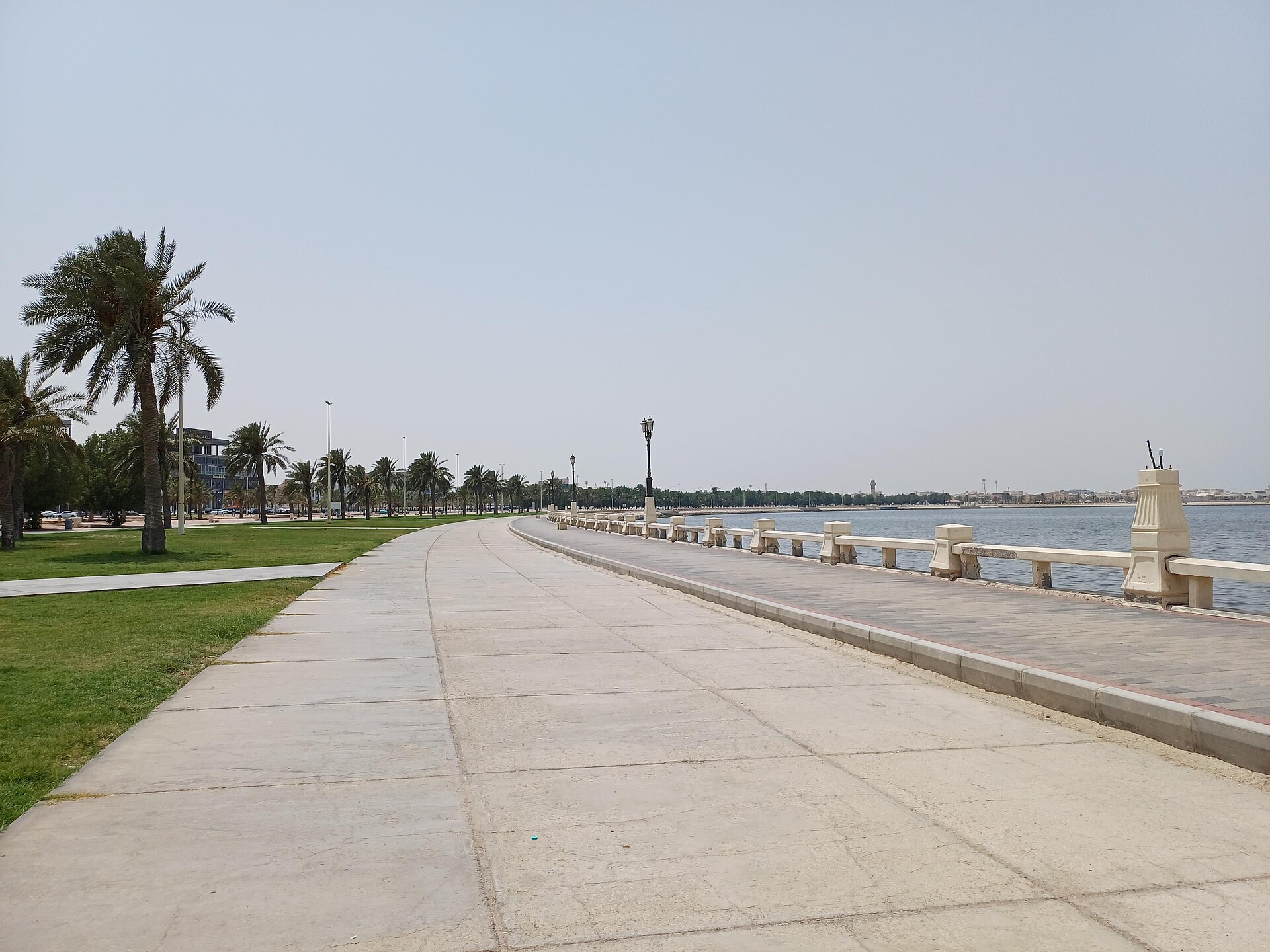
Waterfront, Park
Dammam, Saudi Arabia
Dammam's long seafront promenade on the Arabian Gulf, lined with lawns, playgrounds, walking and cycling paths and cafés — the city's favourite place to spend the evening.
Explore Dammam CornicheHeritage, Restaurant
Dammam, Saudi Arabia
A restaurant and heritage complex near the Dammam seafront, built in the style of a traditional Gulf village and filled with old objects — a popular place to try Saudi and Gulf dishes in a traditional setting.
Explore Heritage Village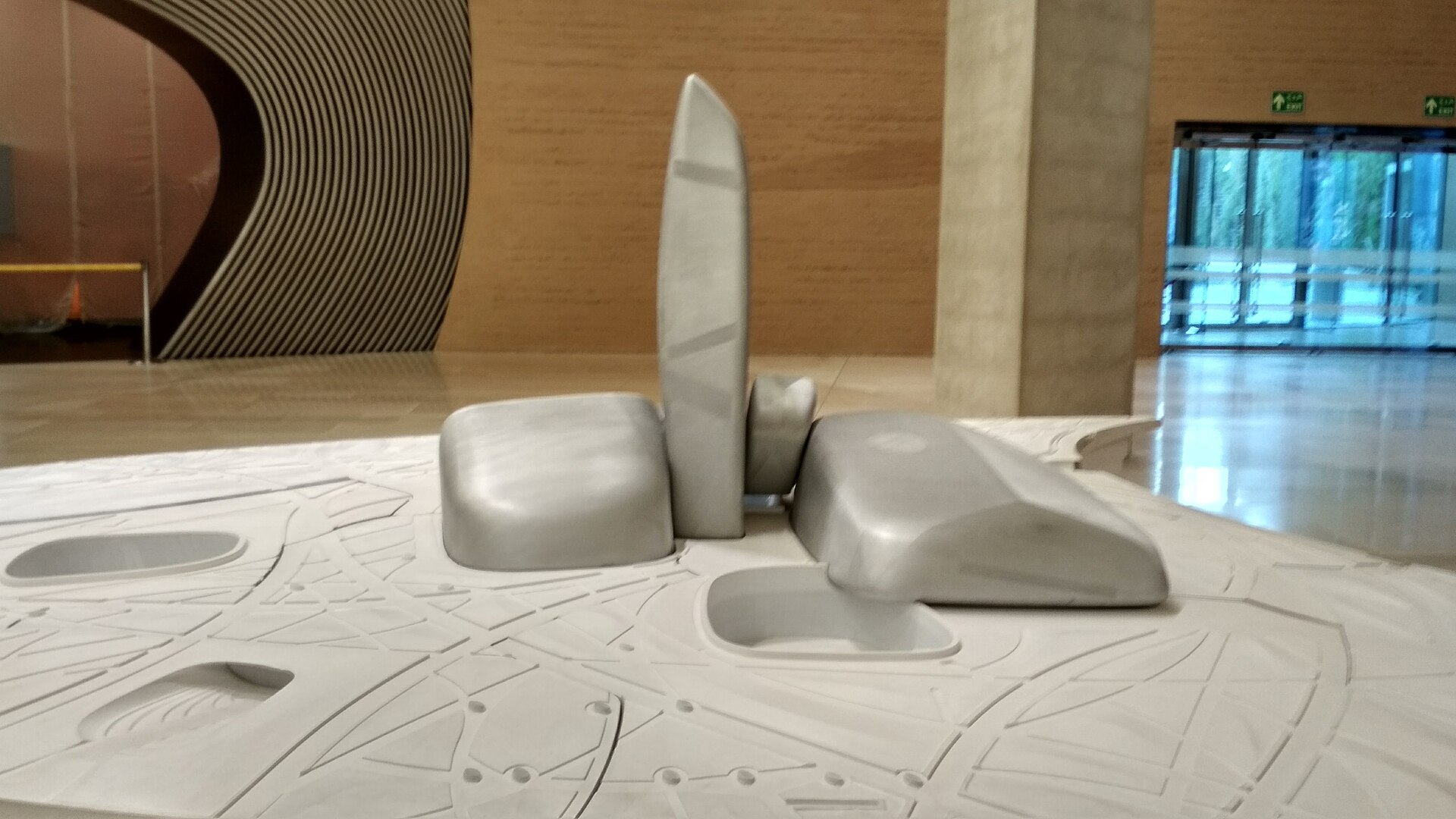
Museum, Culture
Dammam, Saudi Arabia
Saudi Aramco's landmark cultural centre in Dhahran, a short drive from Dammam: museums, a library, a cinema, a theatre and exhibitions inside a striking building of stacked stone-like forms, next to the well where Saudi oil was first found.
Explore Ithra (King Abdulaziz Center for World Culture)Waterfront, Park
Dammam, Saudi Arabia
A landscaped stretch of the Dammam seafront with walking paths, green spaces and places to sit by the water — another favourite for evening walks and family outings.
Explore King Abdullah WaterfrontPark, Waterfront
Dammam, Saudi Arabia
A man-made island garden off the Dammam Corniche, reached by a bridge, with lawns, walking paths and views back over the city across the water.
Explore Marjan IslandWaterfront, Leisure
Dammam, Saudi Arabia
A seafront spot on the Dammam coast for relaxing by the water, popular for evening outings, sea views and a coffee in the breeze.
Explore Takyt BaharHeritage, Restaurant
Dammam, Saudi Arabia
A restaurant and heritage complex near the Dammam seafront, built in the style of a traditional Gulf village and filled with old objects — a popular place to try Saudi and Gulf dishes in a traditional setting.
Explore Heritage VillageMuseum, Culture
Dammam, Saudi Arabia
Saudi Aramco's landmark cultural centre in Dhahran, a short drive from Dammam: museums, a library, a cinema, a theatre and exhibitions inside a striking building of stacked stone-like forms, next to the well where Saudi oil was first found.
Explore Ithra (King Abdulaziz Center for World Culture)Dammam, Saudi Arabia
The favourite fish of the Gulf coast, served grilled, fried or cooked with spiced rice (machboos). Eastern Province fish restaurants usually let you pick the fish and the way it is cooked.
Dammam, Saudi Arabia
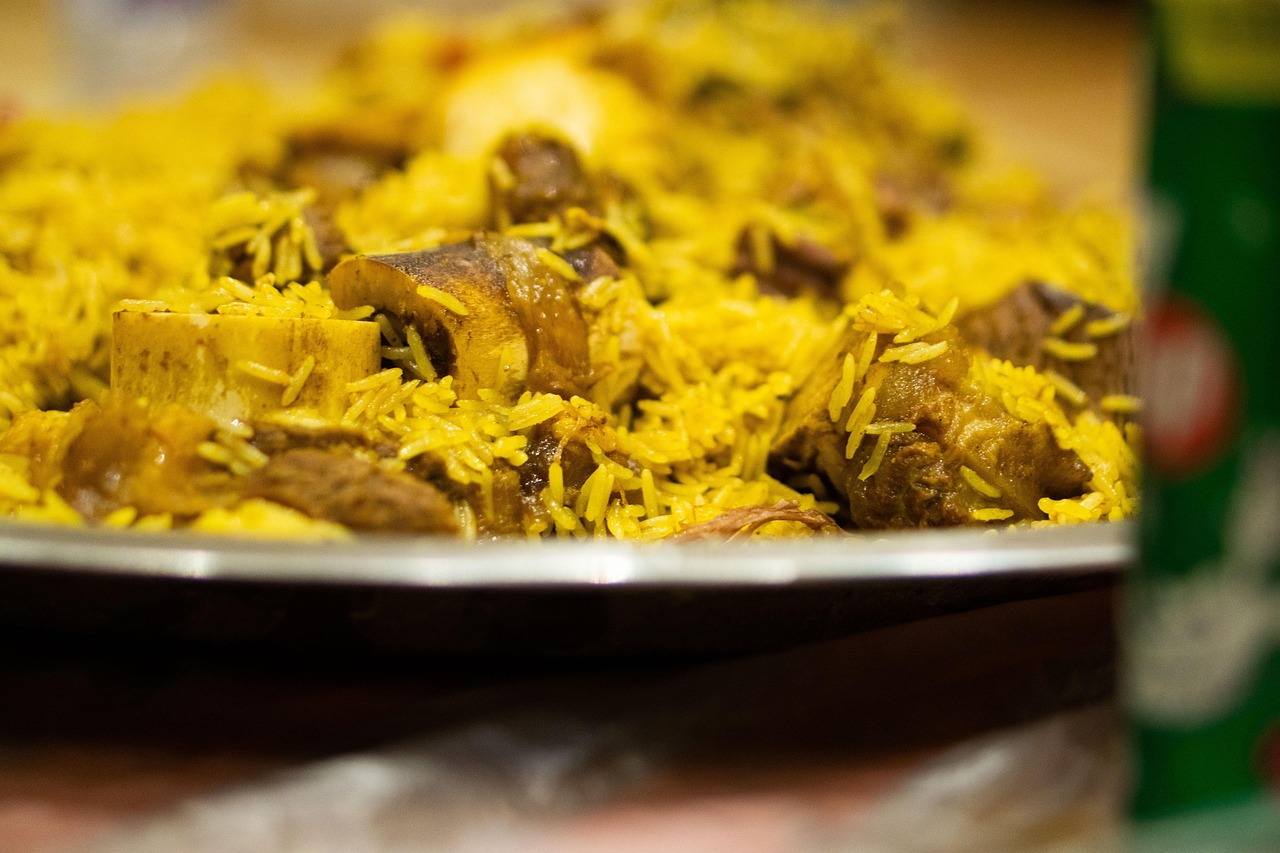
The Gulf cousin of kabsa: rice cooked with dried black lime (loomi), spices and chicken, lamb or fish. Common across the Eastern Province and the other Gulf states.
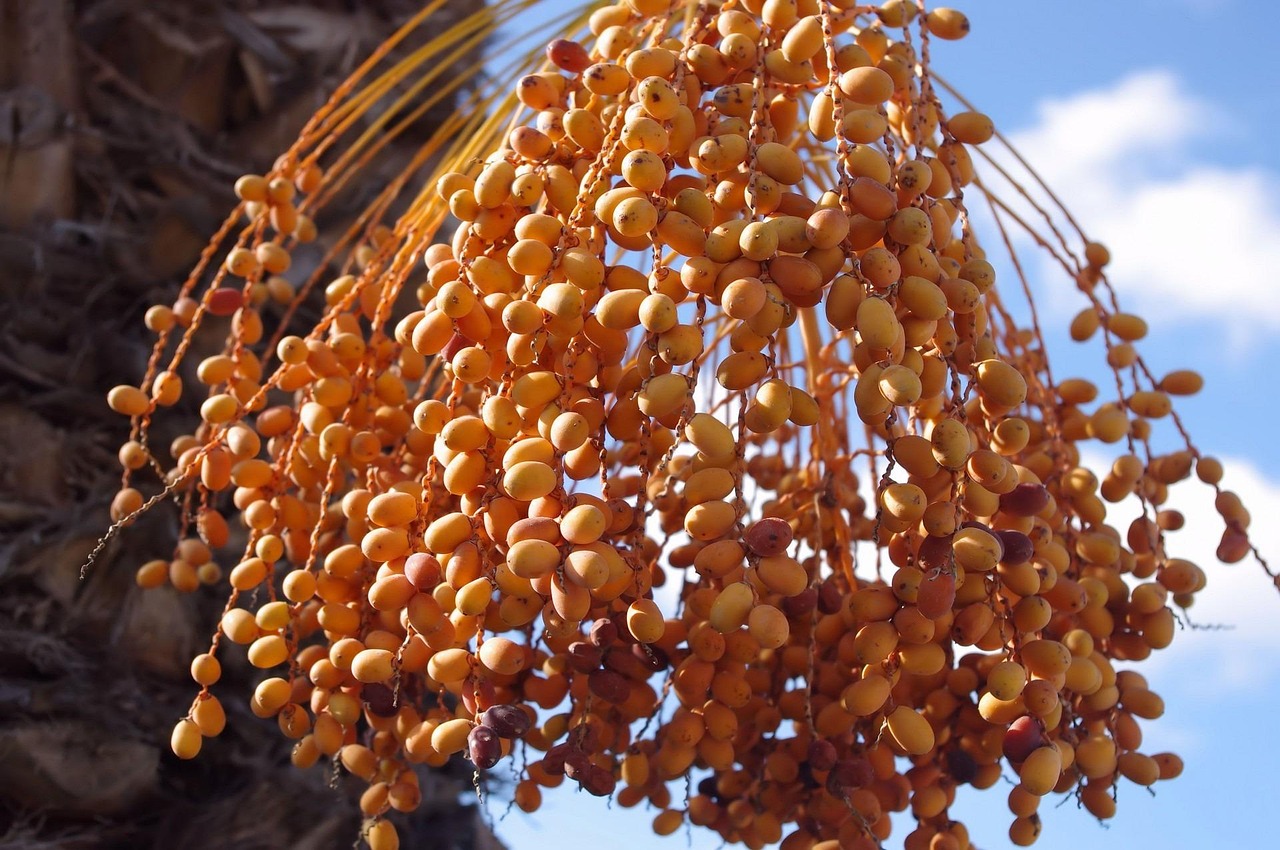
Dammam, Saudi Arabia
The oasis of Al-Ahsa in the Eastern Province is one of the largest date-growing areas in the world. Its khalas dates, soft and caramel-sweet, are sold in every market and served with coffee.
Along the seafront, north Dammam
Coffee shops, juice bars and snack kiosks line the Corniche; in the evenings families picnic on the lawns and the whole seafront fills up.
Open in Google Maps (opens in a new tab)Dammam and Al Khobar
Fish restaurants across the two cities serve the catch of the Gulf — hamour, shrimp and other local fish — grilled, fried or with machboos rice. Many let you choose your fish from the counter.
Open in Google Maps (opens in a new tab)Facing the Al Khobar Corniche
Al Khobar's best-known restaurant and café street, running parallel to the Corniche, with Saudi, Gulf, Middle Eastern and international food and outdoor seating in the cooler months.
Open in Google Maps (opens in a new tab)Dammam, Saudi Arabia
Hotels and apartments along the seafront on the north side of Dammam, close to Marjan Island, the Corniche parks and seafront cafés.
Open in Google Maps (opens in a new tab)Dammam, Saudi Arabia
Business hotels in the older centre and along King Saud and King Fahd roads, near the markets, the railway station and the main roads to Al Khobar and the airport.
Open in Google Maps (opens in a new tab)Dammam, Saudi Arabia
The liveliest place to stay in the Eastern Province: hotels facing the sea, with the Corniche, cafés and restaurants on the doorstep and the King Fahd Causeway a short drive away.
Open in Google Maps (opens in a new tab)The Eastern Province mixes Gulf coastal traditions — fishing, pearling and seafaring — with the international community that grew up around the oil industry. Family life centres on the seafront: on weekend evenings the Corniche lawns fill with picnics, barbecues and coffee. The region's dates, seafood and Gulf-style rice dishes are a point of pride.
Before oil, the coast here was a land of small fishing and pearling settlements. In 1923 members of the Al Dawasir tribe, arriving from Bahrain, settled the area that became Dammam, and the town grew slowly around fishing and trade.
Everything changed in 1938, when oil was struck in commercial quantities at Dammam Well No. 7 in nearby Dhahran. The discovery turned the region into the heart of the Saudi oil industry; Dammam gained a deep-water port, a railway to Riyadh and became the provincial capital.
Today Dammam forms one metropolitan area with Al Khobar and Dhahran. It is a busy commercial city and a gateway to Bahrain across the King Fahd Causeway, with a long Corniche that comes alive every evening.
Walk the Dammam Corniche, cross to Marjan Island for the gardens, and have dinner at the Heritage Village or a seafood restaurant.
Spend the morning at Ithra in Dhahran, including the Prosperity Well where the oil was found, then the King Abdullah Waterfront and Takyt Bahar in the evening.
Drive to Al Khobar for SCITECH and the Corniche, lunch on Prince Turki Street and an afternoon at the beach in Half Moon Bay.
November to March, when days are warm and evenings pleasant for the Corniche. Summer (June to September) is very hot and humid; plan for indoor sights then.
By air: King Fahd International Airport (DMM) is north-west of the city, roughly 30–45 minutes by car from central Dammam. It has domestic flights from across the kingdom and international routes, especially to the Gulf, Asia and Europe.
By rail: Saudi Arabia Railways runs passenger trains between Dammam and Riyadh, stopping at Al-Ahsa (Hofuf) — a comfortable alternative to the highway.
By road: Riyadh is about 400 km west by highway. From Bahrain, the King Fahd Causeway (about 25 km of bridges and embankments, opened in 1986) lands near Al Khobar, a short drive from Dammam; border formalities are done on the island in the middle.
Dammam, Al Khobar and Dhahran run into one another along wide highways — King Fahd Road, the Dammam–Khobar Highway and the coast road. Most visitors use Uber, Careem or taxis, or hire a car; distances are short but walking between areas is rarely practical, especially in summer. City buses run on some main roads.
The airport is far from the city: arrange a taxi or ride-hailing car, or a hotel transfer.