Areeka
Najran, Saudi Arabia
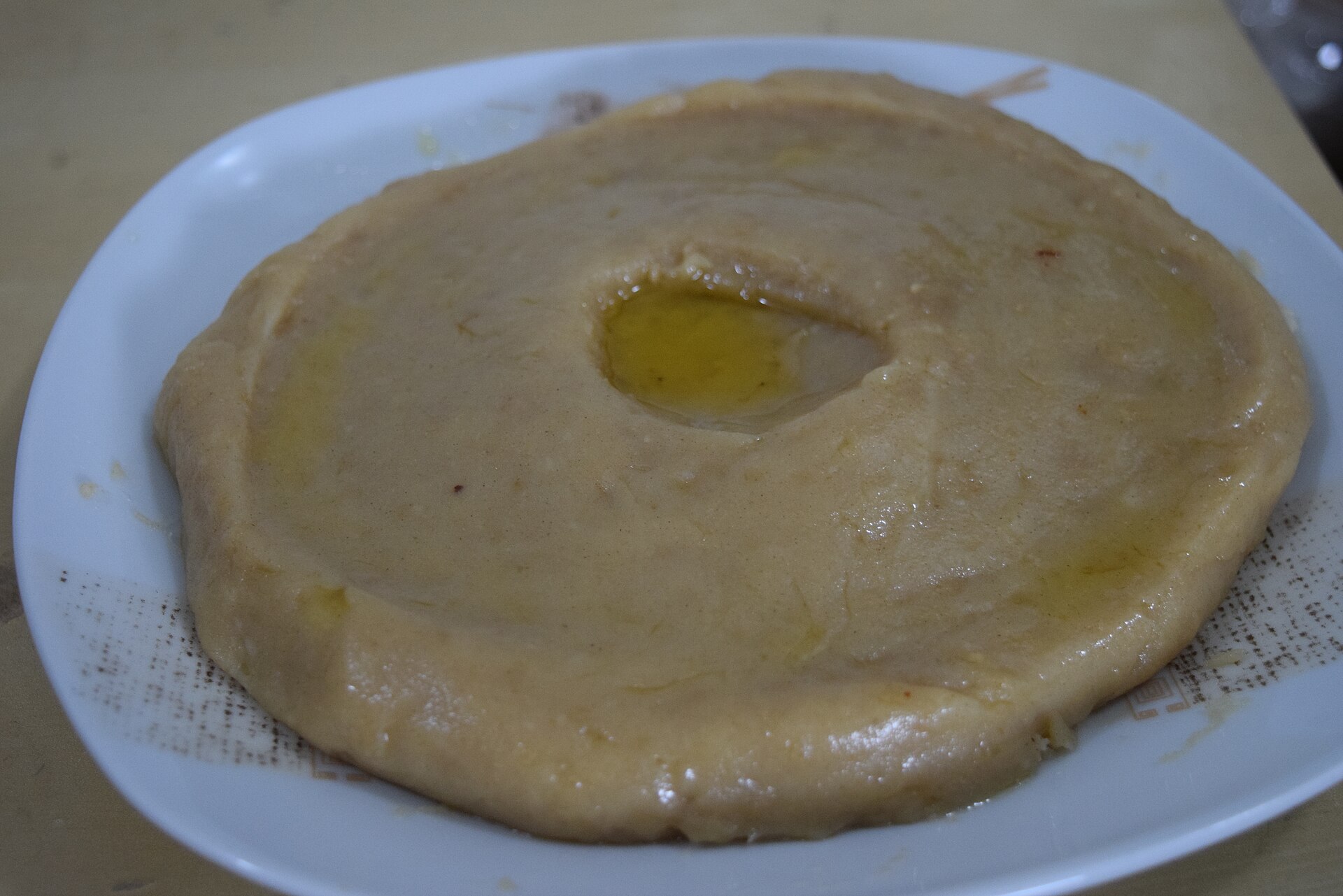
A southern speciality of whole-wheat dough kneaded with ghee and shaped into a mound with a hollow in the middle, filled with honey or date syrup. Eaten with the hands, usually at breakfast or for guests.
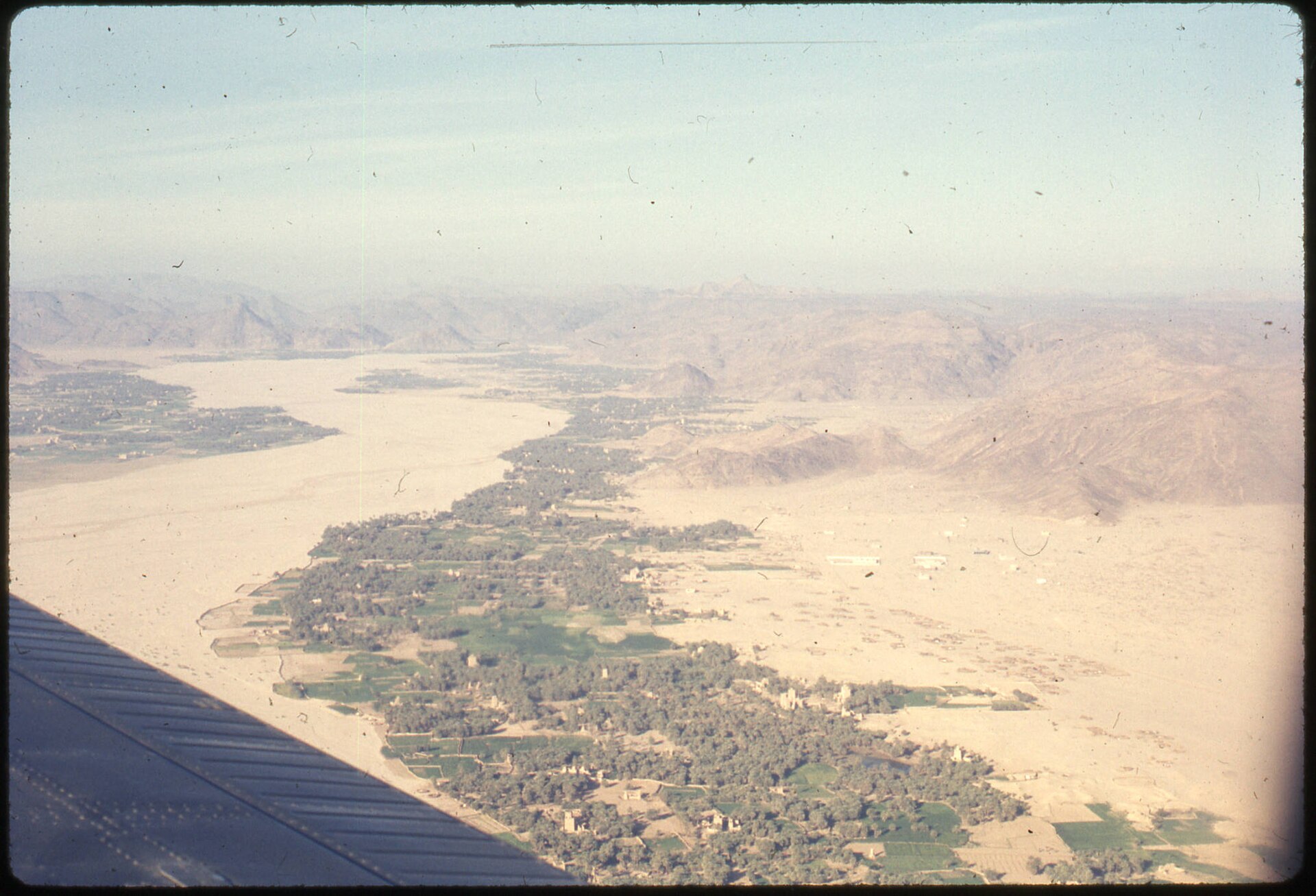
 Najran, Saudi Arabia
An oasis city in Saudi Arabia’s far south-west, along a long valley of palm groves, with tall mud-brick tower houses, the ancient city of Al-Ukhdood and the UNESCO rock art of Hima nearby.
Heritage, Palace
Najran, Saudi Arabia
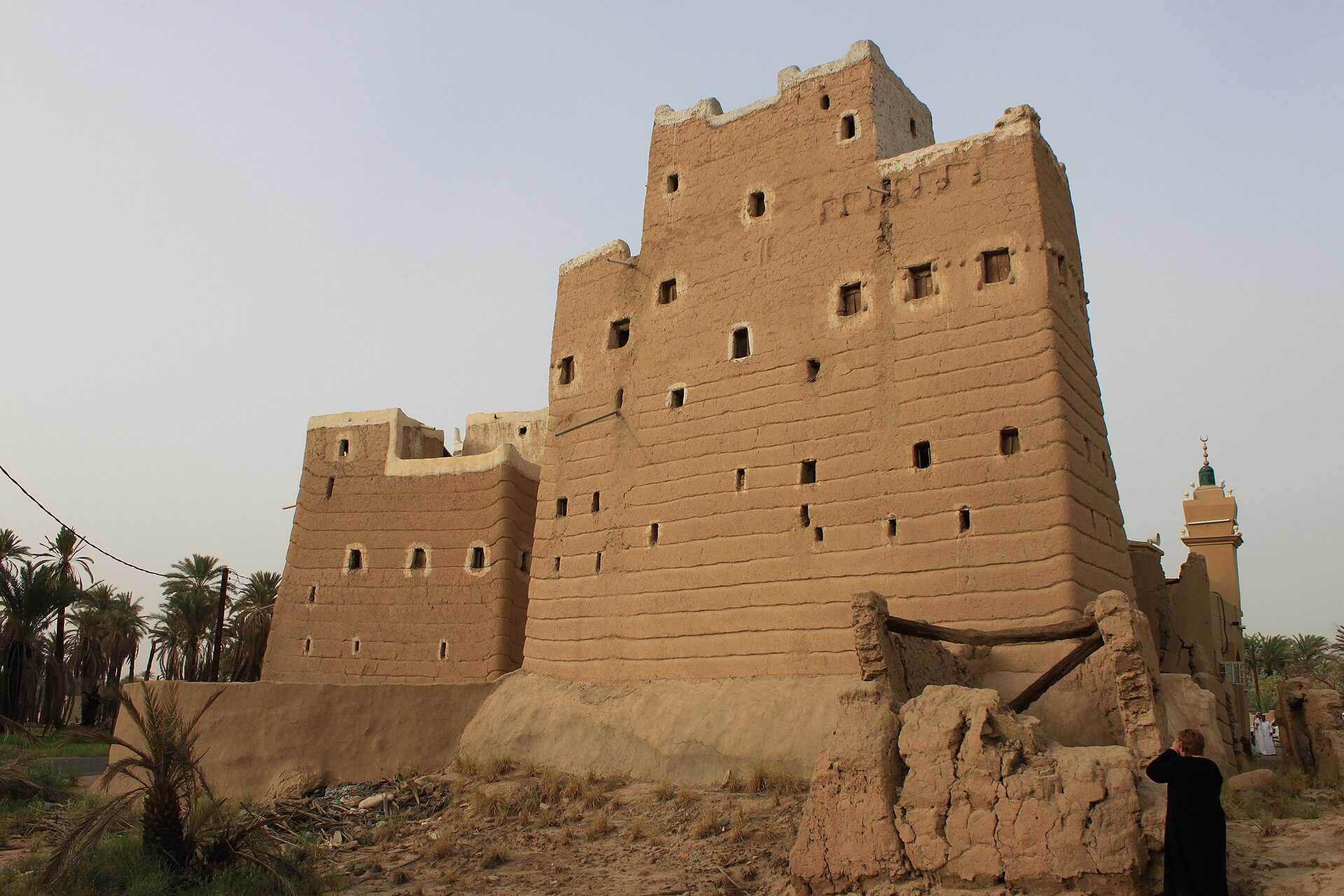
A traditional mud-brick palace in Najran, built in the tall, whitewash-trimmed style of the region and a good example of its heritage architecture.
Explore Al Manjam PalaceHeritage, Palace
Najran, Saudi Arabia
A tall mud-brick palace on a rocky hill above the palm groves of Wadi Najran, one of the most photographed buildings in the south of Saudi Arabia.
Explore Al-Aan Palace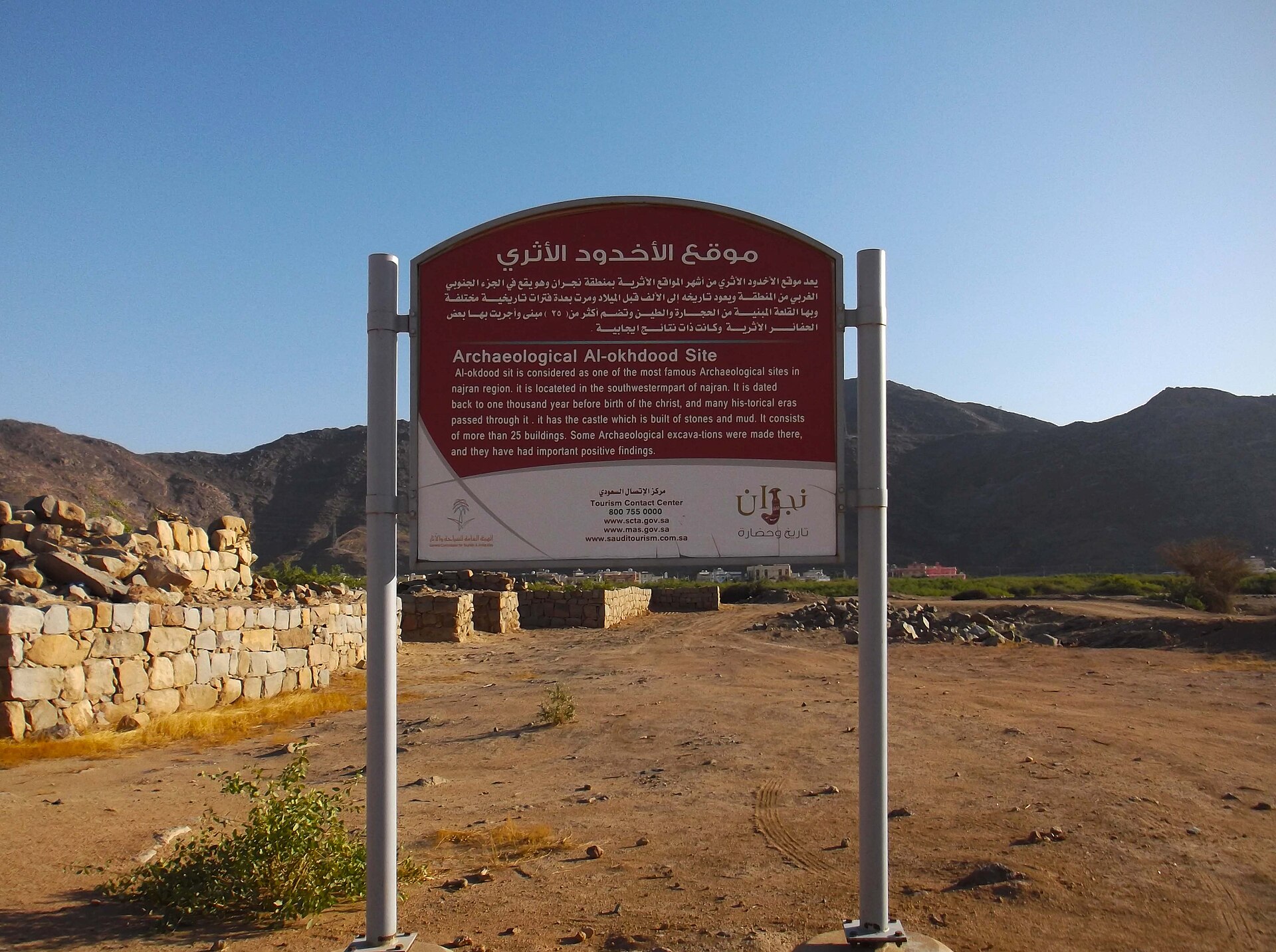
Archaeology, Heritage
Najran, Saudi Arabia
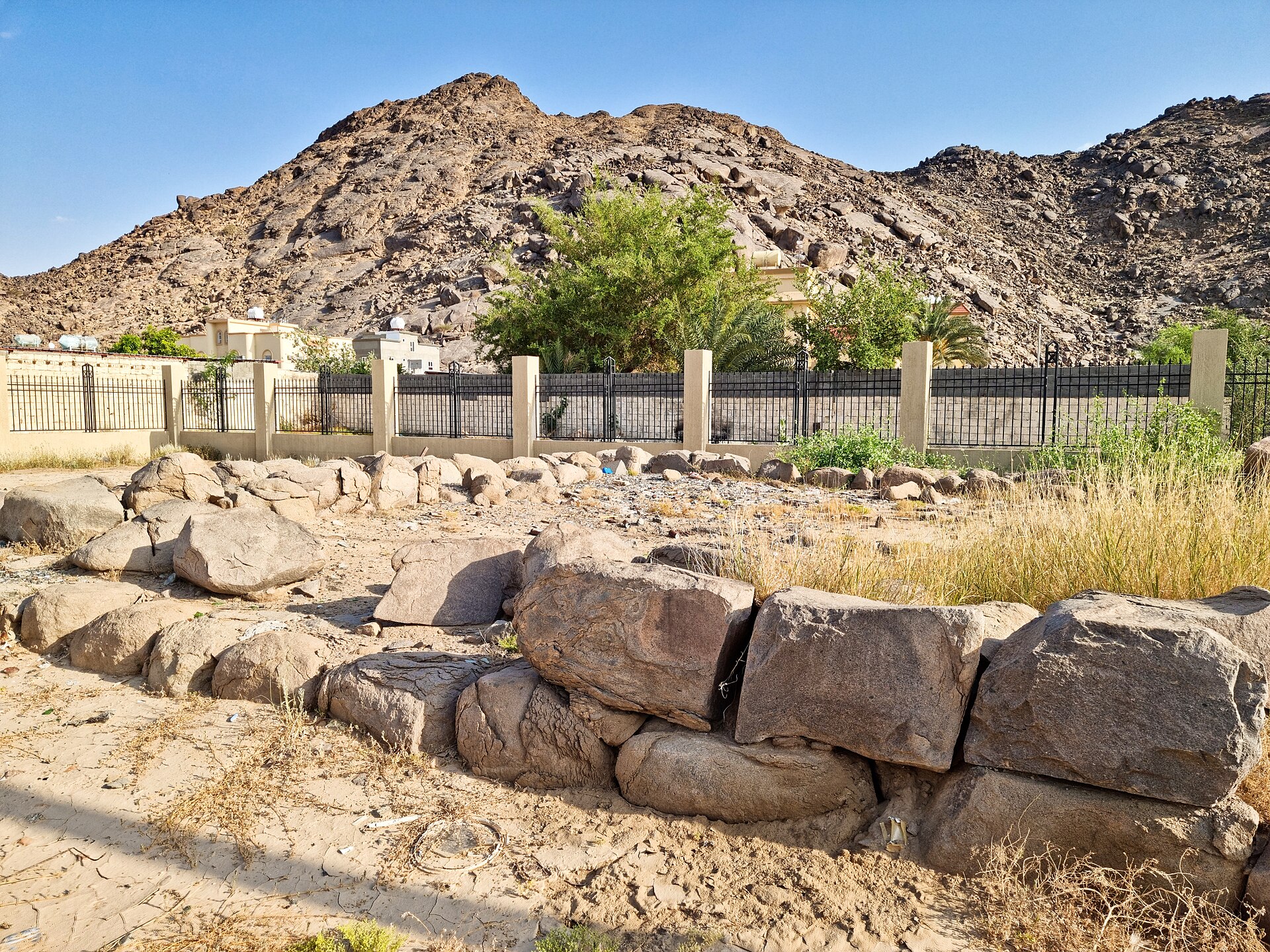
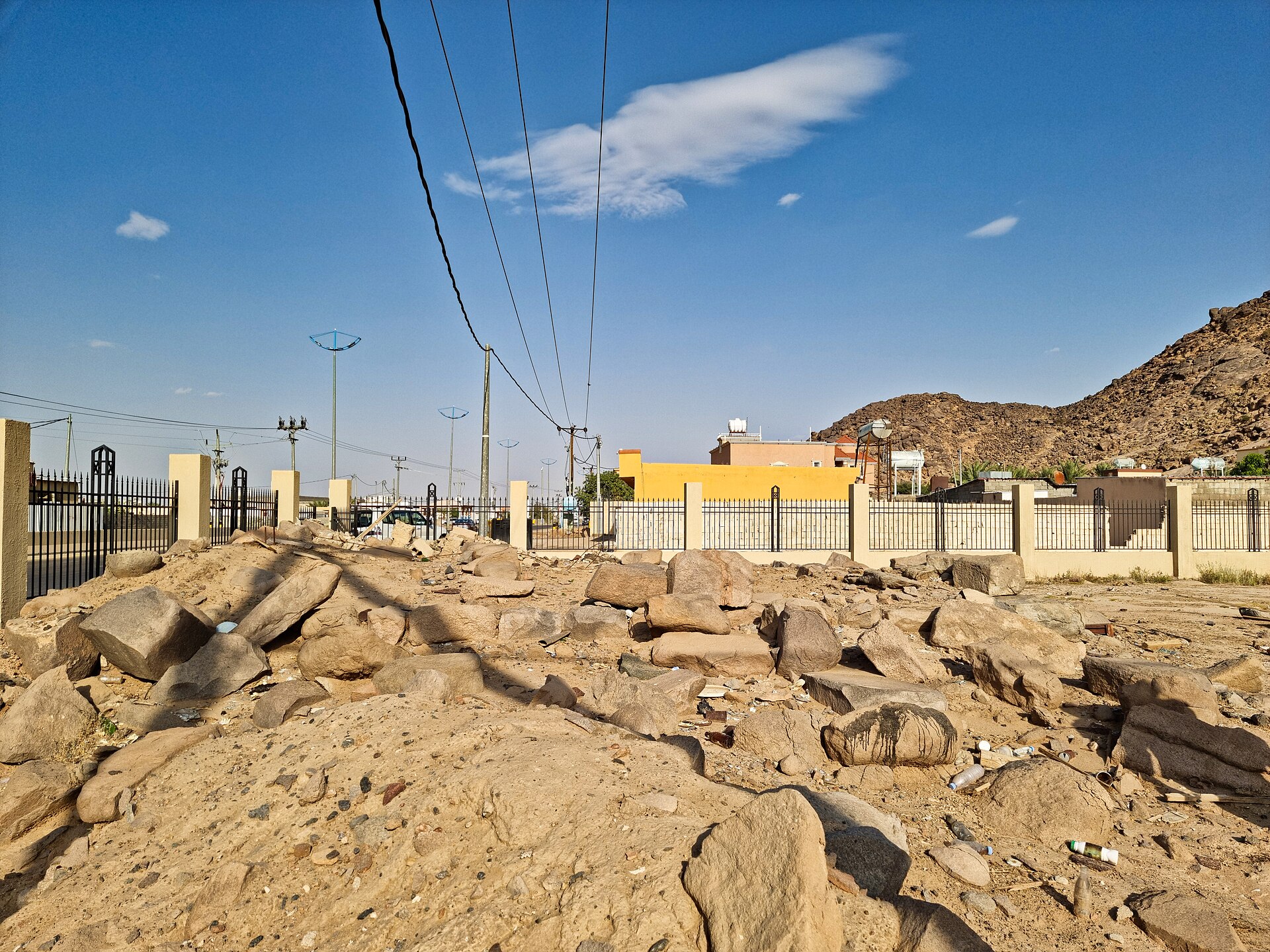
The ruins of the ancient city of Najran on the incense trade route, with stone foundations, inscriptions and carvings. Linked to the Quranic story of the People of the Ditch.
Explore Al-Ukhdood Archaeological Site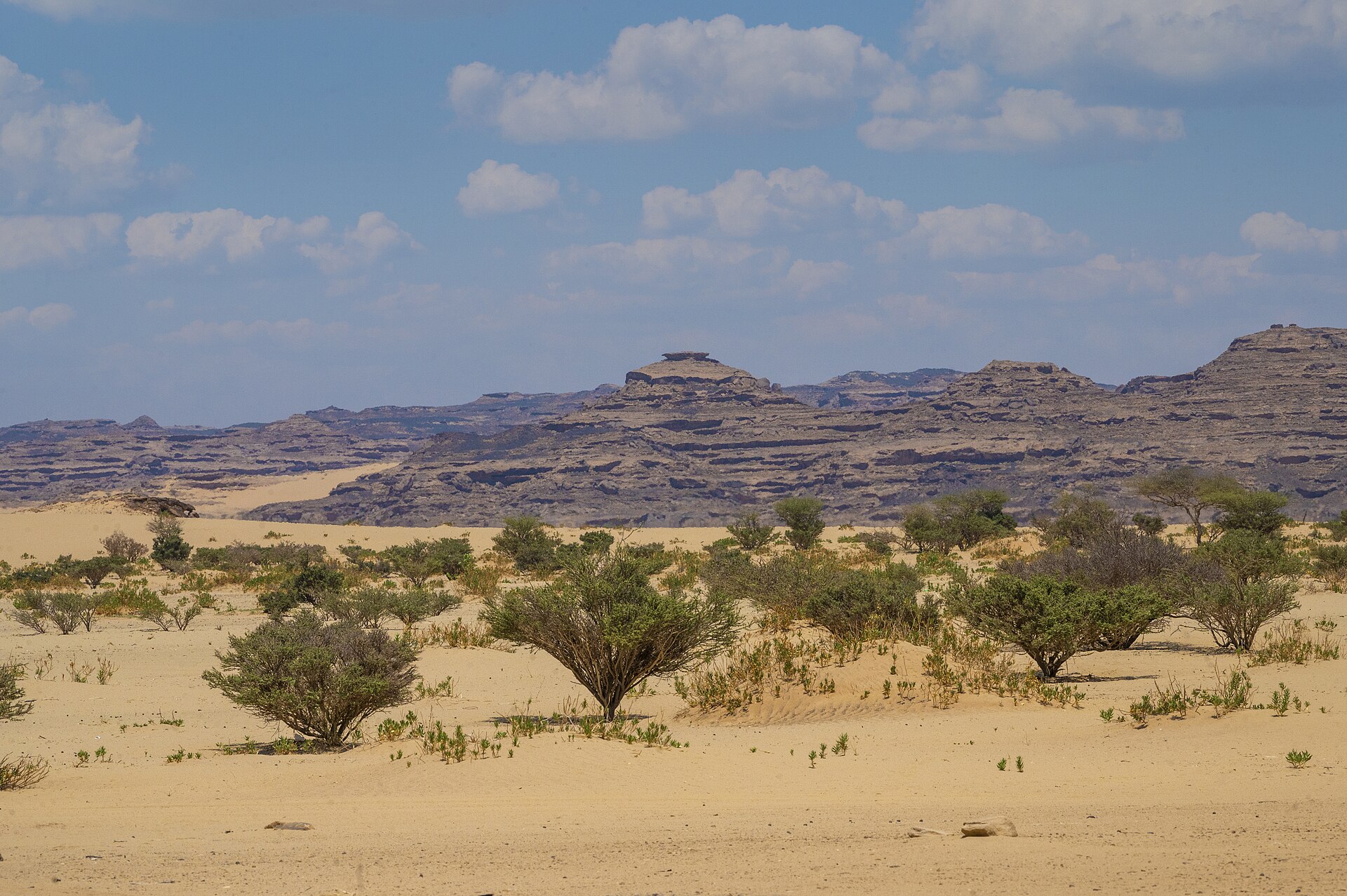
Archaeology, UNESCO
Najran, Saudi Arabia
A remote landscape north of Najran with thousands of ancient rock carvings and inscriptions around old desert wells, inscribed as a UNESCO World Heritage Site in 2021.
Explore Hima Cultural Area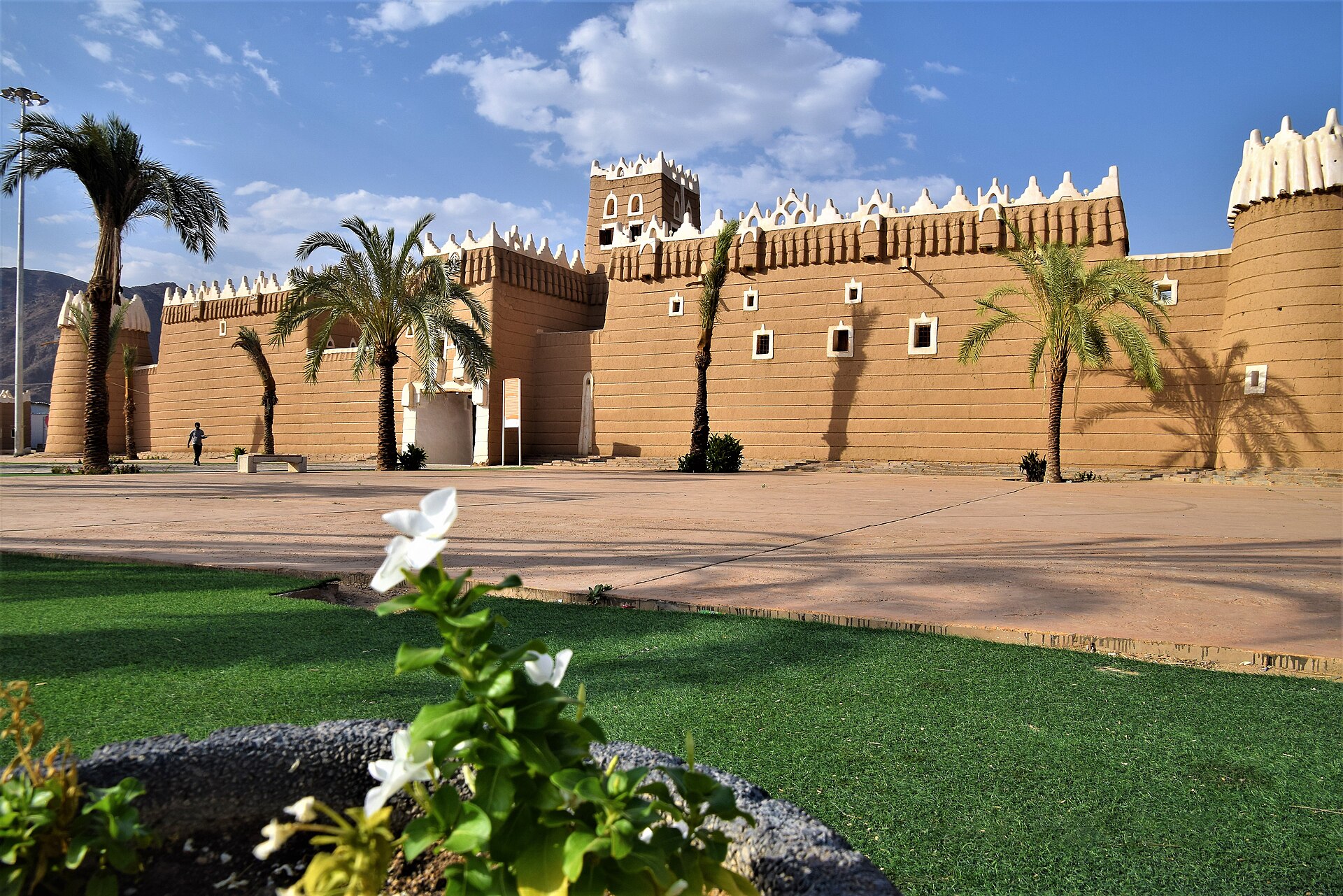
Heritage, Palace
Najran, Saudi Arabia
A large mud-brick palace in the old centre of Najran, built in the 1940s as the seat of the regional governor, with towers, courtyards and many rooms.
Explore Historical Palace of the EmirateMuseum
Najran, Saudi Arabia
The region’s museum of archaeology and heritage, close to Al-Ukhdood, with finds from the ancient city and displays on traditional life in Najran.
Explore Najran Regional MuseumHeritage, Palace
Najran, Saudi Arabia
A traditional mud-brick palace in Najran, built in the tall, whitewash-trimmed style of the region and a good example of its heritage architecture.
Explore Al Manjam PalaceHeritage, Palace
Najran, Saudi Arabia
A tall mud-brick palace on a rocky hill above the palm groves of Wadi Najran, one of the most photographed buildings in the south of Saudi Arabia.
Explore Al-Aan PalaceArchaeology, Heritage
Najran, Saudi Arabia
The ruins of the ancient city of Najran on the incense trade route, with stone foundations, inscriptions and carvings. Linked to the Quranic story of the People of the Ditch.
Explore Al-Ukhdood Archaeological SiteArchaeology, UNESCO
Najran, Saudi Arabia
A remote landscape north of Najran with thousands of ancient rock carvings and inscriptions around old desert wells, inscribed as a UNESCO World Heritage Site in 2021.
Explore Hima Cultural AreaHeritage, Palace
Najran, Saudi Arabia
A large mud-brick palace in the old centre of Najran, built in the 1940s as the seat of the regional governor, with towers, courtyards and many rooms.
Explore Historical Palace of the EmirateMuseum
Najran, Saudi Arabia
The region’s museum of archaeology and heritage, close to Al-Ukhdood, with finds from the ancient city and displays on traditional life in Najran.
Explore Najran Regional MuseumNajran, Saudi Arabia
A southern speciality of whole-wheat dough kneaded with ghee and shaped into a mound with a hollow in the middle, filled with honey or date syrup. Eaten with the hands, usually at breakfast or for guests.
Najran, Saudi Arabia
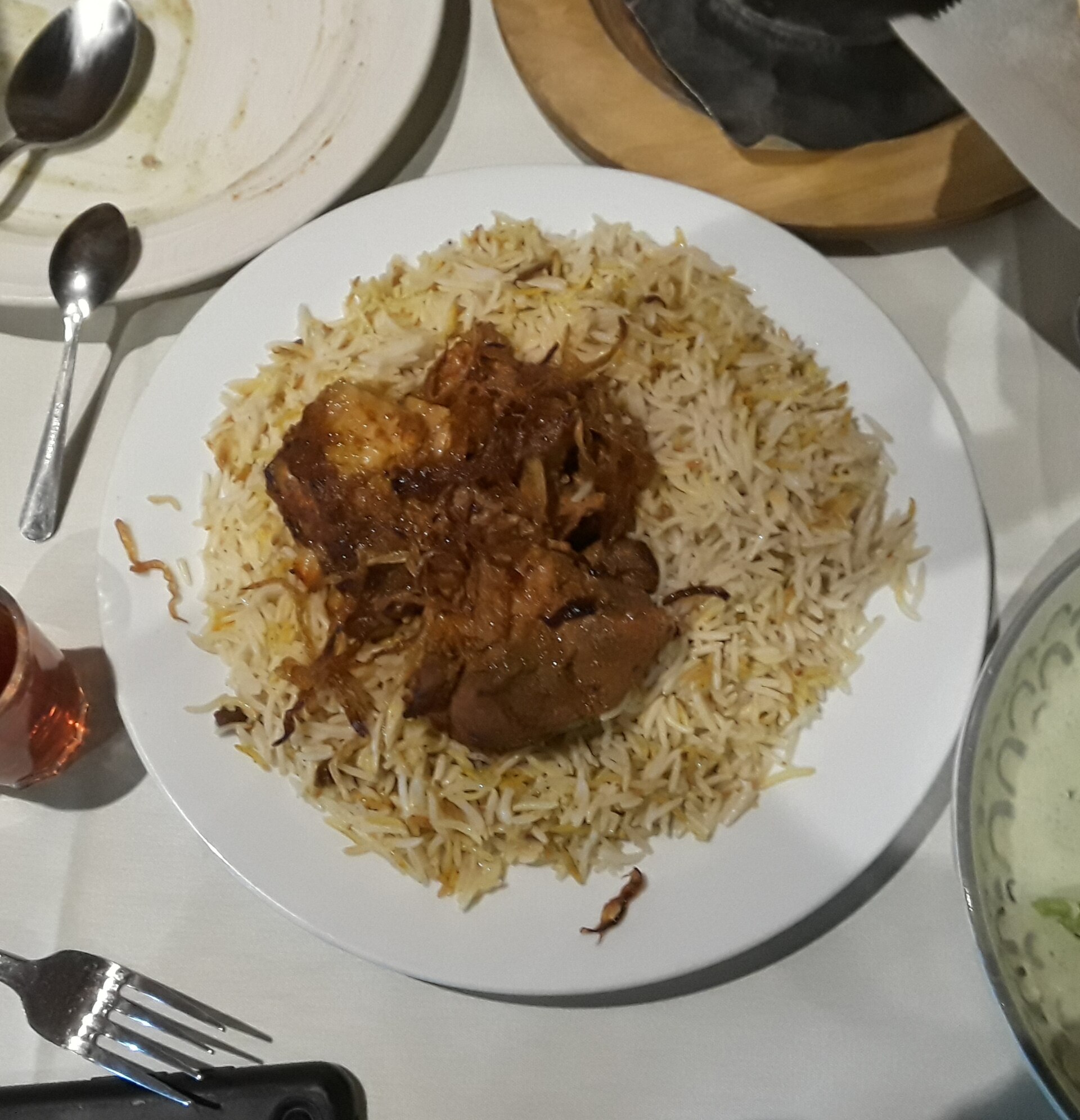
Lamb slow-roasted until it falls off the bone, served over spiced rice — a dish of the south-western regions, often made for celebrations.

Najran, Saudi Arabia
The south-west of the Kingdom is known for its honey from sidr and wildflower blossom. It is sold in markets and eaten with bread, areeka or simply with coffee.
Older part of Najran, near the Emirate Palace
The old market area sells local honey, dates, spices, incense and crafts such as silver and traditional daggers, with small restaurants and tea stalls nearby.
Open in Google Maps (opens in a new tab)Central Najran
Local restaurants serving mandi, haneeth and kabsa, plus grills, bakeries and cafés. Most have family sections.
Open in Google Maps (opens in a new tab)Across the city
Najran’s palm groves and the honey of the south-west make good gifts to take home; buy from established shops in the souq or the main roads.
Open in Google Maps (opens in a new tab)Najran, Saudi Arabia
Hotels and furnished apartments near the main roads and the old market, a short drive from the Emirate Palace and Al-Ukhdood.
Open in Google Maps (opens in a new tab)Najran, Saudi Arabia
Quieter hotels and apartments near the palm groves of the wadi, closer to the mud-brick villages such as Al-Aan.
Open in Google Maps (opens in a new tab)Najran, Saudi Arabia
Practical for short visits and early flights, with easy road access to the rest of the city.
Open in Google Maps (opens in a new tab)Najran's identity is shaped by its tall mud-brick houses, decorated with whitewashed bands around the windows and roofs. Traditional crafts include silverwork, leather and the curved daggers worn on special occasions.
Hospitality, coffee and dates are at the heart of social life, and the valley's farms supply dates, fruit and the honey for which the south-west is known.
Najran grew along Wadi Najran, a fertile valley where water from the mountains feeds palm groves and farms. In ancient times it was an important stop on the incense trade routes between southern Arabia and the Mediterranean, and the city of Al-Ukhdood on the valley floor was its centre for many centuries.
The region is linked to the Quranic story of the “People of the Ditch” (Ashab al-Ukhdood). It later became part of the Islamic world, and its mud-brick villages, built in the distinctive style of south-west Arabia, grew along the wadi.
Najran became part of the Saudi state in the 1930s. The Emirate Palace in the old centre dates from that period. Today Najran is the capital of its region, known for its architecture, dates, honey and traditional crafts.
Al-Ukhdood Archaeological Site and the Najran Regional Museum, then the old souq.
The Historical Palace of the Emirate, Al-Aan Palace above the palm groves and Al Manjam Palace.
A guided day trip north to the UNESCO rock art and wells of Hima.
October to March, when days are warm and pleasant. Summers are very hot.