
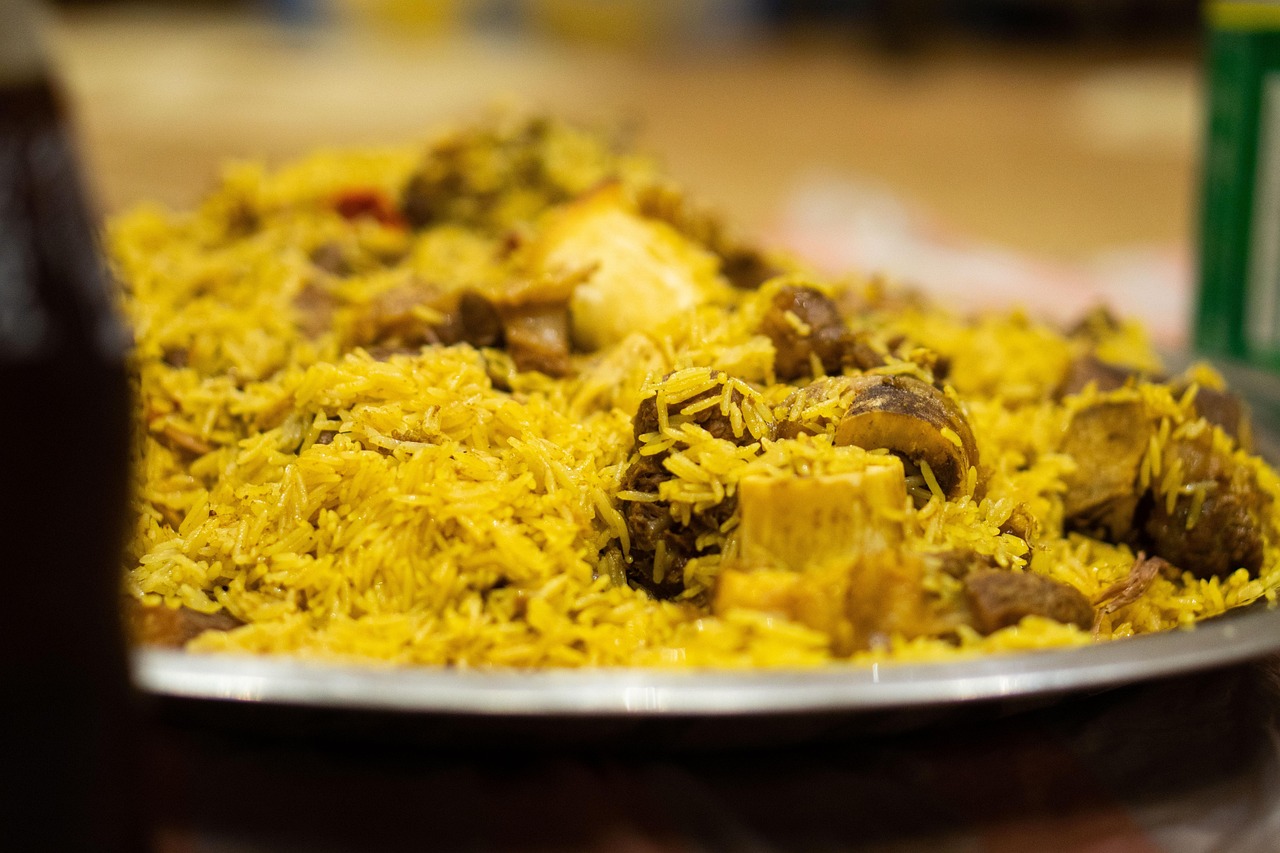
Kabsa
Tabuk, Saudi Arabia
The national dish: long-grain rice cooked in a spiced broth with chicken or lamb, served on a large shared platter with nuts, raisins and a tomato-chilli sauce (daqoos).
 Tabuk, Saudi Arabia
The gateway to north-west Saudi Arabia: a city with an Ottoman-era castle, a restored Hejaz Railway station and deep Islamic history, and the base for sandstone canyons like Wadi Al Disah and the rock-cut tombs of Al Bad’.
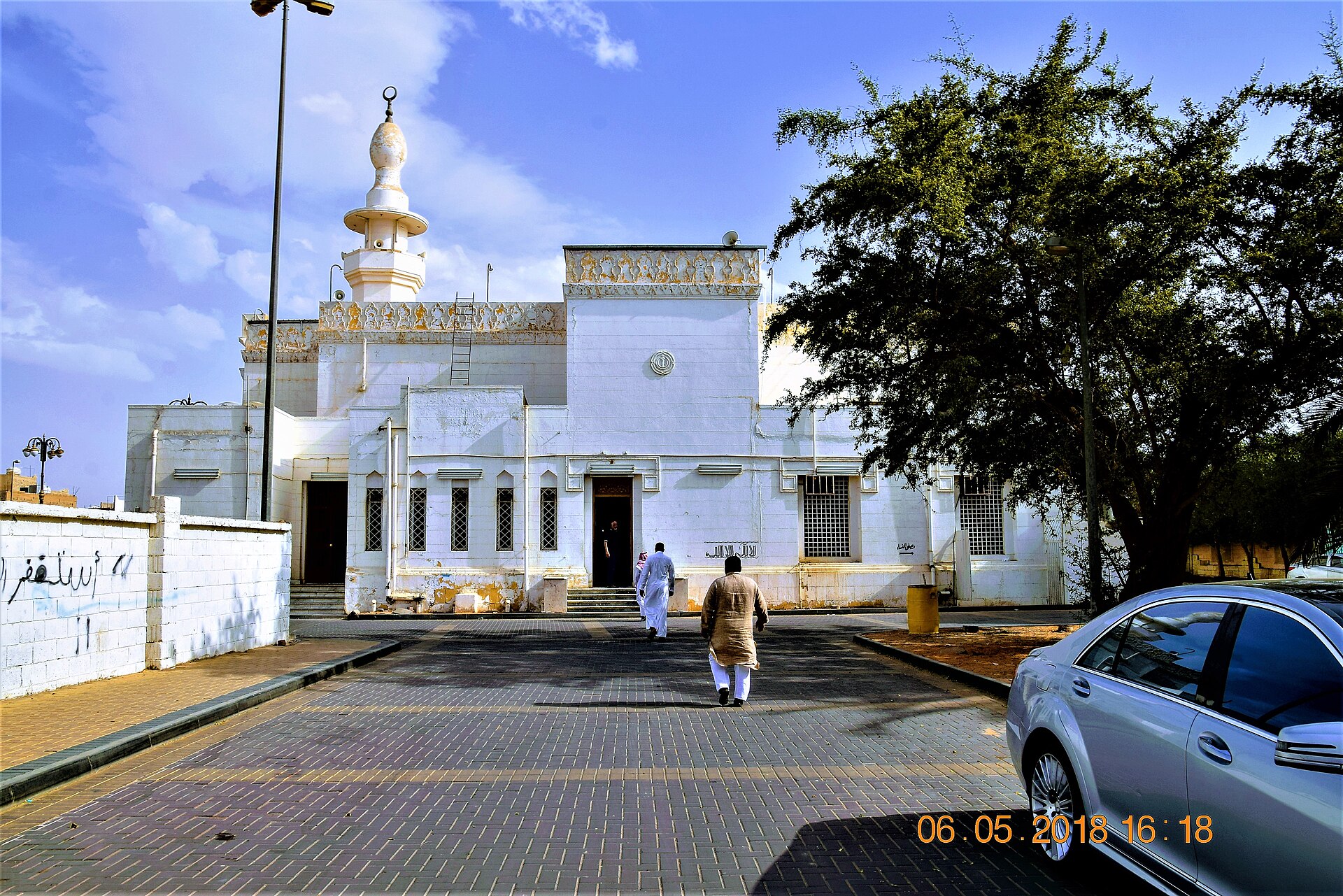
Mosque, Heritage
Tabuk, Saudi Arabia
A historic mosque in central Tabuk built where the Prophet Muhammad is said to have camped during the Tabuk expedition. Its name means “repentance”.
Explore Al-Tawbah Mosque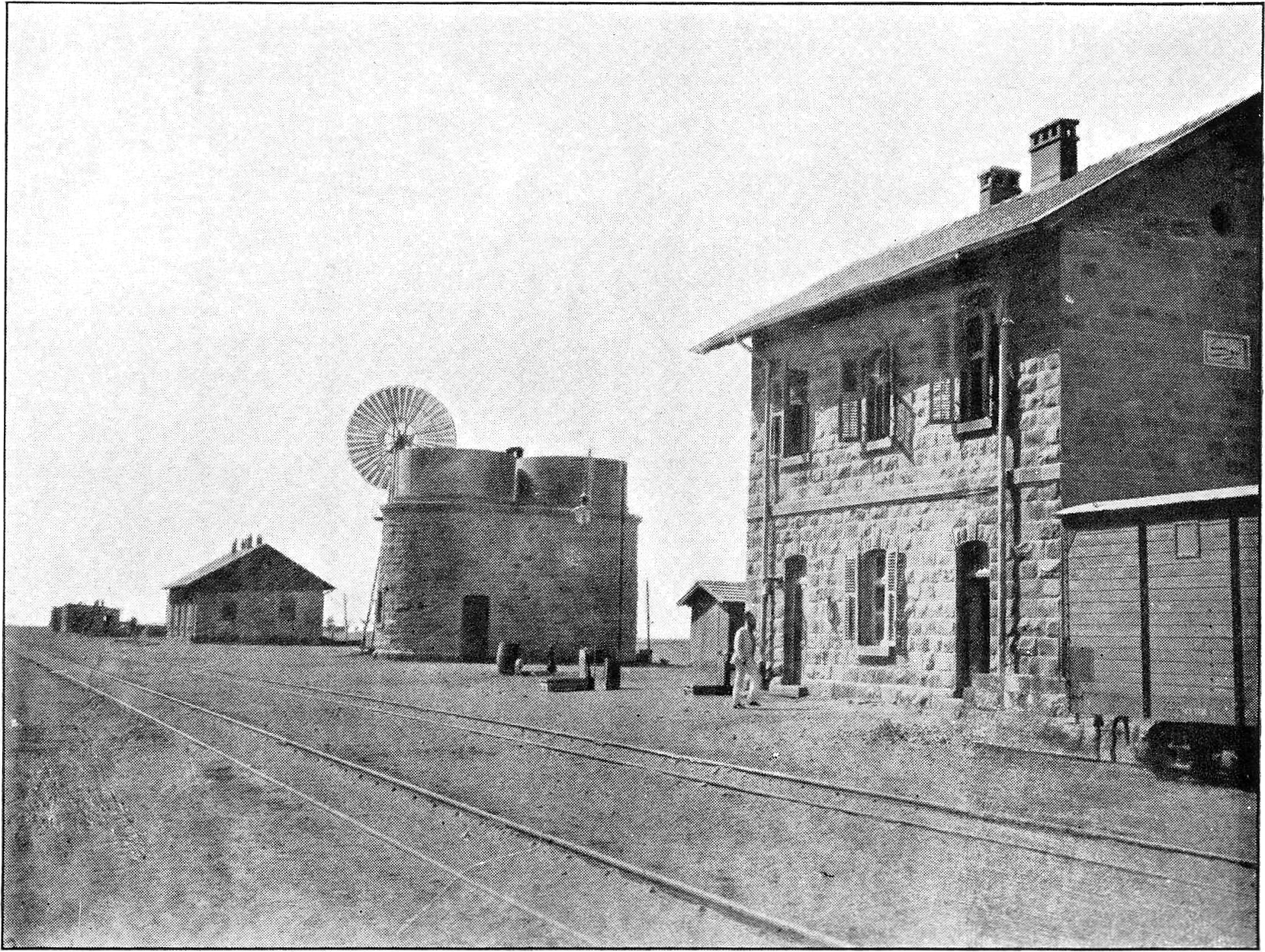
Heritage, Museum
Tabuk, Saudi Arabia
The restored stone station of the early 20th-century Hejaz Railway, which once carried pilgrims from Damascus to Medina. Old station buildings and rolling stock are on show.
Explore Hejaz Railway StationArchaeology, Day trip
Tabuk, Saudi Arabia
Nabataean tombs carved into sandstone cliffs near the town of Al Bad’, in the ancient land of Midian. Local tradition links the area with the Prophet Shuaib.
Explore Maghaer Shuaib, Al Bad’Heritage, Museum
Tabuk, Saudi Arabia
A small heritage house built of mud brick in the traditional style of the region, showing how families lived in Tabuk before the modern city.
Explore Mud House Museum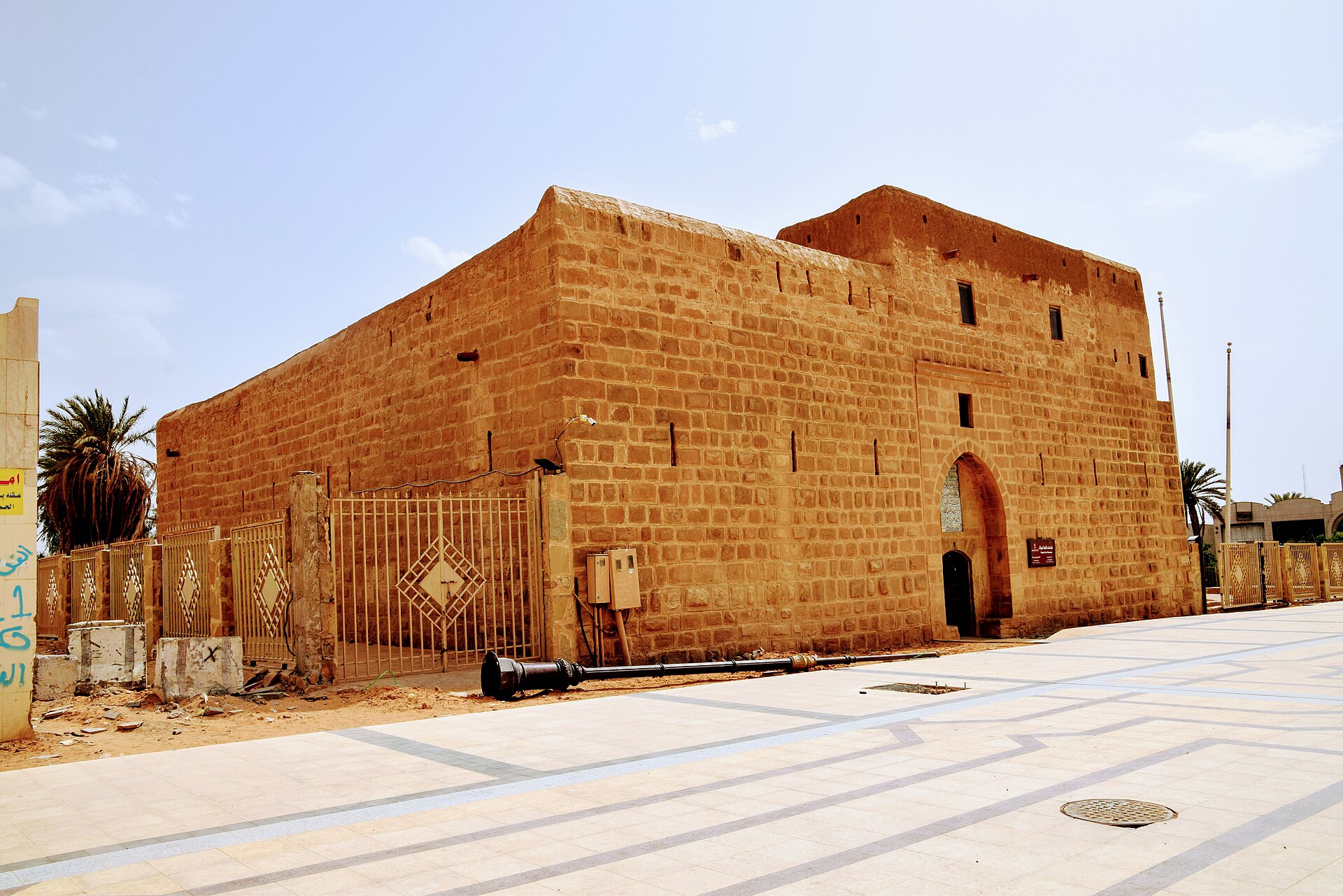
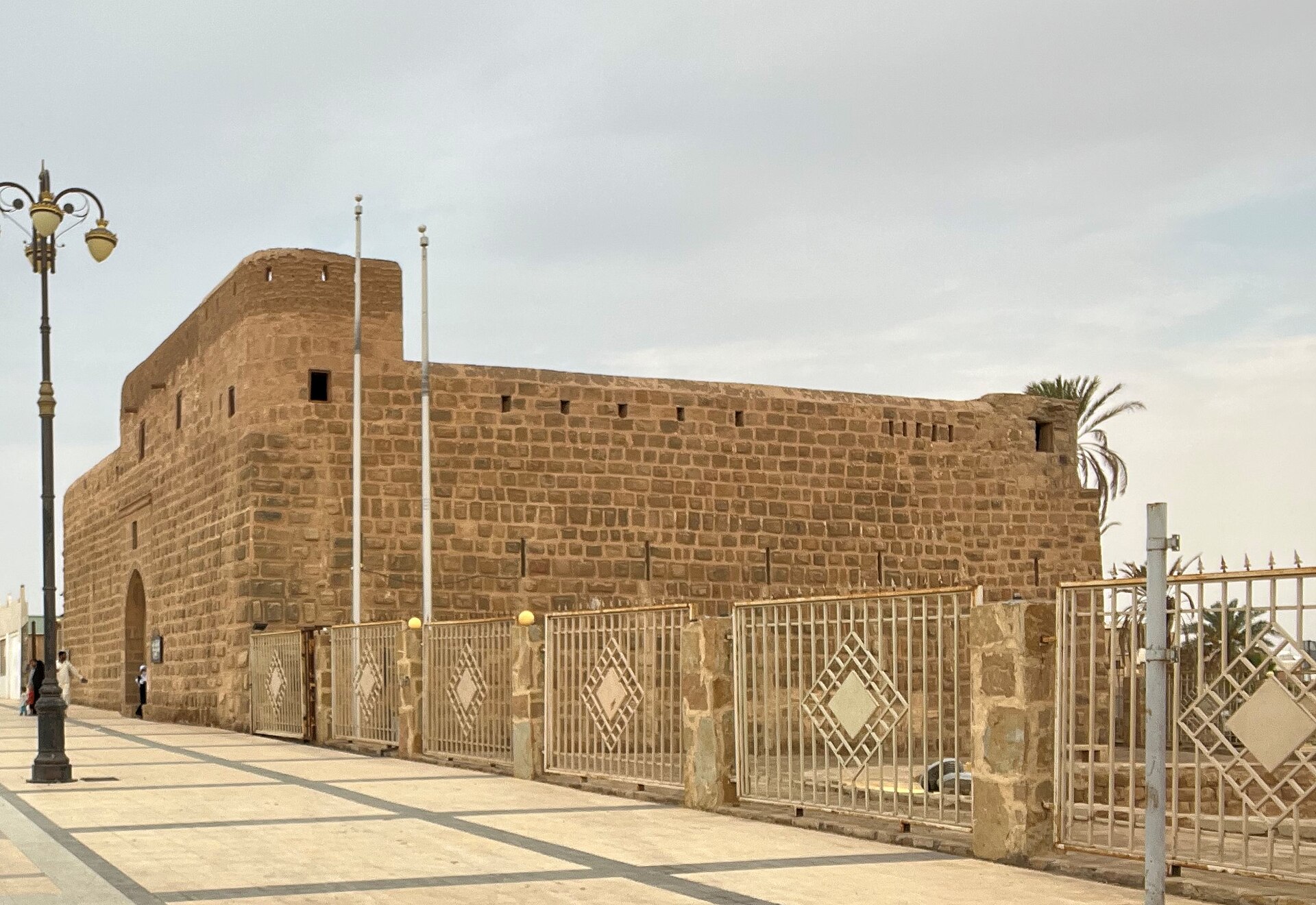
Heritage, Fort
Tabuk, Saudi Arabia
A stone fort in the heart of Tabuk that guarded the old pilgrim road and its spring. Rebuilt in the Ottoman period, it is now a heritage site with a small exhibition.
Explore Tabuk CastleNature, Day trip
Tabuk, Saudi Arabia
A dramatic sandstone canyon south-west of Tabuk, with towering cliffs, palm trees, reeds and running water — one of the most beautiful valleys in Saudi Arabia.
Explore Wadi Al DisahMosque, Heritage
Tabuk, Saudi Arabia
A historic mosque in central Tabuk built where the Prophet Muhammad is said to have camped during the Tabuk expedition. Its name means “repentance”.
Explore Al-Tawbah MosqueHeritage, Museum
Tabuk, Saudi Arabia
The restored stone station of the early 20th-century Hejaz Railway, which once carried pilgrims from Damascus to Medina. Old station buildings and rolling stock are on show.
Explore Hejaz Railway StationArchaeology, Day trip
Tabuk, Saudi Arabia
Nabataean tombs carved into sandstone cliffs near the town of Al Bad’, in the ancient land of Midian. Local tradition links the area with the Prophet Shuaib.
Explore Maghaer Shuaib, Al Bad’Heritage, Museum
Tabuk, Saudi Arabia
A small heritage house built of mud brick in the traditional style of the region, showing how families lived in Tabuk before the modern city.
Explore Mud House MuseumHeritage, Fort
Tabuk, Saudi Arabia
A stone fort in the heart of Tabuk that guarded the old pilgrim road and its spring. Rebuilt in the Ottoman period, it is now a heritage site with a small exhibition.
Explore Tabuk CastleTabuk, Saudi Arabia
The national dish: long-grain rice cooked in a spiced broth with chicken or lamb, served on a large shared platter with nuts, raisins and a tomato-chilli sauce (daqoos).
Tabuk, Saudi Arabia
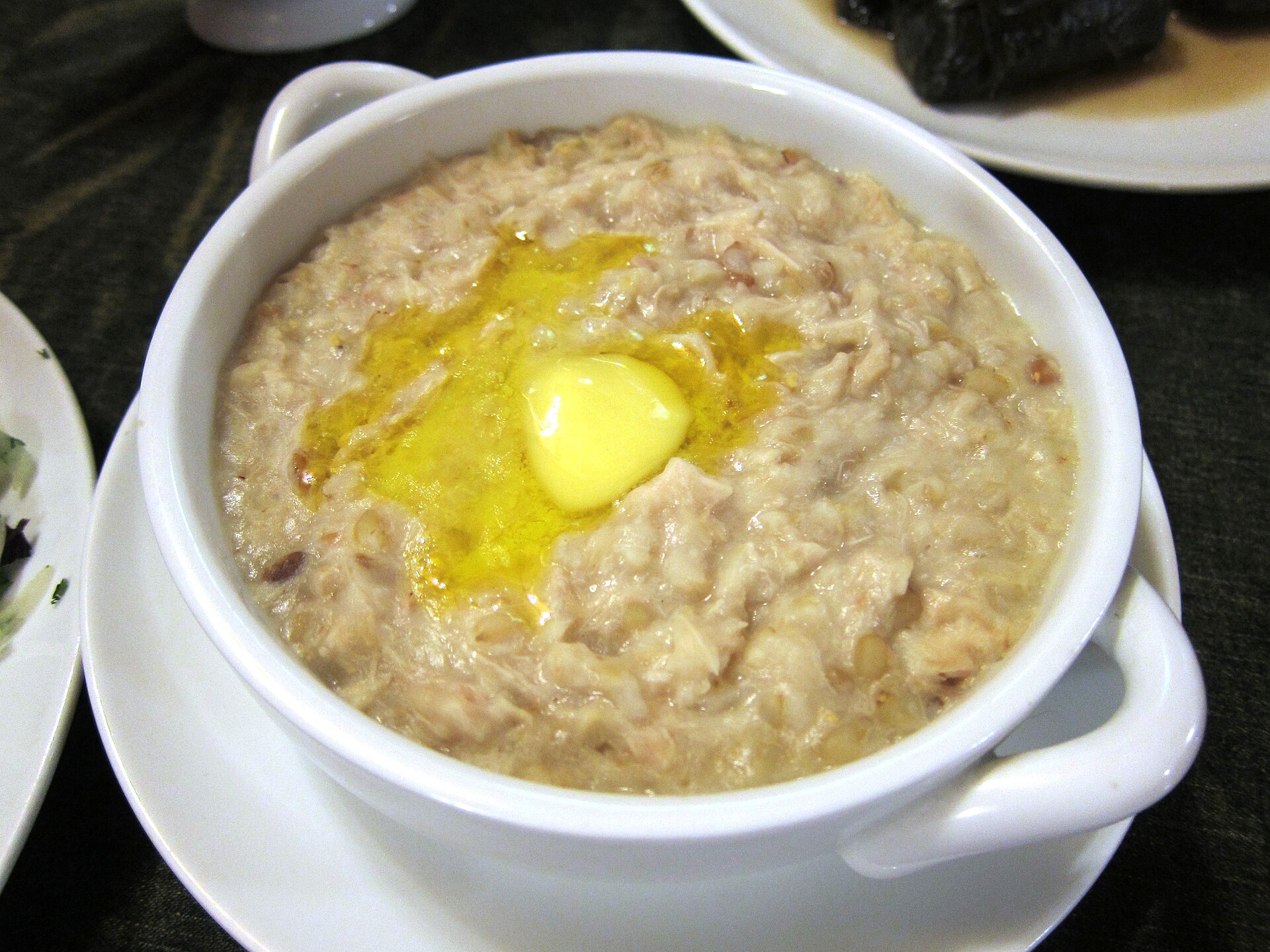
Cracked wheat slow-cooked with meat or chicken, onion and spices into a soft, porridge-like dish, finished with ghee and fried onions. A classic of central and northern Saudi kitchens.
Tabuk, Saudi Arabia
Paper-thin wheat bread torn into a rich meat and vegetable broth. A traditional dish of northern Saudi Arabia, often made for family gatherings.
Central Tabuk, near the castle and the old market
The streets around Tabuk Castle and the traditional market are lined with simple local restaurants serving kabsa, mandi and grilled meats, plus bakeries and shawarma counters.
Open in Google Maps (opens in a new tab)The big avenues of central and northern Tabuk
The main commercial roads have family restaurants, Middle Eastern grills, cafés and international chains. Most have a family section and stay open late in the evening.
Open in Google Maps (opens in a new tab)Old market area, central Tabuk
Good for dates, spices, coffee beans and dried fruit to take away, with small eateries and tea stalls among the shops.
Open in Google Maps (opens in a new tab)Tabuk, Saudi Arabia
Hotels and furnished apartments close to Tabuk Castle, the Hejaz Railway station and the old market. The easiest base without a car.
Open in Google Maps (opens in a new tab)Tabuk, Saudi Arabia
Newer hotels and serviced apartments along the main roads towards the airport and the malls — practical for road trips out of the city.
Open in Google Maps (opens in a new tab)Tabuk, Saudi Arabia
For a longer trip west, there are small hotels and furnished apartments in the coastal towns towards the Gulf of Aqaba, closer to Al Bad’ and the Red Sea shore.
Open in Google Maps (opens in a new tab)Tabuk mixes Bedouin traditions of the northern tribes with the life of a modern regional capital. Hospitality is central: coffee and dates are offered to guests, and evenings are spent with family in parks and cafés. The region is also known for its farms, which grow fruit, vegetables and flowers in the desert.
Islamic heritage is strong here because of the Tabuk expedition, and the city takes pride in its role on the old pilgrimage roads.
Tabuk lies on one of the oldest routes of the Arabian Peninsula, the road that linked Syria and the Levant with the Hejaz. Caravans and later pilgrims heading for Medina and Mecca stopped at its springs, and the town grew around them. In Islamic history Tabuk is known for the expedition of the Prophet Muhammad in 630 CE (9 AH), when the Muslim army camped here; the Al-Tawbah Mosque marks that place.
Under the Ottomans, Tabuk became a station on the Syrian Hajj route, and its castle was rebuilt to protect pilgrims and water. In the early 20th century the Hejaz Railway from Damascus to Medina passed through the town, and its station still stands today.
Modern Tabuk is the capital of the Tabuk Region, a large, fast-growing city surrounded by farms, mountains and desert. It is the natural starting point for the region's canyons, its Red Sea coast and the ancient land of Midian around Al Bad’.
Tabuk Castle, the area of Al-Tawbah Mosque, the Hejaz Railway station and the Mud House Museum, then dinner near the old market.
A full-day guided 4x4 trip to the sandstone canyon of Wadi Al Disah, with its palms, springs and towering cliffs.
Drive west to the rock-cut tombs of Maghaer Shuaib at Al Bad’, and continue to the Gulf of Aqaba coast if time allows.
October to April. Winters are cool and can be cold at night (snow sometimes falls on nearby mountains); summers are very hot.