
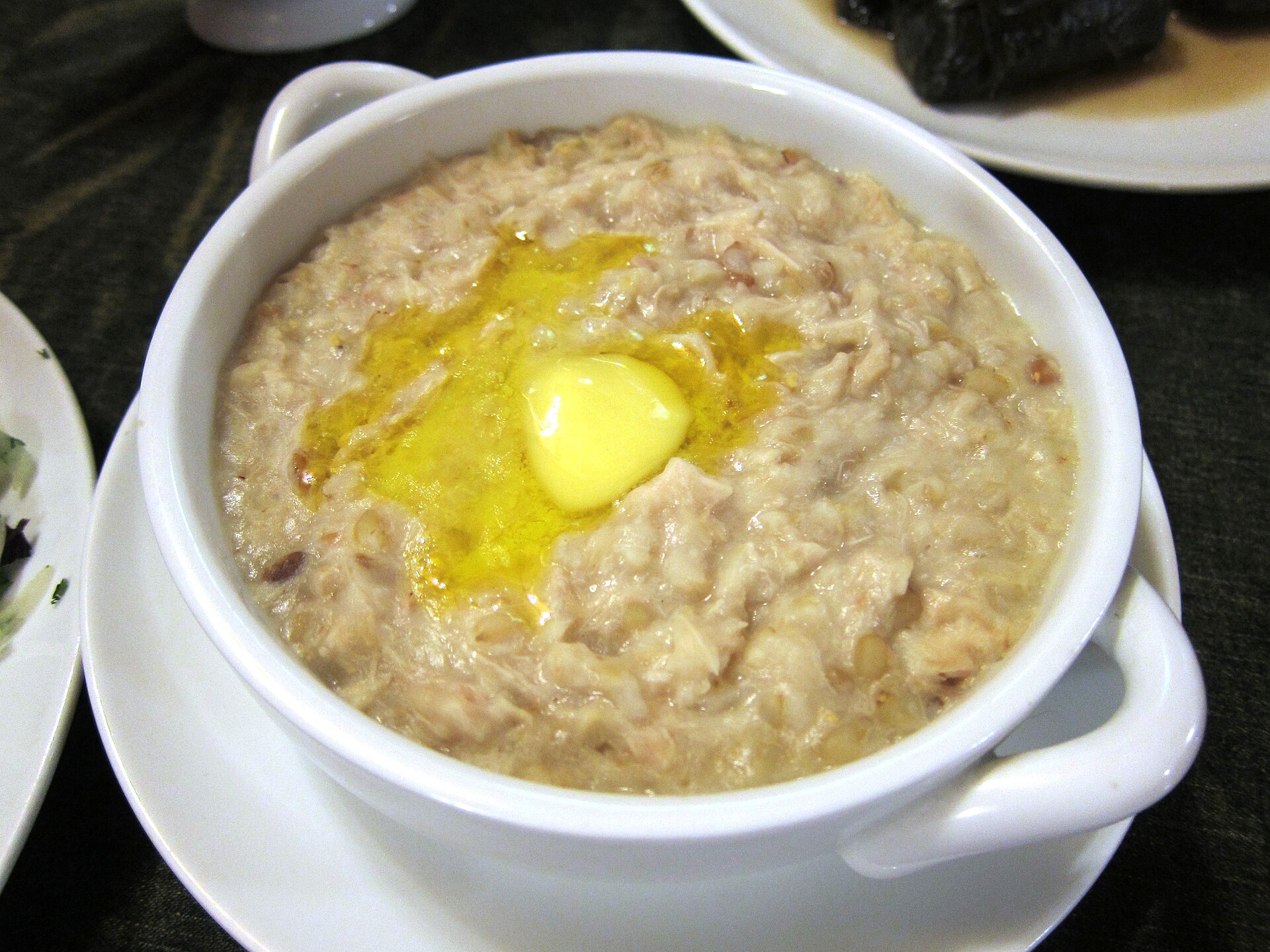
Jareesh
Hail, Saudi Arabia
Cracked wheat slow-cooked with meat or chicken, onion and spices into a soft, porridge-like dish, finished with ghee and fried onions. A classic of central and northern Saudi kitchens.
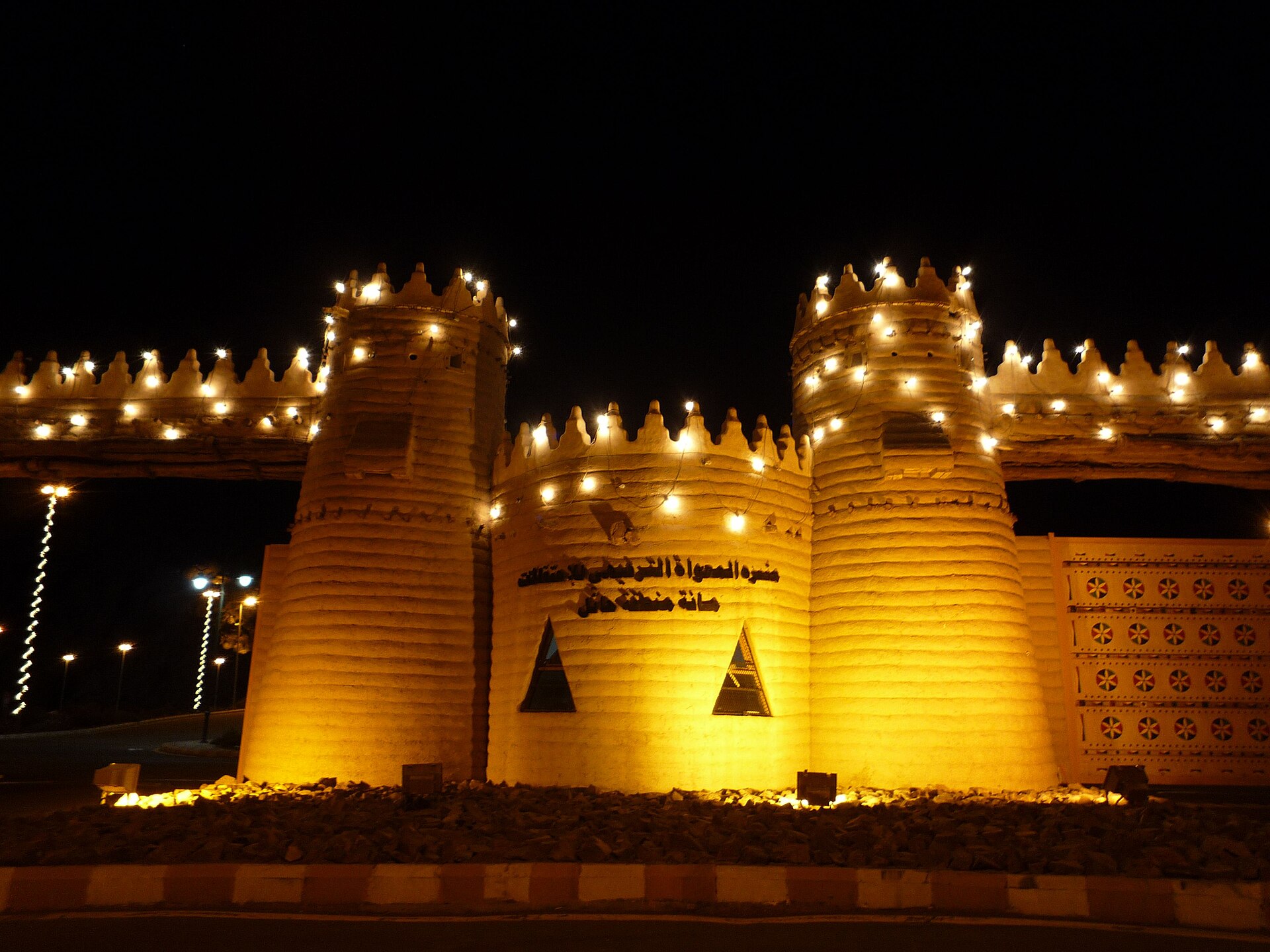
 Hail, Saudi Arabia
An oasis city between two mountain ranges on the edge of the red Nafud desert, once the seat of the Al Rashid emirs. Known for its mud-brick forts, its generous hospitality and the UNESCO rock art of Jubbah.
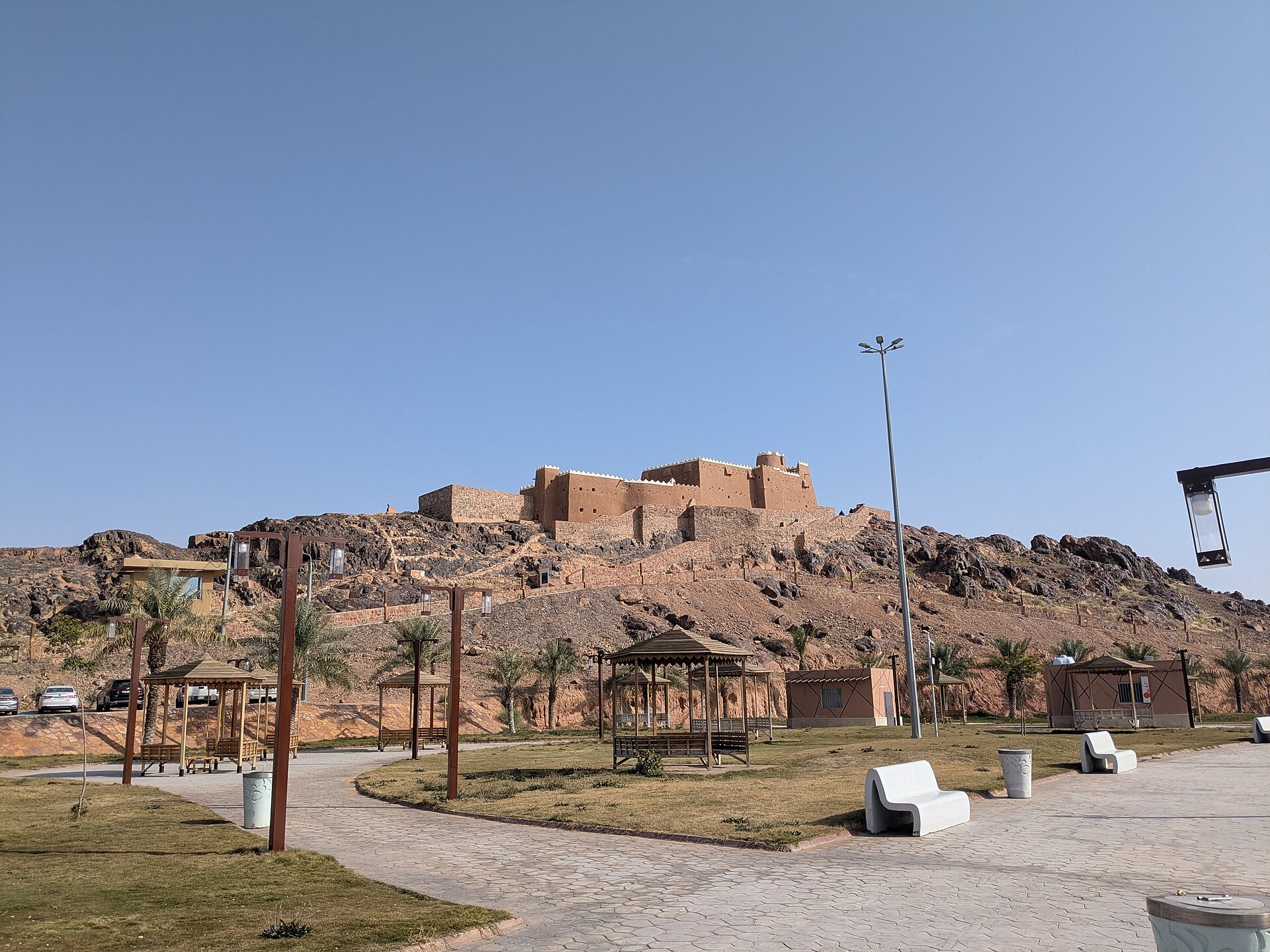
Heritage, Fort
Hail, Saudi Arabia
A mud-brick fort on a rocky hill above central Hail, with watchtowers and wide views over the city and the mountains around it.
Explore A’arif Fort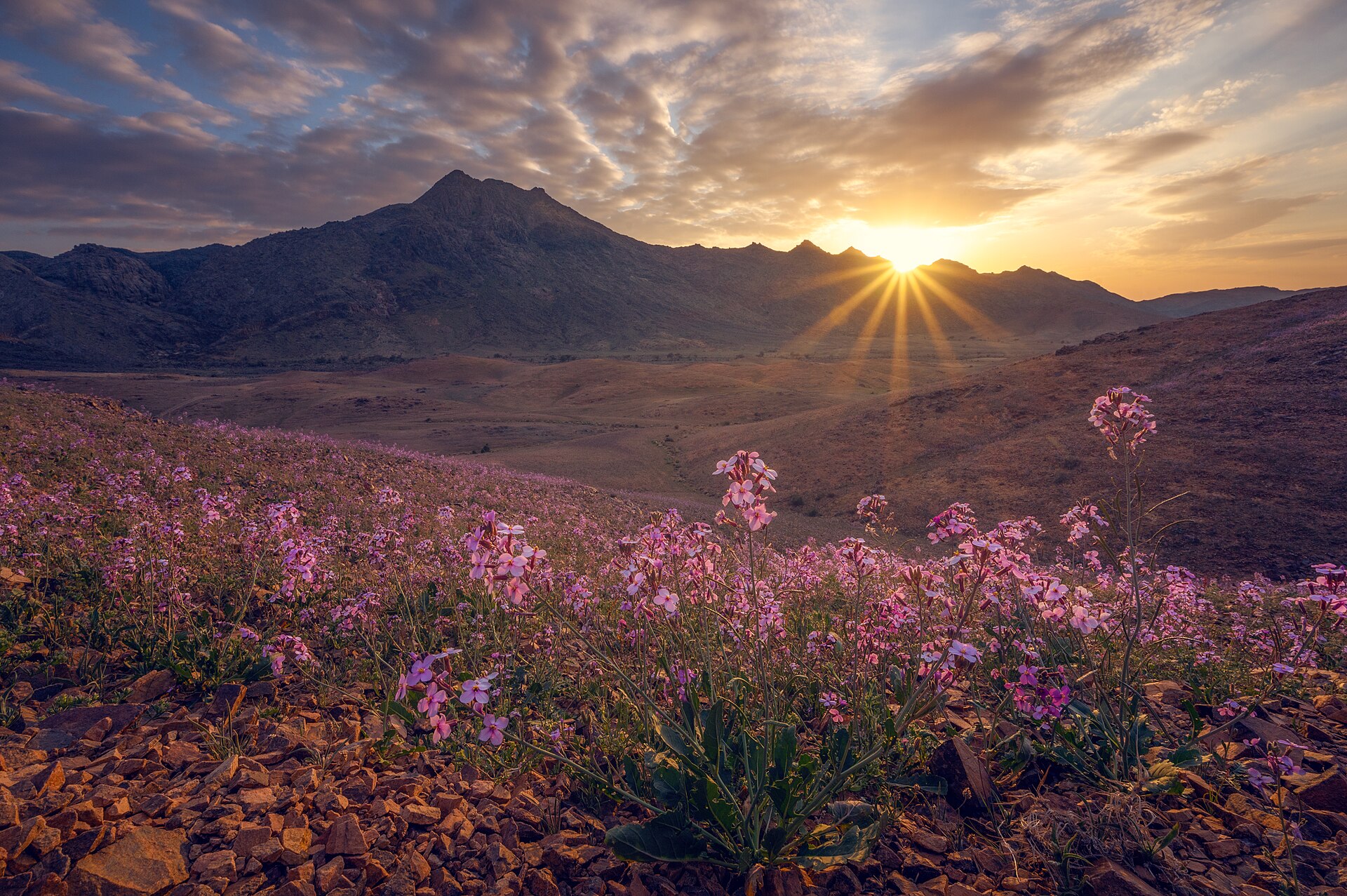
Nature, Mountains
Hail, Saudi Arabia
A rugged range of red granite peaks running along the west of Hail, with valleys, boulders and seasonal pools. Famous in Arabian poetry and legend.
Explore Aja MountainsDesert, Nature
Hail, Saudi Arabia
The Great Nafud, a vast sea of red-orange sand dunes stretching north of Hail — one of the great deserts of Arabia and a classic setting for desert trips.
Explore Al Nafud DesertHeritage, Palace
Hail, Saudi Arabia
A large two-storey mud-brick fort-palace in central Hail, built in the 1940s with corner towers and a vast courtyard. One of the city’s best-known landmarks.
Explore Al-Qishlah PalaceHeritage, Historic site
Hail, Saudi Arabia
What remains of the great palace of the Al Rashid emirs in old Hail, in the Barzan area that is still the city’s historic heart and market district.
Explore Barzan Palace remains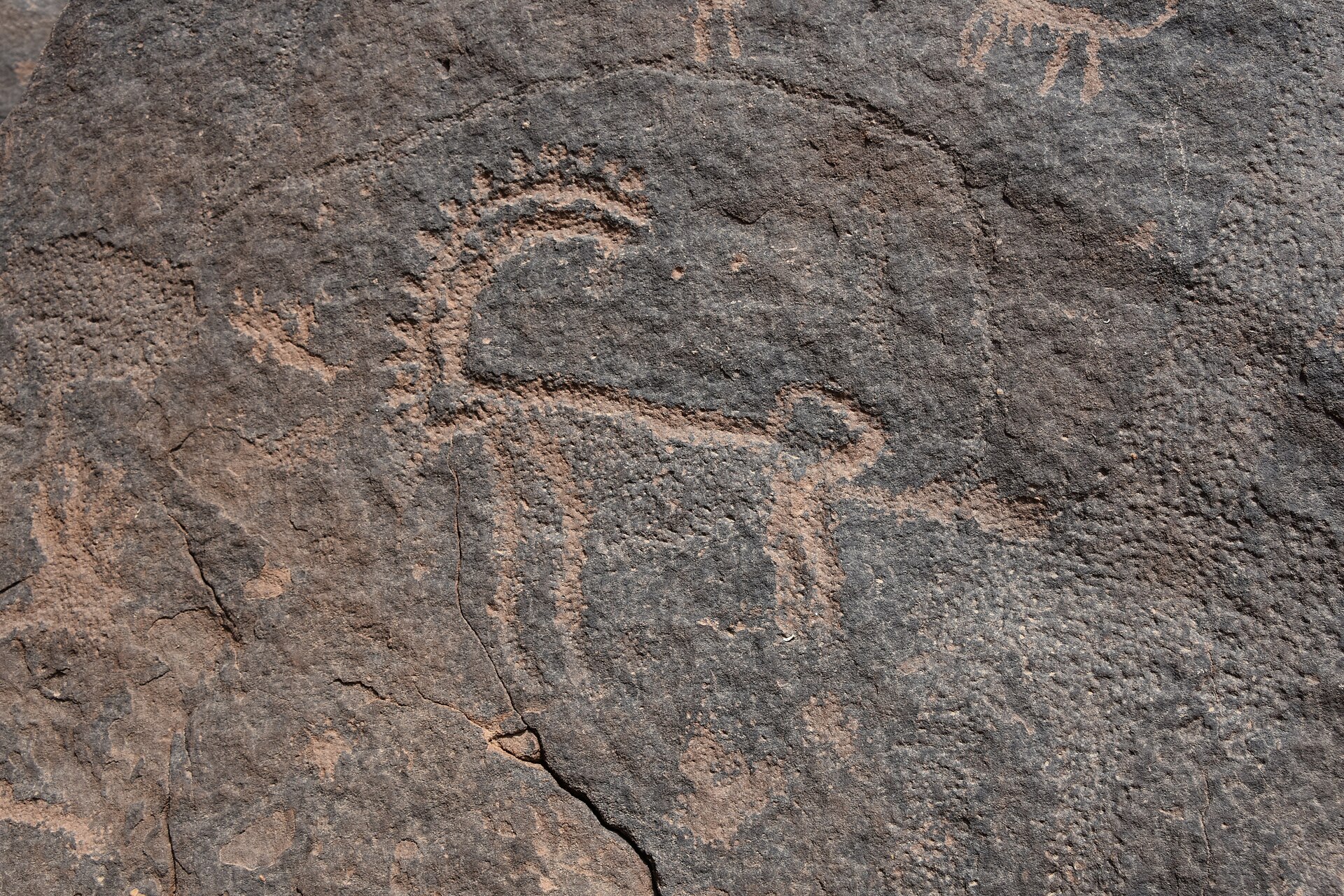
Archaeology, UNESCO
Hail, Saudi Arabia
Thousands of ancient rock carvings of people, camels and other animals on Jabal Umm Sinman near the town of Jubbah, part of a UNESCO World Heritage Site since 2015.
Explore Jubbah Rock Art, Jabal Umm SinmanHeritage, Fort
Hail, Saudi Arabia
A mud-brick fort on a rocky hill above central Hail, with watchtowers and wide views over the city and the mountains around it.
Explore A’arif FortHeritage, Palace
Hail, Saudi Arabia
A large two-storey mud-brick fort-palace in central Hail, built in the 1940s with corner towers and a vast courtyard. One of the city’s best-known landmarks.
Explore Al-Qishlah PalaceHeritage, Historic site
Hail, Saudi Arabia
What remains of the great palace of the Al Rashid emirs in old Hail, in the Barzan area that is still the city’s historic heart and market district.
Explore Barzan Palace remainsArchaeology, UNESCO
Hail, Saudi Arabia
Thousands of ancient rock carvings of people, camels and other animals on Jabal Umm Sinman near the town of Jubbah, part of a UNESCO World Heritage Site since 2015.
Explore Jubbah Rock Art, Jabal Umm SinmanHail, Saudi Arabia
Cracked wheat slow-cooked with meat or chicken, onion and spices into a soft, porridge-like dish, finished with ghee and fried onions. A classic of central and northern Saudi kitchens.
Hail, Saudi Arabia
Thin sheets of hand-rolled dough cooked in a stew of meat, squash, tomatoes and spices — a warming home-style dish of the Najd and northern regions, popular in winter.
Hail, Saudi Arabia
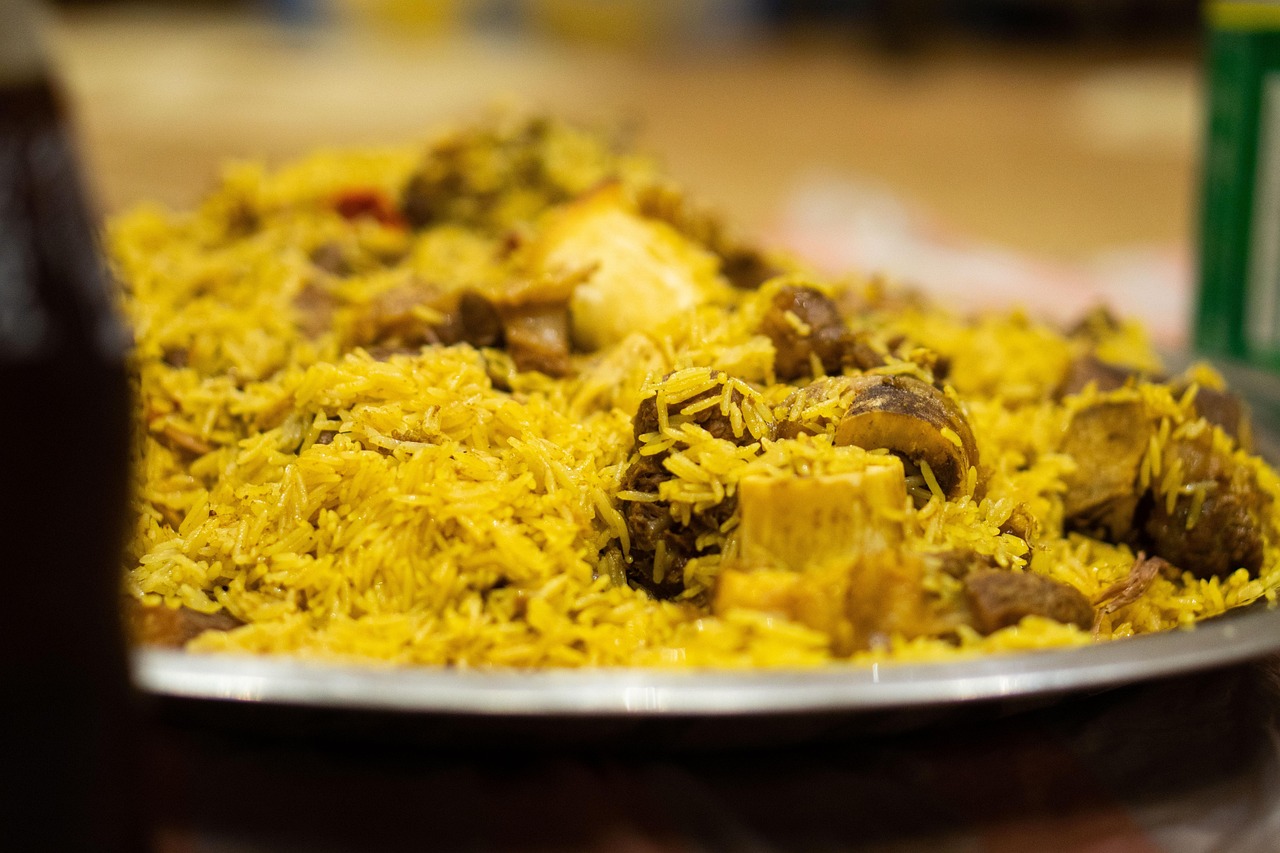
The national dish: long-grain rice cooked in a spiced broth with chicken or lamb, served on a large shared platter with nuts, raisins and a tomato-chilli sauce (daqoos).
Old centre of Hail, around Barzan Square
The historic heart of Hail, with traditional shops for dates, coffee, spices and crafts, and simple restaurants serving kabsa, jareesh and grills.
Open in Google Maps (opens in a new tab)Central and northern Hail
Family restaurants, Saudi and Middle Eastern grills, bakeries and modern cafés along the main avenues. Most have family seating.
Open in Google Maps (opens in a new tab)On guided Nafud and Aja trips
Many guided desert trips include tea, coffee and a simple meal cooked at camp. Ask your guide what is included when you book.
Open in Google Maps (opens in a new tab)Hail, Saudi Arabia
Hotels and furnished apartments near the Barzan area, Al-Qishlah Palace and A’arif Fort — the most convenient base for sightseeing.
Open in Google Maps (opens in a new tab)Hail, Saudi Arabia
Newer hotels on the city’s main roads, with easier parking and quick access to the roads to Jubbah and the desert.
Open in Google Maps (opens in a new tab)Hail, Saudi Arabia
In the cooler months, some guides and camps offer overnight stays in the Nafud. Book only through an established local operator.
Open in Google Maps (opens in a new tab)Hail's people are famous for hospitality — inviting a guest for coffee is a matter of pride, a tradition tied to the legend of Hatim al-Tai. Bedouin poetry, falconry and camel culture are still part of life here.
The city's mud-brick forts and the old Barzan market recall the days of the Al Rashid emirs, while modern Hail is a farming and trading centre. The region also hosts motorsport events in the Nafud, which bring visitors in winter.
Hail sits in a fertile basin between the Aja and Salma mountains in north-central Arabia. It was a stop on caravan and pilgrim routes for centuries, and the region is the homeland of the Tayy tribe — the tribe of Hatim al-Tai, the pre-Islamic poet whose name is still a byword for generosity across the Arab world.
In the 19th century Hail became the capital of the Al Rashid emirate, which ruled much of northern Arabia. Travellers of the time described its palaces and markets. The city joined the Saudi state in 1921, and in the following decades buildings such as Al-Qishlah Palace were added.
The region's deepest history is written on its rocks: at Jubbah and Shuwaymis, thousands of years of carvings of people and animals form one of the richest rock-art landscapes in the world, inscribed as a UNESCO World Heritage Site in 2015.
A’arif Fort for the view, Al-Qishlah Palace, then the Barzan area and its market in the afternoon.
A day trip north to Jubbah and Jabal Umm Sinman, with the edge of the Nafud dunes on the way.
A guided drive into the granite Aja range, then coffee and dates back in Hail.
October to March. Hail is higher than much of Arabia, so winters are cool and nights can be cold; summers are hot and dry.