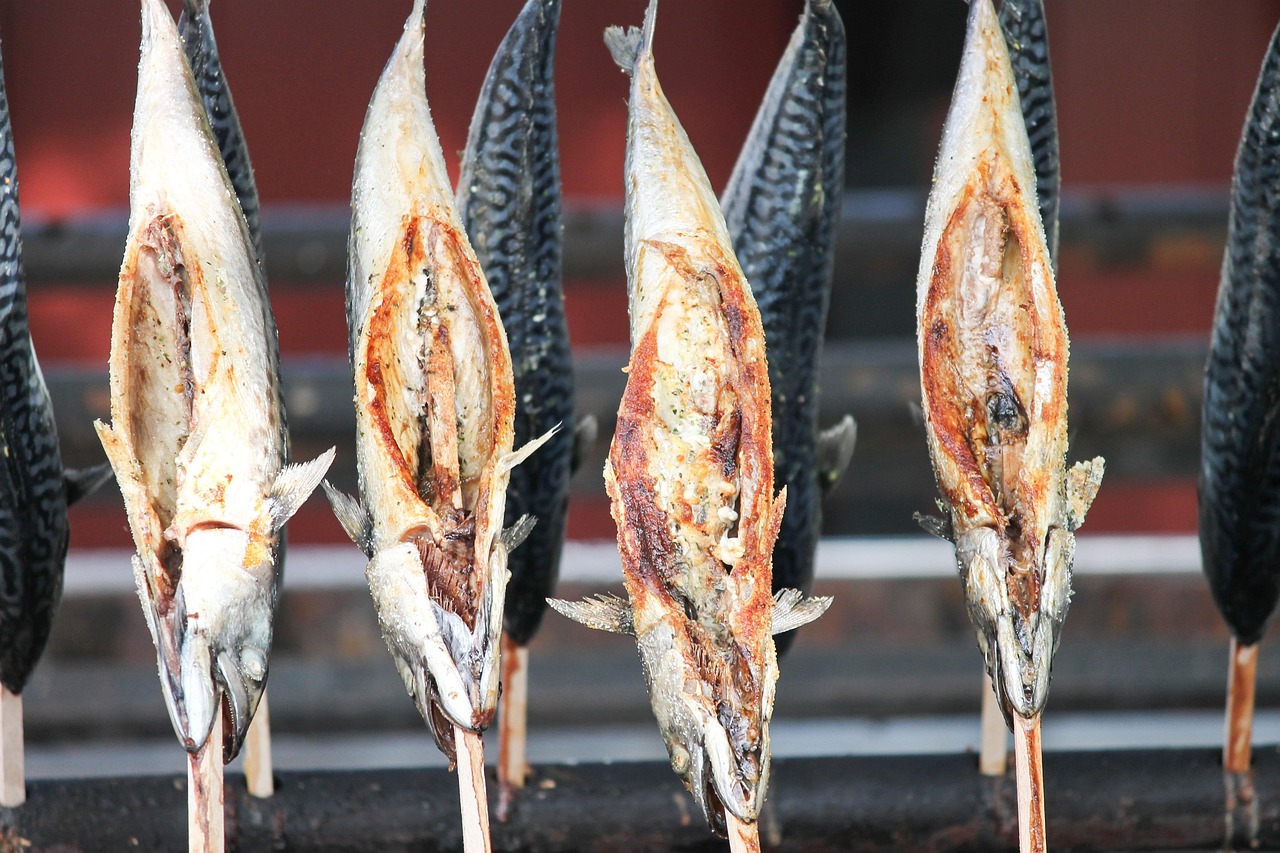
Grilled fish
Fethiye, Türkiye
 Fethiye, Türkiye
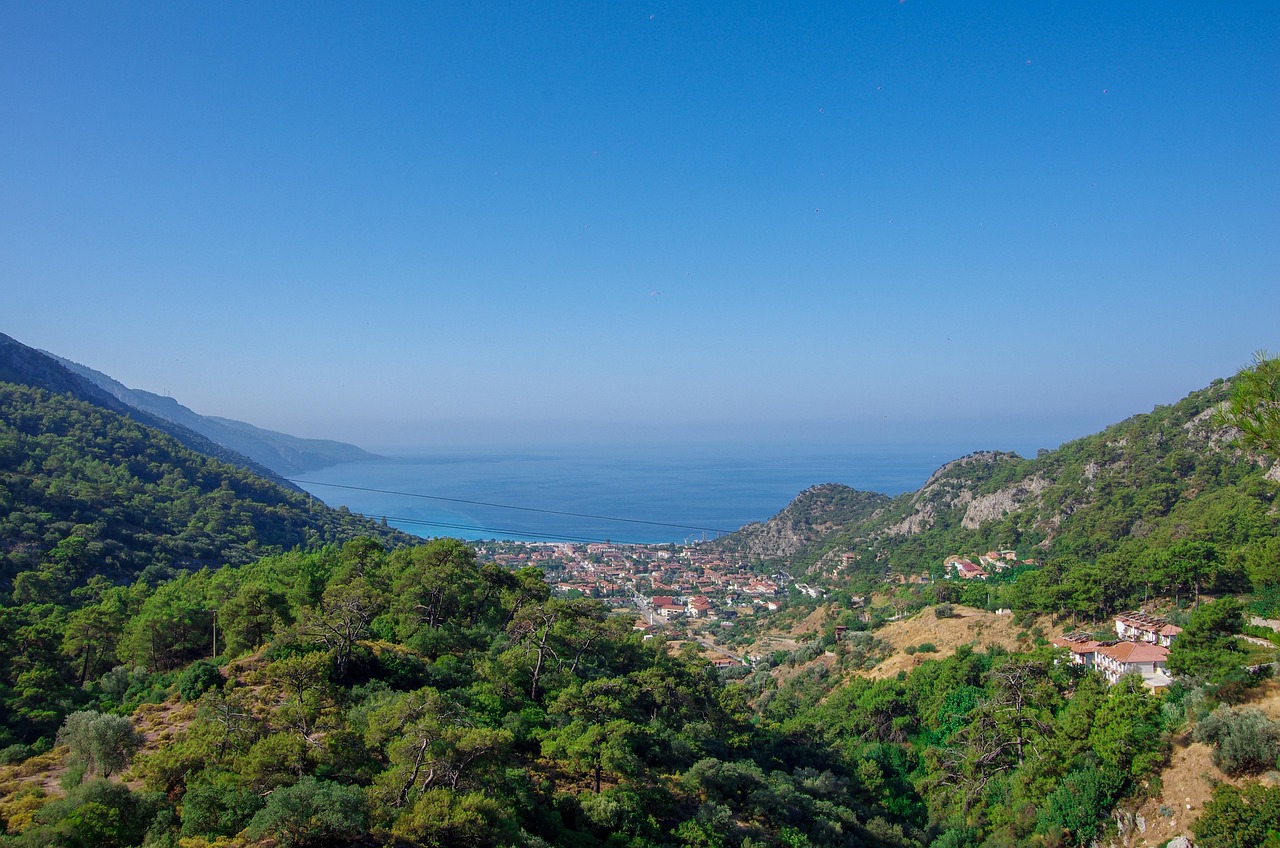
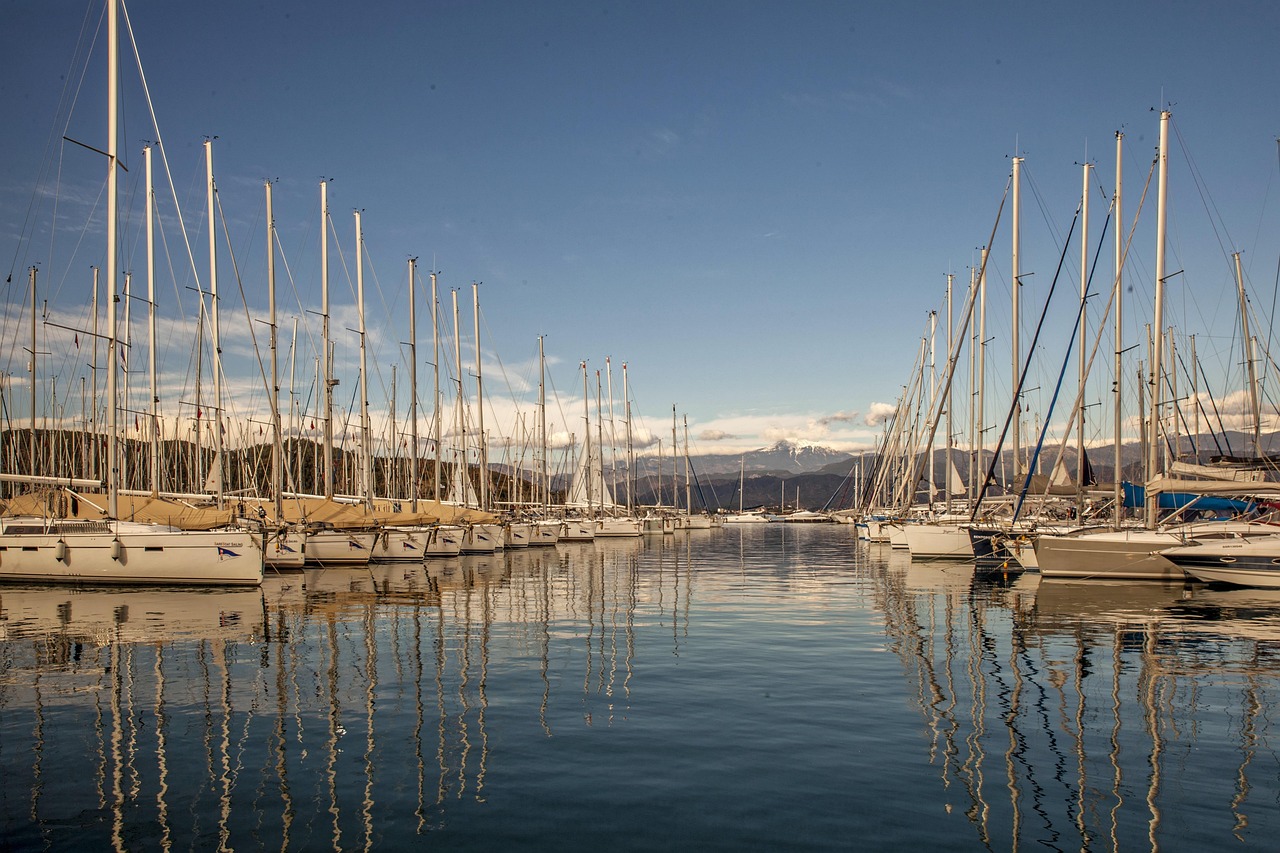
A relaxed harbour town on a bay of islands, with Lycian rock tombs carved into the cliffs above it. Fethiye is the base for Ölüdeniz and its Blue Lagoon, paragliding from Babadağ, Butterfly Valley, Saklıkent Gorge and the ghost village of Kayaköy.
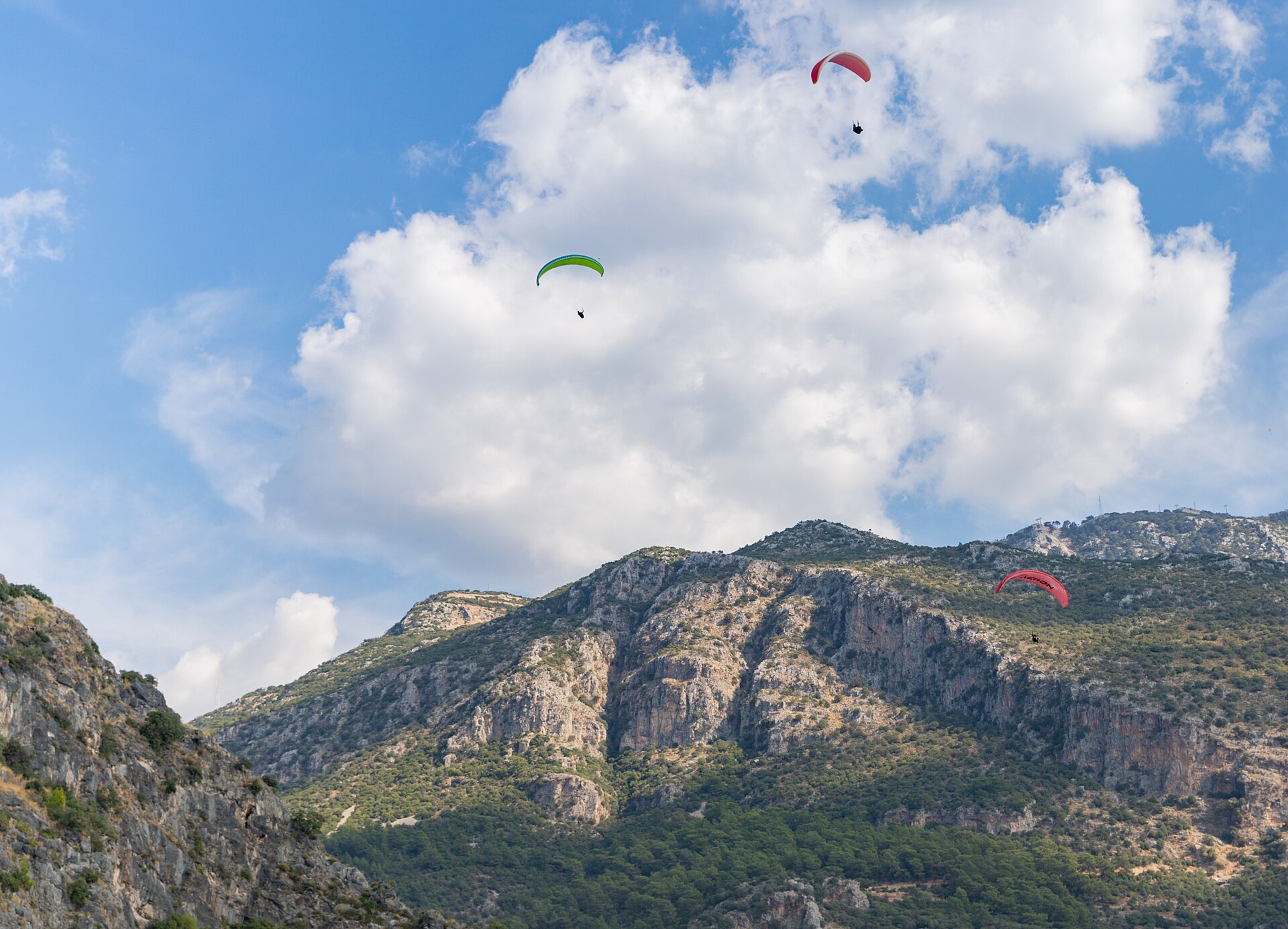
Paragliding, Mountain
Fethiye, Türkiye
The mountain that rises almost 2,000 metres straight behind Ölüdeniz — one of the world's best-known tandem paragliding spots, with a cable car to the top and huge views over the lagoon and the coast.
Explore Babadağ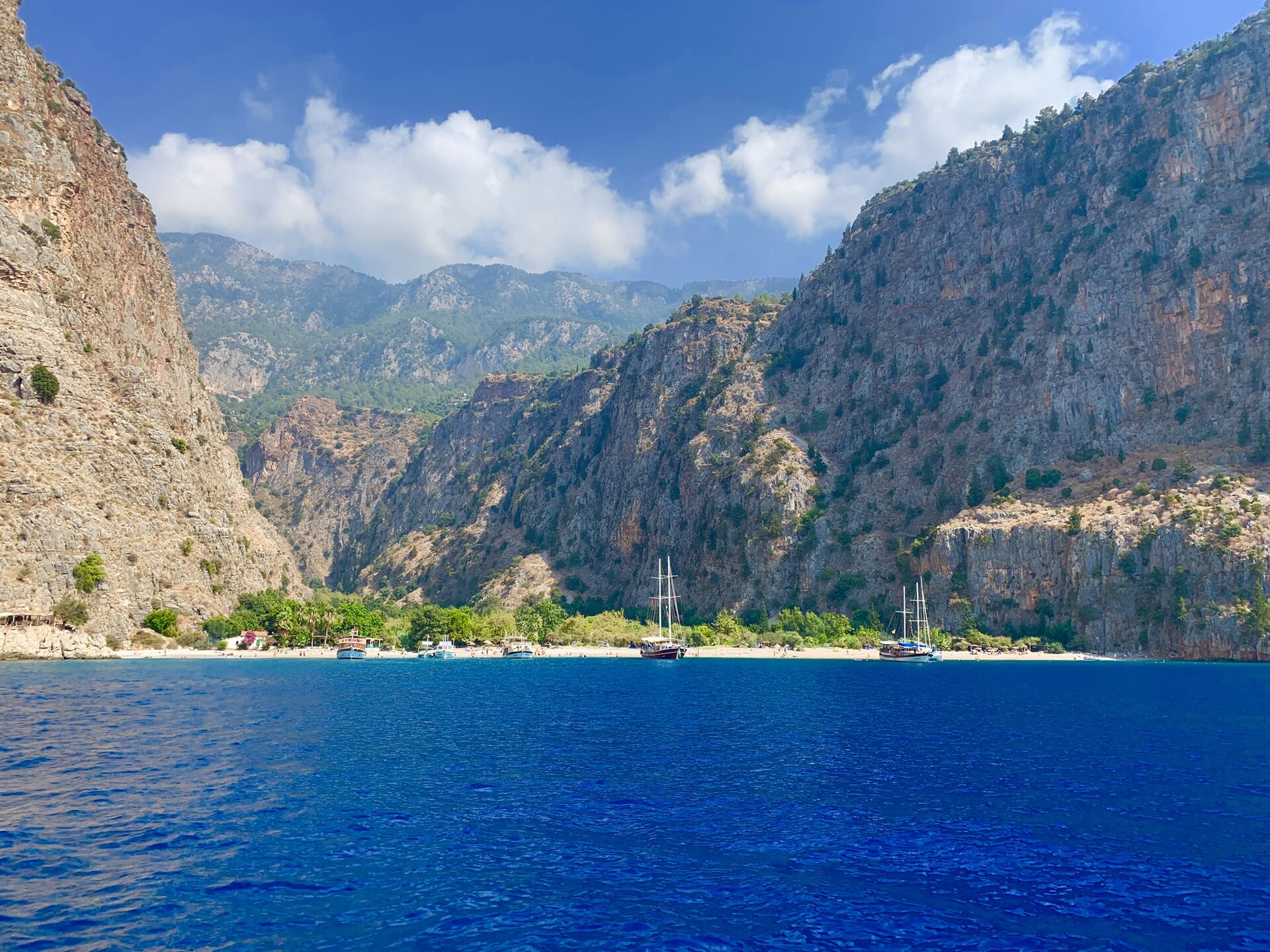
Nature, Beach
Fethiye, Türkiye
A small beach at the mouth of a deep, cliff-walled valley south of Ölüdeniz, reached by boat, with a waterfall at its back and, in summer, thousands of Jersey tiger moths and butterflies.
Explore Butterfly Valley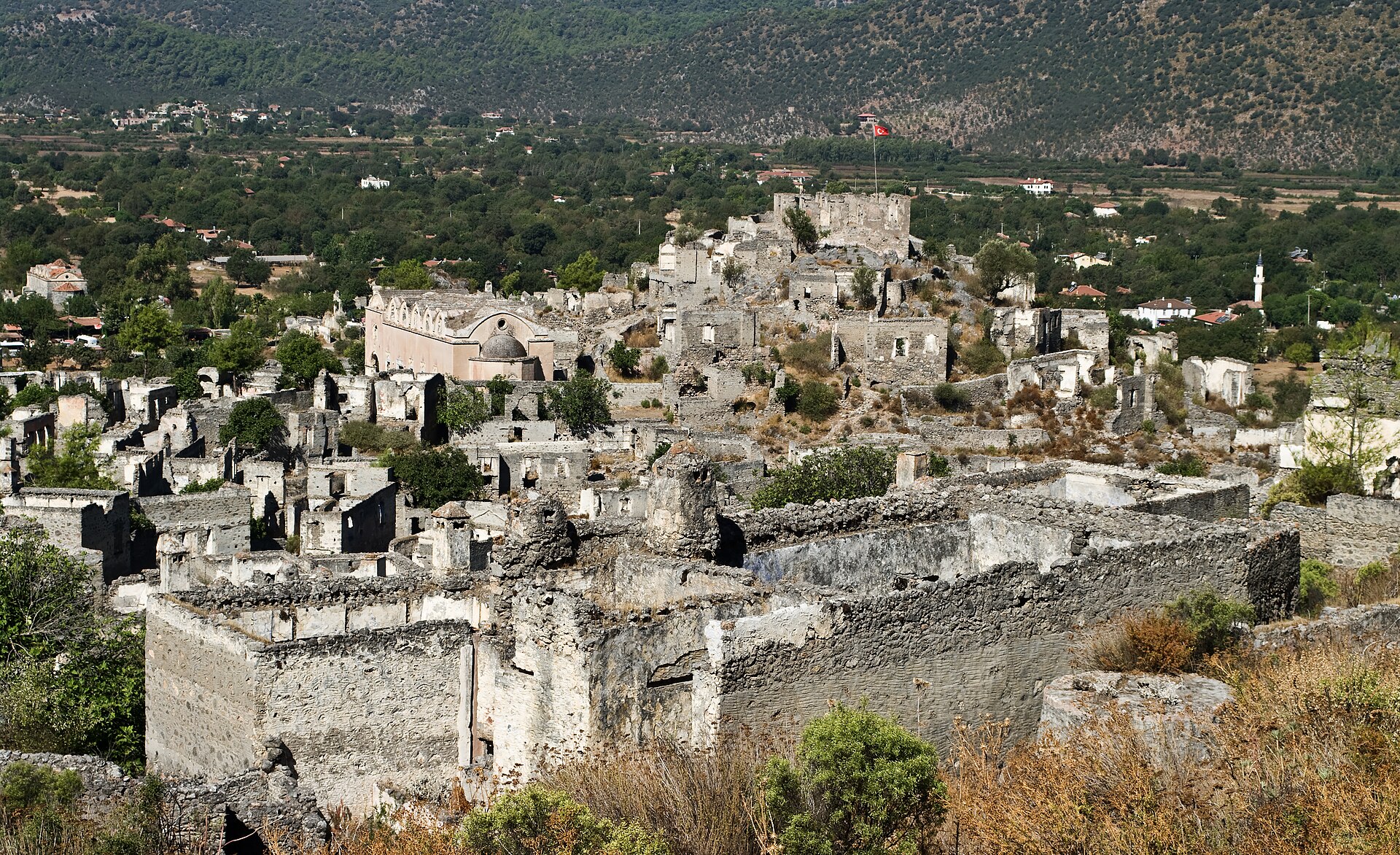
Heritage, Ghost village
Fethiye, Türkiye
A hillside of hundreds of roofless stone houses and churches, abandoned in the 1920s — the former Greek town of Levissi, about 8 km south of Fethiye, now a haunting open-air memorial.
Explore Kayaköy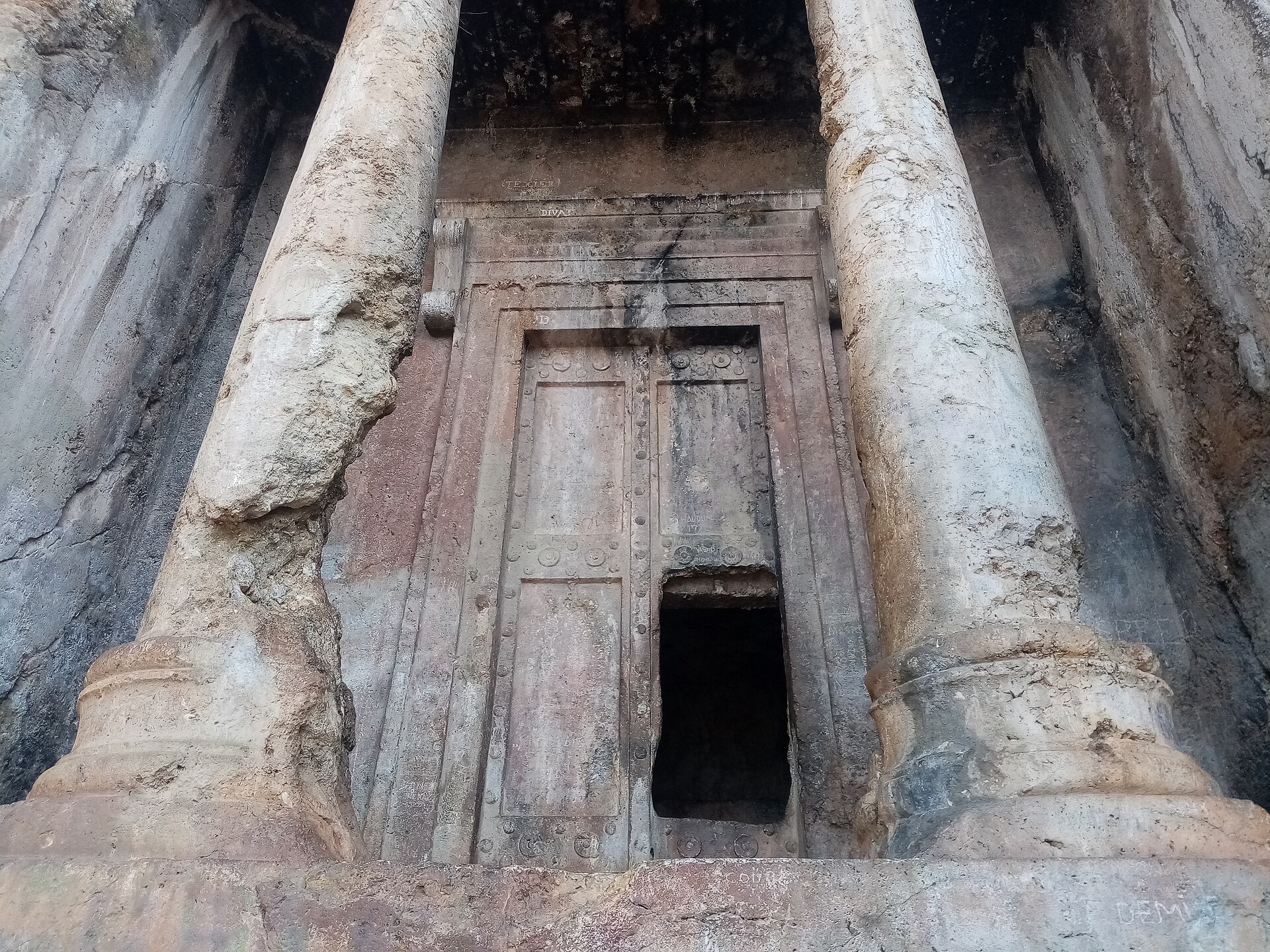
Heritage, Ancient site
Fethiye, Türkiye
Tombs carved like small temples into the cliff above Fethiye, led by the Tomb of Amyntas, from the 4th century BC — the best-known reminder of ancient Telmessos.
Explore Lycian Rock Tombs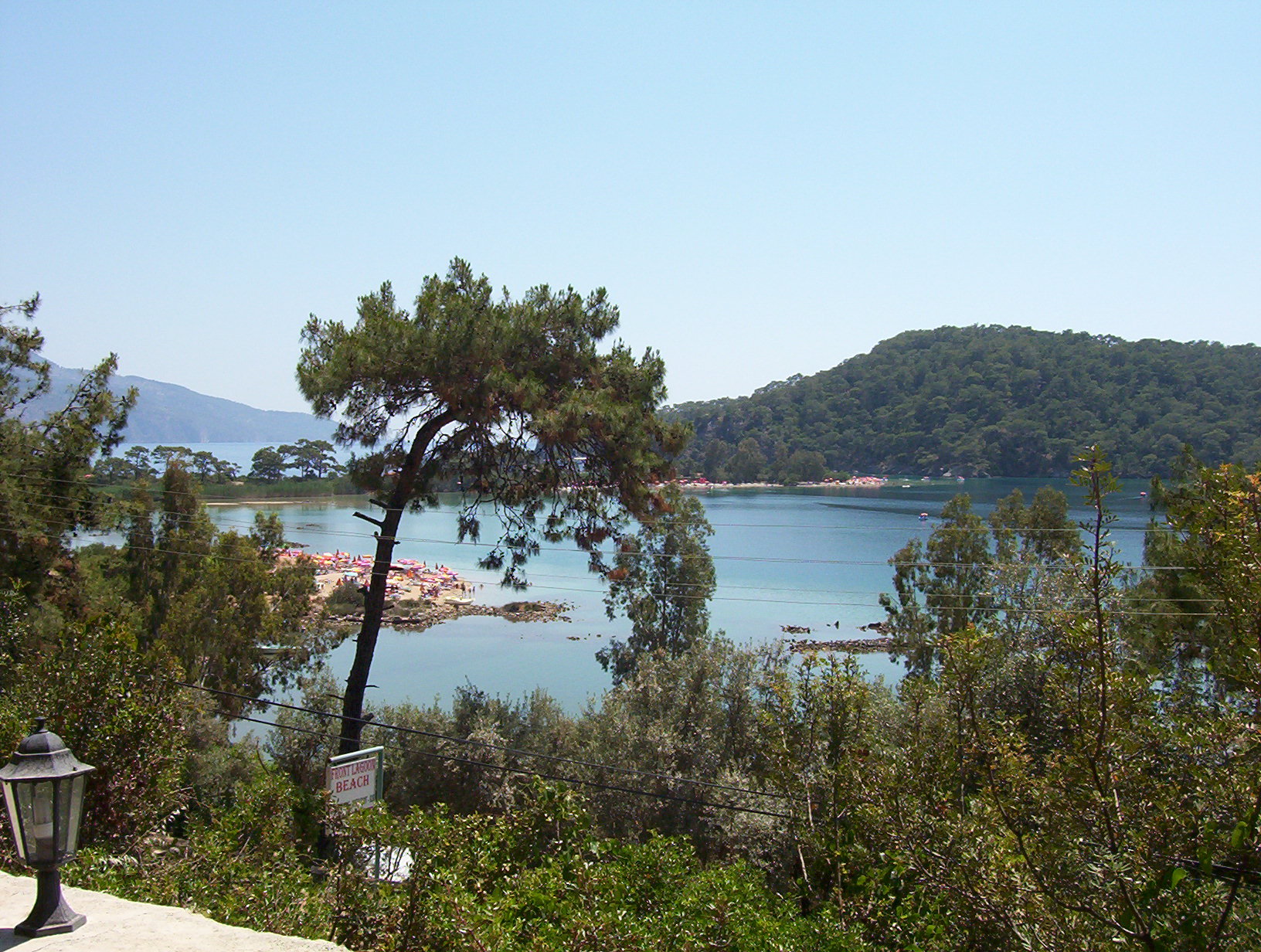
Beach, Nature
Fethiye, Türkiye
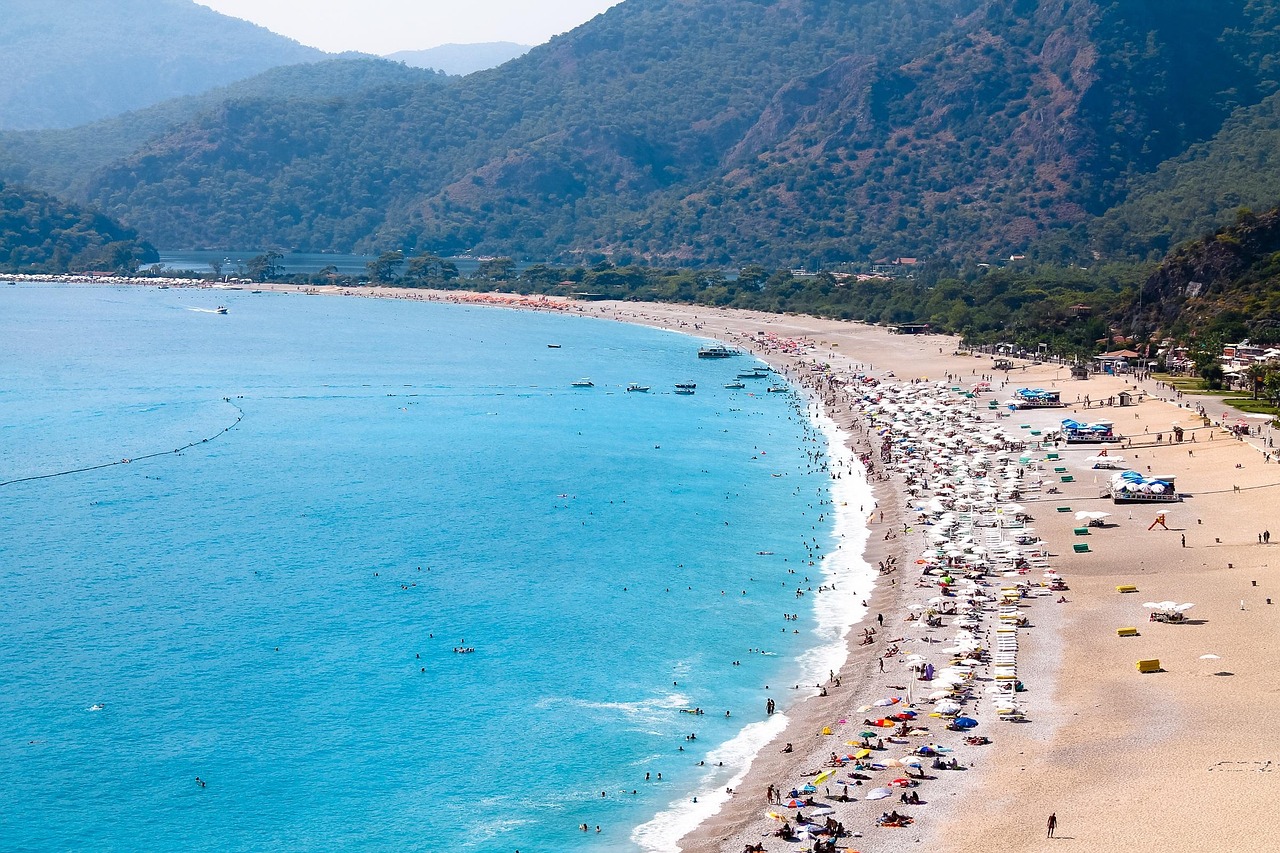
One of Türkiye's most photographed beaches: a sheltered turquoise lagoon and a long sandy spit under the slopes of Babadağ, about 14 km south of Fethiye, with paragliders drifting down overhead.
Explore Ölüdeniz and the Blue Lagoon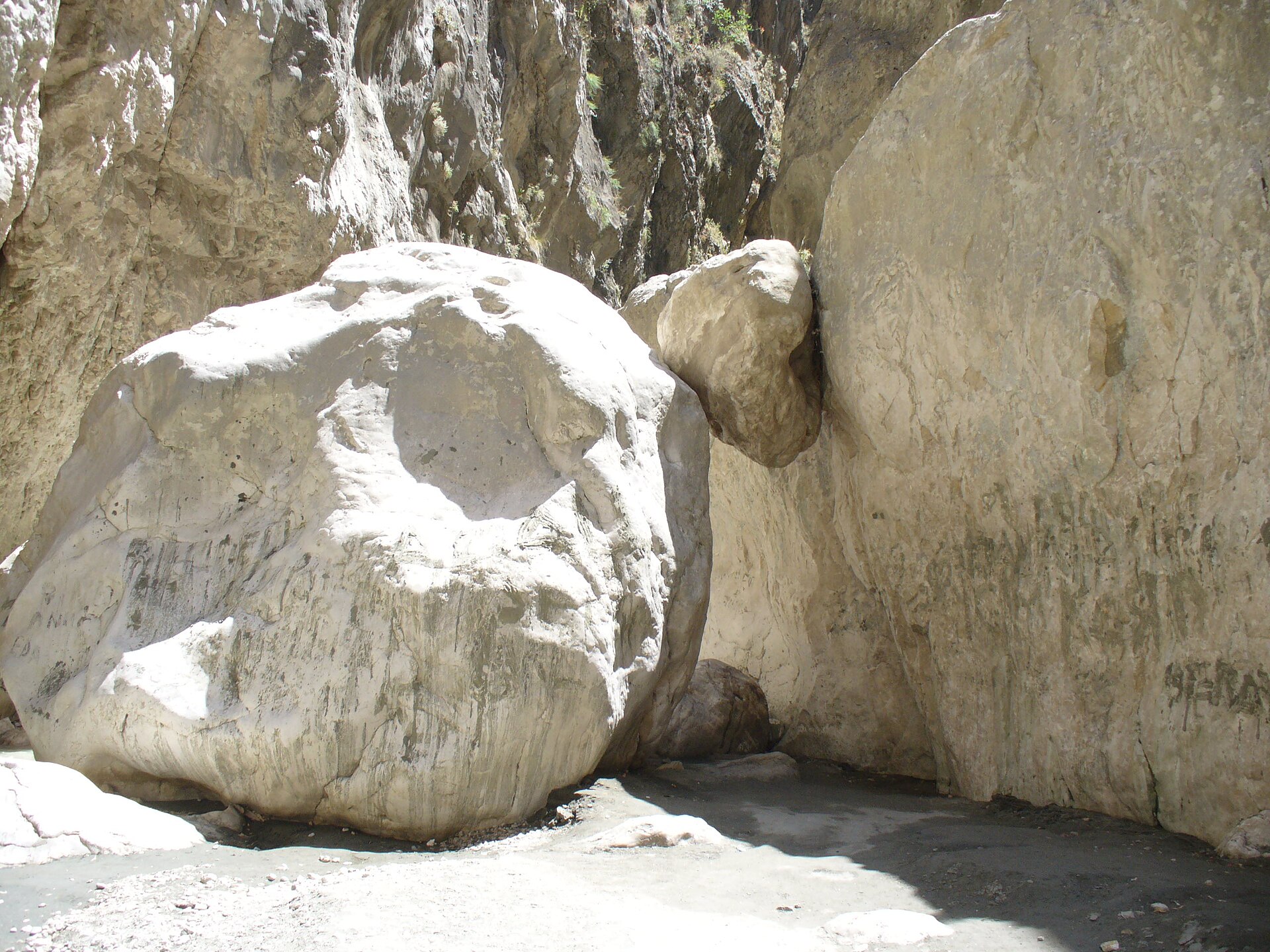
Nature, Canyon
Fethiye, Türkiye
A deep, narrow canyon in the mountains about 45 km south-east of Fethiye, where you wade through icy river water between rock walls hundreds of metres high.
Explore Saklıkent GorgeHeritage, Ghost village
Fethiye, Türkiye
A hillside of hundreds of roofless stone houses and churches, abandoned in the 1920s — the former Greek town of Levissi, about 8 km south of Fethiye, now a haunting open-air memorial.
Explore KayaköyHeritage, Ancient site
Fethiye, Türkiye
Tombs carved like small temples into the cliff above Fethiye, led by the Tomb of Amyntas, from the 4th century BC — the best-known reminder of ancient Telmessos.
Explore Lycian Rock TombsFethiye, Türkiye
Fethiye, Türkiye
Fethiye, Türkiye
Fethiye, Türkiye
Fethiye, Türkiye
Fethiye, Türkiye
Fethiye town centre, near the Paspatur quarter
Old quarter of Fethiye town
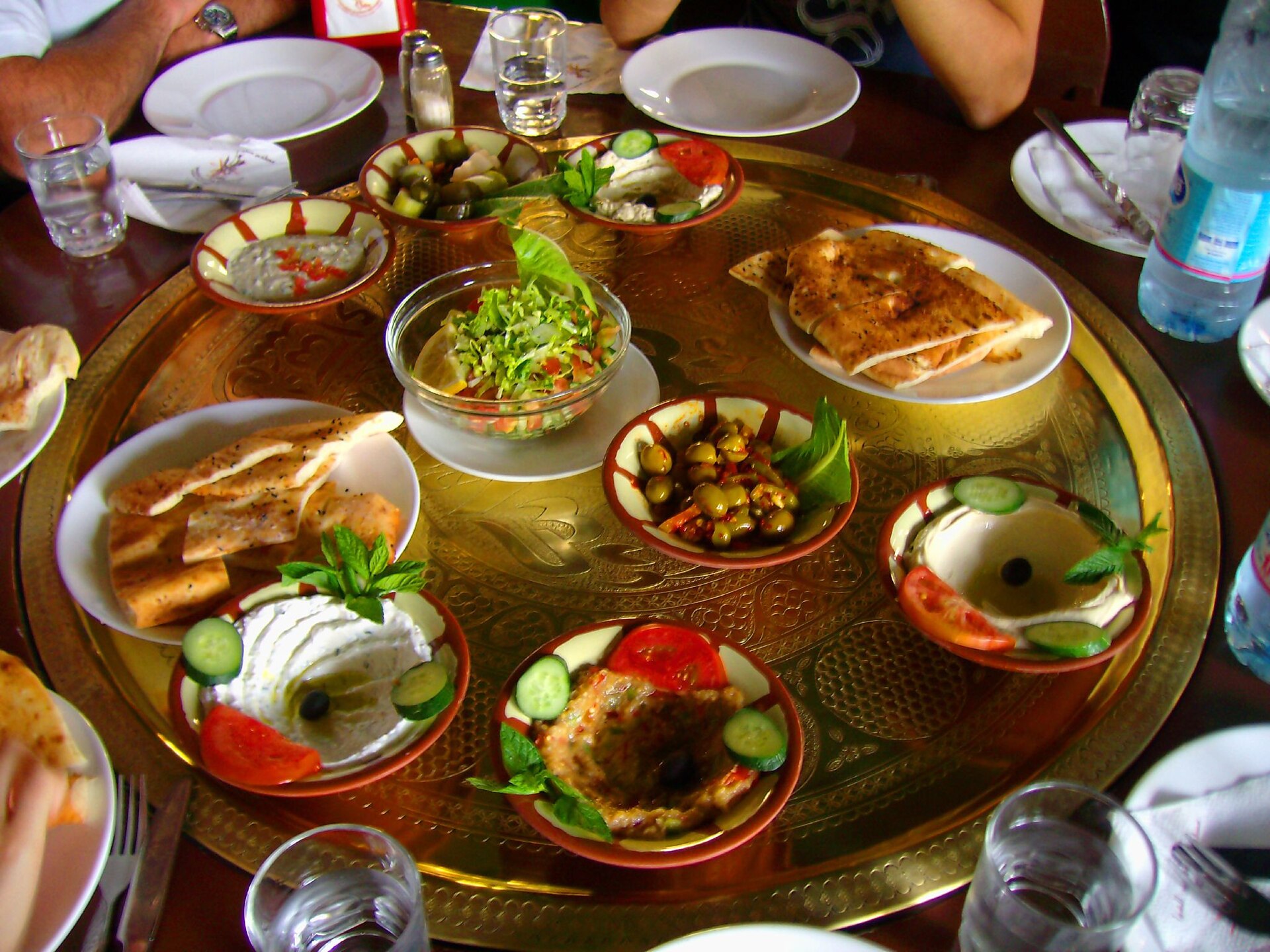
Narrow lanes of cafés, small restaurants and shops in the old quarter behind the harbour — good for a Turkish coffee, gözleme or a relaxed dinner.
Open in Google Maps (opens in a new tab)Beside the canal in Fethiye town
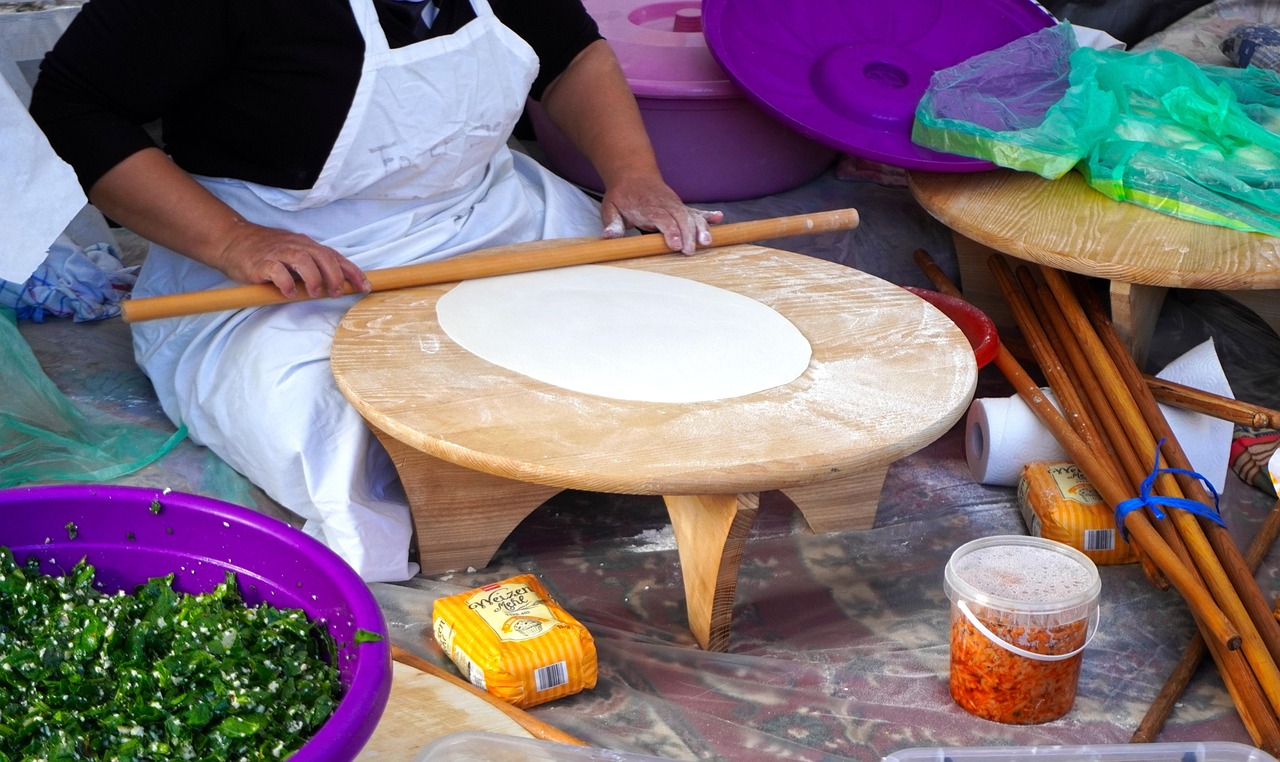
The big weekly market, traditionally held on Tuesdays: fruit and vegetables, cheese, olives, spices and clothes, with women making gözleme at the stalls. Check the day locally before you go.
Open in Google Maps (opens in a new tab)Belcekız beach, Ölüdeniz
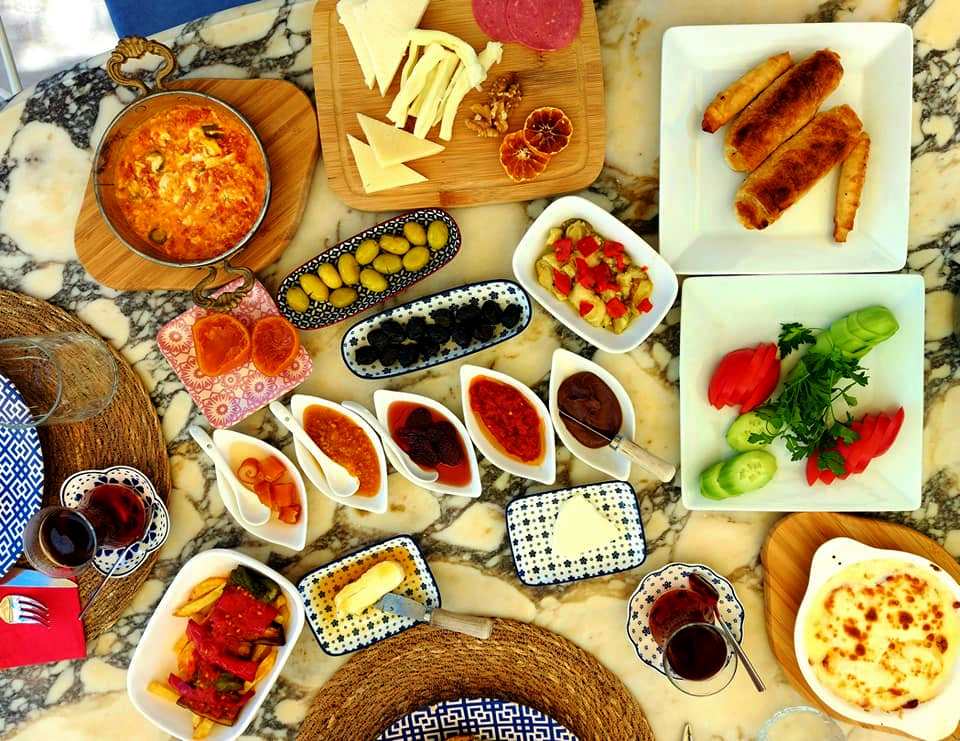
Restaurants and bars along the beach promenade where the paragliders land, serving everything from Turkish breakfast to grilled fish and international dishes.
Open in Google Maps (opens in a new tab)Fethiye, Türkiye
Hotels and guesthouses around the harbour and the old Paspatur quarter, close to the fish market, the boat tours and the dolmuş station. The most practical base if you want to explore by public transport.
Open in Google Maps (opens in a new tab)Fethiye, Türkiye
A long, relaxed beach a few kilometres north of the town, lined with mid-range hotels and apartments, famous for its sunsets. A water taxi has run across the bay to the town in season — check locally.
Open in Google Maps (opens in a new tab)Fethiye, Türkiye
Hotels at Ölüdeniz sit right on the beach under Babadağ; Hisarönü and Ovacık, on the hill above, have more hotels, villas and a busy summer nightlife. Both are about 20–30 minutes from Fethiye by dolmuş.
Open in Google Maps (opens in a new tab)Fethiye, Türkiye
Quiet guesthouses and small stone-built hotels in the hills — around the ghost village of Kayaköy, and in Faralya above Butterfly Valley. Ideal for walkers on the Lycian Way; a car makes life easier.
Open in Google Maps (opens in a new tab)Fethiye is a working town as well as a resort: fishermen, a busy weekly market and a large community of foreign residents who have settled in the surrounding villages. The Lycian heritage is everywhere — tombs in the cliffs, sarcophagi standing in the streets — and the villages in the hills keep a slower rural life of olive and pine-honey production.
Fethiye stands on the site of ancient Telmessos, one of the main cities of Lycia, the region whose people carved temple-fronted tombs into the cliffs. Its tombs date mostly from the 4th century BC; the town later came under Persian, Hellenistic and Roman rule.
In the Middle Ages it was known as Makri, and in the Ottoman period it was a small port with a large Greek-speaking community; the neighbouring town of Levissi (today Kayaköy) was abandoned after the population exchange of 1923 between Greece and Türkiye. In 1934 the town was renamed Fethiye after Fethi Bey, one of the first Ottoman military aviators.
A strong earthquake in 1957 destroyed much of the old town, which is why most of Fethiye is modern, while its tombs and ruins survived. Tourism grew from the 1980s, and today the town is also the western starting point of the Lycian Way long-distance trail.
Climb to the Amyntas rock tomb in the morning, explore the Paspatur bazaar and the harbour, and end with dinner at the fish market.
Paraglide from Babadağ or ride its cable car in the morning, then swim at the Blue Lagoon and Belcekız beach.
Take the boat from Ölüdeniz to Butterfly Valley, then in the late afternoon walk among the ruined houses of Kayaköy.
Drive inland to wade into Saklıkent Gorge, with lunch of trout by the river and a stop at the ancient city of Tlos.
May, June, September and October for warm sea, walking and boat trips. July and August are hot and busy; winter is quiet, with many resort businesses closed.
By air: Dalaman Airport (DLM) is about 50 km north-west, roughly 45–60 minutes by road. Airport shuttle buses (Havaş and others), transfers and taxis run to Fethiye and Ölüdeniz. Many international flights are seasonal.
By bus: The Fethiye bus station (otogar) has coaches to Antalya, Izmir, Istanbul and the coast towns; the coast road east to Kaş and Antalya is one of the most scenic in Türkiye.
By boat: In season, boats link Fethiye with the bays along the coast. Boat trips, water taxis and many beach businesses run mainly from about April or May to October and are weather-dependent — check before going, especially in spring and autumn.
Dolmuş minibuses are the backbone of Fethiye: they leave from the town centre for Ölüdeniz, Hisarönü, Kayaköy, Çalış and Saklıkent, stopping wherever you wave them down. Taxis are easy to find, and boats from Fethiye harbour and Ölüdeniz reach the bays and islands in season. A hire car helps for Saklıkent, Tlos and the quieter villages.
The town centre, the harbour and the Paspatur old quarter are all walkable.