Churches and Convents of Goa
Old Goa
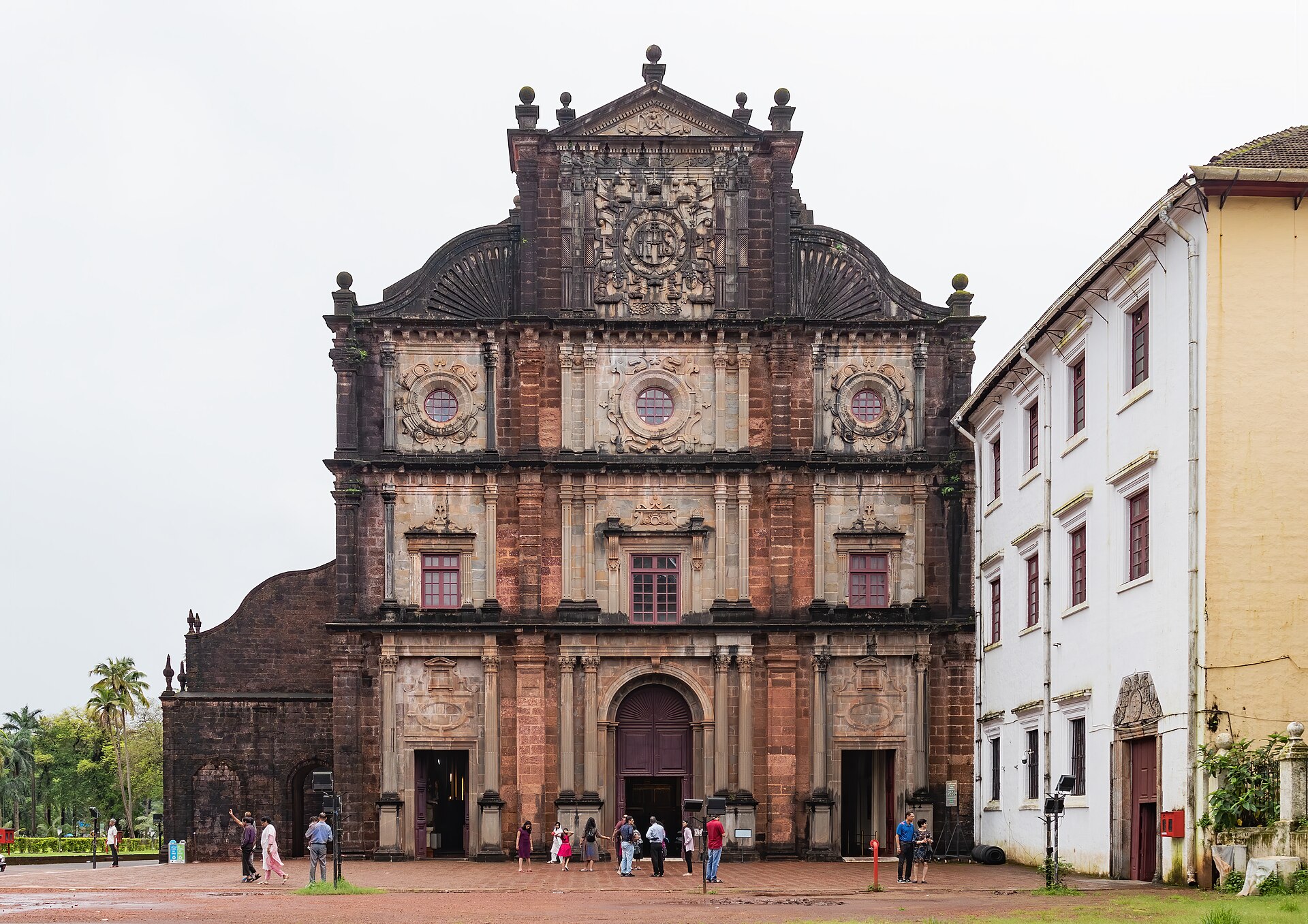
The great churches of the old Portuguese capital, a UNESCO World Heritage Site since 1986.
Open in Google Maps (opens in a new tab)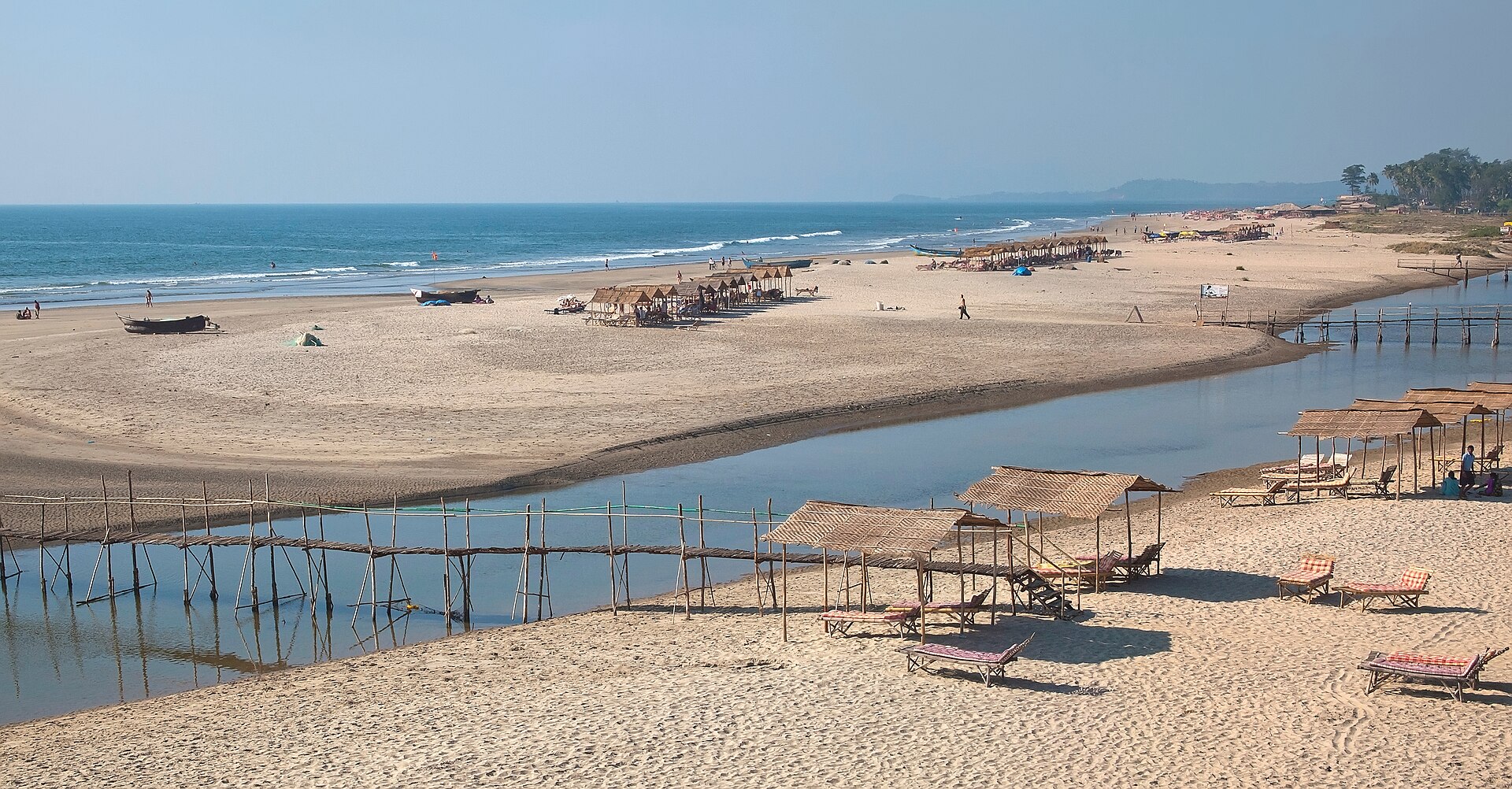
 Goa, India
India’s smallest state and its favourite beach escape: palm-fringed sands, white Portuguese-era churches, colourful old towns, spice farms and a relaxed coastal life shaped by four and a half centuries of Portuguese rule.
Beach, Nightlife
Goa, India
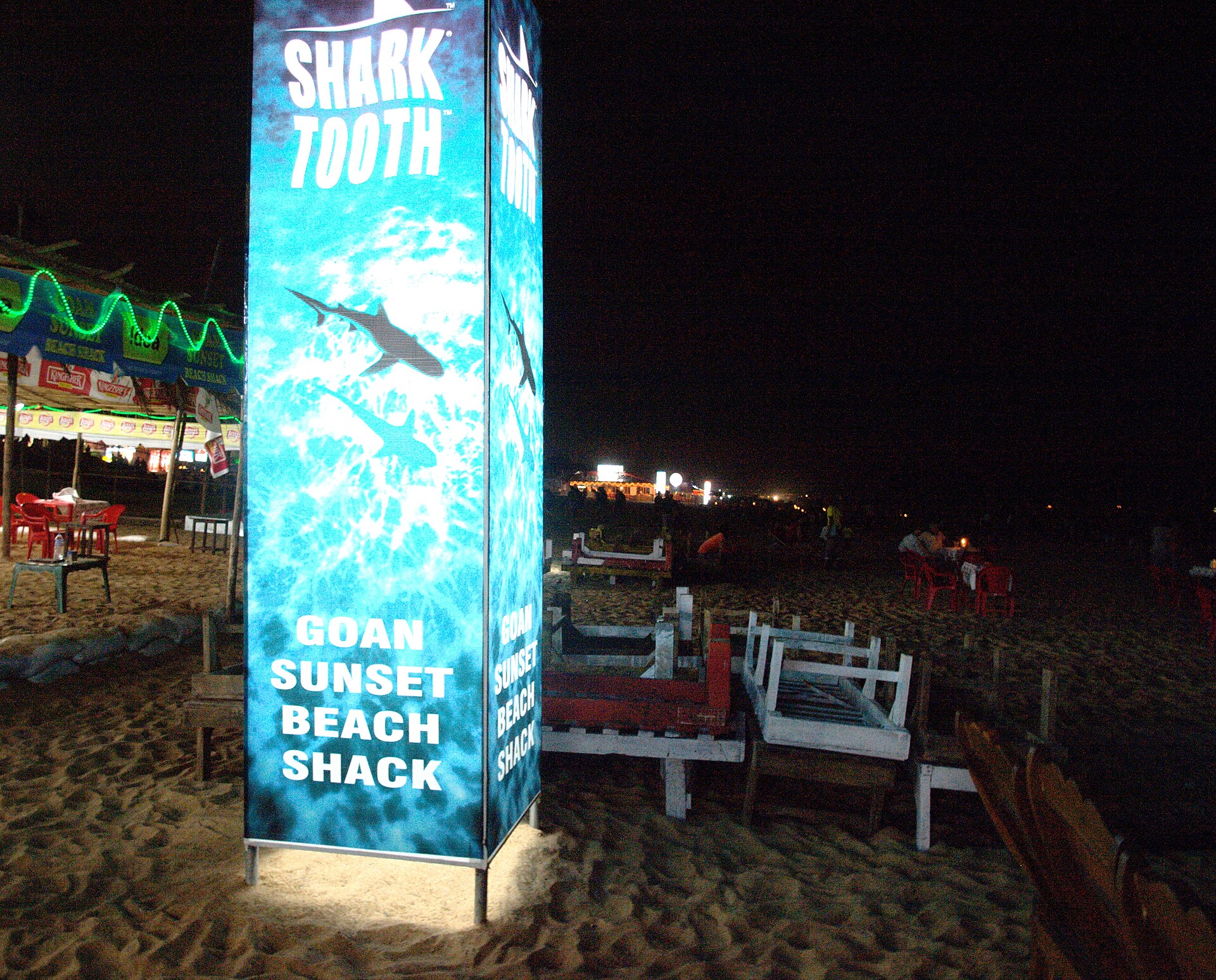
North Goa’s busiest stretch of sand, a long golden beach of shacks, water sports and sunbeds that runs into Baga, the heart of Goa’s nightlife.
Explore Calangute and Baga beaches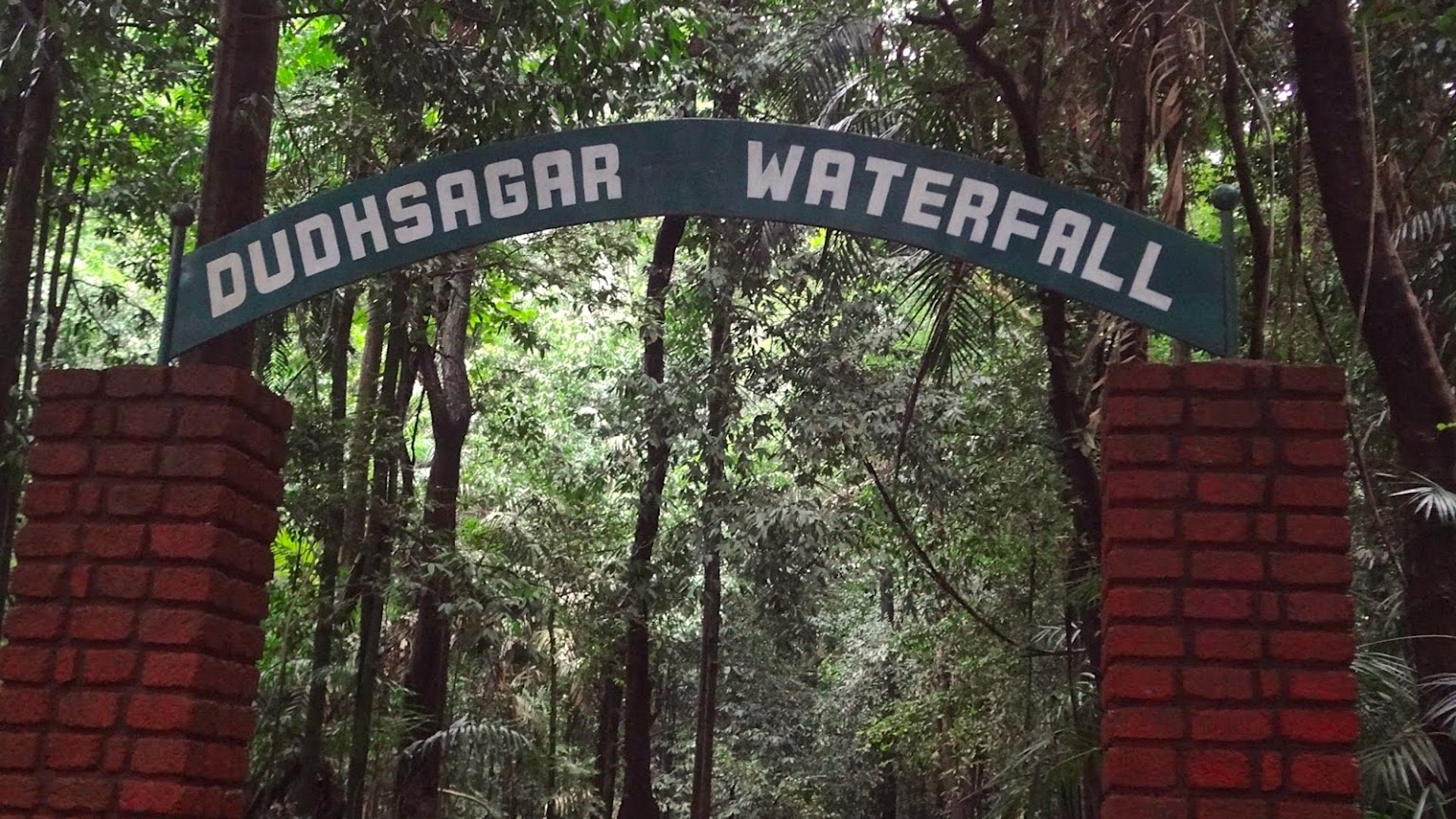
Waterfall, Nature
Goa, India
One of India’s tallest waterfalls, a four-tiered white cascade in the Western Ghats on the Goa–Karnataka border, with a railway line crossing right in front of it.
Explore Dudhsagar Falls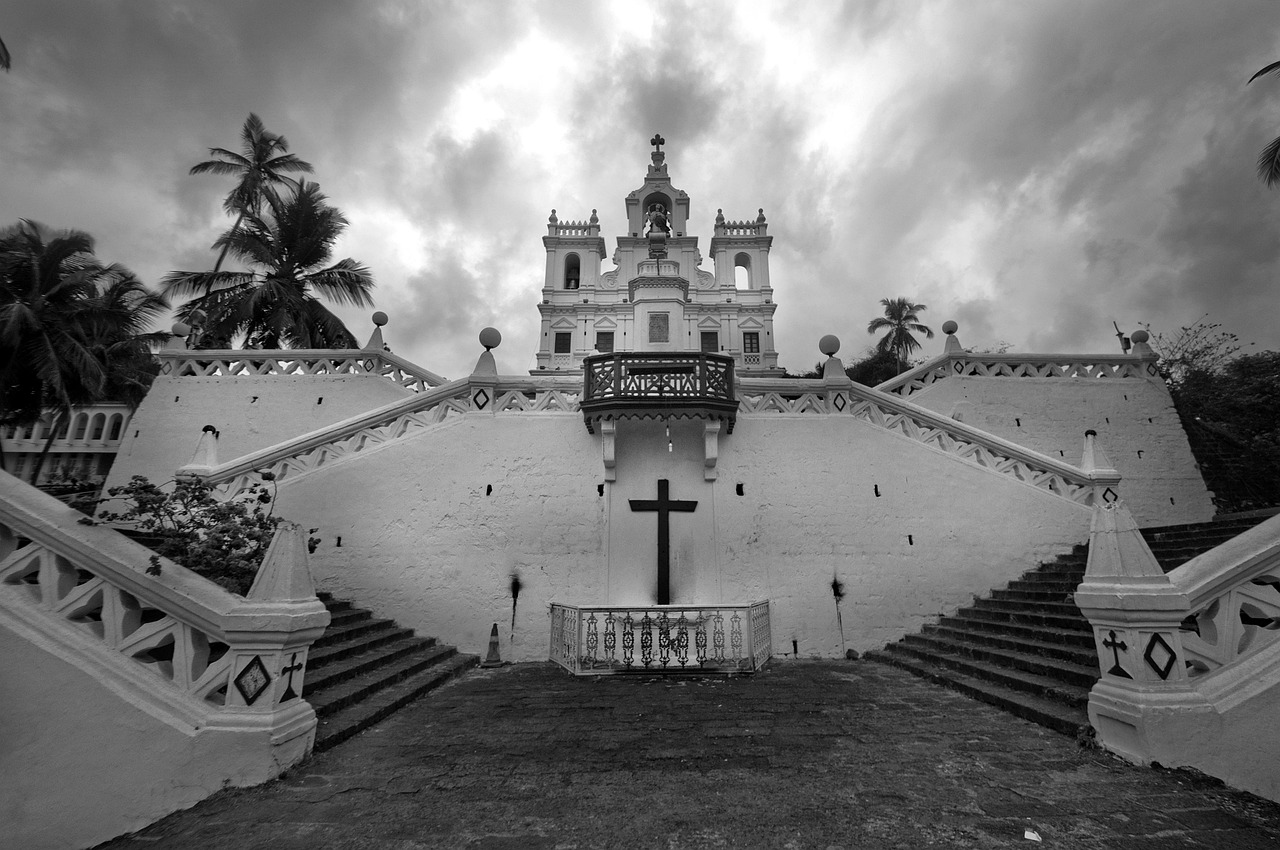
Heritage, Old town
Goa, India
Panaji’s Latin Quarter, a hillside of narrow lanes and brightly painted Portuguese-style houses with tiled roofs and balconies, below the city’s landmark white church.
Explore Fontainhas, Panaji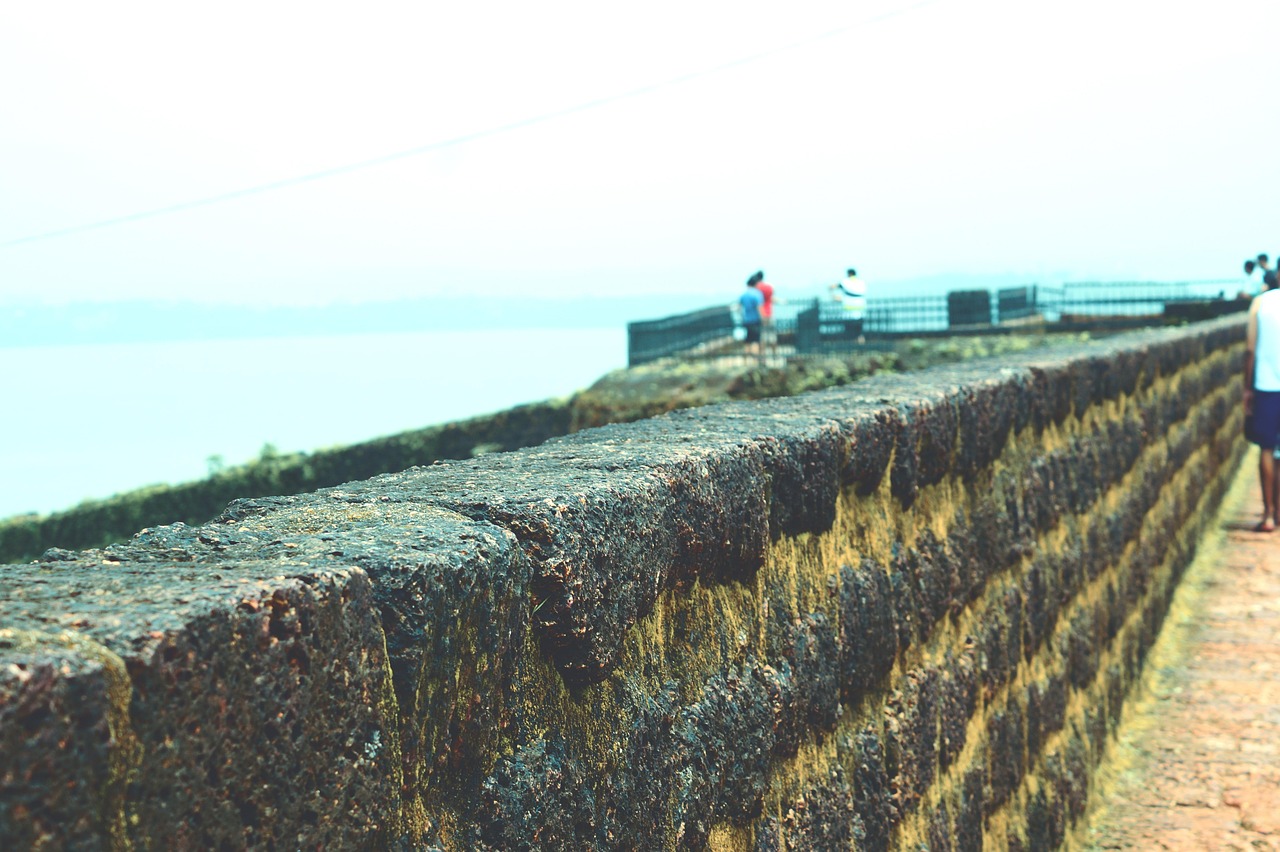
Fort, Viewpoint
Goa, India
A 17th-century Portuguese fort on the headland where the Mandovi river meets the sea, with one of Asia’s oldest lighthouses and wide views over the coast.
Explore Fort Aguada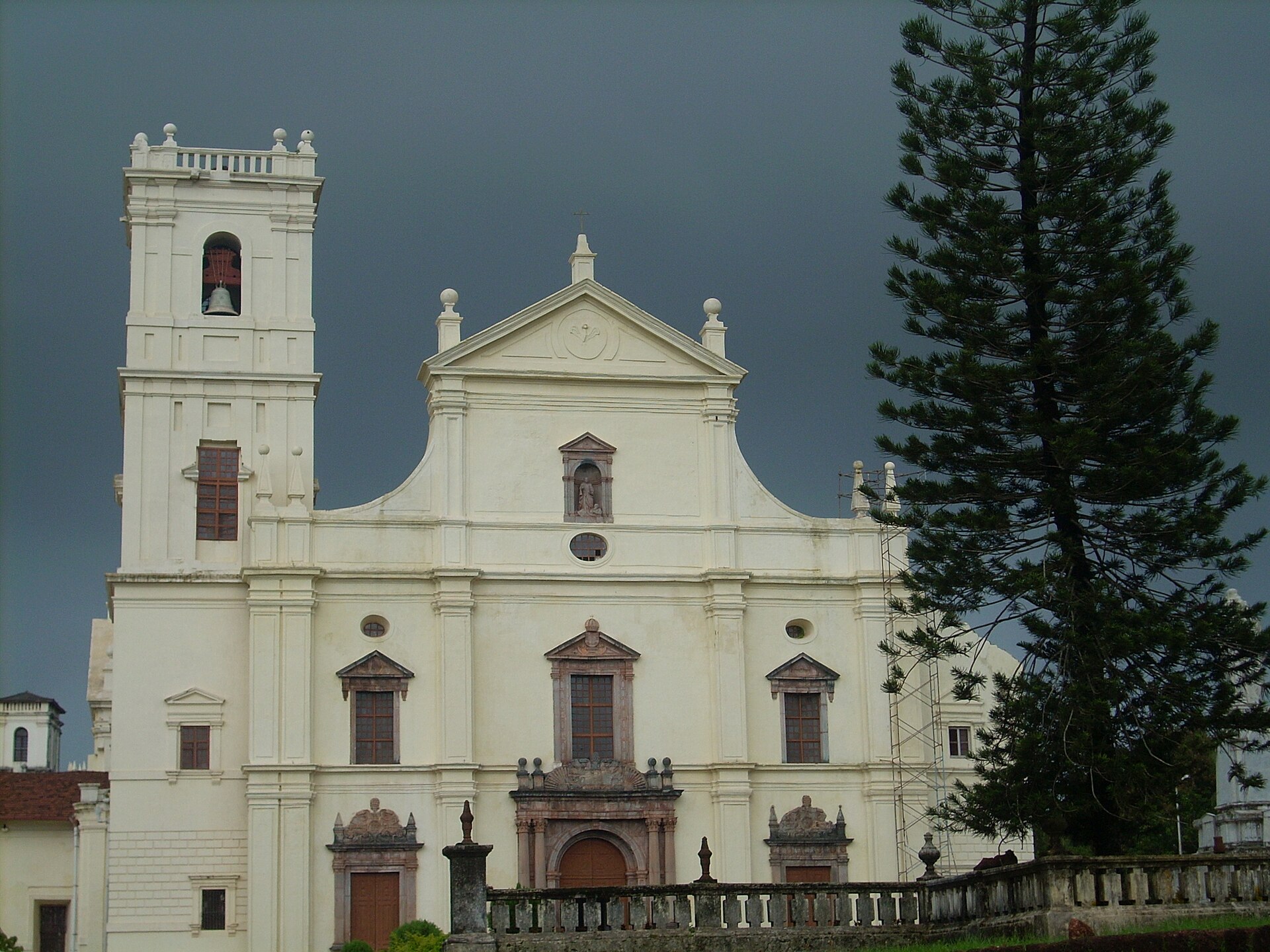
Church, UNESCO
Goa, India
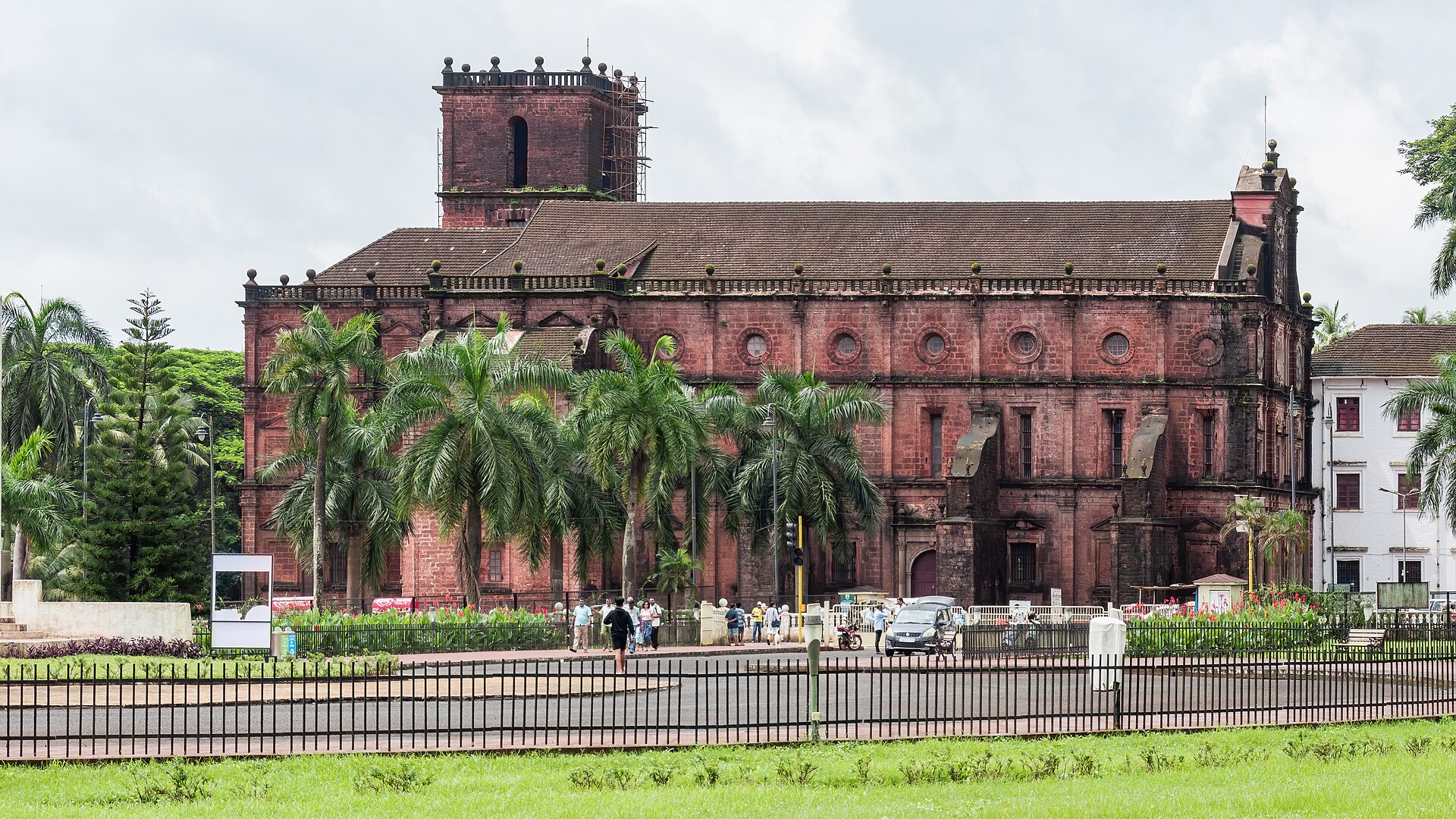
The former Portuguese capital on the Mandovi river, where great Baroque and Renaissance churches stand among lawns — including the basilica that holds the remains of St Francis Xavier.
Explore Old Goa: Basilica of Bom Jesus and Sé Cathedral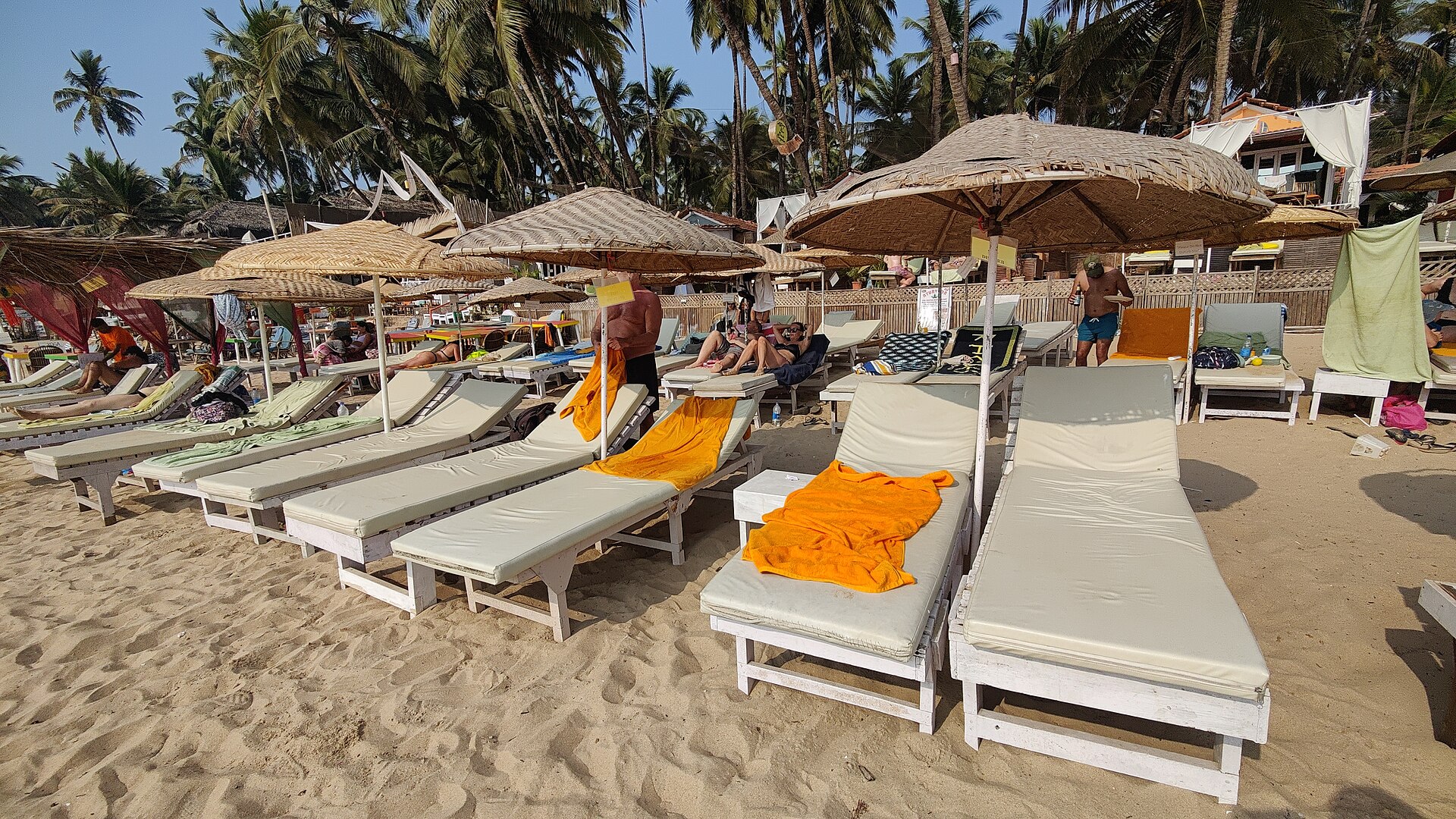
Beach, Nature
Goa, India
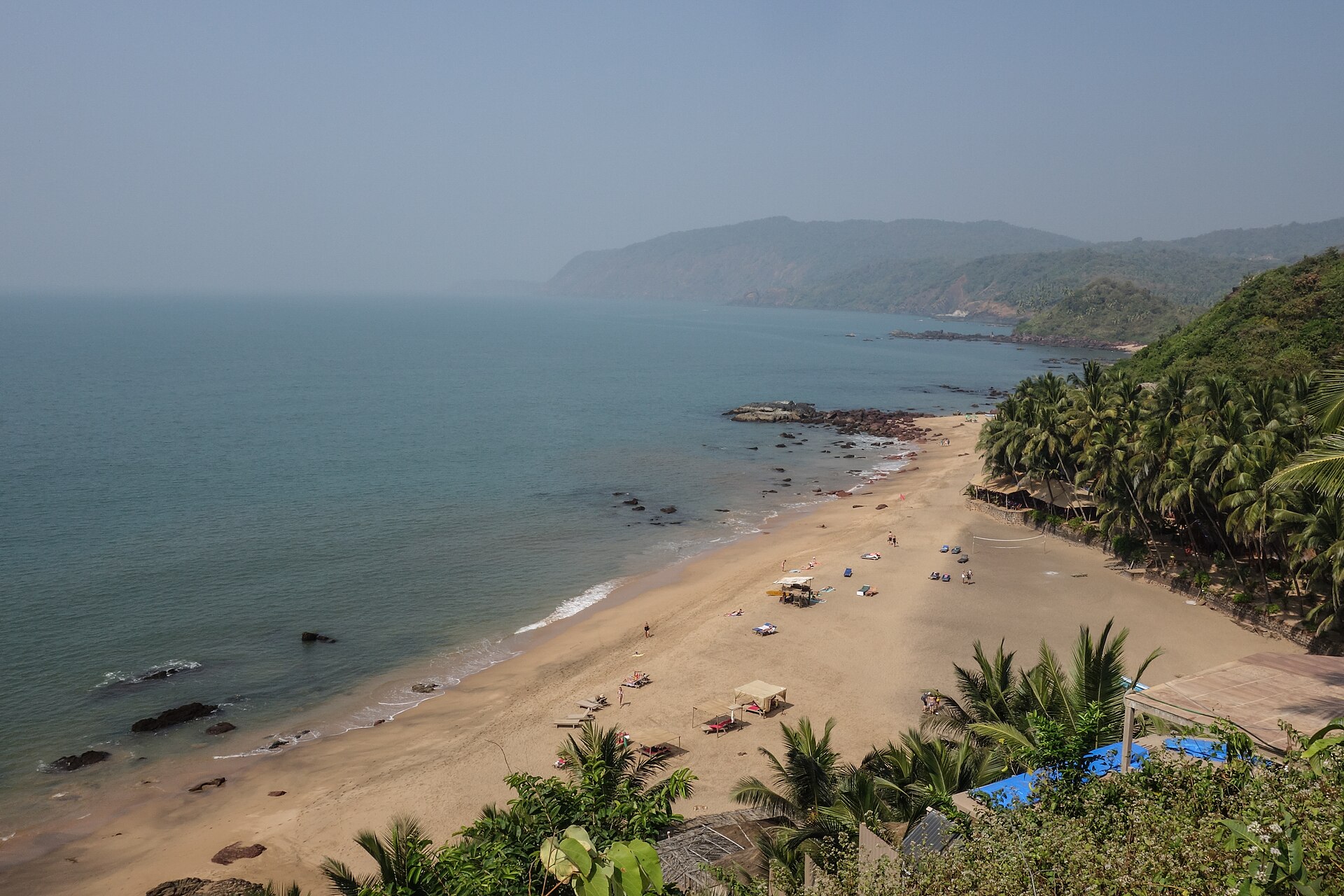
A crescent-shaped bay in far South Goa, framed by headlands and coconut palms, with calm water, colourful beach huts in the season and small coves nearby.
Explore PalolemOld Goa
The great churches of the old Portuguese capital, a UNESCO World Heritage Site since 1986.
Open in Google Maps (opens in a new tab)Above Vagator, North Goa
A ruined hilltop fort over the mouth of the Chapora river, with wide views of the coast.
Open in Google Maps (opens in a new tab)Near Ponda
Two of Goa’s most important Hindu temples, with lamp towers and a mix of Indian and European styles.
Open in Google Maps (opens in a new tab)Heritage, Old town
Goa, India
Panaji’s Latin Quarter, a hillside of narrow lanes and brightly painted Portuguese-style houses with tiled roofs and balconies, below the city’s landmark white church.
Explore Fontainhas, PanajiFort, Viewpoint
Goa, India
A 17th-century Portuguese fort on the headland where the Mandovi river meets the sea, with one of Asia’s oldest lighthouses and wide views over the coast.
Explore Fort AguadaChurch, UNESCO
Goa, India
The former Portuguese capital on the Mandovi river, where great Baroque and Renaissance churches stand among lawns — including the basilica that holds the remains of St Francis Xavier.
Explore Old Goa: Basilica of Bom Jesus and Sé CathedralGoa, India
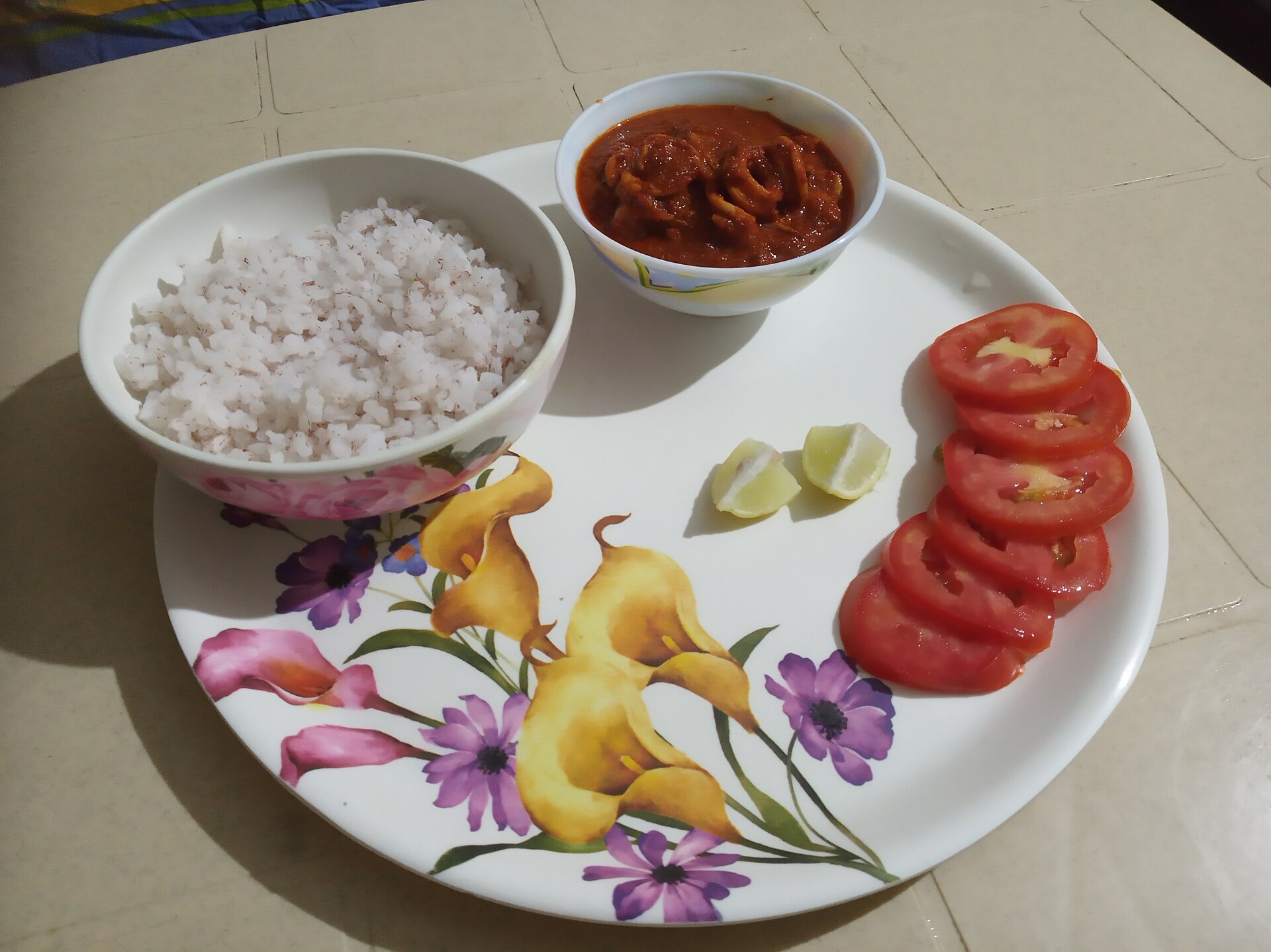
The everyday meal of Goa: fish such as kingfish or mackerel simmered in a sour, coconut-based red curry with kokum or tamarind, served with boiled rice and often a fried fish on the side. Goans call it xit kodi.
Goa, India
Goa, India
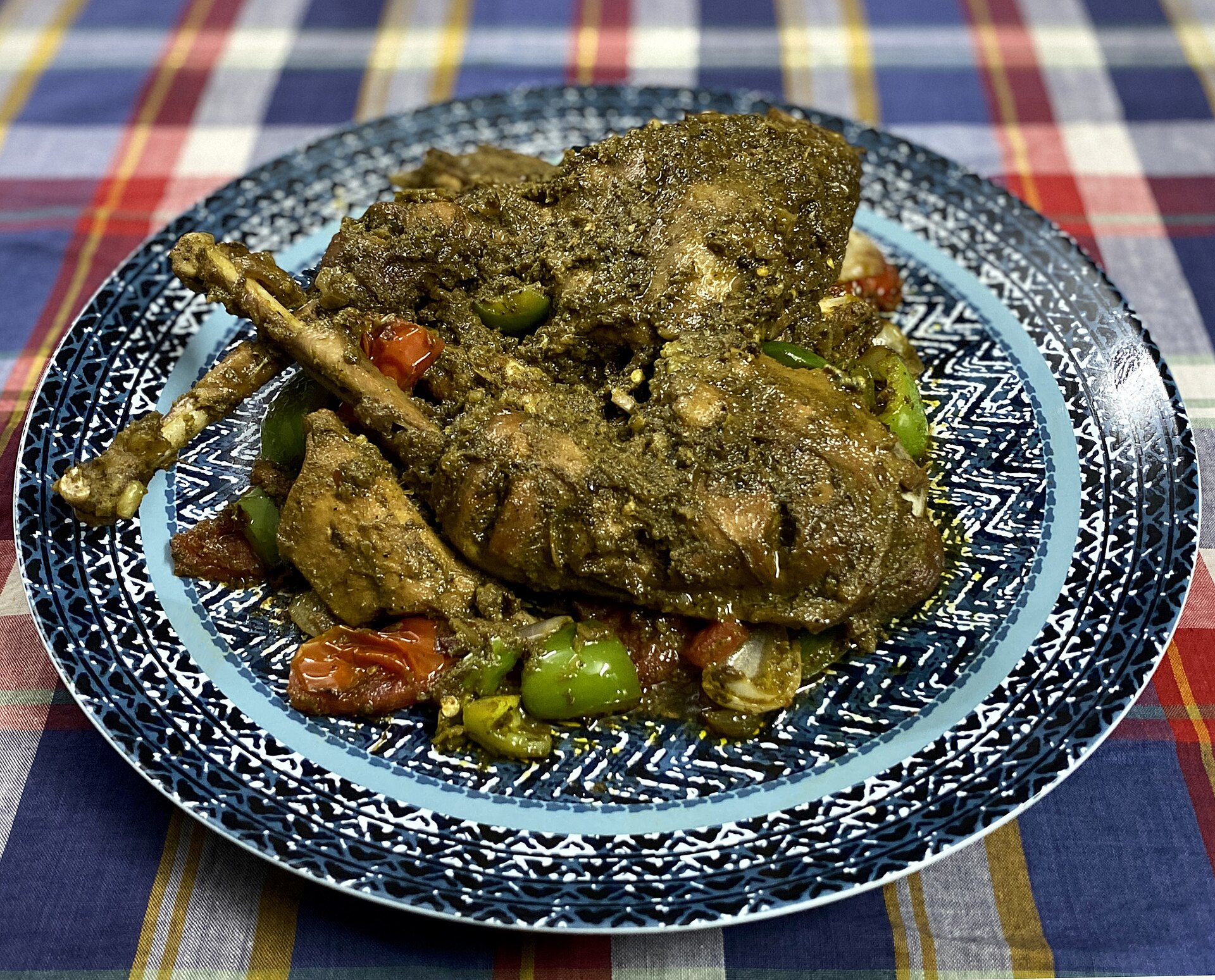
Two Goan chicken classics: xacuti is cooked in a dark, complex masala of roasted coconut and spices; cafreal is marinated in a bright green paste of coriander, chilli and lime and then fried or grilled.
Goa, India
A tangy, fiery prawn pickle-curry made with vinegar, red chillies and dried prawns, an old Goan way to keep seafood through the monsoon.
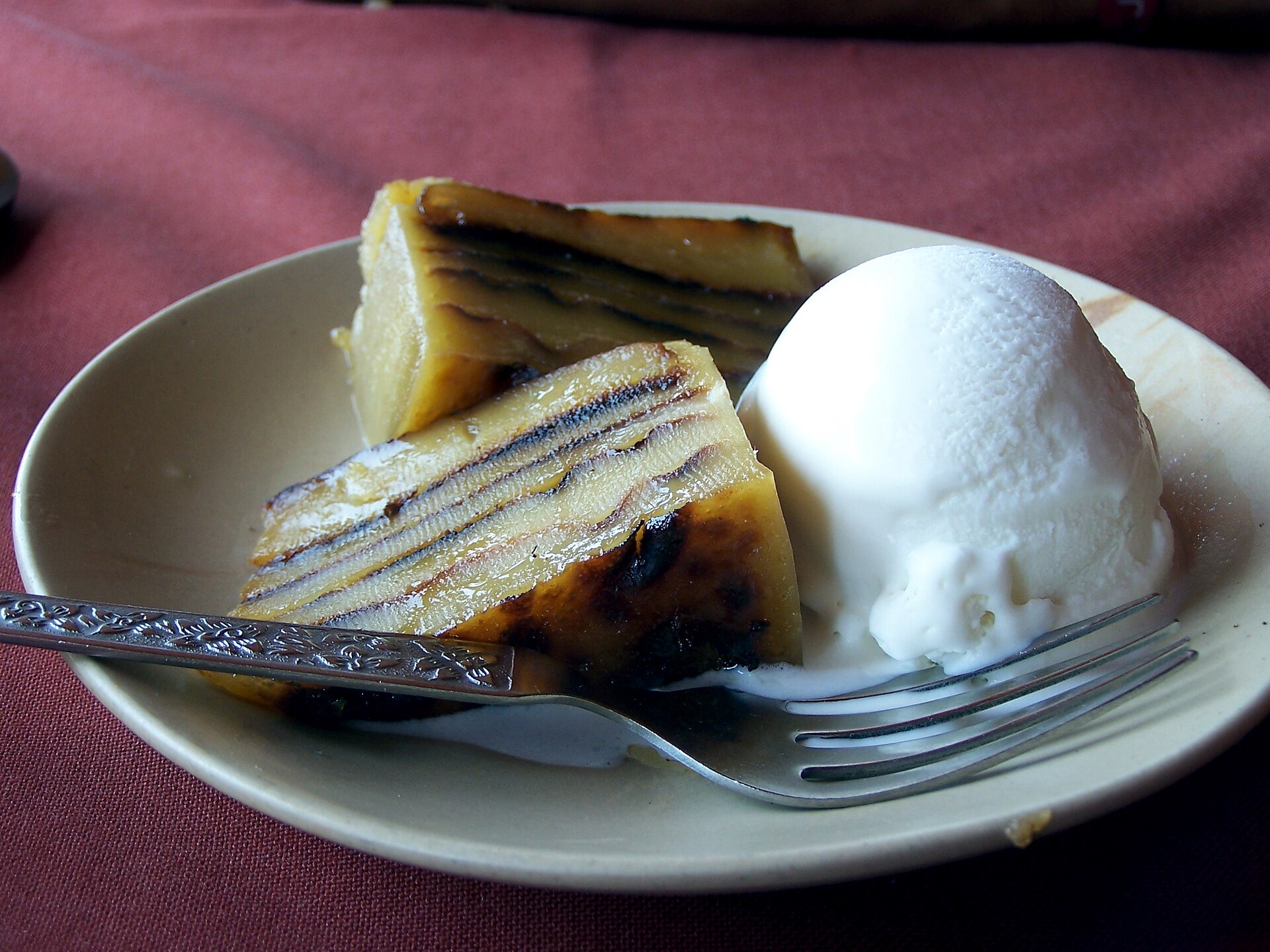
Goa, India
Goa’s festive layered dessert of coconut milk, egg yolks, sugar and ghee, each layer baked one at a time until there are many. Sold in Panaji sweet shops and eaten at Christmas and family celebrations.
Goa, India
Poi is the soft, hollow bread made each morning by Goan bakers (poders), who still deliver by bicycle in many villages. Feni is Goa’s spirit, distilled from cashew fruit or coconut toddy — strong, so drink it slowly.
Capital, on the Mandovi river
Old family restaurants serving Goan fish curry and xacuti, small cafés in the Latin Quarter, bakeries selling bebinca and the riverside promenade. Busy at lunch with office workers.
Open in Google Maps (opens in a new tab)Candolim, Calangute, Baga, Anjuna, Vagator
Licensed wooden beach shacks with seafood, Goan dishes and cold drinks by the sand, plus restaurants and clubs inland. Shacks open roughly from October to May and are taken down for the monsoon.
Open in Google Maps (opens in a new tab)Margao, Benaulim, Colva, Agonda, Palolem
Quieter beach restaurants and village eateries serving fish thalis, vindaloo and fresh catch. Margao’s market area has simple local restaurants and sweet shops.
Open in Google Maps (opens in a new tab)Assagao, Siolim, Parra
Restaurants in restored Portuguese villas and gardens among the paddy fields, from Goan home cooking to modern cafés. Best reached by scooter or taxi.
Open in Google Maps (opens in a new tab)Goa, India
Busy beach strips with hotels and resorts of every kind, close to the nightlife, water sports and Fort Aguada. Lively and noisy in the season.
Open in Google Maps (opens in a new tab)Goa, India
Heritage guesthouses in old Portuguese houses and city hotels by the river: calm, central and close to Old Goa, with buses and taxis to both north and south.
Open in Google Maps (opens in a new tab)Goa, India
Beach huts, cottages and resorts on the quieter, greener southern beaches. Many huts are seasonal and open only from about October or November to May.
Open in Google Maps (opens in a new tab)Goa, India
Villa stays and small boutique hotels among the paddy fields and coconut groves of North Goa, a short drive from the beaches.
Open in Google Maps (opens in a new tab)Goa's mix of Hindu and Catholic traditions shows in its whitewashed churches and roadside crosses, its colourful temples, and its feasts: Christmas and Easter, the feast of St Francis Xavier on 3 December, Shigmo in spring, the pre-Lent Carnival and the monsoon festival of São João, when young men jump into village wells and ponds.
Life follows the idea of susegad — a contented, unhurried pace. Konkani is the main language, music runs deep, and villages are full of old Portuguese-style houses with balcões (verandas) and tiled roofs.
Goa was ruled by a succession of Indian dynasties, including the Kadambas, before passing to the Bahmani and then the Bijapur Sultanate. In 1510 the Portuguese commander Afonso de Albuquerque captured the city, and Goa became the capital of Portugal's eastern empire.
Old Goa grew into one of the great cities of Asia, filled with churches and convents, and missionaries such as St Francis Xavier set out from here. Epidemics later emptied the old capital, and the government moved to Panaji (Panjim), which formally became the capital in 1843.
Goa remained Portuguese for about 450 years, until India took it in December 1961. It became a full state of India in 1987. The long Portuguese period left churches, villa-lined villages, a strong Catholic community alongside the Hindu majority, and a cuisine unlike anywhere else in India.
The Latin Quarter of Fontainhas and the Church of Our Lady of the Immaculate Conception, then the Basilica of Bom Jesus and the Sé Cathedral in Old Goa.
Fort Aguada and its lighthouse in the morning, the beaches of Candolim, Calangute and Baga, and a seafood dinner in a beach shack.
Drive inland to a spice farm near Ponda and, in season, take the jeep safari to Dudhsagar Falls.
Head south to Palolem: swim in the bay, take a boat to Butterfly Beach and watch the sunset from the sand.
November to February: dry, sunny and busiest around Christmas and New Year. March to May is hot; the June–September monsoon is green and quiet, but the sea is rough and many beach places close.