Etli ekmek
Konya, Türkiye
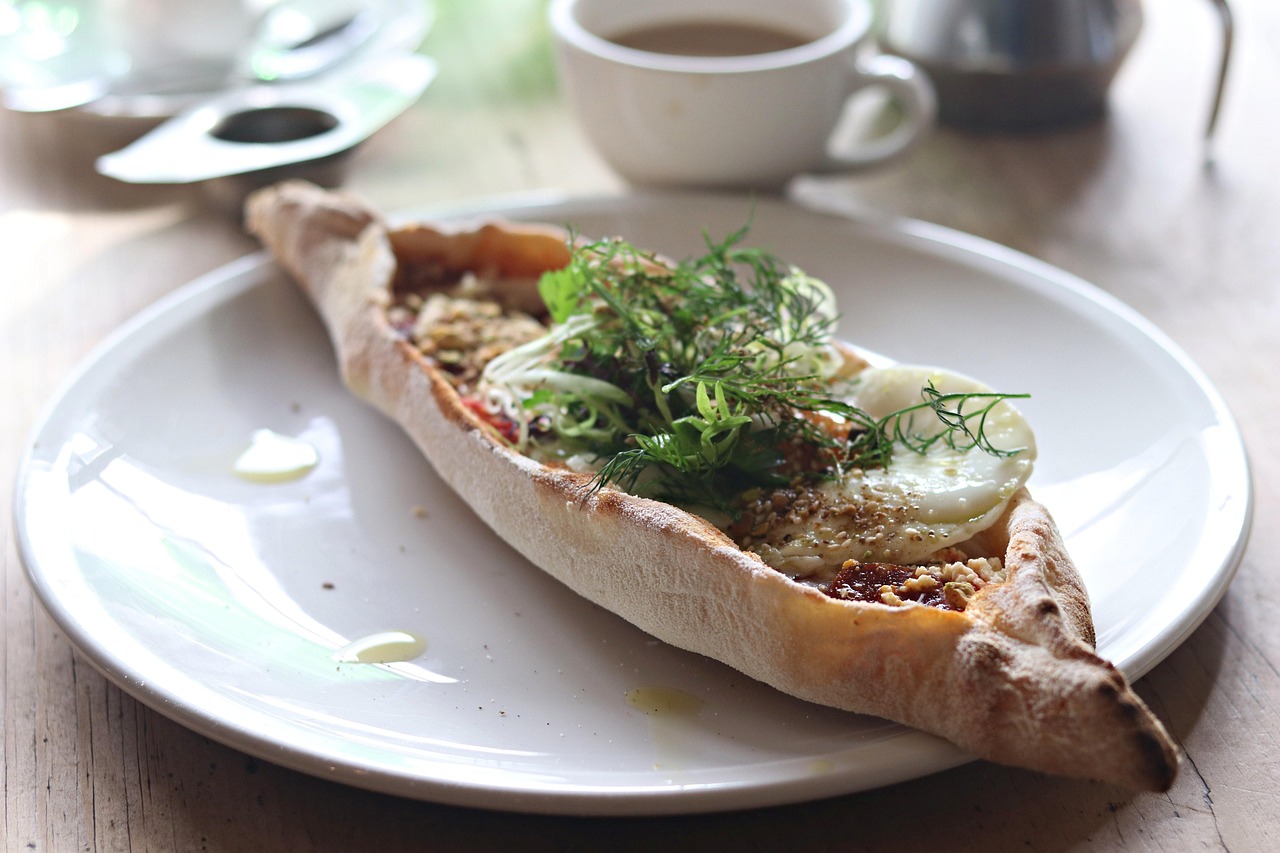
Konya's best-known dish: a very long, thin flatbread topped with finely minced meat, onion and tomato, baked in a wood-fired oven and cut into strips. Usually served with ayran and pickles.
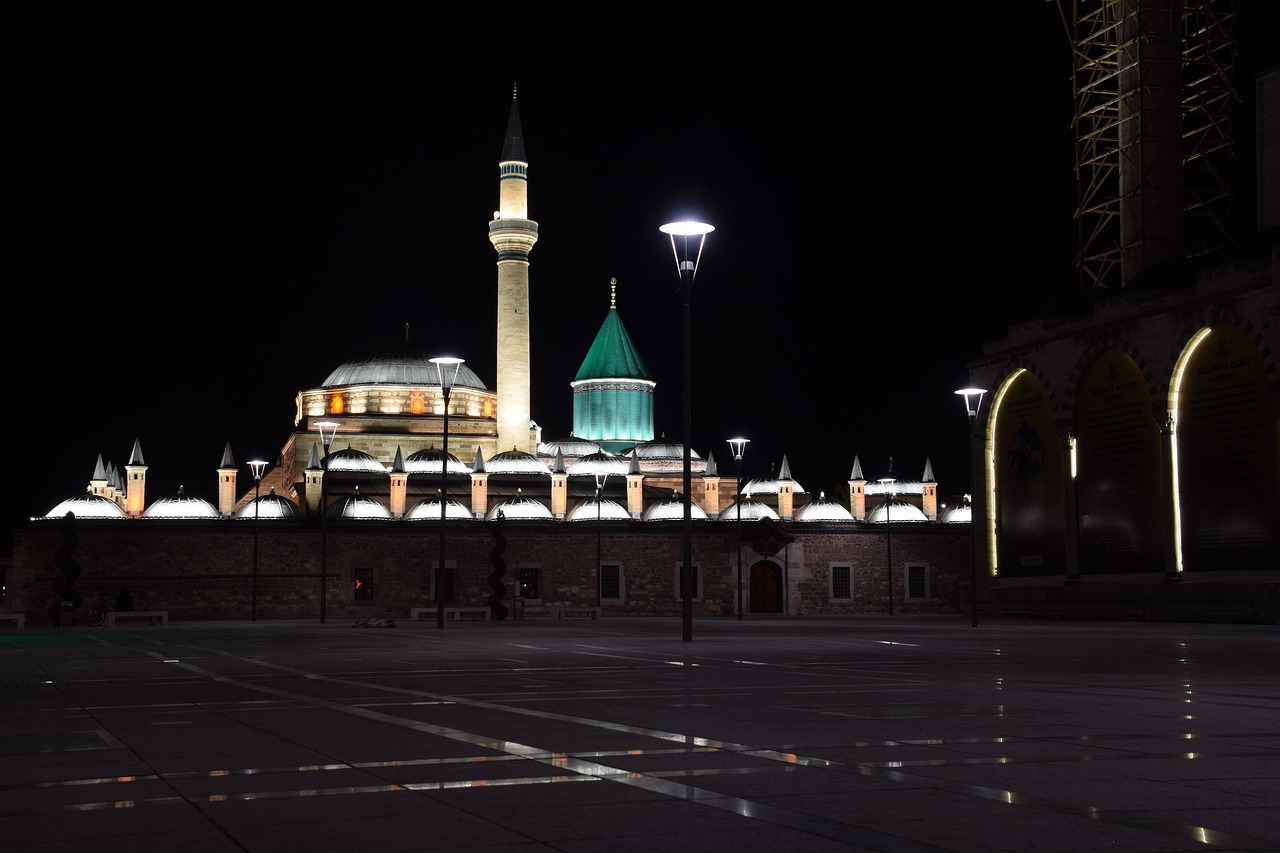
 Konya, Türkiye
The spiritual heart of Türkiye and former Seljuk capital, home of the shrine of Mevlana Jalaluddin Rumi and the whirling dervishes. A calm, conservative city of Seljuk madrasas and mosques, with the Neolithic town of Çatalhöyük nearby.
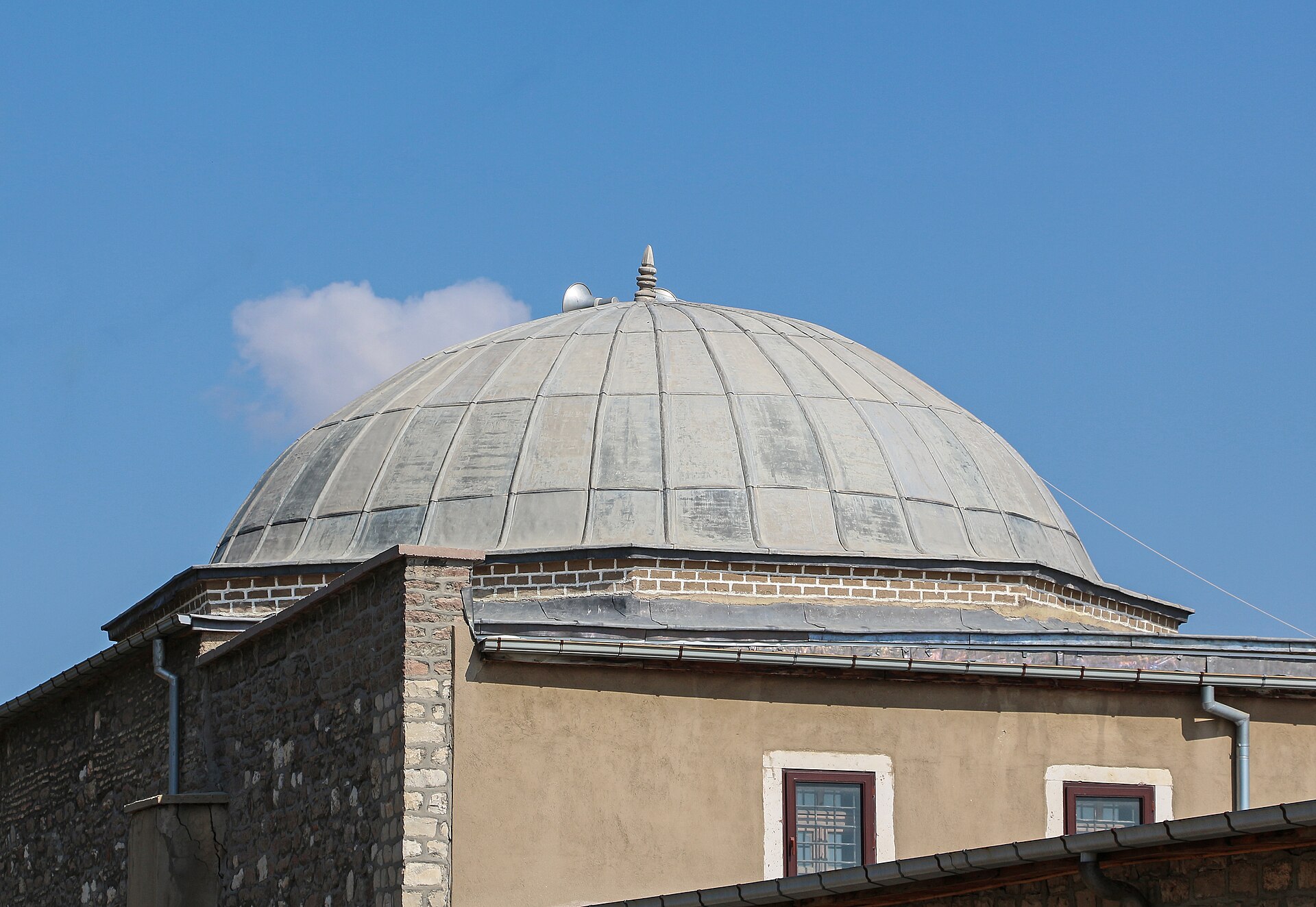
Mosque, Heritage
Konya, Türkiye
A green park on a low hill at the centre of Konya, on the site of the ancient acropolis, crowned by the Seljuk Alaeddin Mosque — the great mosque of the sultans of Rum.
Explore Alaeddin Hill & Mosque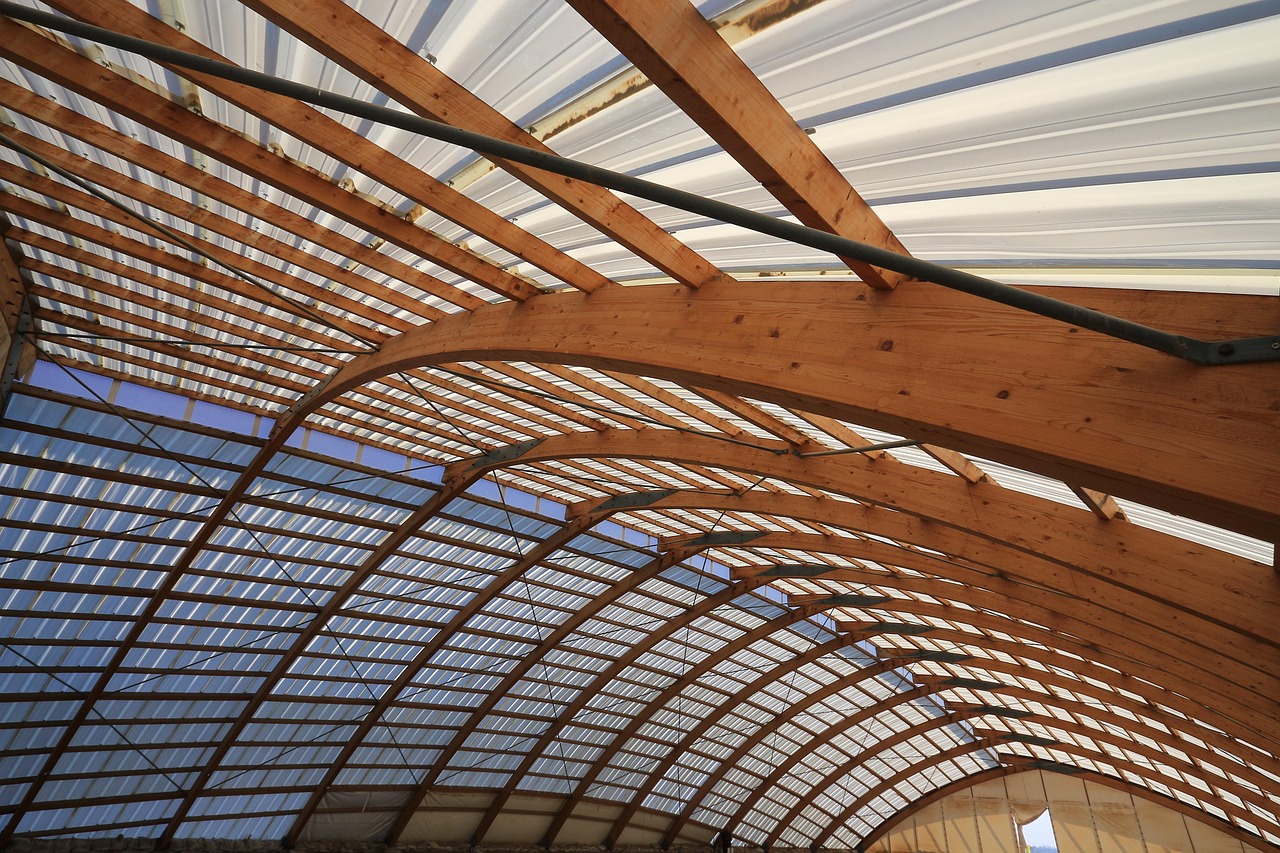
Archaeology, UNESCO
Konya, Türkiye
One of the oldest and largest Neolithic towns known, a mound on the Konya plain where people lived in mud-brick houses entered through the roof some 9,000 years ago. UNESCO World Heritage Site.
Explore Çatalhöyük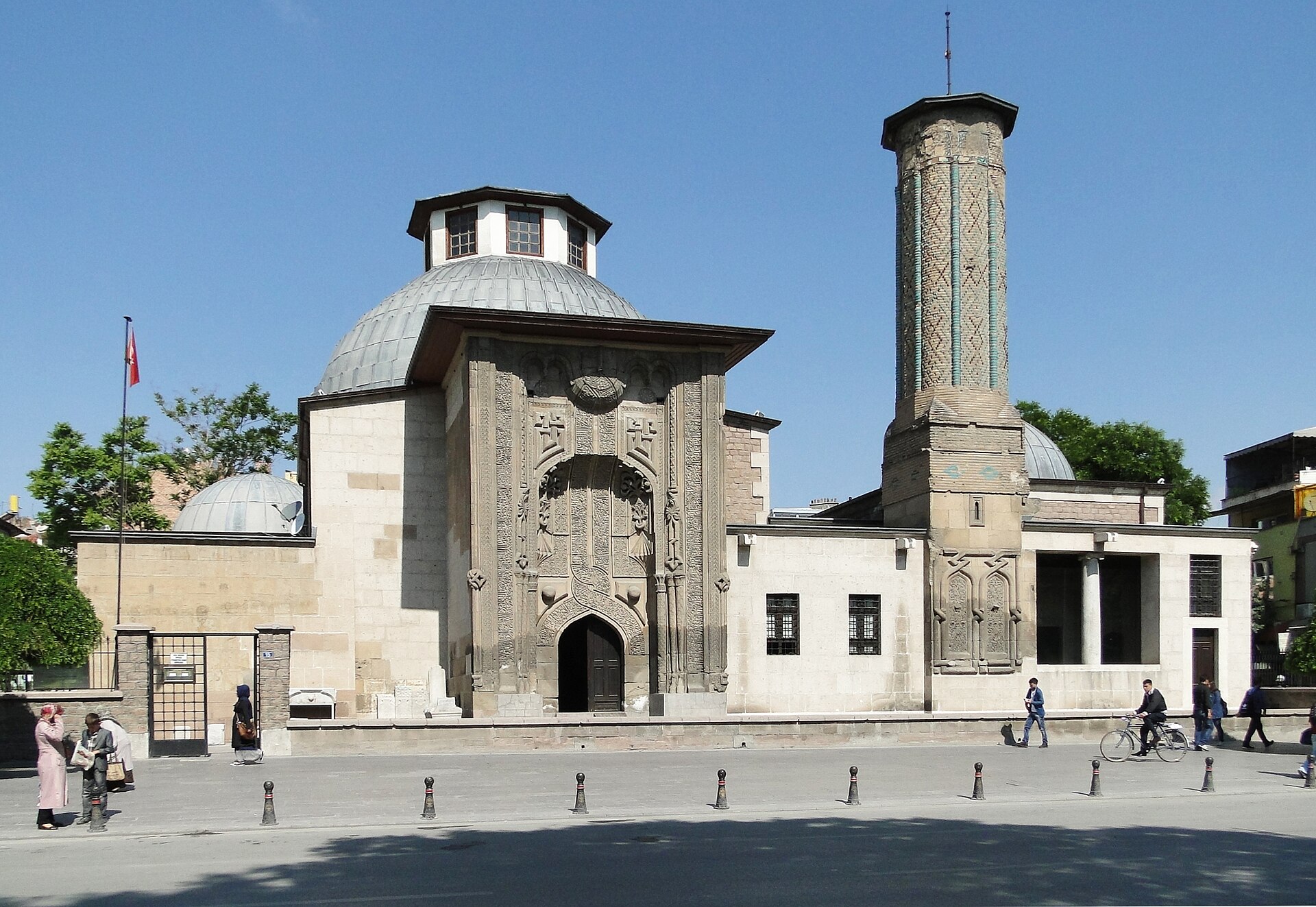
Heritage, Museum
Konya, Türkiye
The "Madrasa of the Slender Minaret", famous for its richly carved stone portal, now a museum of Seljuk stone and wood carving.
Explore İnce Minareli Madrasa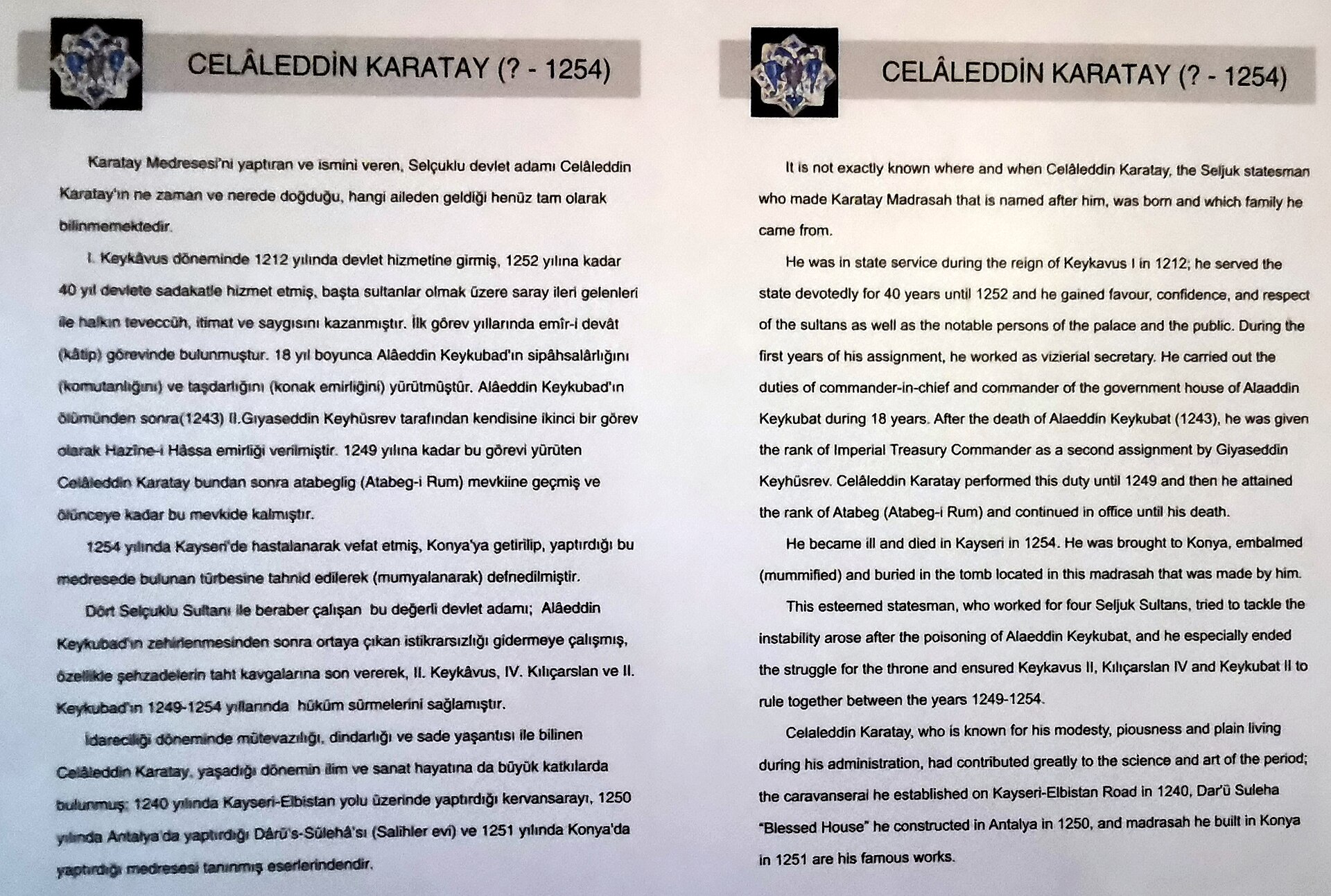
Heritage, Museum
Konya, Türkiye
A 13th-century Seljuk college whose dome is covered inside with turquoise and black tiles, now a museum of Seljuk and Ottoman tiles and ceramics.
Explore Karatay Madrasa (Tile Museum)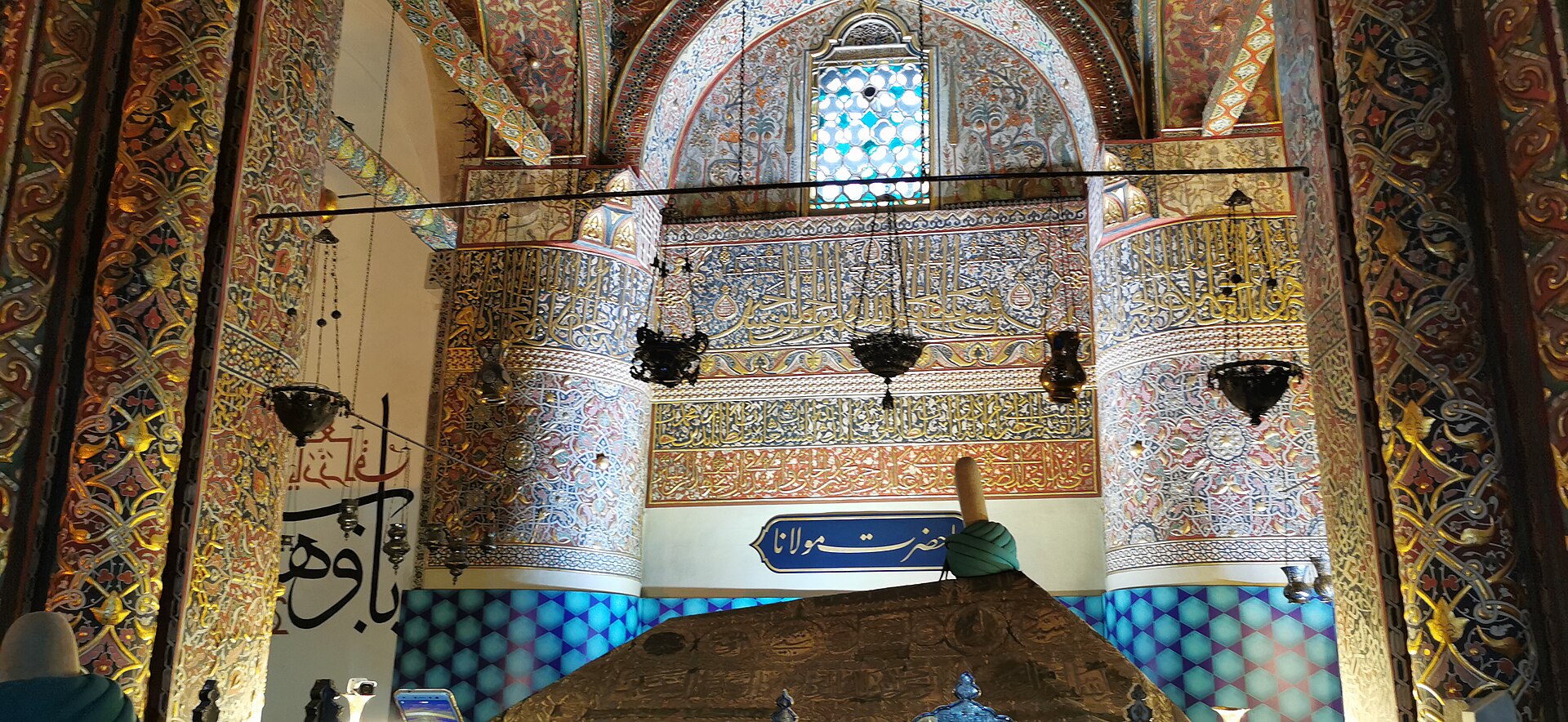
Shrine, Museum
Konya, Türkiye
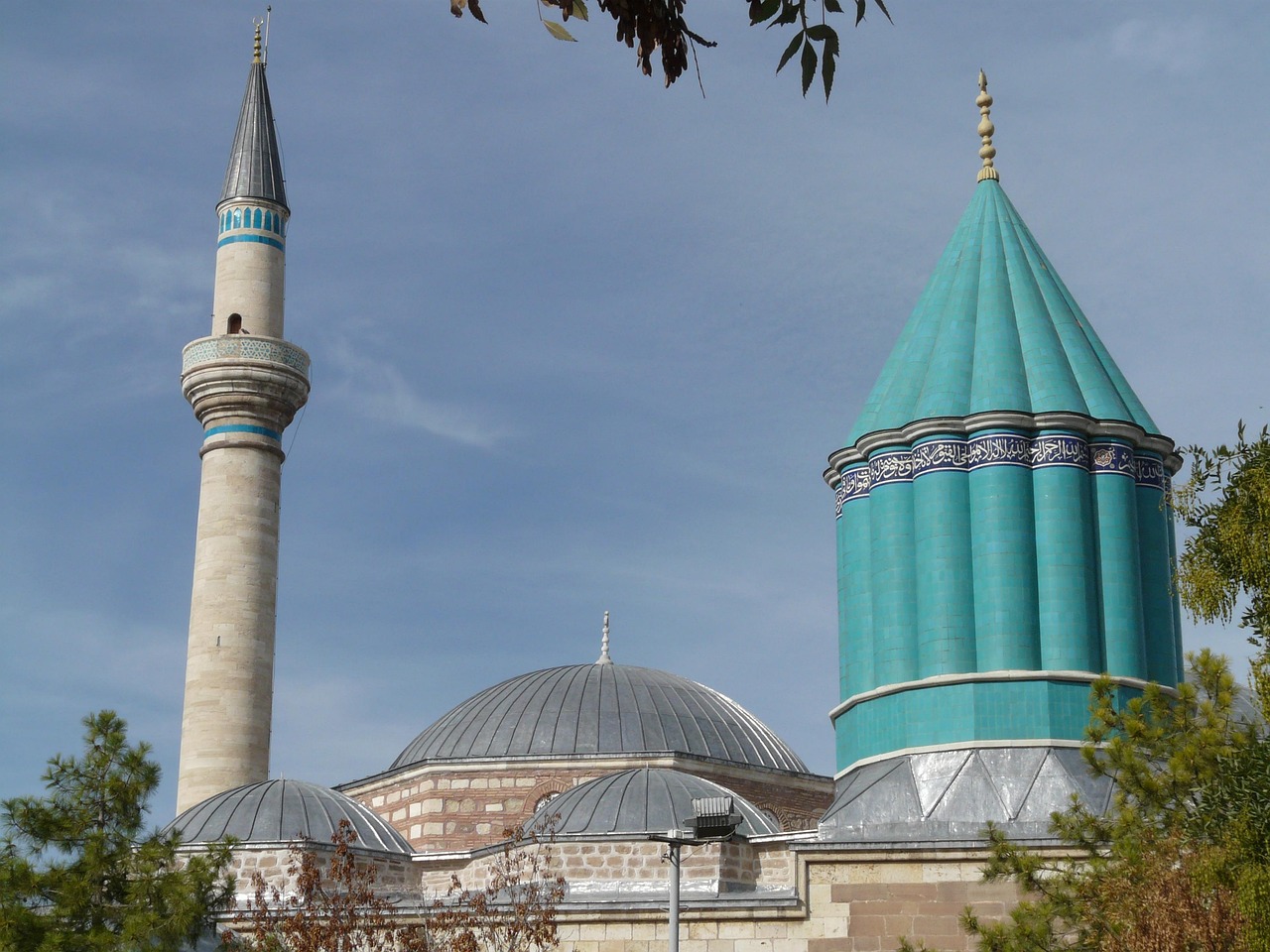
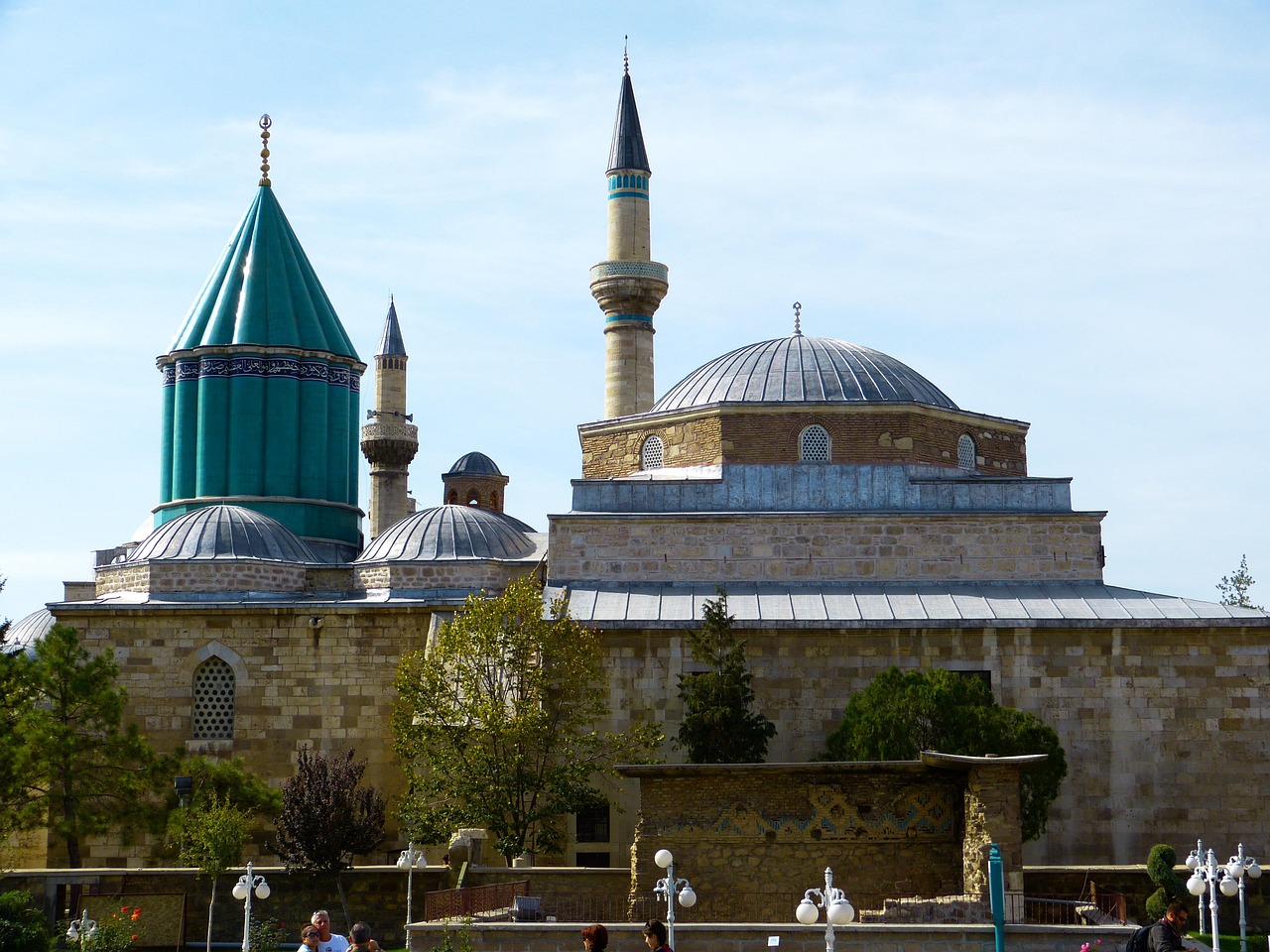
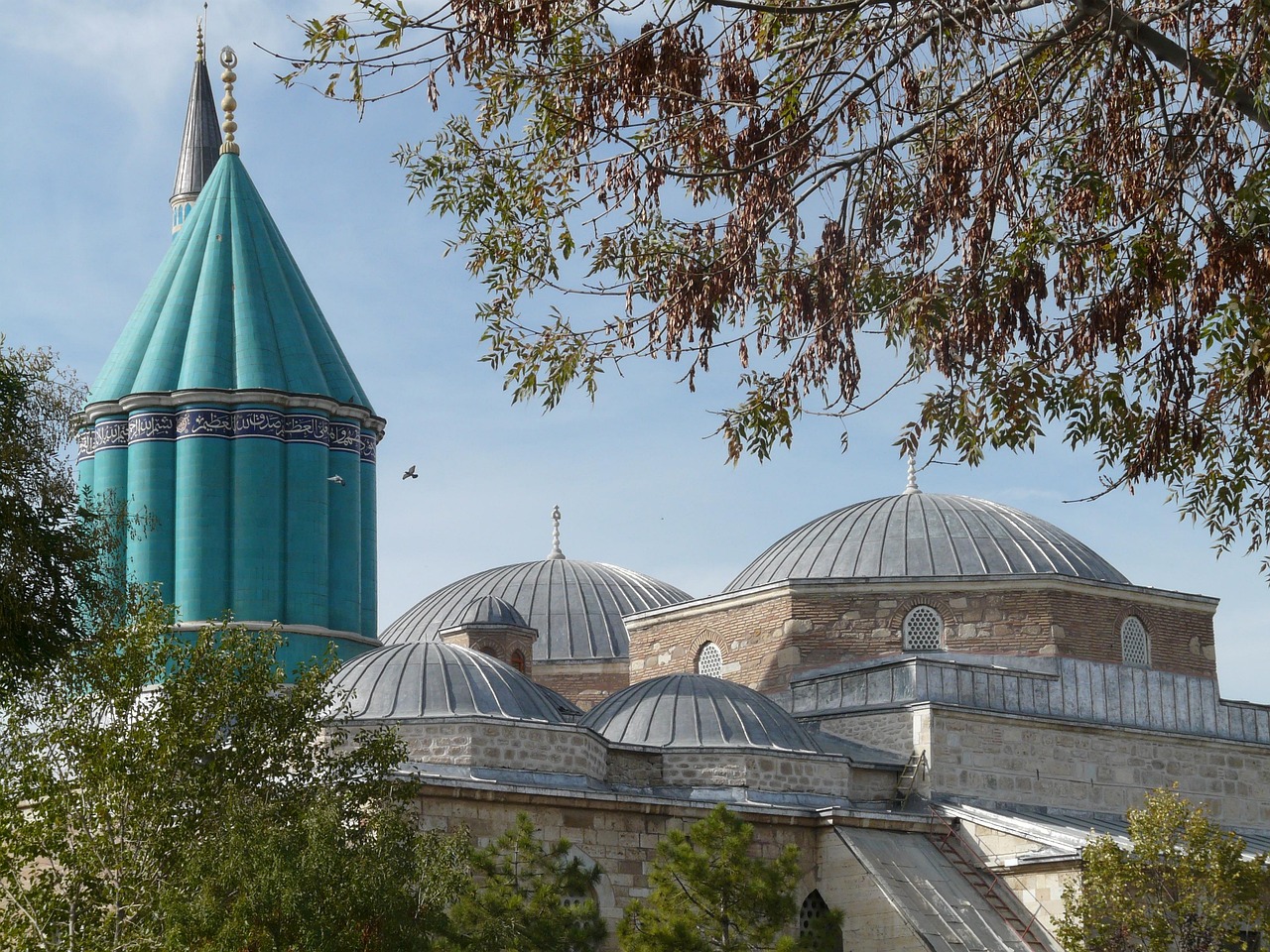
The tomb of Jalaluddin Rumi (Mevlana) under its green-tiled dome, in the former lodge of the Mevlevi dervishes — one of the most visited shrines in Türkiye.
Explore Mevlana Museum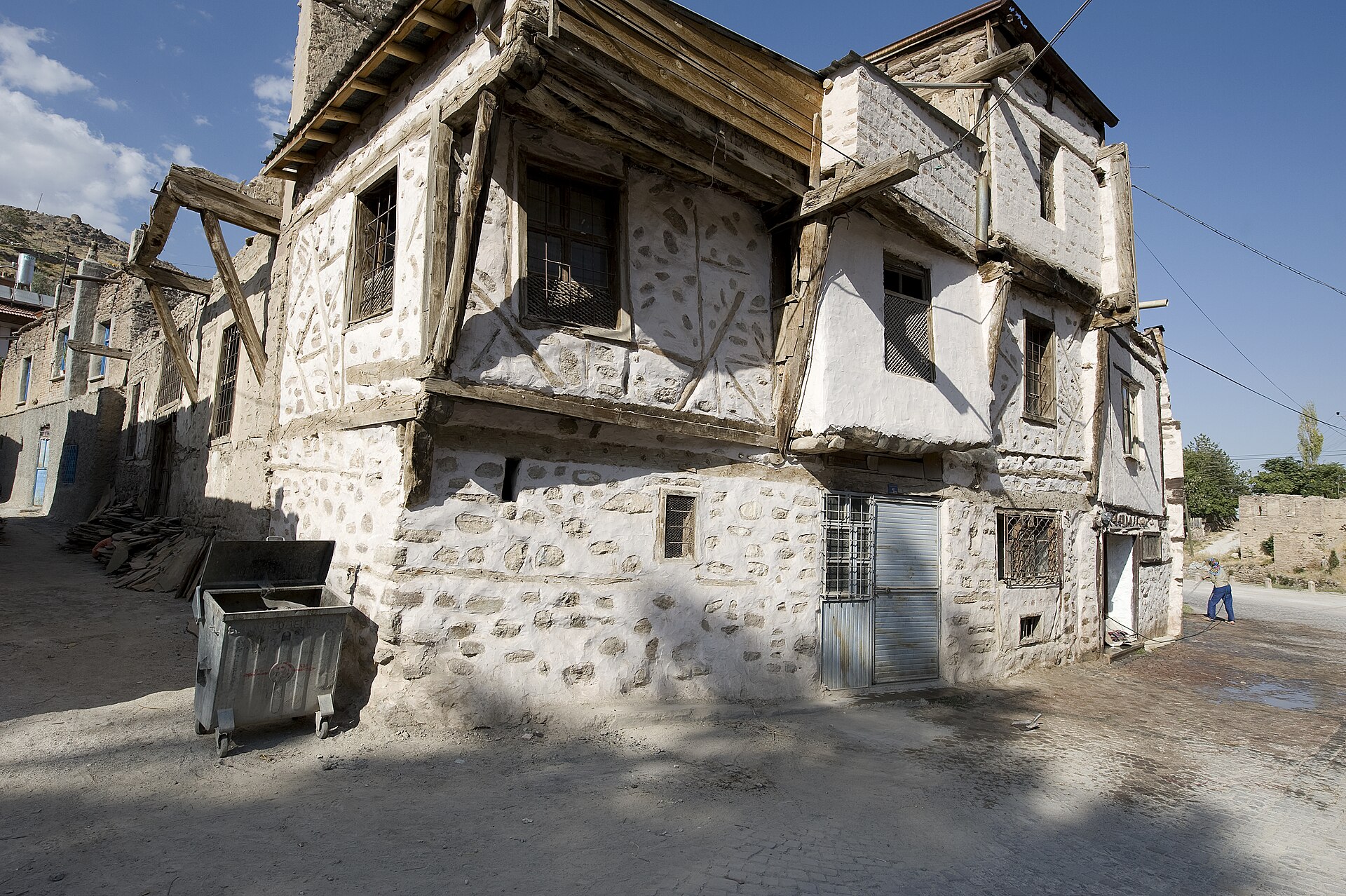
Village, Heritage
Konya, Türkiye
An old village in a small valley just outside Konya, where Greek Orthodox and Muslim families lived together for centuries, with stone houses, rock-cut chambers and the domed Aya Elena church.
Explore SilleMosque, Heritage
Konya, Türkiye
A green park on a low hill at the centre of Konya, on the site of the ancient acropolis, crowned by the Seljuk Alaeddin Mosque — the great mosque of the sultans of Rum.
Explore Alaeddin Hill & MosqueArchaeology, UNESCO
Konya, Türkiye
One of the oldest and largest Neolithic towns known, a mound on the Konya plain where people lived in mud-brick houses entered through the roof some 9,000 years ago. UNESCO World Heritage Site.
Explore ÇatalhöyükHeritage, Museum
Konya, Türkiye
The "Madrasa of the Slender Minaret", famous for its richly carved stone portal, now a museum of Seljuk stone and wood carving.
Explore İnce Minareli MadrasaHeritage, Museum
Konya, Türkiye
A 13th-century Seljuk college whose dome is covered inside with turquoise and black tiles, now a museum of Seljuk and Ottoman tiles and ceramics.
Explore Karatay Madrasa (Tile Museum)Shrine, Museum
Konya, Türkiye
The tomb of Jalaluddin Rumi (Mevlana) under its green-tiled dome, in the former lodge of the Mevlevi dervishes — one of the most visited shrines in Türkiye.
Explore Mevlana MuseumVillage, Heritage
Konya, Türkiye
An old village in a small valley just outside Konya, where Greek Orthodox and Muslim families lived together for centuries, with stone houses, rock-cut chambers and the domed Aya Elena church.
Explore SilleKonya, Türkiye
Konya's best-known dish: a very long, thin flatbread topped with finely minced meat, onion and tomato, baked in a wood-fired oven and cut into strips. Usually served with ayran and pickles.
Konya, Türkiye
Konya's oven kebab: lamb cooked slowly in a stone oven until very tender and served on thin bread. Often eaten at lunch, when the ovens open.
Konya, Türkiye
A sour soup of small dried okra with lamb and lemon, a traditional dish at Konya weddings and celebrations.
Konya, Türkiye
Mevlana şekeri is a simple white boiled sugar sweet sold around the Mevlana Museum as a keepsake. Sac arası is a syrupy layered pastry with walnuts, a Konya favourite after a meal.
Mevlana Street and the streets near the museum
Traditional restaurants serving fırın kebabı, etli ekmek and bamya çorbası to pilgrims and visitors, and sweet shops selling Mevlana şekeri.
Open in Google Maps (opens in a new tab)Old market streets between Mevlana and Alaeddin
The old covered market quarter, with simple lokantas (canteens), etli ekmek ovens and shops selling spices, dried fruit and local goods.
Open in Google Maps (opens in a new tab)Konya, Türkiye
Central hotels between the Mevlana Museum and Alaeddin Hill, on the tram line and within walking distance of the main sights and markets.
Open in Google Maps (opens in a new tab)Konya, Türkiye
Greener residential districts with newer hotels, quieter at night and a tram or taxi ride from the centre.
Open in Google Maps (opens in a new tab)Konya lives by the teachings of Mevlana: tolerance, love and humility. Visitors come as pilgrims as well as tourists, so treat the shrine and the sema ceremony as worship, not shows — no applause, no flash. Alcohol is hard to find in the centre. People are warm and hospitable; a few words of Turkish ("merhaba", "teşekkürler") go a long way.
Konya, ancient Iconium, is one of the oldest continuously inhabited cities in Anatolia. St Paul preached here on his journeys. Long before, around 9,000 years ago, people were living in the Neolithic town of Çatalhöyük on the plain to the south-east.
In the 12th and 13th centuries Konya was the capital of the Seljuk Sultanate of Rum, and its sultans filled it with mosques, madrasas and caravanserais around Alaeddin Hill. In 1228 the family of the scholar and poet Jalaluddin Rumi — known in Türkiye as Mevlana — settled here. Rumi taught, wrote his great poem, the Masnavi, and died in Konya in 1273; his followers founded the Mevlevi order, famous for the whirling ceremony (sema).
Under the Ottomans the city remained a religious centre. After the dervish lodges were closed in 1925, Rumi's lodge reopened as the Mevlana Museum. Today Konya is a large, modern city on the plain, linked to Ankara and Istanbul by high-speed train.
Travel information
Morning at the Mevlana Museum, lunch of fırın kebabı nearby, then the Karatay and İnce Minareli madrasas and Alaeddin Hill. A sema ceremony in the evening if one is on.
Drive out to Çatalhöyük in the morning, return for etli ekmek, and spend the afternoon in the old village of Sille.
April to June and September to October. Winters are cold on the high plain; summers are hot and dry. December brings the Şeb-i Arus ceremonies for Rumi, when the city is busiest.
By air: Konya Airport (KYA) is north-east of the city, with flights from Istanbul and some other cities. Airport buses (Havaş) and taxis run to the centre.
By train: High-speed trains (YHT) connect Konya with Ankara and Istanbul — a comfortable alternative to flying. Book ahead at weekends and holidays.
By bus: Konya's large bus station (otogar) north of the centre has buses to every part of Türkiye, including Cappadocia (about 3–4 hours) and Antalya.
The tram links the bus station, Alaeddin Hill and the Mevlana Museum, and the centre between Alaeddin and Mevlana is easy on foot. Use a taxi for Meram and Sille (or the city bus to Sille), and a tour, taxi or hire car for Çatalhöyük. Public transport uses a rechargeable city card.