Roman Baths
Ulus, Çankırı Street
The excavated remains of a large 3rd-century Roman bath complex, with its hypocaust heating system and an open-air collection of inscriptions.
Open in Google Maps (opens in a new tab)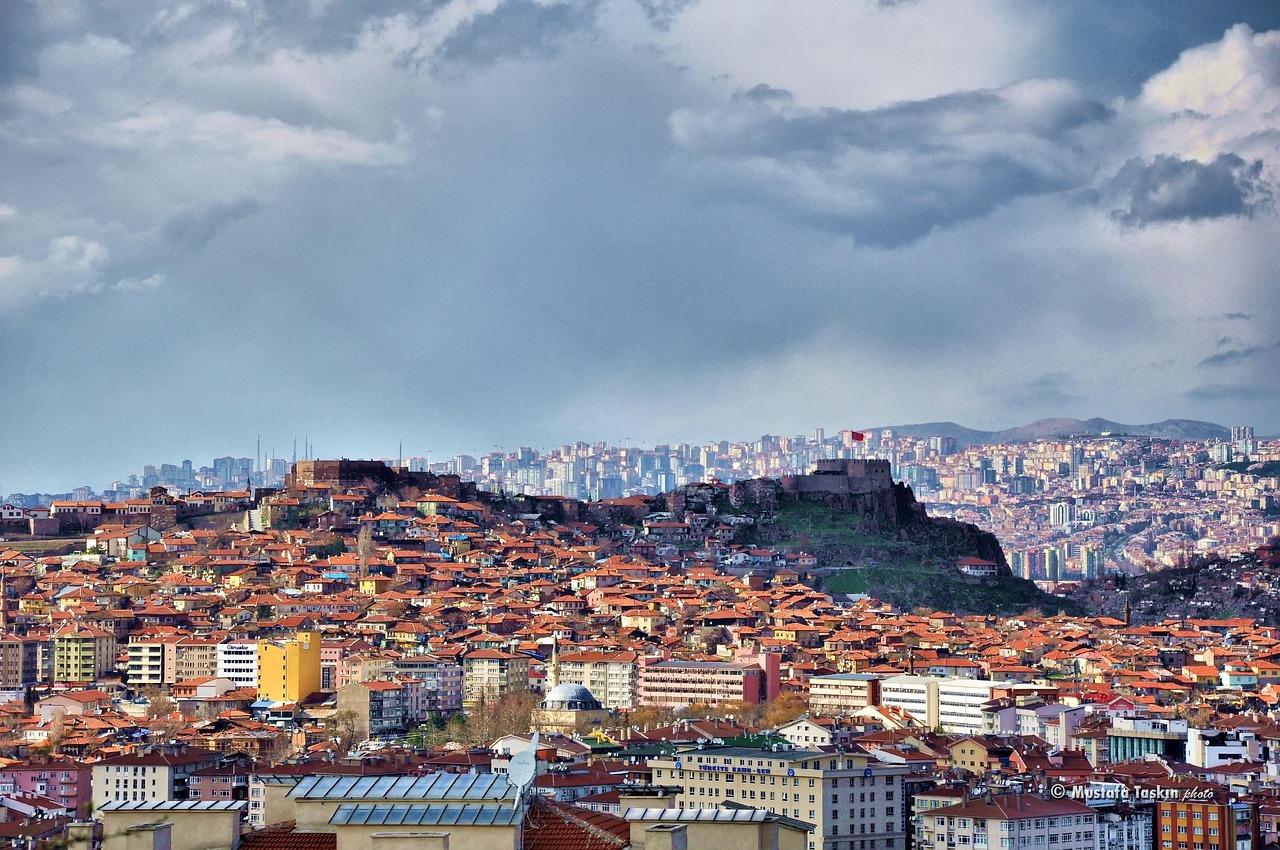
 Ankara, Türkiye
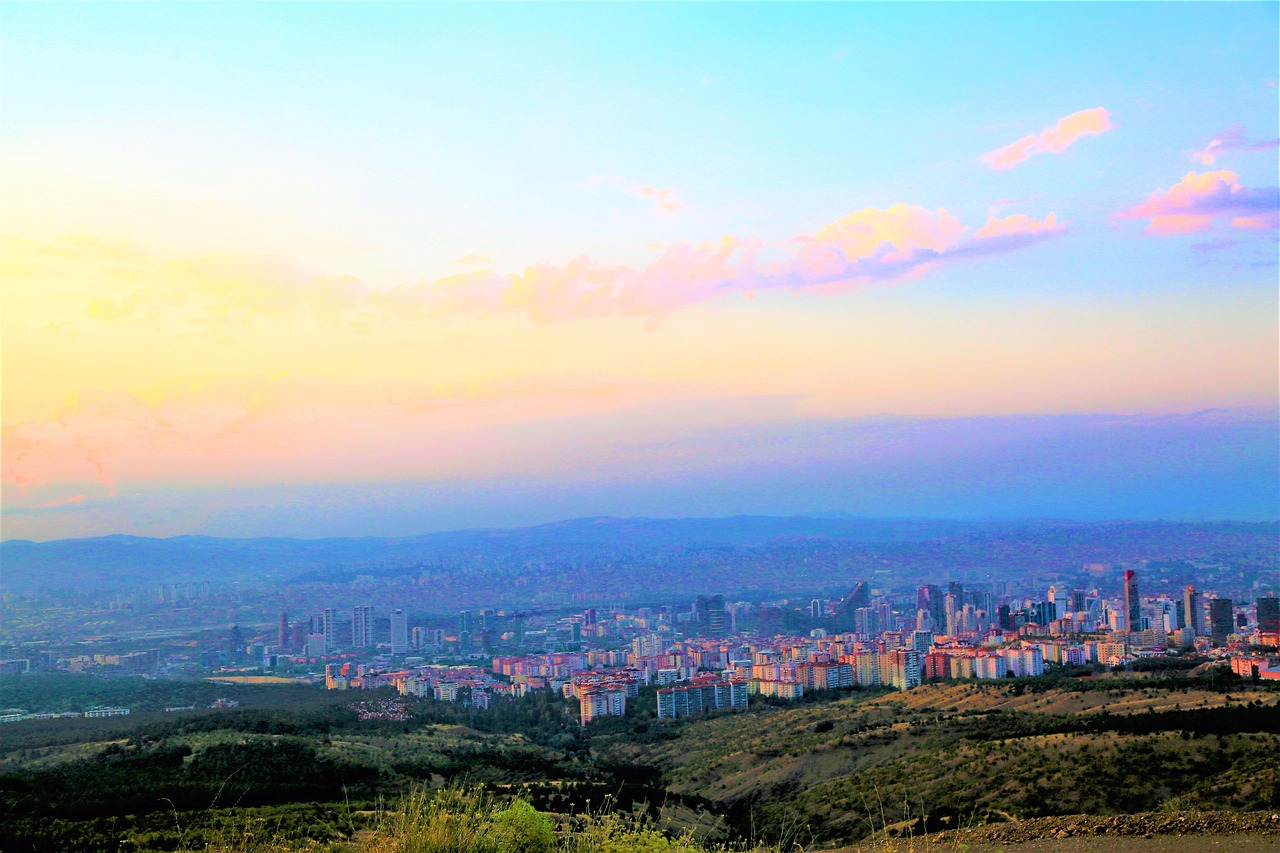
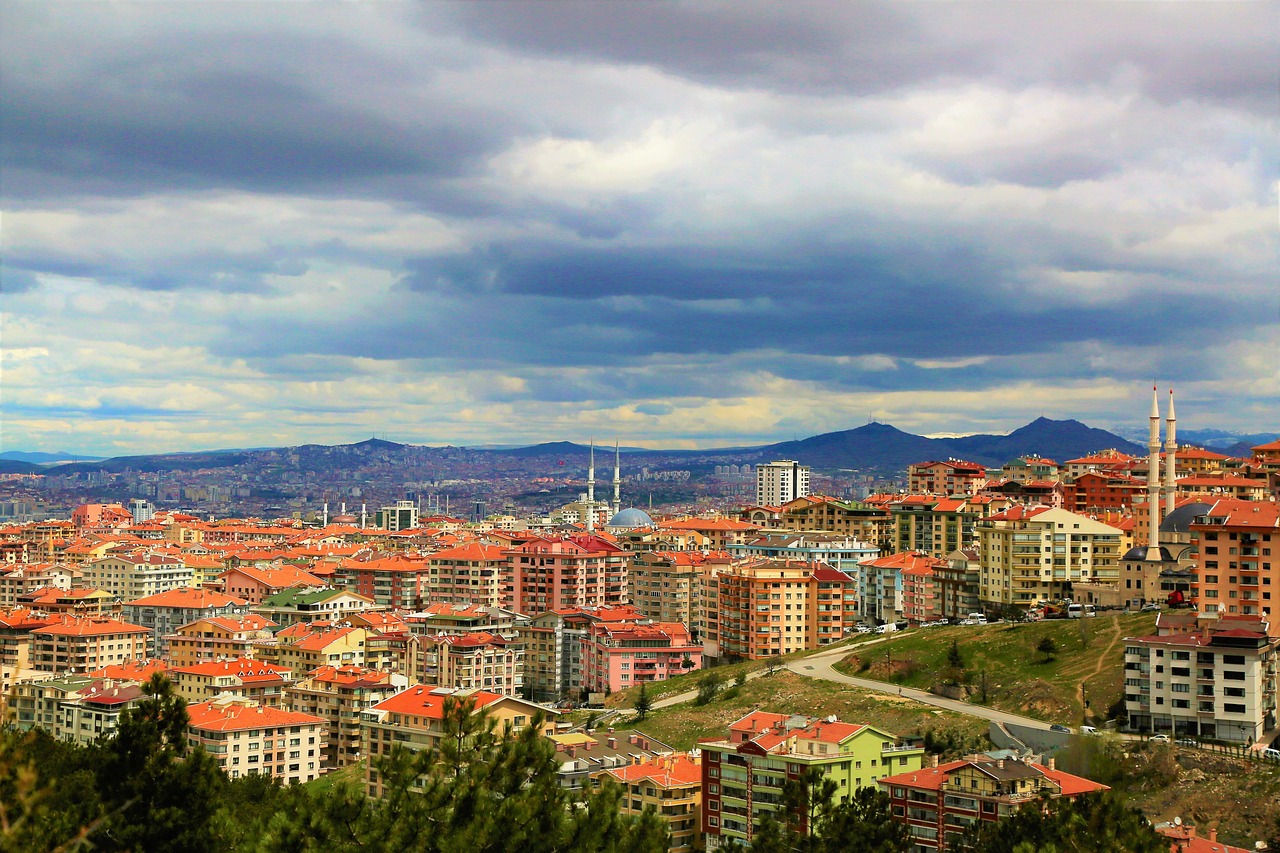
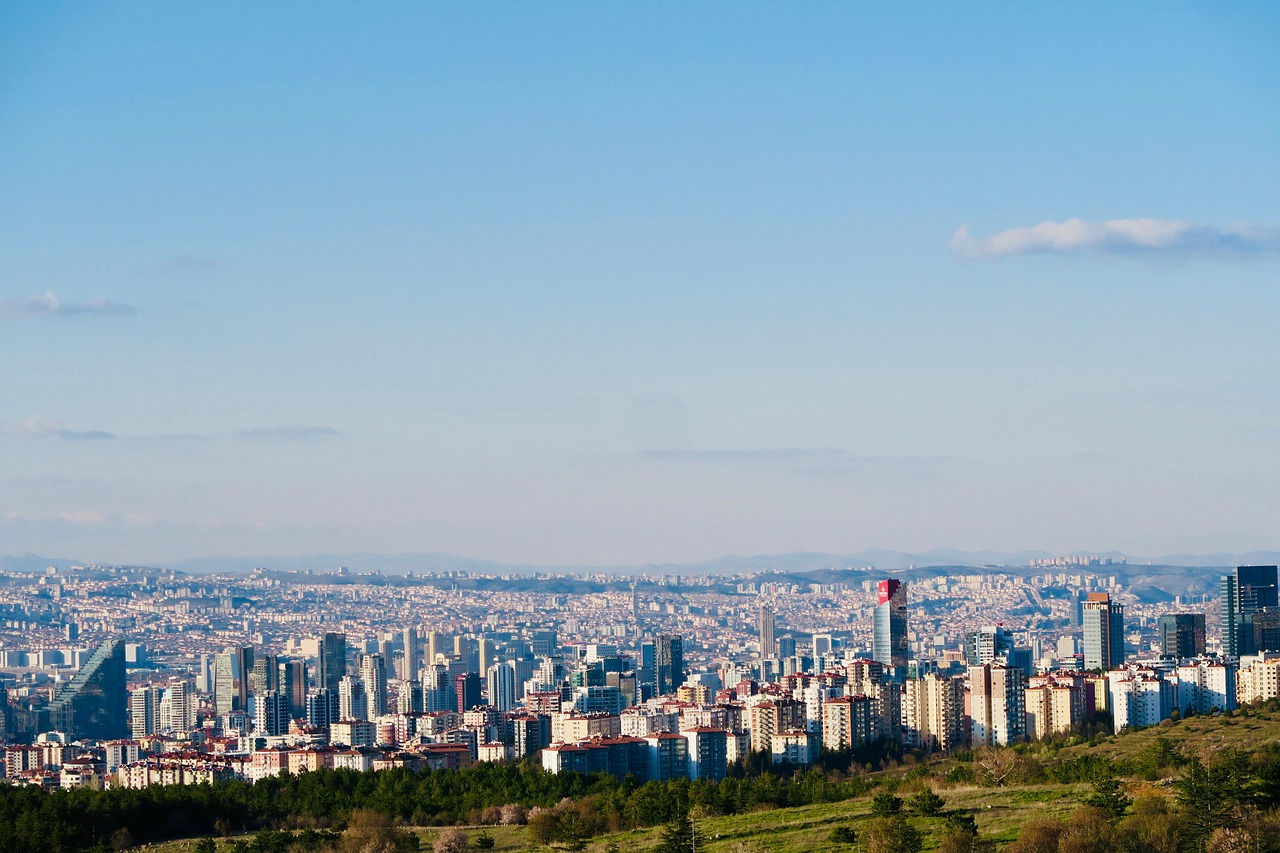
Türkiye's capital on the Anatolian plateau: Atatürk's monumental mausoleum, one of the world's great archaeology museums, a hilltop citadel with old Ottoman houses, Roman ruins and a lively, modern student city.
Monument, Museum
Ankara, Türkiye
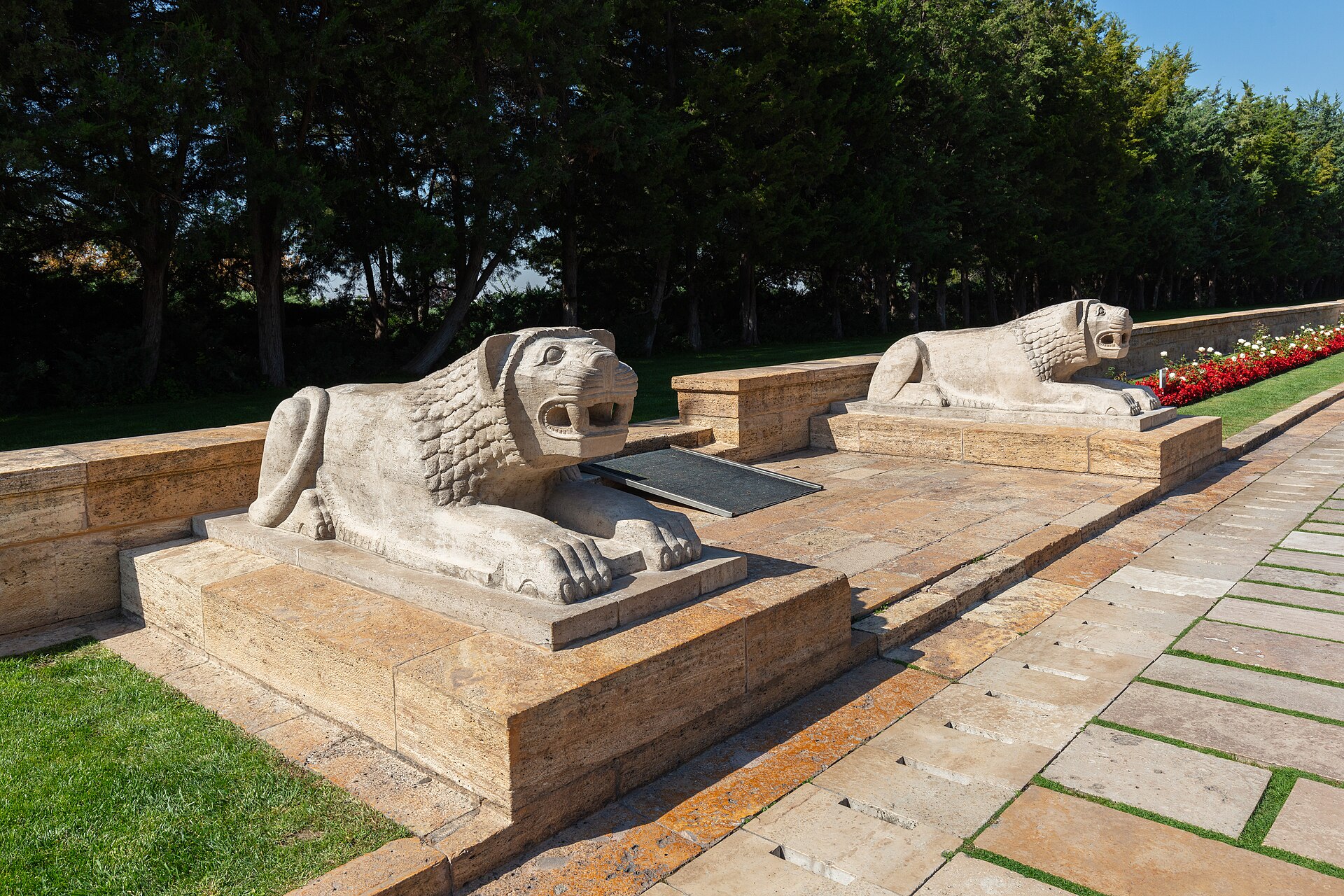
The monumental mausoleum of Mustafa Kemal Atatürk, founder of the Republic of Türkiye, on a hill in the centre of Ankara — with a ceremonial avenue, a museum and a changing of the guard.
Explore Anıtkabir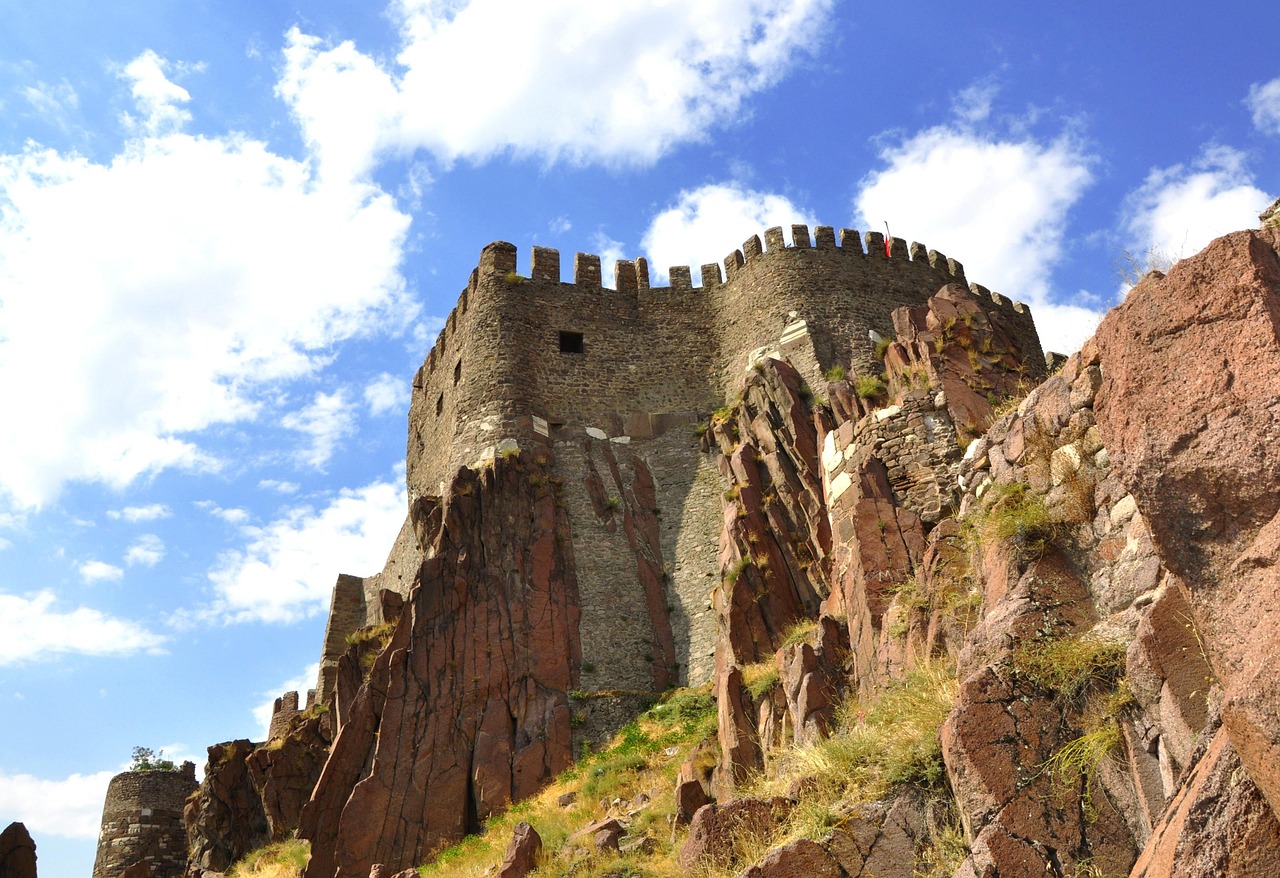
Heritage, Viewpoint
Ankara, Türkiye
The walled citadel on the hill where Ankara began, with Byzantine walls, old Ottoman houses, craft shops and the best views over the capital.
Explore Ankara Castle (Citadel)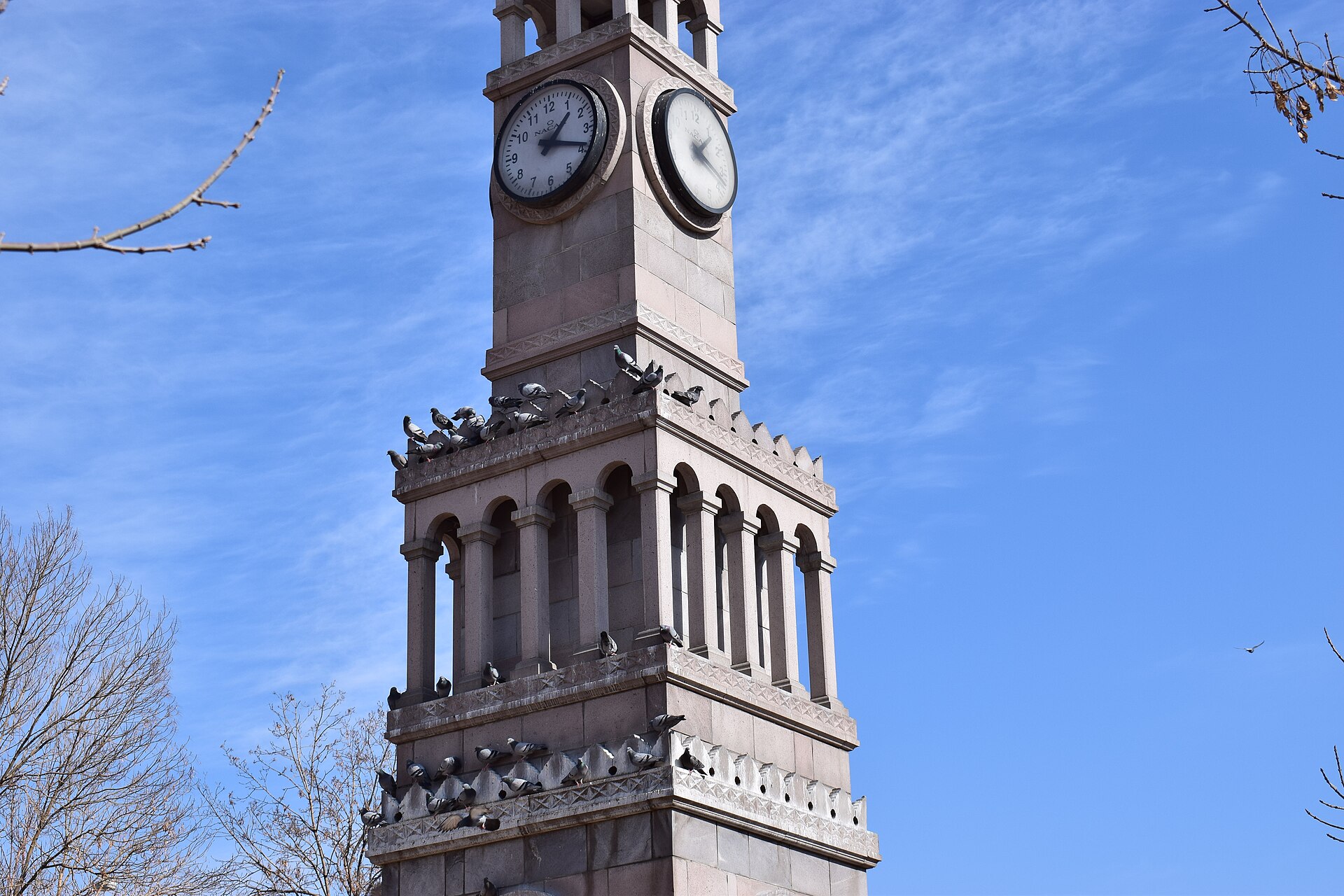
Neighbourhood, Heritage
Ankara, Türkiye
A restored quarter of old Ankara with timber-framed Ottoman houses turned into cafés, restaurants and craft shops around a 15th-century mosque and bath.
Explore Hamamönü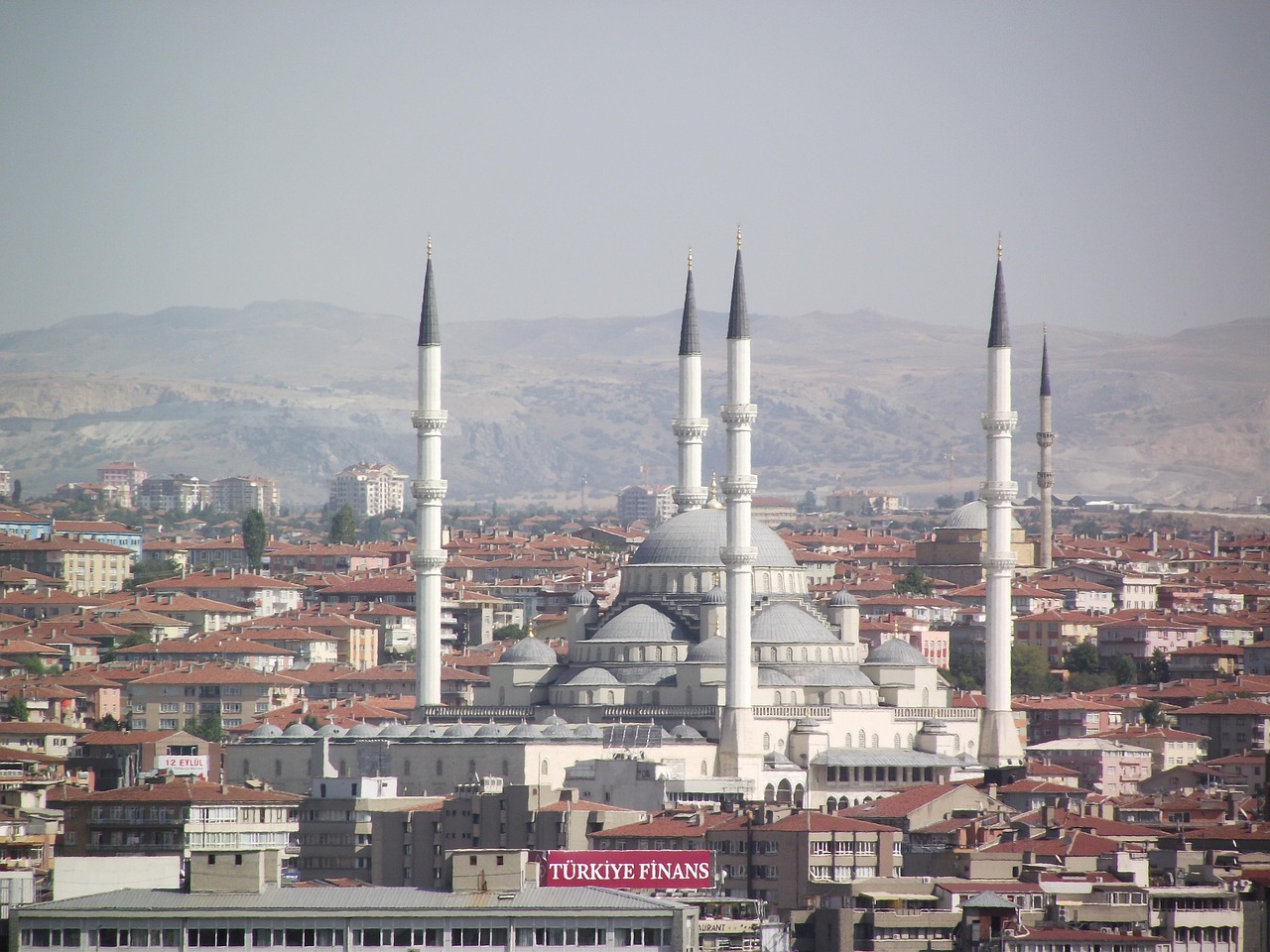
Mosque
Ankara, Türkiye
Ankara's largest mosque, a 20th-century building in classical Ottoman style with four tall minarets, visible across the city from its hill in Kızılay.
Explore Kocatepe Mosque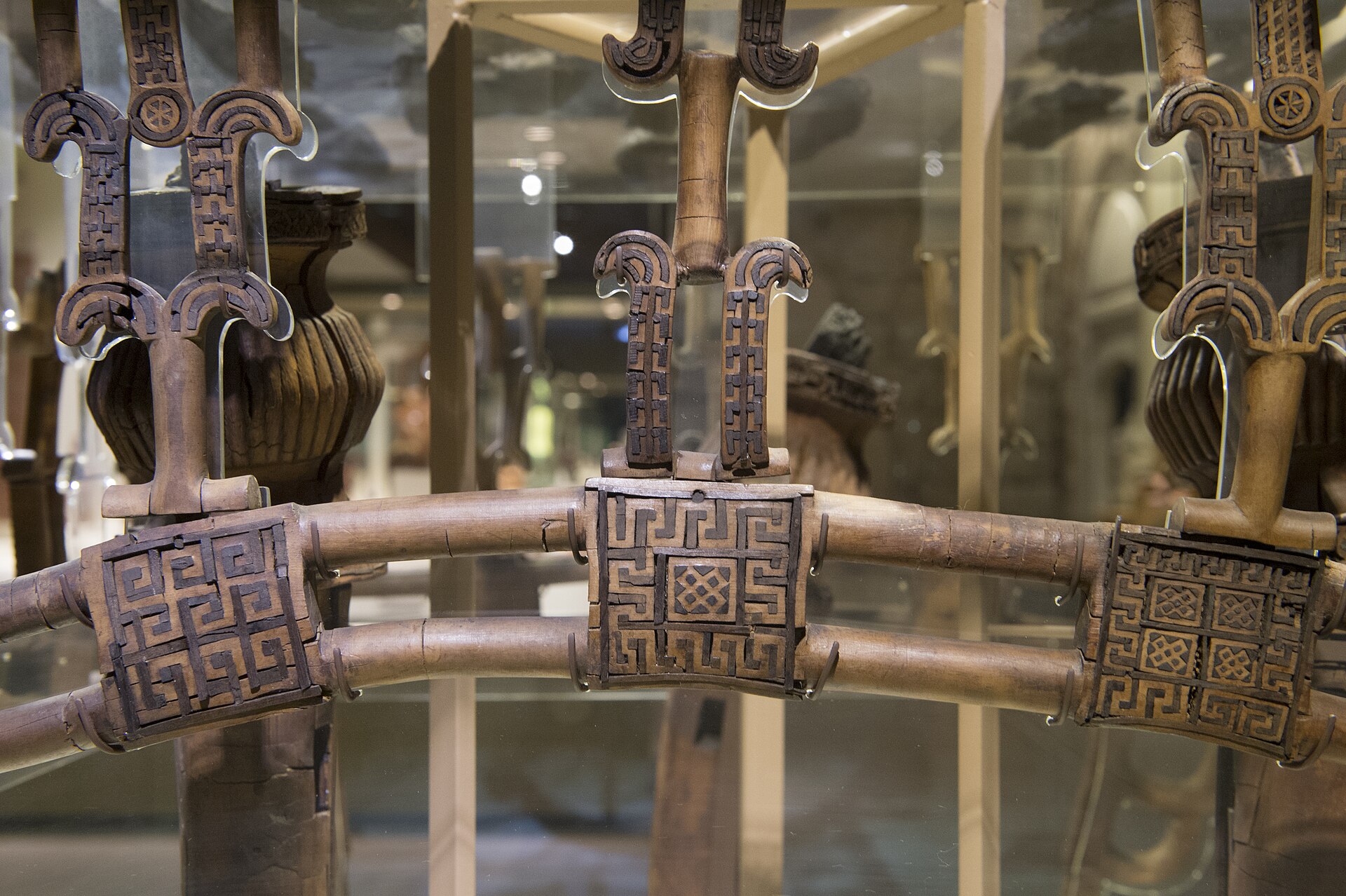
Museum, Archaeology
Ankara, Türkiye
One of the world's great archaeology museums, in restored Ottoman market buildings below the citadel, tracing Anatolia from the Stone Age through the Hittites, Phrygians and Urartians to Roman times.
Explore Museum of Anatolian Civilizations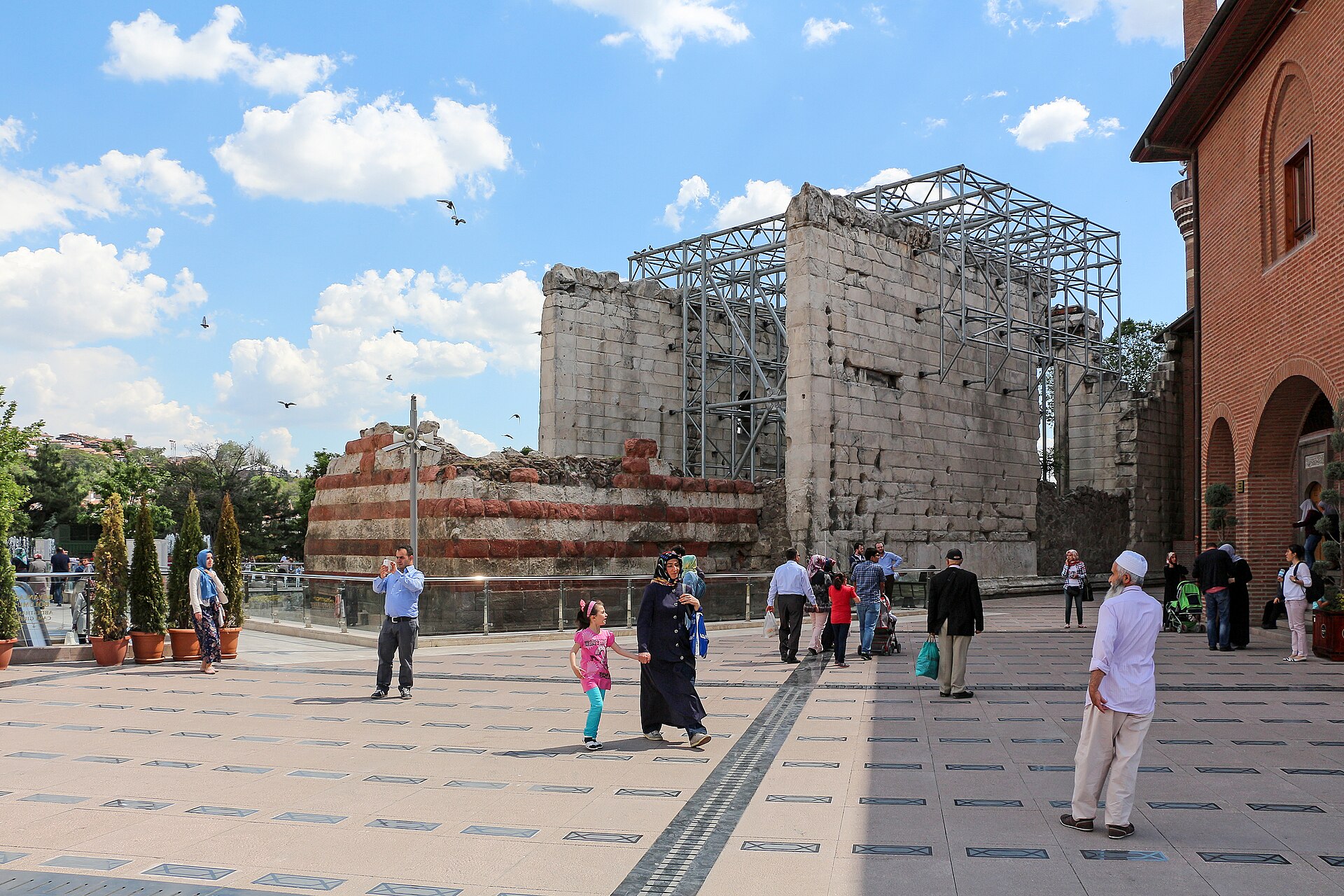
Heritage, Archaeology
Ankara, Türkiye
The walls of a Roman temple in Ulus, carved with the most complete surviving copy of Emperor Augustus's account of his own deeds, beside the Hacı Bayram Veli Mosque.
Explore Temple of Augustus and RomeUlus, Çankırı Street
The excavated remains of a large 3rd-century Roman bath complex, with its hypocaust heating system and an open-air collection of inscriptions.
Open in Google Maps (opens in a new tab)Ulus, near the government buildings
A Roman column traditionally linked to Emperor Julian's visit to Ancyra in the 4th century.
Open in Google Maps (opens in a new tab)Ulus
The buildings of the first Turkish Grand National Assembly, now museums of the early Republic.
Open in Google Maps (opens in a new tab)Monument, Museum
Ankara, Türkiye
The monumental mausoleum of Mustafa Kemal Atatürk, founder of the Republic of Türkiye, on a hill in the centre of Ankara — with a ceremonial avenue, a museum and a changing of the guard.
Explore AnıtkabirHeritage, Viewpoint
Ankara, Türkiye
The walled citadel on the hill where Ankara began, with Byzantine walls, old Ottoman houses, craft shops and the best views over the capital.
Explore Ankara Castle (Citadel)Neighbourhood, Heritage
Ankara, Türkiye
A restored quarter of old Ankara with timber-framed Ottoman houses turned into cafés, restaurants and craft shops around a 15th-century mosque and bath.
Explore HamamönüMosque
Ankara, Türkiye
Ankara's largest mosque, a 20th-century building in classical Ottoman style with four tall minarets, visible across the city from its hill in Kızılay.
Explore Kocatepe MosqueMuseum, Archaeology
Ankara, Türkiye
One of the world's great archaeology museums, in restored Ottoman market buildings below the citadel, tracing Anatolia from the Stone Age through the Hittites, Phrygians and Urartians to Roman times.
Explore Museum of Anatolian CivilizationsHeritage, Archaeology
Ankara, Türkiye
The walls of a Roman temple in Ulus, carved with the most complete surviving copy of Emperor Augustus's account of his own deeds, beside the Hacı Bayram Veli Mosque.
Explore Temple of Augustus and RomeAnkara, Türkiye
Ankara's own dish: lamb slow-cooked in the oven over rice or bulgur, often made with orzo-style pasta, until the meat is tender and the grains have soaked up its juices.
Ankara, Türkiye
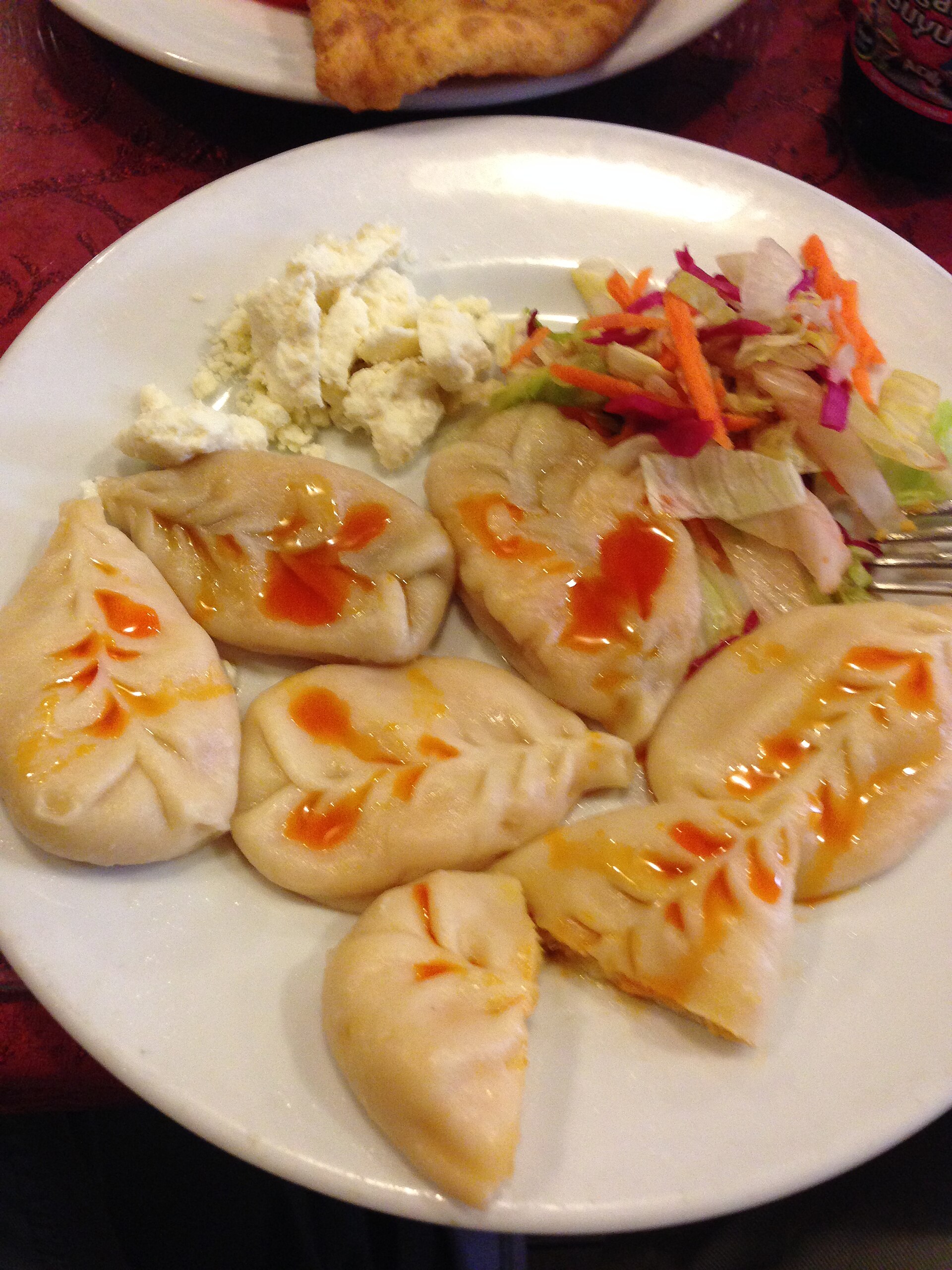
Tiny meat-filled dumplings topped with garlic yoghurt and red-pepper butter, sprinkled with dried mint and sumac. A Central Anatolian comfort dish, found all over Ankara.
Ankara, Türkiye
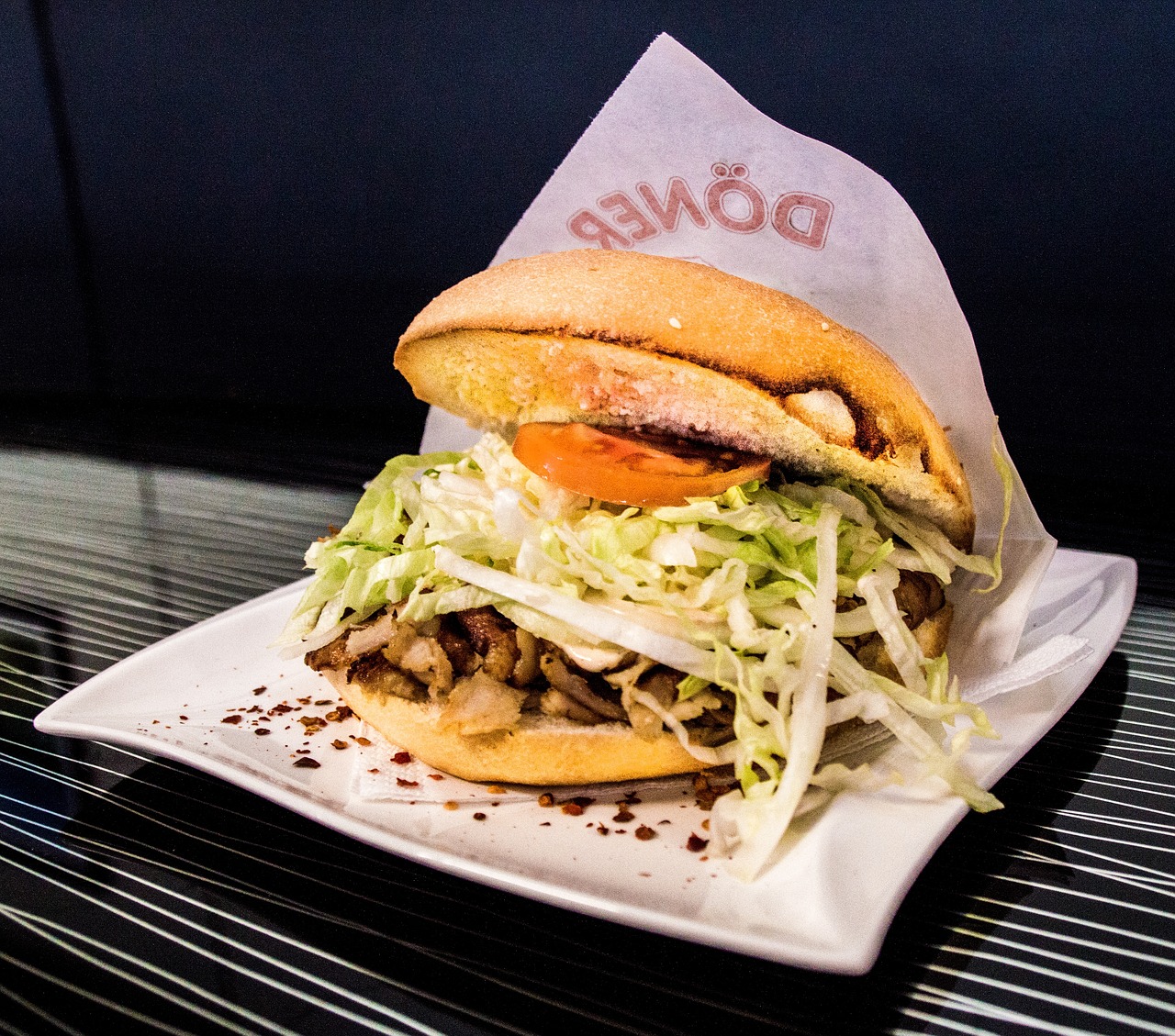
Seasoned lamb, beef or chicken stacked on a vertical spit, shaved thin and served on a plate with rice, wrapped in flatbread (dürüm) or stuffed into bread. The everyday quick lunch of every Turkish city.
Ankara, Türkiye
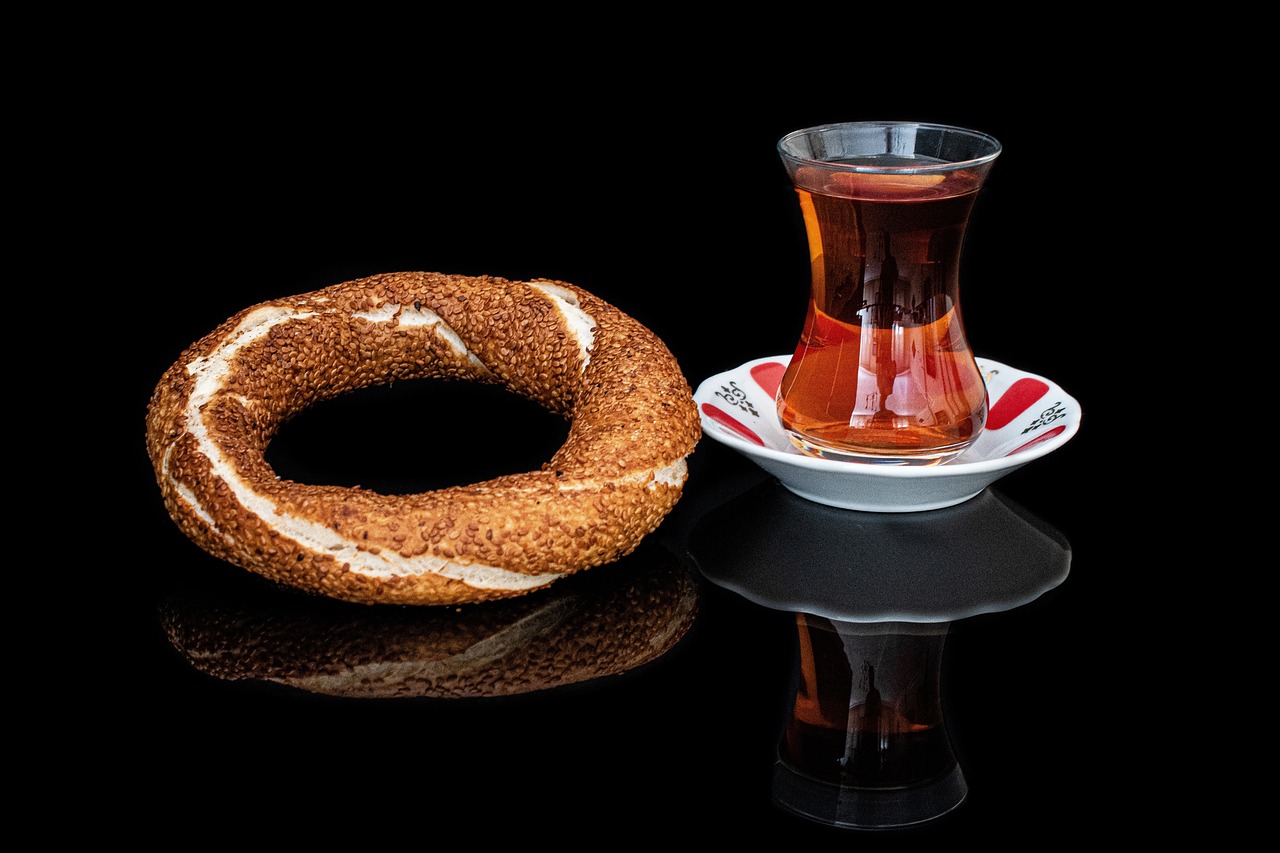
A ring of bread dipped in grape molasses and crusted with sesame seeds, sold from red street carts and bakeries all over Türkiye. Eaten on the go in the morning, plain or with cheese, and best with a glass of tea.
Ankara, Türkiye
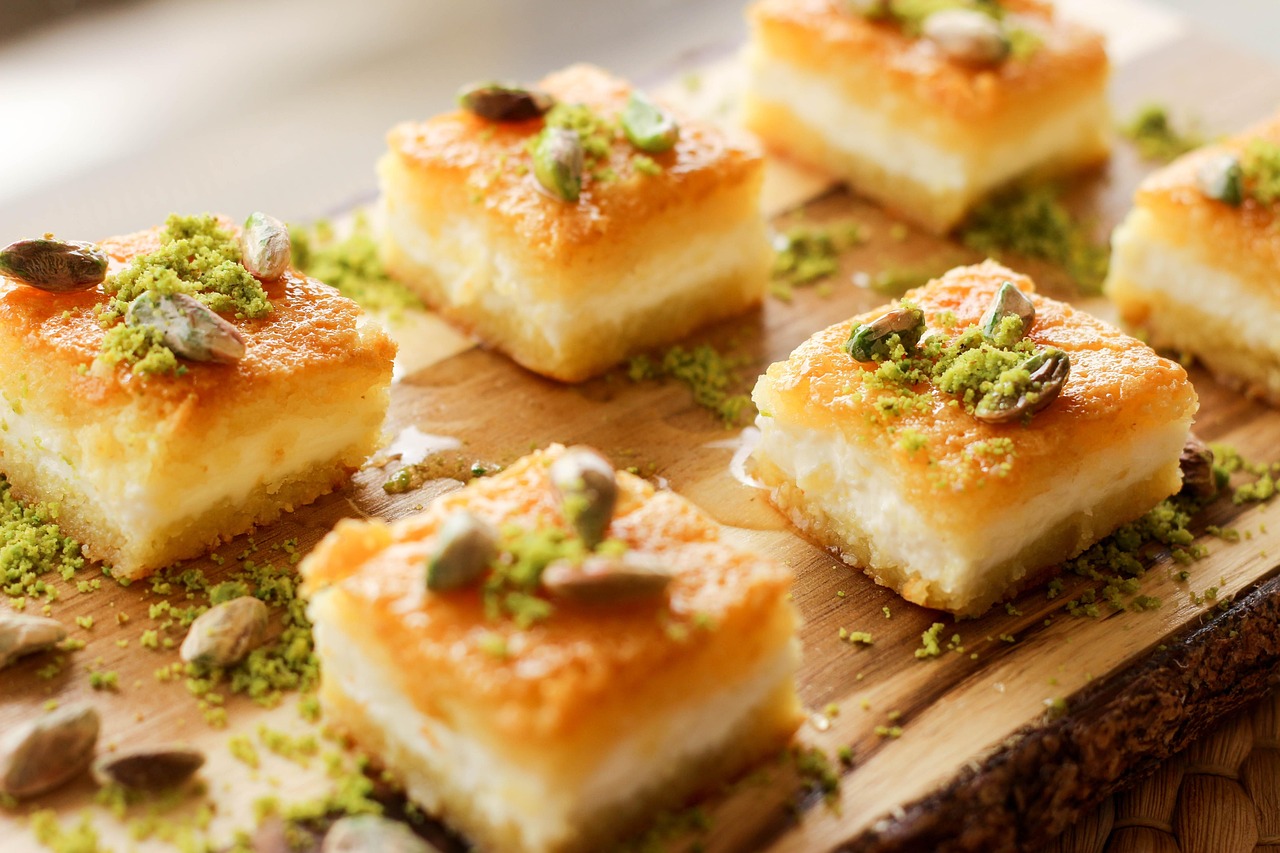
Layers of paper-thin pastry filled with pistachios or walnuts, baked and soaked in syrup. Try it fresh from a baklava shop, with a glass of tea or a scoop of kaymak.
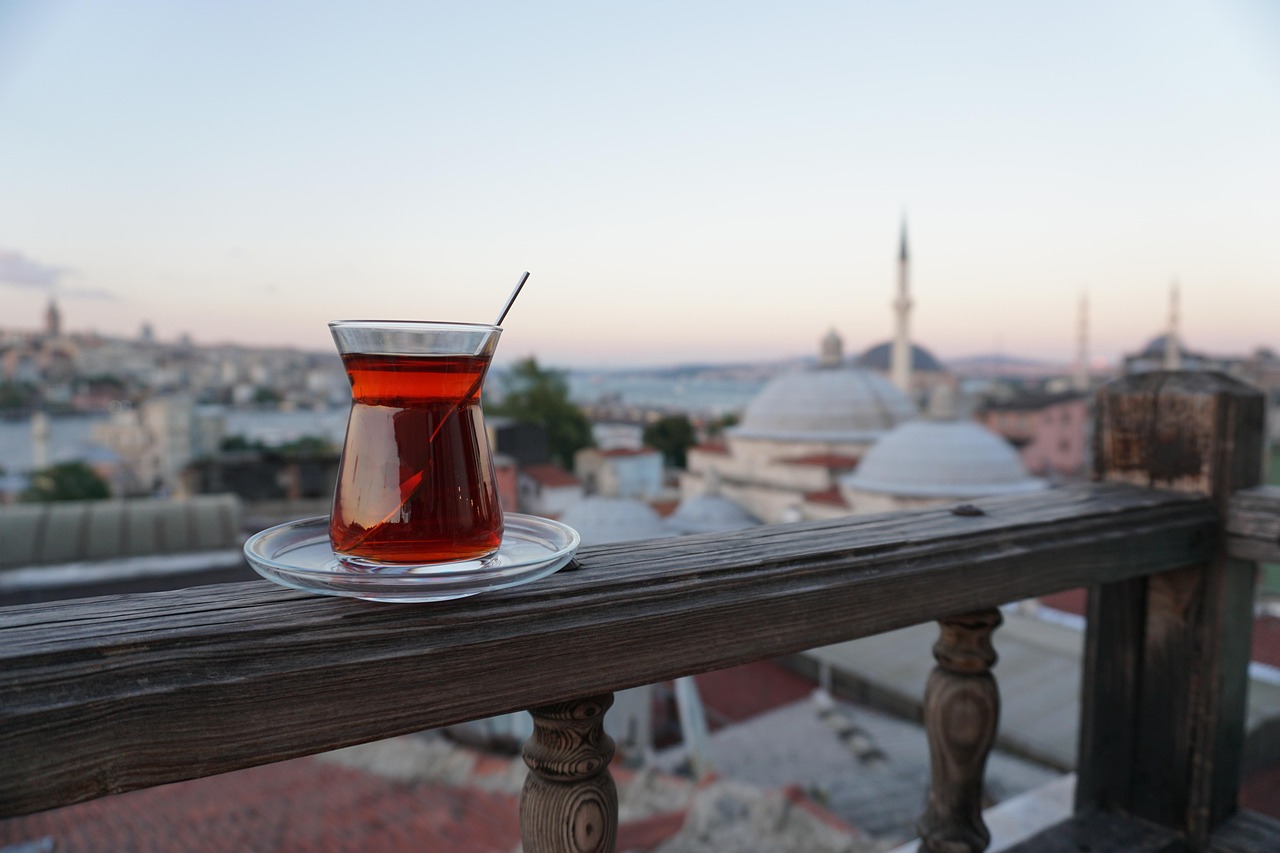
Ankara, Türkiye
Around Kızılay Square, Sakarya and Konur streets
The busy heart of modern Ankara: kebab houses, döner and mantı shops, student cafés and pastry shops, open late.
Open in Google Maps (opens in a new tab)Kavaklıdere and Çankaya
Cafés, breakfast places, modern Turkish and international restaurants in the leafier, embassy-side part of the city.
Open in Google Maps (opens in a new tab)Ankara Castle (Kale) and Ulus
Restored Ottoman houses inside and below the castle walls, turned into traditional restaurants and tea houses with views over the city.
Open in Google Maps (opens in a new tab)Hamamönü, Altındağ
Cafés and home-style restaurants in a restored quarter of old wooden houses, good for Turkish breakfast, gözleme and Turkish coffee.
Open in Google Maps (opens in a new tab)Ankara, Türkiye
Central and well connected by metro and Ankaray, with many mid-range hotels and restaurants on the doorstep.
Open in Google Maps (opens in a new tab)Ankara, Türkiye
The old centre near the Citadel, the Museum of Anatolian Civilizations and the Temple of Augustus. Simpler hotels, very close to the historic sights.
Open in Google Maps (opens in a new tab)Ankara, Türkiye
Upscale and business hotels in the embassy district, with the best choice of restaurants and cafés.
Open in Google Maps (opens in a new tab)Ankara is a city of government, universities and culture: the State Opera and Ballet, theatres, concert halls and many museums. It is less touristy than Istanbul and gives a good picture of everyday modern Turkish life.
National days are celebrated here with special meaning, especially Republic Day (29 October) and the anniversary of Atatürk's death (10 November), when crowds visit Anıtkabir. In the old town, Hamamönü and the citadel show the older Anatolian side of the city.
People have lived on Ankara's citadel hill since prehistory. The Phrygians settled here, then Galatians, who made it their capital Ancyra; under the Romans it was the capital of the province of Galatia, and Emperor Augustus's temple still stands with his famous inscription. Byzantines, Seljuks and from the 14th century the Ottomans followed. For centuries Ankara was a modest market town, famous for its Angora goats and their mohair wool.
Everything changed in the 1920s. Mustafa Kemal Atatürk made Ankara the base of the War of Independence, and on 13 October 1923 it became the capital of the new Republic of Türkiye. A planned modern city was laid out with boulevards, ministries and parks. Today it is the country's second-largest city, the seat of government and home to many universities.
Morning at the Museum of Anatolian Civilizations, climb to the citadel for the view, lunch in a restored house below the walls, then the Temple of Augustus and Hacı Bayram Mosque. Evening in Hamamönü.
Anıtkabir and its museum in the morning, Kocatepe Mosque in the afternoon, then dinner and a stroll on Tunalı Hilmi Avenue.
April to June and September to October. Summers are hot and dry, winters cold with frequent snow on the high plateau.
By air: Ankara Esenboğa Airport (ESB), north-east of the city, has domestic flights across Türkiye and international routes. Airport buses run to the centre (Kızılay and the bus station) and taxis are available; allow 30–45 minutes.
By train: high-speed YHT trains link Ankara with Istanbul, Eskişehir and Konya, arriving at Ankara Station (Ankara Garı) in the centre.
By bus: coaches from every corner of the country arrive at the large AŞTİ bus terminal.