Saleeg
Jeddah, Saudi Arabia
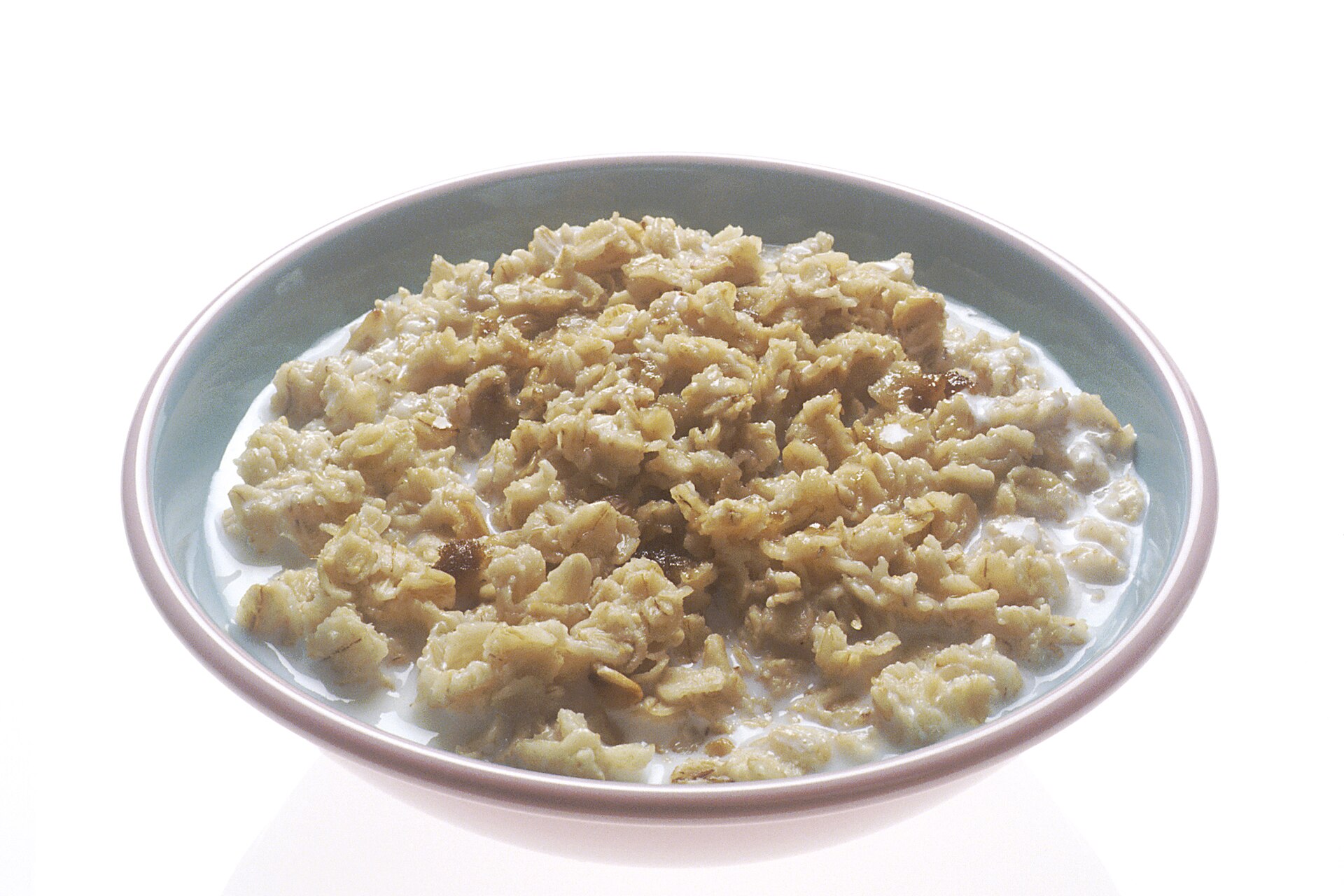
A comforting Hejazi dish from the Taif, Makkah and Jeddah region: short-grain white rice slow-cooked in milk and broth until creamy, served with roast chicken and a drizzle of ghee.
 Jeddah, Saudi Arabia
Saudi Arabia's relaxed Red Sea port and the gateway to Makkah: coral-stone houses in UNESCO-listed Al-Balad, a long seafront Corniche, the world's tallest fountain, the Floating Mosque and coral reefs a boat ride offshore.
Mosque
Jeddah, Saudi Arabia
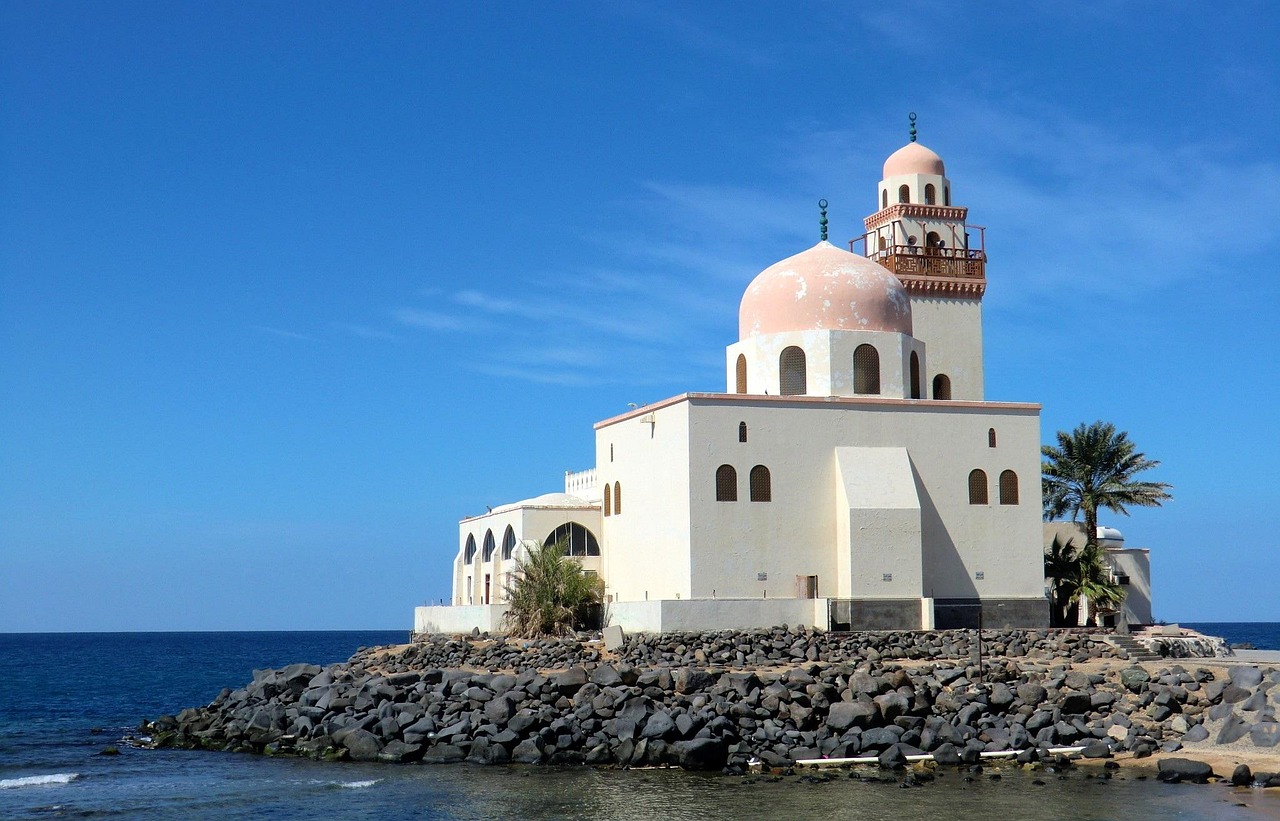
A white mosque built on pillars over the Red Sea on the North Corniche — at high tide it seems to float on the water.
Explore Al Rahma Mosque (Floating Mosque)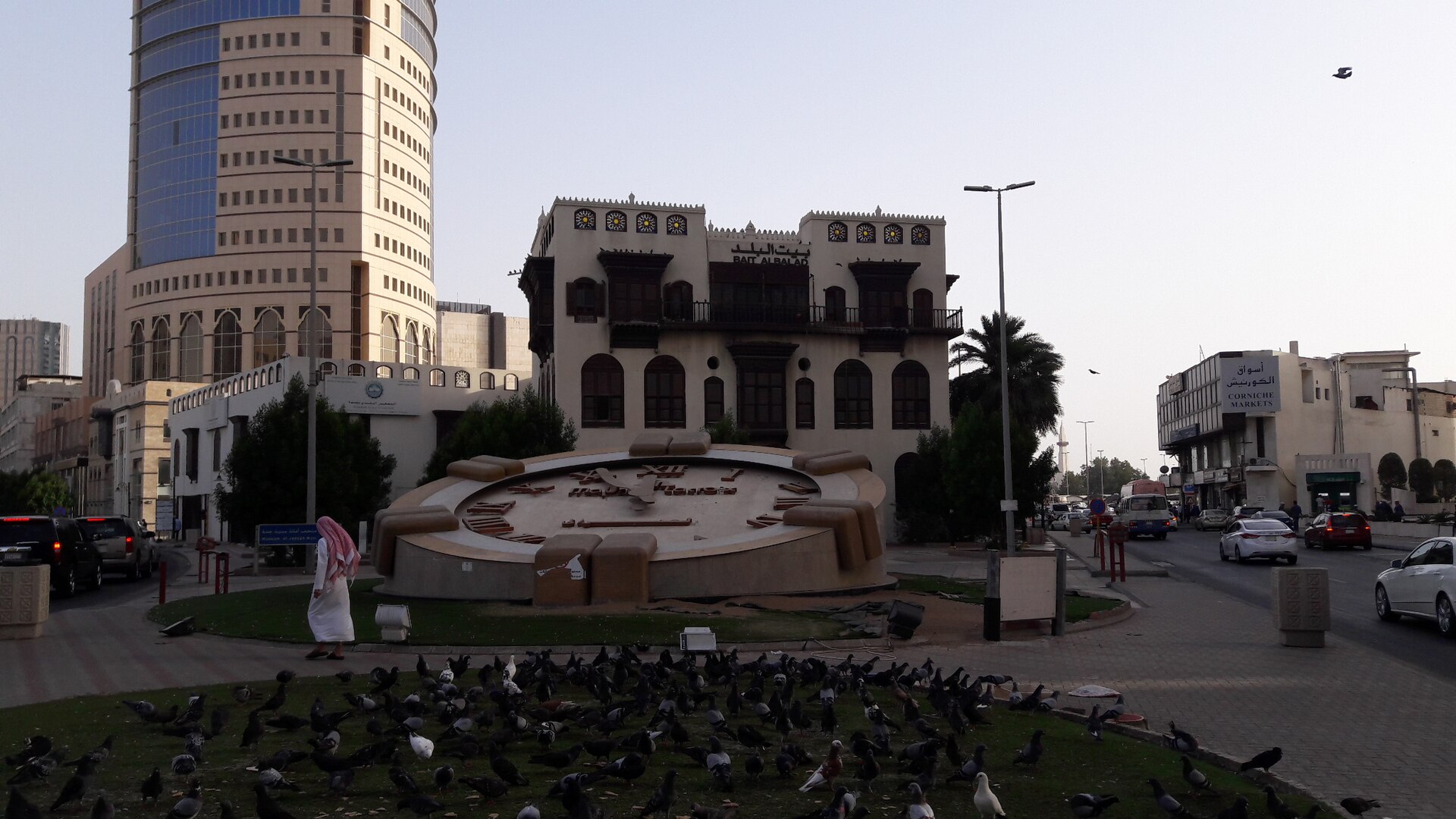
Heritage, UNESCO
Jeddah, Saudi Arabia
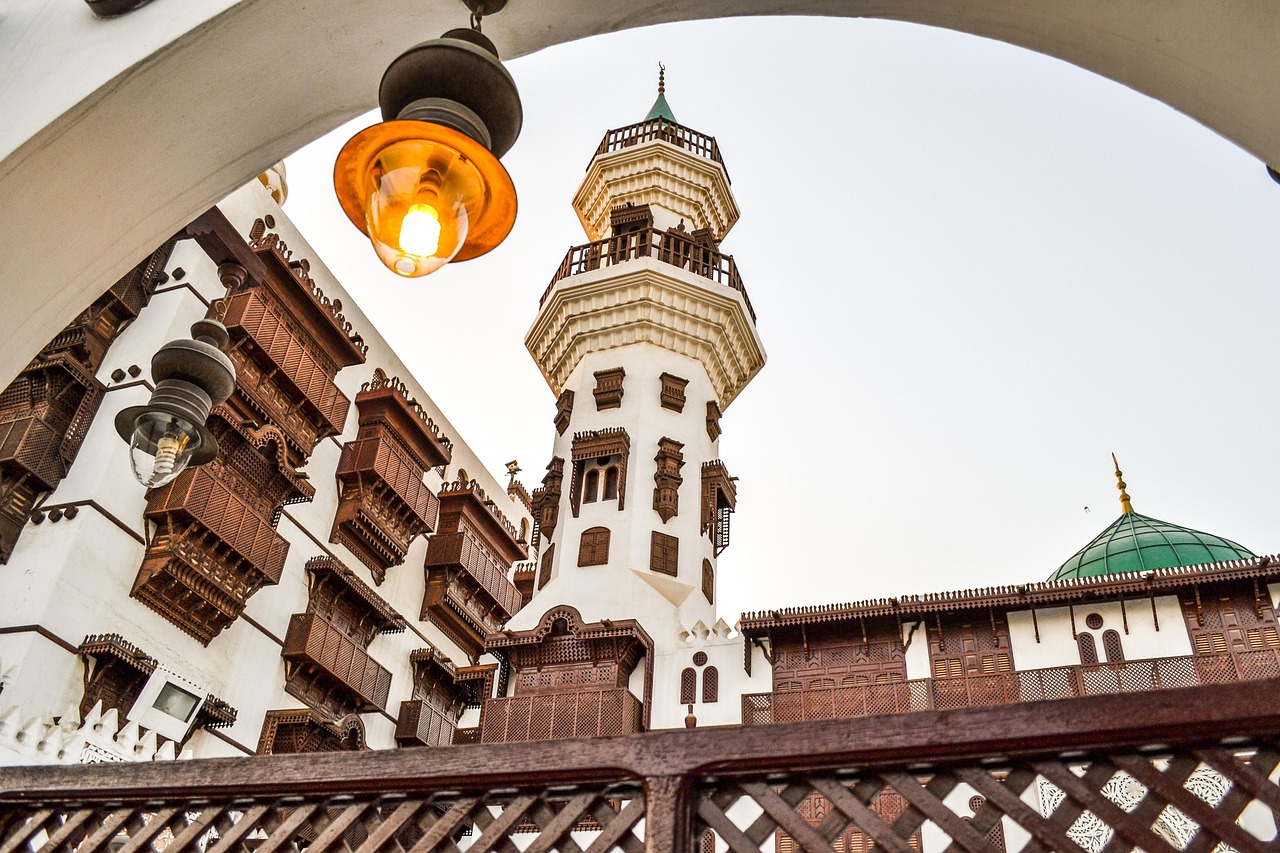
Jeddah's historic old town, a UNESCO World Heritage Site of tall coral-stone houses with carved wooden balconies, old mosques and busy souqs.
Explore Al-Balad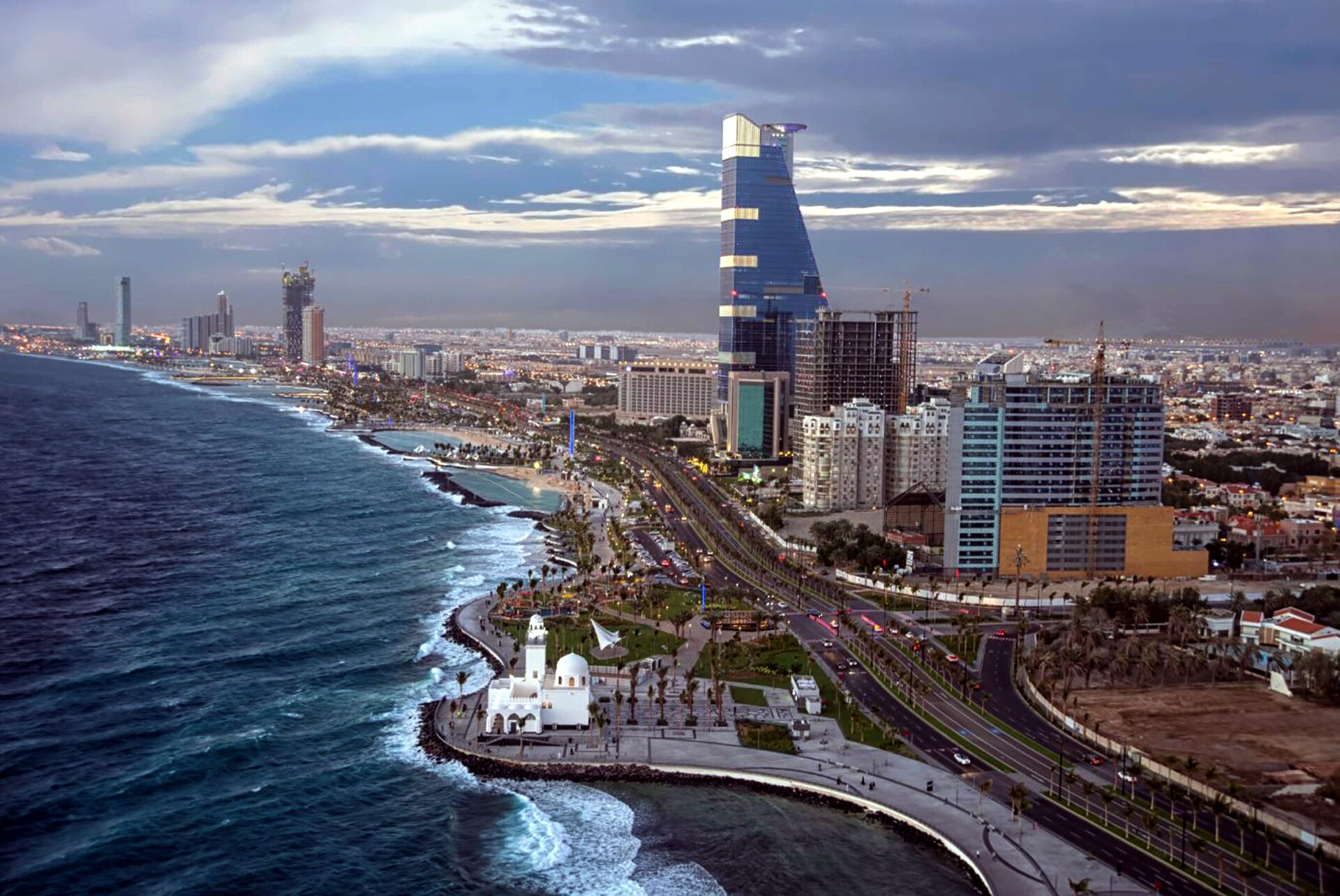
Waterfront, Promenade
Jeddah, Saudi Arabia
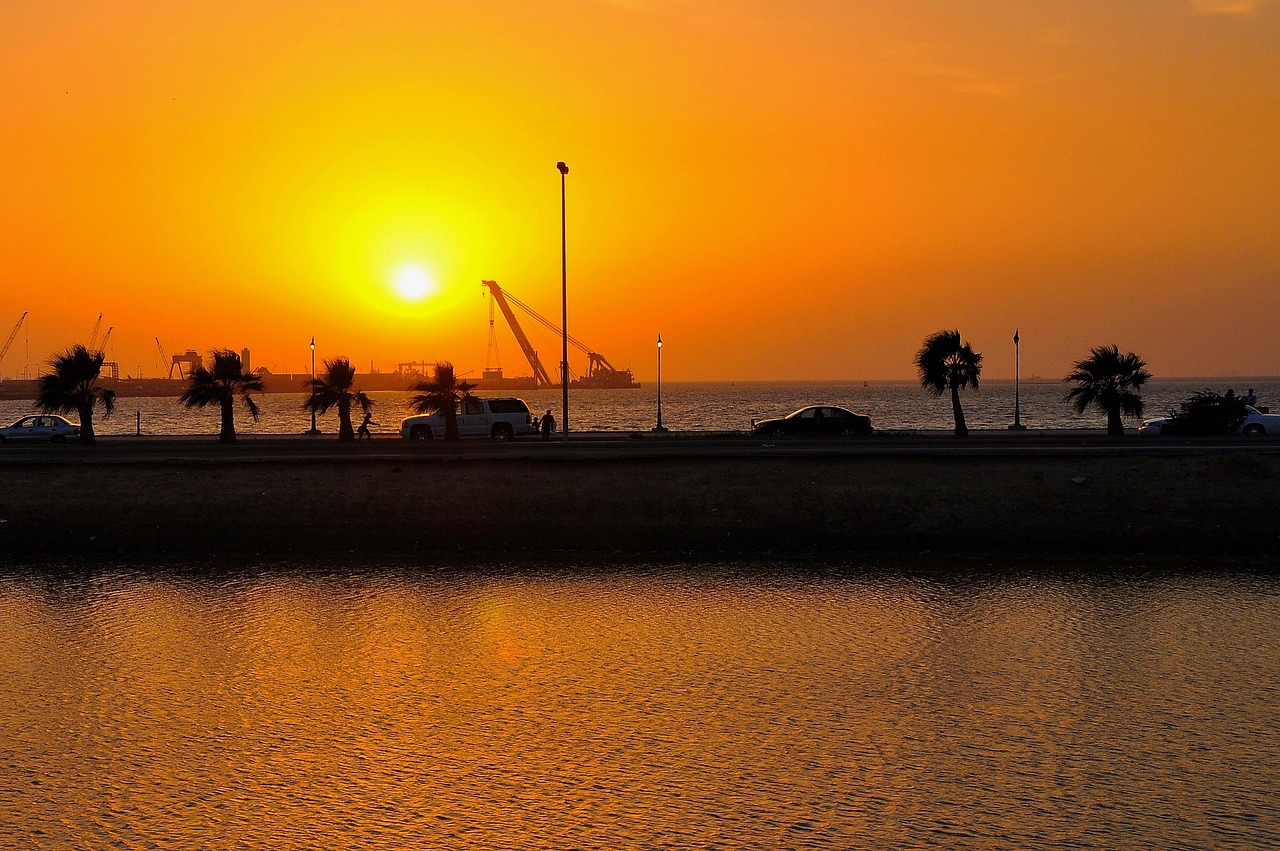
Jeddah's long seafront: landscaped promenades, beaches, playgrounds, fishing piers and outdoor sculptures along the Red Sea, busiest after sunset.
Explore Jeddah Waterfront & Corniche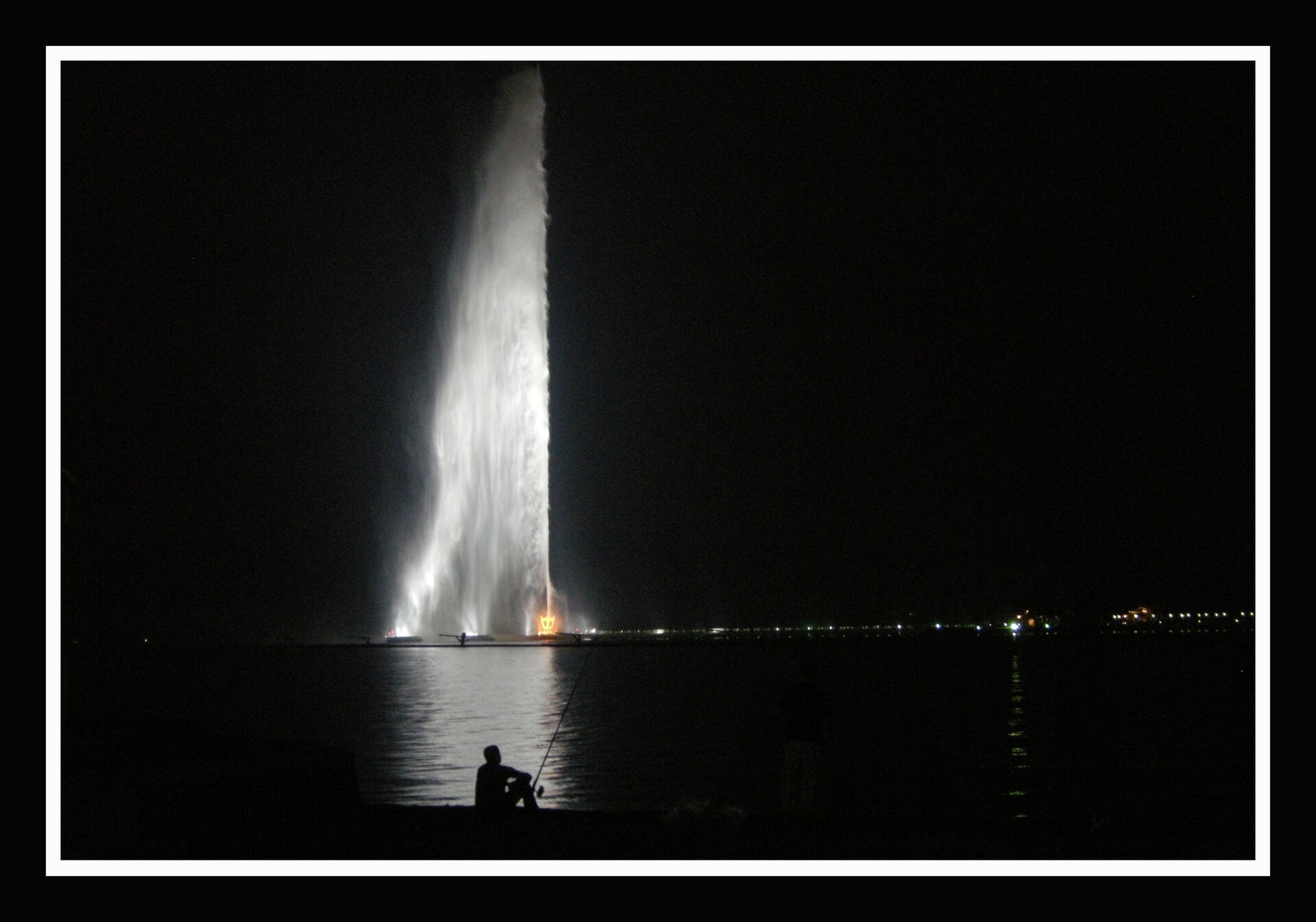
Landmark, Viewpoint
Jeddah, Saudi Arabia
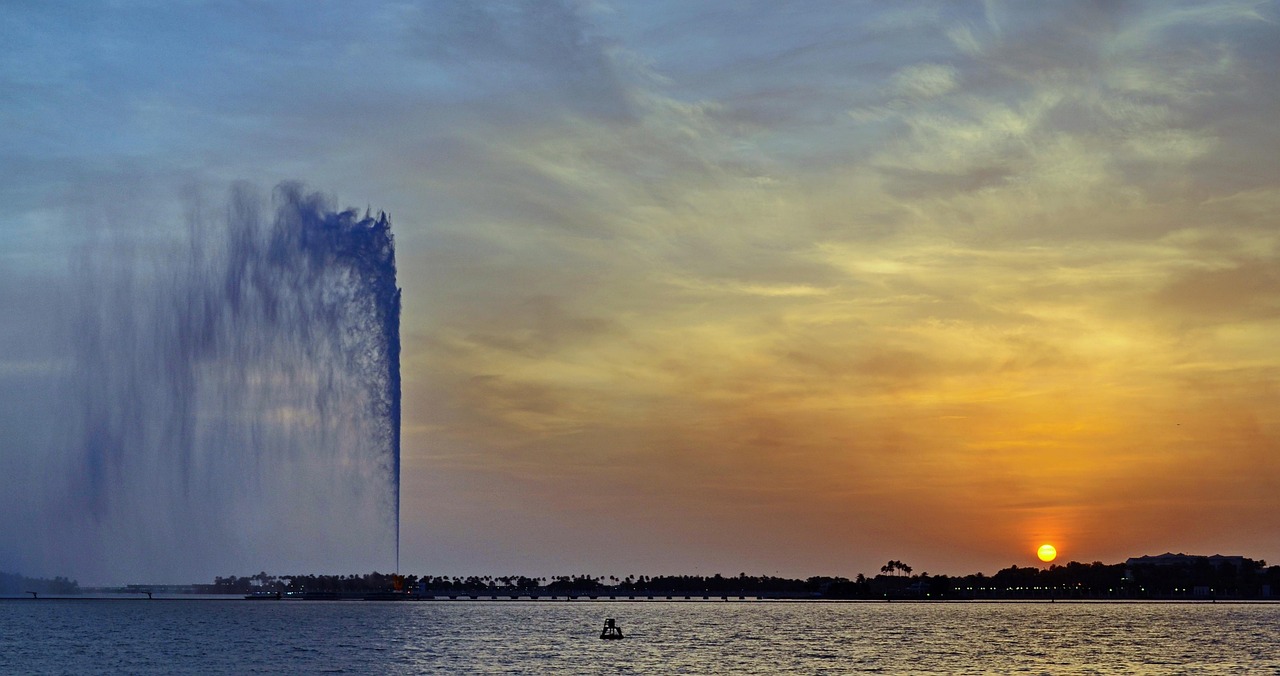
The world's tallest fountain, shooting a jet of seawater hundreds of metres above the Red Sea off Jeddah's Corniche, lit at night.
Explore King Fahd FountainHeritage, Museum
Jeddah, Saudi Arabia
A 19th-century coral-stone merchant mansion in Al-Balad, where King Abdulaziz stayed after entering Jeddah — now a museum and cultural house.
Explore Nassif House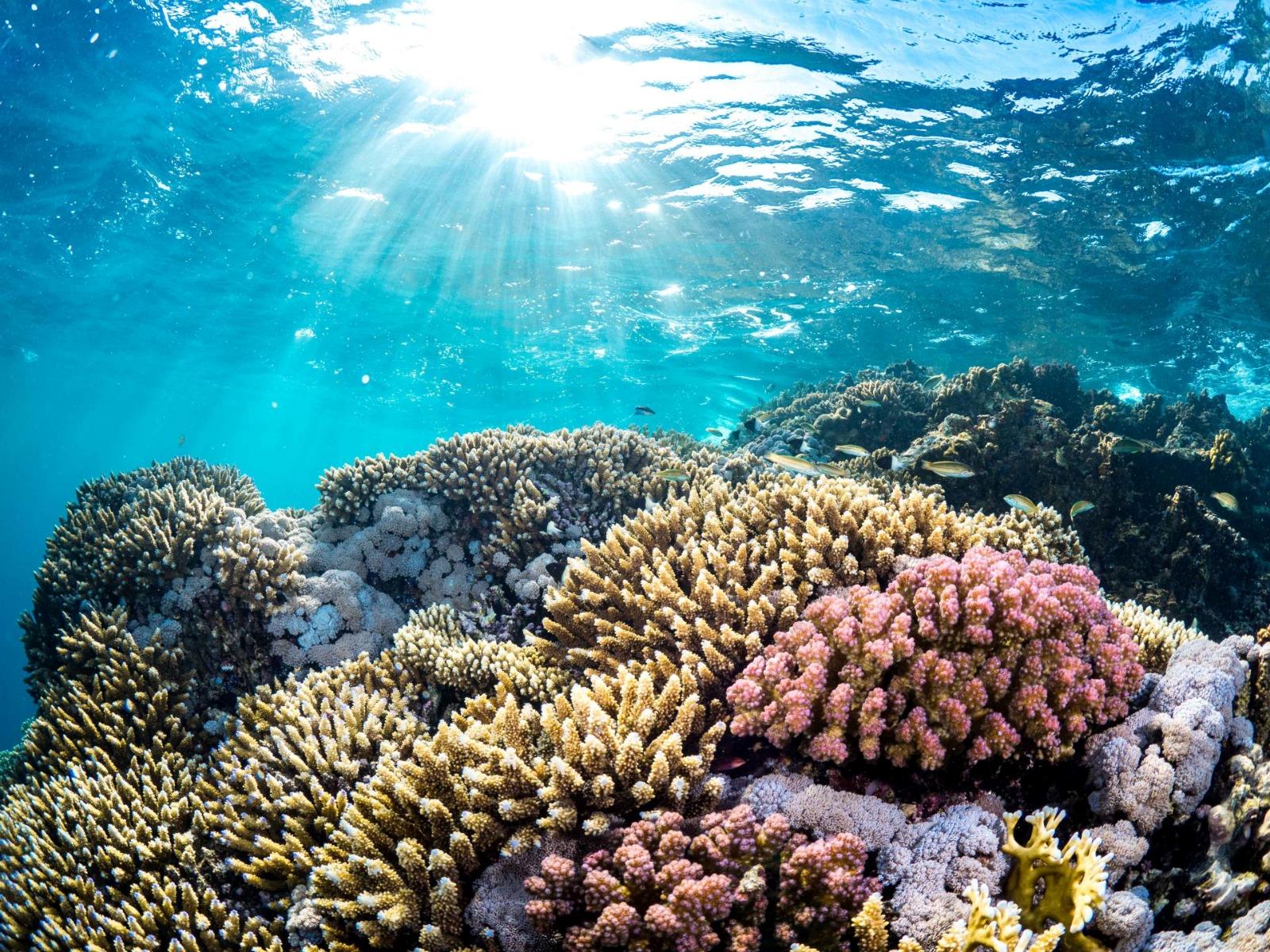
Nature, Diving
Jeddah, Saudi Arabia
Coral reefs, colourful fish and wrecks off the Jeddah coast, reached on organised boat trips from the marinas of Obhur and the northern coast.
Explore Red Sea diving sitesMosque
Jeddah, Saudi Arabia
A white mosque built on pillars over the Red Sea on the North Corniche — at high tide it seems to float on the water.
Explore Al Rahma Mosque (Floating Mosque)Heritage, UNESCO
Jeddah, Saudi Arabia
Jeddah's historic old town, a UNESCO World Heritage Site of tall coral-stone houses with carved wooden balconies, old mosques and busy souqs.
Explore Al-BaladHeritage, Museum
Jeddah, Saudi Arabia
A 19th-century coral-stone merchant mansion in Al-Balad, where King Abdulaziz stayed after entering Jeddah — now a museum and cultural house.
Explore Nassif HouseJeddah, Saudi Arabia
A comforting Hejazi dish from the Taif, Makkah and Jeddah region: short-grain white rice slow-cooked in milk and broth until creamy, served with roast chicken and a drizzle of ghee.
Jeddah, Saudi Arabia
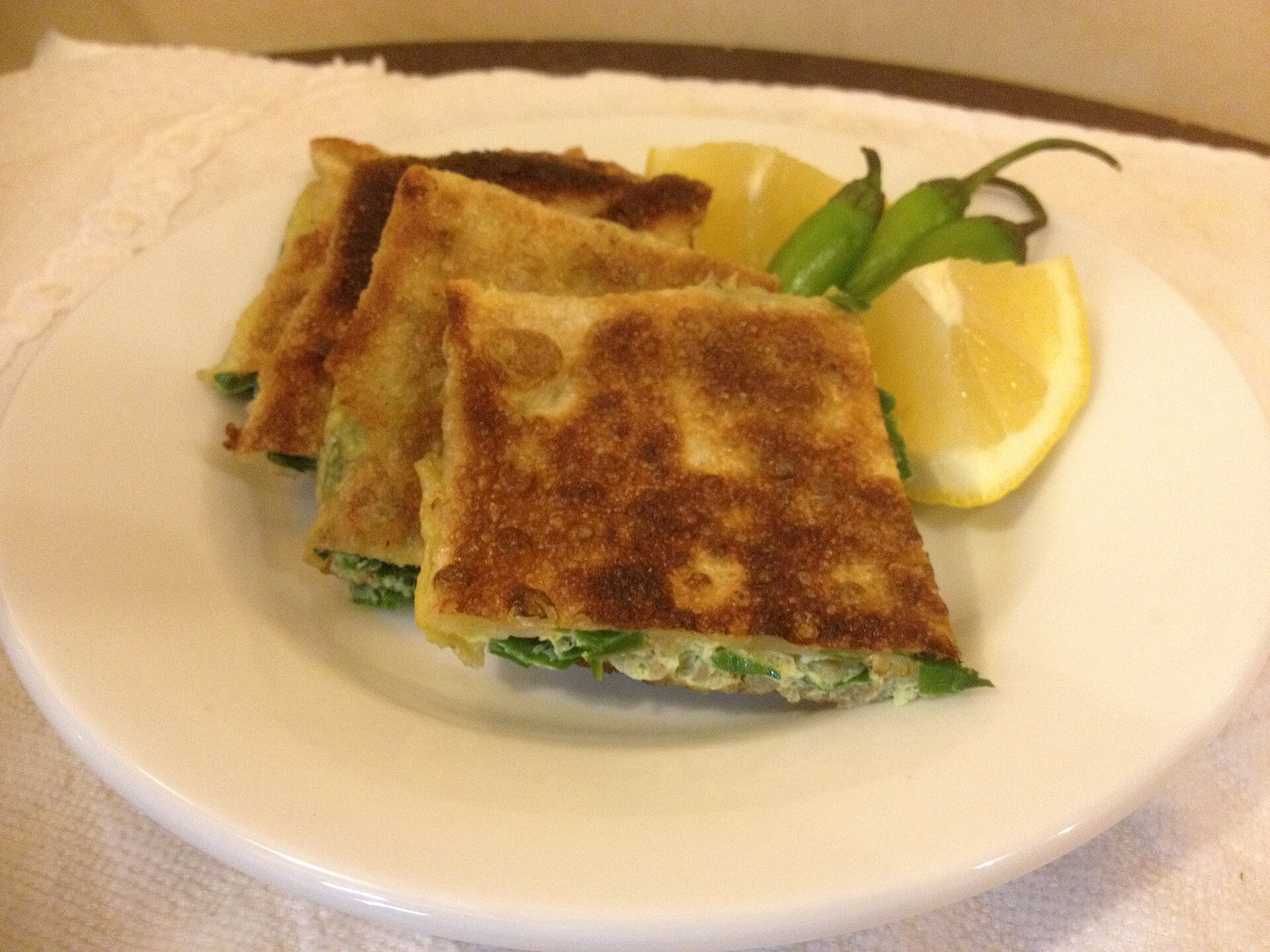
Thin, crispy folded pastry filled with minced meat, egg and leek (or a sweet banana and cheese version), cooked on a hot griddle. A favourite Hejazi street snack, especially in the evening and in Ramadan.
Jeddah, Saudi Arabia
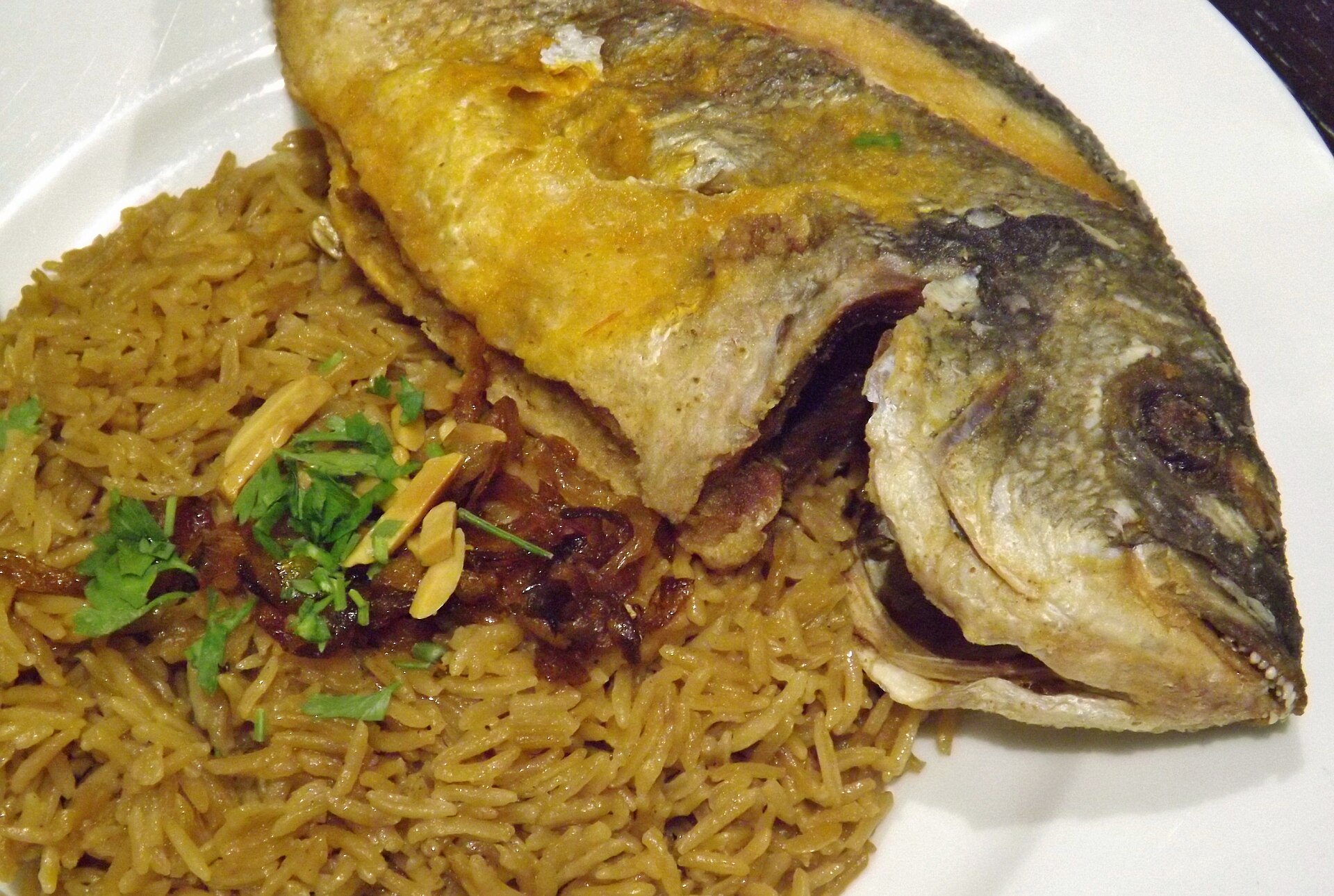
A coastal Red Sea dish of fish served over spiced rice browned with onions — the classic seafood meal of Jeddah.
Souq Al-Alawi and the lanes around Nassif House
In the evening the old town fills with stalls frying mutabbaq, bakeries selling hot tamees, ful pots and sellers of sweets, juices and Hejazi snacks.
Open in Google Maps (opens in a new tab)Central fish market near the old port, south of Al-Balad
Choose fresh Red Sea fish at the market and have it grilled or fried at a nearby restaurant, served with sayadiyah rice — a long-standing Jeddah habit.
Open in Google Maps (opens in a new tab)Branches across Jeddah (and Makkah)
The fried-chicken chain founded in Jeddah in the 1970s is a national favourite and a rite of passage for visitors — expect queues at busy times.
Open in Google Maps (opens in a new tab)Jeddah, Saudi Arabia
Sea-view hotels along the Corniche, close to the Waterfront, King Fahd Fountain views and the Floating Mosque.
Open in Google Maps (opens in a new tab)Jeddah, Saudi Arabia
Central Jeddah between the airport road and the sea: business hotels, malls and restaurants, with easy taxi access to everywhere.
Open in Google Maps (opens in a new tab)Jeddah, Saudi Arabia
Stay near the historic district to walk its lanes in the evening. Choice is smaller and more basic, but restored heritage stays are slowly appearing.
Open in Google Maps (opens in a new tab)Jeddah is the heart of the Hejaz, the western region shaped by centuries of pilgrims and traders from Africa, Asia and the wider Muslim world. You hear it in the local dialect, taste it in dishes like saleeg, mutabbaq and sayadiyah, and see it in Al-Balad's merchant houses.
The city has a strong art scene, from the large outdoor sculptures along the Corniche to galleries and festivals, and evenings by the sea are a way of life — families picnic, walk and fish along the waterfront late into the night.
Jeddah has been a port on the Red Sea for well over a thousand years. In the 7th century the Caliph Uthman ibn Affan made it the port of Makkah, and from then on pilgrims arriving by sea for Hajj and Umrah landed here — earning it the name "Gate to the Two Holy Mosques".
Trade and pilgrims made Jeddah a cosmopolitan merchant city. Its families built tall houses of coral stone with carved wooden balconies (roshan), forming the old town now called Al-Balad, listed by UNESCO in 2014 as "Historic Jeddah, the Gate to Makkah". The city walls came down in the mid-20th century as Jeddah grew.
Jeddah joined the Saudi state in 1925, and it hosted foreign embassies and ministries for decades. Today it is the Kingdom's second city and its commercial hub, with a reputation for being the most open and easygoing city in the country.
Late afternoon in the old town: Nassif House, the coral-stone lanes and Souq Al-Alawi, then mutabbaq and Hejazi street food in the evening.
A morning diving or snorkelling boat trip from Obhur, then a relaxed afternoon by the sea.
Visit the Floating Mosque from the shore, walk the Jeddah Waterfront at sunset and watch King Fahd Fountain light up at night.
November to March, when it is warm and pleasant. Summers are hot and very humid; Ramadan and the Hajj season are busy with pilgrims.
By air: King Abdulaziz International Airport (JED), north of the city, is one of the country's busiest airports, with flights from around the world and frequent domestic flights. Taxis and ride-hailing apps connect it to the city.
By train: the Haramain High-Speed Railway links Jeddah with Makkah and Madinah (via King Abdullah Economic City). It has stations at the airport and in the city (Al-Sulaimaniyah).
By road: highways connect Jeddah to Makkah (about 80 km), Taif and Madinah, with intercity buses to most cities.