Urfa kebab
Şanlıurfa, Türkiye
 Şanlıurfa, Türkiye
An ancient city of south-east Türkiye, revered as the birthplace of the Prophet Abraham, with the sacred carp pools of Balıklıgöl, lively old bazaars and some of the best kebabs in the country. Nearby lies Göbekli Tepe, the oldest known monumental site on earth.
Pilgrimage, Heritage
Şanlıurfa, Türkiye
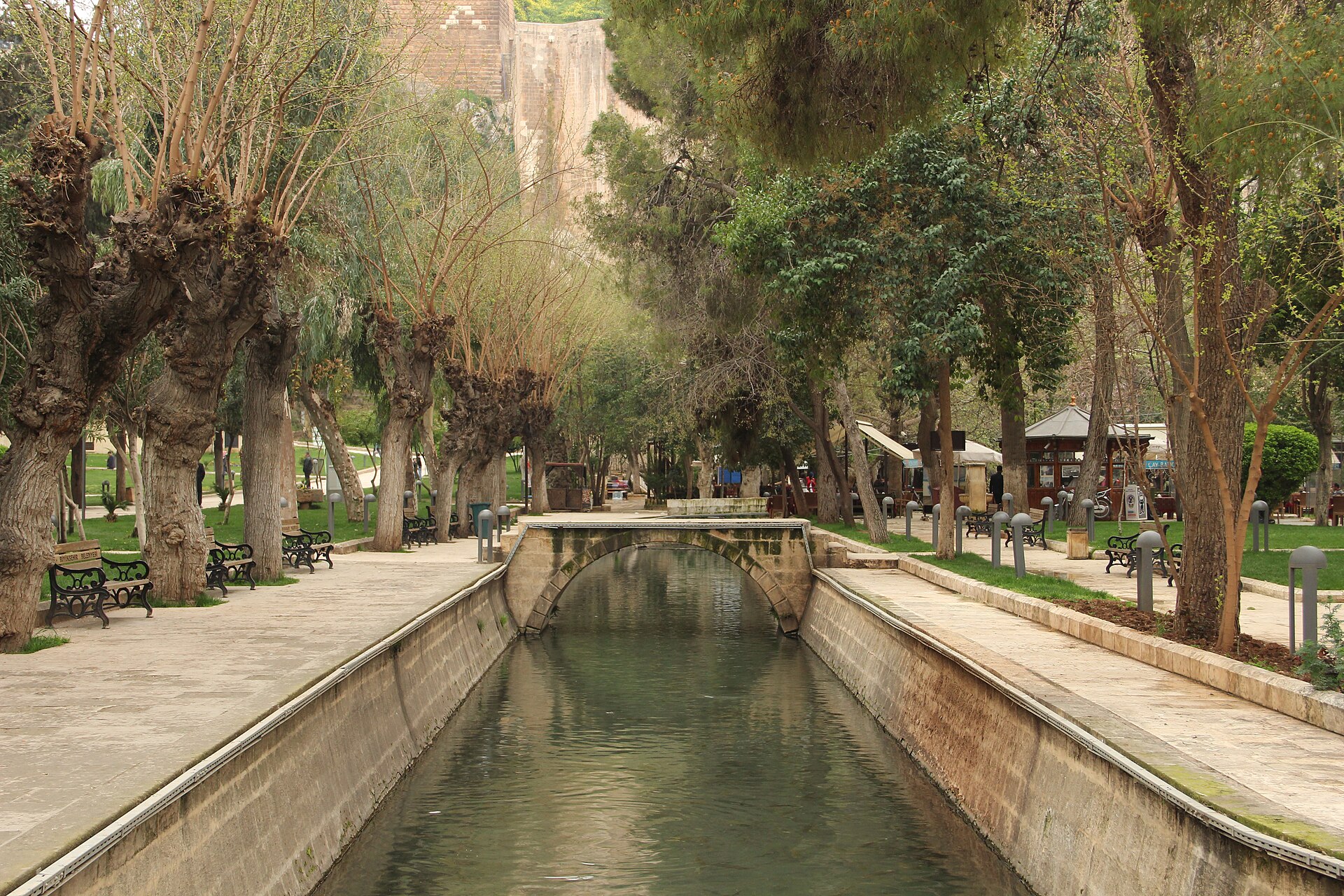
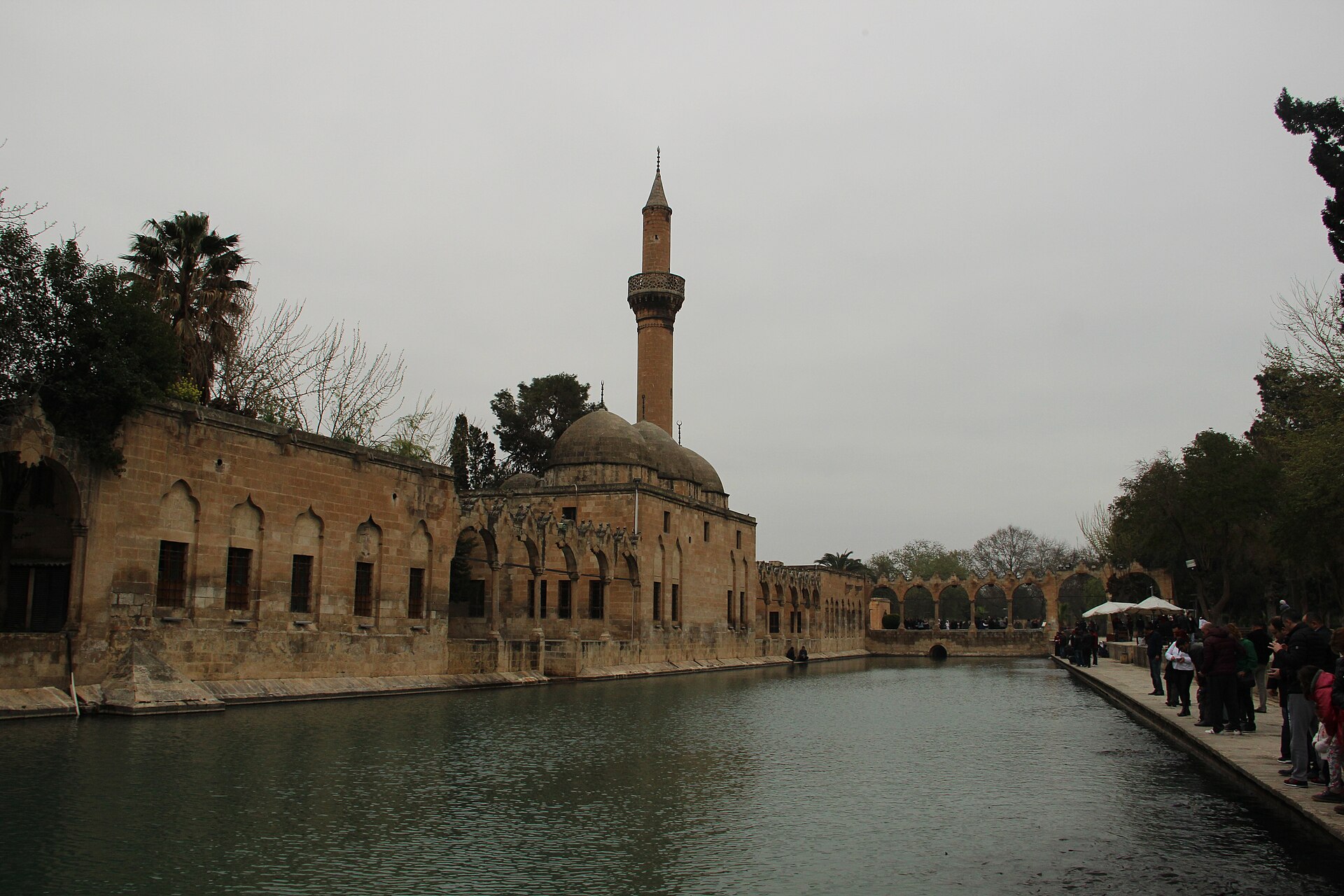
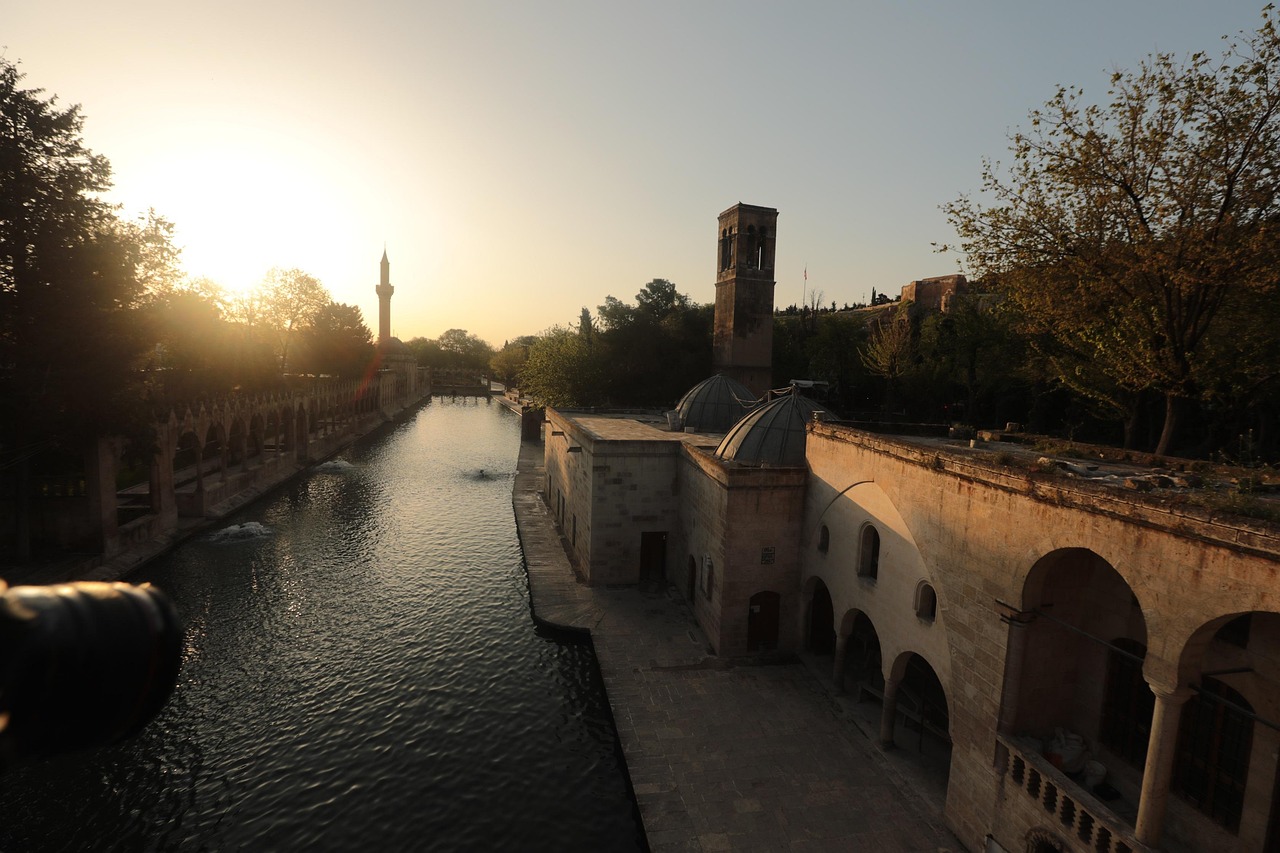
Sacred pools full of carp at the foot of the castle, where by tradition the fire into which Abraham was thrown turned to water — the spiritual heart of Şanlıurfa, with mosques, gardens and the cave said to be his birthplace.
Explore Balıklıgöl (Pool of Abraham)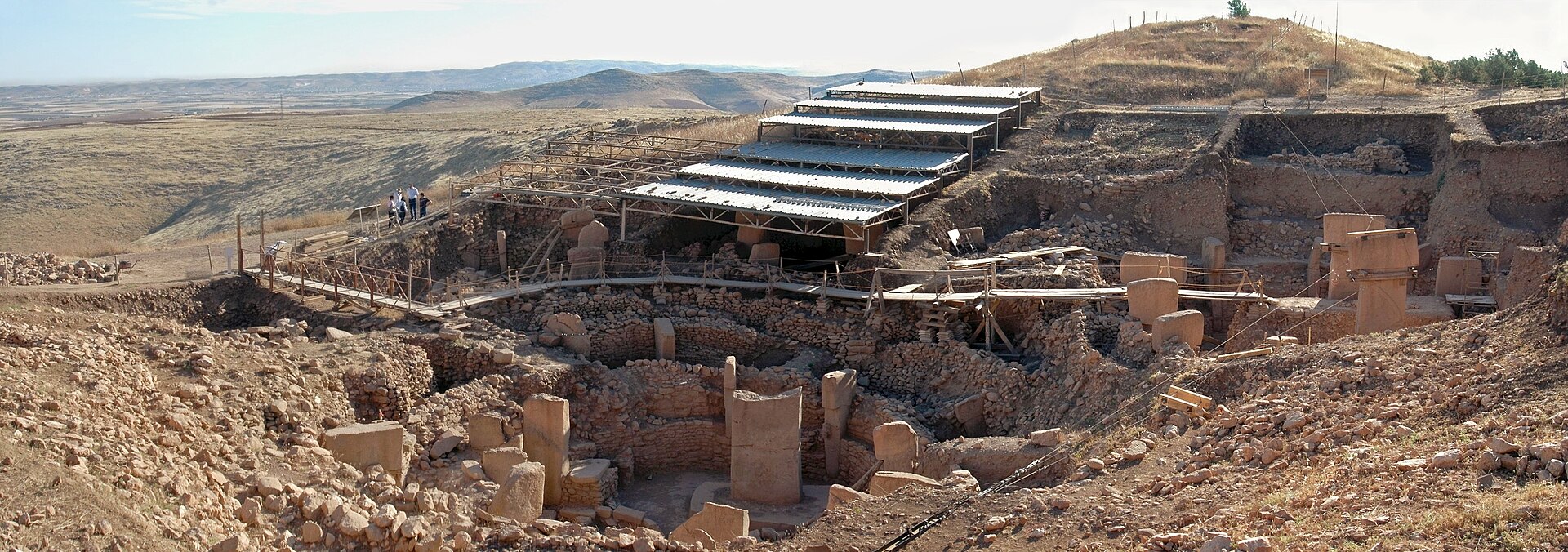
Archaeology, UNESCO
Şanlıurfa, Türkiye
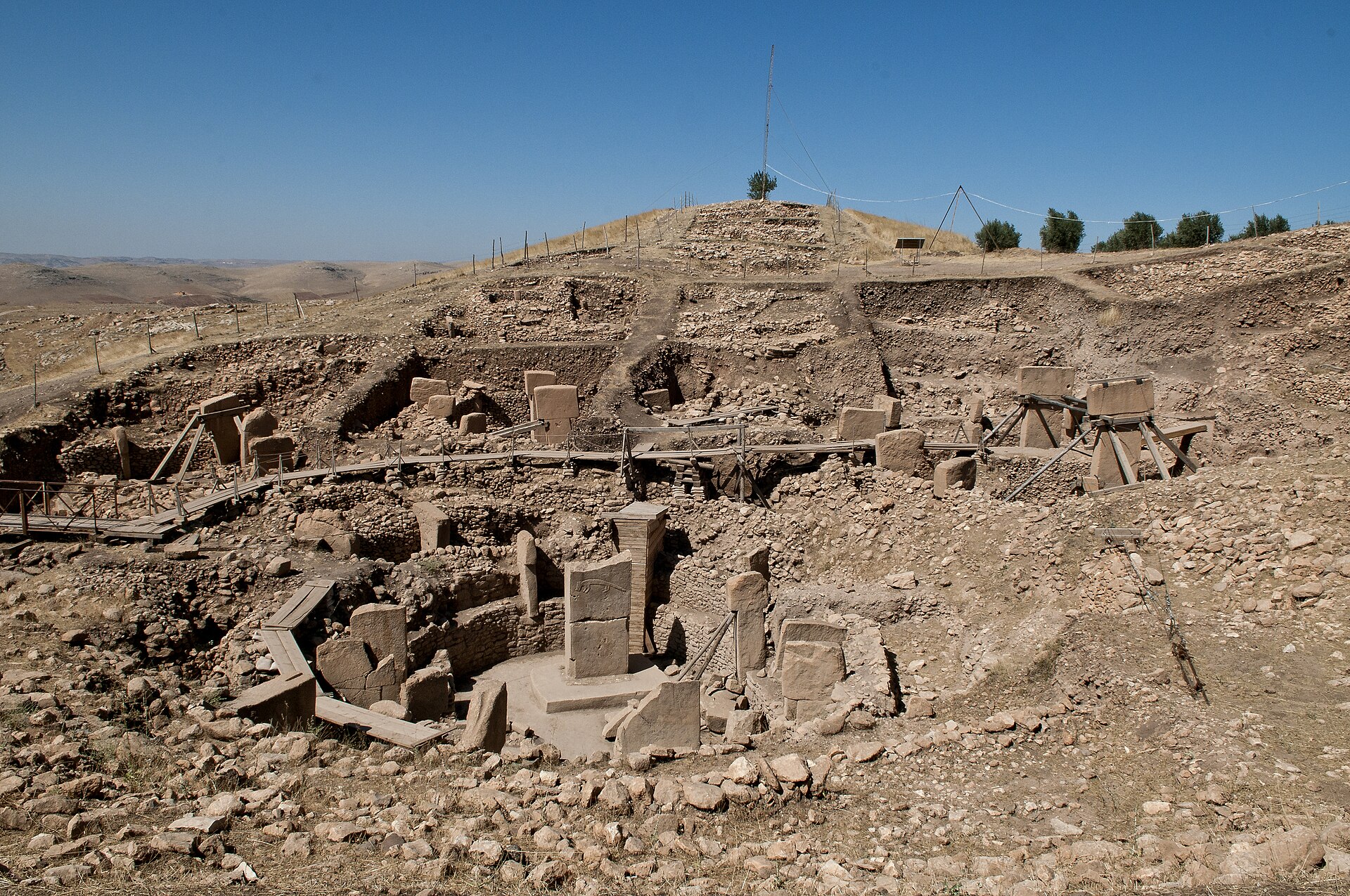
Rings of giant carved T-shaped stone pillars on a hilltop near Şanlıurfa, raised by hunter-gatherers about 11,000 years ago — the oldest known monumental site in the world and a UNESCO World Heritage Site.
Explore Göbekli Tepe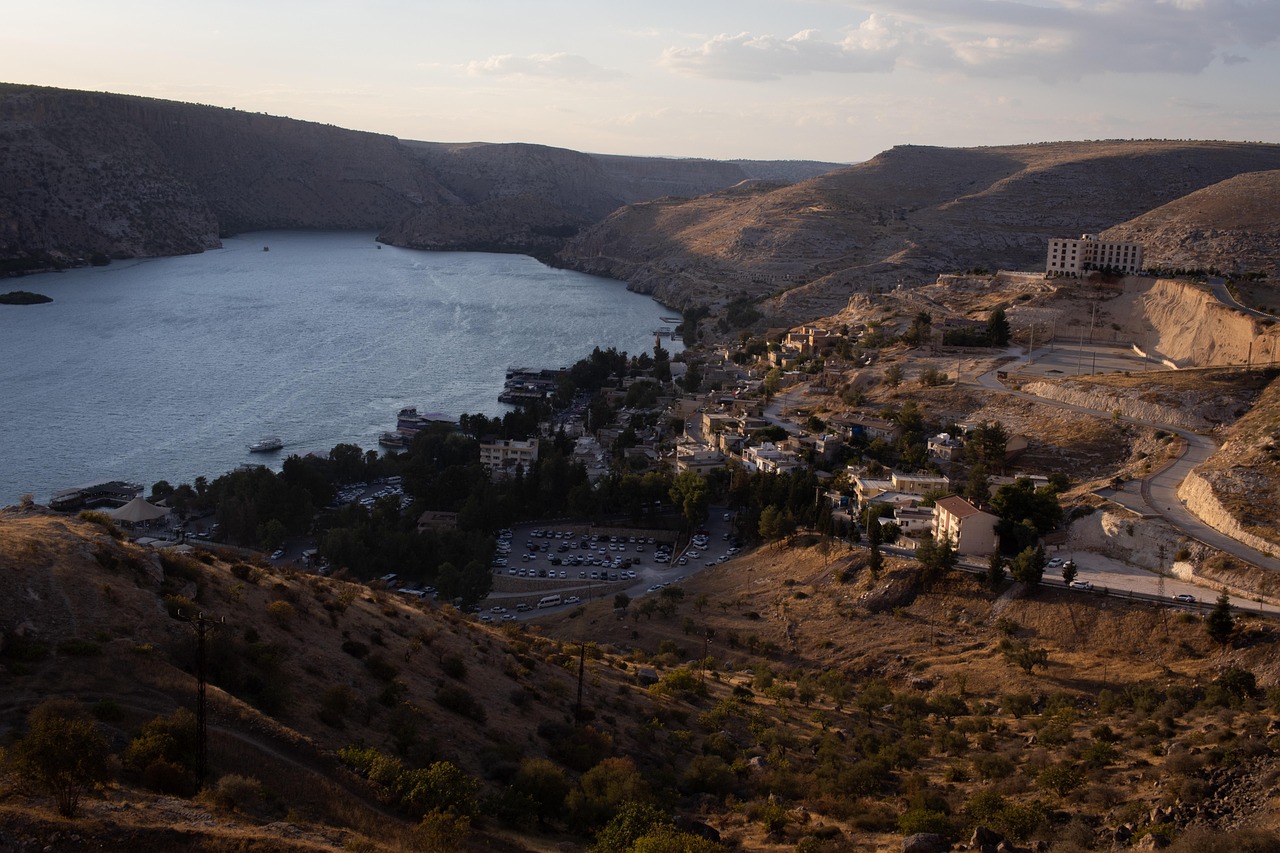
Village, Nature
Şanlıurfa, Türkiye
A riverside town on the Euphrates, partly flooded by a dam reservoir, known for boat trips past the sunken old village to the Rumkale fortress, and for its rare "black rose".
Explore Halfeti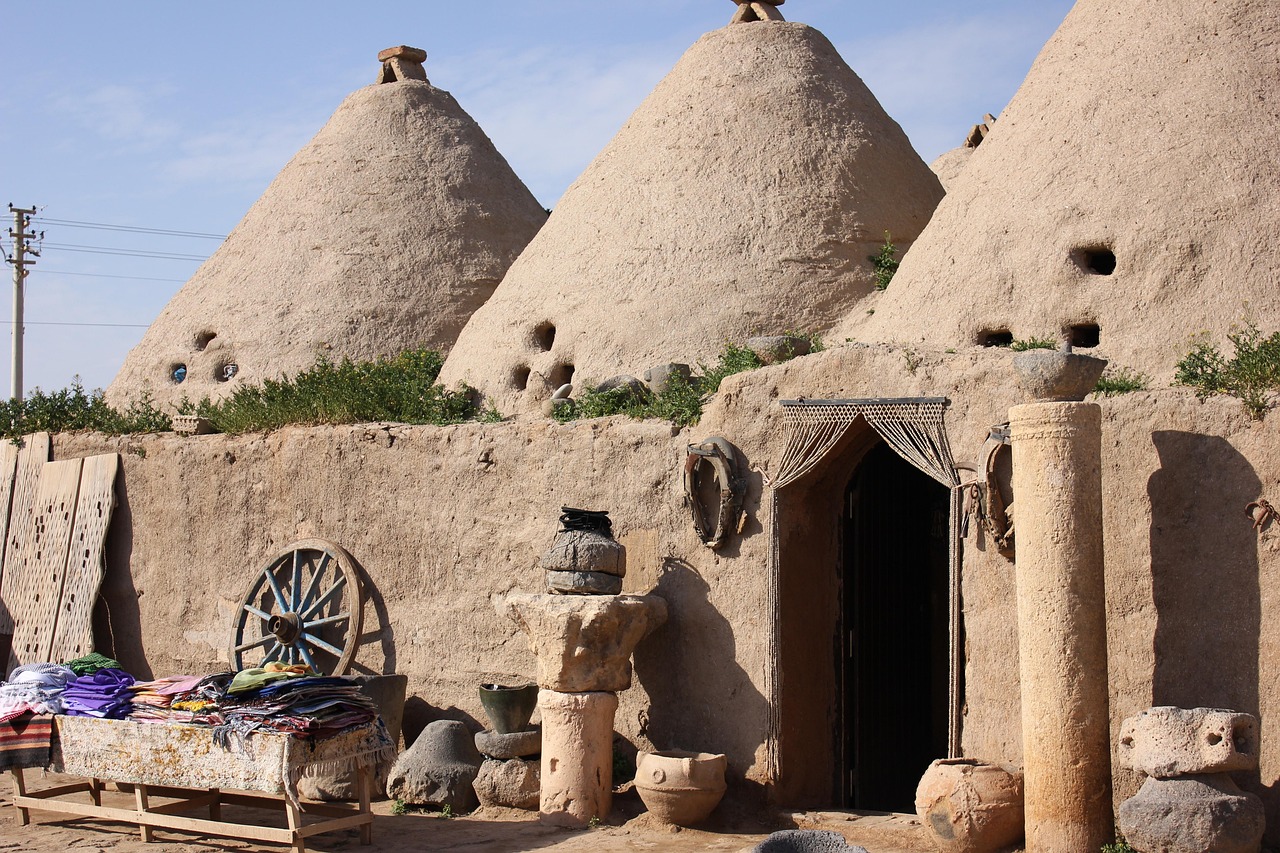
Heritage, Village
Şanlıurfa, Türkiye
An ancient town on the plain south-east of Şanlıurfa, known for its beehive-domed mud-brick houses and the ruins of its great mosque and early Islamic university, and linked in tradition with Abraham.
Explore Harran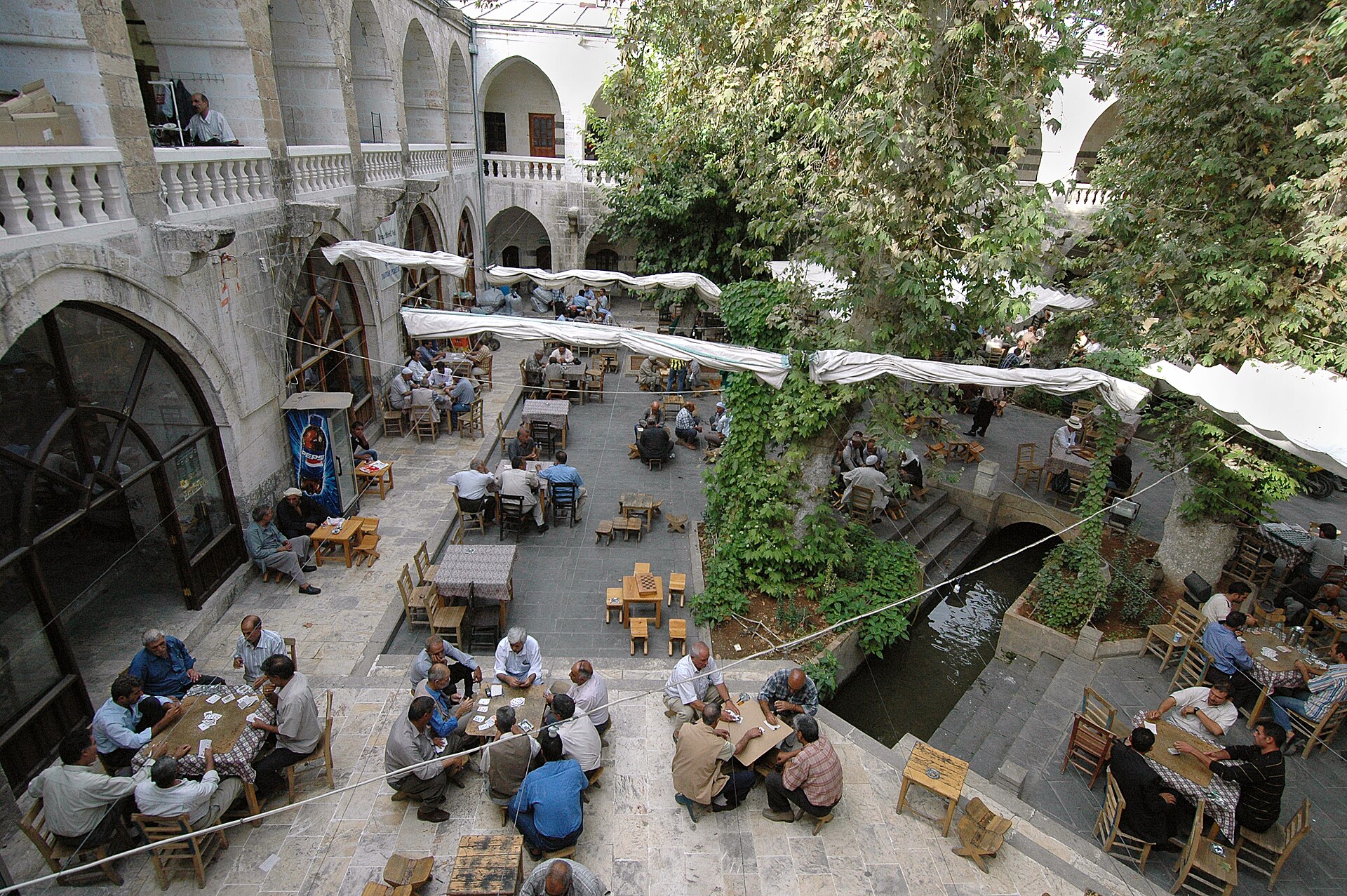
Bazaar, Heritage
Şanlıurfa, Türkiye
The covered bazaars of old Şanlıurfa — coppersmiths, spice sellers, weavers and tailors in stone-vaulted lanes — around the courtyard of the 16th-century Gümrük Han, the city's favourite place for tea.
Explore Old Bazaar & Gümrük Han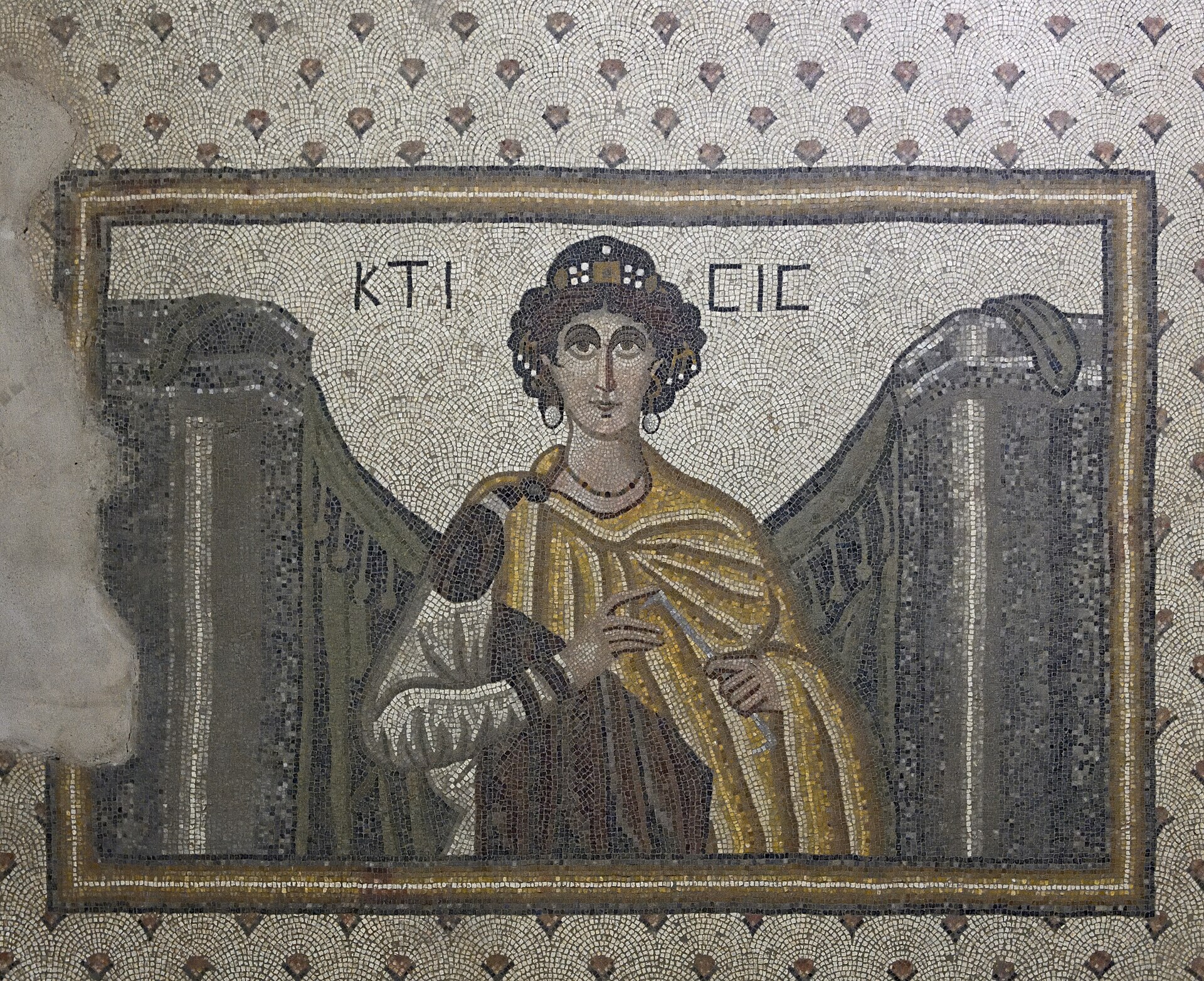
Museum, Archaeology
Şanlıurfa, Türkiye
Two neighbouring museums: one of Türkiye's largest archaeology museums, with finds from Göbekli Tepe and the ancient Urfa Man, and a mosaic museum built over a Roman villa with famous Amazon mosaics.
Explore Şanlıurfa Archaeology & Haleplibahçe Mosaic MuseumPilgrimage, Heritage
Şanlıurfa, Türkiye
Sacred pools full of carp at the foot of the castle, where by tradition the fire into which Abraham was thrown turned to water — the spiritual heart of Şanlıurfa, with mosques, gardens and the cave said to be his birthplace.
Explore Balıklıgöl (Pool of Abraham)Archaeology, UNESCO
Şanlıurfa, Türkiye
Rings of giant carved T-shaped stone pillars on a hilltop near Şanlıurfa, raised by hunter-gatherers about 11,000 years ago — the oldest known monumental site in the world and a UNESCO World Heritage Site.
Explore Göbekli TepeHeritage, Village
Şanlıurfa, Türkiye
An ancient town on the plain south-east of Şanlıurfa, known for its beehive-domed mud-brick houses and the ruins of its great mosque and early Islamic university, and linked in tradition with Abraham.
Explore HarranBazaar, Heritage
Şanlıurfa, Türkiye
The covered bazaars of old Şanlıurfa — coppersmiths, spice sellers, weavers and tailors in stone-vaulted lanes — around the courtyard of the 16th-century Gümrük Han, the city's favourite place for tea.
Explore Old Bazaar & Gümrük HanMuseum, Archaeology
Şanlıurfa, Türkiye
Two neighbouring museums: one of Türkiye's largest archaeology museums, with finds from Göbekli Tepe and the ancient Urfa Man, and a mosaic museum built over a Roman villa with famous Amazon mosaics.
Explore Şanlıurfa Archaeology & Haleplibahçe Mosaic MuseumŞanlıurfa, Türkiye
Şanlıurfa, Türkiye
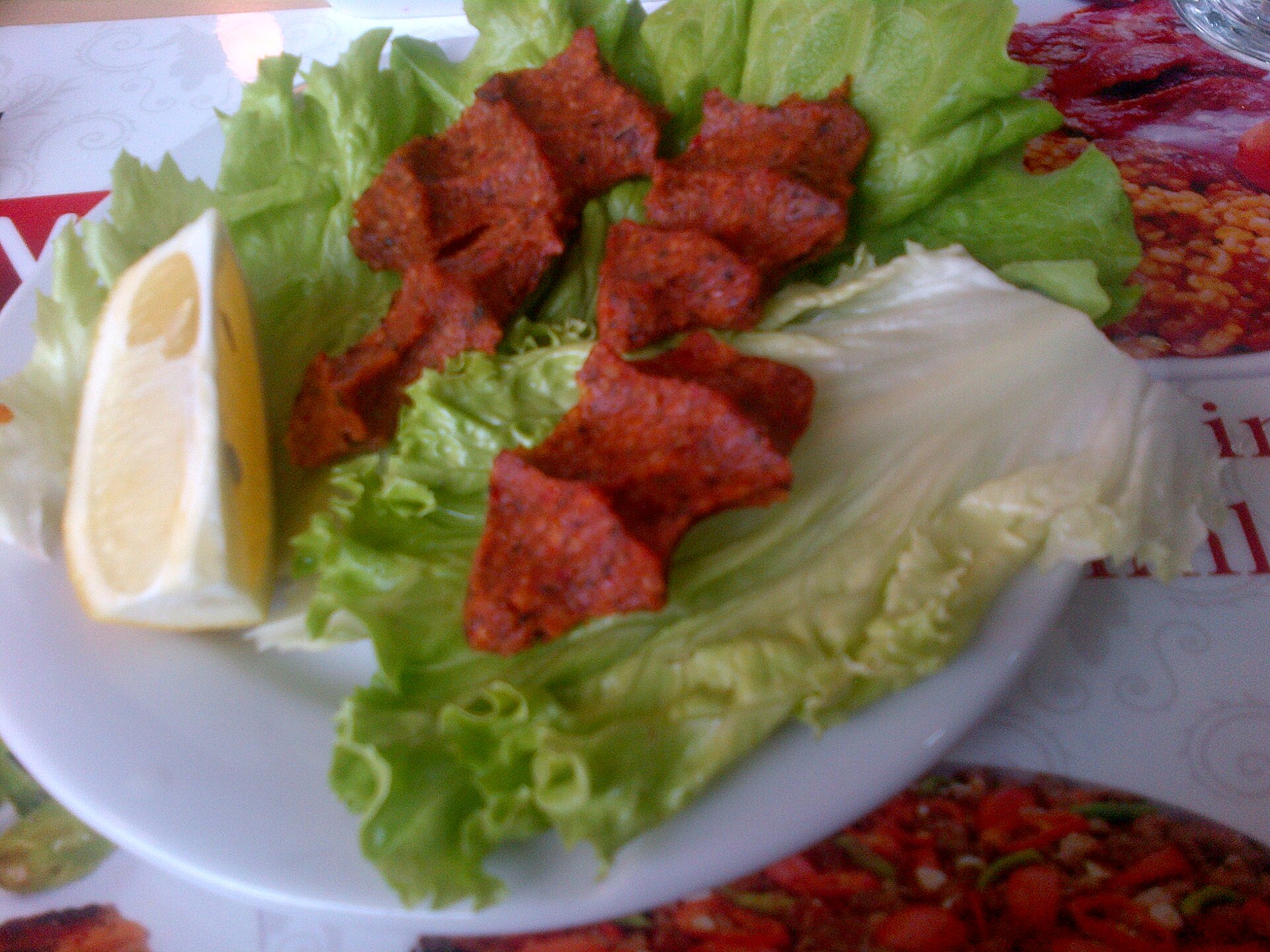
Fine bulgur kneaded for a long time with isot pepper, tomato and pepper paste, onion and spices, eaten wrapped in lettuce with lemon and pomegranate molasses. Urfa claims the dish; shops today sell a meat-free version.
Şanlıurfa, Türkiye
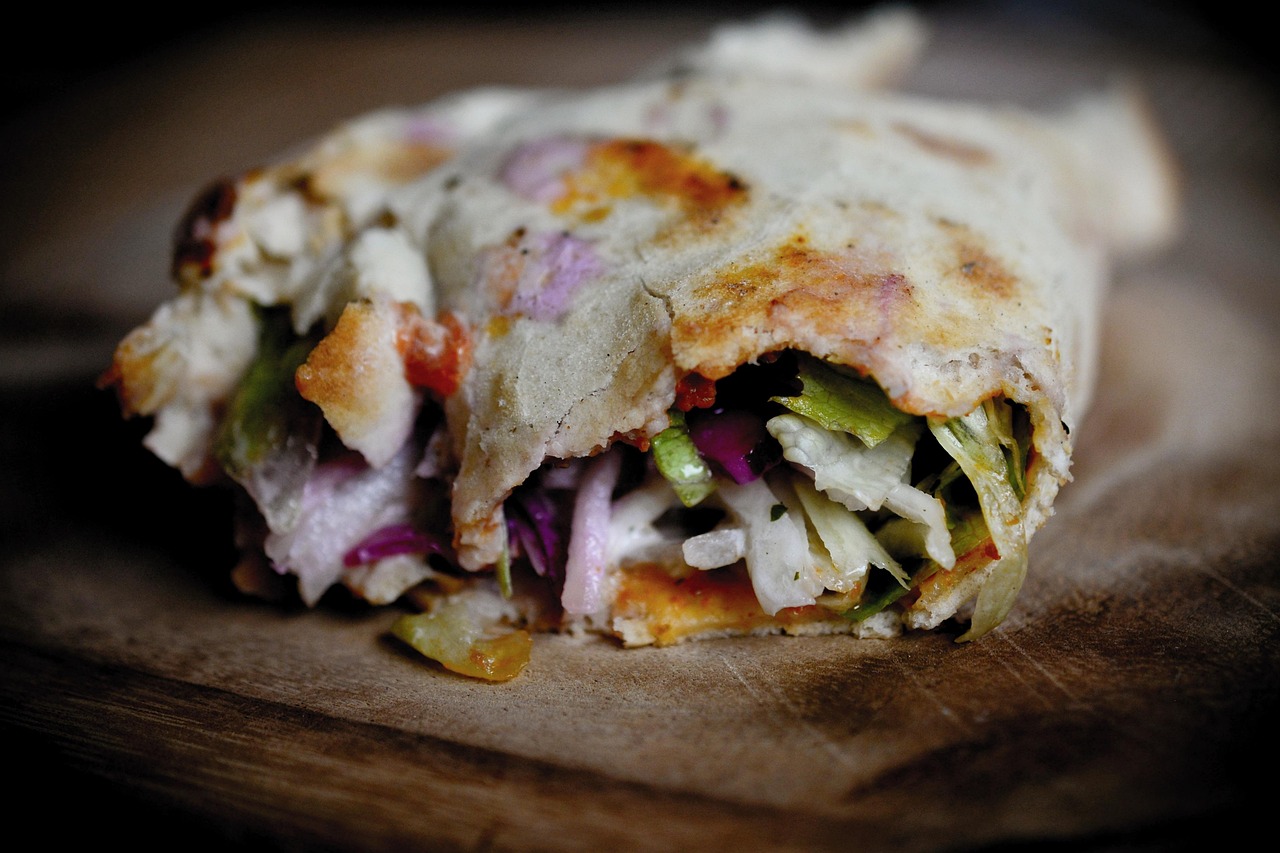
Thin round flatbread spread with minced meat, onion, tomato and pepper and baked quickly in a wood oven. Squeeze lemon over it, add parsley, roll it up and eat by hand.
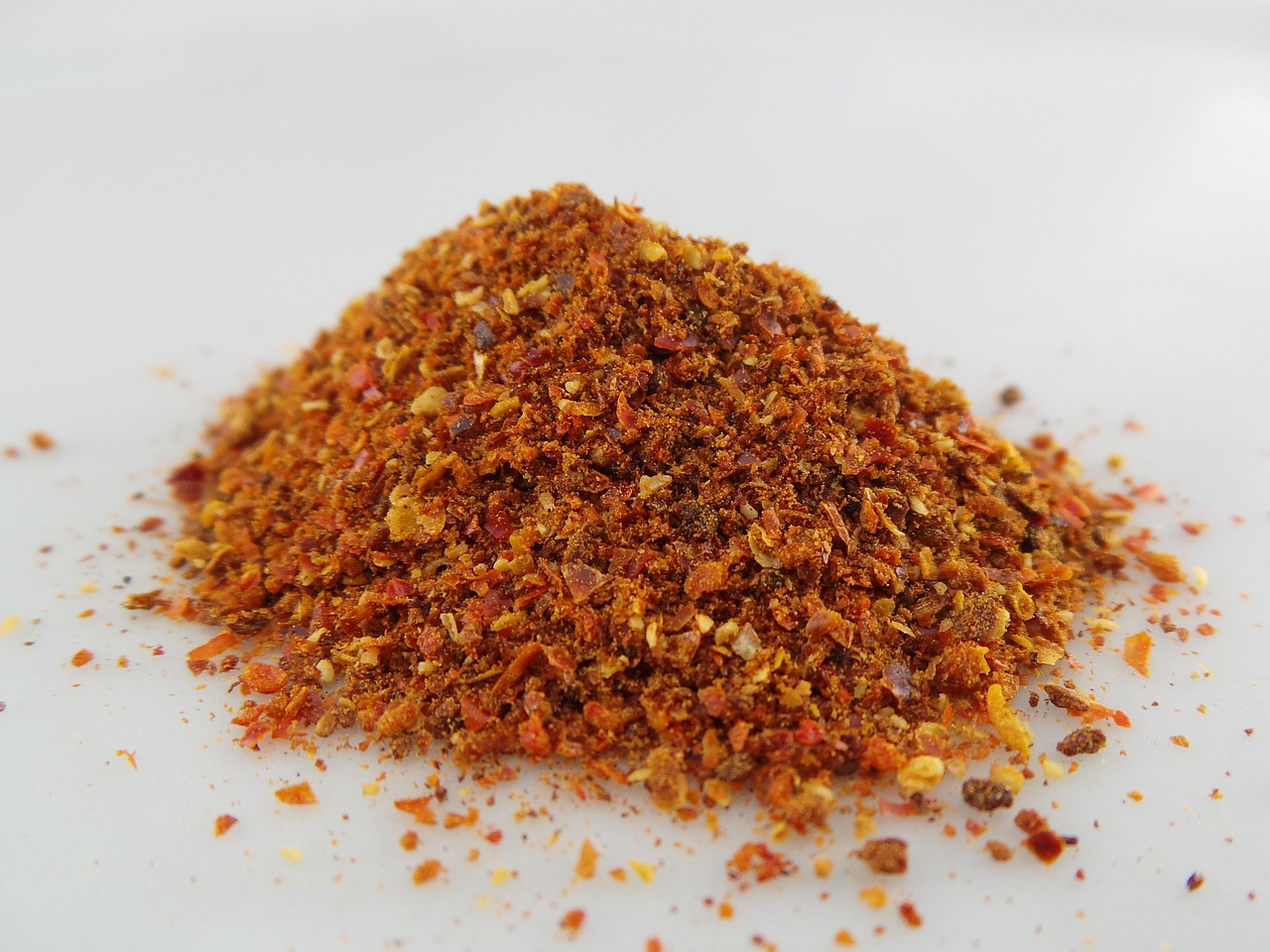
Şanlıurfa, Türkiye
Dark red pepper flakes that are sun-dried and "sweated" until almost black, with a smoky, raisin-like warmth. It goes on everything in Urfa — and is the best spice to take home.
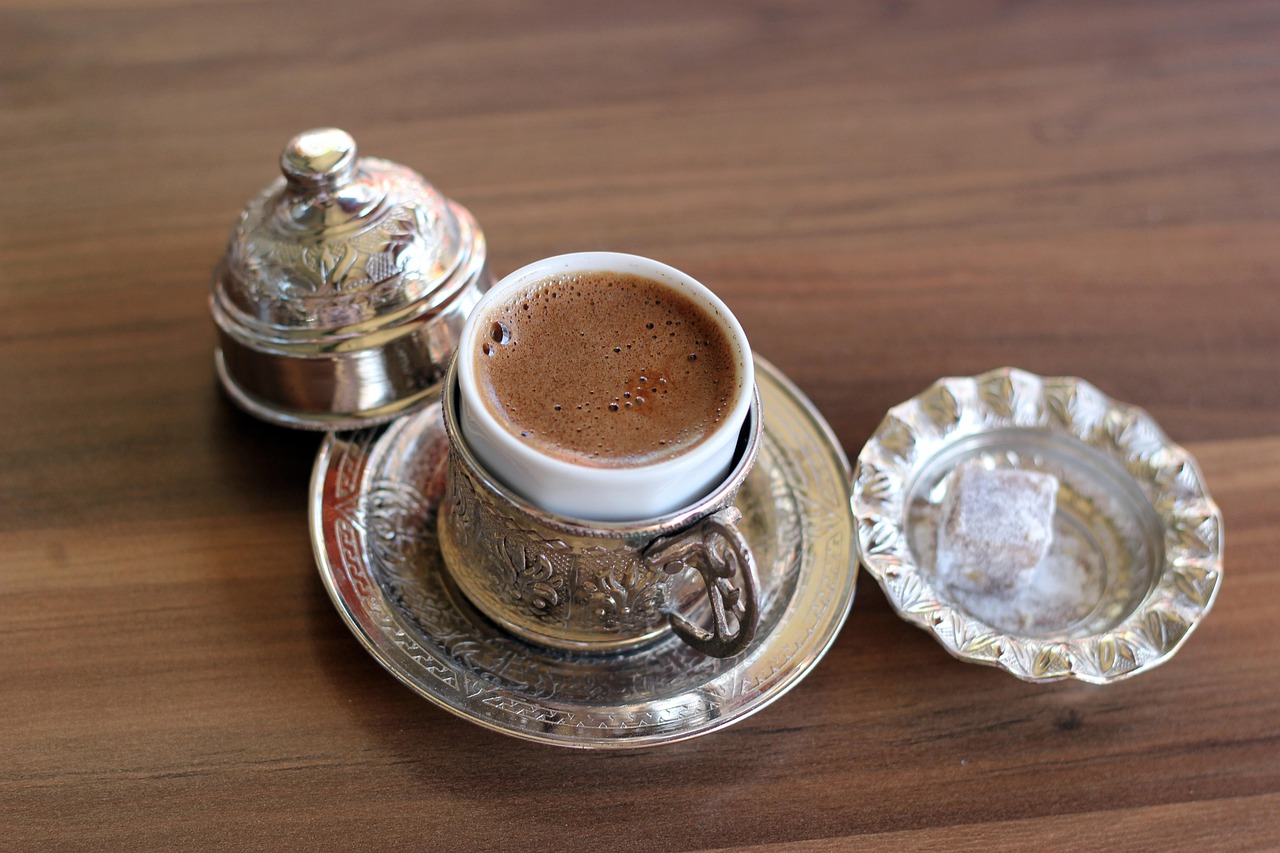
Şanlıurfa, Türkiye
Between the Pool of Abraham and the covered bazaar
Kebab houses, lahmacun ovens, çiğ köfte shops and tea gardens. The courtyard of the old Gümrük Han is the classic place for tea or mırra.
Open in Google Maps (opens in a new tab)Restored stone mansions in the old town
Old courtyard houses turned into restaurants, where you sit on floor cushions for kebab and, on many evenings, a sıra gecesi — a traditional evening of Urfa music and food. Ask your hotel which are running.
Open in Google Maps (opens in a new tab)Şanlıurfa, Türkiye
Restored stone mansions (konak) and guest houses with courtyards, a short walk from the Pool of Abraham and the bazaar. The most atmospheric base.
Open in Google Maps (opens in a new tab)Şanlıurfa, Türkiye
Larger modern hotels near the Archaeology Museum and the main roads, convenient for drives to Göbekli Tepe, Harran and the airport.
Open in Google Maps (opens in a new tab)Şanlıurfa is a conservative and deeply religious city, known in Türkiye as "the city of prophets". Arabic, Kurdish and Turkish are all spoken. Dress modestly everywhere (shoulders and knees covered; women may want a scarf for mosques and the Balıklıgöl area), ask before photographing women, and expect great hospitality — tea is offered often. The sıra gecesi, an evening of music, food and conversation among friends, is the city's own tradition. Urfa is also known for its folk singers and its love of food — expect to be offered more than you can eat.
People have lived in this part of upper Mesopotamia since the very beginning of farming. Around 11,000 years ago hunter-gatherers raised the great stone circles of Göbekli Tepe on the hills nearby, and the Urfa Man, found in the city, is one of the oldest life-size statues known.
In antiquity the city was called Edessa, capital of the kingdom of Osroene and an early centre of Syriac Christianity, later a Crusader county. Muslim, Jewish and Christian tradition connect it with Abraham (Ibrahim): local belief holds that he was born in a cave here and that King Nimrod threw him into a fire which God turned into water and the burning logs into fish — the pools of Balıklıgöl.
The name Şanlı ("glorious") was added in 1984 in honour of the city's resistance in the War of Independence. Since Göbekli Tepe became a UNESCO site in 2018, the city has drawn visitors from around the world.
Travel information
Balıklıgöl and the cave of Abraham in the morning, the covered bazaar and Gümrük Han at midday, the castle for sunset, and dinner with a sıra gecesi.
Göbekli Tepe early, the Archaeology Museum after lunch, or drive on to Harran for its beehive houses and the ancient university ruins in the late afternoon.
A day trip to Halfeti for a boat ride on the Euphrates to Rumkale and the sunken village.
March to May and October to November. Summers are extremely hot; winters are mild but can be rainy.
By air: Şanlıurfa GAP Airport (GNY) is about 40 minutes' drive north-east of the city, with flights from Istanbul and Ankara. Airport buses timed to flights and taxis run to the centre.
By bus: Buses connect Şanlıurfa with Gaziantep (about 2 hours), Mardin, Diyarbakır and cities across Türkiye. Gaziantep's airport is another option when combining the two cities.
By road: The city is on the main highway across the south-east; a hire car is useful for Göbekli Tepe, Harran and Halfeti.
The old city — Balıklıgöl, the bazaars and the castle — is compact and best on foot. City buses and taxis cover the rest. For Göbekli Tepe, Harran and Halfeti, use a taxi for the day, a tour or a hire car; shuttle buses to Göbekli Tepe have run from the city — ask your hotel what is running.