Saleeg
Taif, Saudi Arabia
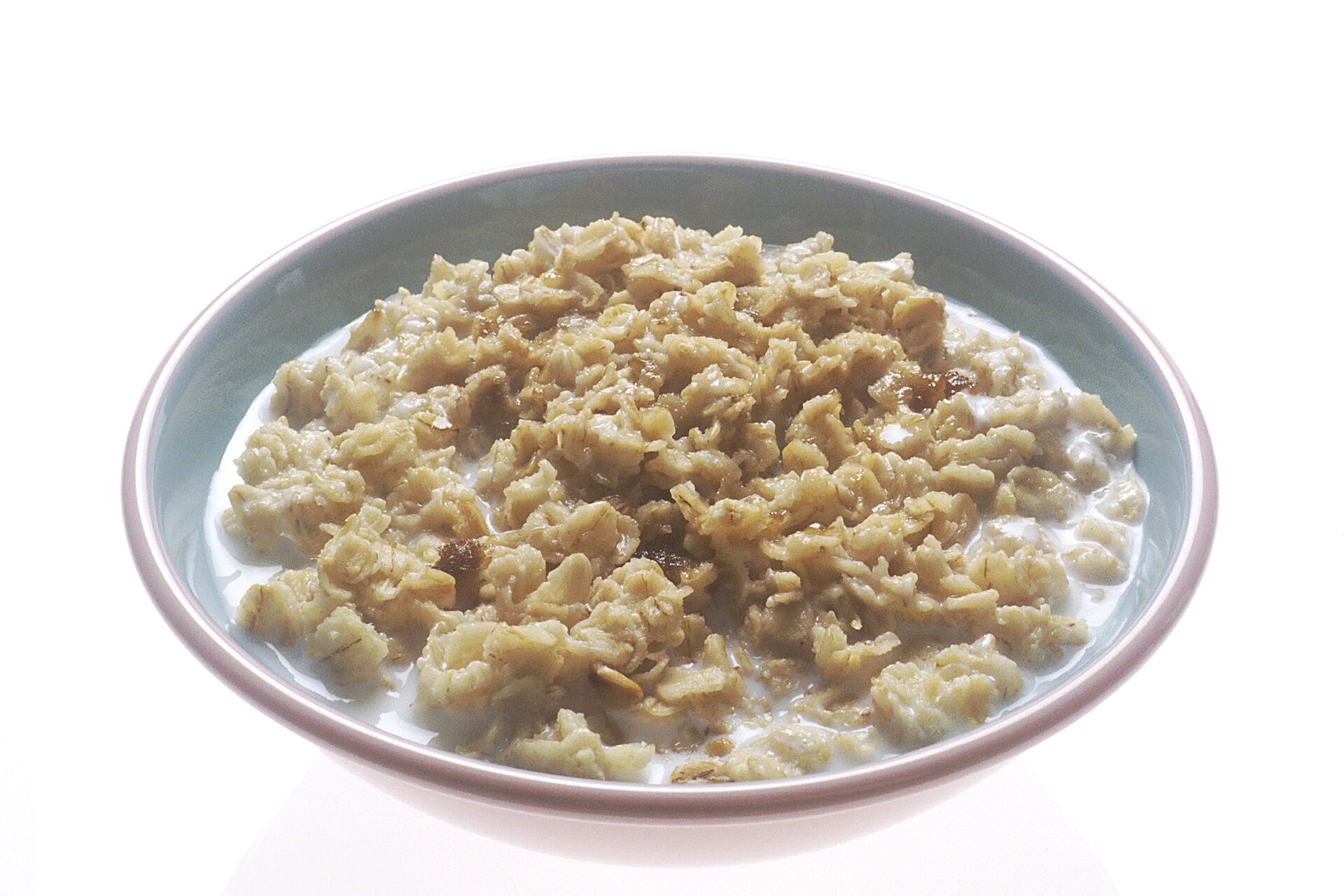
A Hejazi comfort dish: short-grain rice slow-cooked in chicken or lamb broth and milk until creamy, finished with ghee and served with the roasted meat on top. Popular across the Hejaz, especially in Taif and Jeddah.
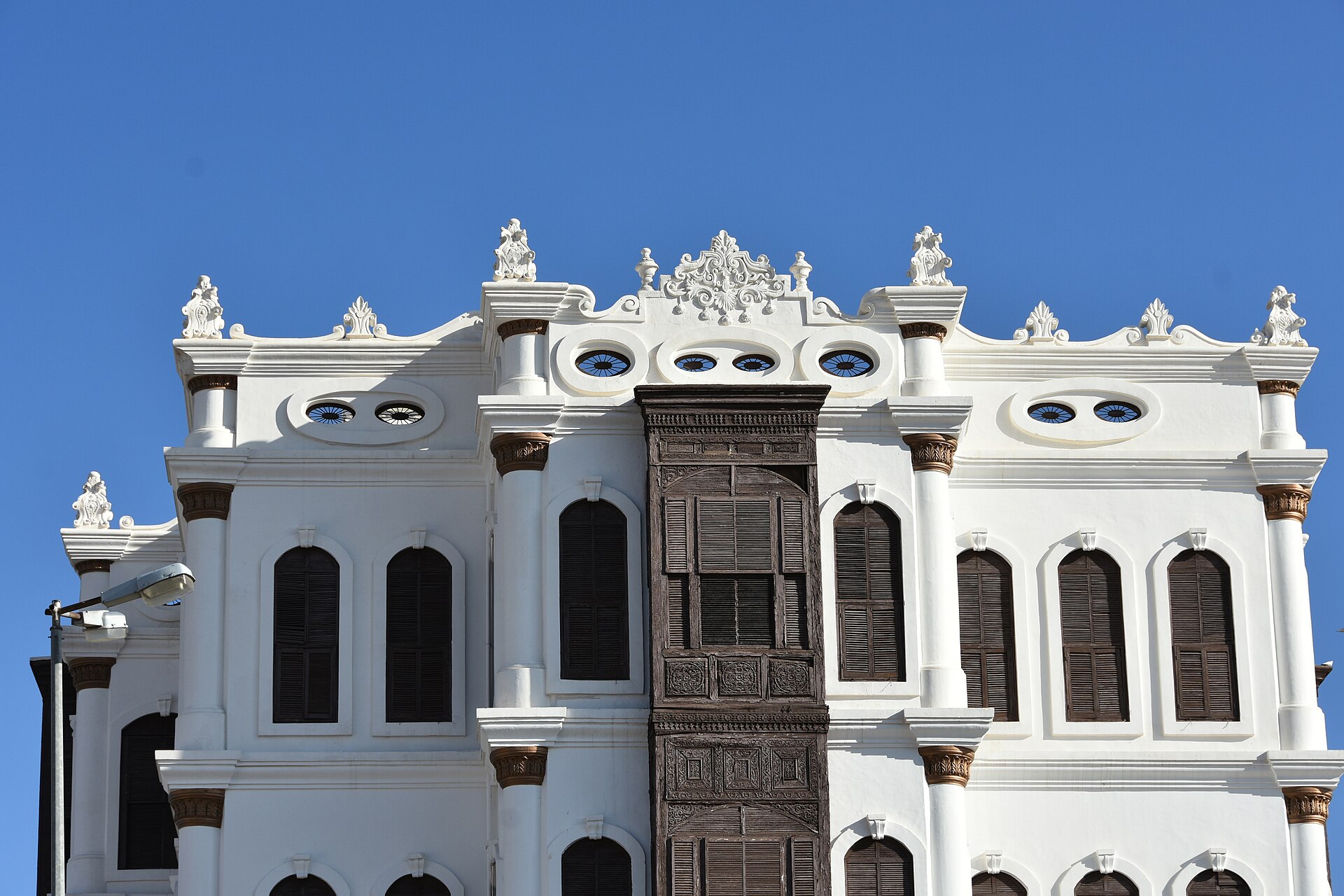
 Taif, Saudi Arabia
Saudi Arabia's mountain summer city, high in the Sarawat range above Makkah: cool air, winding mountain roads, fruit farms, baboons on the cliffs and the famous Taif roses distilled into rose water and oil each spring.
Viewpoint, Attraction
Taif, Saudi Arabia
A cable car that drops from the top of Al Hada down the cliffs to Al Kar village, with wide views of the escarpment. Operation varies, so check before going.
Explore Al Hada Cable Car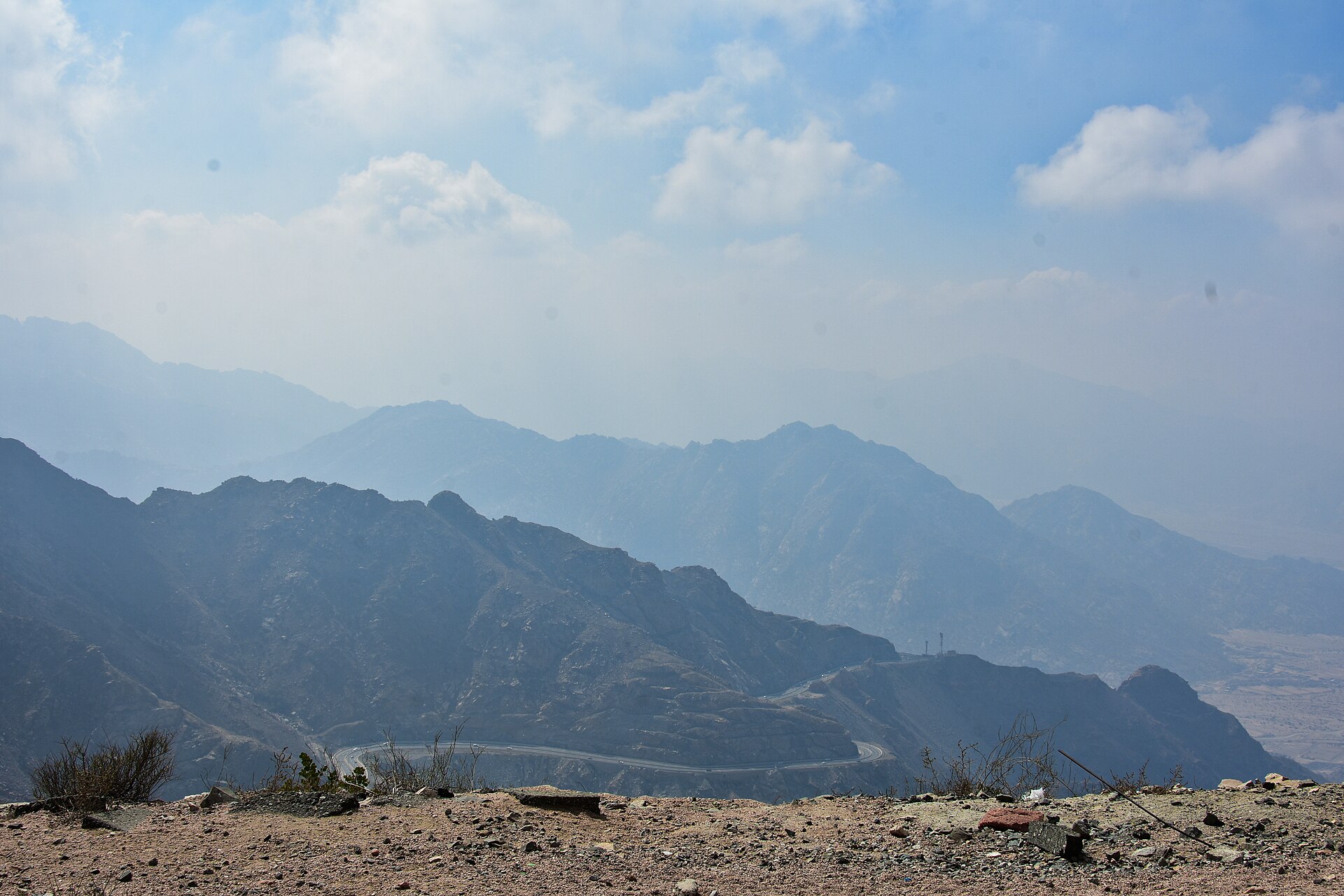
Nature, Viewpoint
Taif, Saudi Arabia
The mountain on the Makkah side of Taif, reached by one of Saudi Arabia's most famous roads — a chain of hairpin bends climbing the escarpment, with viewpoints, cool air and baboons.
Explore Al Hada Mountain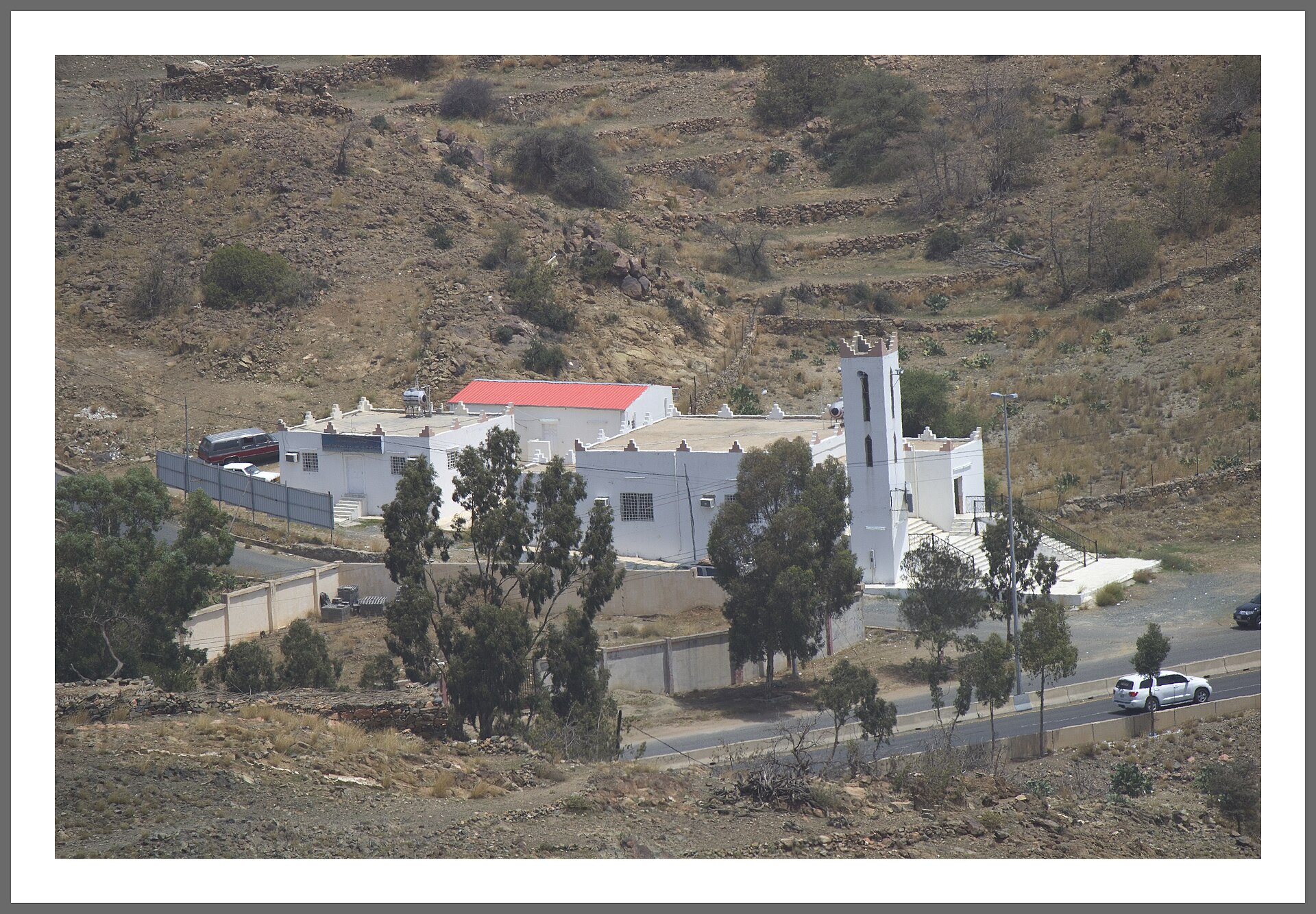
Nature, Mountains
Taif, Saudi Arabia
The high mountain area south of Taif, around 2,000–2,500 metres up, with terraced fruit farms, cool weather, viewpoints and roadside stalls selling fresh produce.
Explore Al ShafaMuseum
Taif, Saudi Arabia
A large private museum in Taif with a wide collection on the history and traditional life of the region — old tools, weapons, clothing, coins, manuscripts and household items.
Explore Al Shareef MuseumMarket
Taif, Saudi Arabia
The old market in the heart of Taif: lanes of shops selling honey, rose products, perfume, spices, dates, clothes and traditional crafts.
Explore Souq Al Balad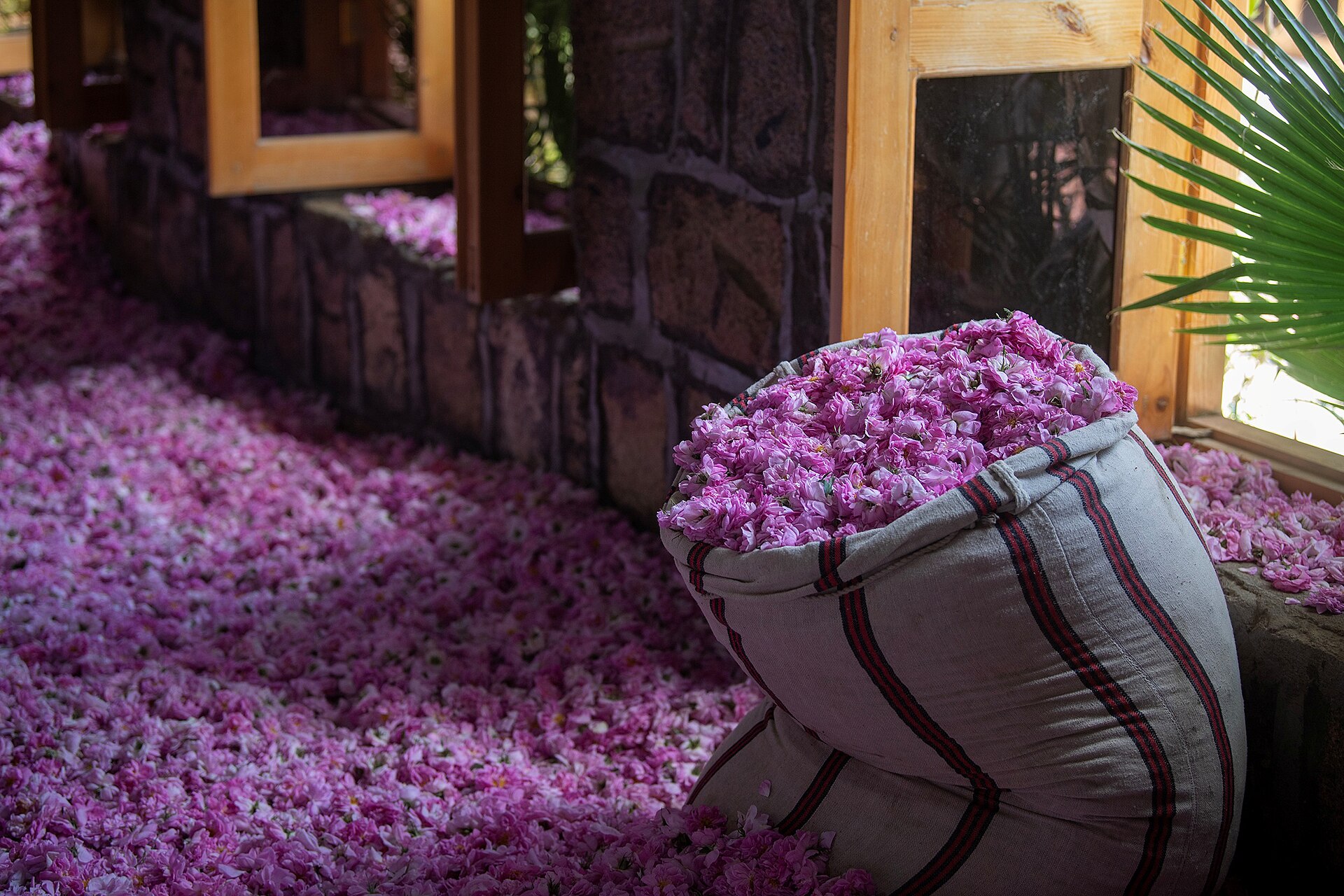
Farms, Culture
Taif, Saudi Arabia
Farms in the mountains around Taif where the fragrant Taif rose is grown, picked at dawn in spring and distilled into rose water and rose oil.
Explore Taif Rose FarmsTaif, Saudi Arabia
A Hejazi comfort dish: short-grain rice slow-cooked in chicken or lamb broth and milk until creamy, finished with ghee and served with the roasted meat on top. Popular across the Hejaz, especially in Taif and Jeddah.
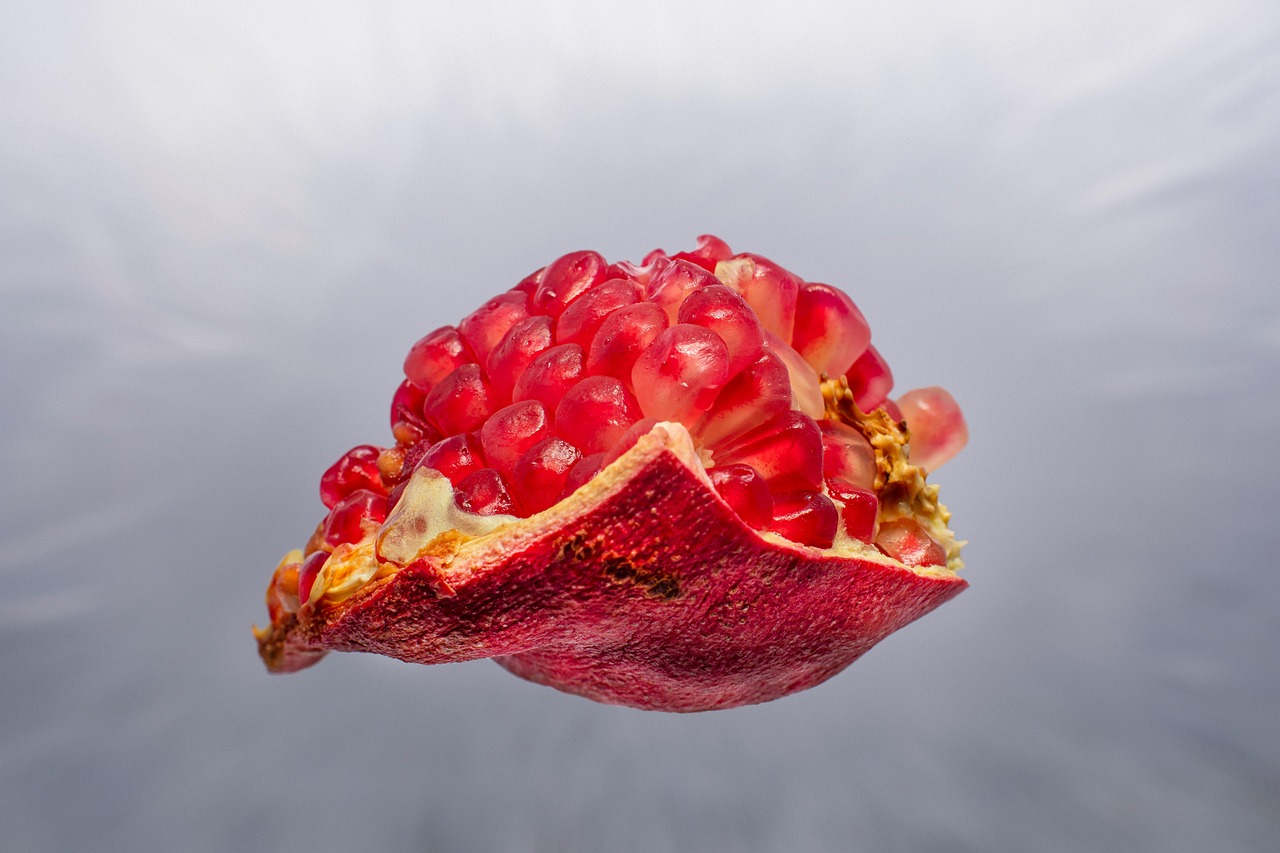
Taif, Saudi Arabia
Taif is known across Saudi Arabia for its fruit grown in the mountain farms — pomegranates above all, plus grapes, figs and prickly pears in season. Roadside stalls sell them fresh and as juice.
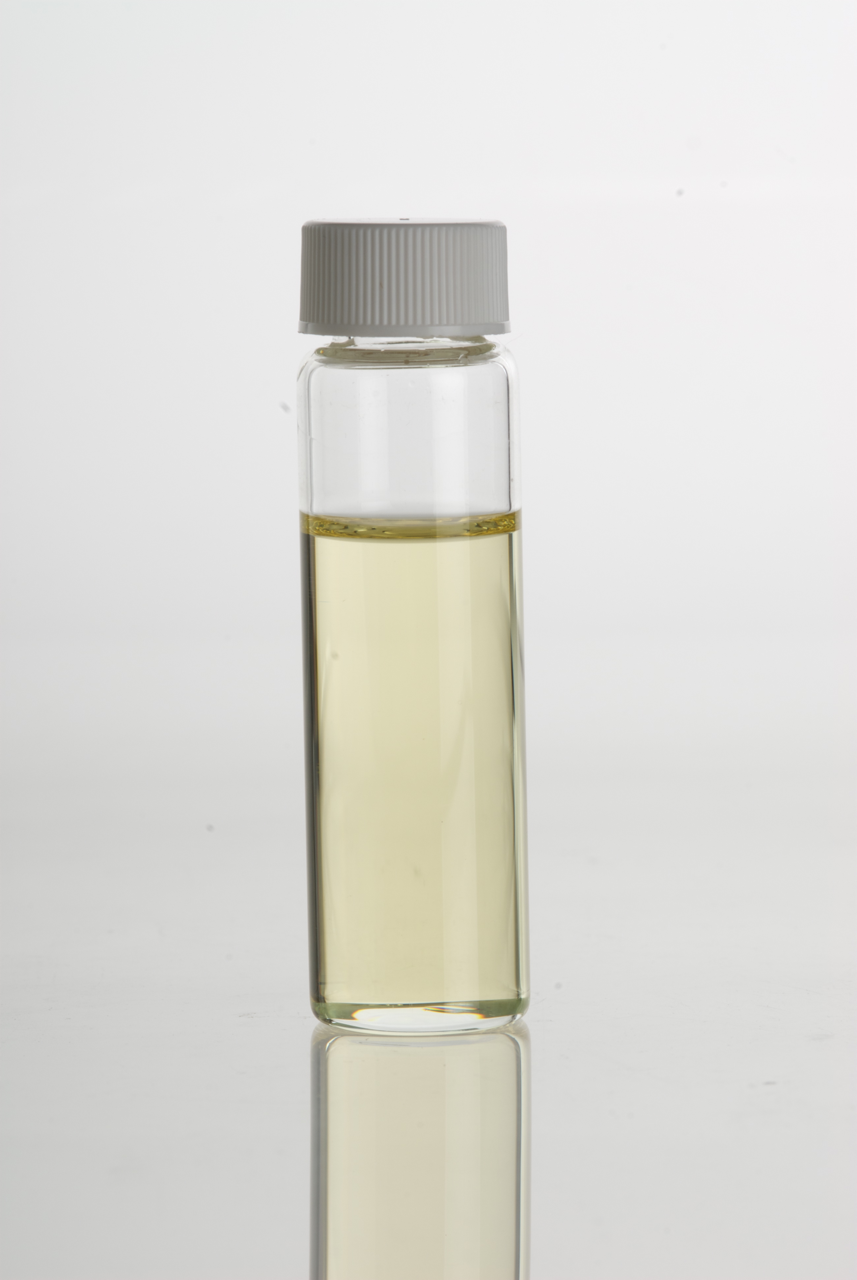
Taif, Saudi Arabia
Taif roses are distilled into rose water and the costly rose oil (dehn al-ward). Rose water flavours Arabic coffee, sweets and desserts; rose oil is a prized perfume. Buy from farms and long-established perfume shops.
Old central Taif
Bakeries, mutabbaq stands, sweet shops and honey sellers in and around the old souq.
Open in Google Maps (opens in a new tab)Mountain roads
Fruit, corn, tea and grilled snacks sold at viewpoints along the mountain roads, especially on weekends and in summer.
Open in Google Maps (opens in a new tab)Across the city
Local restaurants serving Taif's favourite saleeg, mandi and kabsa, often with family rooms.
Open in Google Maps (opens in a new tab)Taif, Saudi Arabia
Hotels and apartments near the old souq and the main roads, practical for the museums and markets and for the drive to Al Hada and Al Shafa.
Open in Google Maps (opens in a new tab)Taif, Saudi Arabia
Resorts and chalets on the mountain on the Makkah side of Taif — cooler air and views, close to the cable car and viewpoints.
Open in Google Maps (opens in a new tab)Taif, Saudi Arabia
Chalets and simple lodges among the mountain farms south of Taif — the coolest and quietest base, best with a car.
Open in Google Maps (opens in a new tab)Taif is conservative and family-oriented; dress modestly and respect family seating areas in restaurants and parks. The city is proud of its rose and fruit farming heritage and of Souq Okaz's poetry tradition, revived as a cultural festival. Friday mornings are quiet; life picks up after the Jumu'ah prayer.
Taif sits at around 1,800 metres, and its cool climate, springs and farms made it a retreat long before Islam. It was home to the tribe of Thaqif, and nearby Souq Okaz was one of the great markets of pre-Islamic Arabia, famous for its poetry contests.
The Prophet Muhammad ﷺ travelled to Taif around 619 CE to call its people to Islam and was driven out with stones; tradition says he rested in a garden at the edge of the town and prayed for its people rather than against them. Taif later accepted Islam in 630 CE. Over the centuries it became the summer seat of Makkah's elite, of the Ottoman administration in the Hejaz and, in the 20th century, of the Saudi government, which spent the hot months here.
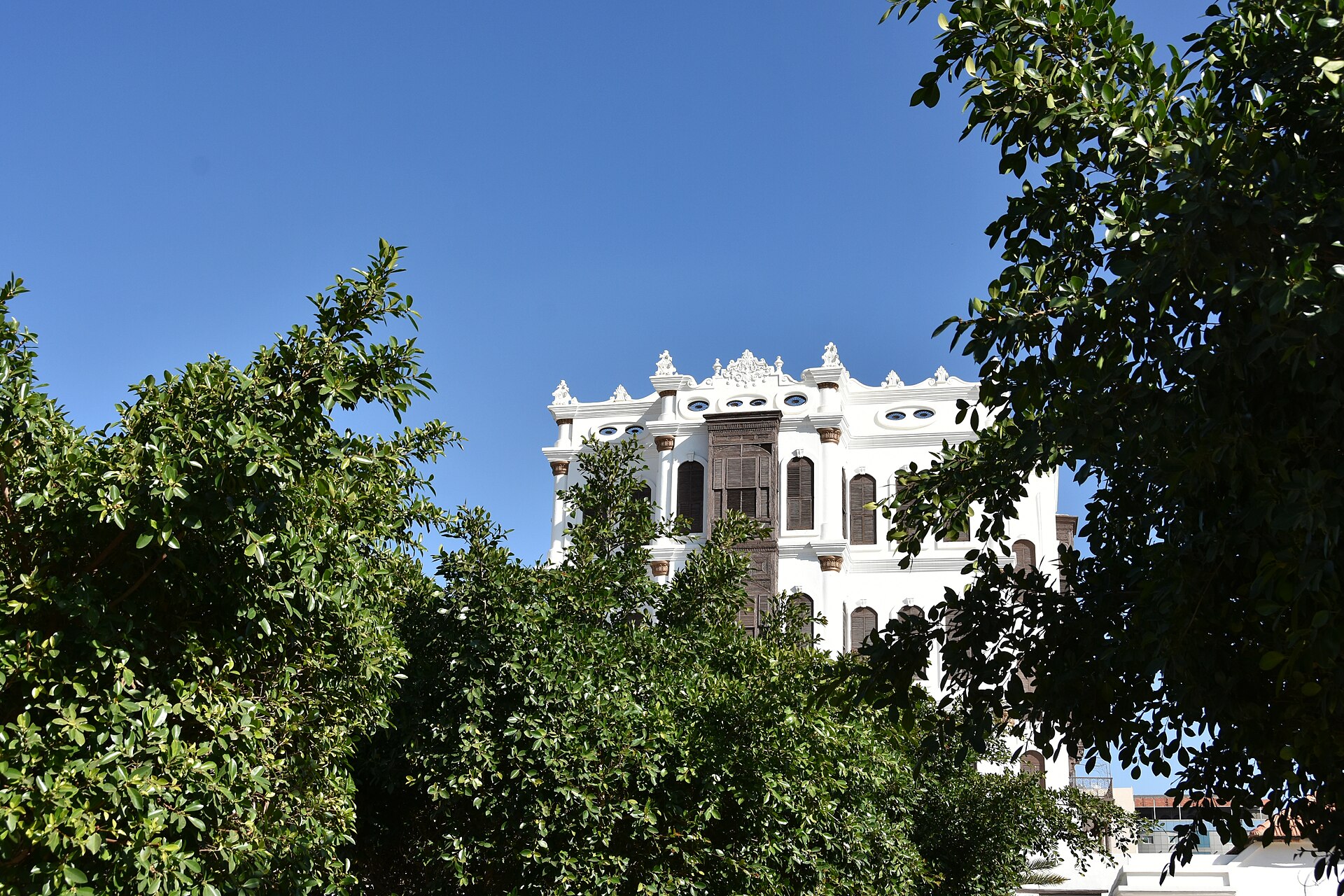
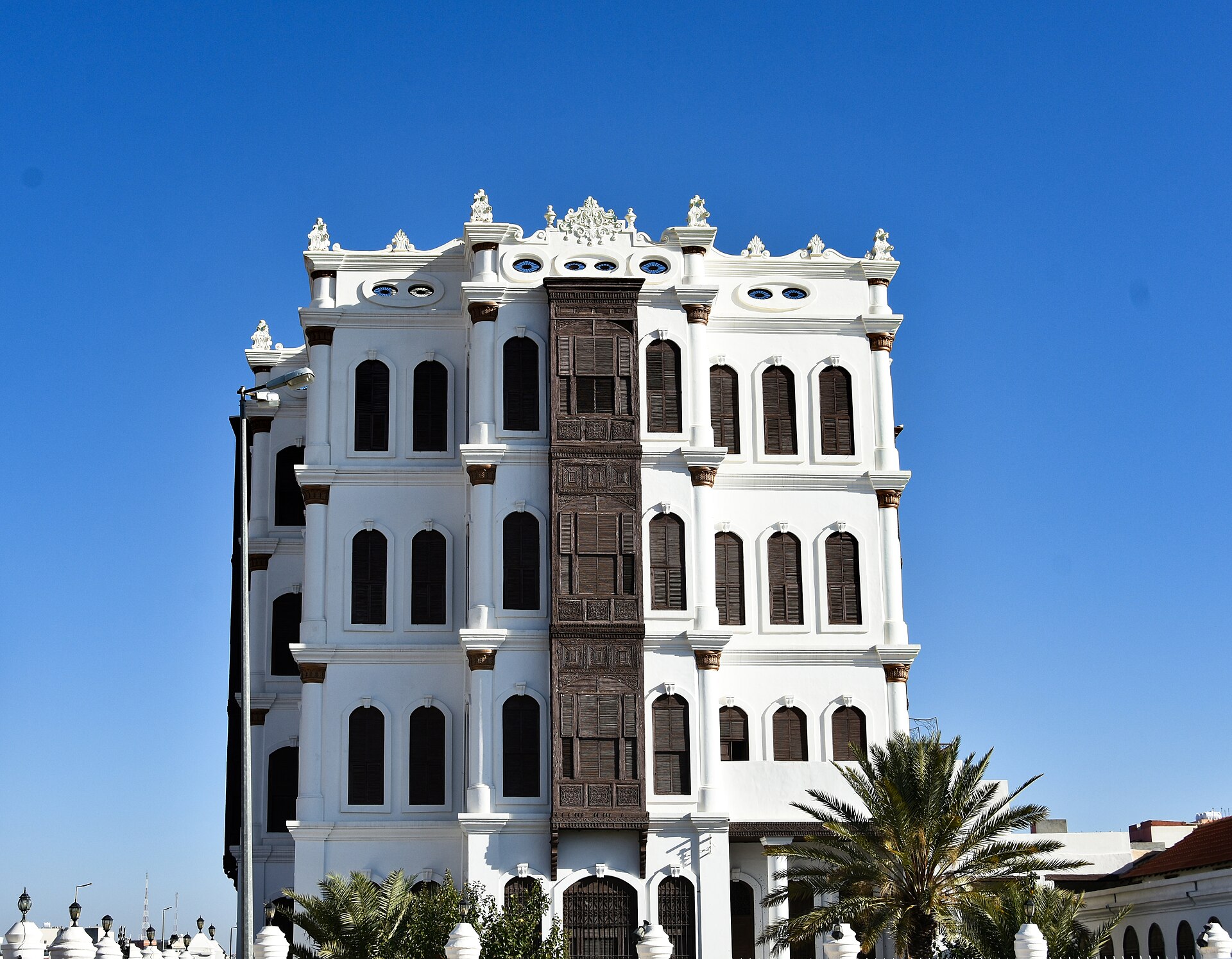
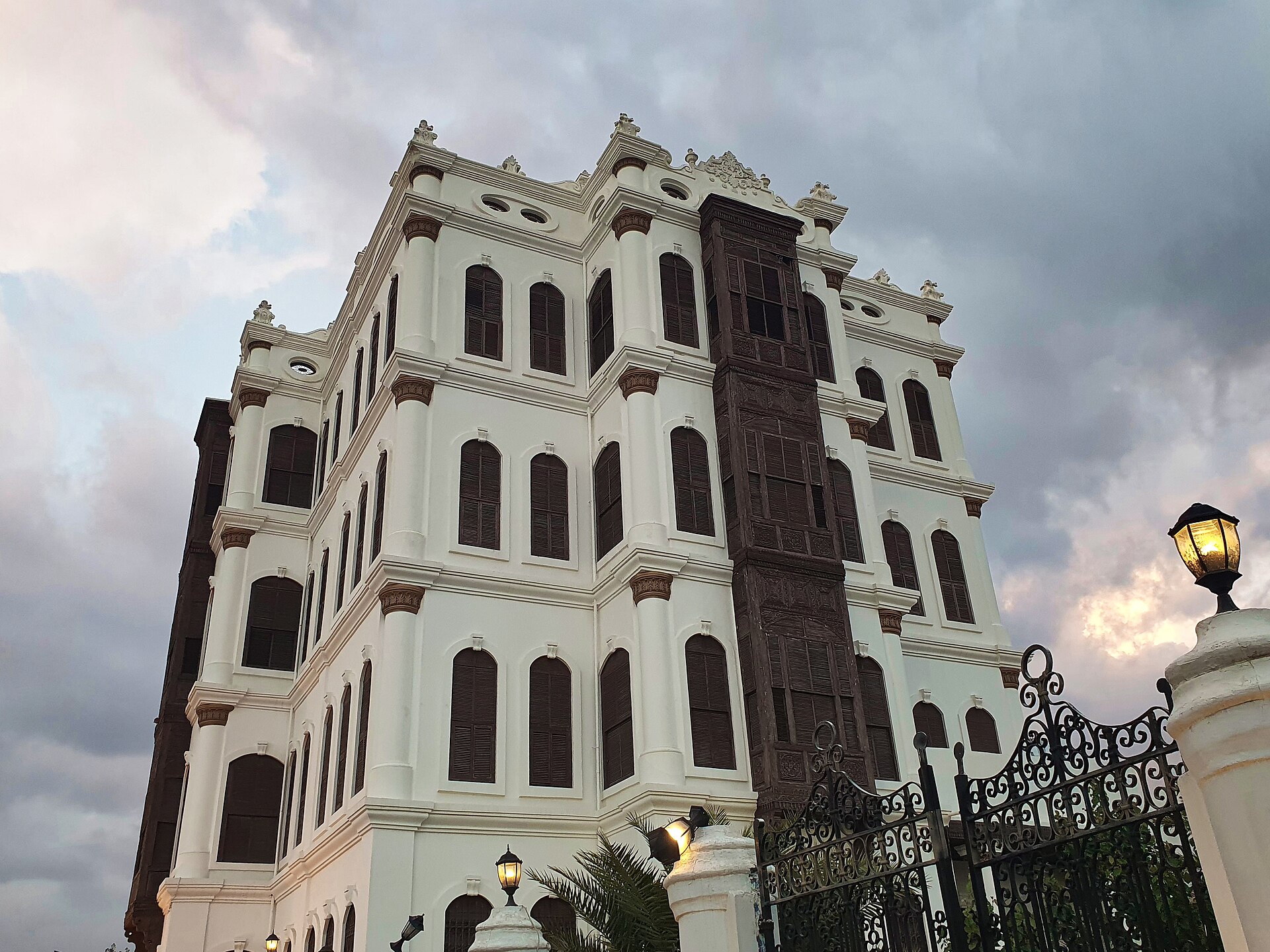
Old palaces such as Shubra Palace recall that era. Today Taif is a busy city and a weekend escape for people from Makkah and Jeddah, known for roses, pomegranates, grapes and honey.
Travel information
Drive up from Makkah via Al Hada, stop at the viewpoints, ride the cable car if it is running, and stay on the mountain or in the city.
Visit a rose farm (in season), drive up to Al Shafa for fruit stalls and views, then end at Souq Al Balad and Al Shareef Museum.
Spring (around March–April) for the rose harvest; summer (June–August) for cool mountain air when the coast is very hot. Winter nights can be cold.
By air: Taif International Airport (TIF) has domestic flights, mainly from Riyadh and other Saudi cities, plus some international routes. Taxis and car hire are available.
By road from Makkah: about 90 km via the Al Hada road, a spectacular climb of hairpin bends up the escarpment (about 1.5 hours).
By road from Jeddah: about 170 km (2–3 hours). Non-Muslim drivers must follow the signposted route that bypasses Makkah's sacred area; it is longer than the route through Makkah.
By bus: intercity buses connect Taif with Makkah, Jeddah, Riyadh and other cities.
Taif is spread out, and the mountain areas are reached only by road: a hire car or ride-hailing app (Uber, Careem and local apps) is the practical way to get around. Mountain roads have sharp bends — drive slowly, especially on the Al Hada descent and after dark.