AlUla dates
AlUla, Saudi Arabia
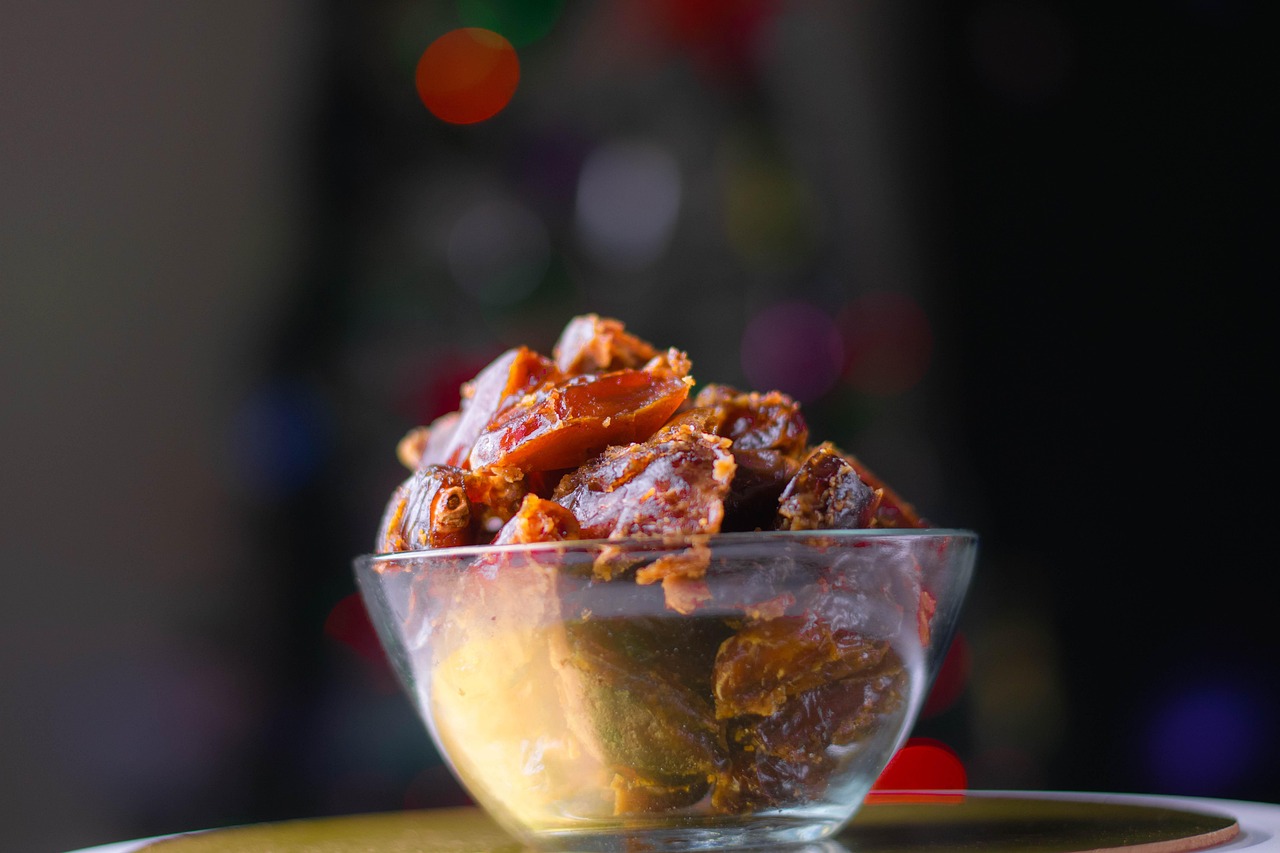
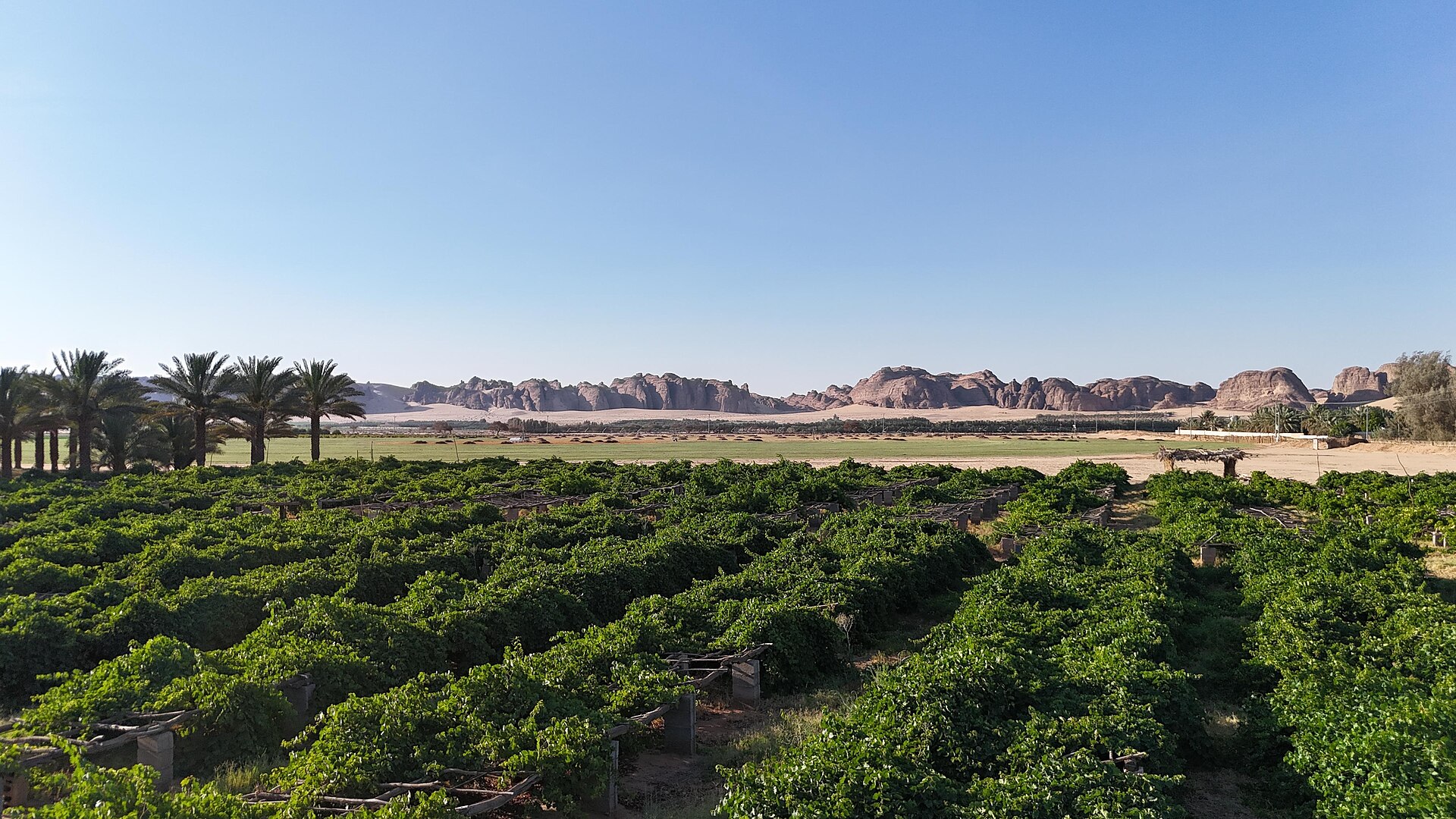
AlUla's oasis has been farmed for thousands of years and is still full of date palms. Local varieties are sold fresh in season and packed all year — a good gift from the trip.
 AlUla, Saudi Arabia
A palm oasis in a valley of giant sandstone cliffs in north-west Saudi Arabia, and one of the great open-air museums of the world: the Nabataean tombs of Hegra, Saudi Arabia's first UNESCO World Heritage Site, the ancient kingdom of Dadan, rock inscriptions, a mud-brick old town and the mirrored concert hall of Maraya.
Heritage, Old Town
AlUla, Saudi Arabia
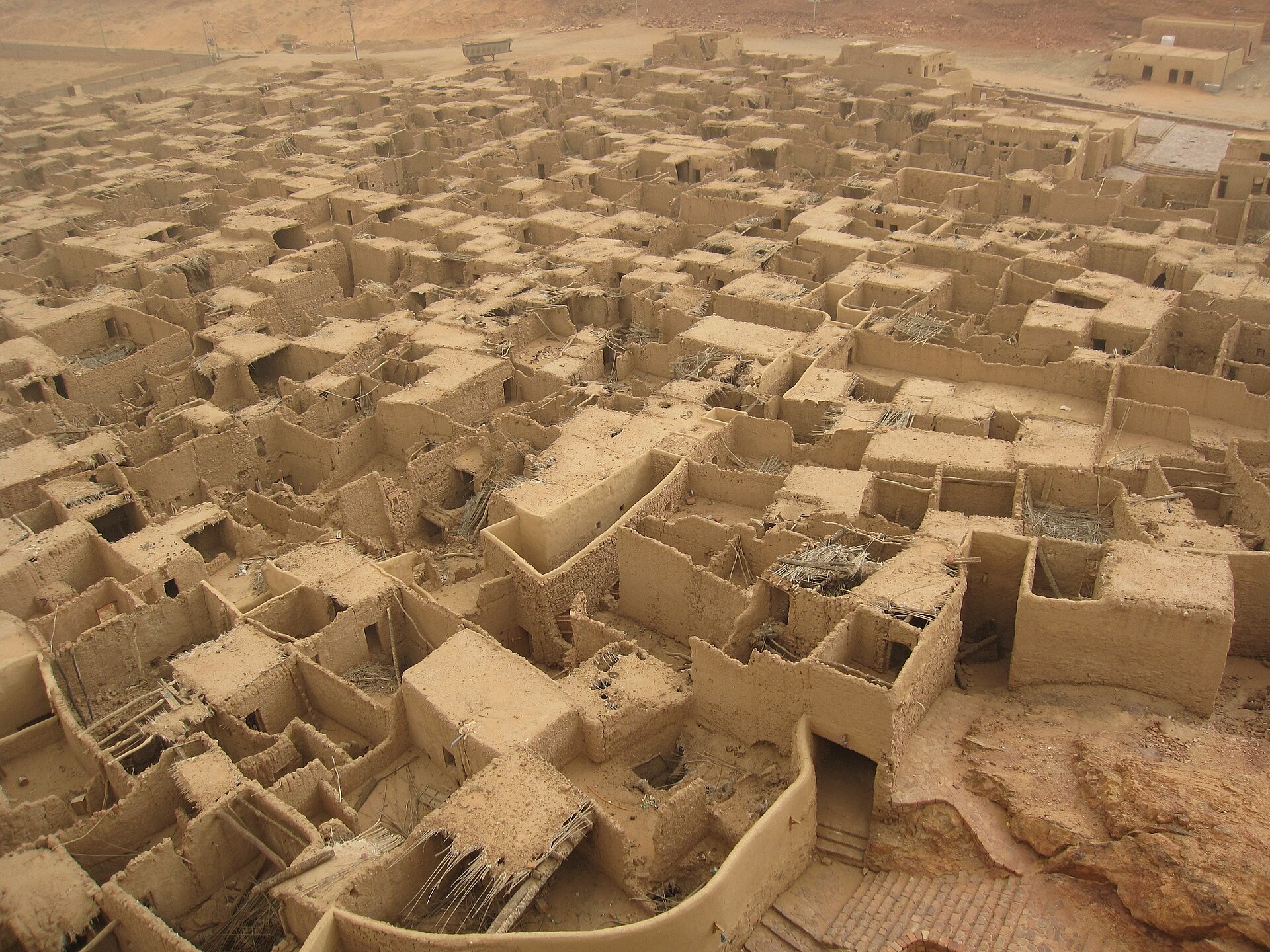
A walled maze of hundreds of mud-brick and stone houses built along the valley, lived in for centuries and now partly restored, with a fort on the hill above and a lane of cafés and shops below.
Explore AlUla Old TownHeritage, Archaeology
AlUla, Saudi Arabia
The capital of the ancient Dadanite and Lihyanite kingdoms, with the famous Lion Tombs cut high in a red cliff and an active excavation site. Visited on booked tours.
Explore Dadan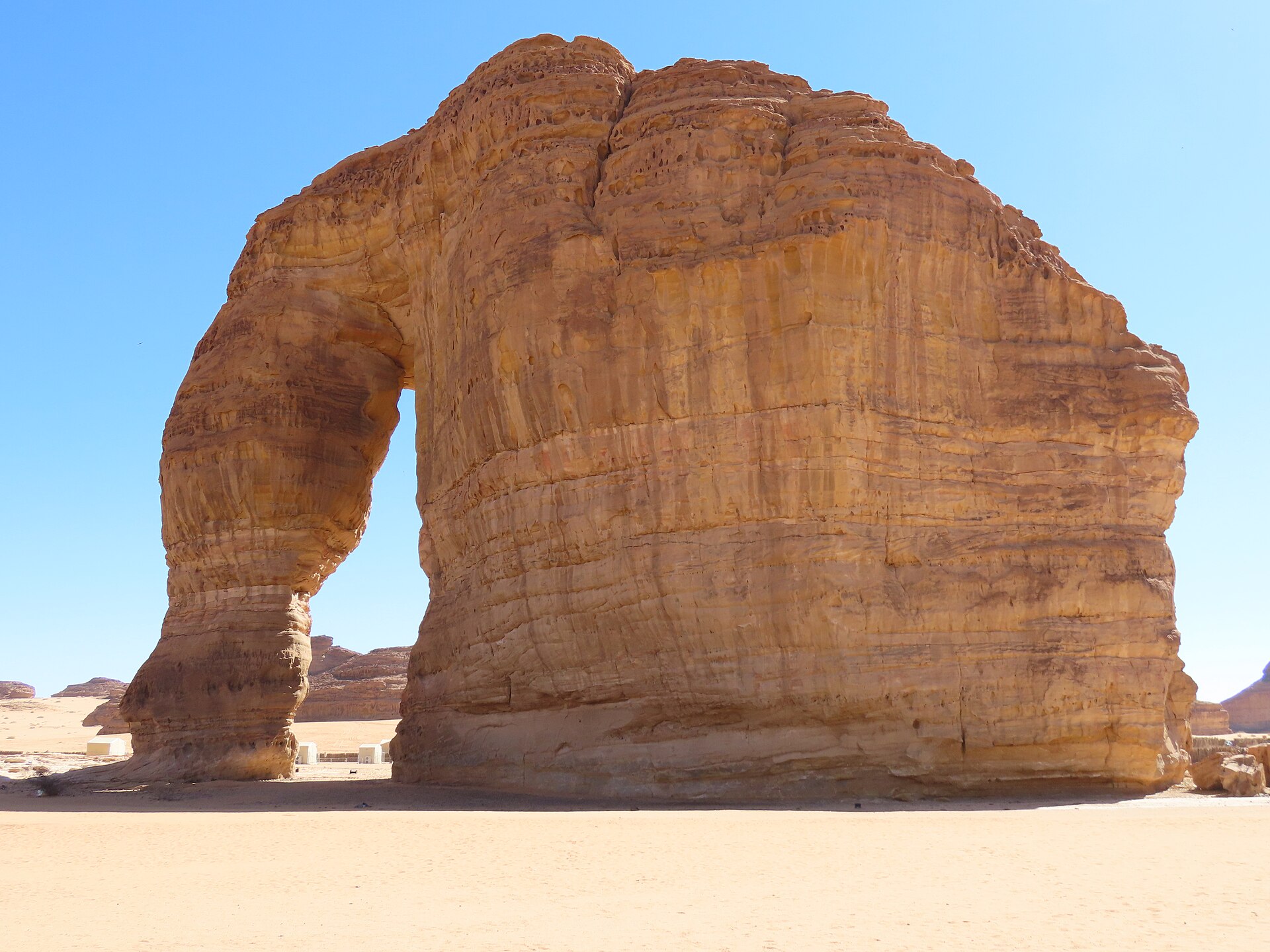
Nature, Viewpoint
AlUla, Saudi Arabia
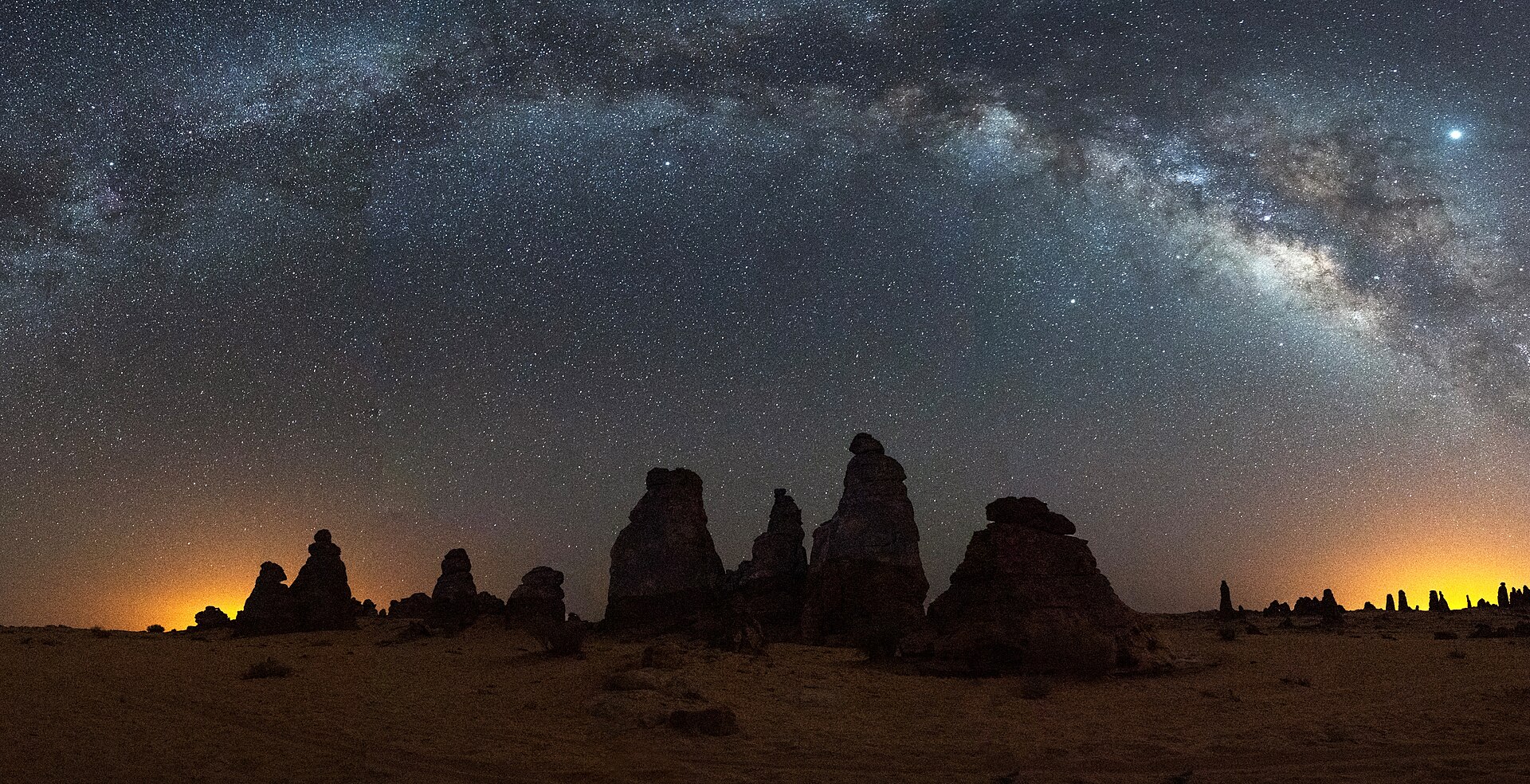
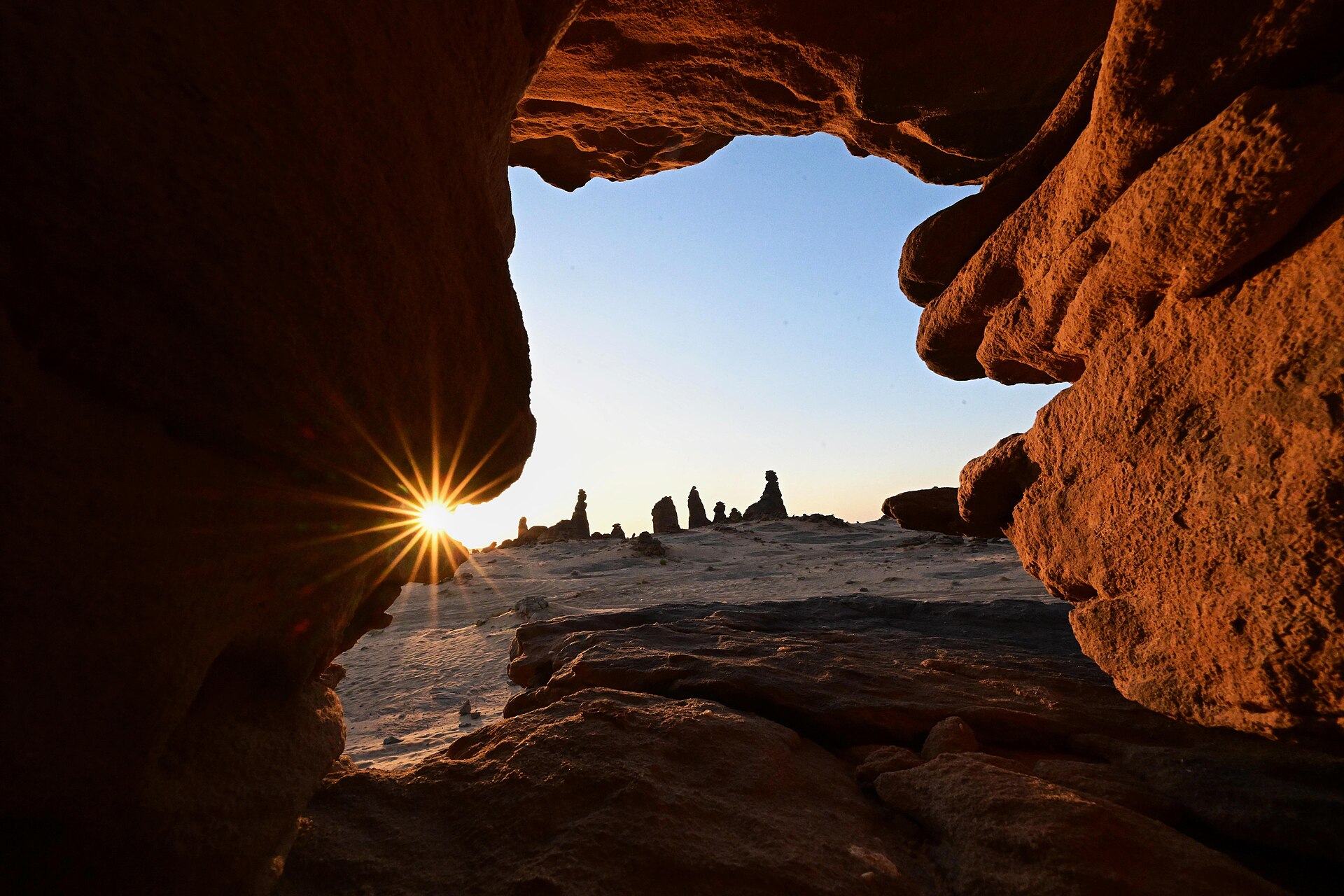
A huge natural sandstone rock shaped like an elephant with its trunk touching the ground, rising from the desert north-east of AlUla — most beautiful at sunset and under the stars.
Explore Elephant Rock (Jabal AlFil)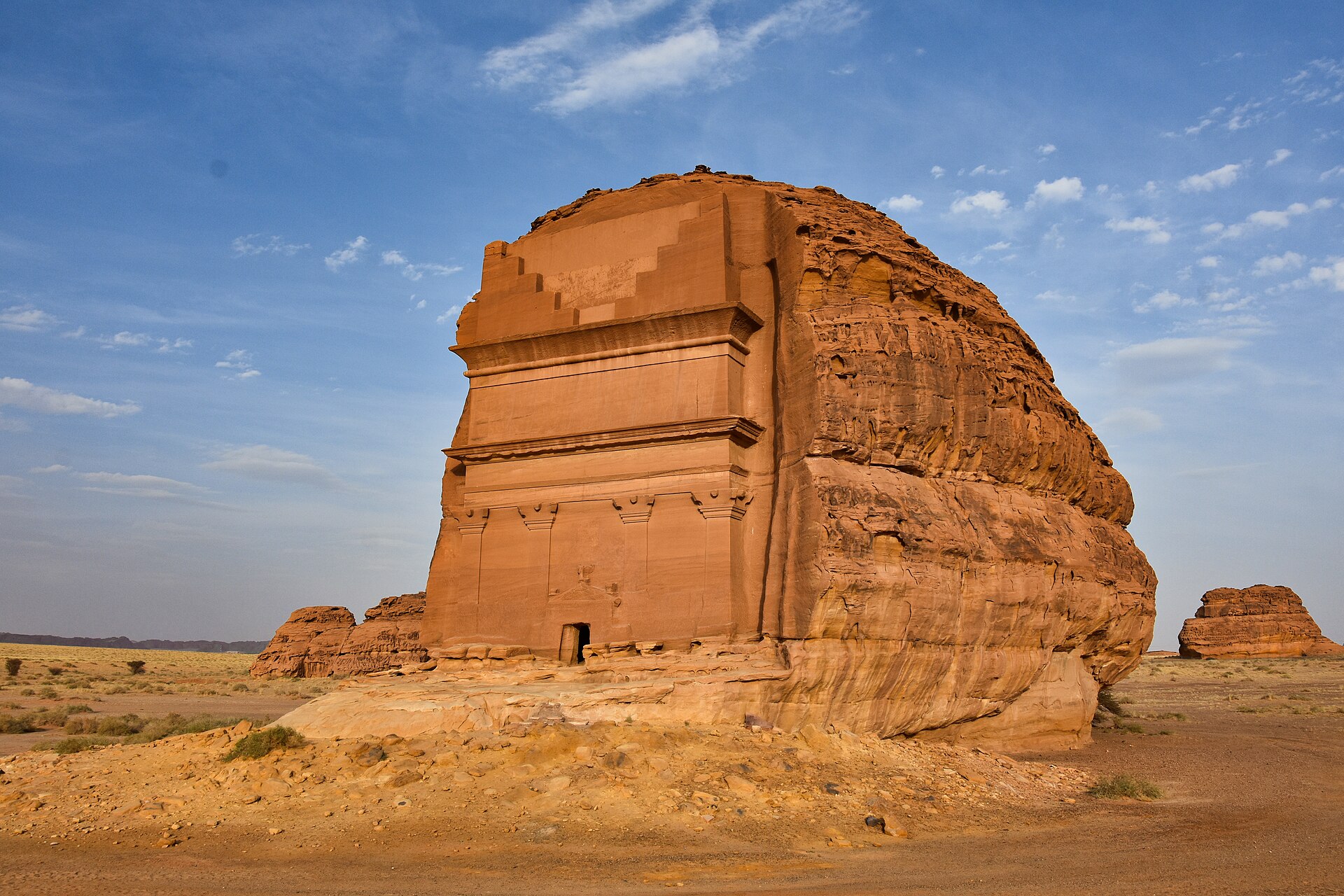
Heritage, UNESCO
AlUla, Saudi Arabia
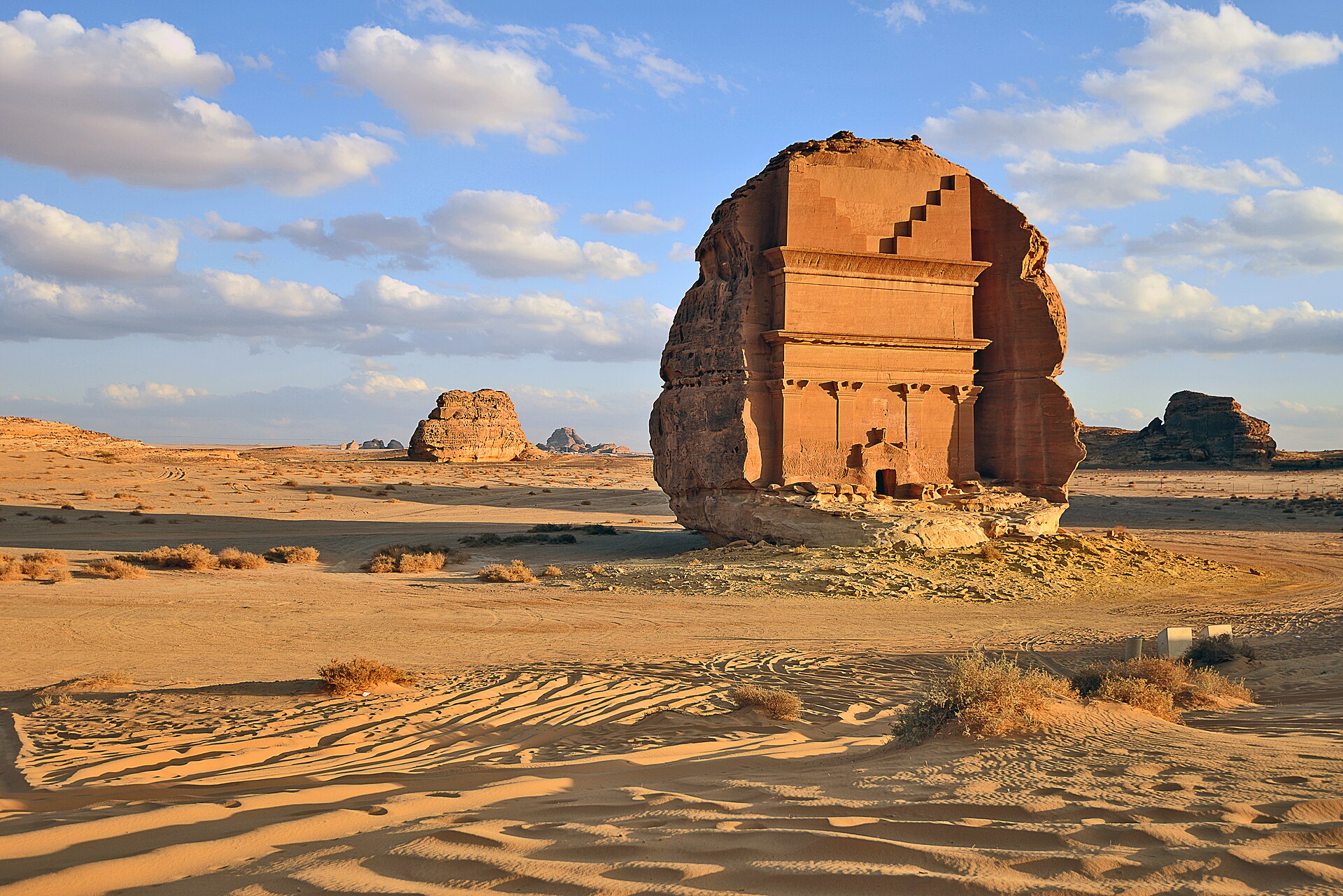
The great southern city of the Nabataeans, with more than a hundred monumental tombs carved into sandstone outcrops, and Saudi Arabia's first UNESCO World Heritage Site. Visited on guided tours booked in advance.
Explore Hegra (Mada'in Salih)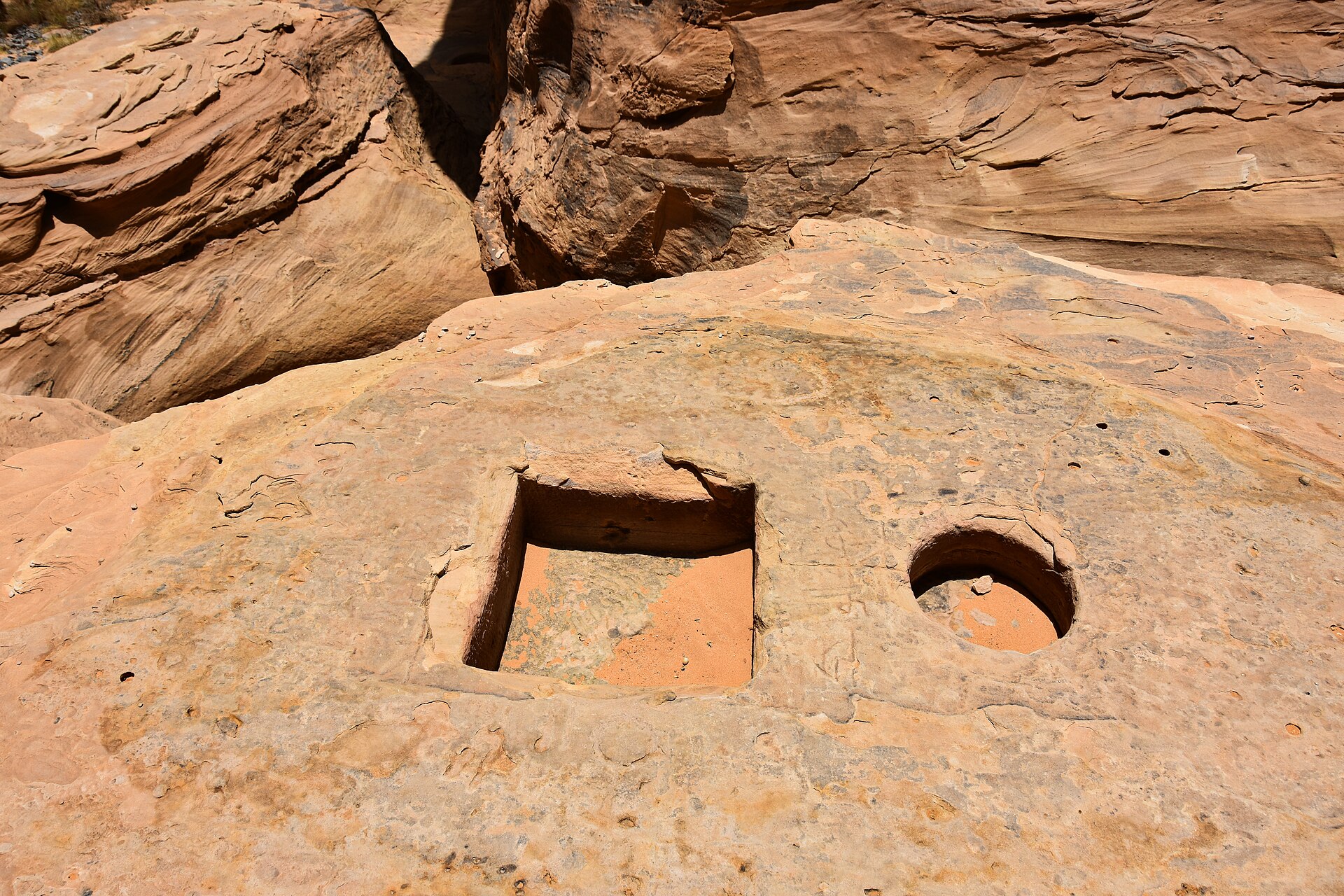
Heritage, Archaeology
AlUla, Saudi Arabia
A canyon called "an open library": hundreds of ancient inscriptions in several early Arabian scripts carved on its rock walls. Visited on booked tours.
Explore Jabal Ikmah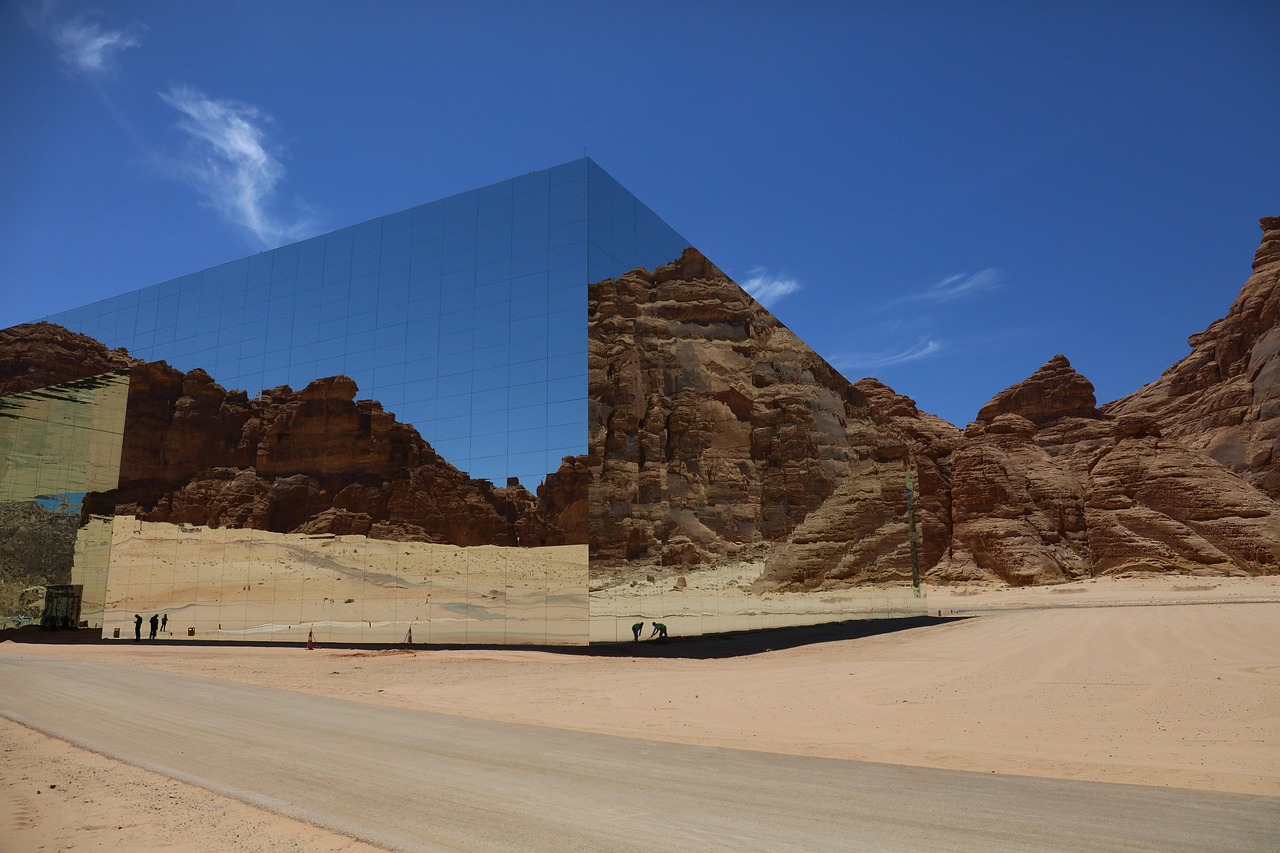
Architecture, Events
AlUla, Saudi Arabia
A concert and events hall in Ashar Valley clad entirely in mirrors, so it reflects the cliffs and desert around it. Access depends on events and reservations.
Explore MarayaHeritage, Old Town
AlUla, Saudi Arabia
A walled maze of hundreds of mud-brick and stone houses built along the valley, lived in for centuries and now partly restored, with a fort on the hill above and a lane of cafés and shops below.
Explore AlUla Old TownHeritage, Archaeology
AlUla, Saudi Arabia
The capital of the ancient Dadanite and Lihyanite kingdoms, with the famous Lion Tombs cut high in a red cliff and an active excavation site. Visited on booked tours.
Explore DadanHeritage, UNESCO
AlUla, Saudi Arabia
The great southern city of the Nabataeans, with more than a hundred monumental tombs carved into sandstone outcrops, and Saudi Arabia's first UNESCO World Heritage Site. Visited on guided tours booked in advance.
Explore Hegra (Mada'in Salih)Heritage, Archaeology
AlUla, Saudi Arabia
A canyon called "an open library": hundreds of ancient inscriptions in several early Arabian scripts carved on its rock walls. Visited on booked tours.
Explore Jabal IkmahAlUla, Saudi Arabia
AlUla's oasis has been farmed for thousands of years and is still full of date palms. Local varieties are sold fresh in season and packed all year — a good gift from the trip.
AlUla, Saudi Arabia
Lamb or chicken cooked slowly over long-grain spiced rice, traditionally in a pit oven so the meat turns tender and smoky. Served on a big shared platter with a tomato and chilli salsa (daqoos).
AlUla, Saudi Arabia
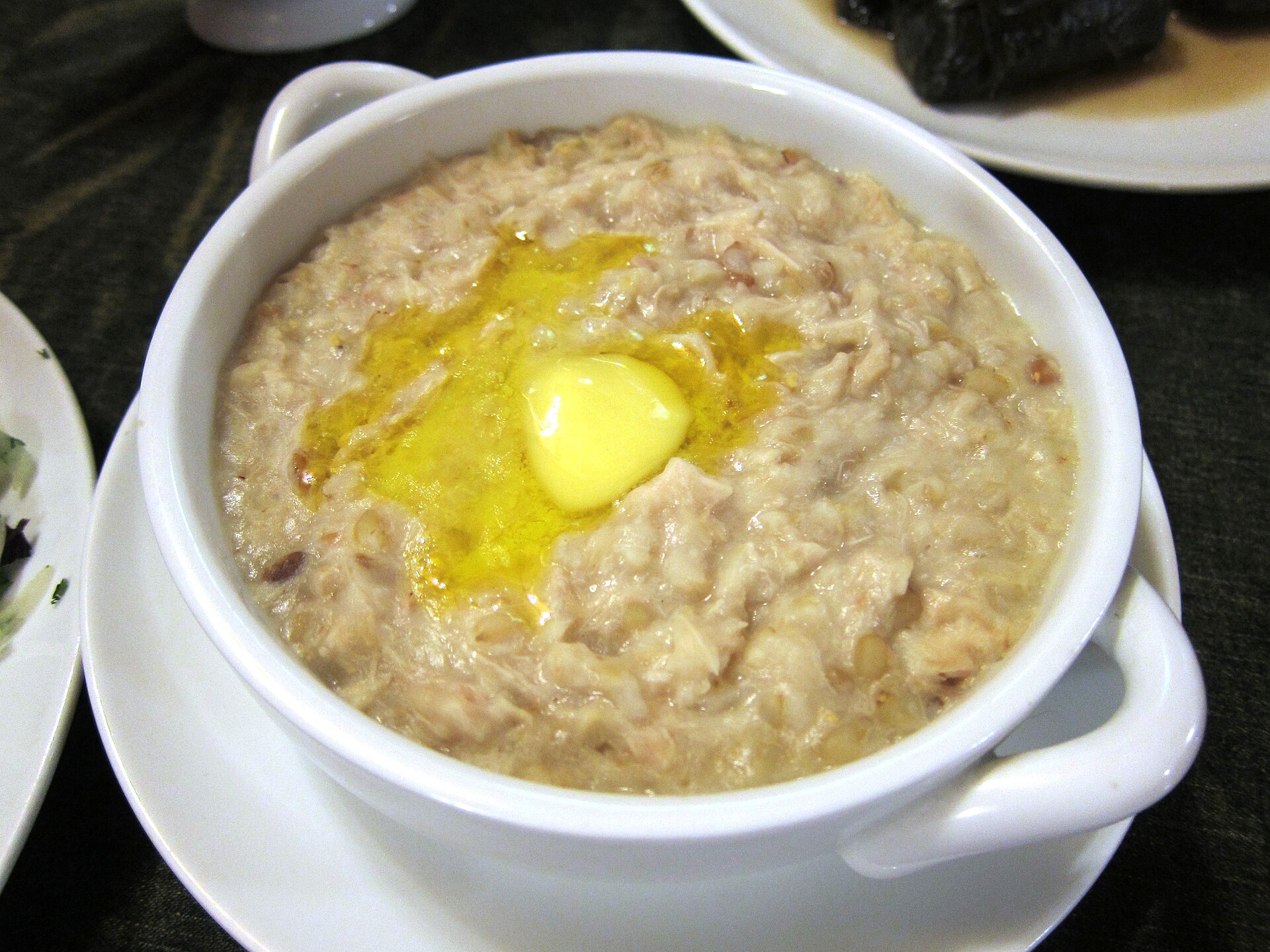
Cracked wheat slow-cooked with meat or chicken, yoghurt or milk until thick and creamy, topped with fried onions. A traditional dish of central and northern Arabia.
Below the old mud-brick town
The restored lane at the foot of the Old Town has cafés and restaurants with terraces under the walls — lively in the cool evenings.
Open in Google Maps (opens in a new tab)Next to the Old Town
A district of murals, galleries and cafés, with casual places to eat and drink.
Open in Google Maps (opens in a new tab)Palm groves around the town
Some oasis farms welcome visitors for coffee, dates, fresh juice and seasonal fruit — ask your hotel which are open.
Open in Google Maps (opens in a new tab)AlUla, Saudi Arabia
Resorts and tented villas set among sandstone cliffs south of AlUla town, near Maraya and the airport. Quiet, scenic and best with a car.
Open in Google Maps (opens in a new tab)AlUla, Saudi Arabia
Hotels, guest houses and farm stays in and around the town and its palm oasis, close to the Old Town, cafés and the road north to Hegra.
Open in Google Maps (opens in a new tab)AlUla, Saudi Arabia
Tented camps and lodges out among the rock formations, for dark skies and stargazing. Book ahead in winter.
Open in Google Maps (opens in a new tab)AlUla is a conservative oasis community. Dress modestly in town (shoulders and knees covered), ask before photographing people, and never climb on, touch or scratch rock carvings and tombs — the inscriptions are thousands of years old and fragile. Take all litter with you. Hospitality runs deep: you may be offered Saudi coffee and dates at farms and guest houses — accept with your right hand.
AlUla's valley has water, shelter and fertile soil, and has been settled for thousands of years. In the first millennium BCE it was the heart of the kingdoms of Dadan and Lihyan, which grew rich on the incense trade route from southern Arabia to Egypt and the Mediterranean, and left their writing on the cliffs of Jabal Ikmah.
Around the 1st century BCE the Nabataeans — builders of Petra in Jordan — made Hegra their great southern city, carving more than a hundred monumental tombs into the rocks. Later the valley lay on the pilgrim road from Syria to Makkah. The walled Old Town of mud-brick houses was lived in for centuries until its families moved to the new town in the late 20th century. The Hejaz Railway passed by in the early 1900s, and its stations still stand.
Hegra became Saudi Arabia's first UNESCO World Heritage Site in 2008. Since the late 2010s the Royal Commission for AlUla has opened the area to visitors with visitor centres, guided tours, resorts and festivals, while continuing excavation and conservation.
Travel information
Arrive, walk the Old Town and climb to the fort for the view, then watch sunset at Elephant Rock.
A morning tour of Hegra: Qasr al-Farid, Jabal Ithlib and the tomb clusters. Afternoon rest; evening at Maraya if an event or visit is on.
Tour Dadan's Lion Tombs and the inscriptions of Jabal Ikmah, then visit an oasis farm before leaving.
October to March, when days are warm and nights cool to cold; this is also festival season. Summer days are very hot.
By air: AlUla International Airport (ULH), officially Prince Abdul Majeed bin Abdulaziz International, is about 30–40 minutes' drive south of the town, with domestic flights from Riyadh and Jeddah and some seasonal international routes. Car hire and transfers are available.
By road: AlUla is roughly 300–350 km north of Madinah and about 650–700 km from Jeddah by highway. The drive from Madinah takes around 3–4 hours through desert scenery. Intercity coaches also run in some seasons.
From Madinah or Tabuk: many visitors fly into Madinah (MED) and drive up, or combine AlUla with a road trip through the north.
Sites are spread over a wide area, so a hire car or a car with driver is the easiest way to get around; ride-hailing apps work in town but cars can be scarce at remote sites. Tours to Hegra, Dadan and Jabal Ikmah start from their visitor centres and continue by the tour's own shuttle buses or vehicles. Some seasons also have a shuttle service between main sites — check Experience AlUla for what is running.