Antalya piyazı
Antalya, Türkiye
 Antalya, Türkiye
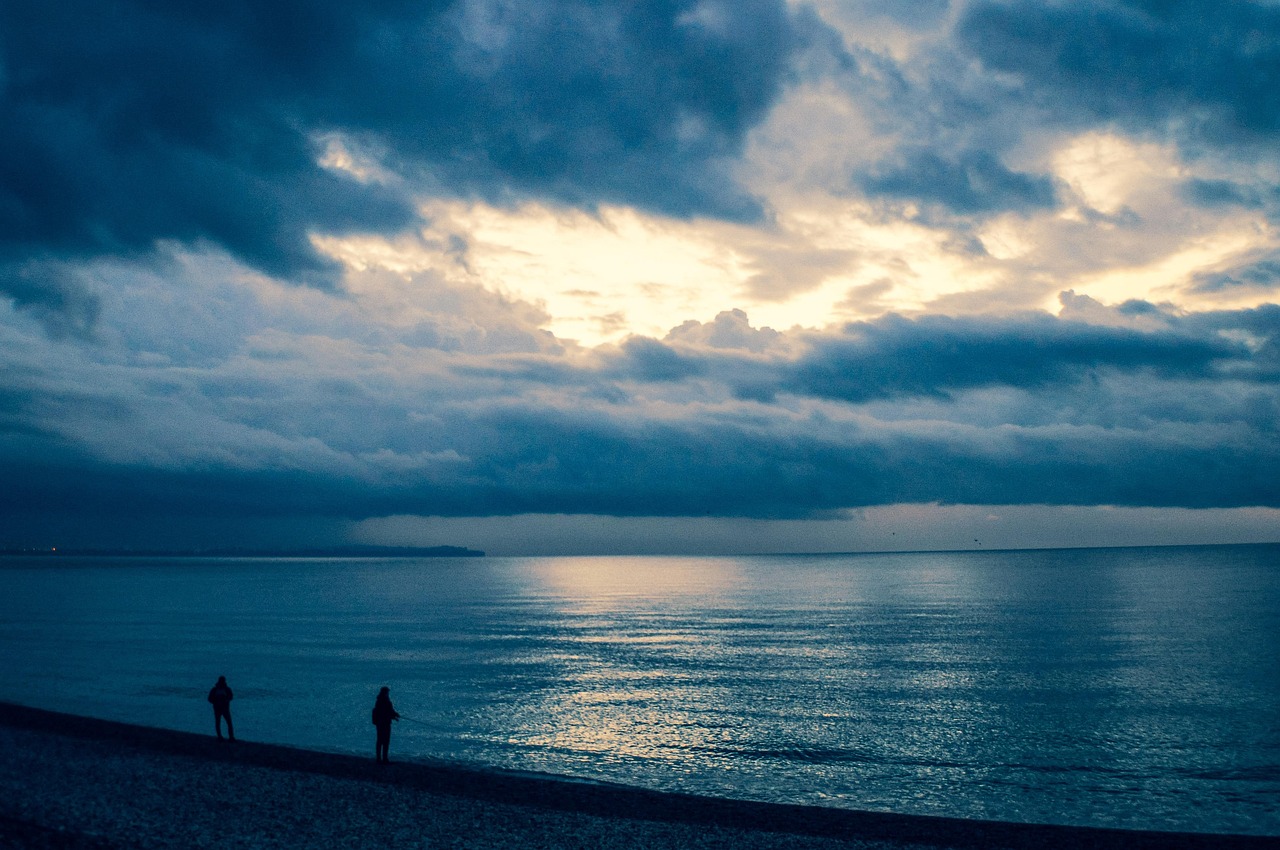
The capital of the Turkish Riviera: a big, sunny city on cliffs above the Mediterranean, with a walled Roman and Ottoman old town, long beaches on both sides and the Taurus mountains behind. Antalya is also the gateway to some of Türkiye's finest ancient cities, Aspendos and Perge among them.
Museum, Archaeology
Antalya, Türkiye
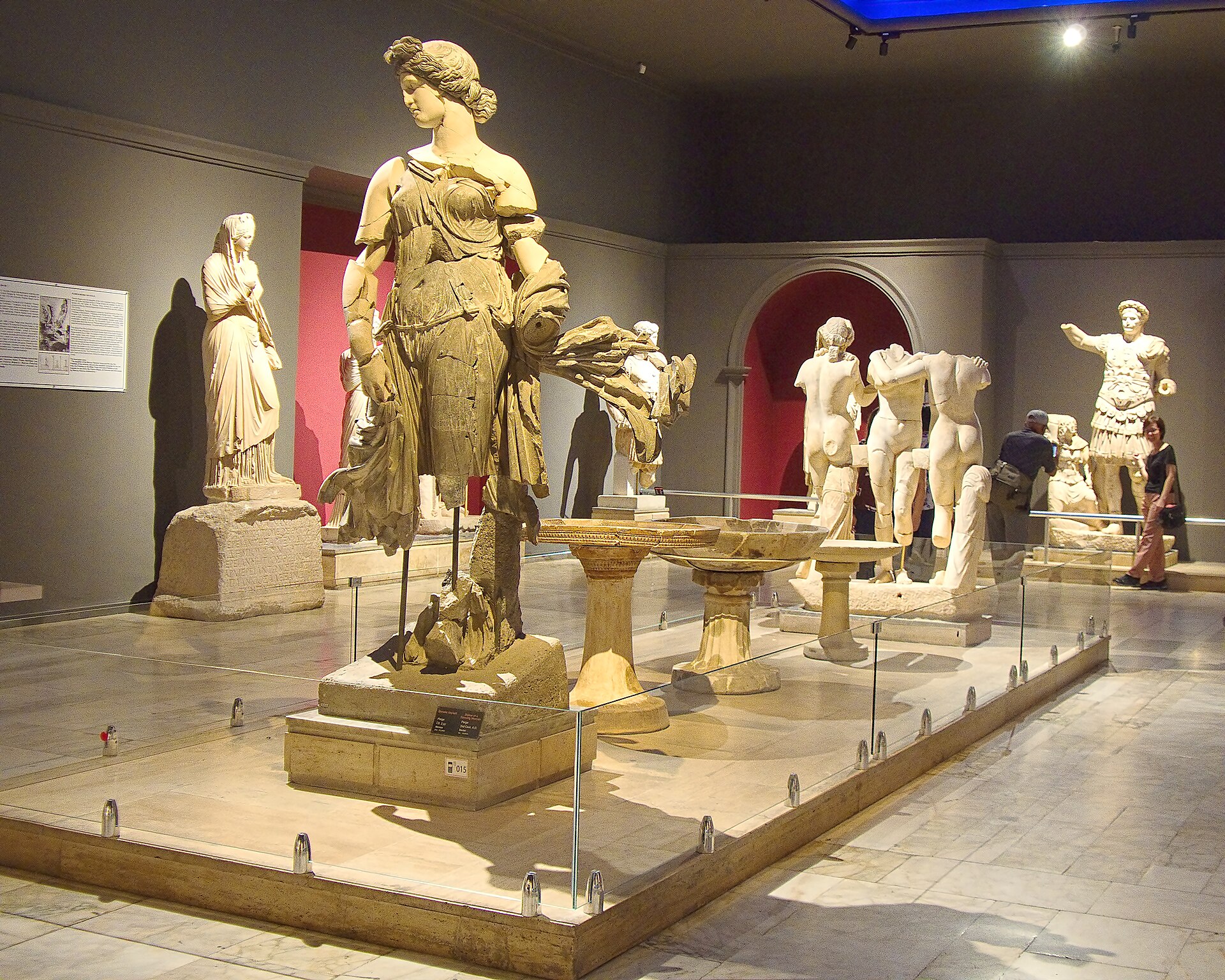
One of Türkiye's leading archaeological museums, with superb Roman statues and sarcophagi from Perge and the other ancient cities of the region, from prehistory to the Ottoman period.
Explore Antalya Museum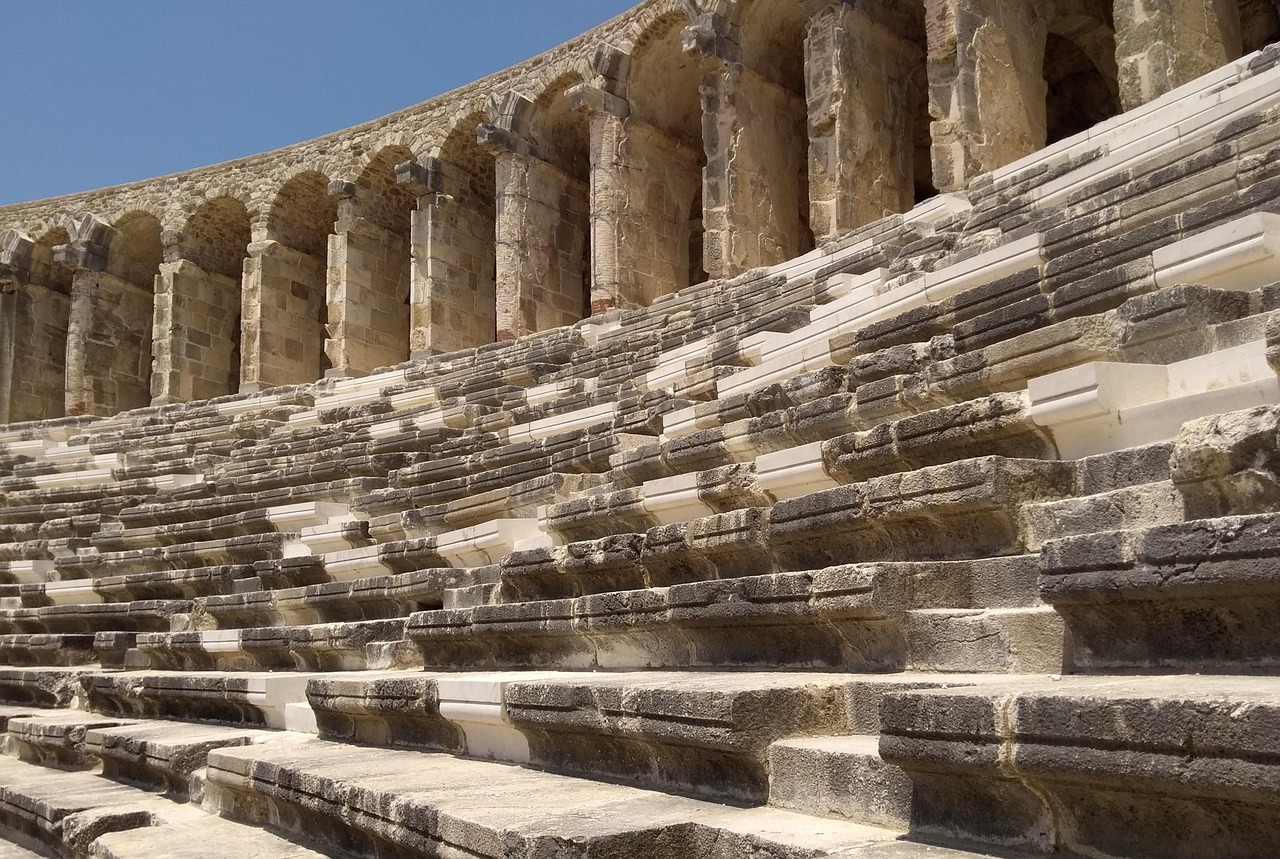
Ancient site, Theatre
Antalya, Türkiye
One of the best-preserved Roman theatres in the world, about 45 km east of Antalya, with its stage building still standing to full height and the long arches of an aqueduct across the plain nearby.
Explore Aspendos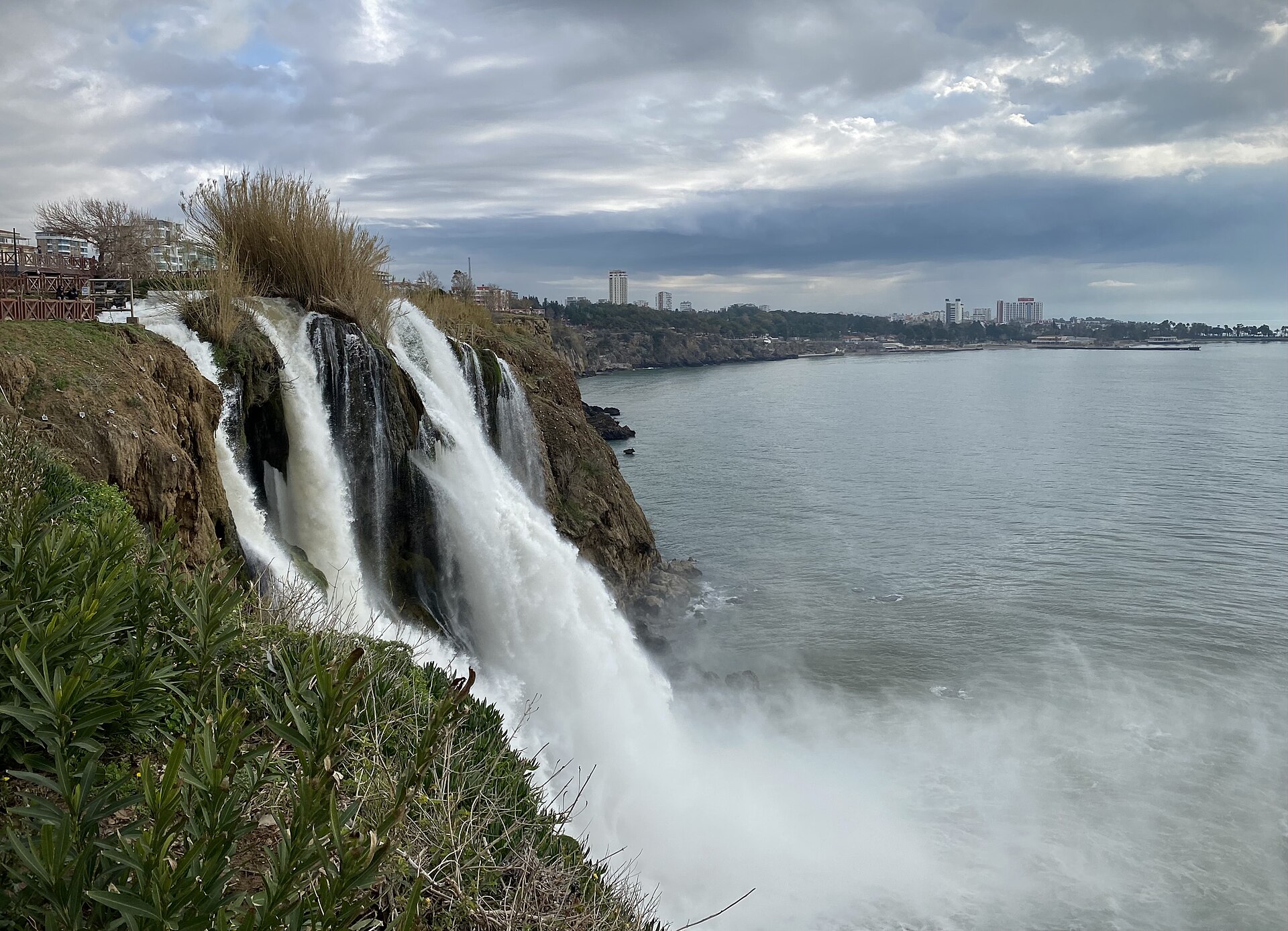
Nature, Waterfall
Antalya, Türkiye
Two waterfalls on the Düden river: the Upper Düden in a shady park on the north side of the city, where you can walk behind the falling water, and the Lower Düden, which drops straight off the cliffs into the Mediterranean at Lara.
Explore Düden Waterfalls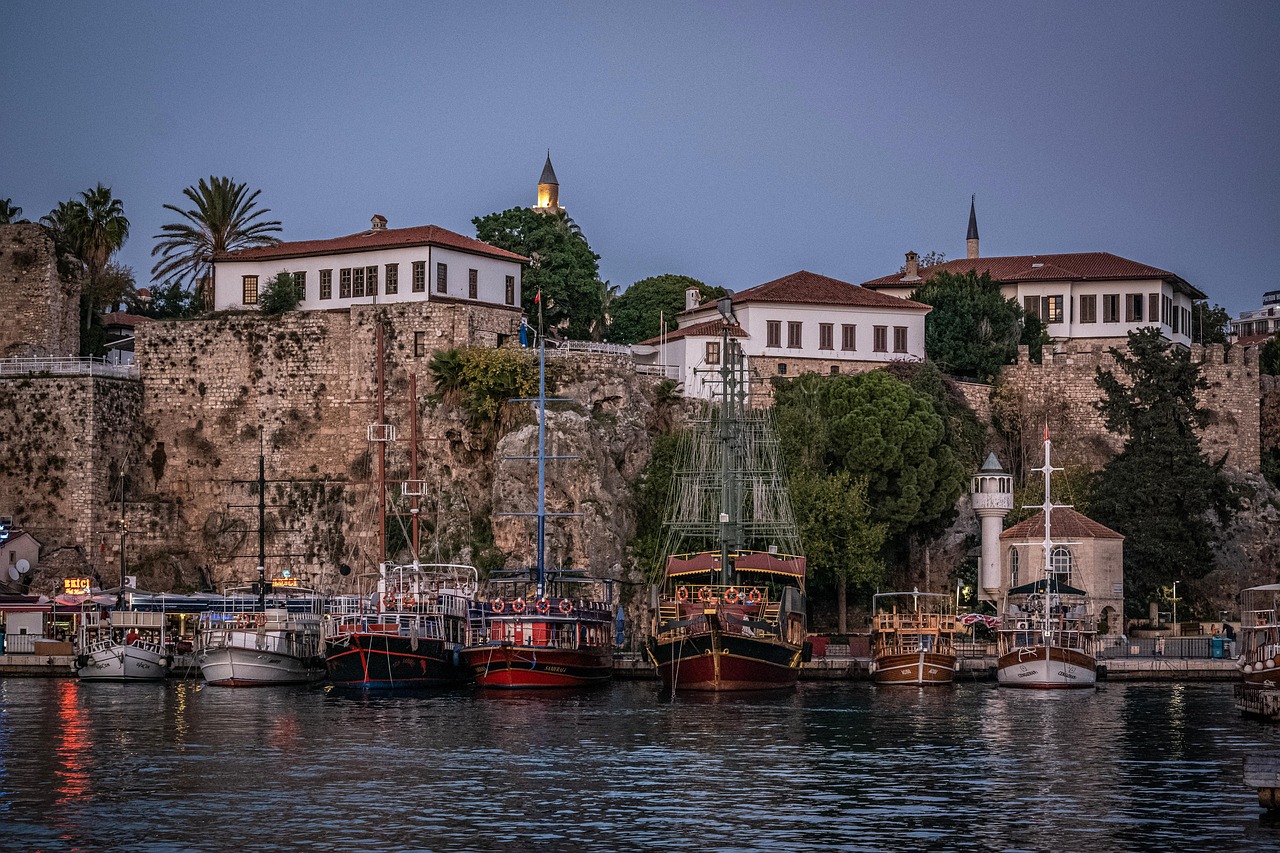
Old town, Heritage
Antalya, Türkiye
Antalya's walled old town: lanes of restored Ottoman houses running down to a Roman harbour, entered through Hadrian's Gate and watched over by the Seljuk Fluted Minaret.
Explore Kaleiçi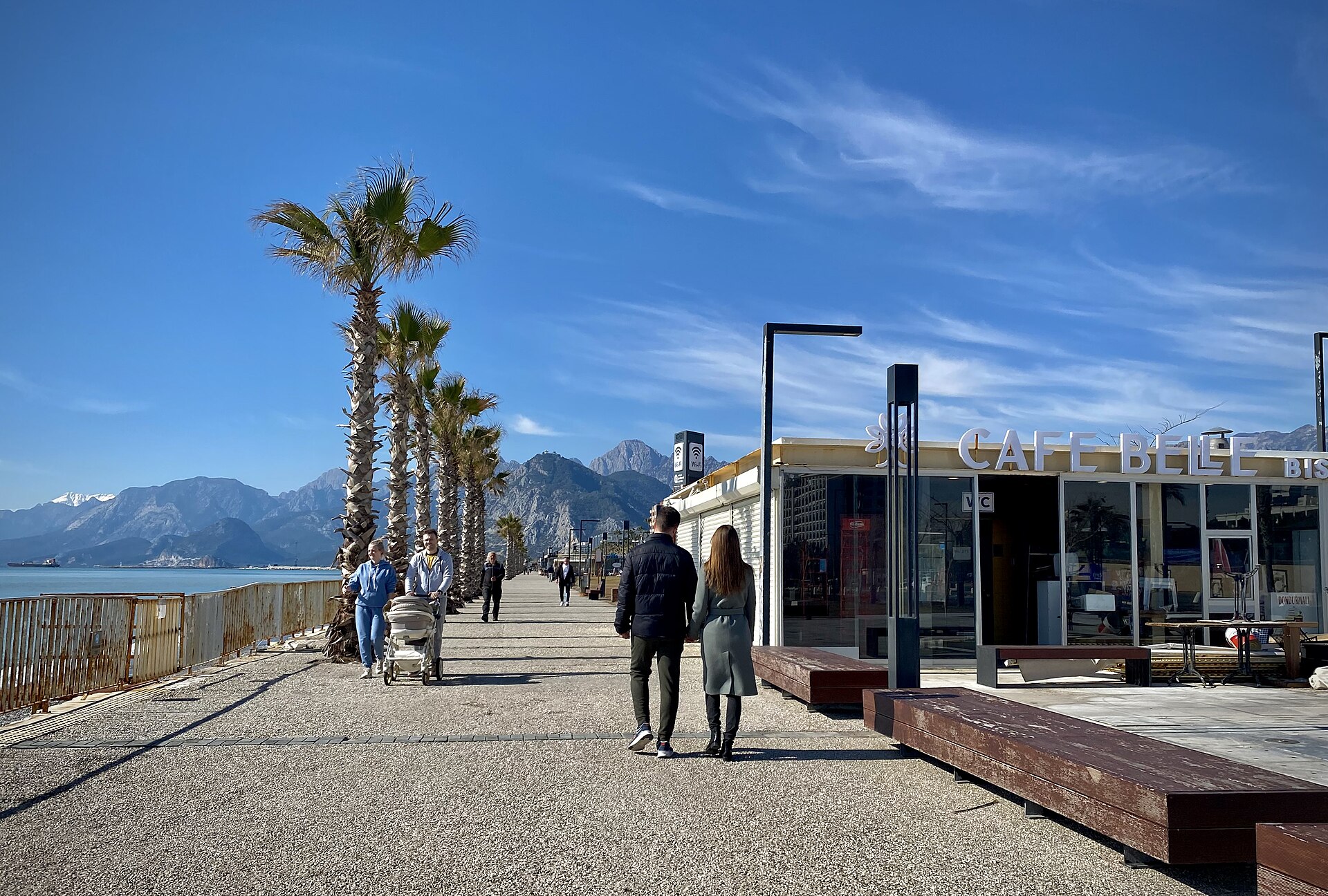
Beach, Park
Antalya, Türkiye
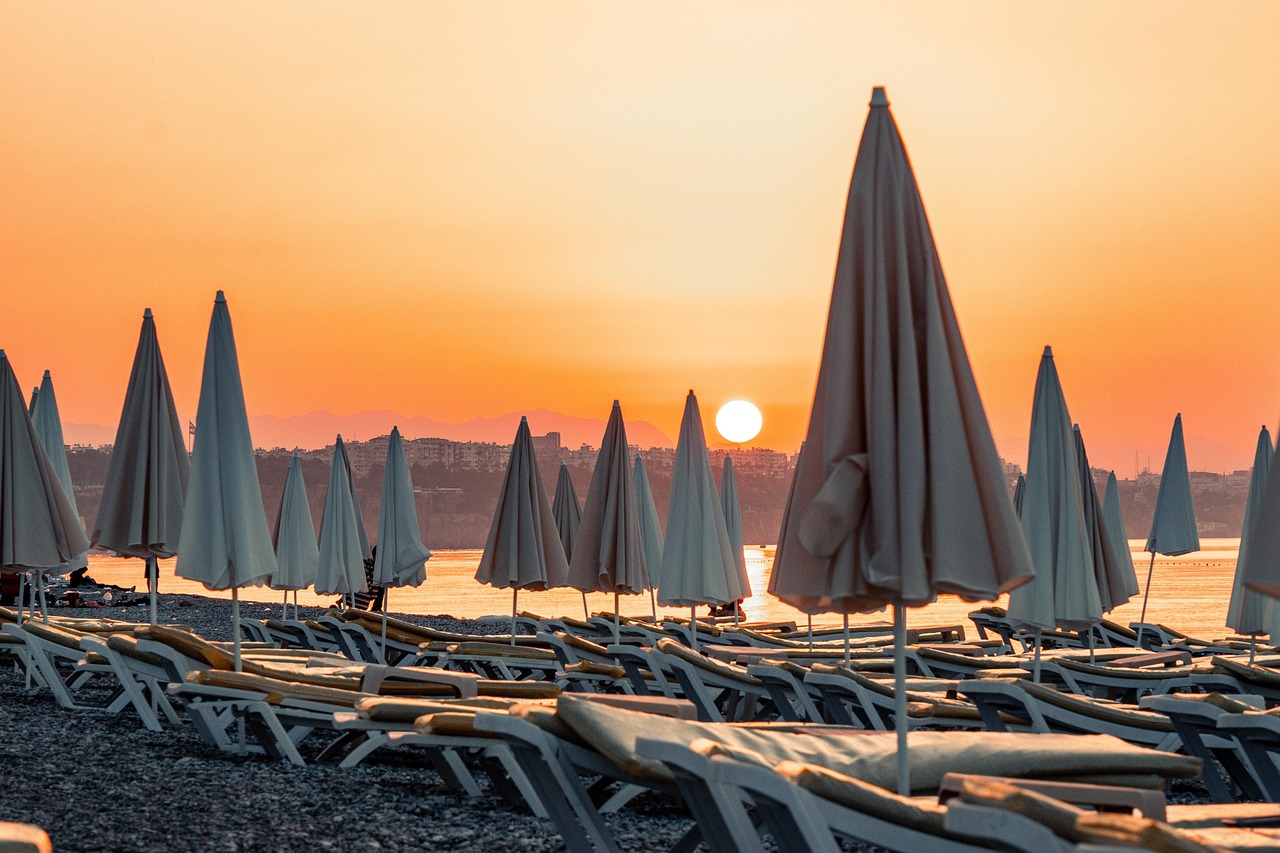
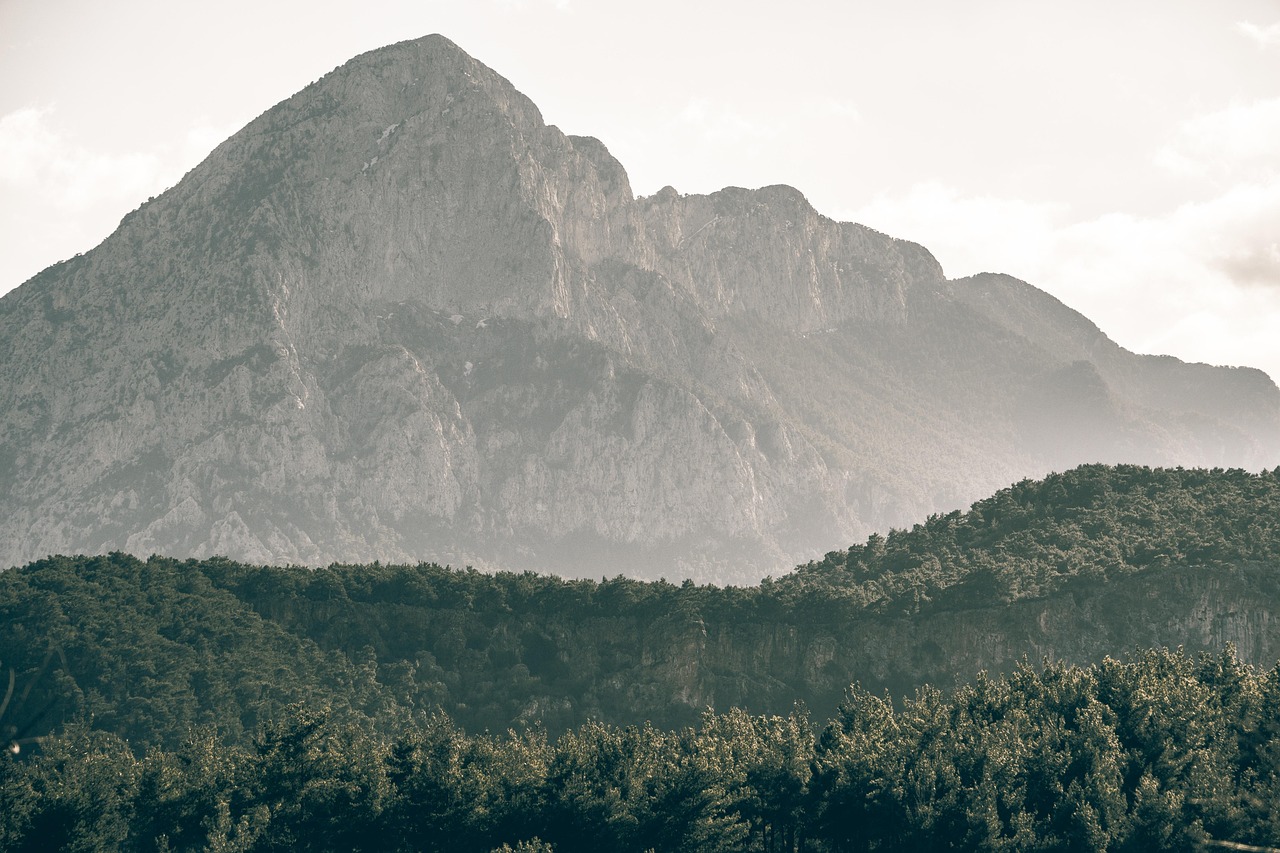
Antalya's long city beach west of the centre: kilometres of pebbles and clear blue water with the Beydağları mountains rising straight behind, backed by a landscaped beach park.
Explore Konyaaltı Beach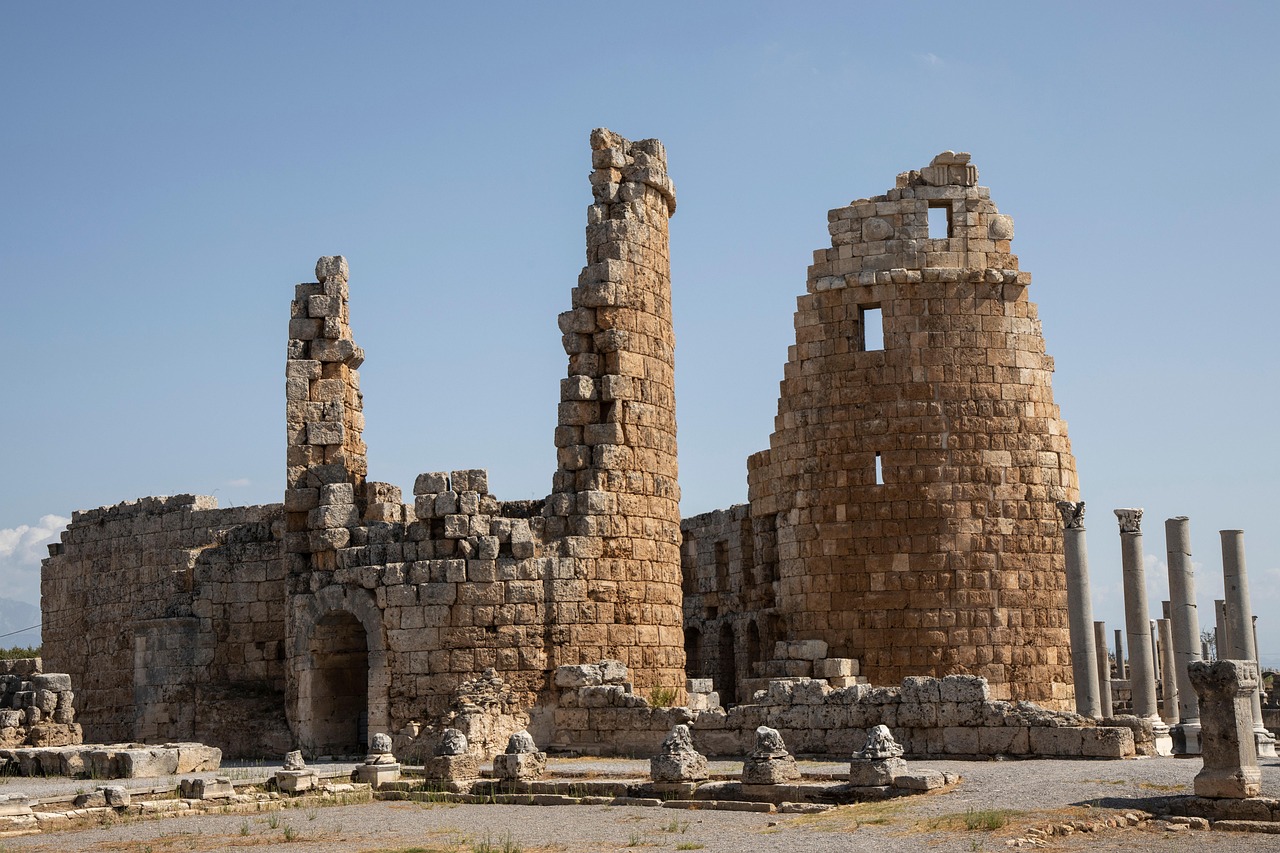
Ancient site, Archaeology
Antalya, Türkiye
A large ancient city on the plain east of Antalya, with towered Hellenistic gates, a long colonnaded street with a water channel down its centre, Roman baths, a stadium and a theatre.
Explore PergeMuseum, Archaeology
Antalya, Türkiye
One of Türkiye's leading archaeological museums, with superb Roman statues and sarcophagi from Perge and the other ancient cities of the region, from prehistory to the Ottoman period.
Explore Antalya MuseumOld town, Heritage
Antalya, Türkiye
Antalya's walled old town: lanes of restored Ottoman houses running down to a Roman harbour, entered through Hadrian's Gate and watched over by the Seljuk Fluted Minaret.
Explore KaleiçiAncient site, Archaeology
Antalya, Türkiye
A large ancient city on the plain east of Antalya, with towered Hellenistic gates, a long colonnaded street with a water channel down its centre, Roman baths, a stadium and a theatre.
Explore PergeAntalya, Türkiye
Antalya, Türkiye
Antalya, Türkiye
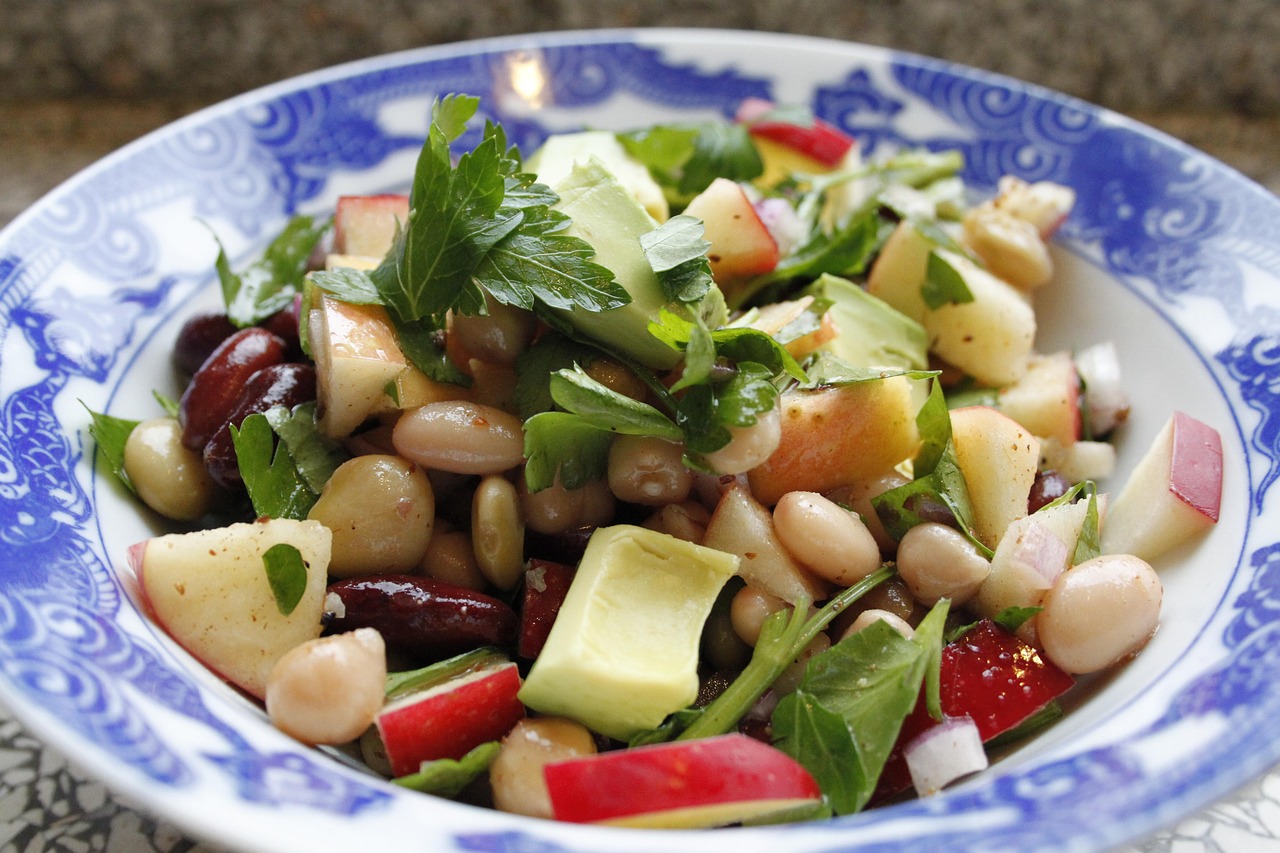
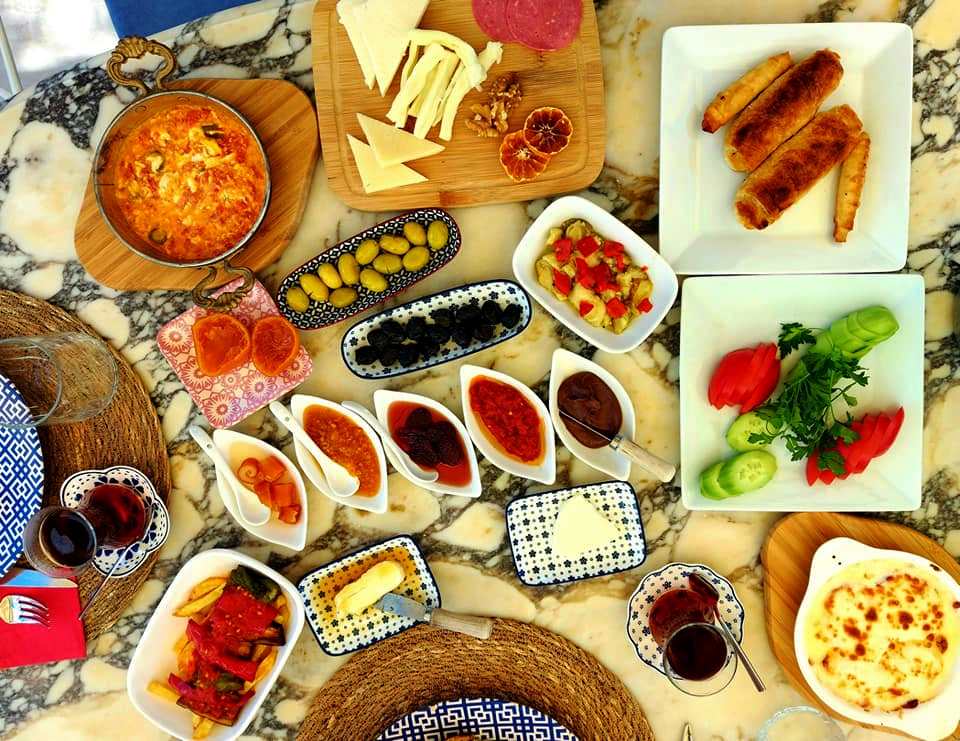
A spicy Antalya spread of tahini, lemon, garlic, cumin and red pepper flakes, served as a starter with bread. You will mostly find it in traditional Antalya restaurants rather than in tourist menus.
Antalya, Türkiye
Antalya, Türkiye
Antalya, Türkiye
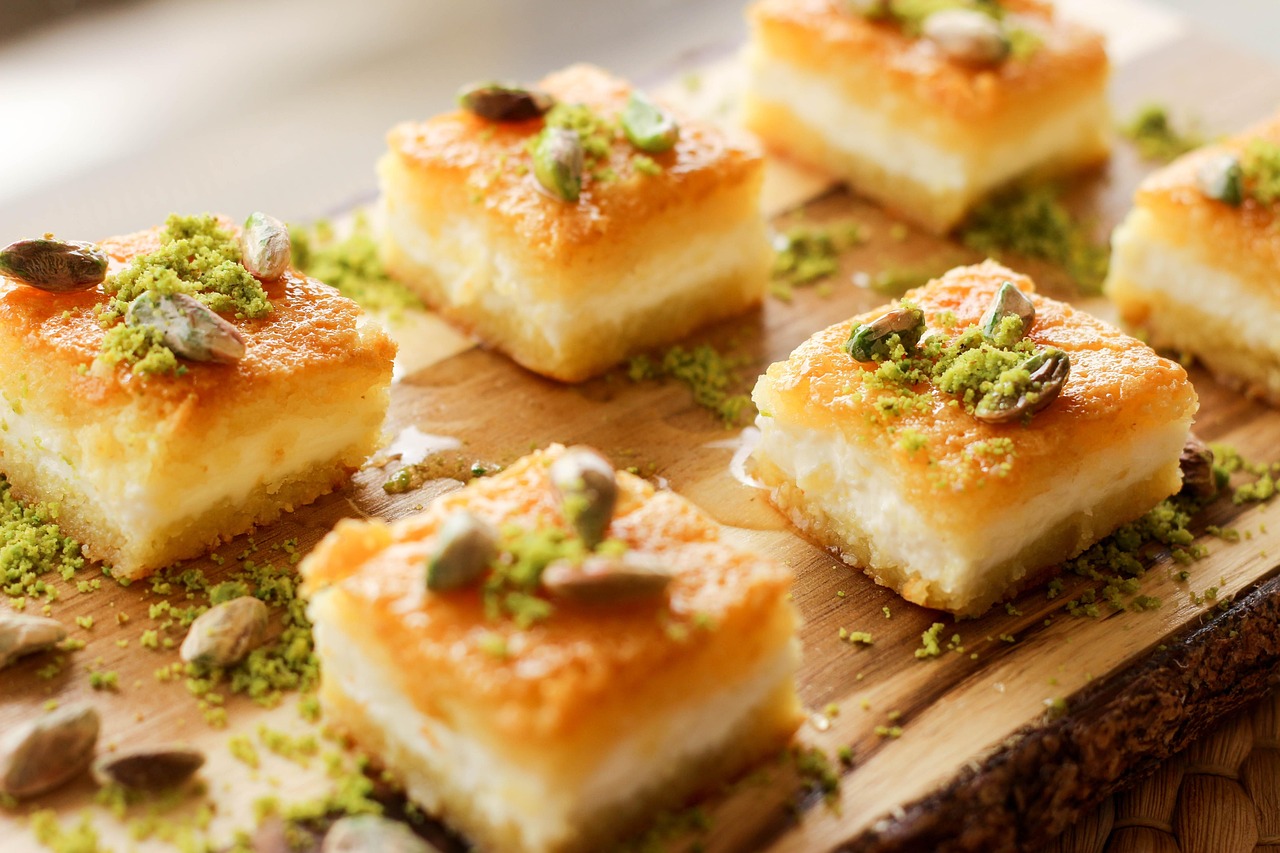
Paper-thin layers of pastry filled with pistachio or walnut, baked and soaked in syrup. Bought by weight from pastry shops (baklavacı) and best eaten fresh with tea or a Turkish coffee.
Old town and around the old harbour
Restaurants in the garden courtyards of old houses and terraces above the harbour, serving meze, fish and Turkish dishes. Walk a few streets back from the harbour for simpler, more local places.
Open in Google Maps (opens in a new tab)Central Antalya, around Kalekapısı and the bazaar streets
Traditional lunch restaurants serving şiş köfte with Antalya-style tahini piyaz — the city's signature lunch. Many long-established places are in the streets around the Clock Tower and the old bazaar.
Open in Google Maps (opens in a new tab)Konyaaltı beach park
Cafés, beach bars and restaurants along the beach promenade, good for breakfast, a sunset drink or a casual dinner with the Beydağları mountains as a backdrop.
Open in Google Maps (opens in a new tab)Around Kalekapısı and in the city districts
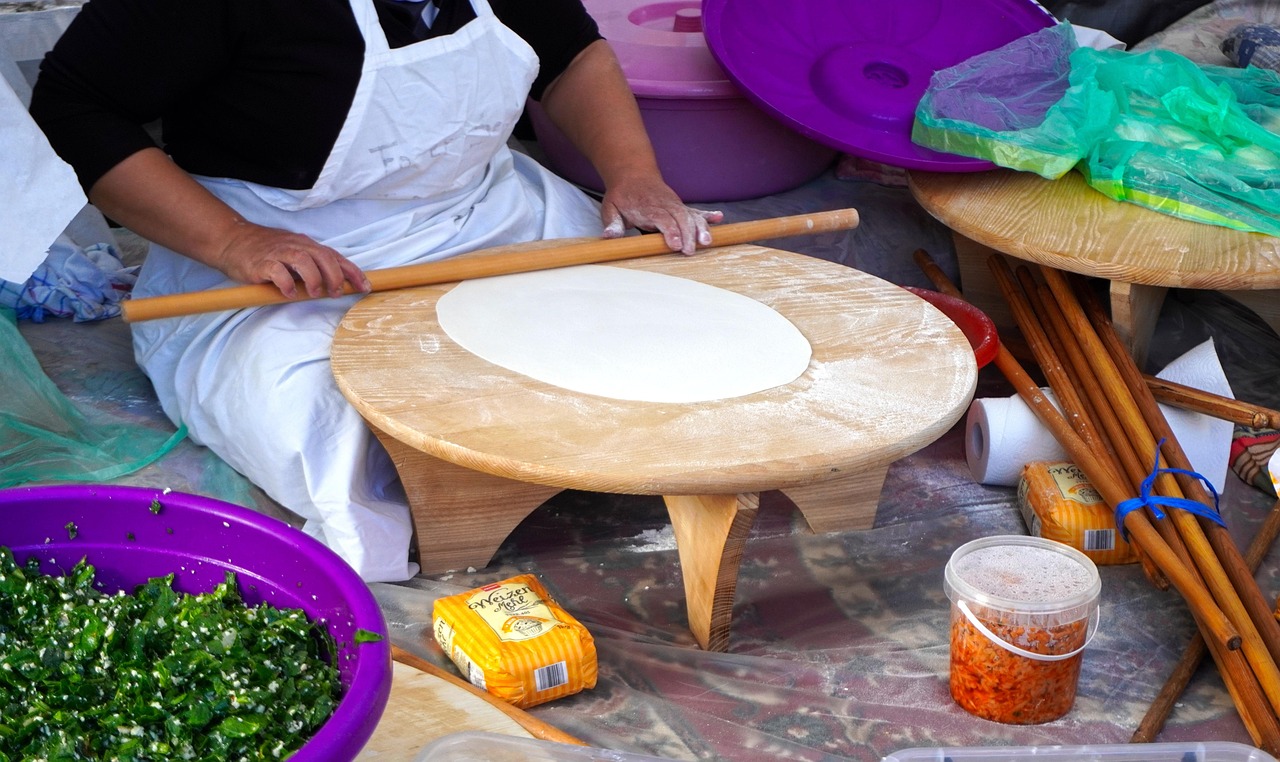
The old bazaar streets near the Clock Tower sell spices, dried fruit, sweets and simit; the weekly neighbourhood markets (pazar) are the place for seasonal fruit, olives, cheese and fresh gözleme.
Open in Google Maps (opens in a new tab)Antalya, Türkiye
Antalya, Türkiye
Hotels and apartments along the long pebble beach west of the centre, with mountain views, the beach park and the Antalya Museum close by. A good base for a city-and-beach stay.
Open in Google Maps (opens in a new tab)Antalya, Türkiye
The sandy coast east of the city, close to the airport, lined with large all-inclusive resorts and newer hotels. Convenient for Lower Düden, Aspendos and Perge.
Open in Google Maps (opens in a new tab)Antalya, Türkiye
A resort area about 30–40 minutes east of Antalya, known for its big beach hotels and golf courses. Close to Aspendos and the Köprülü Canyon road; you will need transport to reach the city.
Open in Google Maps (opens in a new tab)Antalya mixes a big resort with a real working city. Locals start the day with a long breakfast, eat köfte and piyaz at lunch, and walk the cliff-top parks and promenades in the cool of the evening.
The city has a strong arts calendar: the long-running Antalya Golden Orange Film Festival is one of Türkiye's oldest film festivals, and in summer opera and ballet have been staged in the Roman theatre of Aspendos. In the mountains behind the city, the Yörük nomadic traditions — tents, weaving and herding — still shape village life.
Antalya was founded in the 2nd century BC by Attalus II, king of Pergamon, who named it Attaleia. It passed to Rome in 133 BC, and when the emperor Hadrian visited in AD 130 the city built the triple-arched gate that still stands at the edge of the old town.
The harbour kept the city important through Byzantine times. In the early 13th century it was taken by the Seljuk Turks, who built the fluted minaret (Yivli Minare) that is now the symbol of the city, and later it became part of the Ottoman Empire. The walled quarter around the harbour, Kaleiçi, kept its narrow streets and wooden-balconied houses through these centuries.
Modern Antalya grew fast from the 1970s with tourism, and today it is one of Türkiye's largest cities and one of the most visited places on the Mediterranean.
Morning at the Antalya Museum, then the nostalgic tram to the centre. Walk through Hadrian's Gate into Kaleiçi, down to the old harbour and out to Hıdırlık Tower for sunset.
Leave early for Perge, then continue to the Roman theatre of Aspendos and its aqueduct. Back in the city for a late lunch of köfte and piyaz, and an evening on Konyaaltı beach.
Morning walk behind the Upper Düden falls, then to Lara to see the Lower Düden Waterfall pour into the sea — or see it from a boat out of the old harbour in season.
April to June and September to October for warm sea and comfortable sightseeing. July and August are very hot; winter is mild and quiet, good for ruins and museums.
By air: Antalya Airport (AYT) is about 13 km east of the centre, with domestic flights from across Türkiye and a very large number of international routes, many of them seasonal. Taxis, airport buses and transfers run to the city and the resorts; a tram line also serves the airport area — check the current route.
By bus: Long-distance coaches connect the Antalya bus station (otogar), north of the centre, with Istanbul, Ankara, Izmir, Fethiye and most Turkish cities. The AntRay tram links the bus station with the city centre.
By road: The coast road runs west to Kemer, Kaş and Fethiye and east to Side and Alanya.
Central Antalya is easy to get around. A nostalgic tram runs along the coast road between the Antalya Museum on the Konyaaltı side and the east of the centre, and the modern AntRay tram links the bus station, the centre and the eastern districts. City buses, taxis and minibuses cover the rest. For Aspendos, Perge and the waterfalls further out, a taxi for the day, a hire car or an organised tour is simplest.
Kaleiçi itself is best explored on foot — its lanes are narrow and steep down to the harbour.