Istanbul

Istanbul, Türkiye

Istanbul

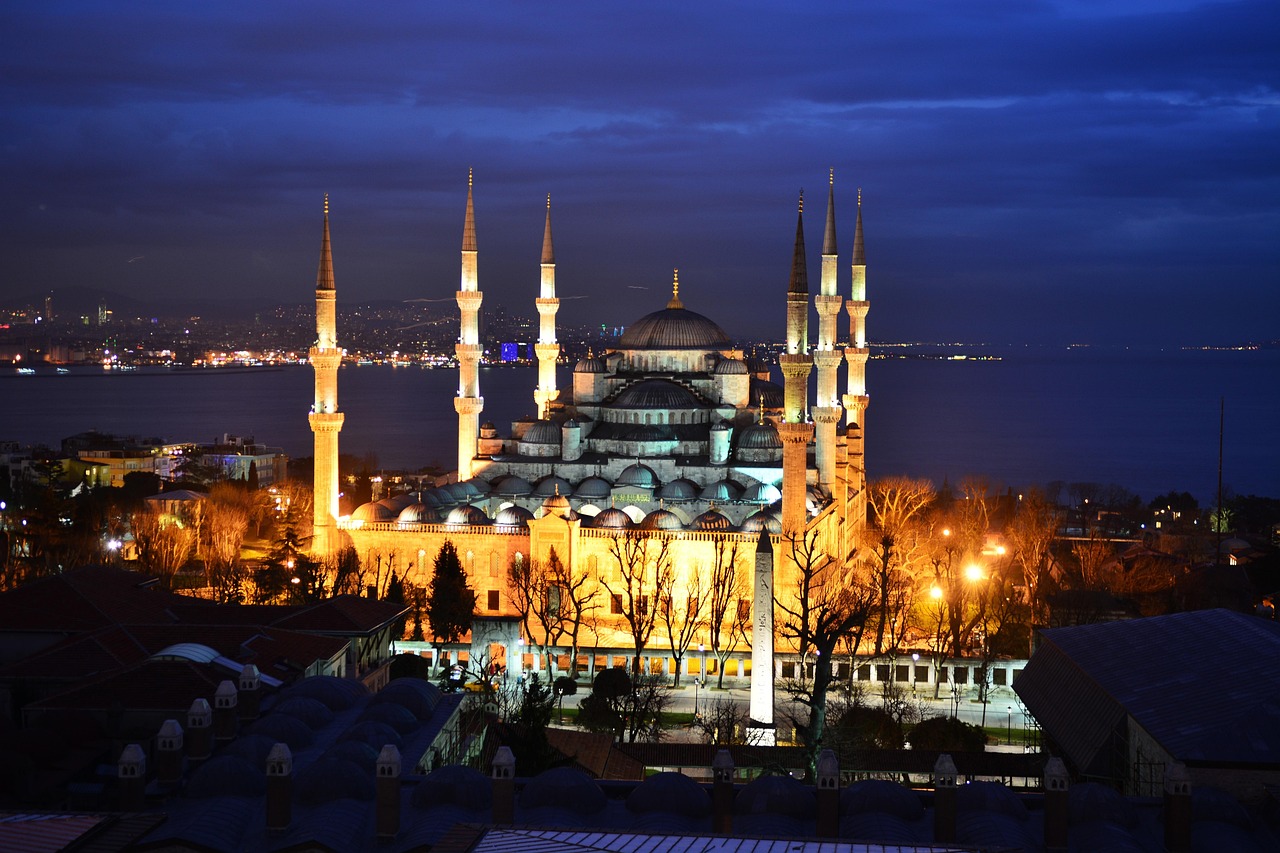
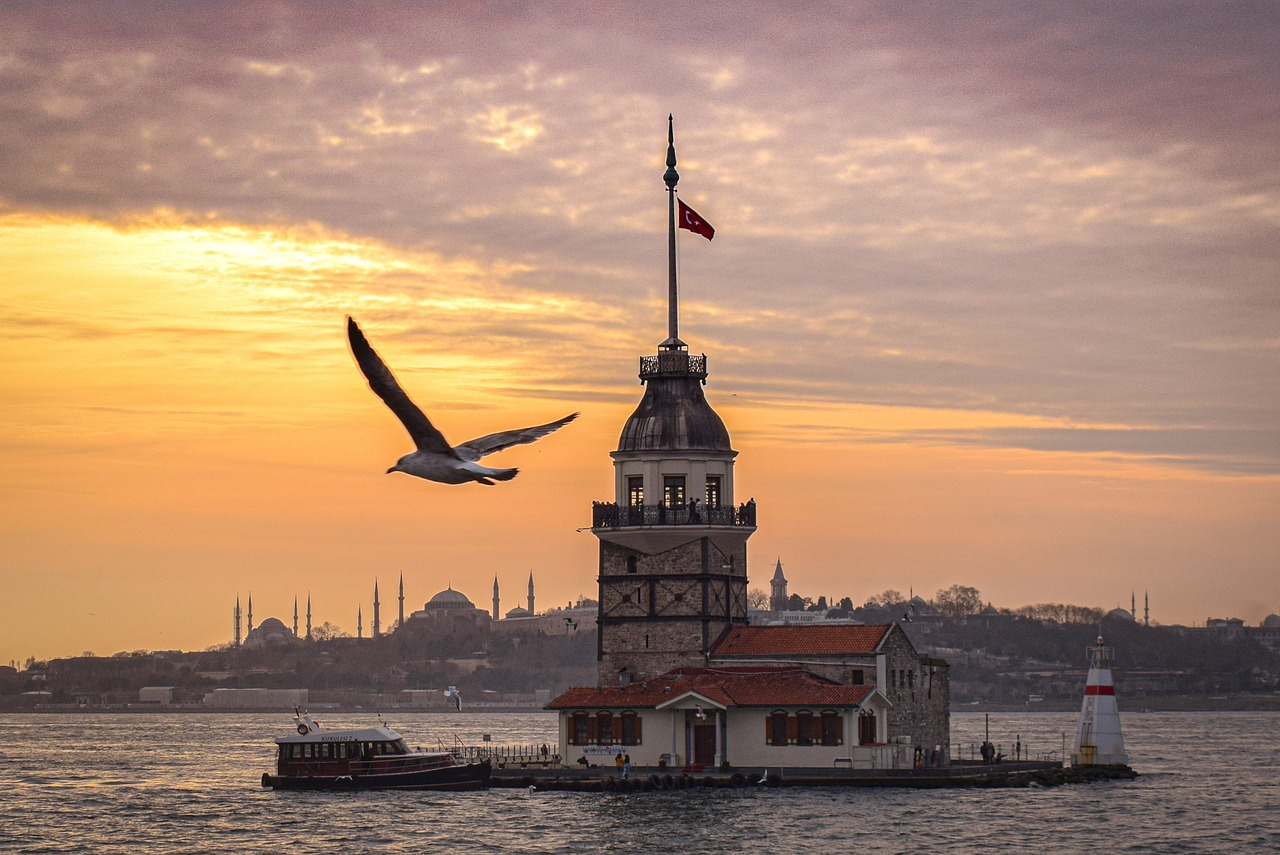
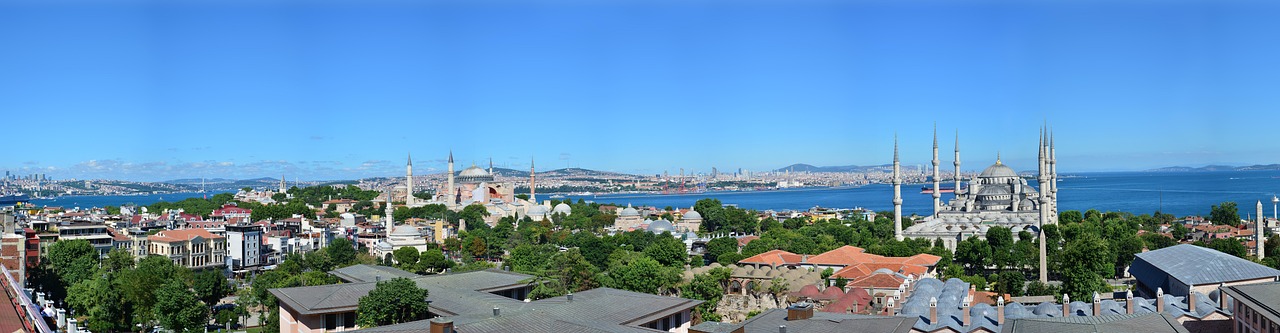
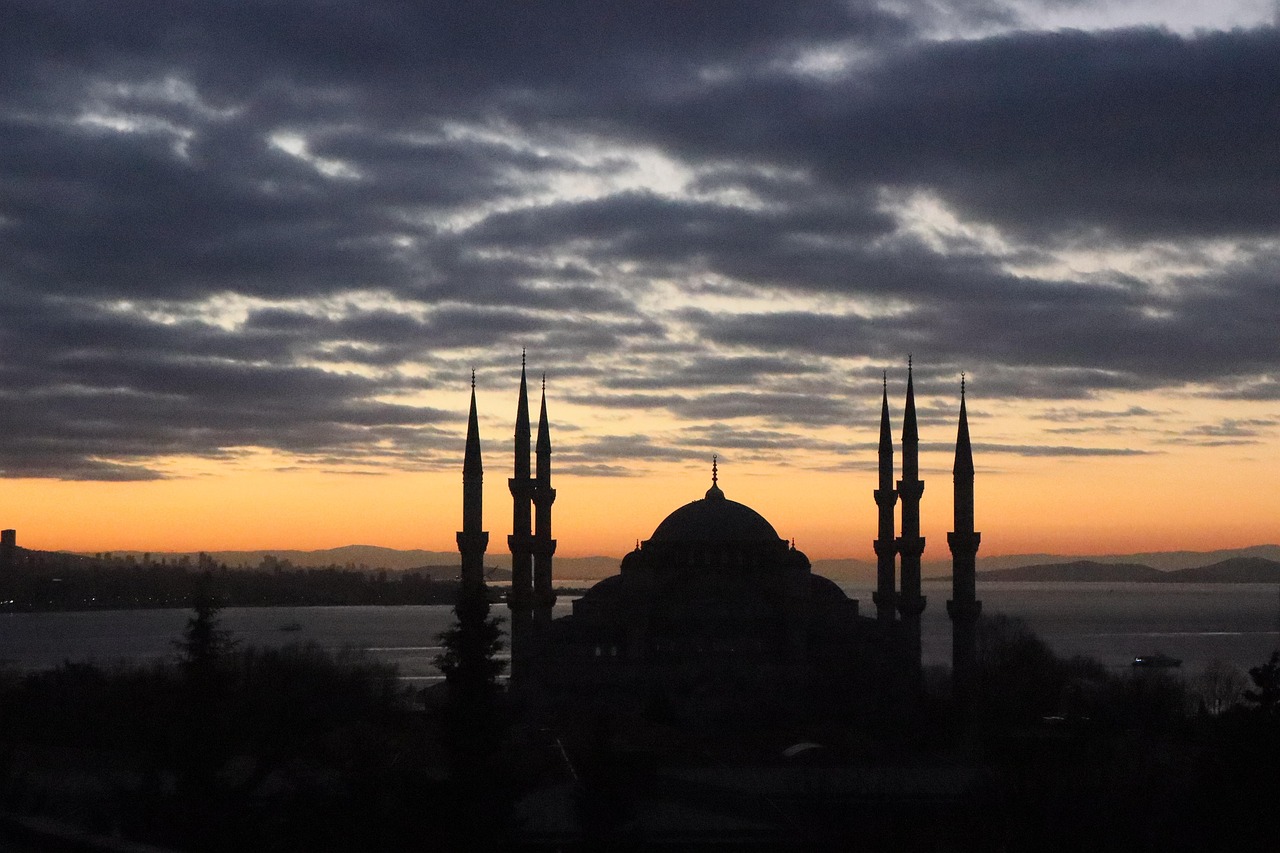
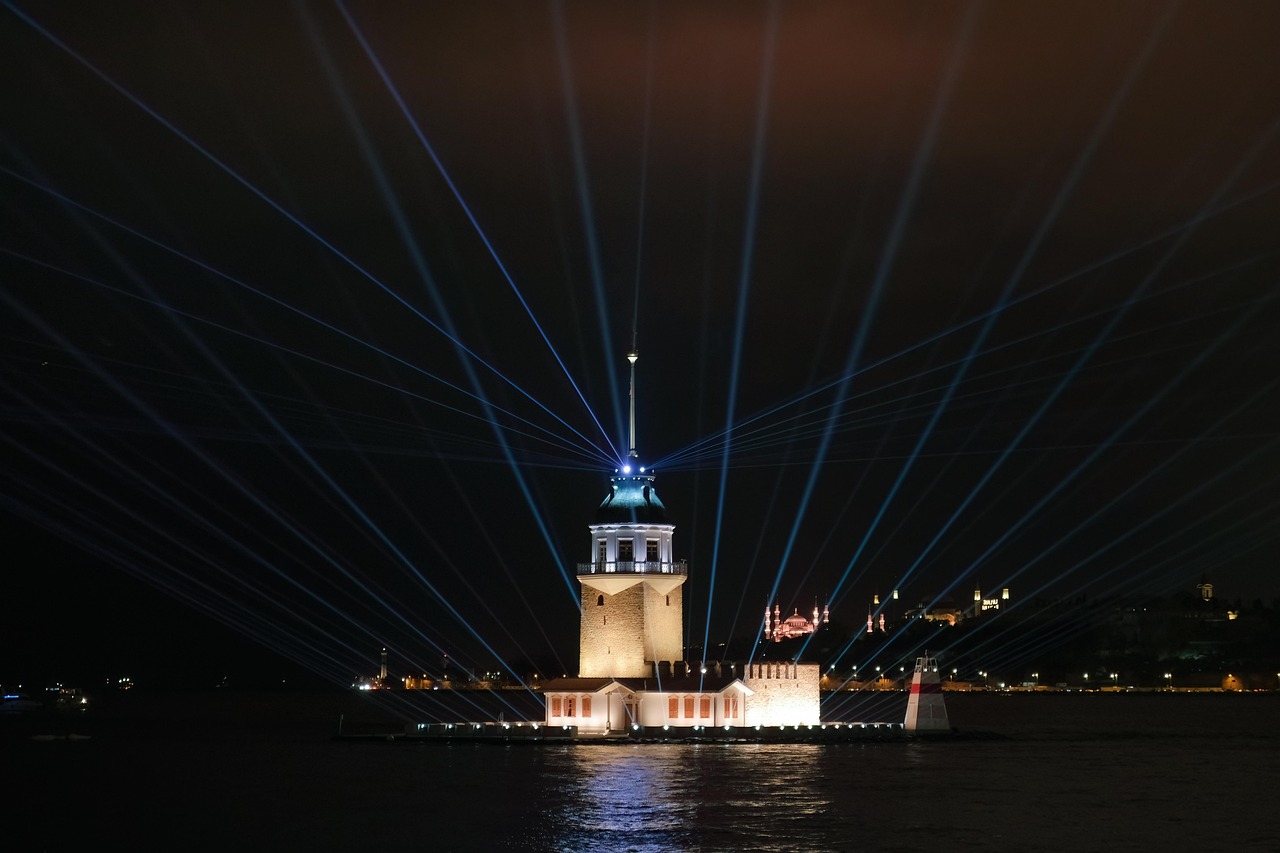
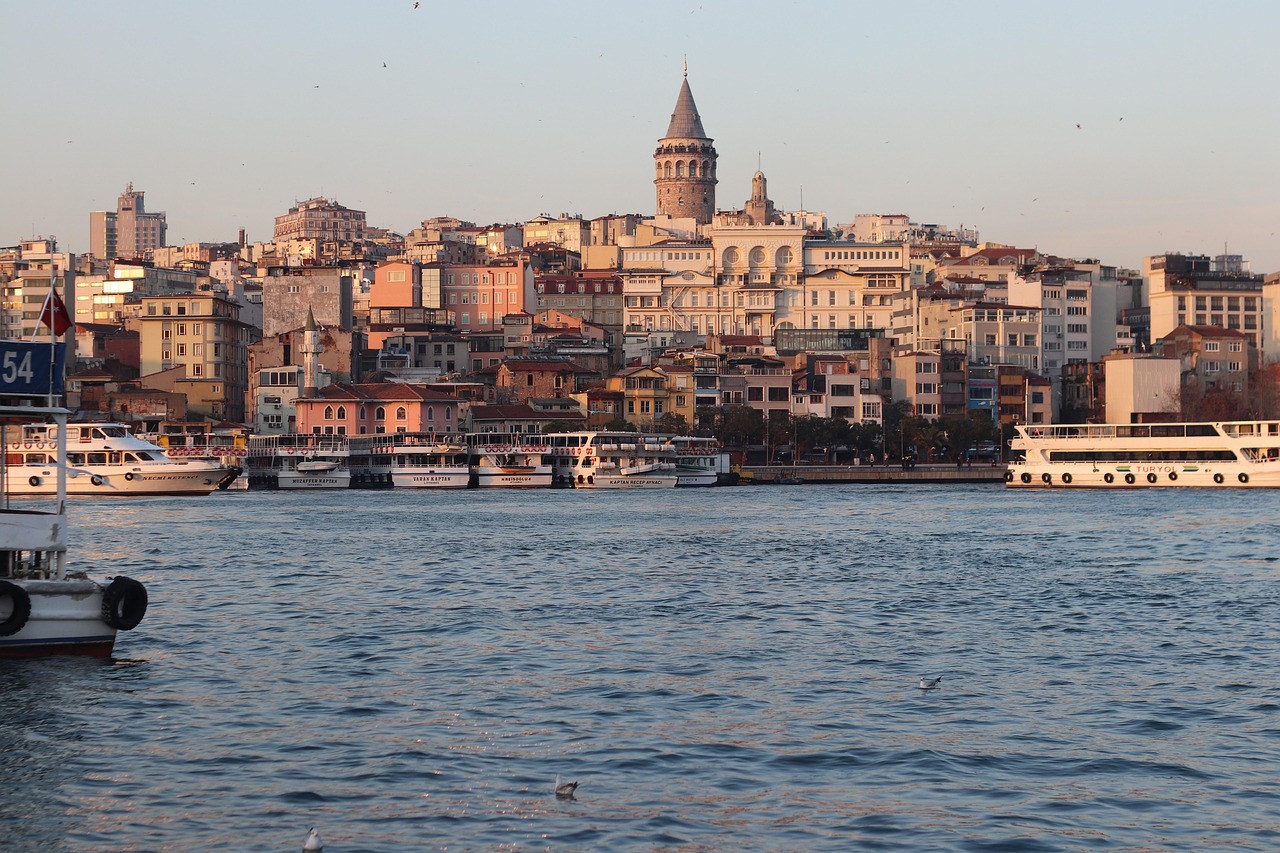
The city on two continents: Byzantine and Ottoman capital for some 1,600 years, where Hagia Sophia, the Blue Mosque and Topkapı Palace crown the old peninsula, the Grand Bazaar still trades, and ferries criss-cross the Bosphorus between Europe and Asia.

Favourite places

Historical places

Local food

  • Simit

    Istanbul, Türkiye

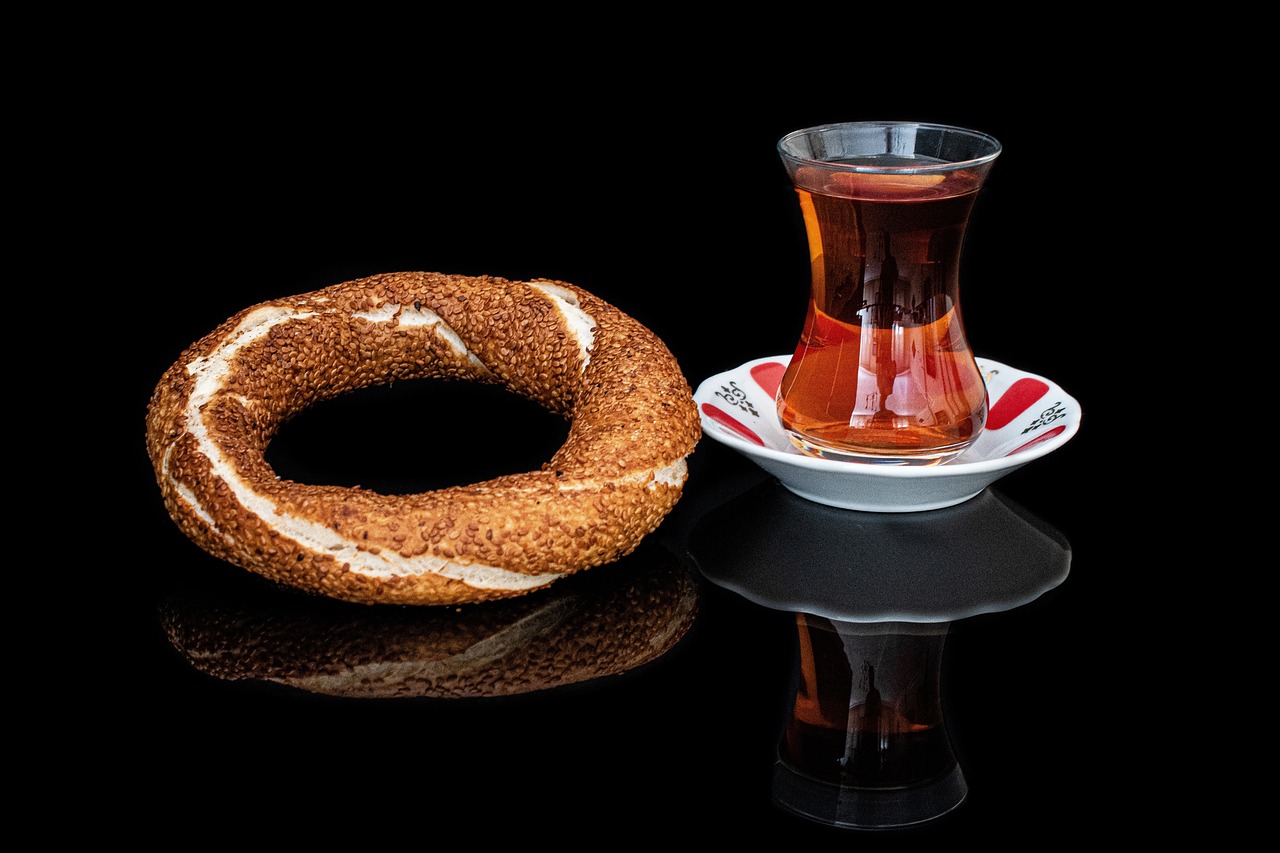
    A ring of bread dipped in grape molasses and crusted with sesame seeds, sold from red street carts and bakeries all over Türkiye. Eaten on the go in the morning, plain or with cheese, and best with a glass of tea.

  • Turkish breakfast (kahvaltı)

    Istanbul, Türkiye

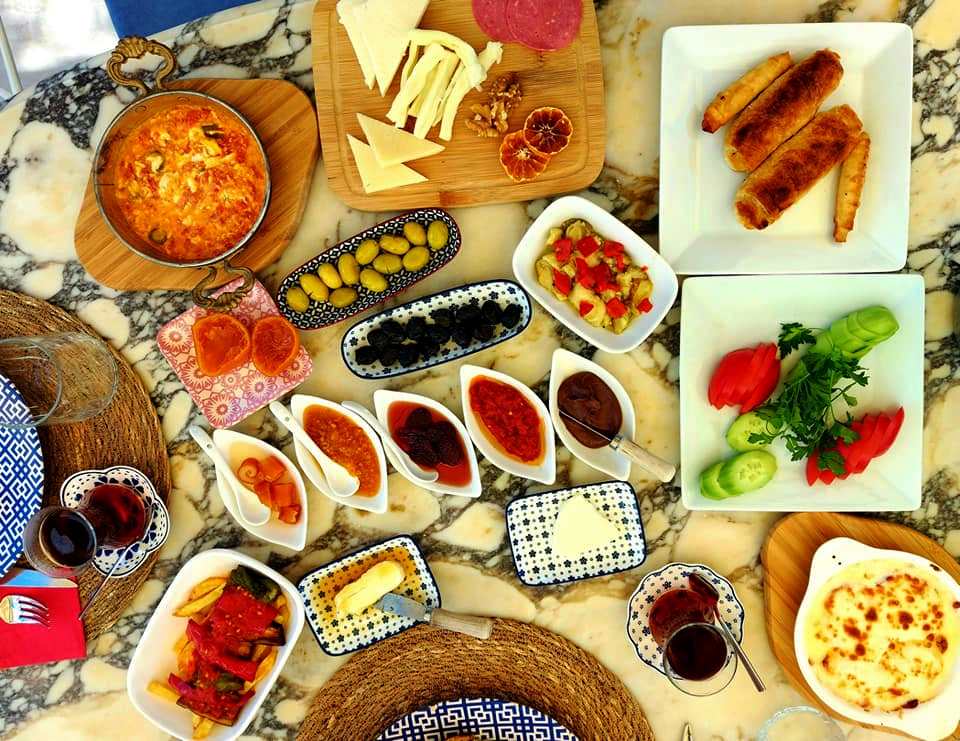
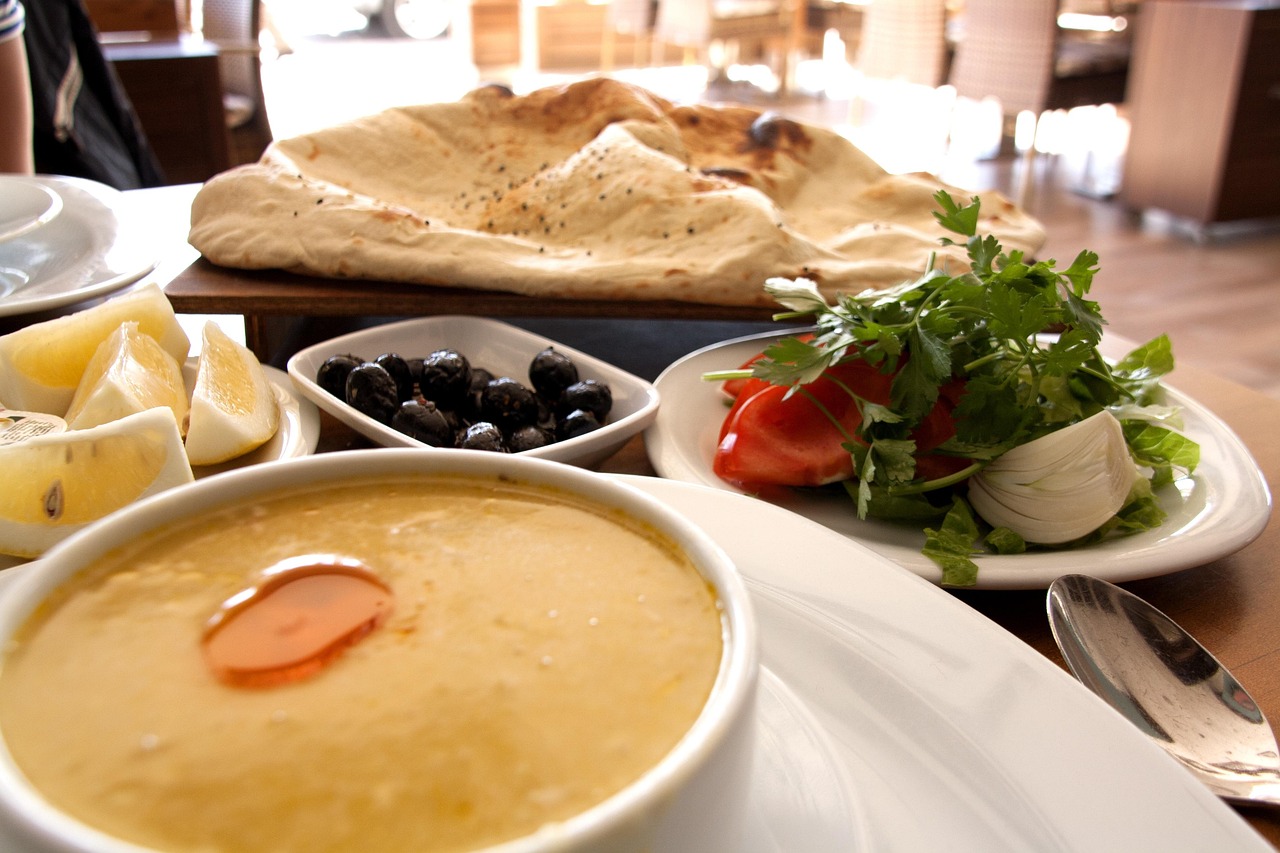
    A long, shared spread of white cheese, olives, tomatoes, cucumbers, honey and clotted cream (bal kaymak), jams, eggs or menemen (eggs scrambled with tomato and peppers), sucuk sausage and plenty of bread, with endless glasses of tea. Weekend breakfast is a social event.Read more
  • Balık ekmek (fish sandwich)

    Istanbul, Türkiye

    Grilled fish fillet in half a loaf of bread with onion, lettuce and lemon, sold by the Galata Bridge at Eminönü. Often paired with pickle juice (turşu suyu) from the stalls nearby.

  • Köfte (Turkish meatballs)

    Istanbul, Türkiye

    Grilled meatballs of minced lamb and beef, served with bread, piyaz (white bean salad), grilled peppers and ayran. Every region has its own version; the Sultanahmet köfte houses in Istanbul are a classic stop.

  • Meze and fresh fish

    Istanbul, Türkiye

    An evening at a meyhane (tavern) or fish restaurant: small cold dishes such as haydari (yoghurt with herbs), ezme, stuffed vine leaves and fava purée, then grilled seasonal fish from the Bosphorus, Black Sea or Marmara.

  • Baklava

    Istanbul, Türkiye

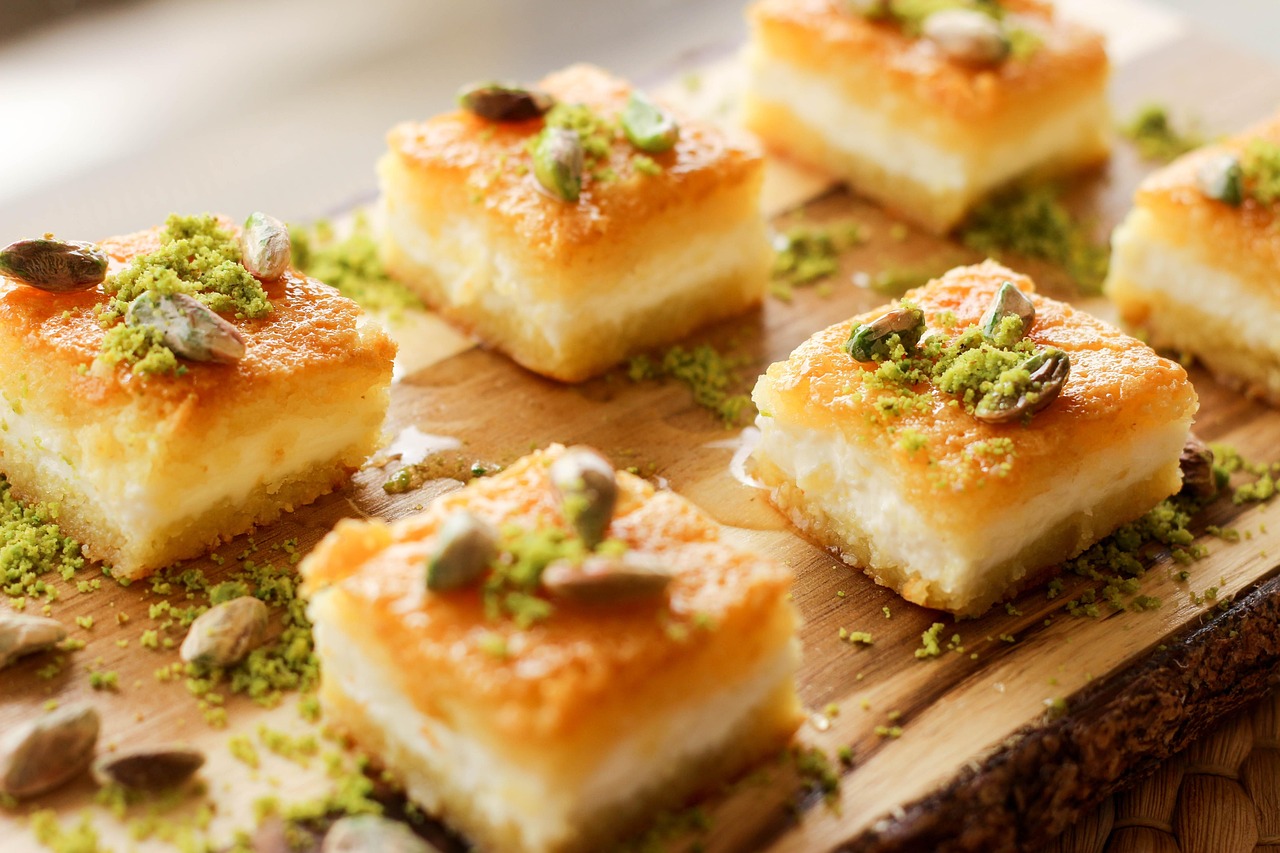
    Layers of paper-thin pastry filled with pistachios or walnuts, baked and soaked in syrup. Try it fresh from a baklava shop, with a glass of tea or a scoop of kaymak.

  • Turkish delight (lokum)

    Istanbul, Türkiye

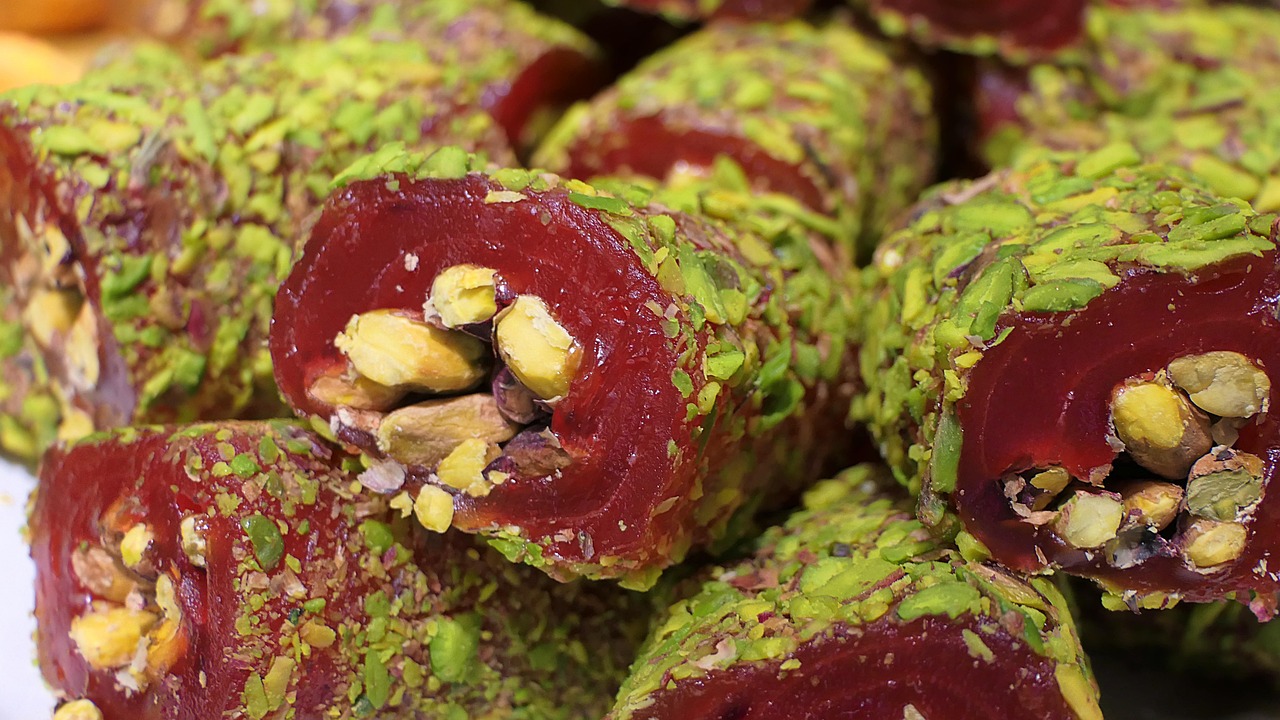
    Soft cubes of starch and sugar gel flavoured with rose, lemon, pistachio or hazelnut and dusted with powdered sugar. Istanbul confectioners have made it for centuries; a box is the classic gift to take home.

  • Turkish tea (çay)

    Istanbul, Türkiye

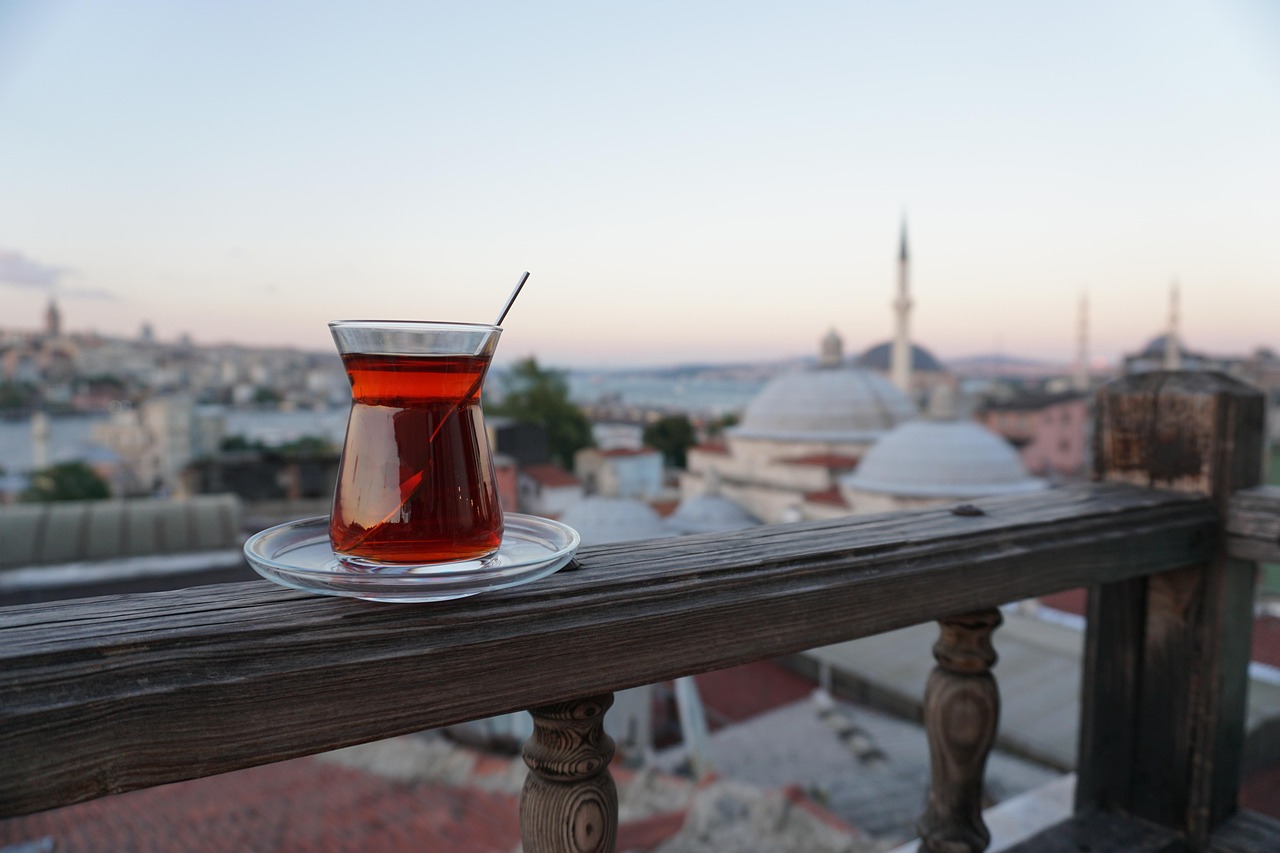
    Strong black tea brewed in a double teapot and served in small tulip-shaped glasses, without milk, with sugar cubes on the side. Offered in shops, offices and homes all day long — accepting a glass is part of the conversation.Read more
  • Turkish coffee

    Istanbul, Türkiye

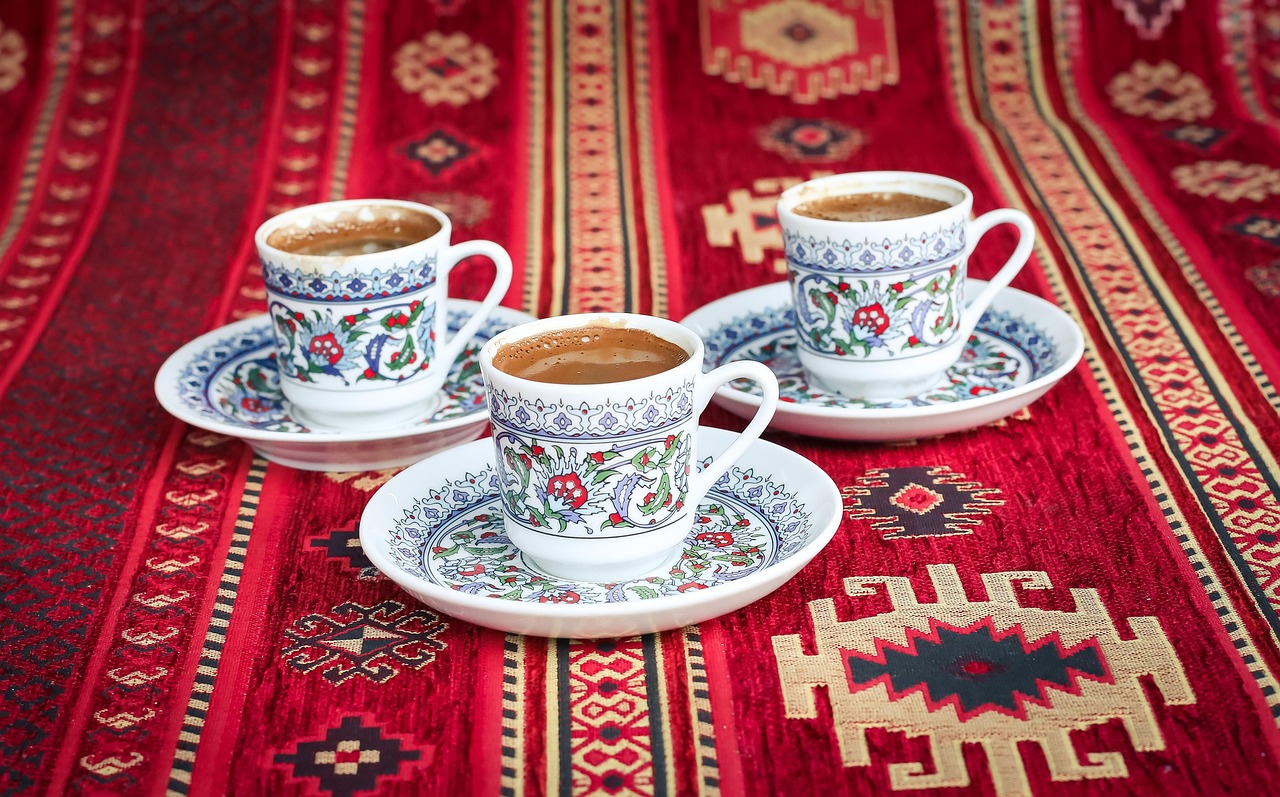
    Finely ground coffee simmered in a small copper pot (cezve), served unfiltered in a small cup with a glass of water and often a piece of Turkish delight. Order it plain (sade), medium (orta) or sweet (şekerli); let the grounds settle and do not drink the last sip.Read more

Where to eat

  • Sultanahmet köfte houses and Divan Yolu

    Sultanahmet, along Divan Yolu Street

    Long-established köfte restaurants and simple lokantas (canteens with ready-cooked dishes) along the old main street near the Blue Mosque and Hagia Sophia. Handy between sights; walk a few streets away from the squares for better value.Read more
    Open in Google Maps (opens in a new tab)
  • Eminönü and the Spice Bazaar area

    Eminönü, by the Galata Bridge and the Spice Bazaar

    Fish sandwiches by the water, Turkish delight and baklava shops, coffee roasters and traditional lokantas in the market streets. Pandeli, a historic restaurant above the entrance of the Spice Bazaar, has served Ottoman-style dishes for generations.Read more
    Open in Google Maps (opens in a new tab)
  • Karaköy and Galata

    Karaköy waterfront and the lanes below Galata Tower

    A lively mix of old baklava shops, breakfast cafés, fish restaurants, meyhanes and coffee houses, a short walk across the Galata Bridge from the old city.

    Open in Google Maps (opens in a new tab)
  • Kadıköy market

    Kadıköy, Asian side, by the ferry pier

    The pedestrian market streets behind the ferry pier are full of fishmongers, delis, pickle shops, meyhanes and some of the best everyday Turkish cooking in the city. Reached by a scenic ferry from Eminönü or Karaköy.

    Open in Google Maps (opens in a new tab)
  • Beyoğlu and İstiklal Avenue

    Taksim, İstiklal Avenue, Asmalımescit and the Flower Passage

    Meyhanes, kebab houses, street food and late-night cafés along and around the main pedestrian avenue, busiest in the evening.

    Open in Google Maps (opens in a new tab)

Where to stay

  • Sultanahmet

    Istanbul, Türkiye

    The historic peninsula itself: Hagia Sophia, the Blue Mosque, Topkapı and the Basilica Cistern within walking distance. Mostly small and mid-range hotels in old townhouses; quiet in the late evening.

    Open in Google Maps (opens in a new tab)
  • Sirkeci and Eminönü

    Istanbul, Türkiye

    Just downhill from Sultanahmet, by the ferry piers, the tram and the Marmaray rail line. Many hotels, close to the Spice Bazaar and the Bosphorus ferries.

    Open in Google Maps (opens in a new tab)
  • Beyoğlu, Galata and Karaköy

    Istanbul, Türkiye

    Across the Golden Horn: boutique hotels, restaurants and nightlife, with the tram, funicular and metro to the rest of the city. A good base for those who want evenings out.

    Open in Google Maps (opens in a new tab)
  • Beşiktaş, Nişantaşı and the Bosphorus shore

    Istanbul, Türkiye

    Upscale hotels near Dolmabahçe Palace and along the Bosphorus, with shopping in Nişantaşı. Further from the old city, but well connected by ferry, bus and metro.

    Open in Google Maps (opens in a new tab)
  • Kadıköy

    Istanbul, Türkiye

    A relaxed, local base on the Asian side, with good food and nightlife and a short ferry ride to the old city. Close to Sabiha Gökçen Airport.

    Open in Google Maps (opens in a new tab)

Culture

Istanbul has always been a meeting place: Greeks, Armenians, Jews, Turks and many others shaped its neighbourhoods, food and music. Daily life revolves around tea, the ferries, neighbourhood markets and long breakfasts, and the call to prayer still rings out across the skyline five times a day.

The city keeps old traditions alive — hamams (Turkish baths), coffee houses, the Grand Bazaar's guilds — alongside a lively modern scene of galleries, design shops, music and nightlife in Beyoğlu, Karaköy and Kadıköy. In spring the city celebrates the Tulip Festival, and the Istanbul Biennial and film and music festivals fill the calendar.

History

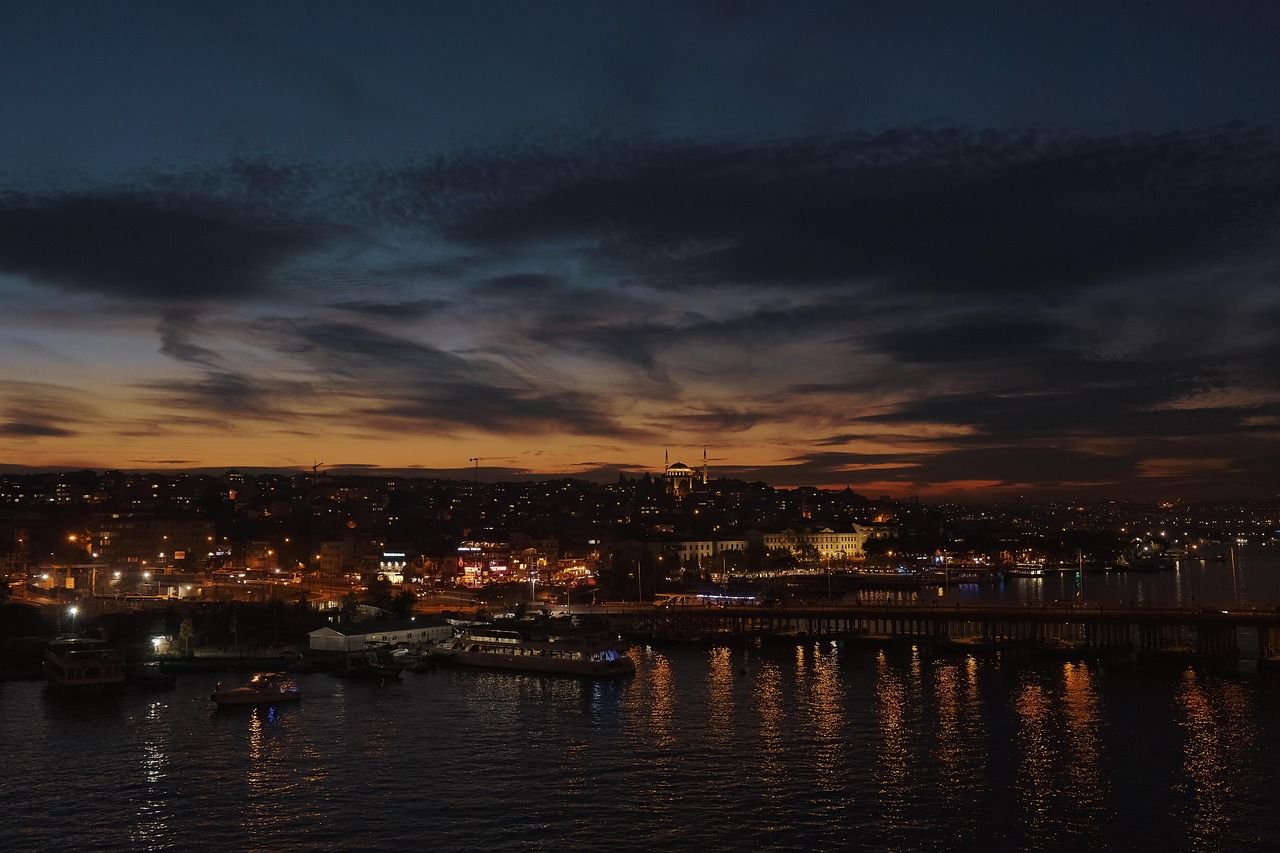
Istanbul began as Byzantium, a Greek colony founded on the tip of the peninsula between the Golden Horn and the Sea of Marmara. In 330 the Roman emperor Constantine made it his new capital, Constantinople, and for more than a thousand years it was the seat of the Eastern Roman (Byzantine) Empire. Emperor Justinian built Hagia Sophia and the great cisterns in the 6th century.

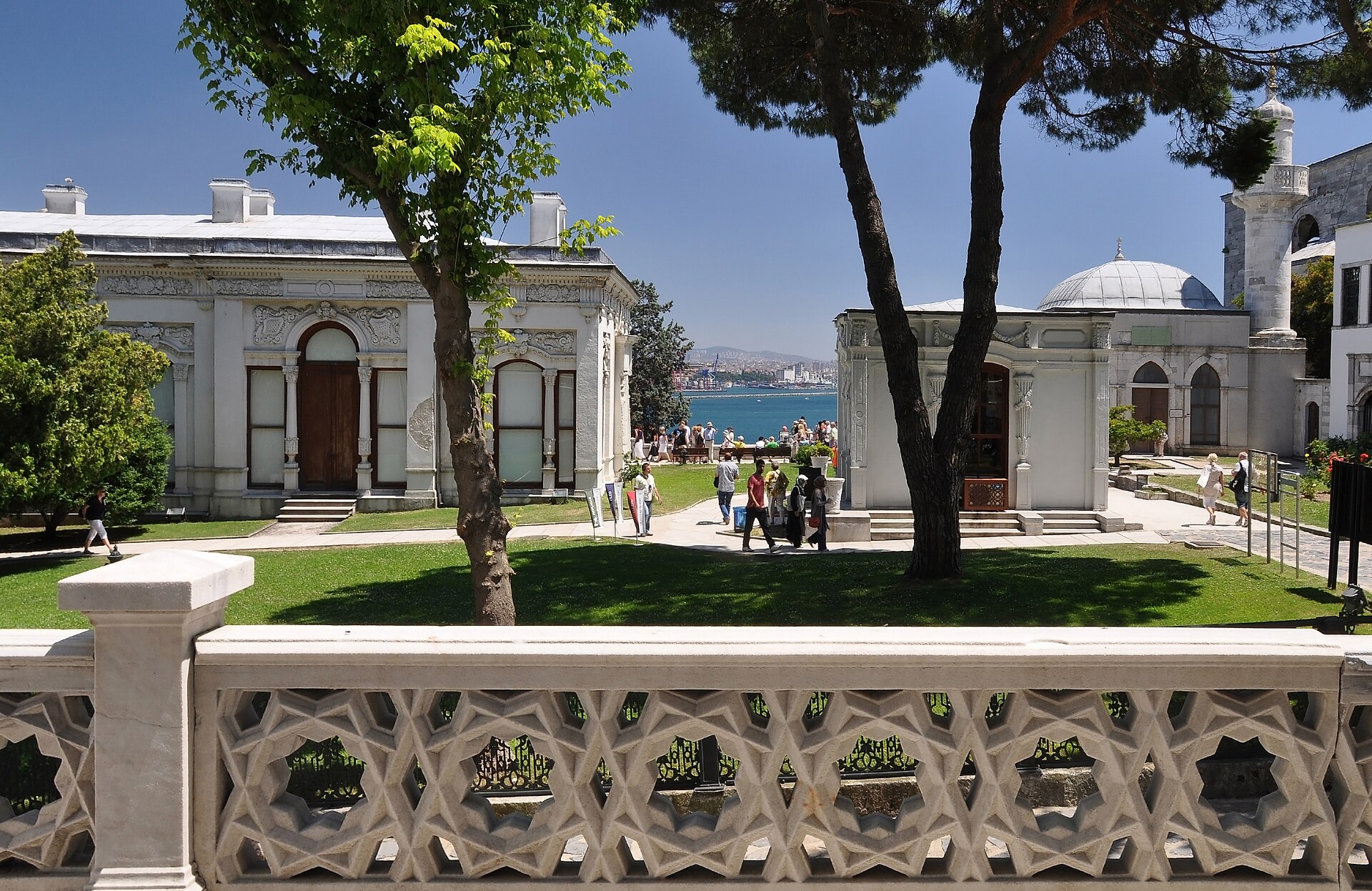
In 1453 the Ottoman Sultan Mehmed II took the city after a long siege. As the Ottoman capital it became the centre of an empire stretching across three continents. Sultans built Topkapı Palace, great imperial mosques by architects such as Mimar Sinan, the Grand Bazaar and hundreds of fountains, baths and schools.

When the Republic of Türkiye was founded in 1923, the capital moved to Ankara, but Istanbul remained the country's largest city and its economic and cultural heart. The historic areas of the old peninsula are a UNESCO World Heritage Site.

Tour plans

Istanbul in three days

3 days, 2 nights
  1. Step 1: Day 1 — The old city

    Hagia Sophia early, then the Blue Mosque and the Hippodrome, the Basilica Cistern after lunch, and Topkapı Palace in the afternoon. Köfte for dinner in Sultanahmet.

  2. Step 2: Day 2 — Bazaars and the Golden Horn

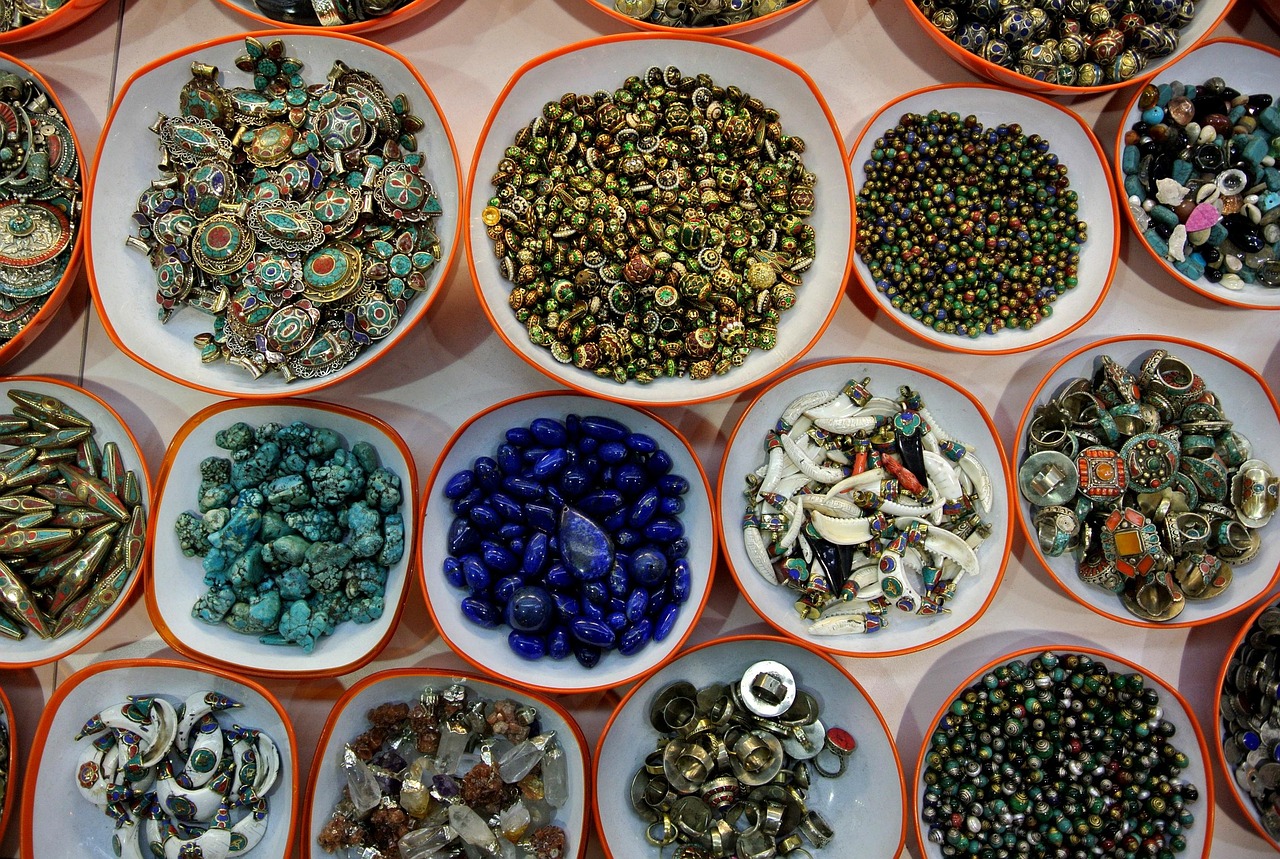
    Morning in the Grand Bazaar, walk down through the market streets to the Spice Bazaar and Eminönü, visit the Süleymaniye Mosque, then cross the Galata Bridge to Galata Tower and İstiklal Avenue for the evening.

  3. Step 3: Day 3 — The Bosphorus and Asia

    A Bosphorus cruise from Eminönü in the morning, Dolmabahçe Palace or Ortaköy, then the ferry to Kadıköy for the market and dinner on the Asian side.

One day on the historic peninsula

1 day
  1. Step 1: Hagia Sophia

    Arrive at opening time to beat the queues.

  2. Step 2: Blue Mosque

    Visit outside prayer times, dressed modestly.

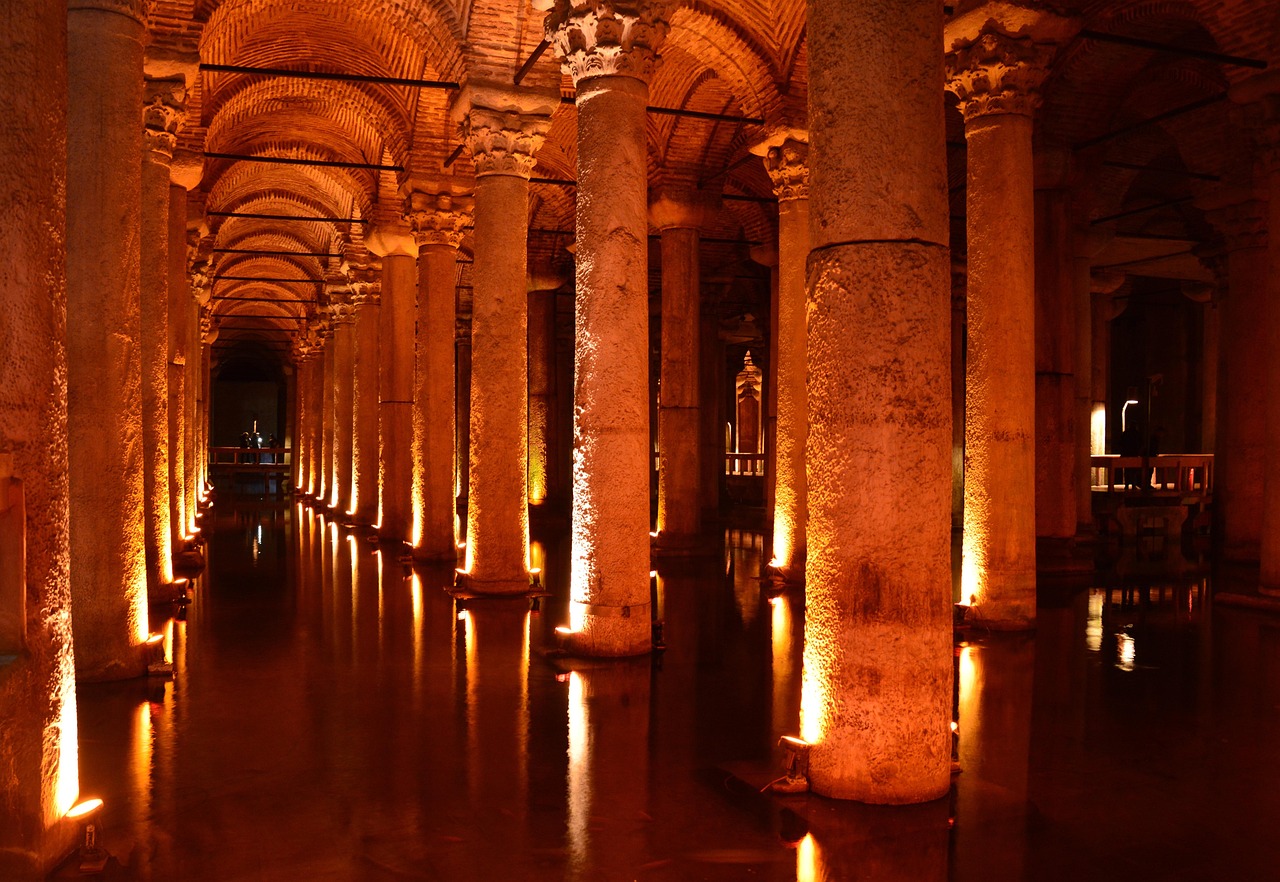
  3. Step 3: Basilica Cistern

    The underground columns and the Medusa heads.

  4. Step 4: Grand Bazaar

    Late afternoon browsing, then tea in a han courtyard.

Map

Open in Google Maps (opens in a new tab)

Travel information

Best time to visit

April to early June and September to November, when it is mild and sunny. Summers are hot and busy; winters are cool, rainy and quieter, with occasional snow.

How to get there

By air: Istanbul Airport (IST), north-west of the city on the European side, is one of the world's largest hubs, with flights to almost everywhere. The M11 metro, Havaist airport buses and taxis connect it to the city; allow an hour or more to the centre depending on traffic. Sabiha Gökçen Airport (SAW) on the Asian side serves many low-cost and domestic flights.

By train: high-speed YHT trains link Istanbul with Ankara and Konya, arriving on the Asian side and at stations on the European side via the Marmaray tunnel under the Bosphorus.

By bus and ferry: intercity coaches arrive at the big bus stations (otogar) of Esenler and Ataşehir. Fast ferries cross the Sea of Marmara to Bursa and Yalova.

Getting around

  • Istanbulkart: a rechargeable card used on the tram, metro, buses, ferries and funiculars; buy and top it up at machines at main stops.
  • T1 tram: runs through the old city — Sultanahmet, the Grand Bazaar (Beyazıt), Eminönü — and across the Galata Bridge to Karaköy and Kabataş.
  • Ferries: the most beautiful way to travel, linking Eminönü, Karaköy, Beşiktaş, Kadıköy and Üsküdar, plus Bosphorus routes.
  • Metro and Marmaray: fast across the city and under the Bosphorus.
  • Taxis: plentiful; use a ride-hailing or taxi app or make sure the meter is on. Traffic can be very heavy at rush hour.
  • On foot: the old peninsula and Beyoğlu are walkable, but the city is hilly.

Travel tips

  • Mosques: remove your shoes at the entrance (bags for them are usually provided). Women cover their hair, shoulders and knees; men wear long trousers. Loose scarves and wraps are often lent at the door. Mosques close to sightseers during the five daily prayers, and for longer around the Friday midday prayer.
  • Money: the currency is the Turkish lira (TRY). Cards are widely accepted, but carry some cash for small shops, markets and tips. Prices change quickly with inflation — check before you go.
  • Visas: many nationalities can enter visa-free or with an e-Visa — check the current rules for your passport before you travel.
  • Time zone: UTC+3 all year.
  • Ramadan: restaurants stay open, but be considerate about eating in public in conservative areas; evenings are lively after the fast is broken.
  • Queues: arrive early at Hagia Sophia, Topkapı and the Basilica Cistern, or book tickets online where available. Some museums close one day a week — check before going.
  • Scams: be polite but firm with over-friendly strangers offering to take you to a bar or a carpet shop.

All destinations