Areeka
Abha, Saudi Arabia
 Abha, Saudi Arabia
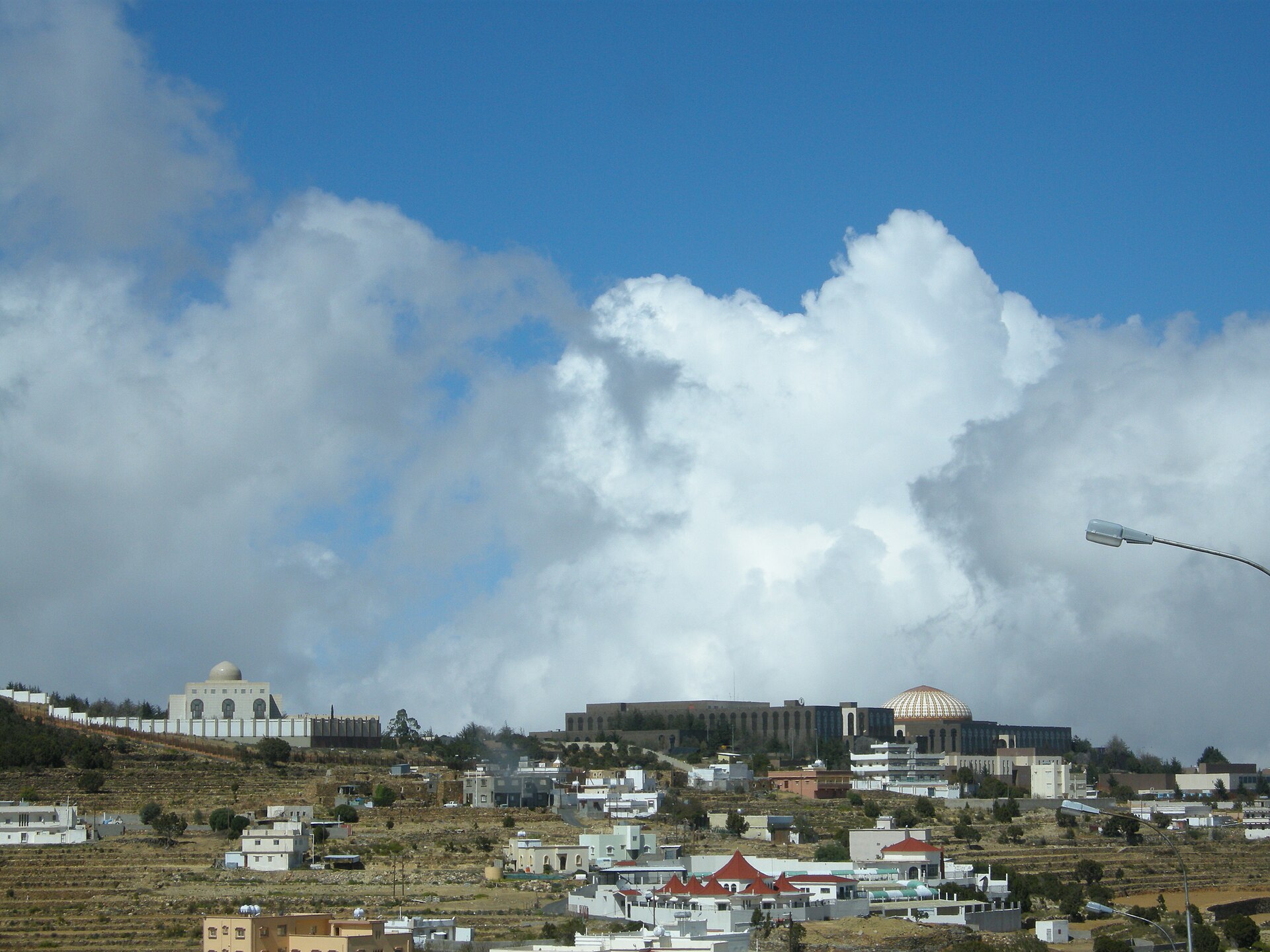
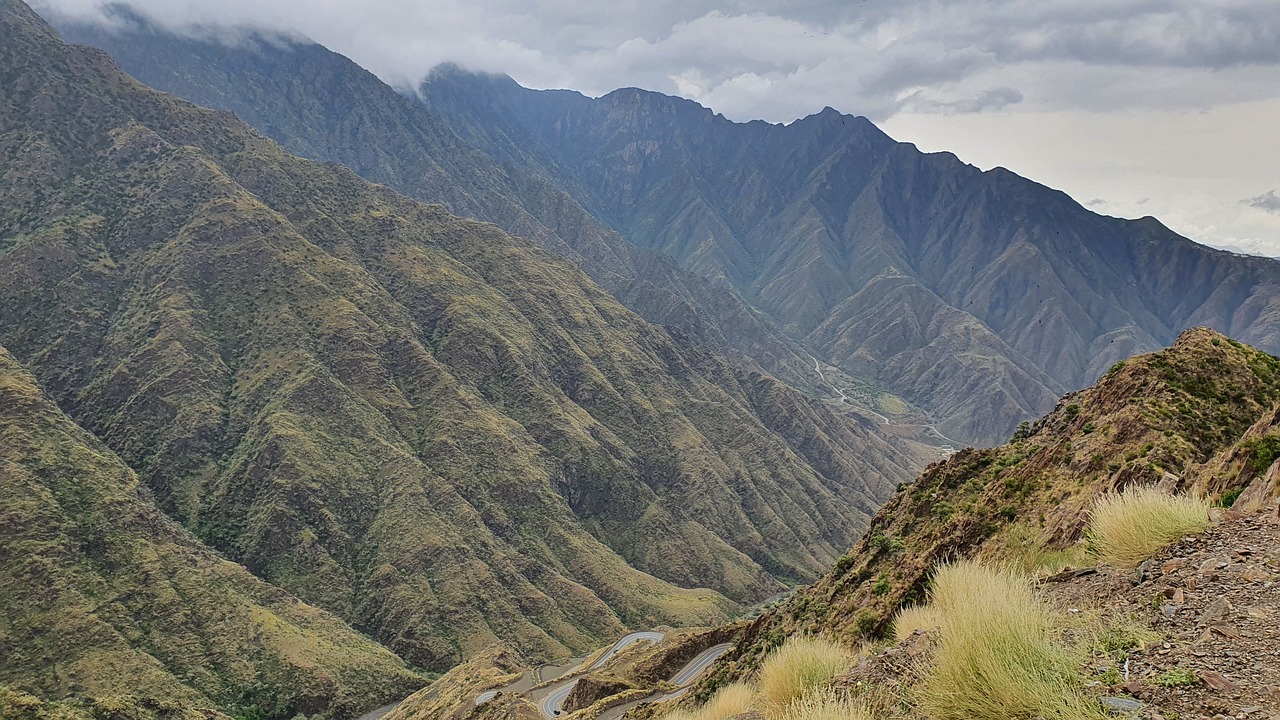
The capital of Asir, high in the mountains of south-western Saudi Arabia: cool, green and often wrapped in mist. Abha is the kingdom's summer escape, with painted Asiri villages, juniper forests at Al Soudah, terraced hills and a deep tradition of art, honey and hospitality.
Park, Viewpoint
Abha, Saudi Arabia
A hillside park on the edge of Abha with terraces, gardens and one of the best views over the city — a favourite spot for families on cool summer evenings.
Explore Abu Kheyal ParkHeritage, Art
Abha, Saudi Arabia
Abha's historic arts quarter: restored Asiri houses turned into galleries and studios, in the heart of the city. The best place to see Al-Qatt Al-Asiri painting and the work of local artists.
Explore Al Muftaha Village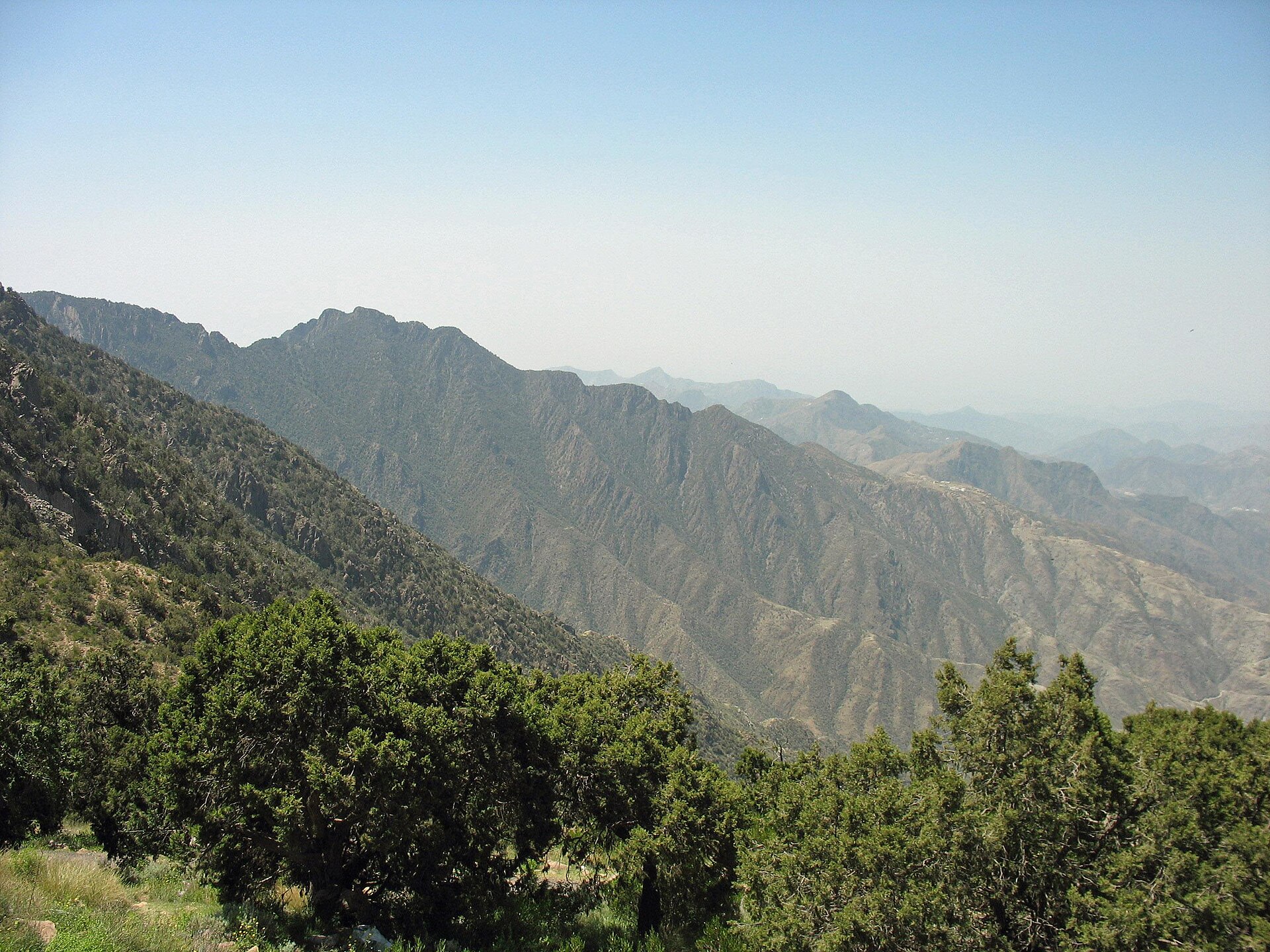
Nature, Excursion
Abha, Saudi Arabia
The highest part of the Asir mountains, about 20 km west of Abha: cool juniper forest, rocky peaks near 3,000 metres and dramatic views down the escarpment towards the Red Sea plain.
Explore Al Soudah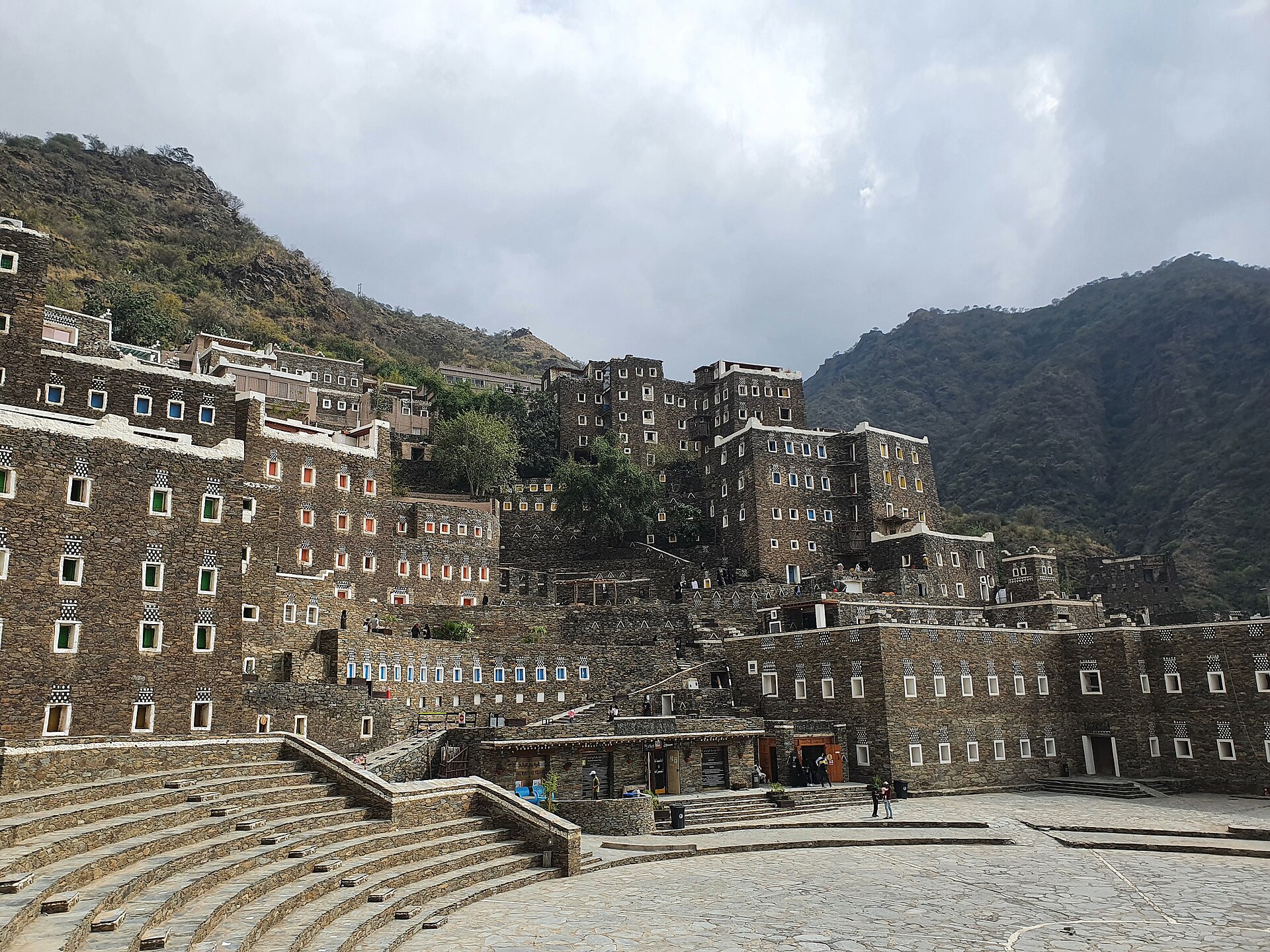
Heritage, Day trip
Abha, Saudi Arabia
A village of tall stone tower houses trimmed with white quartz, in a deep valley below the Asir escarpment — one of the most striking heritage sites in Saudi Arabia, with a museum run by the villagers.
Explore Rijal Almaa Heritage Village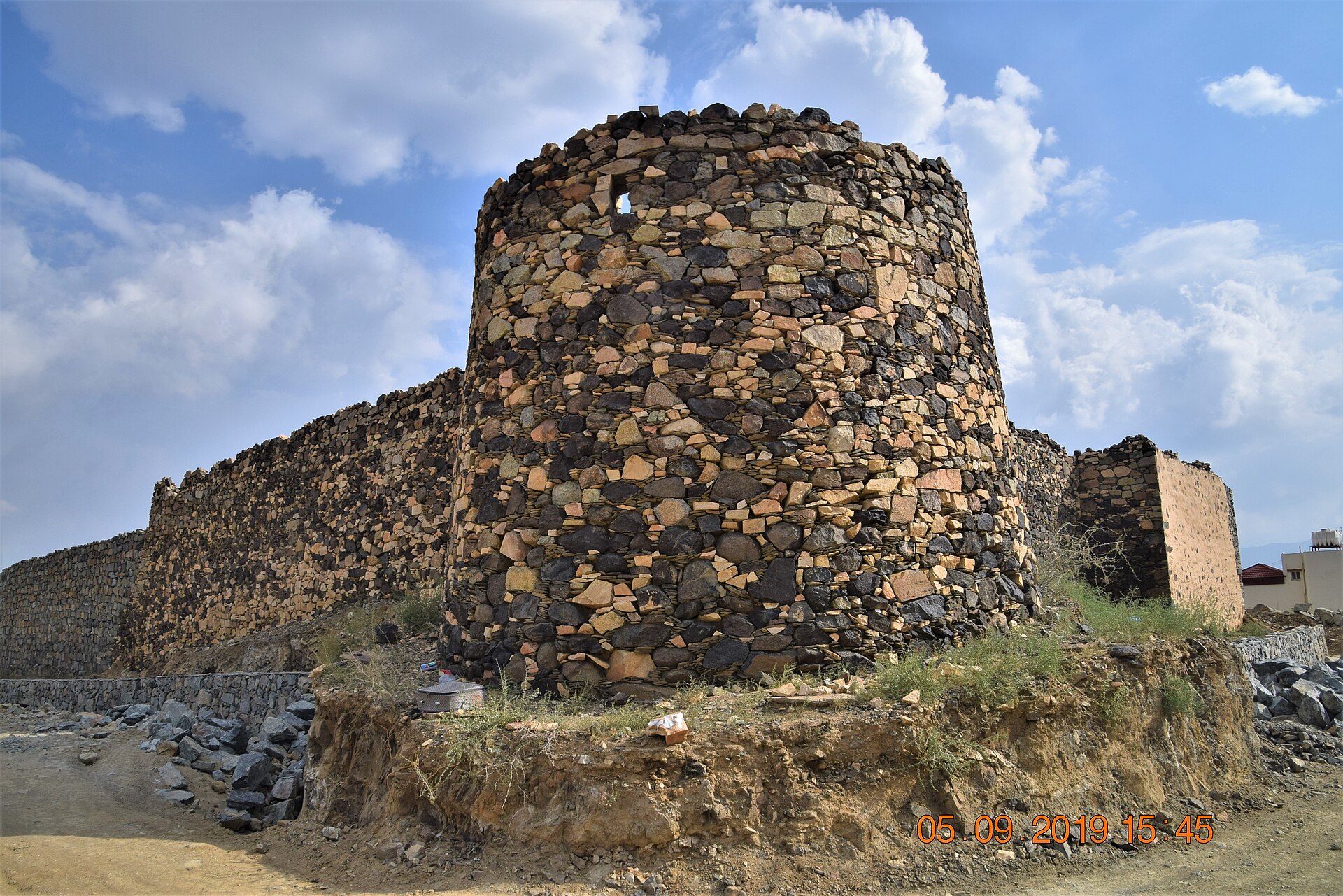
Heritage, Viewpoint
Abha, Saudi Arabia
An Ottoman-era stone fort on a hilltop just north of Abha, with wide views over the city and the surrounding mountains.
Explore Shamsan CastleViewpoint, Leisure
Abha, Saudi Arabia
A hilltop leisure area on the heights around Abha, visited for its cool air, mountain views and evening outings above the clouds.
Explore Sky VillageHeritage, Art
Abha, Saudi Arabia
Abha's historic arts quarter: restored Asiri houses turned into galleries and studios, in the heart of the city. The best place to see Al-Qatt Al-Asiri painting and the work of local artists.
Explore Al Muftaha VillageHeritage, Day trip
Abha, Saudi Arabia
A village of tall stone tower houses trimmed with white quartz, in a deep valley below the Asir escarpment — one of the most striking heritage sites in Saudi Arabia, with a museum run by the villagers.
Explore Rijal Almaa Heritage VillageHeritage, Viewpoint
Abha, Saudi Arabia
An Ottoman-era stone fort on a hilltop just north of Abha, with wide views over the city and the surrounding mountains.
Explore Shamsan CastleAbha, Saudi Arabia
Abha, Saudi Arabia
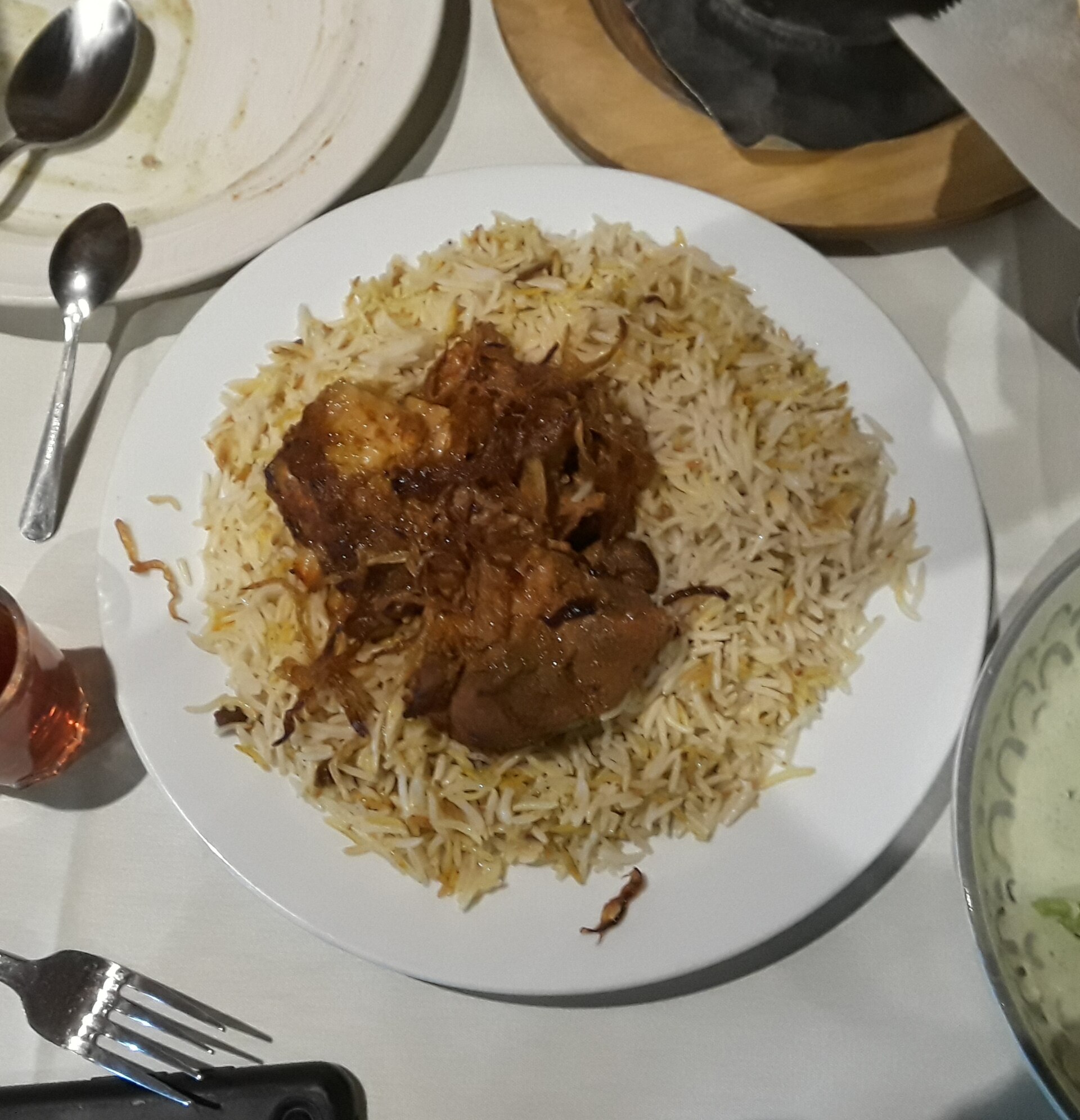
Lamb slow-roasted in a closed pit or clay oven until it falls off the bone, served over spiced rice. A dish of the southern regions, made for guests and family gatherings.
Abha, Saudi Arabia
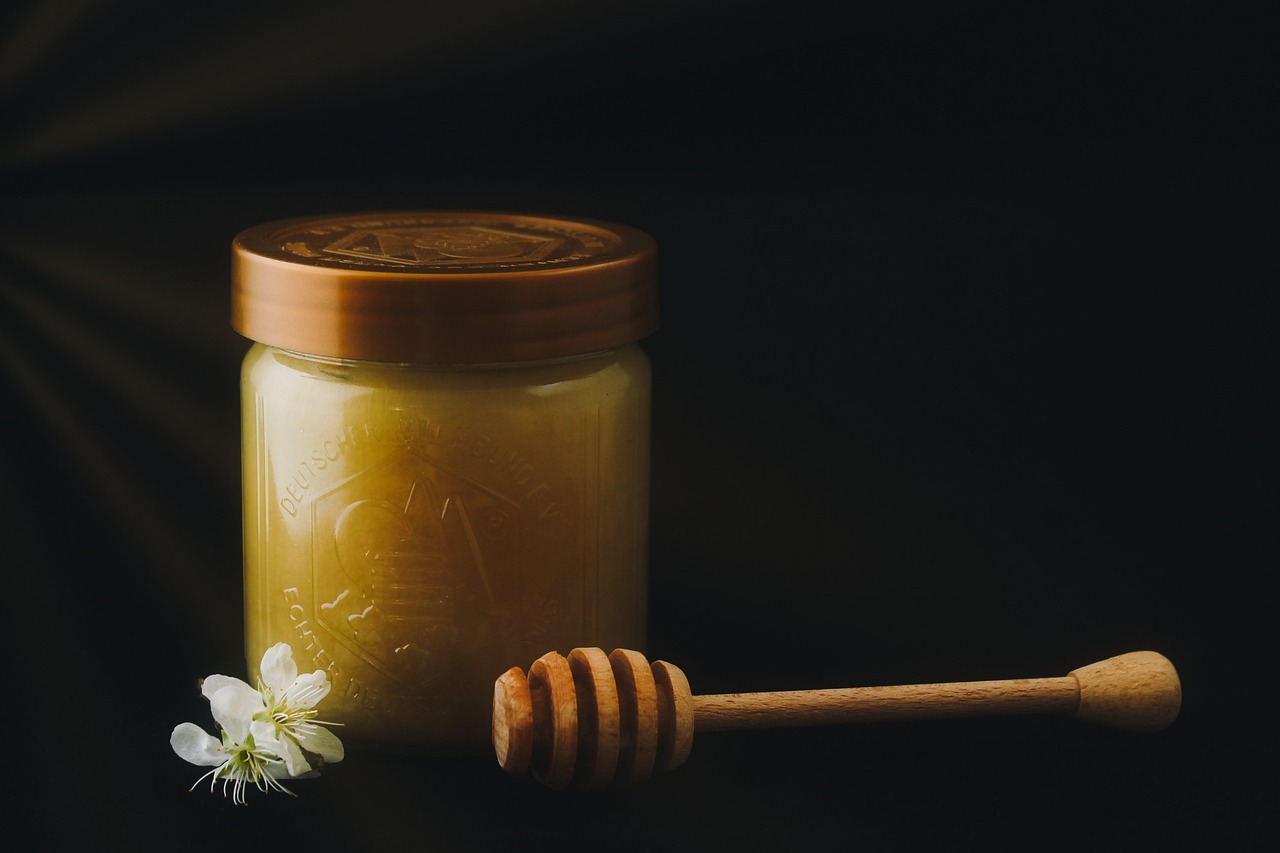
The Asir highlands are known across the kingdom for their honey, much of it from sidr and other wild mountain flowers. Sold in jars at markets and roadside stalls, and poured over areeka and fresh bread.
Central Abha
Abha's traditional weekly market, held on Tuesdays for generations. Stalls sell honey, spices, dried herbs, local bread, coffee beans and Asiri crafts — a good place to taste and buy regional food.
Open in Google Maps (opens in a new tab)Across Abha and along the Al Soudah road
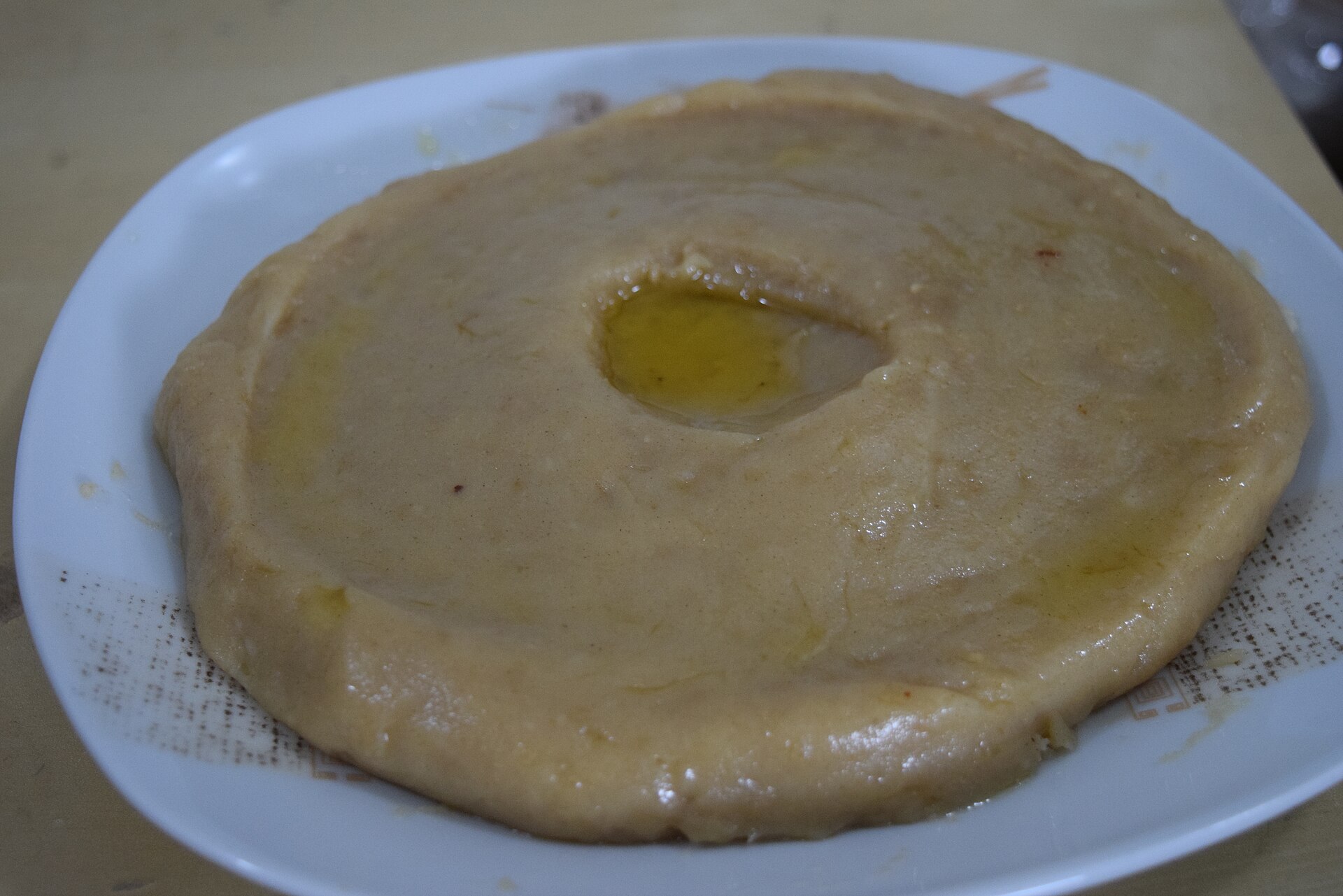
Many restaurants serve areeka, haneeth and mandi in family rooms with floor seating and cushions. Ask for areeka with local honey and ghee at breakfast.
Open in Google Maps (opens in a new tab)Abu Kheyal, the Green Mountain and Al Soudah
Cafés and kiosks on the hills around the city serve Saudi coffee, tea and snacks with views over Abha; busy on summer evenings when families come out for the cool air.
Open in Google Maps (opens in a new tab)Abha, Saudi Arabia
Hotels and furnished apartments around the city centre, close to Al Muftaha Village, the Tuesday Market and the main shopping streets. The easiest base without a car.
Open in Google Maps (opens in a new tab)Abha, Saudi Arabia
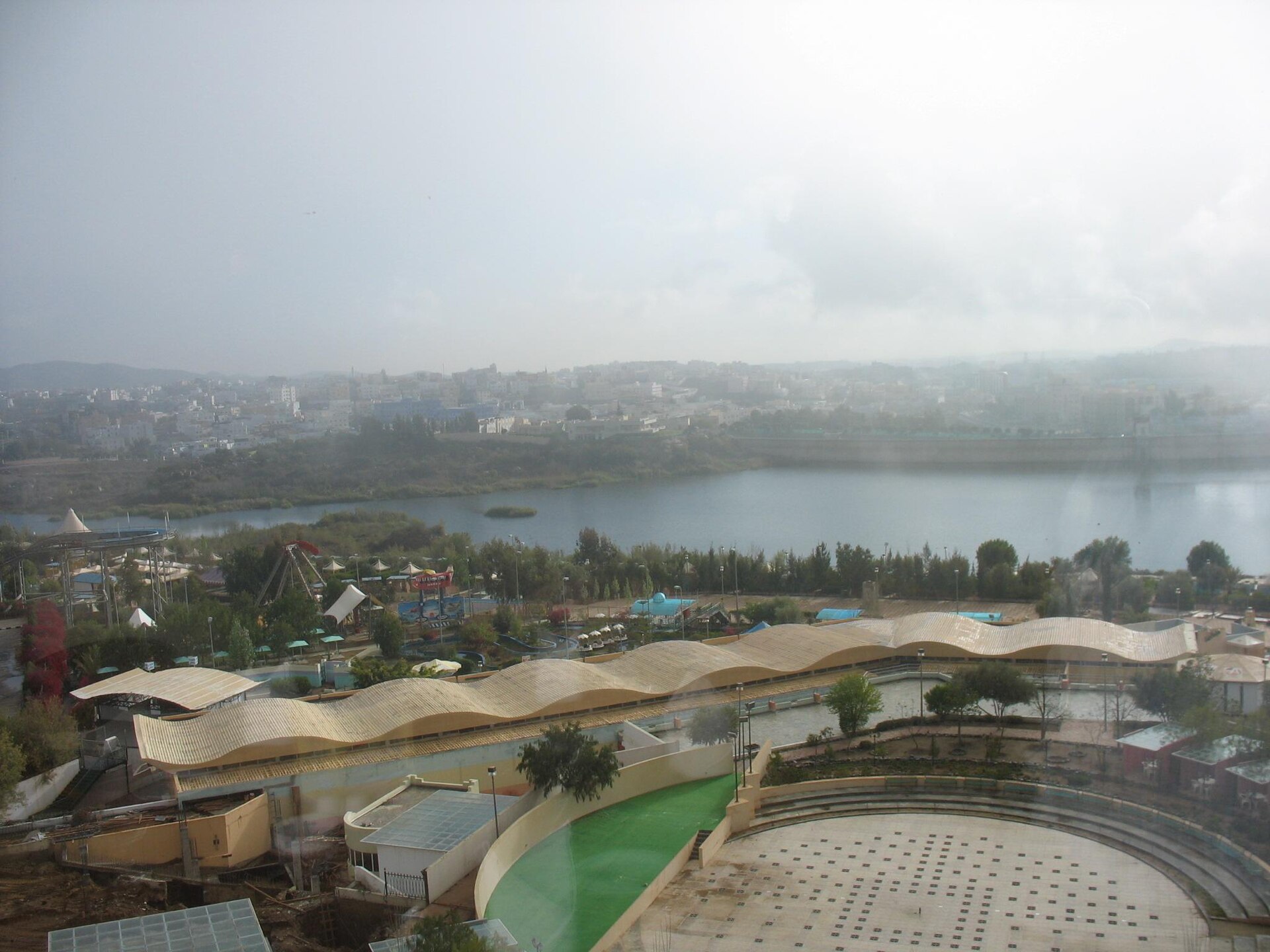
Larger hotels and resorts near the Abha Dam lake and on the hills towards Abu Kheyal and the Green Mountain, with cooler air and views over the city.
Open in Google Maps (opens in a new tab)Abha, Saudi Arabia
Mountain resorts, chalets and rest houses (istirahat) among the juniper forest about 20 km west of Abha — the coolest place to stay in summer, quiet and often in the clouds.
Open in Google Maps (opens in a new tab)Asir has a distinct highland culture. Men in some villages still wear the traditional flower crown (a garland of herbs and flowers), and the region is known for its Al-Qatt Al-Asiri wall paintings, its stone-and-mud tower houses and its lively folk dances and songs.
Hospitality comes first: guests are welcomed with Saudi coffee, dates and often areeka with honey. Photograph people, especially women, only with permission.
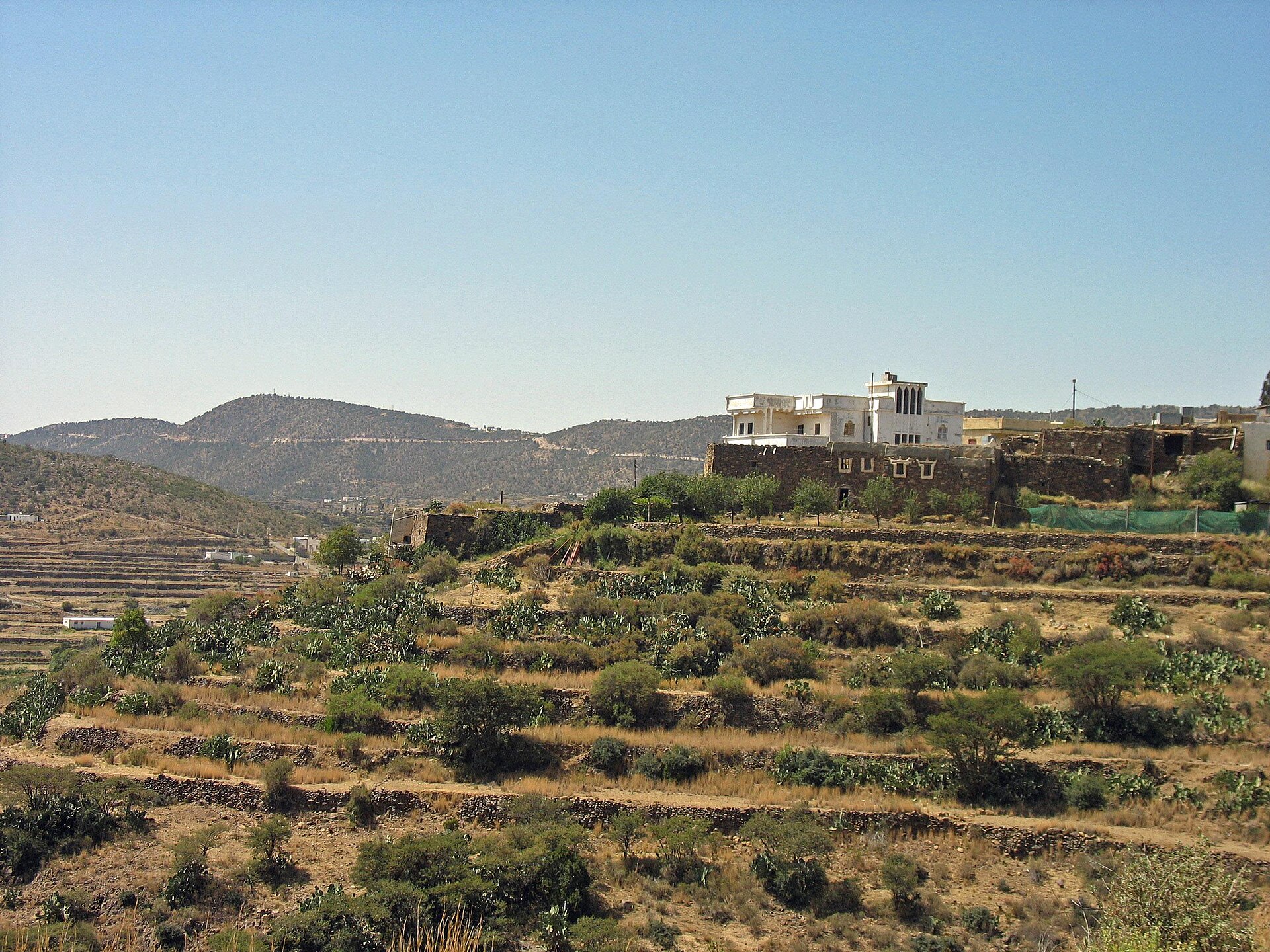
Abha sits at about 2,200 metres on the Sarawat mountains, the range that runs down the western edge of the Arabian Peninsula. For centuries the Asir highlands were a land of farming villages, stone and mud towers and terraced fields watered by the monsoon rains, on the caravan routes between Yemen and the Hejaz.
In the 19th century the region was contested between local rulers and the Ottoman Empire, which built forts on the hills around Abha — Shamsan Castle is one of them. Asir became part of the Saudi state in the 1920s, and Abha grew from a cluster of villages into the provincial capital.
Today the city is known for its mild climate, its summer festivals and its living heritage: Al-Qatt Al-Asiri, the bright geometric wall painting done by Asiri women, is on UNESCO's list of the Intangible Cultural Heritage of Humanity, and the surrounding mountains are at the centre of the kingdom's plans for highland tourism.
Morning at Al Muftaha Village and its art studios, lunch with areeka or haneeth, then the Tuesday Market if it is on. Sunset over the city from Abu Kheyal Park.
Drive up to Shamsan Castle in the cool of the morning, then on to the Sky Village area and the hills above the city. Evening coffee at a hilltop café.
Head west to the juniper forests of Al Soudah, then take the escarpment road down to the painted stone towers of Rijal Almaa and its heritage museum. Return to Abha before dark.
June to September is high season, when Abha stays cool while the rest of the kingdom bakes. Spring is green and quieter; winter nights are cold, especially at Al Soudah.
By air: Abha International Airport (AHB) lies between Abha and Khamis Mushait, roughly 20–30 minutes from the city centre. There are frequent domestic flights from Riyadh, Jeddah and Dammam, plus some international routes.
By road: Abha is linked to Jeddah and Taif to the north, Jizan to the south-west and Najran to the south-east by highway. Expect a long drive from Jeddah (around 600 km) and longer from Riyadh, much of it through mountains.
By bus: Intercity coaches connect Abha with other Saudi cities; book ahead in the summer season.
Asir is best explored by car: the main sights are spread over the hills and connected by good but steep, winding mountain roads. Taxis and ride-hailing apps such as Uber and Careem work in Abha and Khamis Mushait. Car hire is available at the airport — drive slowly in mist, which can roll in suddenly.
In the centre, the area around Al Muftaha Village and the Tuesday Market is walkable, and the Abha cable car (telefrik) has carried visitors between the city and the hills — check locally whether it is running.