Kabsa
Riyadh, Saudi Arabia
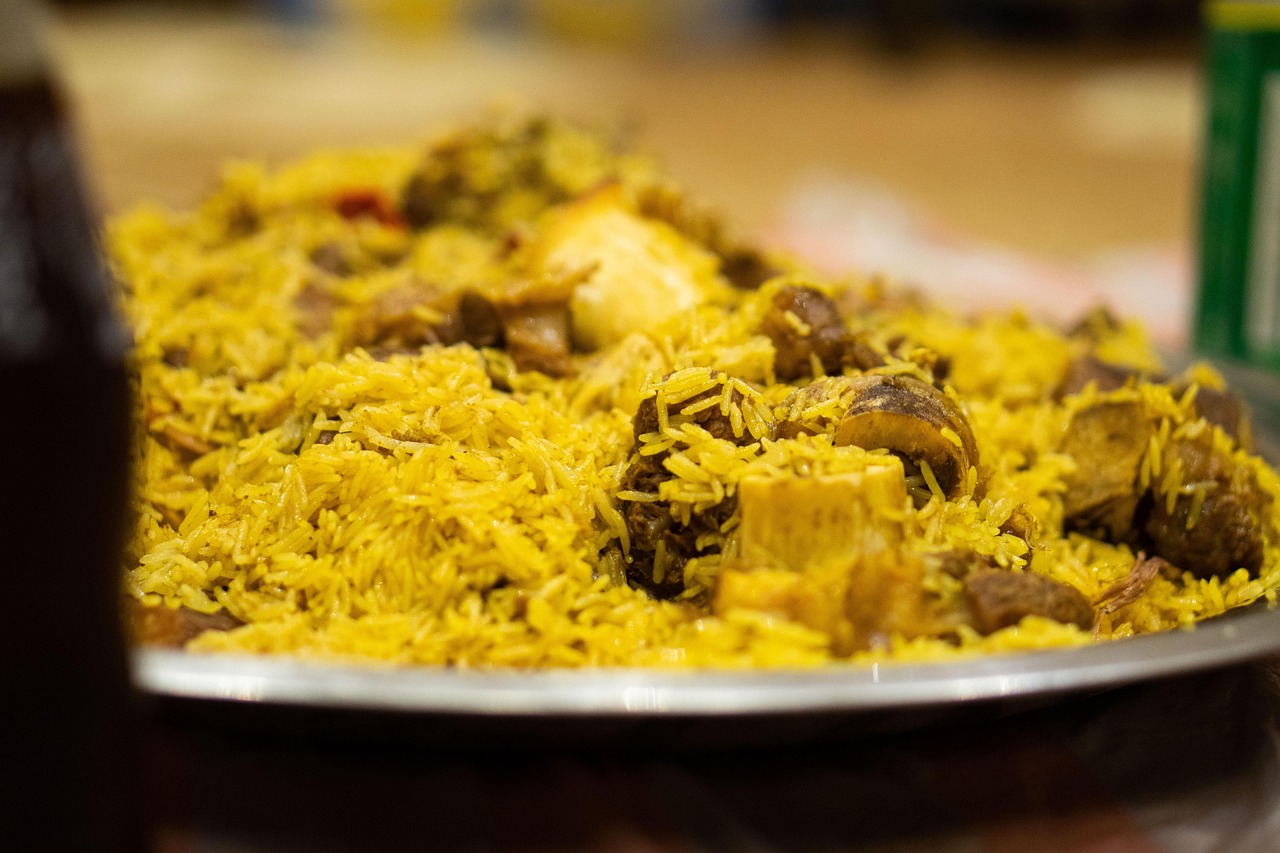
Saudi Arabia's best-known dish: long-grain rice cooked with a warm spice mix, tomato and stock, piled on a large platter and topped with chicken or lamb, fried onions, nuts and raisins. Often shared from one tray.
 Riyadh, Saudi Arabia
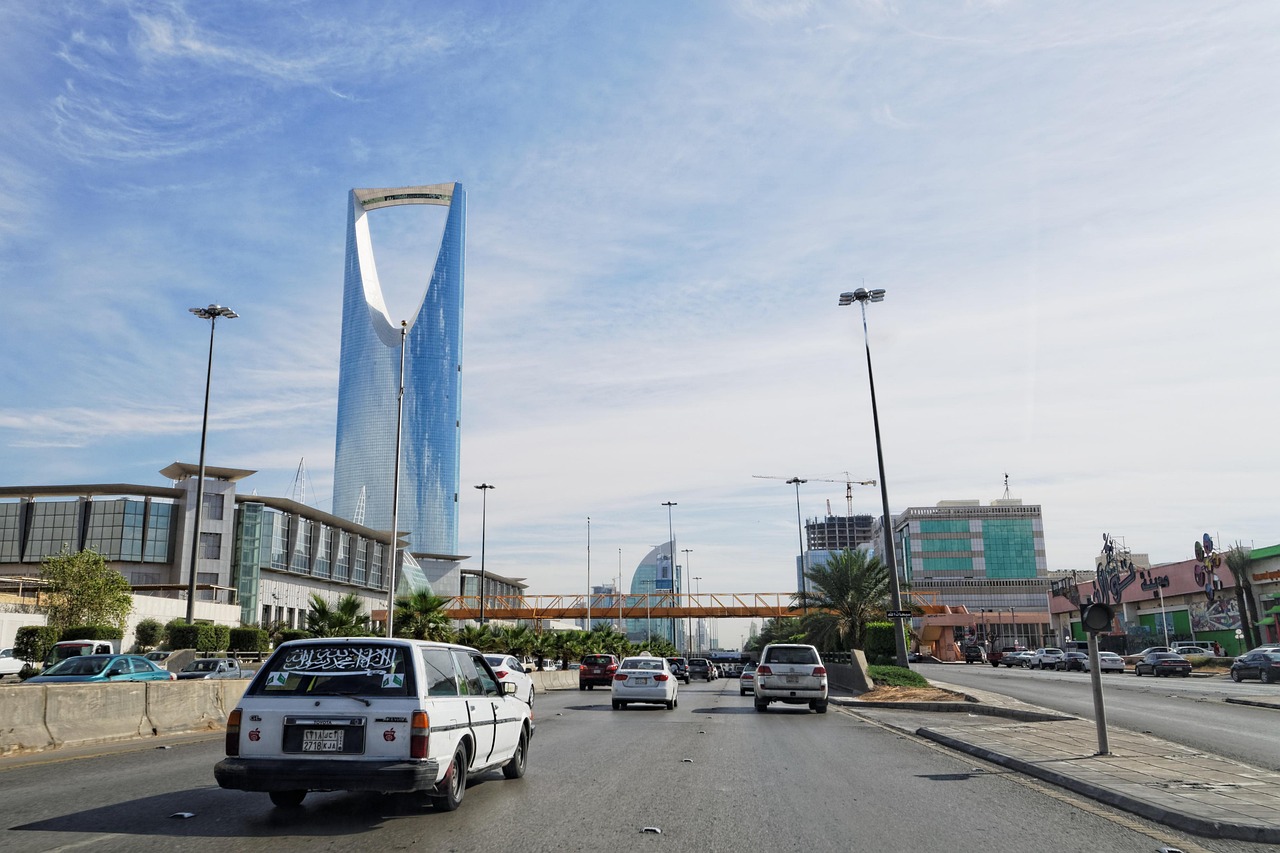
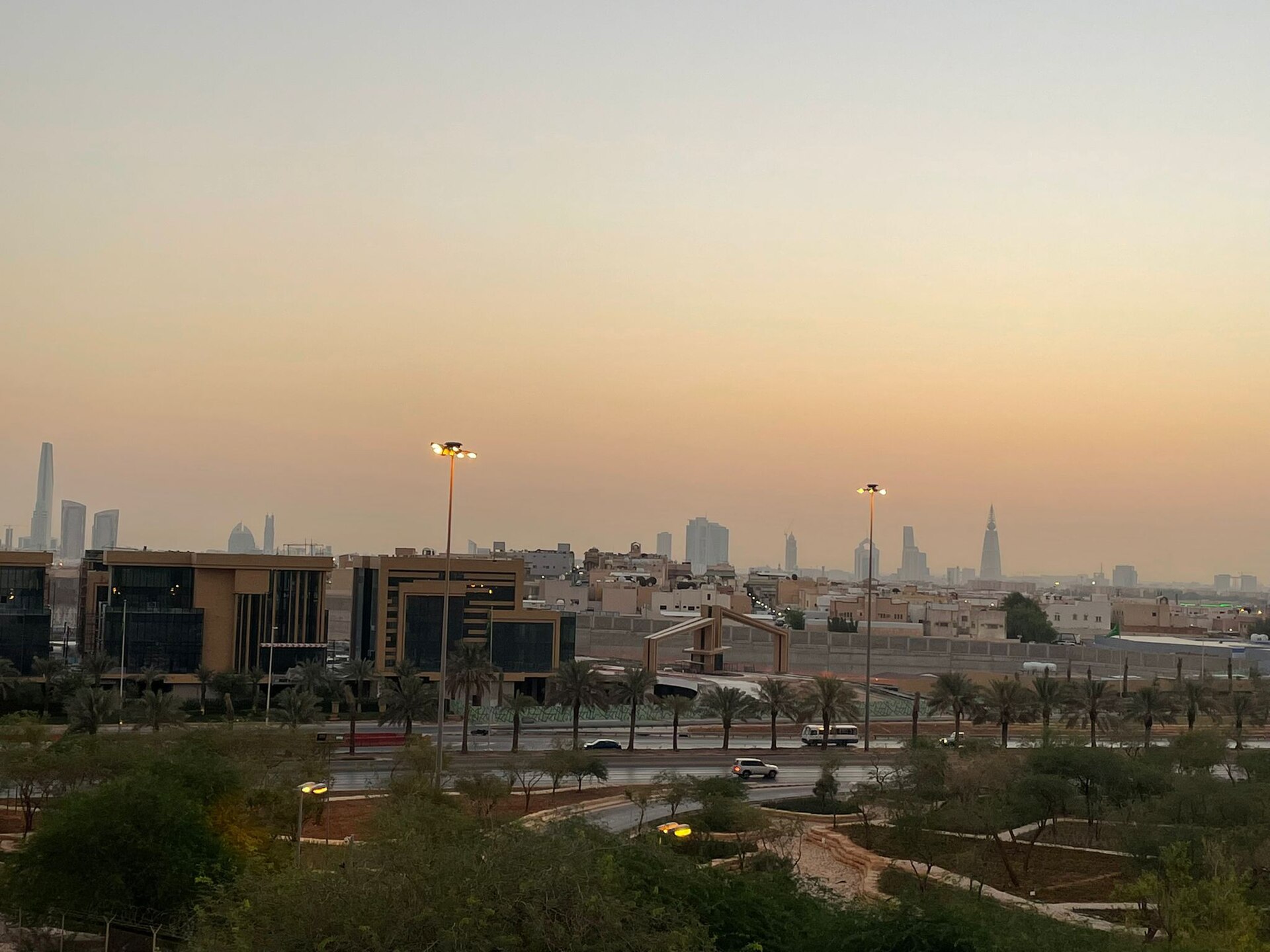
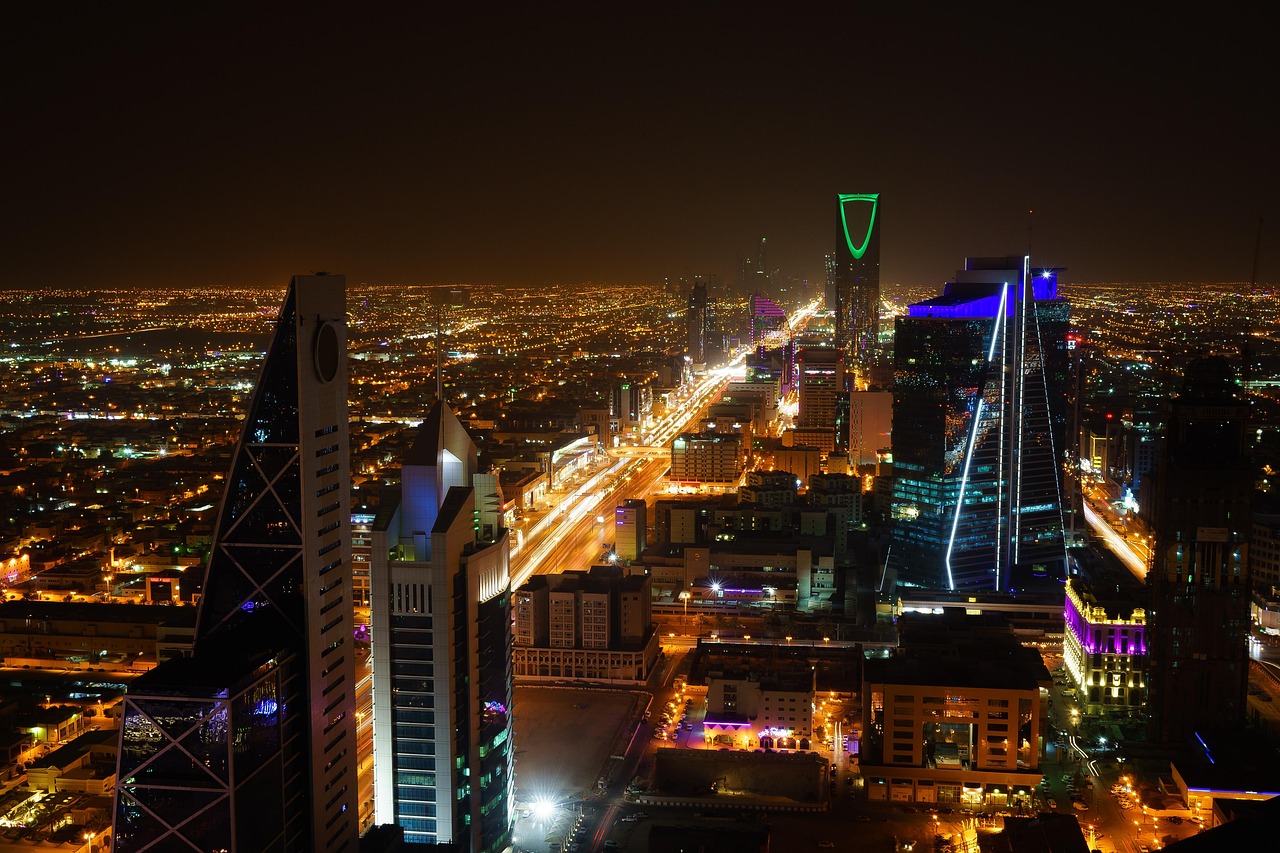
Saudi Arabia's capital: a fast-growing desert metropolis of glass towers and new boulevards, with the mud-brick birthplace of the Saudi state at Diriyah, old souqs around Masmak Fortress, the National Museum and the dramatic cliffs of the Edge of the World an hour or two away.
Heritage, UNESCO
Riyadh, Saudi Arabia
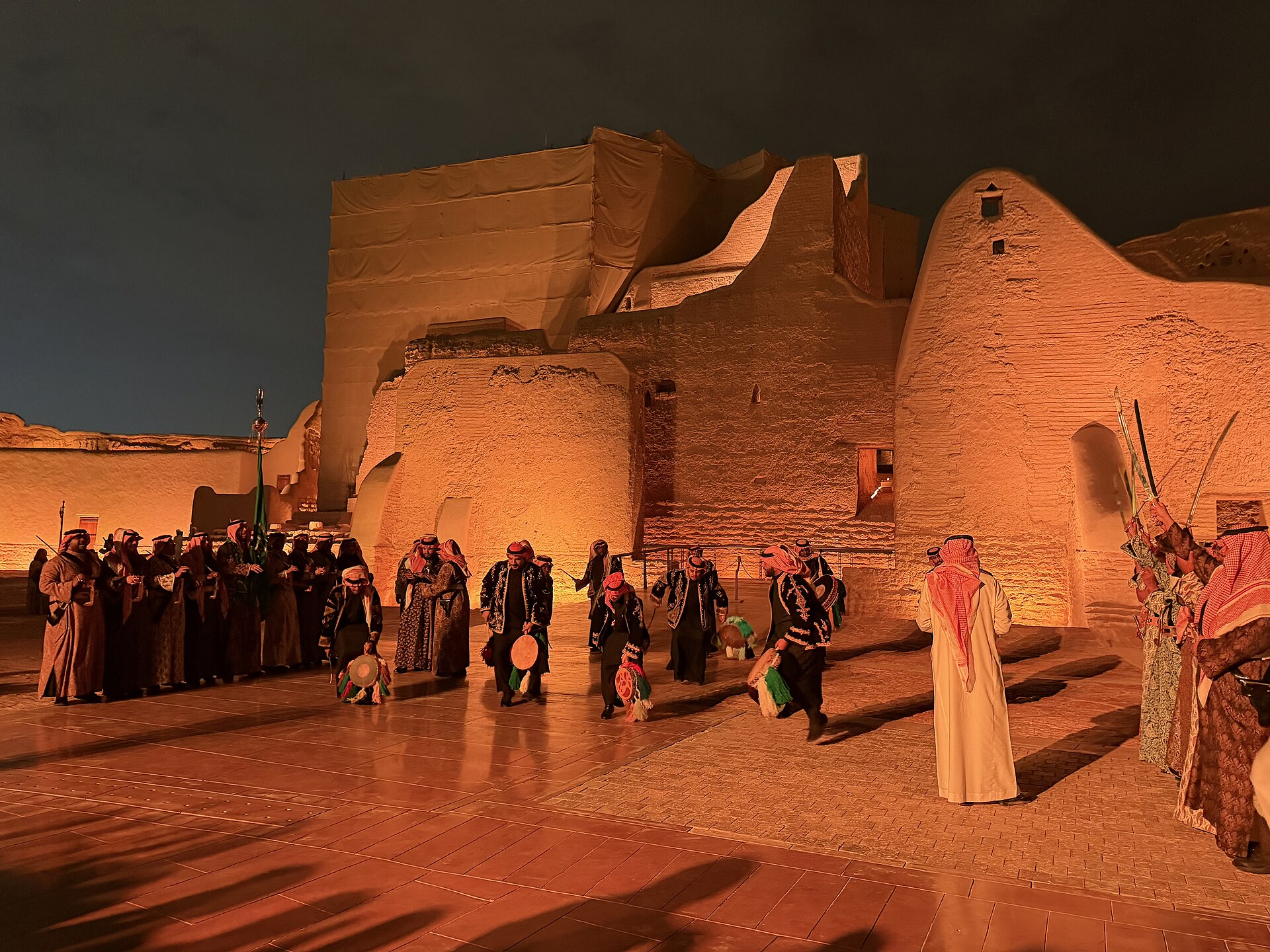
The mud-brick citadel of Diriyah, first capital of the Saudi state and a UNESCO World Heritage Site, restored as an open-air museum on the edge of Riyadh.
Explore At-Turaif, Diriyah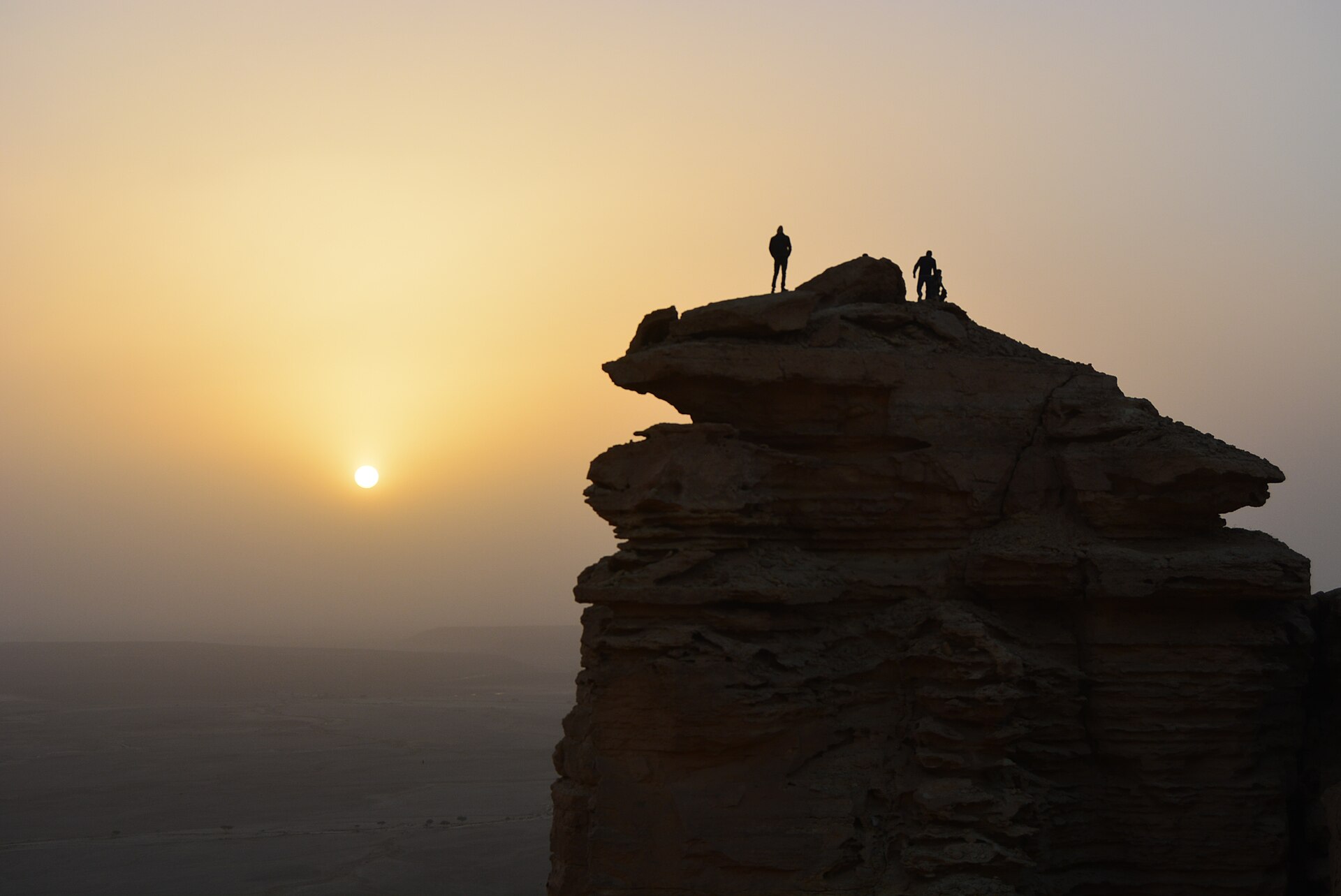
Nature, Day trip
Riyadh, Saudi Arabia
Sheer cliffs of the Tuwaiq Escarpment that drop to an endless desert plain north-west of Riyadh — the classic desert excursion from the capital, best at sunset.
Explore Edge of the World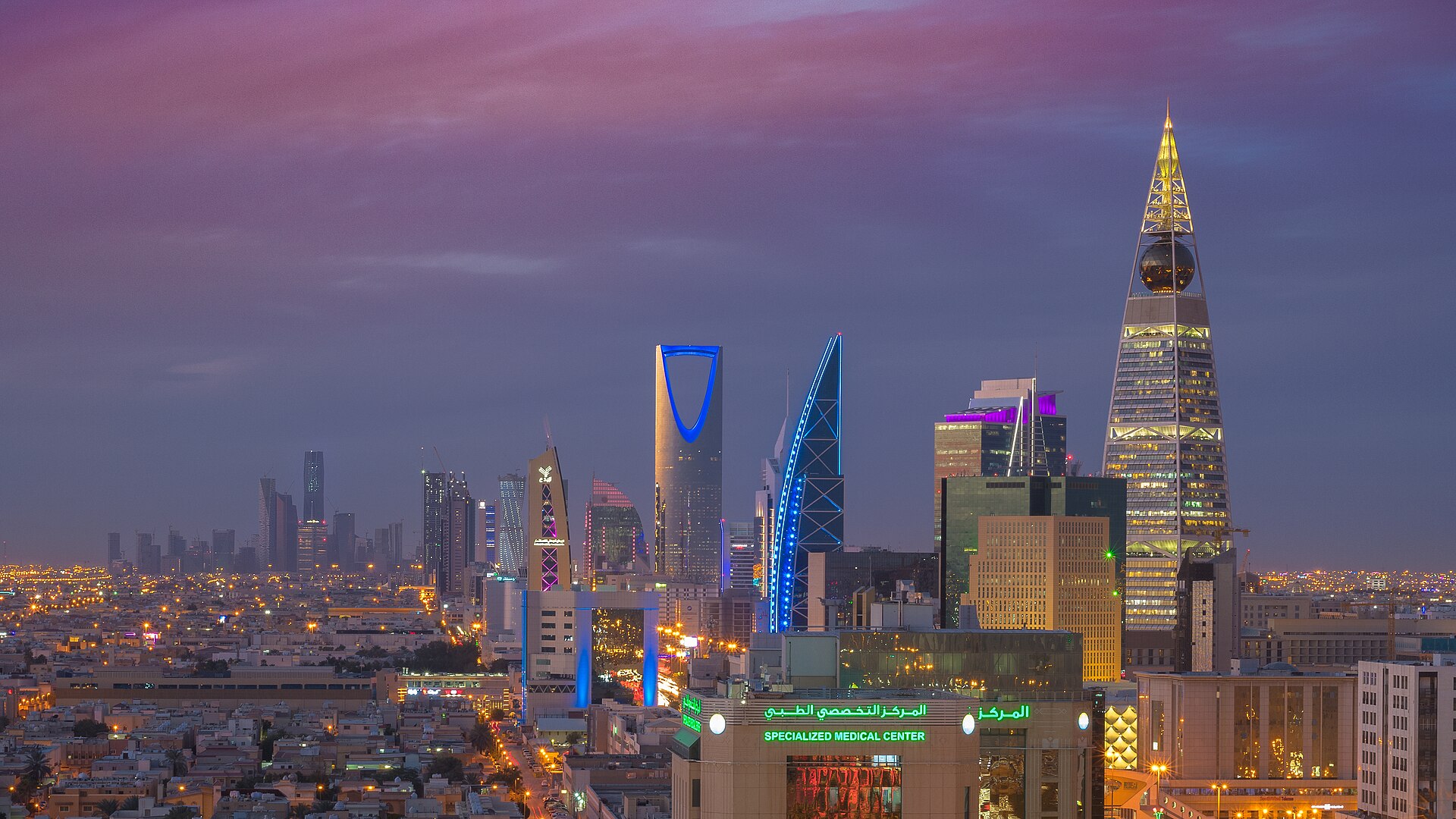
Viewpoint
Riyadh, Saudi Arabia
A glass-walled bridge near the top of Kingdom Centre, Riyadh's landmark tower, with sweeping views over the city — best after dark.
Explore Kingdom Centre Sky Bridge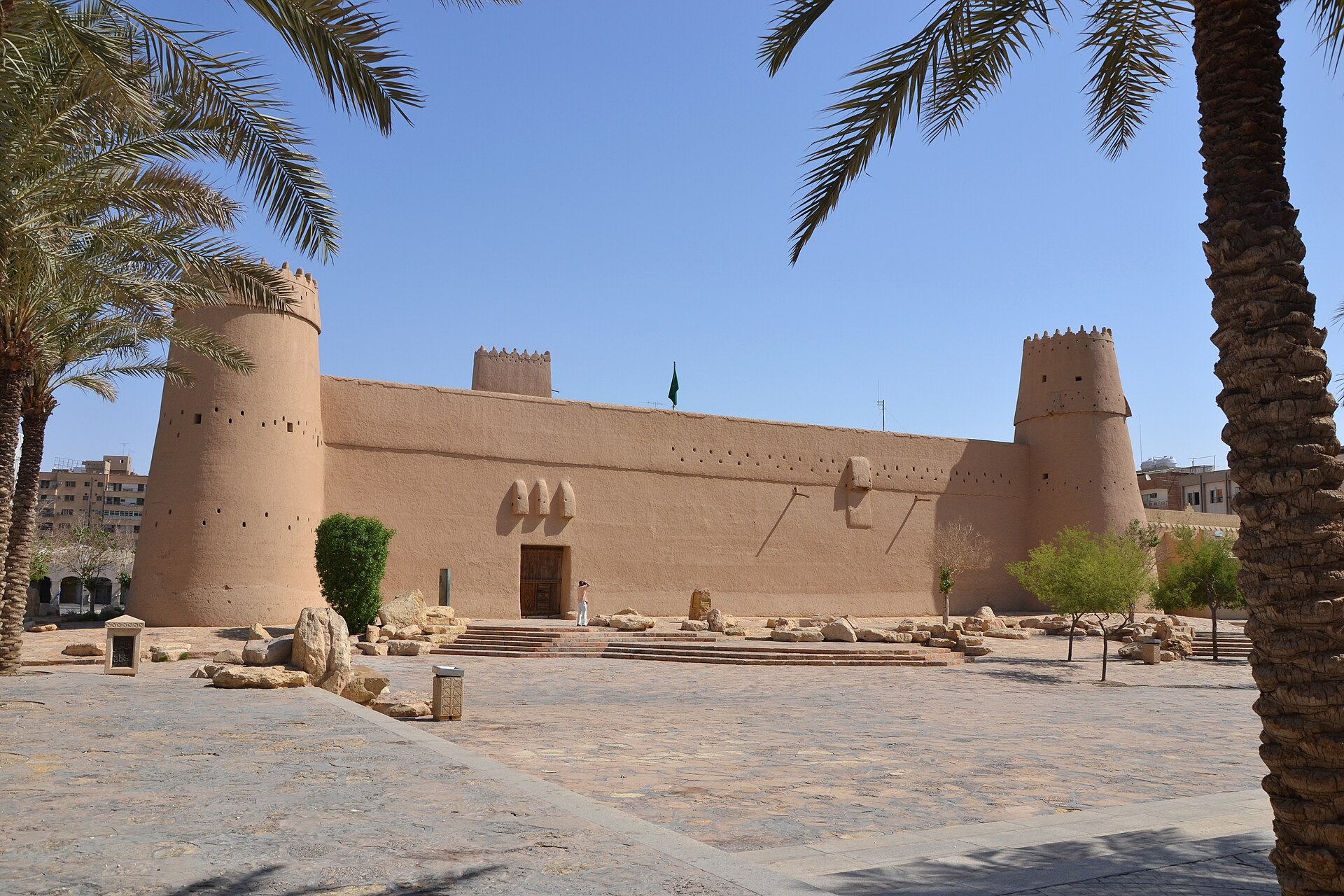
Heritage, Museum
Riyadh, Saudi Arabia
A mud-brick fort in the old centre of Riyadh, where the 1902 raid that began the founding of modern Saudi Arabia took place — now a museum.
Explore Masmak Fortress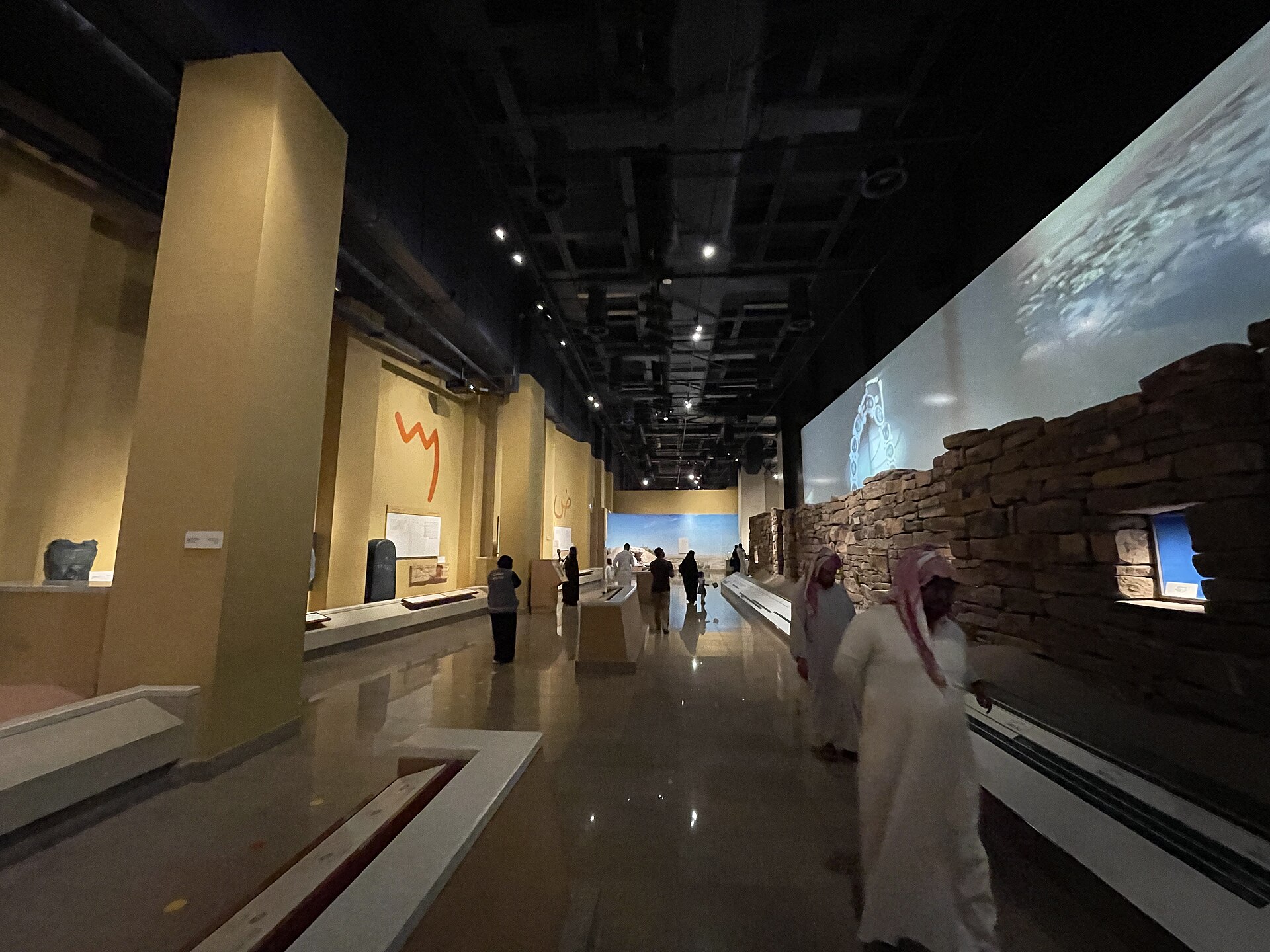
Museum
Riyadh, Saudi Arabia
The country's main museum, in the King Abdulaziz Historical Center, telling the story of Arabia from prehistory and ancient kingdoms to the birth of Islam and the Saudi state.
Explore National Museum of Saudi Arabia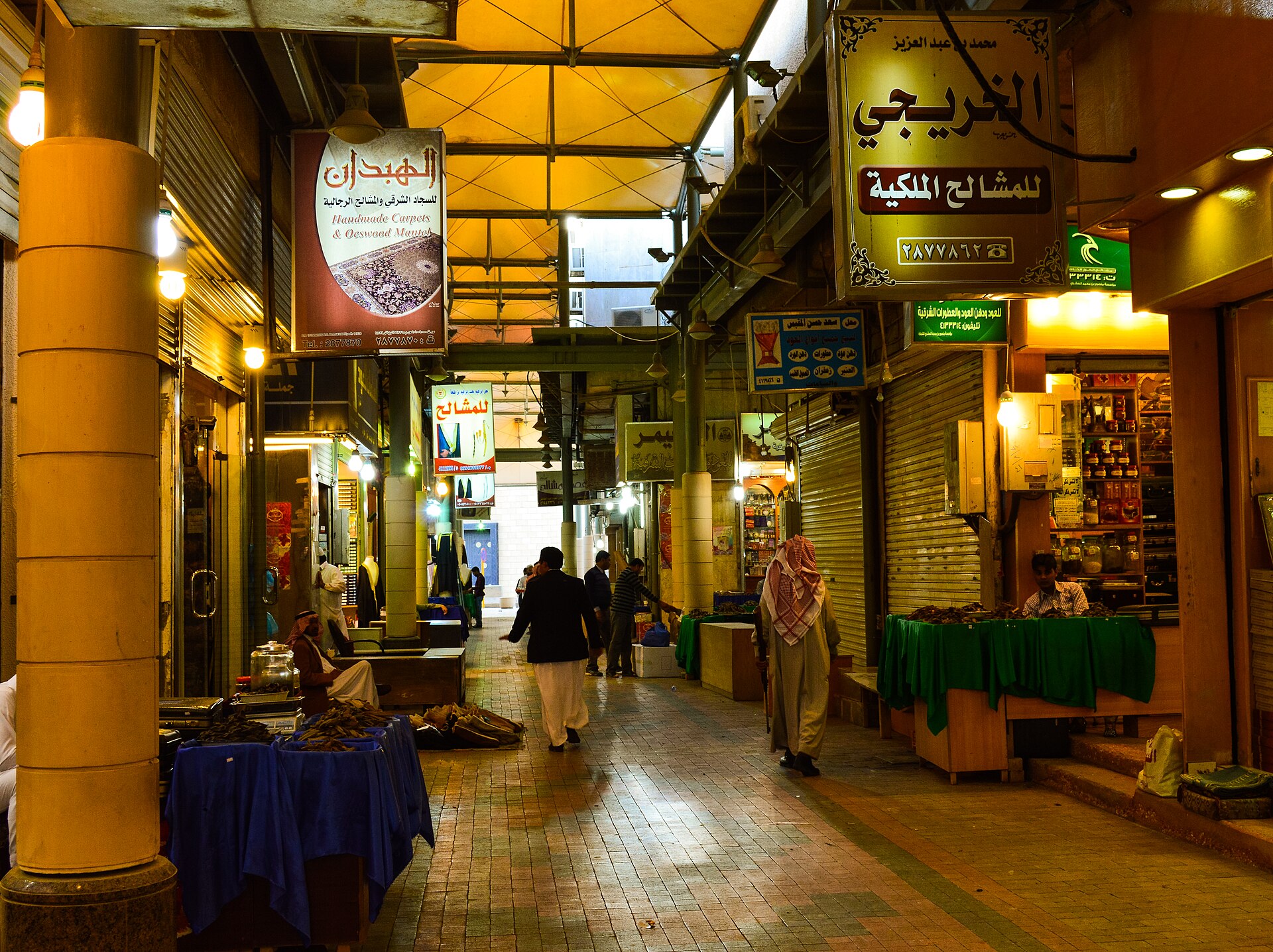
Market
Riyadh, Saudi Arabia
One of Riyadh's oldest markets, beside Masmak Fortress, selling carpets, bishts, incense, perfumes, daggers, antiques and traditional crafts.
Explore Souq Al ZalHeritage, UNESCO
Riyadh, Saudi Arabia
The mud-brick citadel of Diriyah, first capital of the Saudi state and a UNESCO World Heritage Site, restored as an open-air museum on the edge of Riyadh.
Explore At-Turaif, DiriyahHeritage, Museum
Riyadh, Saudi Arabia
A mud-brick fort in the old centre of Riyadh, where the 1902 raid that began the founding of modern Saudi Arabia took place — now a museum.
Explore Masmak FortressMuseum
Riyadh, Saudi Arabia
The country's main museum, in the King Abdulaziz Historical Center, telling the story of Arabia from prehistory and ancient kingdoms to the birth of Islam and the Saudi state.
Explore National Museum of Saudi ArabiaRiyadh, Saudi Arabia
Saudi Arabia's best-known dish: long-grain rice cooked with a warm spice mix, tomato and stock, piled on a large platter and topped with chicken or lamb, fried onions, nuts and raisins. Often shared from one tray.
Riyadh, Saudi Arabia
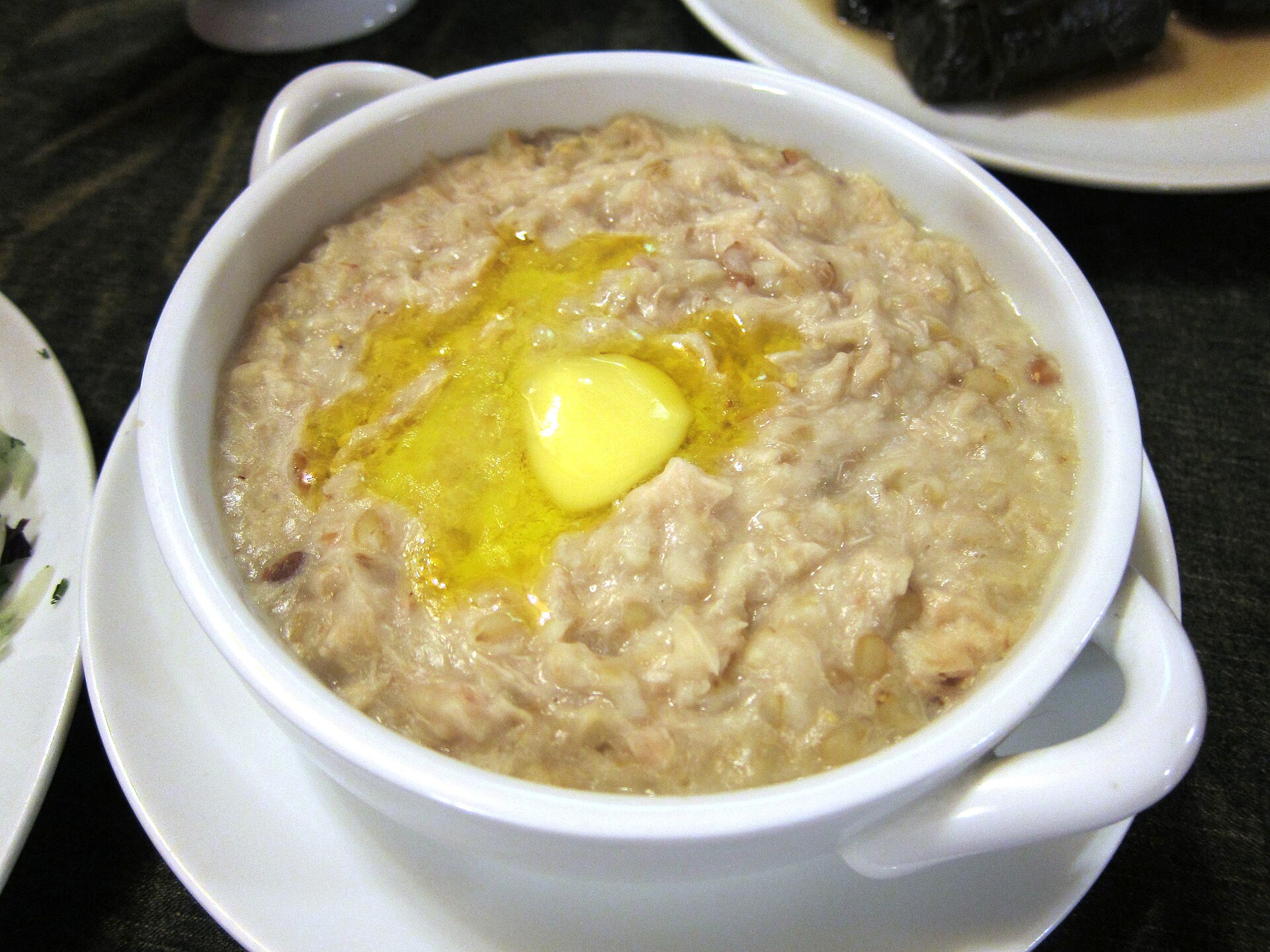
Cracked wheat slow-cooked with meat or chicken, onion and spices until creamy, a traditional dish of the Najd region around Riyadh.
Riyadh, Saudi Arabia
Diriyah, across Wadi Hanifa from At-Turaif
A dining terrace of Saudi and international restaurants and cafés overlooking the mud-brick ruins of At-Turaif. Especially pleasant in the evening when the old walls are lit.
Open in Google Maps (opens in a new tab)Around Souq Al Zal, Masmak Fortress and Qasr Al Hokm
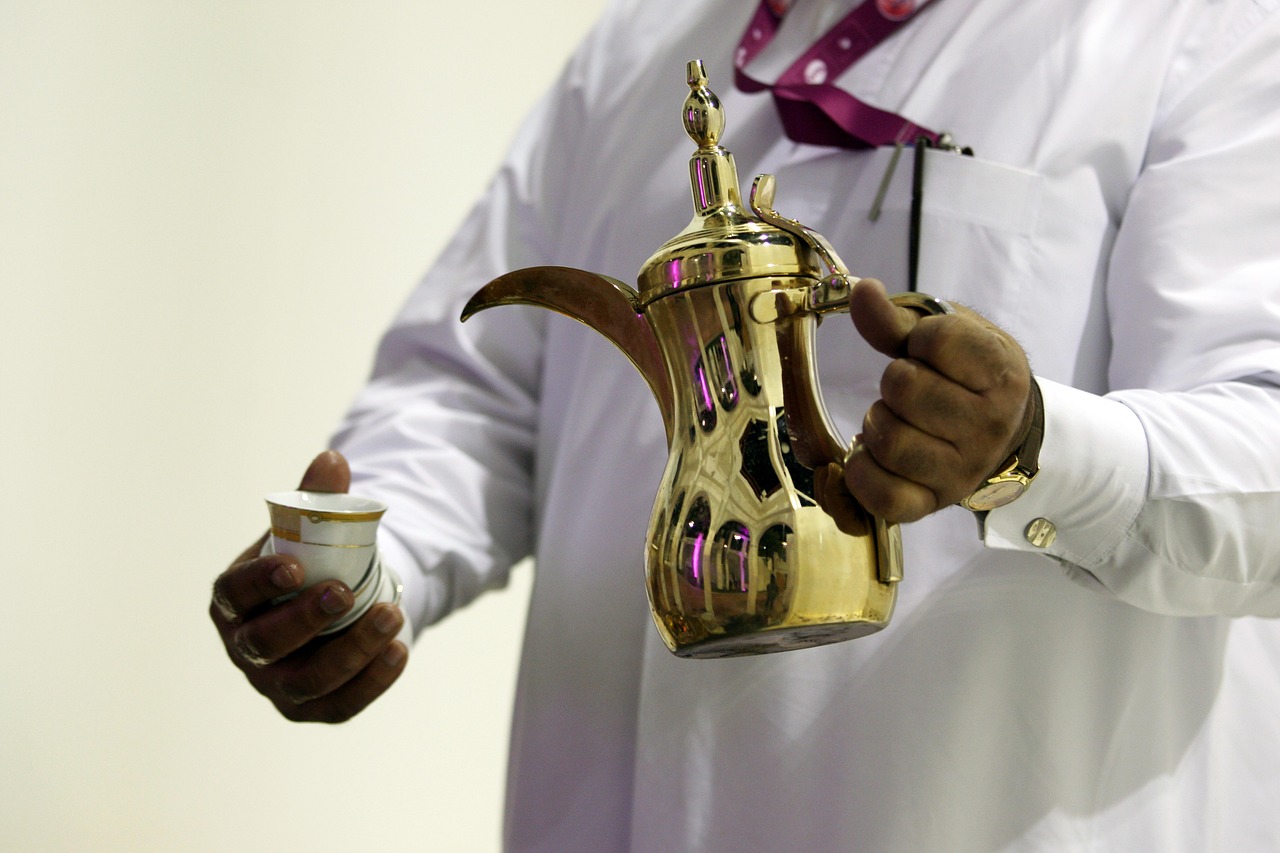
The old centre has simple local restaurants serving kabsa, mandi and grills, plus coffee stalls where men sit for gahwa and dates. Good value and very local.
Open in Google Maps (opens in a new tab)Olaya district, around Kingdom Centre
Riyadh's busiest dining strip: Saudi, Levantine, Turkish, Indian and international restaurants, cafés and dessert shops, open late into the night.
Open in Google Maps (opens in a new tab)Riyadh, Saudi Arabia
The modern business heart of Riyadh, around Kingdom Centre and Al Faisaliah Tower: large international hotels, malls and restaurants, and the Riyadh Metro Blue Line along Olaya Street.
Open in Google Maps (opens in a new tab)Riyadh, Saudi Arabia
Closest to Masmak Fortress, Souq Al Zal and the National Museum. More local in character, with mid-range hotels and a busy evening street life.
Open in Google Maps (opens in a new tab)Riyadh, Saudi Arabia
On the north-western edge of the city beside At-Turaif and Bujairi Terrace: quieter and more scenic, with newer upscale hotels as the Diriyah development grows.
Open in Google Maps (opens in a new tab)Riyadh is the capital of Najd, the central Arabian heartland, and keeps strong Bedouin and Najdi traditions: generous hospitality with gahwa and dates, poetry, falconry and the ardah sword dance, performed at national celebrations. Mud-brick Najdi architecture, with its triangular openings and crenellated walls, can still be seen at Diriyah and Masmak.
The city is also the centre of the country's rapid social change. Founding Day (22 February) and National Day (23 September) bring parades and fireworks, and the Riyadh Season fills the cooler months with concerts, events and pop-up venues.
Riyadh grew from oasis settlements in the valley of Wadi Hanifa in Najd, the heart of central Arabia. Its name comes from the Arabic for "gardens", after the palm groves and fields that once surrounded the old walled town. Just upstream, Diriyah became the seat of the House of Saud in the 15th century and the capital of the First Saudi State in the 18th century, until it was destroyed by an Ottoman-Egyptian army in 1818.
Riyadh then became the capital of the Second Saudi State. In 1902 the young Abdulaziz Ibn Saud recaptured the city by taking Masmak Fortress — the start of the campaign that led to the founding of the Kingdom of Saudi Arabia in 1932, with Riyadh as its capital.
Oil wealth from the mid-20th century turned the small mud-brick town into a modern city of several million people. Today Riyadh is changing again: new museums, the restored Diriyah, the Riyadh Metro, entertainment seasons and wide new parks are opening the capital to visitors for the first time.
Morning at the National Museum and Al Murabba, then Masmak Fortress and the Qasr Al Hokm area. Late afternoon browsing Souq Al Zal, dinner at a traditional restaurant nearby.
Afternoon walking the mud-brick lanes of At-Turaif, then sunset and dinner at Bujairi Terrace overlooking the lit ruins.
An early-afternoon 4x4 trip to the Edge of the World cliffs for sunset, or a relaxed day in Olaya ending on the Kingdom Centre Sky Bridge after dark.
November to March, when days are warm and evenings cool. Summers (June–September) are extremely hot and dry, often over 45 °C.
By air: King Khalid International Airport (RUH), about 35 km north of the centre, has flights from across the Middle East, Europe, Asia and Africa and frequent domestic flights to Jeddah, Dammam and other cities. Taxis, ride-hailing apps and the Riyadh Metro (Yellow Line) connect the airport to the city.
By train: Saudi Arabia Railways (SAR) runs trains east to Dammam via Hofuf, and north to Qassim, Hail and Al Jouf.
By road: Highways link Riyadh with Dammam (about 400 km), Qassim and Jeddah/Makkah (about 950 km). Intercity buses run between the main cities.