Saleeg
Makkah, Saudi Arabia
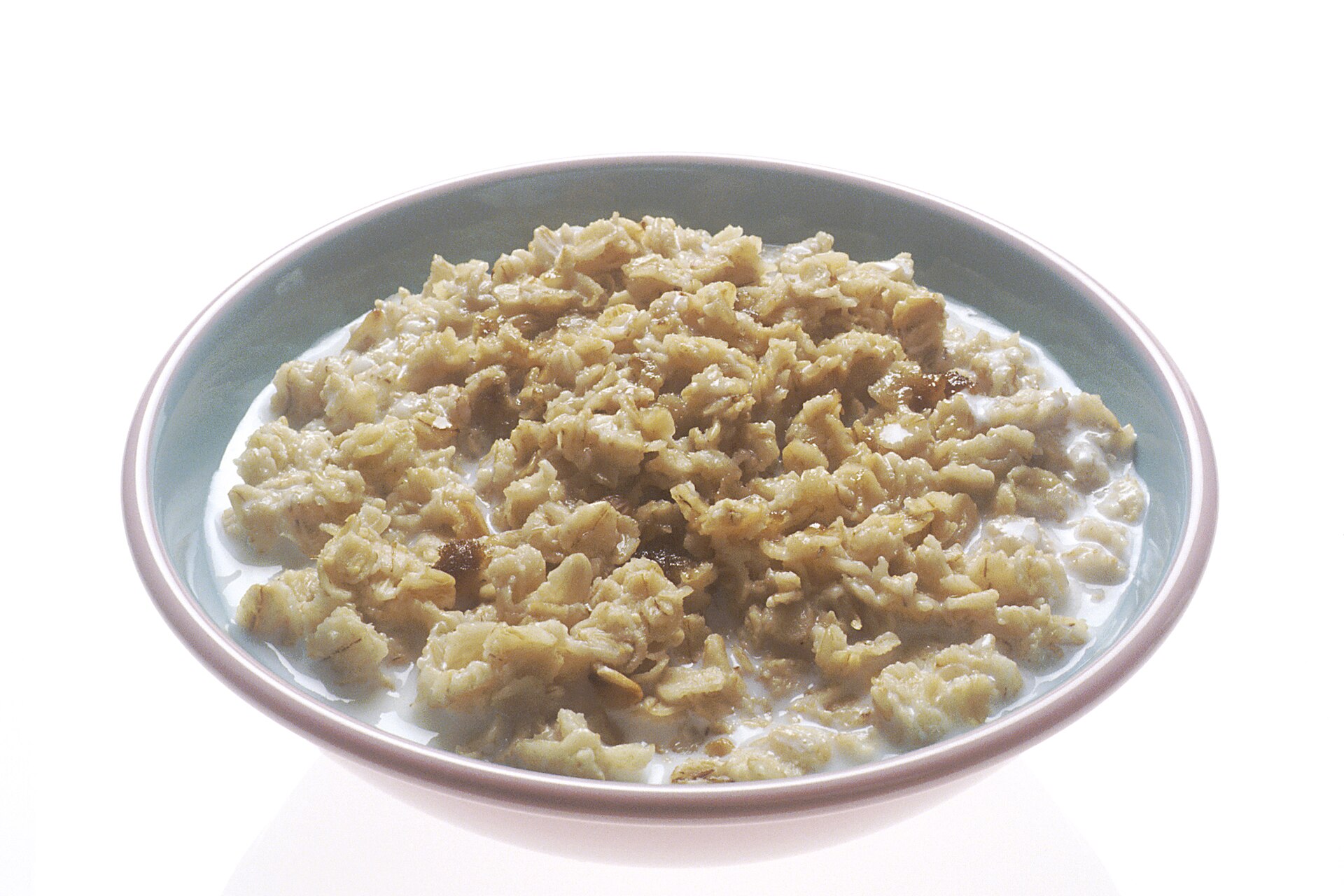
A comforting Hejazi dish from the Taif, Makkah and Jeddah region: short-grain white rice slow-cooked in milk and broth until creamy, served with roast chicken and a drizzle of ghee.
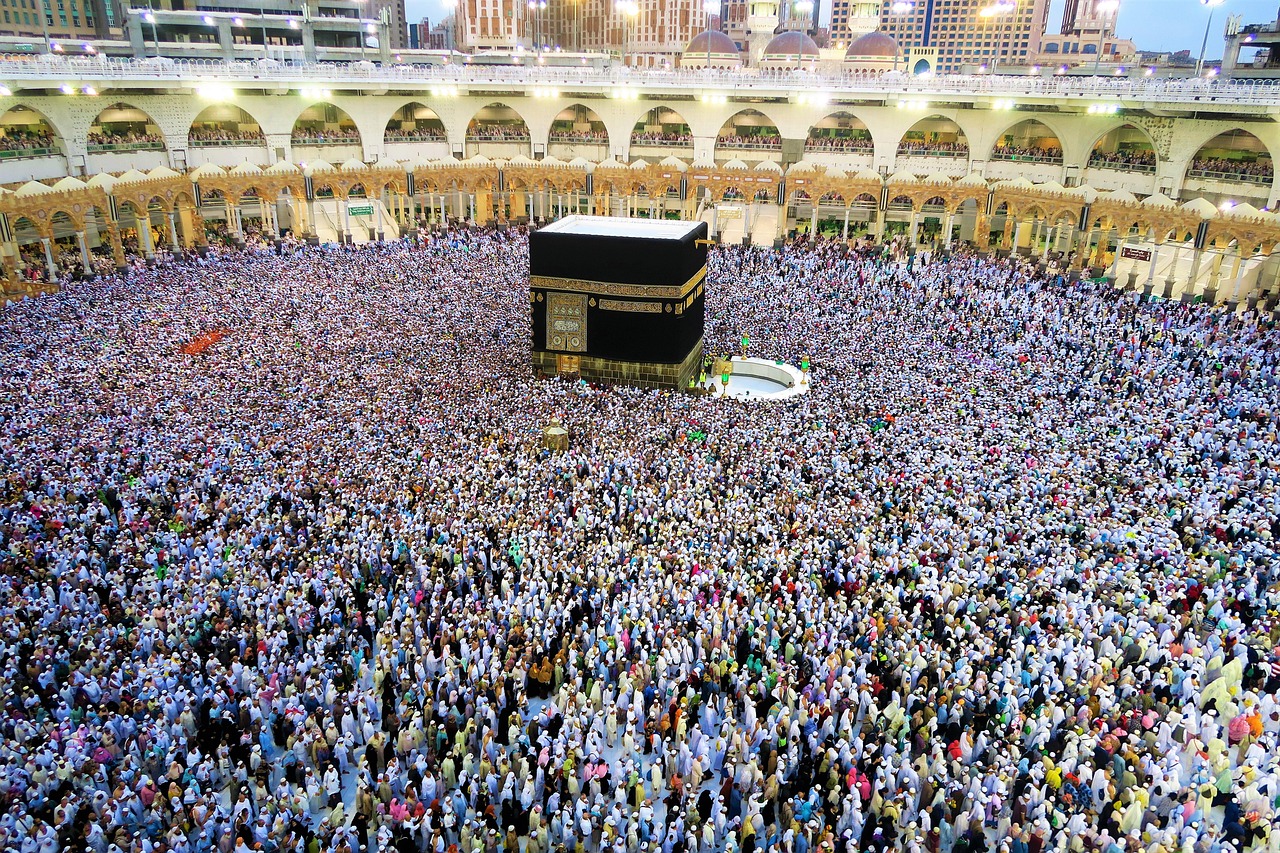
 Makkah, Saudi Arabia
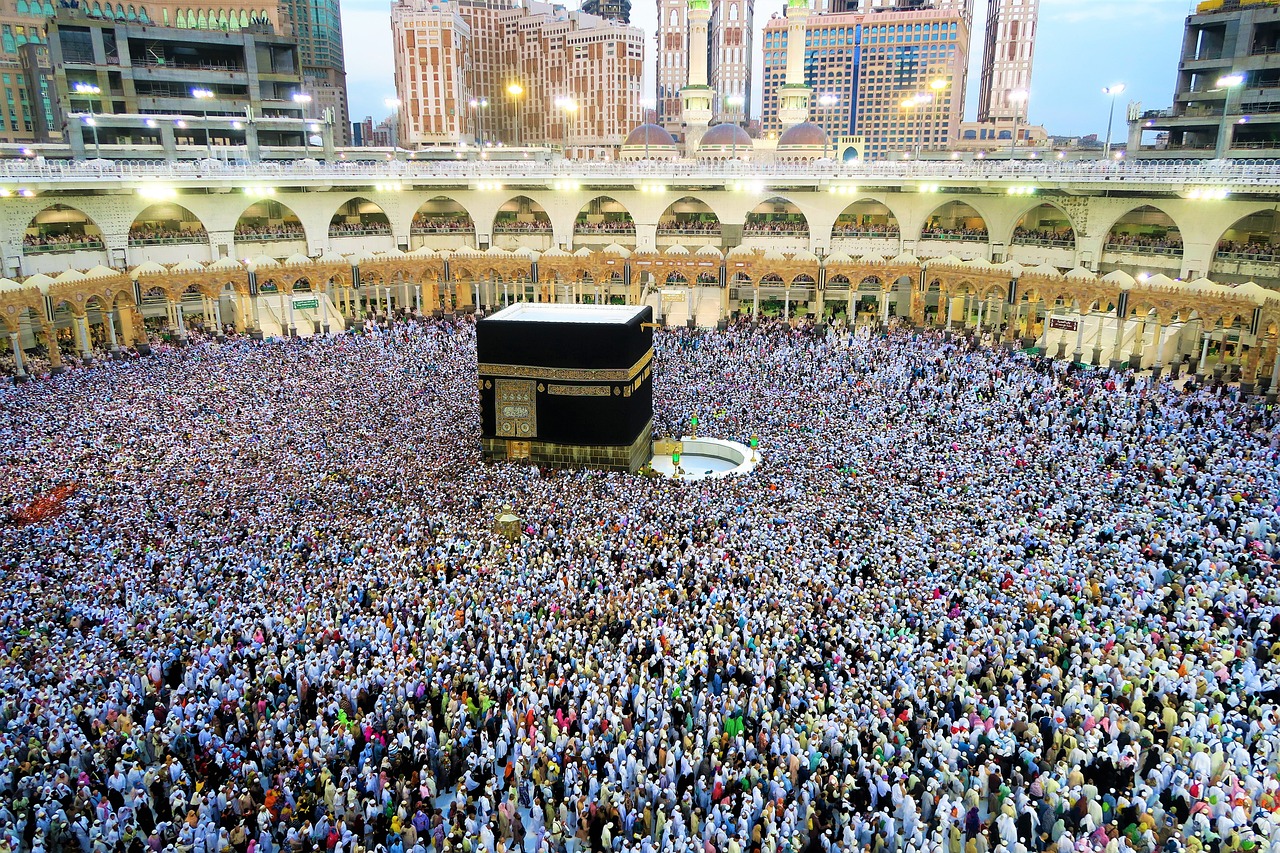
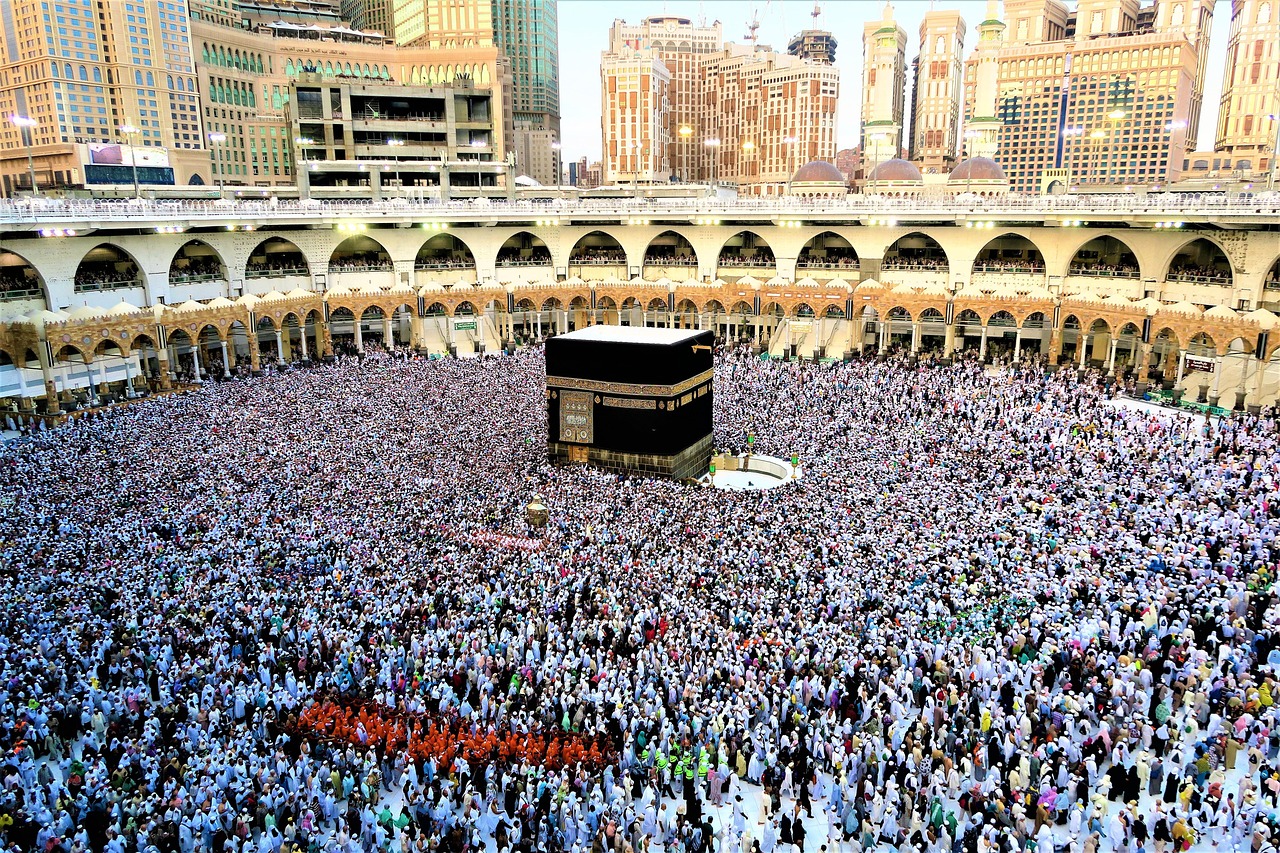
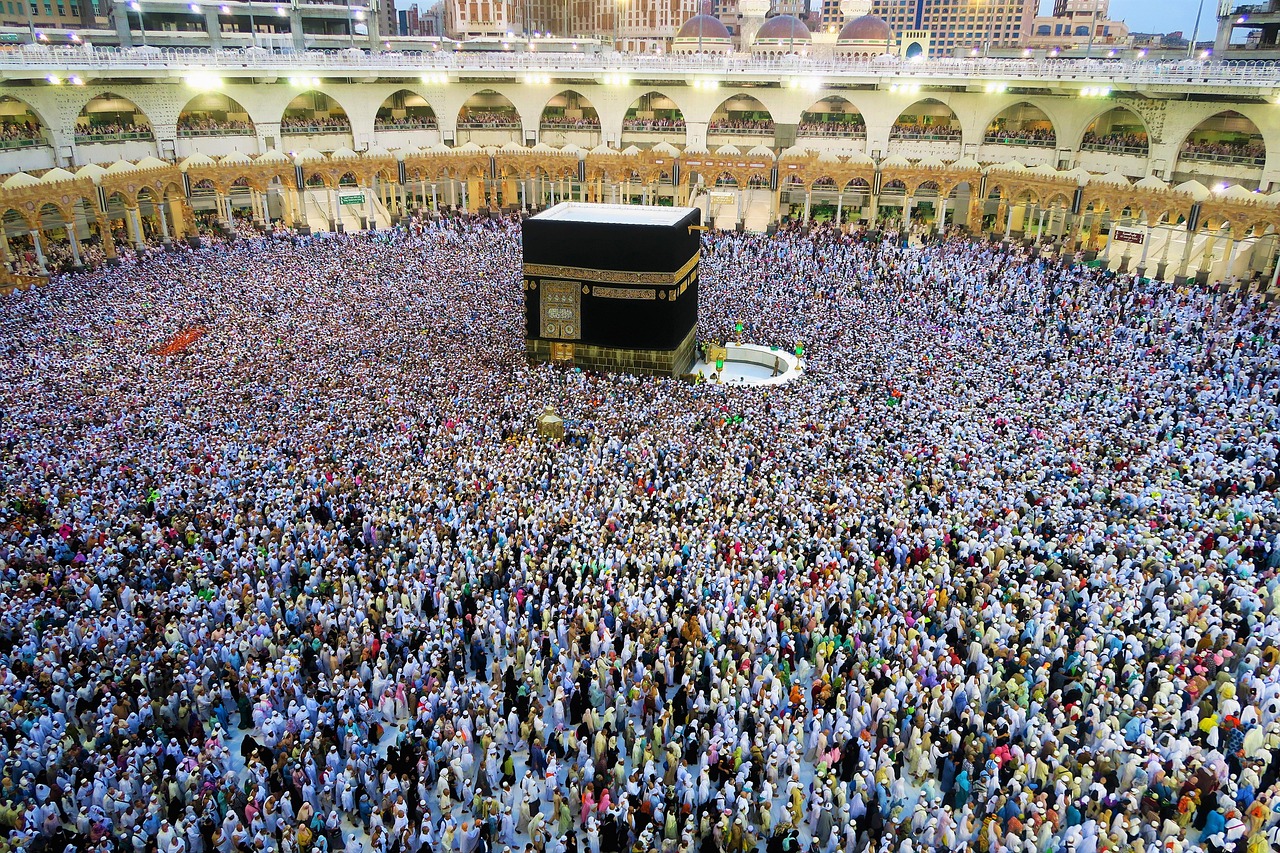
Islam's holiest city, home to Masjid al-Haram and the Kaaba, the direction of prayer for Muslims everywhere. Millions come each year for Umrah and Hajj. Makkah is open to Muslims only.
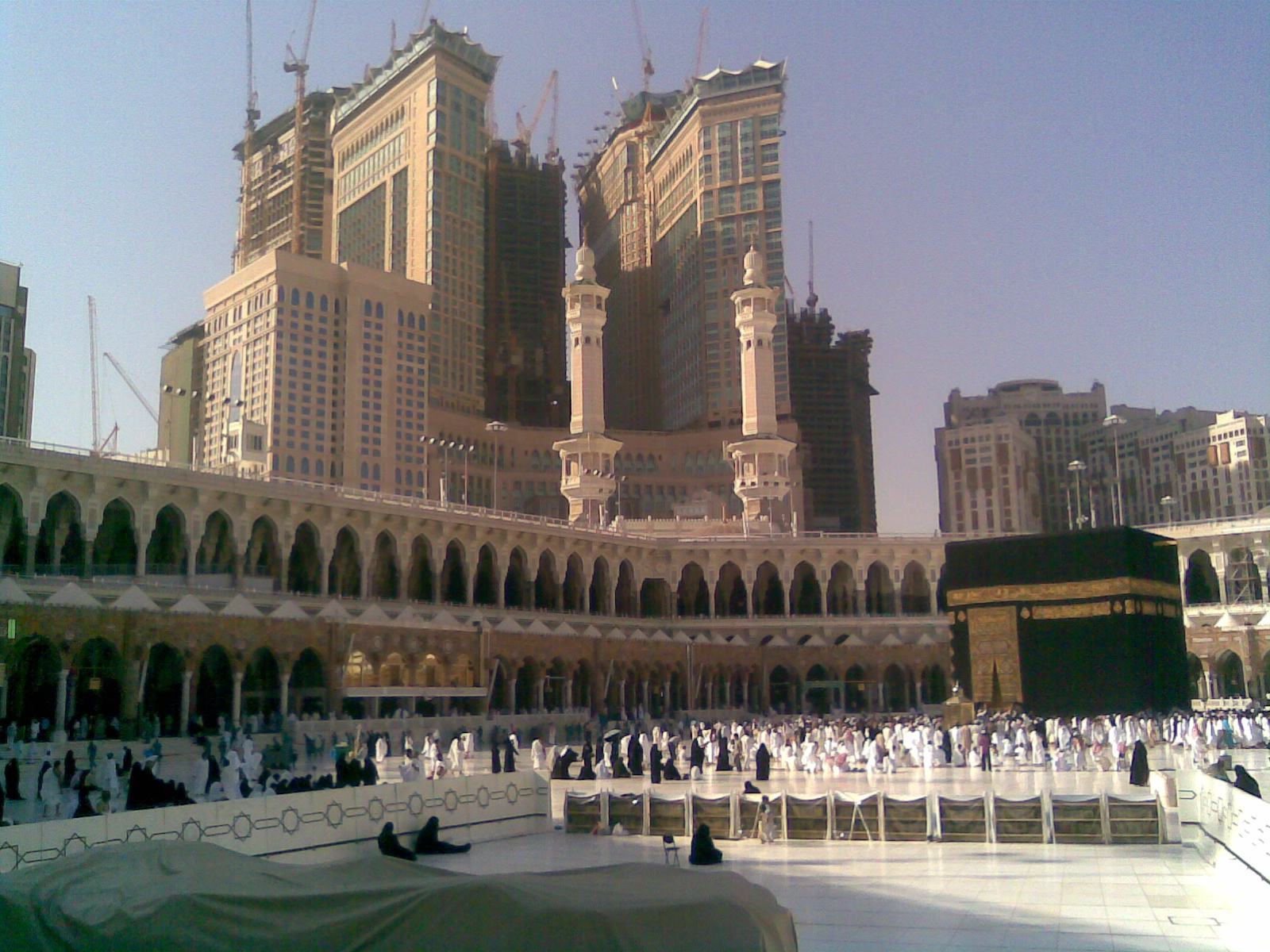
Museum, Viewpoint
Makkah, Saudi Arabia
A museum of astronomy and timekeeping in the upper floors of the Makkah Clock Royal Tower (Abraj Al Bait), next to the Haram, with views over the Sacred Mosque.
Explore Clock Tower MuseumMuseum, Cultural centre
Makkah, Saudi Arabia
A cultural district at the foot of Jabal al-Nour with exhibitions on the revelation of the Quran and the history of Makkah, plus a visitor area, gardens and cafés.
Explore Hira Cultural District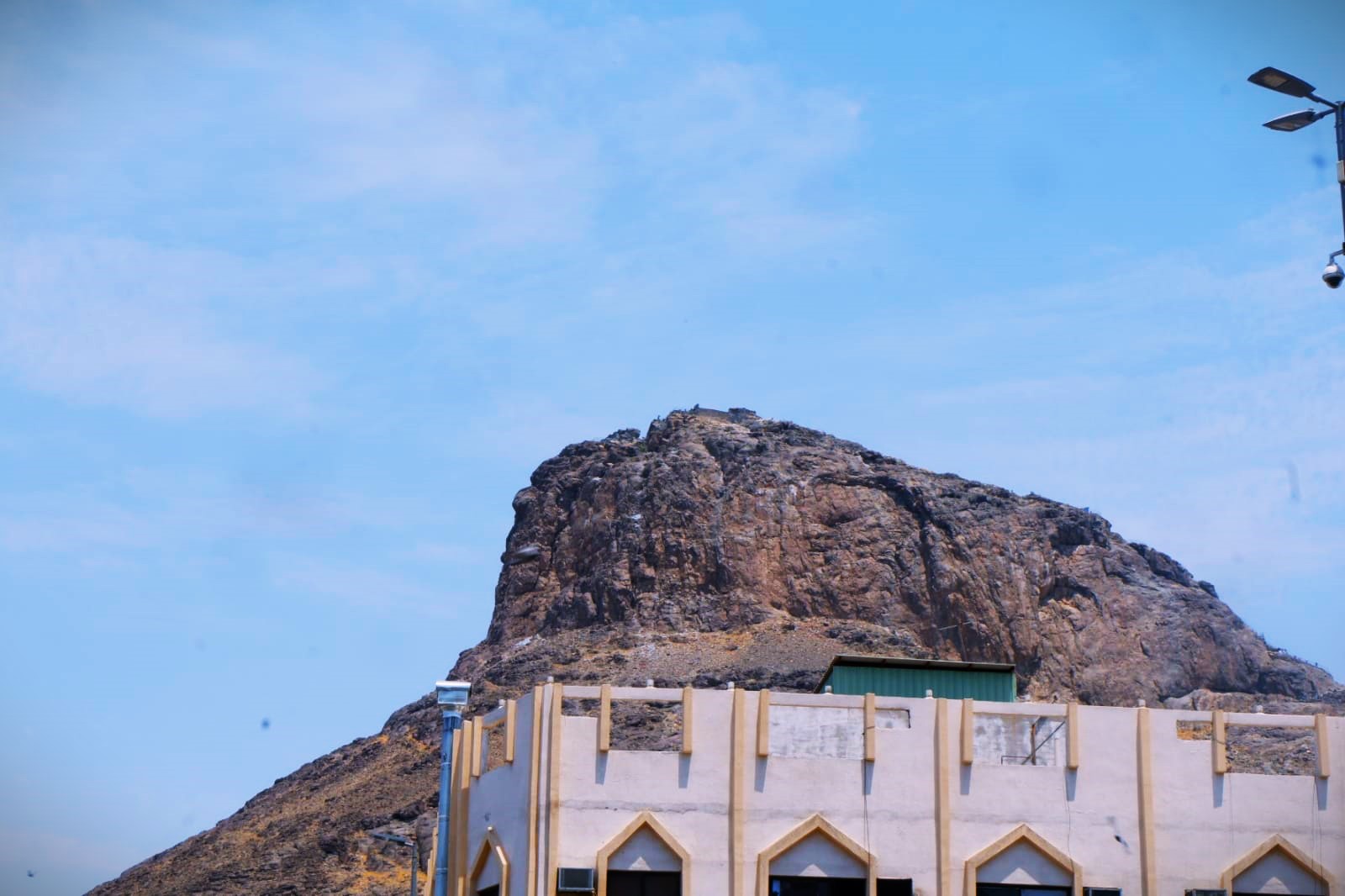
Holy site, Hike
Makkah, Saudi Arabia
The "Mountain of Light" north-east of the Haram, where in the Cave of Hira the Prophet Muhammad (peace be upon him) received the first revelation of the Quran.
Explore Jabal al-Nour & Cave HiraMuseum, Craft workshop
Makkah, Saudi Arabia
The workshops where the Kiswa, the black silk covering of the Kaaba embroidered with gold and silver thread, is woven and stitched by hand each year.
Explore King Abdulaziz Complex for the Holy Kaaba Kiswa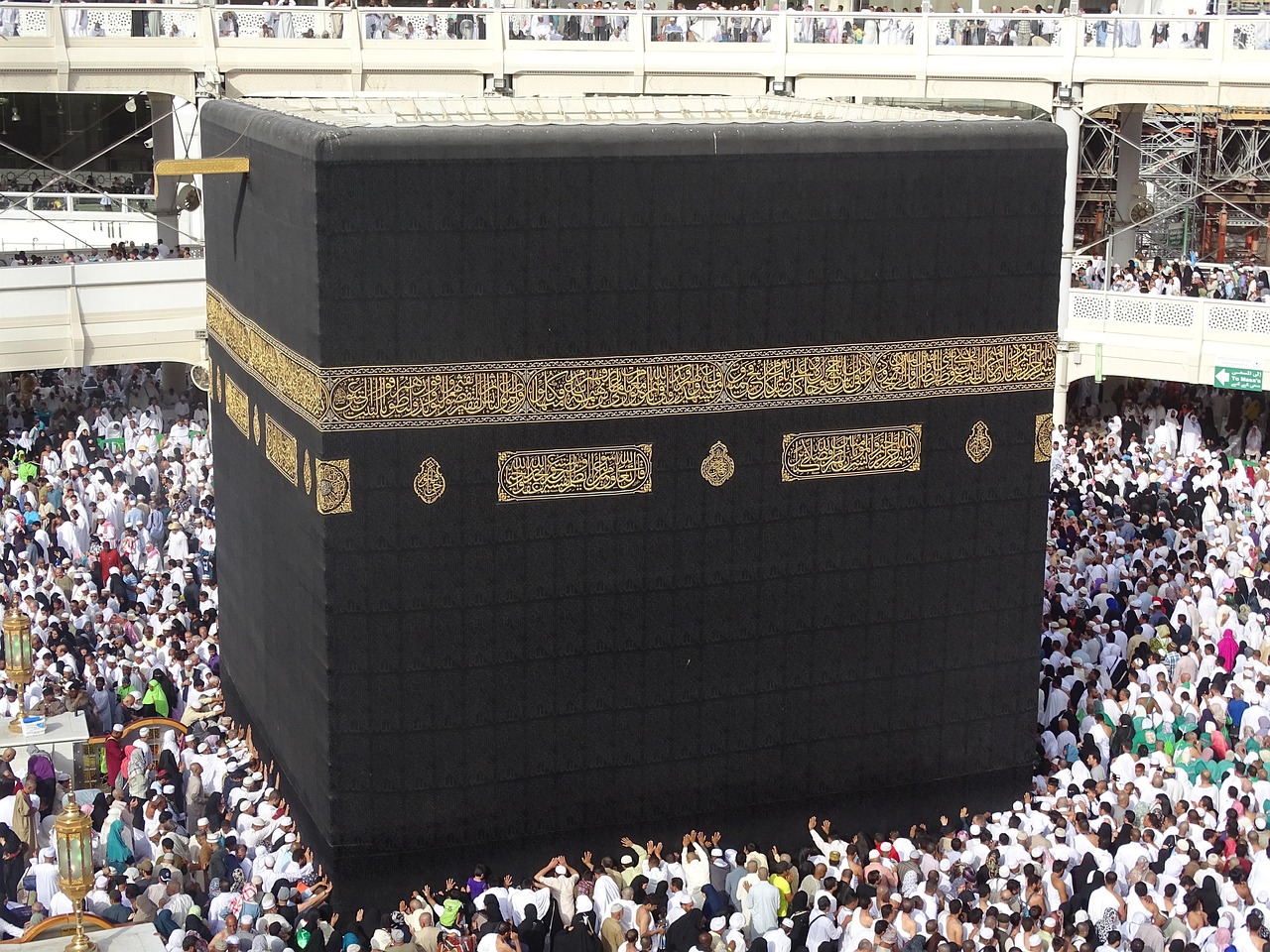
Mosque, Holy site
Makkah, Saudi Arabia
The Sacred Mosque of Makkah, the holiest site in Islam, built around the Kaaba — the House of Allah that Muslims face in every prayer.
Explore Masjid al-Haram & the Kaaba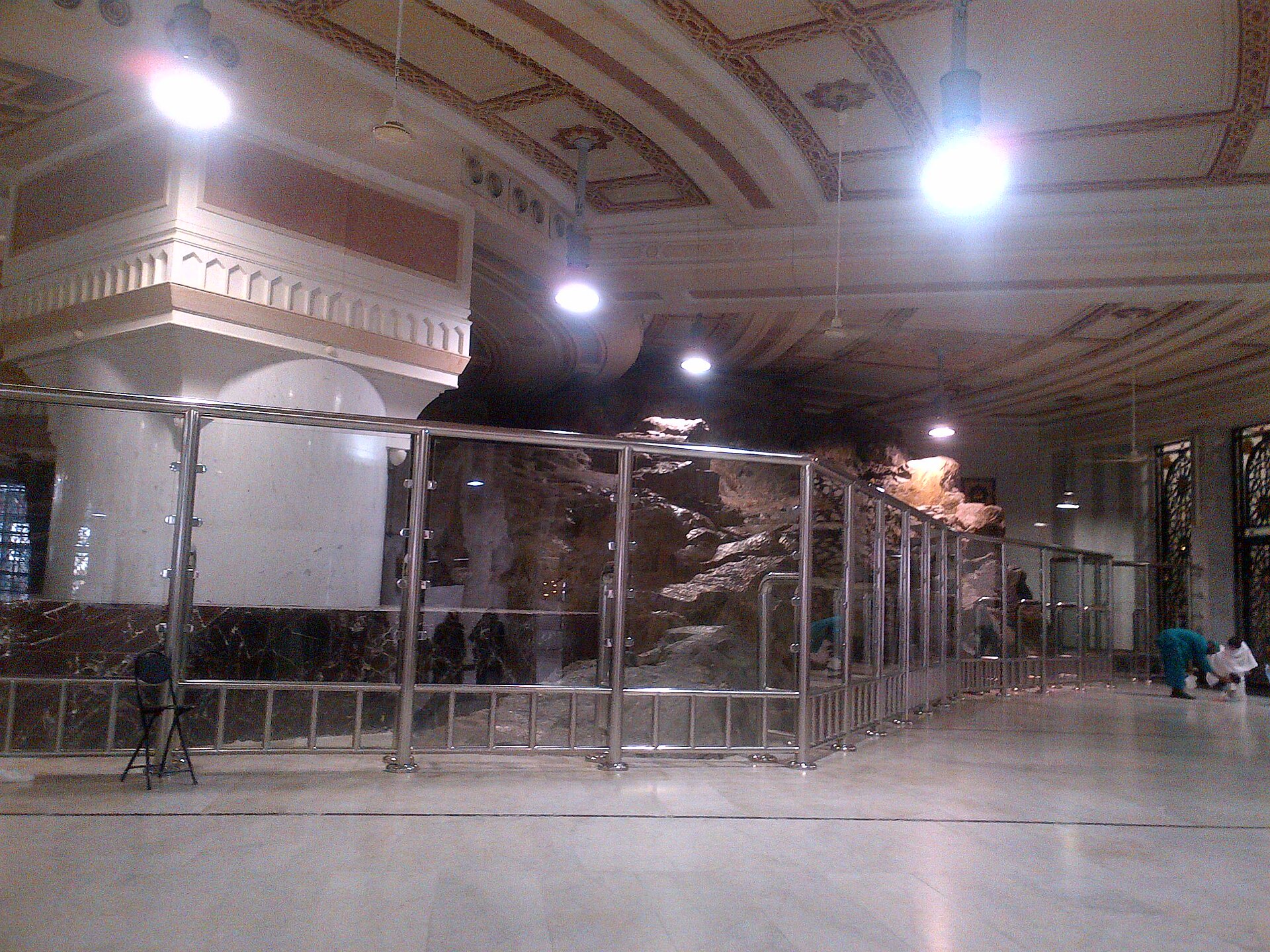
Holy site
Makkah, Saudi Arabia
Two small hills, now enclosed within Masjid al-Haram, between which pilgrims walk seven times in the sa'i, remembering Hajar's search for water.
Explore Safa and MarwahMuseum, Viewpoint
Makkah, Saudi Arabia
A museum of astronomy and timekeeping in the upper floors of the Makkah Clock Royal Tower (Abraj Al Bait), next to the Haram, with views over the Sacred Mosque.
Explore Clock Tower MuseumMuseum, Cultural centre
Makkah, Saudi Arabia
A cultural district at the foot of Jabal al-Nour with exhibitions on the revelation of the Quran and the history of Makkah, plus a visitor area, gardens and cafés.
Explore Hira Cultural DistrictMuseum, Craft workshop
Makkah, Saudi Arabia
The workshops where the Kiswa, the black silk covering of the Kaaba embroidered with gold and silver thread, is woven and stitched by hand each year.
Explore King Abdulaziz Complex for the Holy Kaaba KiswaMosque, Holy site
Makkah, Saudi Arabia
The Sacred Mosque of Makkah, the holiest site in Islam, built around the Kaaba — the House of Allah that Muslims face in every prayer.
Explore Masjid al-Haram & the KaabaMakkah, Saudi Arabia
A comforting Hejazi dish from the Taif, Makkah and Jeddah region: short-grain white rice slow-cooked in milk and broth until creamy, served with roast chicken and a drizzle of ghee.
Makkah, Saudi Arabia
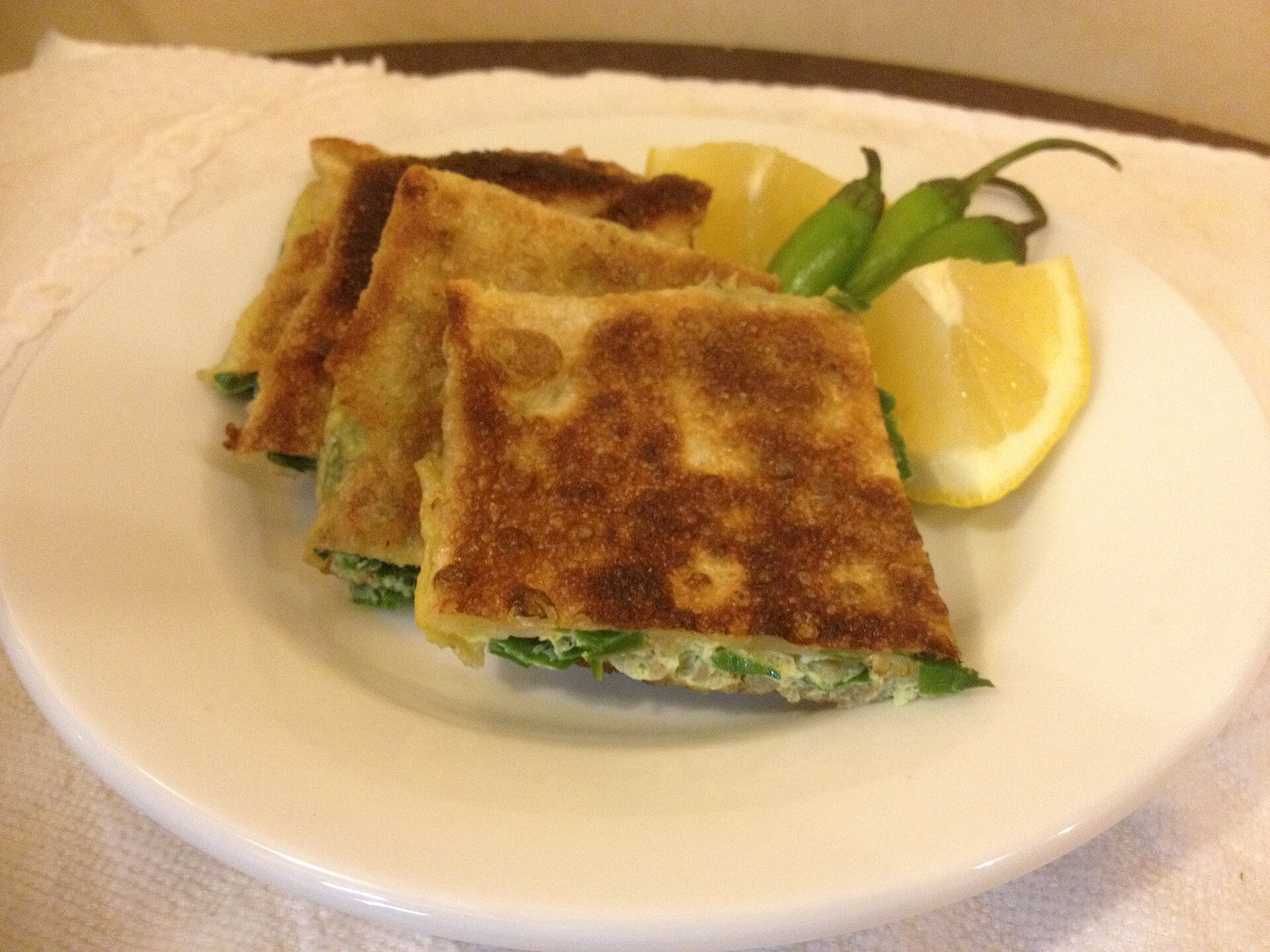
Thin, crispy folded pastry filled with minced meat, egg and leek (or a sweet banana and cheese version), cooked on a hot griddle. A favourite Hejazi street snack, especially in the evening and in Ramadan.
Makkah, Saudi Arabia
Not a dish but the drink every pilgrim remembers: water from the well of Zamzam inside Masjid al-Haram, available in coolers throughout the mosque. Pilgrims drink it standing, facing the Qibla, and many take it home.
Abraj Al Bait (Clock Towers) and the hotels around Masjid al-Haram
The malls and hotels facing the mosque have large food courts with Saudi, South Asian, Turkish and international food, open long hours for pilgrims.
Open in Google Maps (opens in a new tab)Aziziyah, Ajyad and the neighbourhoods around the Haram
Small bakeries sell hot tamees bread and ful for breakfast, and neighbourhood restaurants serve saleeg, mandi, kabsa and grills — often better value than the food courts.
Open in Google Maps (opens in a new tab)Branches across Makkah
The Jeddah-born fried-chicken chain is a pilgrim favourite in Makkah; queues get long around prayer times and in Ramadan.
Open in Google Maps (opens in a new tab)Makkah, Saudi Arabia
Hotels facing or a few minutes from Masjid al-Haram, including the Clock Tower complex. The most convenient for praying in the mosque, and the most in demand in Ramadan and Hajj.
Open in Google Maps (opens in a new tab)Makkah, Saudi Arabia
A residential district between the Haram and Mina, popular with Hajj and Umrah groups. Quieter and better value, with shuttle buses or taxis to the mosque.
Open in Google Maps (opens in a new tab)Makkah, Saudi Arabia
South of the Haram, a walk or short ride away: many mid-range hotels and local shops and restaurants.
Open in Google Maps (opens in a new tab)Makkah's life revolves around the Haram and the five daily prayers. Pilgrims from every corner of the Muslim world fill its streets, speaking dozens of languages, and the city's Hejazi families have welcomed and served them for generations.
The rhythm of the year follows the Islamic calendar: the crowded nights of Ramadan, the days of Hajj in Dhul Hijjah and the Eid celebrations. Courtesy, patience and helping fellow pilgrims are part of the spirit of the city.
Makkah lies in a dry valley of the Hejaz mountains. In Islamic tradition, the Prophet Ibrahim (Abraham) and his son Ismail raised the foundations of the Kaaba here, and the well of Zamzam sprang for Hajar and Ismail. Makkah became a centre of pilgrimage and of caravan trade across Arabia.
The Prophet Muhammad (peace be upon him) was born in Makkah around 570 CE, and here, in the Cave of Hira on Jabal al-Nour, he received the first revelation of the Quran. After years of persecution he migrated to Madinah in 622 (the Hijrah), and returned in 630, when the Kaaba was cleared of idols and dedicated to the worship of the One God.
Over the centuries caliphs, sultans and kings enlarged and restored the Sacred Mosque. Since the 20th century, successive Saudi expansions have greatly increased its size, together with new roads, tunnels and the Haramain High-Speed Railway, to receive millions of pilgrims each year.
Arrive from Jeddah in ihram, check in, then perform Umrah: tawaf around the Kaaba, prayer behind Maqam Ibrahim, Zamzam, sa’i between Safa and Marwah, and cutting or shaving the hair.
Pray in Masjid al-Haram and rest between prayers; early-morning or late-night tawaf is often calmer.
Early morning at the foot of Jabal al-Nour, the Hira Cultural District exhibitions, and (for the fit) the climb towards Cave Hira.
Visit the Kiswa complex or the Clock Tower Museum if a visit can be arranged, then a farewell tawaf before leaving Makkah.
For Umrah, any time of year; winter months (November–February) are cooler. Ramadan, especially its last ten nights, and the Hajj season are the busiest.
Entry: Makkah is open to Muslims only. Umrah needs a permit through the Nusuk app, and Hajj an official Hajj permit or package.
By air: Makkah has no commercial airport. Pilgrims fly to King Abdulaziz International Airport, Jeddah (JED) — about 80–100 km away — with its dedicated Hajj Terminal in season, or to Madinah (MED) and travel on.
By train: the Haramain High-Speed Railway connects Makkah (station in Al-Rusaifah) with Jeddah airport, Jeddah city and Madinah. Buses and taxis link the station to the Haram.
By road: the Jeddah–Makkah expressway takes about an hour; Hajj and Umrah groups usually travel by organised coach.